
Review · CHARLESTON
From Charleston: Boone Hall Plantation Entry with Transfers
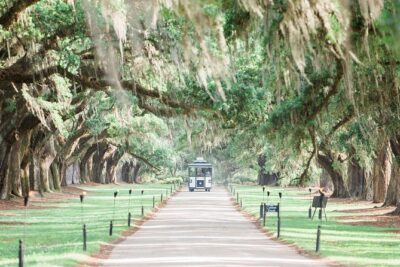
Boone Hall’s Avenue of Oaks is the opening scene you will remember: a long, graceful drive framed by massive live oaks leading toward the plantation grounds. The visit then moves beyond pretty scenery, with a mansion tour, preserved slave cabins, a Gullah presentation, and time to walk or ride around the property.
I like the ease of round-trip transport from downtown Charleston, especially since you do not need to rent a car or work out the Mount Pleasant route. I also like the strong historical focus on enslaved people and Gullah culture, rather than treating the plantation as only a grand house and garden.
The main drawback is time. The outing lasts about four and a half hours, but several attractions compete for your attention. If you want to see every presentation, ride, cabin, garden, and room at a relaxed pace, the schedule may feel tight.
Key Points

- The Avenue of Oaks makes a powerful first impression, with a long entrance shaded by mature live oaks.
- The Gullah presentation is a highlight, offering an engaging look at culture passed down through generations.
- The slave cabins deserve priority, with audio information at individual cabins and guided interpretation about enslaved life.
- The mansion tour is limited, focusing on the first floor and only a few rooms, with furnishings that are not original.
- Scott, Watson, and other Gray Line guides add local context, including Charleston history and practical suggestions for the rest of your day.
- The $67 price includes admission and transport, making it a practical choice if you do not have a car.
Why Boone Hall Works as a Charleston Side Trip
Boone Hall Plantation sits in Mount Pleasant, across the harbor from Charleston. That makes it easy to add to a Charleston visit, but not especially convenient if you are trying to get there without transportation. This tour solves that problem with a climate-controlled bus from a central downtown meeting point.
You check in behind the main building of the Visitors Center and Charleston Museum. Plan to arrive 15 minutes early. There is no hotel pickup, so you need to reach the meeting point on your own.
The drive matters more than it may seem. Guides such as Scott have used the trip to explain Charleston and the surrounding area before arrival. That early orientation can help you decide how to spend your limited time at Boone Hall. Scott has also been praised for punctual service, local restaurant suggestions, and practical advice about which parts of the property deserve priority.
At $67 per person, the value is strongest for people without a car. You are paying for admission and round-trip transport, not just a ride to the gate. If you already have a vehicle and prefer to set your own pace, the fixed return time is less appealing. For a visitor staying downtown, though, the price is reasonable for a half-day outing.
More Plantation Tours in the USA
- Boone Hall Plantation All-Access Admission Ticket
★ 4.5 · 1,736 reviews - Magnolia Plantation Admission & Tour with Transportation from Charleston
★ 4.5 · 836 reviews - Boone Hall Plantation Admission & Tour with Transportation from Charleston
★ 4.5 · 455 reviews
The Avenue of Oaks Sets the Tone
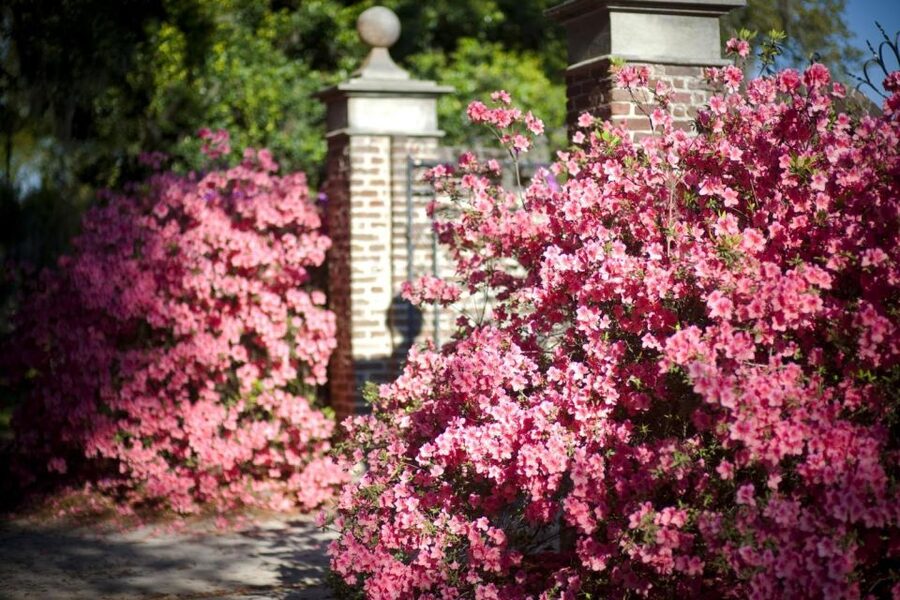
The entrance is Boone Hall’s most familiar view, and it earns its reputation. The Avenue of Oaks leads toward the main property through a striking corridor of old trees. Bring a camera, but do not let the first photo stop you from looking at the grounds around it.
This part of the visit is scenic rather than interpretive, so the value comes from atmosphere. It gives you a sense of scale and introduces Boone Hall as a working property with more to see than the mansion alone.
The grounds are also a good reason to bring comfortable clothes and shoes. You will move among outdoor areas, historic structures, gardens, and tour stops. The property operates in rain or shine, so check the forecast and dress for changing conditions.
Inside the Mansion: Attractive, But Brief
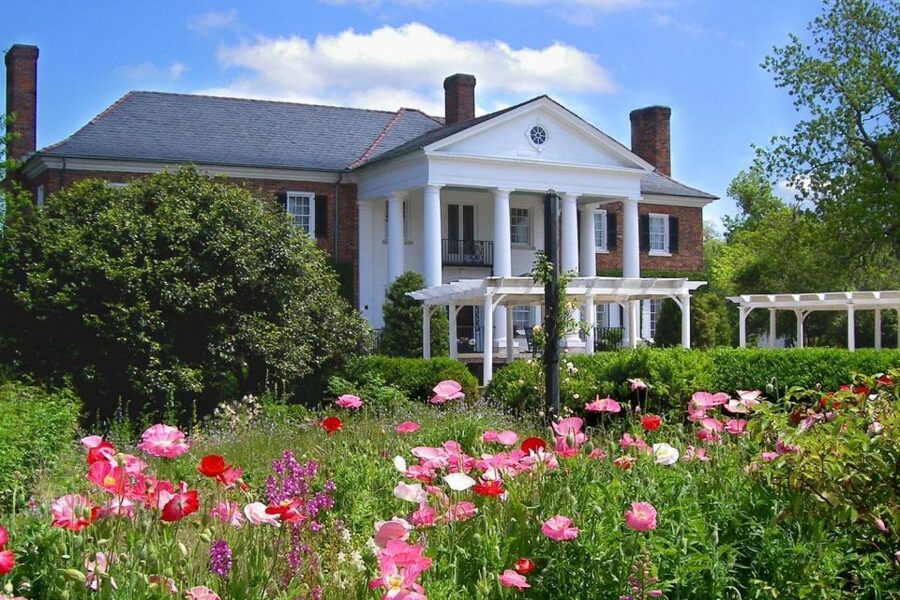
The guided mansion tour provides the familiar plantation-house experience, with an expert storyteller explaining the building and its place in Boone Hall’s story. It can help you understand how the property was presented and used, but keep your expectations in check.
Only the first story is open for the tour, and the route includes about three rooms. The house and furnishings are not original, which limits how much of the visit can function as a preserved domestic time capsule. If you expect a large house tour with many rooms and original contents, this section may feel thin.
I would not make the mansion the main reason to book the excursion. Treat it as one stop in a larger visit. The grounds, cabins, Gullah program, and property ride give you more substance and a wider view of Boone Hall.
That said, the house can still be worthwhile if you enjoy architecture, interiors, or the way plantation homes are interpreted for the public. Your guide may also connect the building to the broader social and economic story of the area.
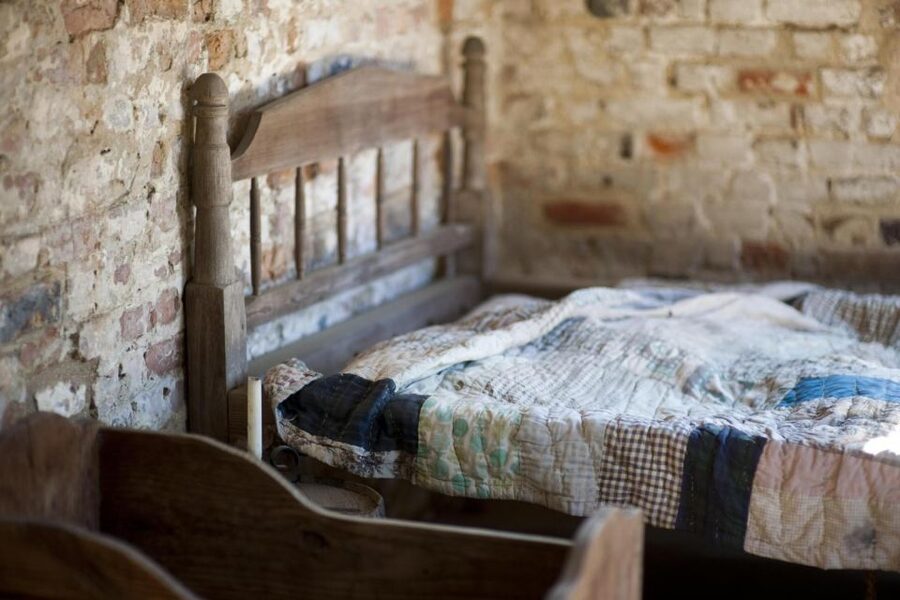
The Cabins Bring Enslaved Life Into Focus
The original slave cabins are the most important historical stop at Boone Hall. They shift attention away from the owners’ house and toward the people whose labor supported plantation life.
The cabins can be visited at your own pace. Each one has a button that activates an audio narrative explaining what the space represents. That setup lets you pause, listen, and consider the material without being hurried from room to room.
The first cabin presentation is especially useful because it gives social and economic context, not just a list of dates. You will hear about slavery, daily conditions, and the systems that shaped life on the property. The subject is difficult, as it should be, but the interpretation gives the visit weight.
I recommend making the cabins a priority even if you have to choose between stops. They offer a more direct connection to the people who lived and worked here than the mansion does. Allow enough time to listen to the audio material instead of treating the cabins as a quick photo stop.
The historical presentation can also leave you wanting more. One part of the experience is devoted to slavery and its lasting consequences, but some visitors may wish for still more discussion of reparations and the continued effects of that history. If you want a longer treatment of those subjects, you may need to supplement this visit elsewhere in Charleston.
More Plantation Tours in Charleston:
- Charleston: Magnolia Plantation Entry & Tour with Transport
★ 4.6 · 438 reviews - Charleston: Historic City Tour & Magnolia Plantation Combo
★ 4.4 · 187 reviews - Charleston: Boone Hall Plantation Entry & Tour w/ Transport
★ 4.6 · 106 reviews - Middleton Plantation-3 hour guided tour- hotel pickup-admission
★ 4.5 · 94 reviews
The Gullah Presentation Is the Emotional Center

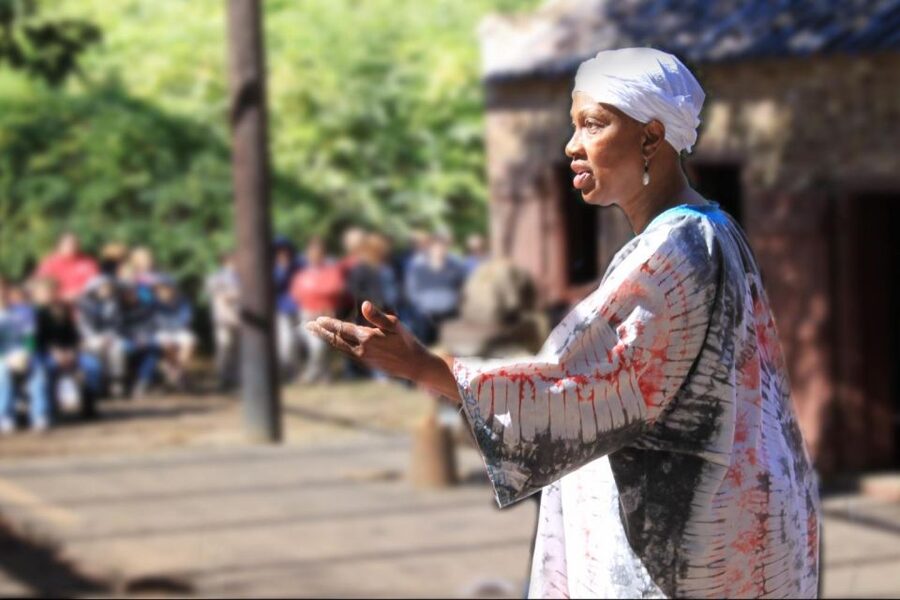
The Gullah presentation is one of the strongest reasons to visit Boone Hall. A live presenter explains Gullah culture, language, music, and traditions that were carried through generations by African Americans in the Lowcountry.
This is not just a general plantation talk. It gives you a clearer sense of how culture survived under brutal conditions and continued after emancipation. The presentation adds voices and traditions that a mansion tour cannot provide.
The program’s impact depends partly on the presenter. Jackie and Ms. Presley have been singled out for memorable, informative performances, and the singing is a major part of the appeal. The result is both educational and moving without turning the past into a polished pageant.
Check the schedule when you arrive so you do not miss it. The time is limited, and this program can be easy to overlook if you begin with the house or spend too long taking photos along the oak avenue.
For me, this is the stop that gives the outing its clearest sense of purpose. The architecture is attractive, but the Gullah presentation helps you understand the culture that grew in this region and why preserving those traditions matters.
A Tractor Ride Gives You the Big Picture
The tractor-pulled farm and grounds ride is a useful way to understand the full property. Instead of seeing only the central buildings, you get an overview of the fields, gardens, and wider grounds.
This ride is especially helpful early in your visit. It gives you a map in your head, so you can return to the areas that interest you most. Jim, one of the guides mentioned in connection with the grounds tour, has been praised for making the farm and crops portion informative.
The ride also provides a break from walking, which helps on a warm or rainy day. It is not the deepest historical stop, but it connects the separate pieces of the site. You see how the property functions as a whole rather than as a single house surrounded by trees.
Because the tour lasts 270 minutes, check whether the tractor ride fits comfortably with the mansion and Gullah presentation. One extra hour would make the visit easier for anyone who wants to take every offered tour without rushing. If time is short, I would choose the Gullah program and cabins first, then add the tractor ride.
How the Half-Day Schedule Feels
The advertised duration is about four and a half hours, including transportation. Actual time at Boone Hall is shorter, so you need to make choices.
The outing is well suited to a first visit when you want a structured introduction. You can arrive, receive instructions, join the scheduled programs, and return to Charleston without spending a full day planning the details yourself.
The tradeoff is freedom. You can explore some areas at your own pace, but the return bus creates a natural deadline. A visitor who likes to linger over every audio stop, take photographs, eat at the snack bar, and attend all presentations may feel hurried.
Some people have found the snack bar useful, with pulled pork receiving a specific nod. Still, I would not plan the day around a long meal. Use your time for the historic areas first, then eat if the schedule allows.
The best strategy is simple:
- Start by checking the times for the Gullah presentation and tractor ride.
- Visit the cabins before spending too long at the mansion.
- Use the property ride to orient yourself.
- Keep an eye on the time so you are back at the bus when required.
The tour runs in rain or shine. A camera is useful for the oaks and grounds, while comfortable clothing and shoes matter more than dressing up for the mansion.
The Guide Can Shape Your Charleston Day
The Gray Line guide is more than a driver on this outing. Scott has been praised for explaining local history, giving a clear introduction to Boone Hall, and offering restaurant suggestions for later. Watson has also been singled out for an organized, informative day.
A good guide matters because Boone Hall has several separate components. Without some direction, it is easy to spend too long at the house and miss the material that many people find most meaningful.
Guides may also help you understand how the plantation fits into the Charleston area. That wider context makes the drive useful instead of dead time. You arrive with a better idea of what you are seeing and how to use the property’s schedule.
One practical note: guides can differ in experience. John, for example, was new to the Boone Hall route but still offered useful Charleston facts and instructions. That suggests the basic organization is not dependent on one individual, though a seasoned guide can make the transport portion especially enjoyable.
The transport receives particularly strong marks for comfort. Climate-controlled service is a real advantage in South Carolina heat, humidity, or rain. It also removes the stress of parking and navigation.
Who Should Book This Experience

I would recommend this outing to you if you are staying in downtown Charleston and want a structured visit to Boone Hall without renting a car. It suits first-time visitors who want scenery, architecture, plantation history, enslaved people’s stories, and Gullah culture in one half-day.
Families and mixed-interest groups may also like the variety. One person can focus on the house, another on photography, and another on the cabins or Gullah program. The tractor ride gives children and less mobile members of the group a change from walking, though the supplied information does not specify accessibility arrangements.
You should think twice if your main goal is a long, detailed mansion tour. The house portion is short, limited to the first floor and a few rooms, and the contents are not original.
You may also want a different plan if you prefer complete independence. This excursion has a set transport schedule and only a limited amount of time on the property. A private car would give you more control, though it would not provide the same guided transport experience.
Should You Book the Boone Hall Tour?
Book it if you want the oak-lined entrance, the cabins, the Gullah presentation, and a broad introduction to Boone Hall without dealing with a car. The $67 cost is fair when you value the included admission, central pickup point, and comfortable round-trip transport.
Give the cabins and Gullah program priority. The mansion is pleasant but modest, while those two sections offer the clearest understanding of the people and culture connected to the property.
I would skip this particular outing only if you need a slow, exhaustive visit or care mainly about original interiors. For most Charleston visitors, it is a practical half-day that combines beautiful grounds with difficult but necessary history, and it gives you a much fuller picture than a quick photo stop at the oaks.
FAQ
How long does the Boone Hall experience last?
The activity lasts 270 minutes, or about four and a half hours, including round-trip transportation from Charleston.
Where do I meet the bus?
Check in at the buses directly behind the main building of the Visitors Center and Charleston Museum in Charleston, South Carolina.
Is hotel pickup included?
No. Hotel pickup is not included. You need to reach the meeting point on your own.
What does the $67 price include?
The price includes admission to Boone Hall Plantation and round-trip transportation.
Is the tour offered in English?
Yes. The live guide and activity are offered in English.
What can I see at Boone Hall?
You can see the Avenue of Oaks, the historic mansion, the original slave cabins, the grounds, homes, gardens, and farm areas. The visit also includes access to the site’s presentations and tours.
Is the Gullah presentation included?
The experience includes a presentation about enslaved people and Gullah culture. Schedule details can vary, so check the available times when you arrive.
What should I bring?
Bring a camera and wear comfortable clothes. The tour operates in rain or shine, so dress with the weather in mind.
Just added around Charleston
- Magnolia Plantation Tour with transportation PLUS City Bus Tour★ 5.0 · 4 reviews
- Taste of Historic Plantations 1/2 Day Tour★ 5.0 · 9 reviews
- Tea Plantation and Winery Tour in Charleston★ 5.0 · 3 reviews
- Magnolia Plantation Day Tour with Transportation★ 4.5 · 35 reviews
- Boone Hall Plantation Day Tour with Transportation★ 4.5 · 8 reviews
- Middleton Place Plantation Tour★ 5.0 · 8 reviews
- Charleston: Magnolia Plantation with Transport and City Tour★ 4.5 · 21 reviews
- Charleston: Magnolia Plantation & Gardens Guided Tour★ 4.5 · 43 reviews
Charleston Farm Tours, compared.
Boone Hall Plantation All-Access Admission Ticket
Read our review →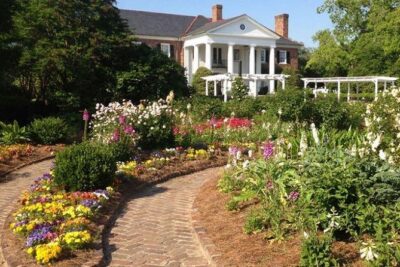
Boone Hall Plantation Admission & Tour with Transportation from Charleston
Read our review →
Magnolia Plantation Entry & Tour with Transport
Read our review →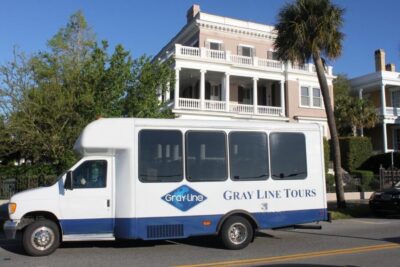
Historic City Tour & Magnolia Plantation Combo
Read our review →
Charleston Farm-to-Table Food Tour and Chef’s Challenge
Read our review →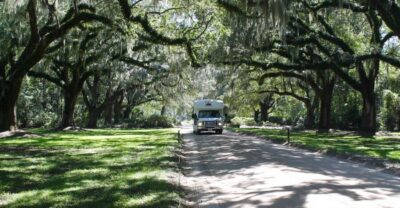
Boone Hall Plantation Entry & Tour w/ Transport
Read our review →
Middleton Plantation-3 hour guided tour- hotel pickup-admission
Read our review →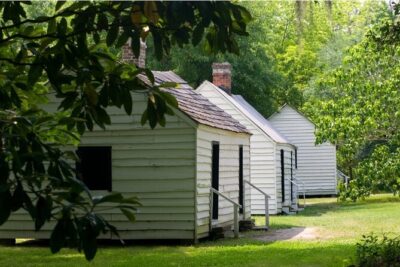
Magnolia Plantation Tour with Small Group Transportation
Read our review →Browse the lists this tour appears in