
Review · CHARLESTON
Charleston: Magnolia Plantation Entry & Tour with Transport
Magnolia Plantation is at its best when you treat it as more than a pretty garden. The half-day visit brings together romantic gardens, swamp wildlife, and plantation history, with a house tour and a narrated tram ride through wetlands where you might spot alligators, turtles, herons, and other birds.
I like the easy roundtrip transport from central Charleston, and I like that guides such as Scott, Vicki, and John add local history and practical advice before you even reach the plantation. The small group size, limited to six participants, also helps you hear the guide clearly. The main drawback is time: four hours can feel tight if you want the gardens, house, wildlife areas, cabins, and slavery presentation.
Key points to know before you book
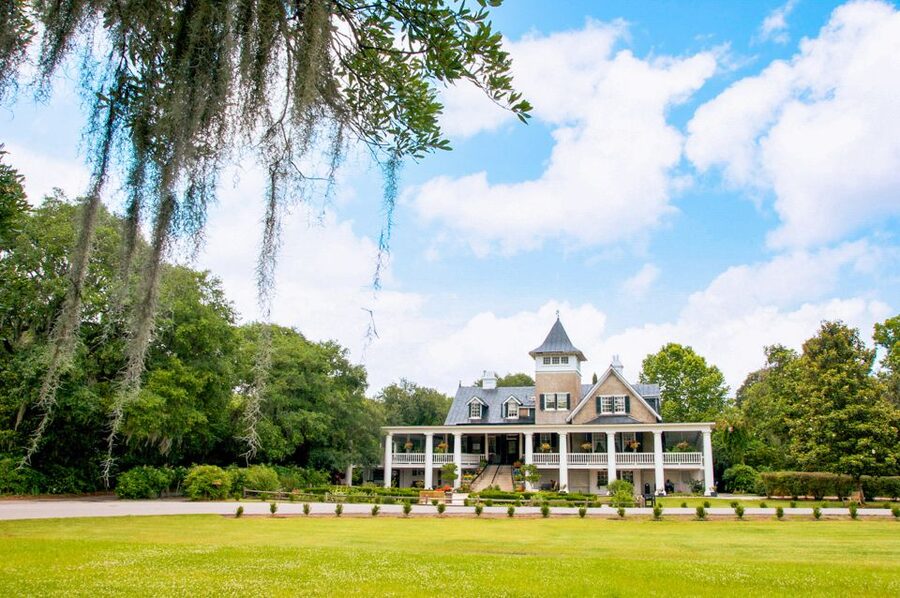
- The wildlife tram is a highlight: Look for alligators, turtles, herons, and birds as the vehicle rolls through Audubon Swamp Gardens.
- The 45-minute house tour adds context: The docent-led visit explains the Drayton family home and the plantation’s long history.
- The Slavery to Freedom presentation matters: Plan time for the Old African American Cabin and the presentation about enslaved people and the road to freedom.
- The gardens need walking time: Magnolia’s romantic garden is beautiful, but a scheduled tour may leave little time for wandering on your own.
- Roundtrip transport removes a hassle: You meet at the Charleston Visitor Center on Meeting Street and ride in a climate-controlled coach.
- The $90 price is about convenience: You are paying for transport, organized touring, and several major parts of the plantation in one booking.
From Charleston to Magnolia Plantation

Your visit begins at the Charleston Visitor Center, 375 Meeting St. Arrive 15 minutes early, since the coach leaves from a busy central meeting point and the tour follows a set schedule.
The ride to Magnolia Plantation is part of the experience, not just a transfer. Gray Line drivers often use the journey to explain Charleston, South Carolina history, local restaurants, and the area’s plantations. Scott is frequently praised for giving clear background information and useful advice, while Vicki and John have also been singled out for friendly, capable service.
That matters because Magnolia is a large place with several separate attractions. A good driver helps you understand what to see first and reminds you when each scheduled activity begins. You ride in an air-conditioned coach, a welcome feature in hot or rainy weather.
The experience is listed as a small-group activity for up to six participants. That is especially useful during guided parts of the visit, when a crowded group can make it hard to hear. You cannot bring food or drinks into the vehicle, and the tour runs rain or shine, so dress for the forecast and wear shoes that can handle paths and garden walking.
More Plantation Tours in the USA
- Boone Hall Plantation All-Access Admission Ticket
★ 4.5 · 1,736 reviews - Magnolia Plantation Admission & Tour with Transportation from Charleston
★ 4.5 · 836 reviews - Boone Hall Plantation Admission & Tour with Transportation from Charleston
★ 4.5 · 455 reviews
Why Magnolia Plantation feels different from a simple house tour
Magnolia dates to 1676, when South Carolina was still a British colony. The Drayton family has owned the property for 12 generations, and the site has welcomed the public since 1870. That gives it an unusual place in American tourism: it is described as one of the country’s first public gardens and one of its earliest tourist attractions.
The setting is not limited to a mansion and formal flower beds. You move through wetlands, lakes, forests, marshes, garden paths, and wildlife areas. The result is a visit with several moods. One moment you are listening to a docent explain a room in the house. Later, you are watching an alligator rest near the water or listening for a heron in the swamp.
I appreciate that variety, but it also explains the time pressure. Magnolia is not a site you can fully absorb by following only one path. The organized tour gives you a reliable introduction, but you may need to choose between lingering in the gardens, visiting the cabins, seeing the wildlife center, or stopping for food.
The 45-minute house tour and Drayton family story
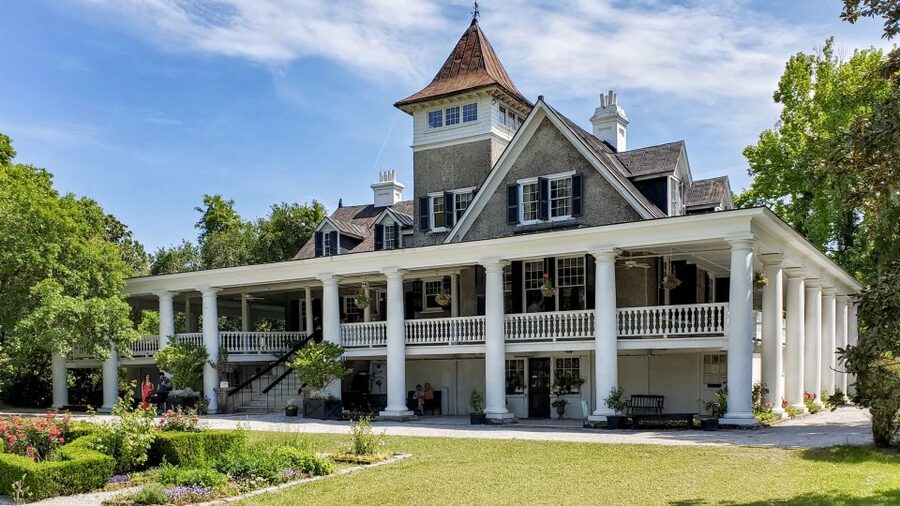
The guided house tour is one of the core parts of the visit. It lasts about 45 minutes and takes you inside Drayton Home, which is not the same property as Drayton Hall. That distinction is worth remembering when planning your Charleston sightseeing.
The house tour focuses on the building, the Drayton family, and the way the property changed over time. The docent-led format gives you more than a walk through furnished rooms. It connects the home to the plantation’s wider story and to the history of South Carolina.
Millie has earned particular praise for her animated delivery, humor, and ability to make the past understandable. Her presentation is a strong reason to pay attention rather than simply admire the furniture and architecture. Other plantation guides are also described as friendly and well prepared.
The house is valuable for visitors who want a structured historical introduction, but it is not the whole point of Magnolia. If you prefer gardens and wildlife to interiors, you may find the house tour less memorable than the tram ride. If you enjoy hearing how a family property changed across generations, the 45 minutes give the rest of the visit a useful frame.
The gardens: beautiful, but do not rush them

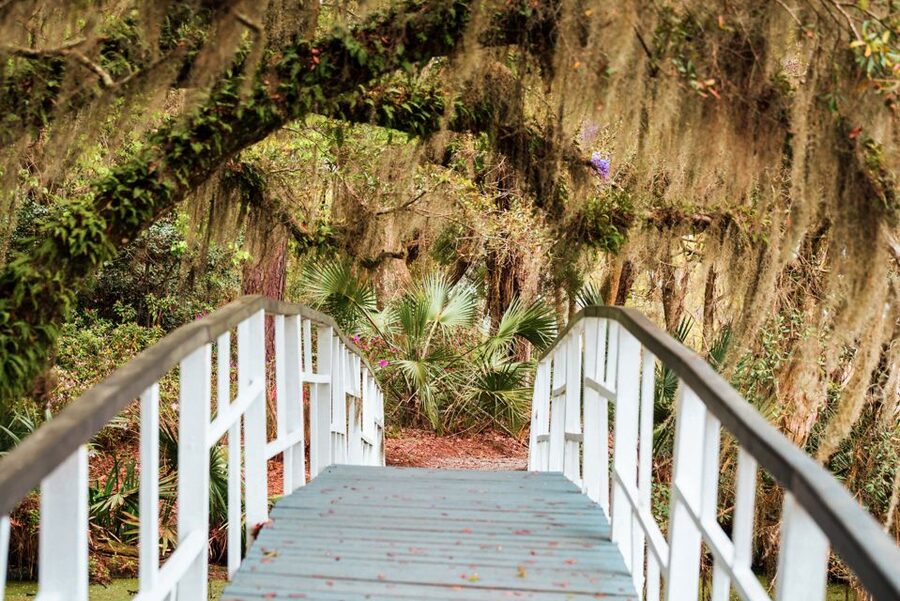
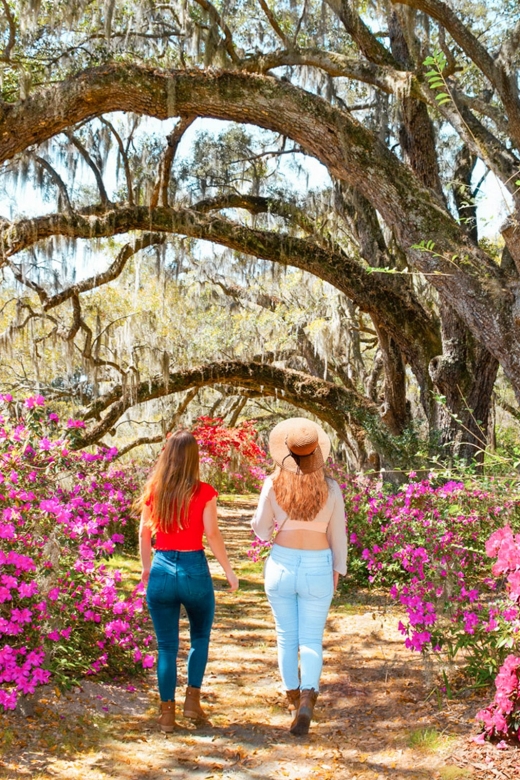
Magnolia’s gardens are the most visually striking part of the property. They are known as one of America’s last large-scale romantic gardens, a style that favors winding paths, varied views, water, trees, and a less rigid feel than a tightly ordered formal garden.
You can expect plenty of attractive photo spots, with water, old trees, flowers, and shaded paths creating a slower pace than the house tour. Spring is an especially appealing time for gardens, though the property has something to offer in other seasons as well. A fall festival has also added music, treats, and activities at certain times.
The catch is simple: the formal schedule may not leave enough room for a long garden walk. Several visitors have wished for an extra hour to explore the grounds, eat lunch, or visit smaller attractions. If gardens are your main reason for coming, keep your expectations in check. You will see the most important areas, but you may not have time to wander every path.
I would make the gardens a priority immediately after the scheduled tours. Do not assume you can save them for the last few minutes. The return coach will leave at the arranged time, and the plantation has enough to fill a full day if you are exploring independently.
More Plantation Tours in Charleston:
- Charleston: Historic City Tour & Magnolia Plantation Combo
★ 4.4 · 187 reviews - From Charleston: Boone Hall Plantation Entry with Transfers
★ 4.6 · 106 reviews - Charleston: Boone Hall Plantation Entry & Tour w/ Transport
★ 4.6 · 106 reviews - Middleton Plantation-3 hour guided tour- hotel pickup-admission
★ 4.5 · 94 reviews
The nature tram through Audubon Swamp Gardens

The narrated nature ride offers a change of pace from the house. The tram travels through Audubon Swamp Gardens and other parts of the property, with guides pointing out plants, water, and wildlife.
The experience description gives the tram ride as about 30 minutes, while the included nature tour is listed as 45 minutes. In practical terms, expect a substantial narrated outdoor segment rather than a quick shuttle. The exact rhythm can depend on stops, wildlife sightings, and the day’s schedule.
This is where you may see alligators, turtles, herons, and other birds in their natural surroundings. The wildlife is not guaranteed, but several visitors have had especially good sightings, including multiple alligators. The tram guide can help you notice animals that you might miss while walking.
The ride is also useful for people who want to see more of Magnolia without spending the entire visit on foot. One caution: the tram has been described as rough, with hard seats. If you have back or mobility concerns, you may want to ask staff for practical guidance before boarding.
The tram is not only an animal-spotting trip. The narration covers the plants, the property, and the area’s past. That mix makes it worthwhile even on a rainy or quiet wildlife day.
The Old African American Cabin and Slavery to Freedom
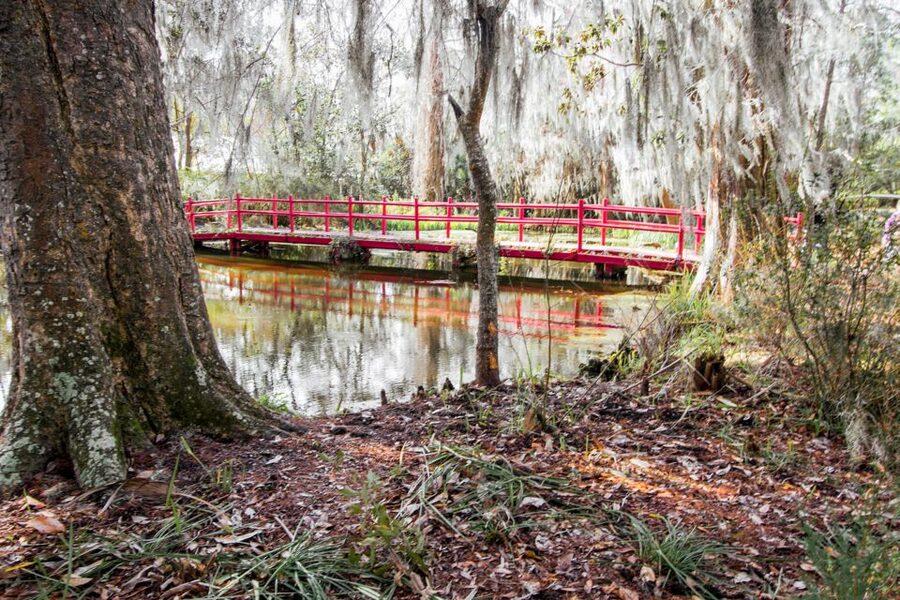
A responsible visit to Magnolia needs to include the history of enslaved people who lived and worked on the plantation. The property includes an Old African American Cabin and a Slavery to Freedom presentation that explains the plantation from its early years through emancipation and later history.
This may be the most important part of the visit for many people. The house and gardens can be attractive, but they do not tell the full story on their own. The presentation adds the lives and labor of people whose work made plantation wealth possible.
Plan this section carefully. The schedule can make it easy to arrive late or leave an interesting talk early because another tour is about to begin. A useful tip is to examine the cabins before the presentation in the pavilion if time allows. That way, you do not have to choose between seeing the physical site and hearing the talk.
Millie has also been praised for bringing this part of the past to life. I would give the presentation your full attention, even if you came mainly for gardens or animals. It gives the property a more complete and honest historical setting.
Wildlife Center, small attractions, and lunch

Magnolia includes more than the main house and garden paths. Depending on the time available, you may also find the Wildlife Center, a petting zoo, a gift shop, a snake exhibit, and the Peacock Cafe.
These smaller stops can be useful for families and for anyone who wants a break from formal touring. They also make the plantation feel like a broad public attraction rather than a single guided building. The difficulty is that they are easy to miss on a four-hour schedule.
Food and drinks are not included in the $90 price. The cafe has been described as reasonably priced, but food availability can vary. One visit found limited sandwich choices, so do not assume you will have a full meal with no wait. If lunch matters to you, ask the driver about the timing and available options when you board.
You can bring a camera, and you should. The gardens, waterways, wildlife, and house offer very different photo opportunities. Wear comfortable shoes, since the visit involves walking between separate areas even though the tram and coach reduce the amount of time on foot.
Is $90 a fair price?

At $90 per person, this is not the cheapest way to see Magnolia. The value comes from combining several costs and decisions into one half-day plan. You receive roundtrip transportation from downtown Charleston, a 45-minute house tour, a nature tour by tram, and organized access to the plantation’s main attractions.
I see the price as fair for visitors without a car or anyone who prefers not to sort out admission, driving, parking, and tour times independently. The driver’s Charleston commentary adds value, especially if you are new to the city.
The price is less compelling if you want a slow, self-guided day. Four hours gives you a useful introduction, but Magnolia has enough gardens, wildlife areas, presentations, and small exhibits to justify more time. An independent visit may suit you better if you want to linger, eat lunch, or photograph the grounds at your own pace.
The group limit of six improves the guided portions. You are less likely to lose the docent’s explanation in a crowd, and the transport feels more personal than a large sightseeing departure. For many people, that convenience makes the price easier to accept.
Who should book this half-day visit?
I would choose this tour if you have limited time in Charleston and want to see a plantation without renting a car. It suits first-time visitors who want transport, history, gardens, and wildlife handled in one organized outing.
It also works well for families and mixed-interest groups. One person can enjoy the house, another can focus on birds and alligators, and everyone gets a broad look at the property. The tram reduces the walking load, though the rough ride and hard seats may matter to some people.
History-minded visitors should pay close attention to the Slavery to Freedom presentation and the Old African American Cabin. Garden lovers should book with the understanding that the schedule may not allow a leisurely walk through every section.
I would hesitate only if you dislike fixed timetables or want a full day at the plantation. In that case, four hours may feel hurried. Rain is also not a reason to cancel automatically, since tours operate in wet weather, but gray skies can change the garden and wildlife experience.
Should you book Magnolia Plantation with transport?
Book it if you want a well-organized introduction to Magnolia Plantation and need transport from Charleston. The strongest parts are the house docent, the wildlife tram, the gardens, and the chance to hear the plantation’s slavery and freedom history in a structured setting.
Go in with a plan. Arrive early at the Visitor Center, wear comfortable shoes, listen for the day’s timing, and visit the cabins before the presentation if you can. Save any free minutes for the gardens rather than assuming you will have spare time at the end.
Skip this package only if you want to explore every corner slowly or spend most of the day on site. For everyone else, the $90 price buys a practical half-day outing with enough history, nature, and scenery to make the trip worthwhile.
FAQ
Where does the tour depart from?
The tour departs from the Charleston Visitor Center at 375 Meeting St, Charleston, South Carolina 29403. You should arrive 15 minutes before the scheduled departure.
How long does the activity last?
The full experience lasts four hours, including roundtrip transportation between Charleston and Magnolia Plantation.
What tours are included?
The package includes a 45-minute guided house tour and a nature tour by tram. The nature portion includes a narrated ride through the Audubon Swamp Gardens.
Is transportation included?
Yes. Roundtrip transportation from the Charleston meeting point is included in a climate-controlled coach.
What wildlife might I see?
You might see alligators, turtles, herons, and other birds and wildlife during the nature tram ride. Sightings are not guaranteed.
Is food included?
No. Food and drinks are not included in the activity price, and food and drinks are not allowed in the vehicle.
Does the tour operate in bad weather?
Yes. Tours operate rain or shine. Bring comfortable shoes and a camera, and dress for the weather.
Just added around Charleston
- Magnolia Plantation Tour with transportation PLUS City Bus Tour★ 5.0 · 4 reviews
- Taste of Historic Plantations 1/2 Day Tour★ 5.0 · 9 reviews
- Tea Plantation and Winery Tour in Charleston★ 5.0 · 3 reviews
- Magnolia Plantation Day Tour with Transportation★ 4.5 · 35 reviews
- Boone Hall Plantation Day Tour with Transportation★ 4.5 · 8 reviews
- Middleton Place Plantation Tour★ 5.0 · 8 reviews
- Charleston: Magnolia Plantation with Transport and City Tour★ 4.5 · 21 reviews
- Charleston: Magnolia Plantation & Gardens Guided Tour★ 4.5 · 43 reviews
Charleston Farm Tours, compared.
Boone Hall Plantation All-Access Admission Ticket
Read our review →
Boone Hall Plantation Admission & Tour with Transportation from Charleston
Read our review →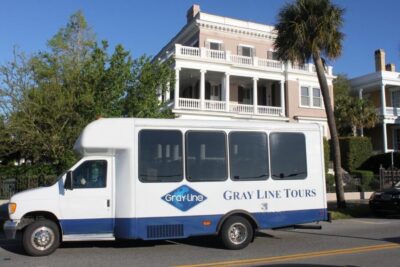
Historic City Tour & Magnolia Plantation Combo
Read our review →
Charleston Farm-to-Table Food Tour and Chef’s Challenge
Read our review →
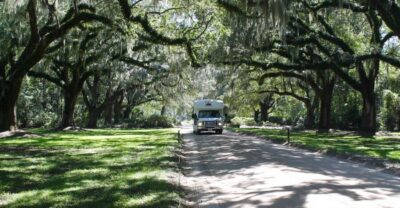
Boone Hall Plantation Entry & Tour w/ Transport
Read our review →
Middleton Plantation-3 hour guided tour- hotel pickup-admission
Read our review →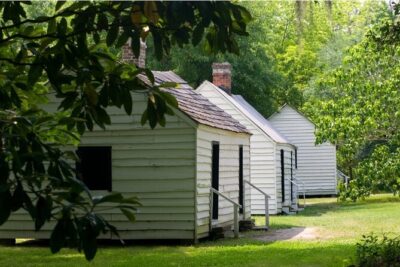
Magnolia Plantation Tour with Small Group Transportation
Read our review →Browse the lists this tour appears in