
Review · CHARLESTON
Boone Hall Plantation All-Access Admission Ticket
Boone Hall’s most important experience is not the grand entrance or the famous oak avenue. It is the chance to move between the plantation house, the nine cabins where enslaved people lived, and the Black History in America exhibit. Together, these places show both the polished public face of the estate and the hard reality behind it.
I like the way one ticket covers the full property, including the Gullah culture presentation and the tractor ride. I also like that Boone Hall remains a working farm, with gardens, wildlife, stables, and a Gin House Museum that reaches across 300 years of site history.
The main point to understand before you book is that the house is not an original colonial plantation home. The current mansion dates to the 1930s, and the first-floor tour is fairly brief. If you want the fullest historical picture, give the cabins and Gullah presentation at least as much time as the house.
Key points to know before you go
- The nine cabins are the emotional center: The Black History in America exhibit uses original buildings connected to the lives of enslaved people.
- The Gullah presentation is a major highlight: Set aside time for this live talk, which many visitors consider the strongest part of the visit.
- One ticket covers a lot: You get the house, tractor tour, gardens, history presentation, Gullah program, stable tour, Gin House Museum, and grounds.
- Allow up to four hours: You can see the property faster, but a relaxed visit requires time between scheduled presentations.
- The house is a 1930s building: It is beautifully furnished, but it is not the original Boone family home and only the first floor is included.
- Check the price before paying: The listed ticket price is $36.50 per person, while direct prices reported at the property have sometimes been lower, especially for seniors.
Arriving beneath the Avenue of Oaks

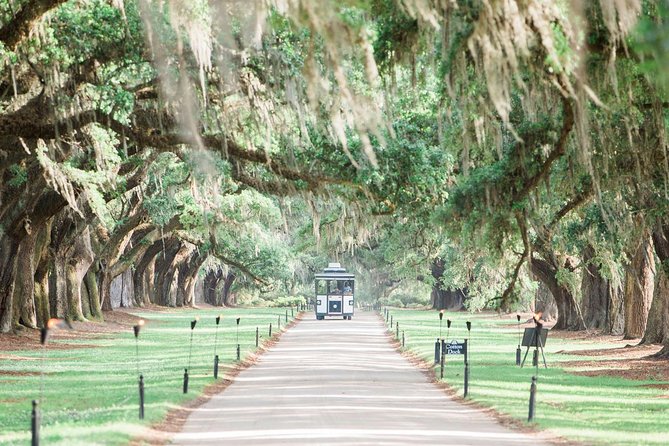
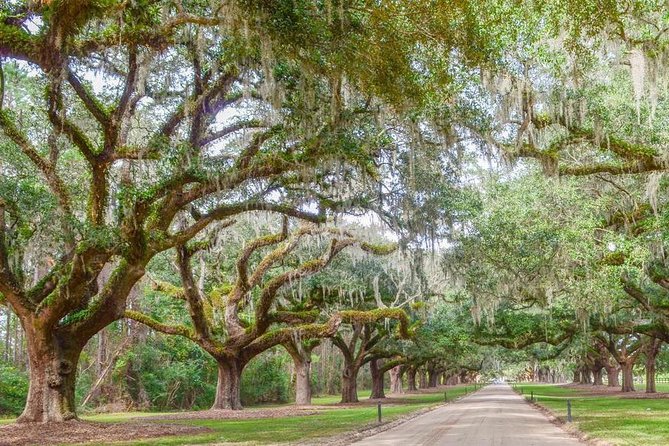
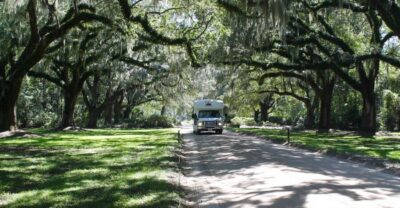
Your visit begins along Boone Hall’s famous Avenue of Oaks, a long approach shaded by huge live oak trees. It is the kind of entrance that makes you reach for your camera before you have even reached the house.
Boone Hall was founded near Charleston in 1681, and the property has changed hands and uses over the centuries. The present estate combines old buildings, newer structures, gardens, farm activity, and restored grounds. That mix gives you more to see than a simple house tour, but it also means the site does not present one untouched moment from the past.
The property is open Monday through Saturday from 9:00 a.m. to 5:00 p.m. in the schedule provided for this experience. Admission includes free parking. The site is near public transportation, and service animals are allowed. Most people can take part, though the size of the grounds means you should expect some walking and time outdoors.
I would arrive early enough to check the day’s presentation times. The stable tour, in particular, runs at set times, and it may not be available when you happen to pass by. A little planning helps you avoid missing one of the included attractions.
More Plantation Tours in the USA
- Magnolia Plantation Admission & Tour with Transportation from Charleston
★ 4.5 · 836 reviews - Boone Hall Plantation Admission & Tour with Transportation from Charleston
★ 4.5 · 455 reviews - Charleston: Magnolia Plantation Entry & Tour with Transport
★ 4.6 · 438 reviews
Why the cabins matter more than the mansion
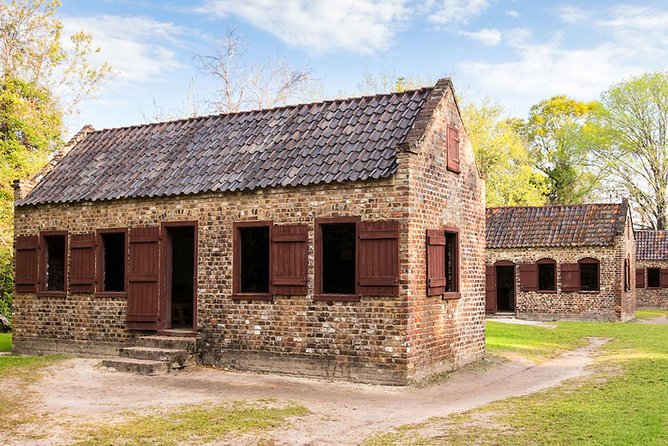
The nine original cabins are the part of Boone Hall that gives the visit its moral weight. These are not decorative outbuildings added to make the property feel old. They are tied to the people who were forced to live and work here.
The Black History in America exhibit places historical information inside these cabins. You get a more direct sense of the living conditions and labor system that made plantation wealth possible. The displays also help connect Boone Hall to the wider story of slavery in South Carolina and the United States.
This section deserves quiet time. It is easy to hurry through the cabins after looking at the house, but that order can leave you with a badly incomplete picture. I recommend visiting the cabins before or immediately after the house tour, then attending the Gullah presentation while the subject is still fresh.
The tone can be difficult, and it should be. Boone Hall is not only a pretty property with oak trees and gardens. It is also a place shaped by forced labor, and the cabins make that fact physical.
The quality of the experience depends partly on how much attention you give the interpretation. Some of the site’s presentations speak plainly about slavery and the people who lived here. Other parts focus more on architecture, farming, or estate life. If your main goal is an in-depth examination of slavery, you should treat the cabins and Gullah program as essential rather than optional.
The Gullah presentation deserves your schedule
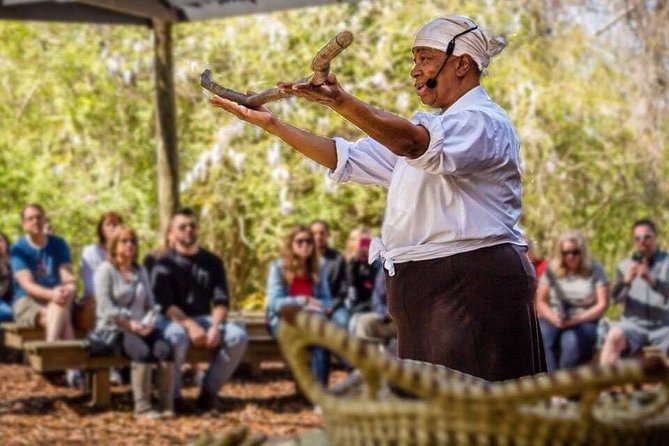
The live Exploring the Gullah Culture presentation is one of the strongest reasons to choose the all-access ticket. Gullah culture developed among African Americans in the coastal Lowcountry, shaped by African traditions, forced migration, language, foodways, music, and life along the South Carolina and Georgia coast.
The presentation gives the plantation visit a wider frame. You are not just looking at buildings from the past. You are learning about living cultural traditions and the people who carried them forward.
I would not plan a Boone Hall visit around the mansion alone. The house tour is short, and the building is relatively modern. The Gullah program offers more context and helps you understand why the history of the Lowcountry cannot be reduced to elegant furniture and farming.
Check the schedule when you arrive, since the program is live and may run at a particular time. If you arrive during rain or need to leave early, you may not get the same value from the ticket. The weather policy also matters because some activities, including the tractor ride, depend on conditions.
What to expect inside the plantation house
The guided tour covers the first floor of the plantation house. You may see the entrance, drawing room, dining room, breezeway, and game room, with the exact number of rooms open to visitors varying by the day’s tour setup.
The rooms are furnished and attractive, and the guides explain details about the building and its occupants. You can learn about doors, rooms, entertaining, and the way the house functioned. The house provides useful context for the later discussions of labor and social rank.
Still, set your expectations correctly. The mansion was built in the 1930s, not during the earliest period of Boone Hall’s history. It was not the original home of the Boone family. That does not make the building worthless, but it changes what you are seeing.
Photography inside is restricted, according to the information provided for this experience and comments about the tour. If taking interior photographs matters to you, ask about the current policy before entering. The tour itself is also kept fairly brief, with only part of the house open.
I would rate the house as a pleasant part of the visit, not the main reason to buy the ticket. The oak avenue, cabins, Gullah presentation, and property-wide activities provide more historical and practical value.
More Plantation Tours in Charleston:
- Charleston: Historic City Tour & Magnolia Plantation Combo
★ 4.4 · 187 reviews - From Charleston: Boone Hall Plantation Entry with Transfers
★ 4.6 · 106 reviews - Charleston: Boone Hall Plantation Entry & Tour w/ Transport
★ 4.6 · 106 reviews - Middleton Plantation-3 hour guided tour- hotel pickup-admission
★ 4.5 · 94 reviews
Seeing the property by tractor
The tractor tour crosses the full property when weather permits. This is useful because Boone Hall covers more ground than you may want to walk in the heat, and the ride gives you a quick view of the working farm and wider estate.
The ride also helps connect the separate attractions. Instead of seeing the house, gardens, cabins, and farm as isolated stops, you get a sense of how the property fits together. The guide’s history presentation adds information about the site and its changing uses.
Do not treat the tractor ride as a substitute for the walking portions. You will not get the same close look at the cabins, gardens, or exhibits from a moving vehicle. Use the ride to get your bearings, then return to the areas that interest you most.
Rain can change the day. The tractor tour may be canceled or altered in poor weather, and the overall experience requires suitable conditions. If the operator cancels because of weather, you can receive a different date or a full refund under the stated policy.
Gardens, stables, and the Gin House Museum
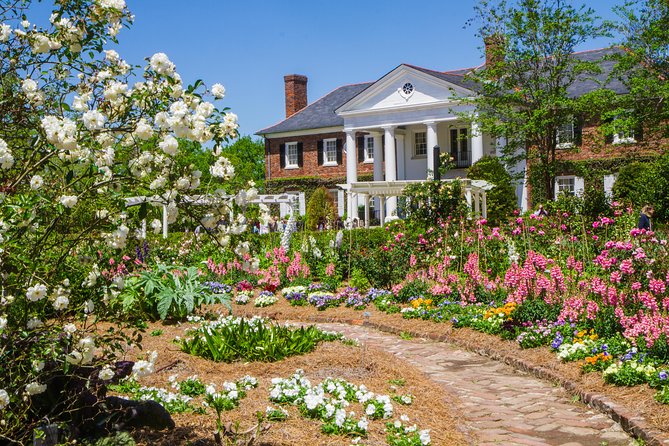
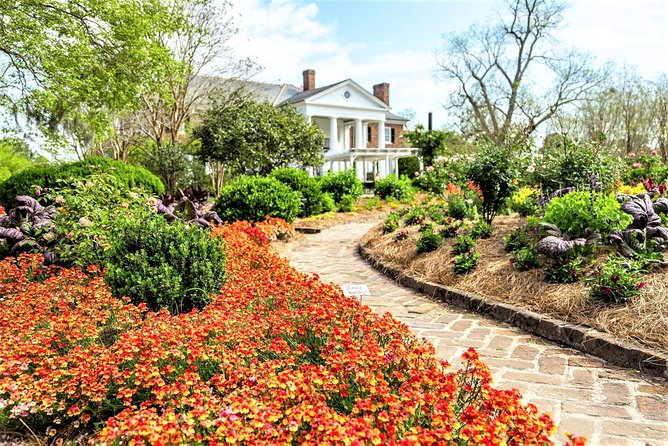
Boone Hall is still a working farm, which gives the property a present-day purpose beyond tourism. The garden tour, called Showcase of Color, adds a lighter section to the visit, with flowers and cultivated grounds that contrast with the more serious history exhibits.
The gardens are especially useful if you need a break between talks. They also offer some of the best casual photography on the property, along with the oak-lined approach and wildlife viewing areas.
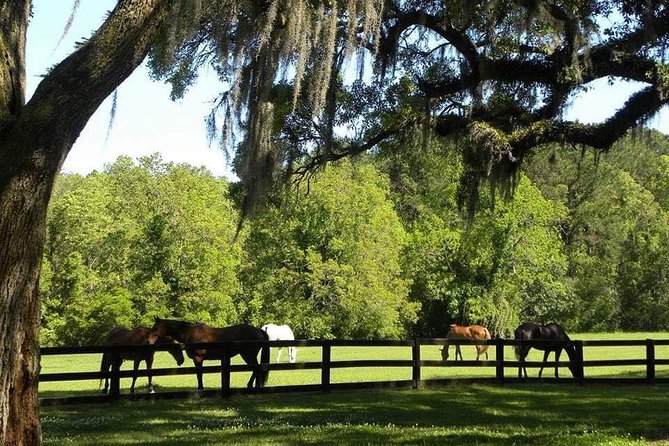
The stable tour is a newer addition. It may appeal to families and anyone interested in the property’s current operations. The hours are limited, so look for the day’s time before you make the stables your last stop. If you miss the scheduled opening, you may not have time to wait for the next one.
The Gin House Museum covers 300 years of history. It adds another layer to the estate story and helps show how production, buildings, and farm work changed over time. You will get more from it if you have already attended the history presentation, since the timeline will make better sense.
The property also offers beauty and wildlife viewing. These parts will appeal to you if you enjoy gardens and open grounds, but they should not replace the history-focused areas. The strongest visit balances both.
How long you need and how to plan the day
The stated visit time is two to four hours. Two hours is possible if you move quickly and catch the main talks without waiting. I would allow closer to four hours if you want the cabins, house, Gullah program, tractor ride, gardens, stable tour, and Gin House Museum.
The schedule matters more than the raw size of the property. You may need to wait between live presentations, and some stops have limited operating times. Use waiting periods to walk the grounds or visit the cabins rather than trying to force every attraction into a rushed sequence.
A practical order is:
- Start with the presentation schedule and note the Gullah program.
- Take the tractor tour if weather permits.
- Visit the plantation house while your energy is high.
- Spend unhurried time in the nine cabins and Black History in America exhibit.
- Attend the Gullah presentation.
- Finish with the gardens, stables, Gin House Museum, and wildlife areas.
You can reverse that order if the presentation times require it. The important thing is not to leave the cabins or Gullah program until the final few minutes.
Bring sun protection and water for the outdoor sections, though the supplied information does not specify on-site amenities beyond free parking and a place where lunch items such as sandwiches and coffee may be available. Wear shoes suitable for walking on a large property.
Is the $36.50 ticket good value?
At $36.50 per person, the ticket is not cheap for a two-hour visit. It becomes a fairer deal when you use the full admission: house tour, cabins, Gullah program, tractor ride, gardens, history talk, stable tour, Gin House Museum, and grounds.
The value drops if you only care about the mansion. You will see just part of a 1930s house, and the first-floor tour is short. The mansion alone does not justify the full price for most people.
The listed price also deserves a careful check before purchase. Direct prices reported at Boone Hall have included about $30 for adults and $27 for seniors, while online purchases have sometimes cost around $36 to $38. Prices can change, and the current amount should be confirmed before you pay. If you qualify for a senior rate, comparing the direct price with the online price is especially important.
The ticket does not cover special events held at the property. It does include free parking, which helps a little if you are driving from Charleston. The plantation is an easy trip by car from the city, but the exact transport cost depends on your starting point.
Free cancellation is available if you cancel at least 24 hours before the start time. A cancellation inside 24 hours is not refundable, and changes inside that window are not accepted. If bad weather forces a cancellation, you are offered another date or a full refund.
Who will get the most from Boone Hall
I recommend Boone Hall to you if you want a broad plantation visit rather than a single historic-room tour. Families can spread the day across gardens, animals, the tractor ride, and exhibits. Students and history-minded visitors will find the cabins and Gullah program especially important.
It also suits anyone who wants to see a working farm and attractive grounds while confronting difficult history. The site is not presented as a museum devoted only to slavery, so you should arrive ready for a mixed experience that includes architecture, farming, culture, nature, and historical interpretation.
You may want to choose another attraction if your only goal is an original colonial mansion or a tightly focused account of slavery at one site. Boone Hall’s present house is modern, and the interpretation is spread across several subjects. The experience is strongest when you give attention to the full property.
Should you book the all-access ticket?
Yes, if you can spend three or four hours and will attend the Gullah presentation, visit the cabins, and take advantage of the included tours. Those parts give Boone Hall its real value and keep the visit from becoming a quick look at a pretty house.
Book with more caution if you only want the mansion. You may find the tour too short for the price, especially if the direct admission cost is lower than the online rate. Also check the weather and presentation times before setting out.
My practical choice would be to visit Boone Hall on a dry day, arrive near opening, compare current direct and online prices, and treat the house as one stop among several. The oak avenue may draw you in, but the cabins and Gullah program are what make the visit worth your time.
FAQ
Where is Boone Hall Plantation located?
Boone Hall Plantation is near Charleston, South Carolina, in the Charleston area of the United States.
What does the all-access ticket include?
It includes admission along the Avenue of Oaks, the first-floor plantation house tour, the Black History in America exhibit, the tractor tour when weather permits, a history presentation, the Gullah culture presentation, the garden tour, beauty and wildlife viewing, the stable tour, the Gin House Museum, and free parking.
How long should I allow for the visit?
The estimated visit lasts about two to four hours. Allow closer to four hours if you want to attend the presentations and see all the included areas.
Is the plantation house original?
No. The current mansion was built in the 1930s. The guided visit covers the first floor, and the house was not the original home of the Boone family.
Are the slave quarters included?
Yes. The ticket includes access to nine original cabins where enslaved people lived, along with the Black History in America exhibit.
Is the Gullah presentation included?
Yes. The live Exploring the Gullah Culture presentation is included with all-access admission.
Is the tractor tour always available?
No. The tractor tour operates when weather permits.
Is the stable tour always open?
The stable tour is included, but it is available only at certain times of day. Check the schedule when you arrive.
What are the opening hours?
The listed opening hours are Monday through Saturday from 9:00 a.m. to 5:00 p.m. The provided schedule covers January 10, 2022, through February 3, 2027.
Can I cancel for a refund?
You can cancel at least 24 hours before the experience start time for a full refund. Cancellations or changes made less than 24 hours before the start time are not accepted for a refund. If poor weather causes the operator to cancel, you can receive another date or a full refund.
Just added around Charleston
- Magnolia Plantation Tour with transportation PLUS City Bus Tour★ 5.0 · 4 reviews
- Taste of Historic Plantations 1/2 Day Tour★ 5.0 · 9 reviews
- Tea Plantation and Winery Tour in Charleston★ 5.0 · 3 reviews
- Magnolia Plantation Day Tour with Transportation★ 4.5 · 35 reviews
- Boone Hall Plantation Day Tour with Transportation★ 4.5 · 8 reviews
- Middleton Place Plantation Tour★ 5.0 · 8 reviews
- Charleston: Magnolia Plantation with Transport and City Tour★ 4.5 · 21 reviews
- Charleston: Magnolia Plantation & Gardens Guided Tour★ 4.5 · 43 reviews
Charleston Farm Tours, compared.
Boone Hall Plantation Admission & Tour with Transportation from Charleston
Read our review →
Magnolia Plantation Entry & Tour with Transport
Read our review →
Historic City Tour & Magnolia Plantation Combo
Read our review →
Charleston Farm-to-Table Food Tour and Chef’s Challenge
Read our review →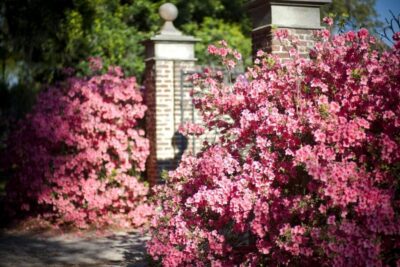
Boone Hall Plantation Entry & Tour w/ Transport
Read our review →
Middleton Plantation-3 hour guided tour- hotel pickup-admission
Read our review →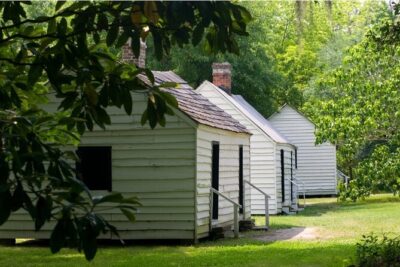
Magnolia Plantation Tour with Small Group Transportation
Read our review →Browse the lists this tour appears in