
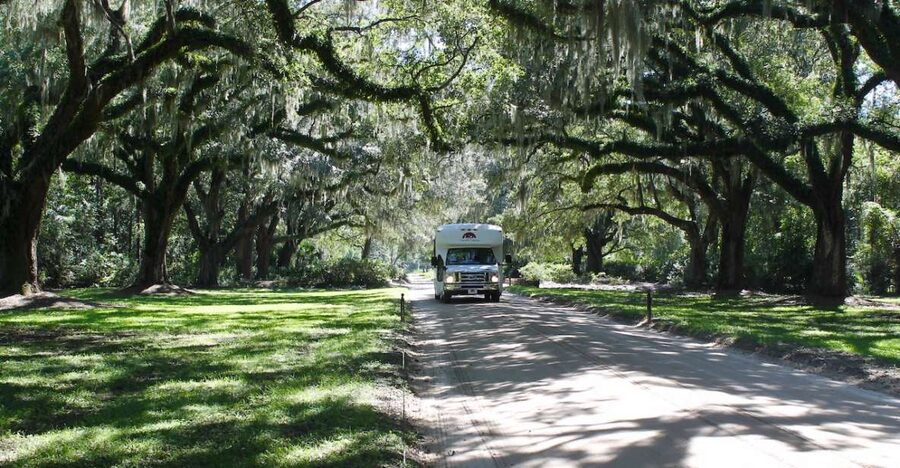
Review · CHARLESTON
Charleston: Boone Hall Plantation Entry & Tour w/ Transport
Boone Hall Plantation is not just an old Southern house with pretty gardens. Its story reaches back to 1681, and the visit puts the lives of enslaved people at the center through cabin exhibits, historic objects, and the Gullah Theater. That makes this a more serious and thoughtful outing than a simple plantation photo stop.
I like the round-trip bus service from the Charleston Visitor Center, and I like the mix of guided and free time once you arrive. You can hear the main story from a guide, then move at your own pace through the grounds, gardens, exhibits, and seasonal Butterfly Pavilion.
The main drawback is practical: this is a 270-minute outing, and the bus requires you to climb stairs. There are no toilets on board, large bags are not allowed, and the subject matter can be emotionally heavy. Plan for a full half-day rather than a quick side trip.
Key points to know before you book
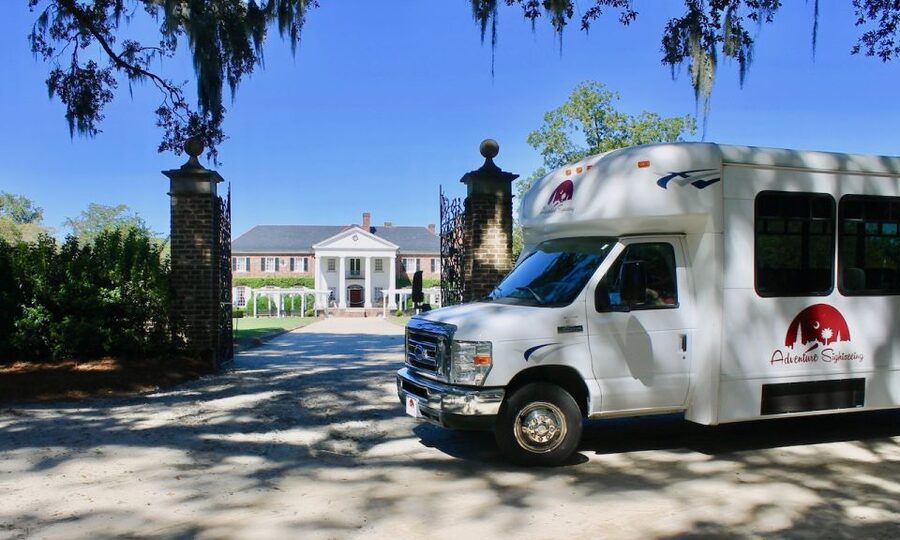
- Boone Hall dates to 1681: The property has passed through several owners, giving the introduction a broad historical frame.
- The enslaved people’s story is central: The Slave Cabin and History Presentation and Gullah Theater address forced labor, living conditions, culture, songs, and family life.
- The gardens are more than a backdrop: Antique roses over 100 years old are one of the main garden features.
- Transport is simple: Meet at 375 Meeting Street, then ride about 30 minutes each way in an air-conditioned bus.
- You get several ways to see the property: Expect a guide-led introduction, cabin presentation, Gullah performance, garden time, a tram ride, and seasonal butterfly viewing.
- The experience is English-only and stair access is required: It is not suited to people with mobility impairments.
Why Boone Hall is more than a plantation house
Many plantation visits can become too focused on grand architecture and former owners. Boone Hall gives you a broader picture. The property was built in 1681 and changed hands over time, but the most important part of the visit is understanding the people whose labor made plantation life possible.
The house and grounds still matter, but they are not the whole story here. The visit includes a presentation about the enslaved people who lived at Boone Hall, with attention to their cabins, daily lives, and surviving historic objects. You are asked to look beyond the polished front of the estate and consider the unequal system that supported it.
That balance is important in Charleston, a city where beautiful streets and powerful history often sit side by side. I appreciate that this experience does not treat the past as a costume show. The guide in historical clothing introduces the property in a visual way, but the visit also makes room for difficult subjects.
You should arrive ready to listen. The material about enslavement is not a minor footnote between garden stops. It is one of the strongest reasons to choose this outing.
More Plantation Tours in the USA
- Boone Hall Plantation All-Access Admission Ticket
★ 4.5 · 1,736 reviews - Magnolia Plantation Admission & Tour with Transportation from Charleston
★ 4.5 · 836 reviews - Boone Hall Plantation Admission & Tour with Transportation from Charleston
★ 4.5 · 455 reviews
The 30-minute ride from Charleston
Your day begins at the Charleston Visitor Center at 375 Meeting Street. This is a practical meeting point in downtown Charleston, and free parking is available there if you are driving into the city for the tour.
The ride to Mount Pleasant takes about 30 minutes. The bus is air-conditioned, which matters during South Carolina’s warmer months, and the driver provides information during the journey. That commentary helps turn the transfer into part of the introduction rather than dead time.
There are a few limits to keep in mind. The bus has no restroom, so use the facilities at the Visitor Center before departure. Food and drinks are not allowed in the vehicle, and there is no room for luggage, wheelchairs, or strollers.
You also need to climb stairs to board the bus. The vehicle is not handicap accessible, so this is not a good choice if you have a mobility impairment or cannot manage bus steps comfortably.
Meeting the guide on Boone Hall’s front porch
After the drive, the tour begins at Boone Hall with a guide in historical clothing. The opening introduction covers the property’s origins in 1681 and its development through several owners.
This first section gives you the basic framework before you explore on your own. You learn how the plantation changed over time, then see the physical setting that made it work: the house, grounds, gardens, work areas, and quarters.
The guided portion is fairly short, around 30 minutes. That is useful if you prefer a clear introduction without spending the entire visit in a tightly controlled group. You get the main facts, then have room to decide which parts deserve more of your attention.
The staff at Boone Hall are described as professional, welcoming, and ready to help. That matters at a large historic property, where a friendly answer can save you time and help you find the next presentation.
The slave cabins and the harder part of the visit
The Slave Cabin and History Presentation is one of the most important stops. You see the living quarters connected with enslaved people at Boone Hall, along with historic relics and information about their way of life.
The cabins give the subject a physical setting. Instead of hearing only dates and names, you can consider the cramped and controlled conditions in which enslaved people lived. The presentation also helps explain the labor system behind the plantation’s wealth.
This section deserves your full attention. It may be uncomfortable, and it should be. A plantation visit has little value if it turns forced labor into a decorative backdrop. Here, the cabins and history presentation help correct that imbalance.
I would not rush through this stop to get to the gardens. Give yourself time to absorb what you are seeing. The visit is meant to leave you with a better understanding of South Carolina’s complicated past, not just a collection of attractive photographs.
More Plantation Tours in Charleston:
- Charleston: Magnolia Plantation Entry & Tour with Transport
★ 4.6 · 438 reviews - Charleston: Historic City Tour & Magnolia Plantation Combo
★ 4.4 · 187 reviews - From Charleston: Boone Hall Plantation Entry with Transfers
★ 4.6 · 106 reviews - Middleton Plantation-3 hour guided tour- hotel pickup-admission
★ 4.5 · 94 reviews
Gullah Theater stories and songs
The Gullah Theater adds a cultural side to the history of enslavement. Through stories and songs, the presentation offers insight into the culture and lives of enslaved people and their descendants.
This part of the experience is especially valuable because history is not only about buildings and dates. Music, spoken stories, and oral traditions can convey emotion and identity in ways that a printed sign cannot. The theater presentation gives the subject a human voice.
The exact presentation can vary, but you should expect it to be focused on Gullah culture and the experiences of enslaved people. It is not simply an entertainment break. Treat it as another way to understand the people connected to the property.
For many visitors, this will be the most moving section of the outing. It gives the history a personal scale and helps connect the plantation’s physical remains with the culture that survived despite oppression.
Antique roses, open grounds, and the Butterfly Pavilion
Boone Hall’s gardens provide a change of pace after the cabin and theater presentations. The grounds are manicured, and antique roses more than 100 years old are one of the main features.
The roses add a sense of time that fits the property. You are not looking at a modern display planted only for visitors. These older varieties help connect the gardens with the long history of the estate, even though the pleasant setting should not distract from the difficult past you have just been learning about.
The gardens are also a good reason to avoid packing the day too tightly. The schedule includes free time, and you can use it to walk, take photographs, and look more closely at the grounds.
The Butterfly Pavilion operates in season. When it is open, you can see butterflies moving through the enclosed space. Since it is seasonal, do not treat it as a guaranteed part of every visit. The gardens and other presentations remain the core of the experience.
Photography is allowed during the outdoor portions and other permitted areas. Photography is not allowed inside the house, so keep your camera ready for the gardens, grounds, and exterior views rather than the interior rooms.
Seeing the property by tram
A tram ride gives you another way to view Boone Hall. After walking through the grounds, you can see more of the plantation from a moving vehicle and get a different sense of its size and layout.
The tram is useful if you want a break from walking or if you are trying to understand how the different parts of the property relate to one another. It also adds variety to a visit that includes several presentations and outdoor stops.
The ride does not replace walking. The gardens, cabins, theater, and other areas still require you to move between stops. If you have limited stamina, the bus accessibility restriction is not the only thing to consider. Ask yourself if you are comfortable spending several hours moving around a historic property.
How the $79 price measures up
At $79 per person, this is not the cheapest way to spend a half-day in Charleston. The price includes the plantation admission, the guide, and transportation from downtown, which makes the cost easier to justify if you do not have a car.
The round-trip transfer is the main convenience. Boone Hall is in Mount Pleasant, not central Charleston, so you avoid arranging your own transport, navigating unfamiliar roads, and finding parking at the property. The driver also provides information during the ride.
The value is strongest if you want a structured first visit. You receive an introduction, several presentations, access to the grounds and gardens, the tram experience, and time to explore without building the schedule yourself.
It may feel less worthwhile if you already have a rental car and prefer to spend a full day at Boone Hall on your own. The organized transfer does limit your freedom to arrive early, stay late, or change the order of your visit.
The 4.6 rating from 106 reviews reflects a generally strong experience, and the most consistent praise centers on the staff and the information provided during the drive. That matches the tour’s main strength: it removes transport worries while giving you enough structure to understand the place.
How to plan your half-day
Allow the full 270 minutes. The bus ride takes about 30 minutes each way, leaving the rest of the time for the plantation, presentations, walking, gardens, and tram ride.
Wear comfortable shoes. The property includes outdoor paths and several stops, and you will get more from the visit if you are not worrying about sore feet.
Use the restroom at the Charleston Visitor Center before leaving. There are no restrooms on the bus, although facilities are available at the meeting point.
Bring a camera for the outdoor portions, but remember that photography is not allowed inside the house. Leave luggage and large bags behind, since the bus cannot carry them. The same restriction applies to wheelchairs and strollers.
English is the only language listed for the live guide. If you need a tour in another language, this experience will not meet that need.
Cancellation is flexible enough for most changing itineraries. You can cancel up to 24 hours in advance for a full refund, and you can reserve now and pay later. Check the available departure time before booking, since the exact start time depends on the date.
Who will get the most from this experience
I would recommend Boone Hall for anyone who wants a guided introduction to plantation history without renting a car. The bus makes the outing easy to add to a Charleston stay, and the mix of presentations, gardens, and transport keeps the day varied.
It suits history-minded visitors who want the story of enslavement addressed directly. The cabin presentation and Gullah Theater are especially important for anyone who does not want a plantation tour focused only on grand houses and former owners.
It also works for people who enjoy gardens and historic grounds. The antique roses, outdoor spaces, seasonal Butterfly Pavilion, and tram ride give the visit visual variety.
I would be cautious about booking it if you have difficulty climbing stairs, need wheelchair access, want to bring a stroller, or require a restroom during the drive. I would also reconsider it if you are looking for a light sightseeing outing. The subject matter asks for patience and attention.
Should you book the Boone Hall tour?
Book it if you want a convenient half-day from Charleston that combines plantation grounds with a serious look at enslaved people’s lives. The cabin presentation and Gullah Theater give the visit substance, while the gardens and tram ride keep the afternoon from feeling like one long indoor lecture.
The $79 price is fair when you value the included transport and guided structure. It is less compelling for independent visitors with a car who want complete control over their timing.
For most suitable visitors, the best reason to go is not simply seeing an old plantation. It is the chance to understand how the property functioned, who lived there, and how Gullah culture and personal stories remain part of the area’s history.
FAQ
Where does the tour depart from?
Tours depart from the Charleston Visitor Center at 375 Meeting Street in downtown Charleston.
Is transportation included?
Yes. Round-trip transportation between the Charleston Visitor Center and Boone Hall Plantation is included.
How long is the experience?
The activity lasts 270 minutes, or four and a half hours.
How long is the bus ride to Boone Hall?
The bus ride takes about 30 minutes each way.
Is hotel pickup included?
No. Hotel pickup and drop-off are not included. You need to meet the group at the Charleston Visitor Center.
Is the tour offered in English?
Yes. The live tour guide speaks English.
Can I bring luggage or a large bag?
No. The bus has no space for luggage, large bags, wheelchairs, or strollers. Food and drinks are also not allowed on the vehicle.
Is the bus handicap accessible?
No. You need to climb stairs to board the bus, and the experience is not suitable for people with mobility impairments.
Just added around Charleston
- Magnolia Plantation Tour with transportation PLUS City Bus Tour★ 5.0 · 4 reviews
- Taste of Historic Plantations 1/2 Day Tour★ 5.0 · 9 reviews
- Tea Plantation and Winery Tour in Charleston★ 5.0 · 3 reviews
- Magnolia Plantation Day Tour with Transportation★ 4.5 · 35 reviews
- Boone Hall Plantation Day Tour with Transportation★ 4.5 · 8 reviews
- Middleton Place Plantation Tour★ 5.0 · 8 reviews
- Charleston: Magnolia Plantation with Transport and City Tour★ 4.5 · 21 reviews
- Charleston: Magnolia Plantation & Gardens Guided Tour★ 4.5 · 43 reviews
Charleston Farm Tours, compared.
Boone Hall Plantation All-Access Admission Ticket
Read our review →
Boone Hall Plantation Admission & Tour with Transportation from Charleston
Read our review →
Magnolia Plantation Entry & Tour with Transport
Read our review →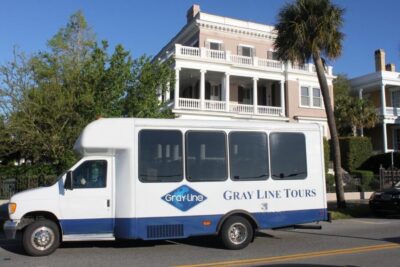
Historic City Tour & Magnolia Plantation Combo
Read our review →
Charleston Farm-to-Table Food Tour and Chef’s Challenge
Read our review →

Middleton Plantation-3 hour guided tour- hotel pickup-admission
Read our review →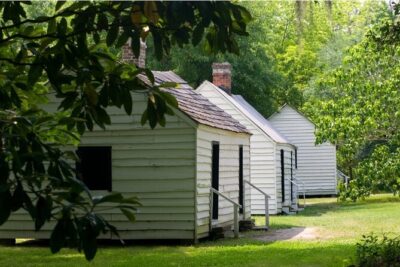
Magnolia Plantation Tour with Small Group Transportation
Read our review →Browse the lists this tour appears in