
Review · CHARLESTON
Boone Hall Plantation Admission & Tour with Transportation from Charleston
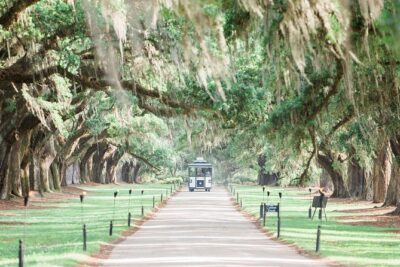
Boone Hall’s grand avenue of live oaks and Spanish moss makes the first impression, but the Gullah presentation is the part I would plan around. It gives you a direct look at a living culture shaped by enslaved Africans and their descendants, with language, music, and storytelling at the center.
I like the easy round-trip transport from downtown Charleston, and I like that the visit does not stop with a pretty house. You also see the slave cabins, gardens, working farm areas, and plantation grounds. The main drawback is time: four and a half hours sounds generous, but the property has enough to see that you may need to choose between presentations, the tram, and a leisurely walk.
Key points to know
- The live oak entrance is the visual highlight: The long approach beneath moss-draped trees is one of Boone Hall’s most memorable sights.
- The Gullah presentation gives the visit its strongest cultural focus: A costumed performer explains traditions developed by African enslaved people and their descendants.
- The mansion is not an original 18th-century house: A period-dressed guide explains Boone Hall’s history, but the present house is less than a century old.
- Historic slave cabins add necessary context: The preserved quarters and related presentation address the daily lives and hardship of enslaved people.
- The trip runs about four and a half hours: That includes the bus ride from Charleston, roughly three hours at Boone Hall, and the return journey.
- The tram is not guaranteed and does not act as a shuttle: If operating, it tours the grounds while a story is told, but it does not stop at every attraction.
From Charleston’s Visitor Center to Boone Hall’s live oak avenue
Your day begins at the Charleston Visitor Center at 375 Meeting Street. This is a practical departure point with restrooms, parking, public transportation nearby, and a gift shop. You do not get hotel pickup, so allow time to reach the center on your own.
The air-conditioned bus takes about 30 to 45 minutes to reach Boone Hall. The ride is more than dead time. Drivers often add background about Charleston and point out places along the route. Alan has been praised for making the ride informative, and Gary has also earned strong marks for being personable and helpful. Driver quality can vary, though, and one substitute driver was difficult to understand, so treat the bus commentary as a useful extra rather than the main reason to book.
The approach to Boone Hall is the visual payoff. A long line of live oaks frames the entrance, with Spanish moss hanging from the branches. If you have seen photographs of Charleston plantations, this is the scene most likely to match your expectations.
Once you arrive, the bus drops you into a large property with several areas to visit. The tour is described as small-group, with a maximum of 25 people, though some departures may be closer to 15. That is a comfortable size for transport and presentations, but it does not mean you will have a private guide walking you around the entire estate.
More Plantation Tours in the USA
- Boone Hall Plantation All-Access Admission Ticket
★ 4.5 · 1,736 reviews - Magnolia Plantation Admission & Tour with Transportation from Charleston
★ 4.5 · 836 reviews - Charleston: Magnolia Plantation Entry & Tour with Transport
★ 4.6 · 438 reviews
The house tour explains Boone Hall from 1681 onward
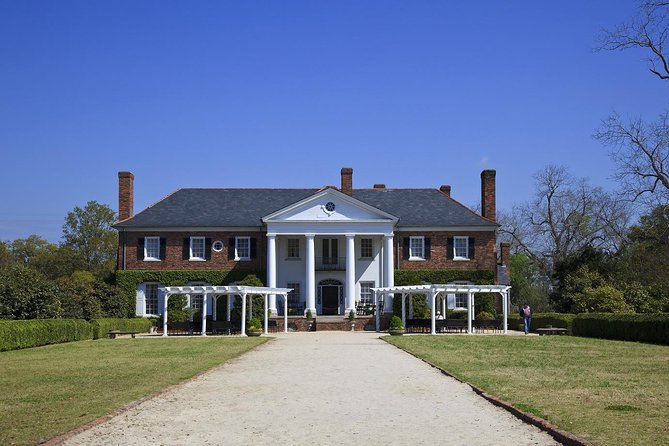
The house presentation begins on the front porch and lasts about 30 minutes. Your guide wears historical dress and explains Boone Hall’s development through several owners, beginning with its establishment in 1681 and continuing through the McRae family’s purchase in 1955. The property opened to the public the following year.
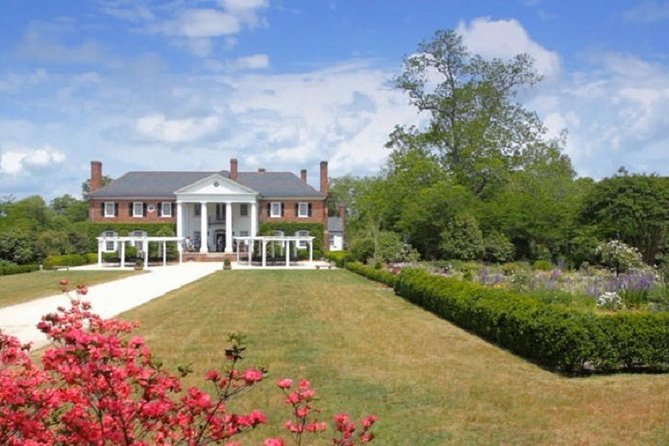
I want to make one point clear before you go: the present mansion is not a Civil War-era house. It is less than a century old, and it is not the original building from Boone Hall’s earliest period. If you arrive expecting an untouched 17th-century mansion, you may feel let down.
That does not make the house tour pointless. The guide places the building within the longer story of the plantation and explains how Boone Hall changed over time. The house is attractive, and its setting is part of the appeal. Just keep your expectations in the right place. You are visiting a historic plantation property with a later house, not stepping inside an original 1680s residence.
House-tour scheduling can require a little attention. One useful tip is to check in at the main building first and confirm the house-tour time before wandering off. The property has several activities, and you may not be able to fit them all into the available window if you simply follow the crowd.
The slave cabins bring the plantation story down to earth

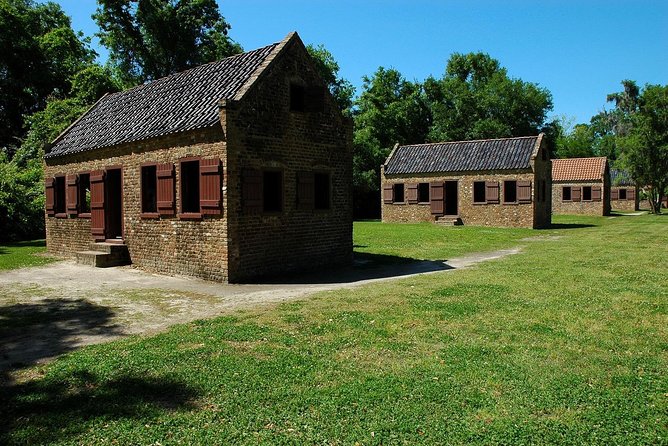
The historic slave cabins and the associated history presentation are essential parts of this visit. Here, you move beyond the mansion and look at the living quarters, objects, and daily conditions of the enslaved people who worked at Boone Hall.
This section can be sobering. The cabins are small and plain, and their scale makes the plantation system less abstract. The visit addresses the lives of enslaved people, their struggles, and the search for freedom. For many people, this is the most serious part of the day.
I appreciate that Boone Hall includes this material as a central stop rather than treating it as a footnote to the house. Still, the amount of visual information about work such as brickmaking, indigo, and cotton farming may feel limited. The presentations carry much of the explanation, so listen closely and give yourself time to take in the cabins.
You will do a fair amount of walking between the main areas. The grounds can be hot, especially during an afternoon departure, and shade is not constant. Wear comfortable shoes, carry water, and take the heat seriously. Drinks and snacks are available for purchase at the plantation, and there is a place near the horse stalls and Butterfly Building where you may find sandwiches and snacks.
The Gullah presentation is the cultural heart of the visit
Boone Hall’s Exploring the Gullah Culture presentation is the experience I would not skip. It focuses on the Gullah people, descendants of enslaved Africans whose culture developed in this part of the American South. The presentation uses a costumed performer and may include storytelling, music, language, and discussion of traditions.
The format is direct and personal. Rather than giving you only dates and ownership changes, it helps explain how African traditions survived and adapted under slavery and after emancipation. You also hear about sweetgrass baskets, a regional craft made by hand over weeks or months and used for many purposes.
The presentation is seasonal, so check what is operating on your date. When it is available, it gives the plantation visit a human and cultural dimension that the house alone cannot provide. The performer is often the most memorable part of the day, and the presentation can be heartfelt as well as educational.
Do not rush away afterward. Gullah culture is not simply a subject from the past. The presentation connects the plantation era with a living community and helps you understand why language, craft, music, and storytelling still matter in the Lowcountry.
More Plantation Tours in Charleston:
- Charleston: Historic City Tour & Magnolia Plantation Combo
★ 4.4 · 187 reviews - From Charleston: Boone Hall Plantation Entry with Transfers
★ 4.6 · 106 reviews - Charleston: Boone Hall Plantation Entry & Tour w/ Transport
★ 4.6 · 106 reviews - Middleton Plantation-3 hour guided tour- hotel pickup-admission
★ 4.5 · 94 reviews
Gardens, roses, farm areas, and the seasonal tram
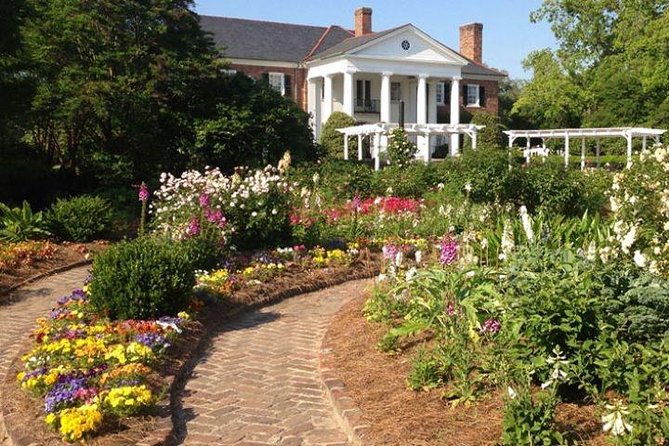
The grounds are largely self-guided, which gives you freedom but also puts the burden of planning on you. You can walk through the gardens, visit the rose garden, see the cabins, attend scheduled presentations, and look around the working plantation areas.
The rose garden includes bushes more than a century old. It is a pleasant change of pace after the heavier cabin presentation, and it gives you somewhere to slow down. The property also functions as a working plantation, producing crops such as strawberries, peaches, and pecans. The exact activities and appearance can change with the season.
A tram or tractor tour may operate during your visit. If it does, it can help you see more of the property while a guide explains the grounds. But do not treat it as a hop-on, hop-off vehicle. It tours the grounds and does not necessarily stop at each cabin, garden, or presentation area.
That detail matters if walking is difficult. The experience requires a moderate level of physical fitness, and one person using a cane found the lack of tram stops disappointing. Service animals are allowed, but the supplied information does not promise that every attraction is close to the bus or easy to reach. If you have mobility concerns, ask the operator for current details before booking.
Why the four-and-a-half-hour schedule can feel tight
The published duration is about 4 hours and 30 minutes. That includes the bus ride in both directions and roughly three hours at Boone Hall. For a first visit to Charleston, this is a useful half-day outing. You get a plantation visit without renting a car or spending a full day away from the city.
The tradeoff is that the property offers more than the schedule can comfortably cover. The house tour, cabin presentation, Gullah program, gardens, rose garden, and possible tram ride all compete for your time. Some people wish they had another 30 to 60 minutes.
I suggest making a simple plan before you leave the bus. Put the house tour and Gullah presentation first because their times may be fixed. Then see the cabins, gardens, and rose garden. Add the tram if it fits, but do not sacrifice the Gullah presentation just to ride around the grounds.
The return to Charleston ends at the same Visitor Center. Timing is generally organized around the scheduled departure and return, which makes this easier to fit around other downtown plans. Still, I would not book a tight appointment immediately afterward. Traffic, loading, and the number of activities operating that day can affect your return time.
Is the $82 price fair?
At $82 per person, this is not the cheapest way to see a plantation. The price includes round-trip transportation from central Charleston, admission, the house tour, slave-cabin access, the Gullah presentation, self-guided gardens, a professional driver, and the tram when available.
The value depends on your plans. If you do not have a car, the bus solves the biggest practical problem. You avoid arranging a ride to Boone Hall, paying for your own fuel, and finding your way back. The driver may also add useful Charleston context on the road.
If you already have a car and want to spend most of the day at Boone Hall, driving yourself may offer more freedom. You could arrive earlier, stay longer, and set your own pace. This organized trip makes more sense when you want a straightforward half-day from downtown and prefer not to manage transport.
I would also compare it with your expectations. The price pays for access to several different presentations and a working historic property. It does not buy a fully guided walk through every part of the grounds, and it does not guarantee the seasonal tram. For a visitor who values the Gullah program and wants an honest look at the cabins, the price is reasonable. For someone mainly interested in an old mansion, it may not be.
Who should book this Boone Hall outing?
I would recommend it to you if you want a broad introduction to plantation history in a limited amount of time. Families, couples, solo visitors, and small groups can all manage the format, provided everyone is comfortable walking outdoors and following a set schedule.
It is especially suited to:
- You are staying in central Charleston without a car.
- You want transportation and admission handled together.
- You care about Gullah culture as well as architecture.
- You want to see historic slave cabins and hear about enslaved people’s lives.
- You prefer a half-day trip over a full-day excursion.
- You can handle sun, walking, and uneven timing between activities.
I would hesitate if you have limited mobility and need a vehicle to stop at each attraction. I would also hesitate if your main goal is an original colonial mansion. Boone Hall’s strongest features are the grounds, live oaks, cultural presentation, and range of historical stops, not the age of the current house.
Booking, weather, and useful practical details
You receive confirmation at booking, and the ticket is mobile. The tour is offered in English. Bring water, sun protection, and shoes suited to walking. On a hot day, an earlier departure is the better choice when available.
The tour requires good weather and a minimum number of participants. If poor weather or low enrollment cancels it, you can choose another date or receive a full refund. You can cancel for a full refund up to 24 hours before the start time, but changes or cancellations inside that 24-hour window are not accepted.
The meeting point is the Charleston Visitor Center at 375 Meeting Street. Hotel pickup and drop-off are not included, and food and drinks are extra. If you want lunch on the property, allow time to find the available food area rather than assuming the schedule includes a meal stop.
Should you book the Boone Hall tour?
Book it if you want a practical, well-rounded plantation visit from Charleston, especially if the Gullah presentation and slave cabins matter as much to you as the gardens and house. The live oak avenue is beautiful, but the strongest reason to go is the chance to connect the plantation site with the culture and lives of the people who lived and worked there.
Skip it if you need a completely flexible day, have serious walking limits, or expect a house preserved from the 17th century. For everyone else, the $82 package offers a useful half-day, clear transport, several worthwhile stops, and a more thoughtful visit than a quick mansion photo stop.
FAQ
Where does the Boone Hall tour begin?
It begins at the Charleston Visitor Center, 375 Meeting Street, Charleston, South Carolina 29403.
Where does the tour end?
The activity ends back at the Charleston Visitor Center, the same place where it begins.
How long does the experience last?
The full experience lasts about 4 hours and 30 minutes, including transportation between Charleston and Boone Hall.
How long is the drive to Boone Hall?
The bus ride from Charleston takes about 30 to 45 minutes each way.
Is hotel pickup included?
No. You must make your own way to the Charleston Visitor Center. Hotel pickup and drop-off are not included.
What is included in the ticket?
The price includes admission fees, round-trip transport from the designated meeting point, an air-conditioned bus, a professional driver, the house tour, historic slave cabins, self-guided gardens, and the Gullah theater presentation. A tram tour is included when available.
Is the plantation house original?
No. The current plantation house is less than a century old and is not a Civil War-era house. The tour explains Boone Hall’s history and its changes through several owners.
Is the Gullah presentation available on every departure?
The Gullah presentation is seasonal, so availability can vary. Check the schedule for your date if this is a main reason for booking.
Does the tram stop at every attraction?
No. When available, the tram tours the grounds while a story is told. It does not function as a shuttle that stops at every attraction.
Can I cancel for a refund?
Yes. You can cancel at least 24 hours before the experience start time for a full refund. Cancellations or changes made less than 24 hours before departure are not accepted.
Just added around Charleston
- Magnolia Plantation Tour with transportation PLUS City Bus Tour★ 5.0 · 4 reviews
- Taste of Historic Plantations 1/2 Day Tour★ 5.0 · 9 reviews
- Tea Plantation and Winery Tour in Charleston★ 5.0 · 3 reviews
- Magnolia Plantation Day Tour with Transportation★ 4.5 · 35 reviews
- Boone Hall Plantation Day Tour with Transportation★ 4.5 · 8 reviews
- Middleton Place Plantation Tour★ 5.0 · 8 reviews
- Charleston: Magnolia Plantation with Transport and City Tour★ 4.5 · 21 reviews
- Charleston: Magnolia Plantation & Gardens Guided Tour★ 4.5 · 43 reviews
Charleston Farm Tours, compared.
Boone Hall Plantation All-Access Admission Ticket
Read our review →
Magnolia Plantation Entry & Tour with Transport
Read our review →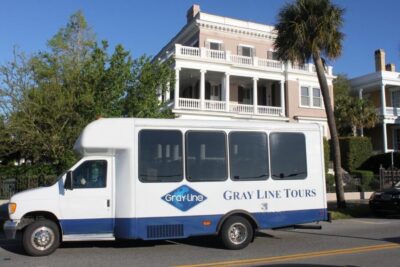
Historic City Tour & Magnolia Plantation Combo
Read our review →
Charleston Farm-to-Table Food Tour and Chef’s Challenge
Read our review →

Boone Hall Plantation Entry & Tour w/ Transport
Read our review →
Middleton Plantation-3 hour guided tour- hotel pickup-admission
Read our review →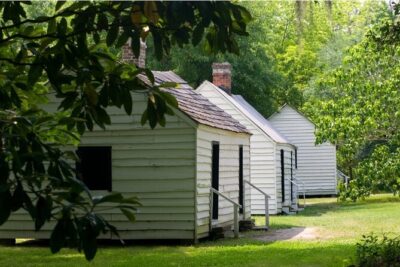
Magnolia Plantation Tour with Small Group Transportation
Read our review →Browse the lists this tour appears in