
Review · CHARLESTON
Middleton Place Plantation Tour
Middleton Place gives you something few Charleston outings can: formal gardens with 275 years of history and a plantation home tied to major events in early American politics. The tour also addresses the lives of enslaved people who made the estate’s wealth possible, rather than presenting the property as a grand house alone.
I like the careful mix of gardens, family history, and working demonstrations. I also like the included hotel pickup, which makes a three-hour visit easier to fit into a Charleston day. The main drawback is price: at $125 per person, admission to the plantation is not included, so you need to confirm the total cost before booking. The grounds also take place outdoors and the tour is not suited to people with mobility impairments.
Key points to know before you book
- America’s first formal gardens: Middleton’s gardens began in 1741 and were designed in the image of Versailles.
- A rare surviving plantation home: The house is described as the most authentic plantation home in the Charleston area.
- Slavery is part of the tour: You learn about the enslaved people whose labor supported the plantation.
- Three generations shaped American history: Henry Middleton led the First Continental Congress, Arthur Middleton signed the Declaration of Independence, and William Middleton signed the Ordinance of Secession.
- Period crafts bring the stable yard to life: You can see a seamstress, barrel maker, potter, and blacksmith at work.
- Mike receives repeated praise: Recent bookings specifically commend his clear explanations, friendly manner, and easy conversation.
Why Middleton Place is more than a grand house
Many plantation tours around Charleston focus heavily on architecture and family names. Middleton Place gives you a broader picture. The formal gardens show how wealthy landowners wanted their world to look, while the stable yard and slavery interpretation help explain who maintained that world and how the estate functioned.
That balance matters. Rice, cotton, and indigo shaped the plantation economy, and the tour connects those crops with the people and work behind them. You are not simply looking at an elegant house and polished gardens. You are being asked to understand the economic system that supported the Middleton family.
The estate also carries an unusual amount of American political history. Henry Middleton, the second owner, became the second president of the First Continental Congress. His son Arthur signed the Declaration of Independence. A later family member, William Middleton, signed the Ordinance of Secession.
Those connections can make the visit especially worthwhile if you are interested in the founding era or South Carolina’s role in the road to secession. At the same time, the political names should not overshadow the harder story of enslavement. The plantation’s prosperity depended on forced labor, and that is an essential part of understanding the place.
More Plantation Tours in the USA
- Boone Hall Plantation All-Access Admission Ticket
★ 4.5 · 1,736 reviews - Magnolia Plantation Admission & Tour with Transportation from Charleston
★ 4.5 · 836 reviews - Boone Hall Plantation Admission & Tour with Transportation from Charleston
★ 4.5 · 455 reviews
The formal gardens began in 1741
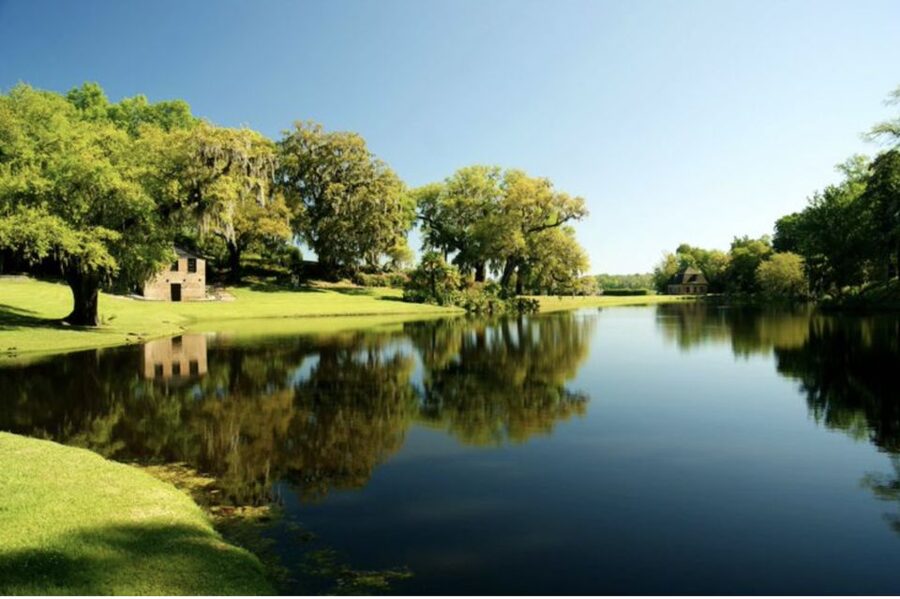
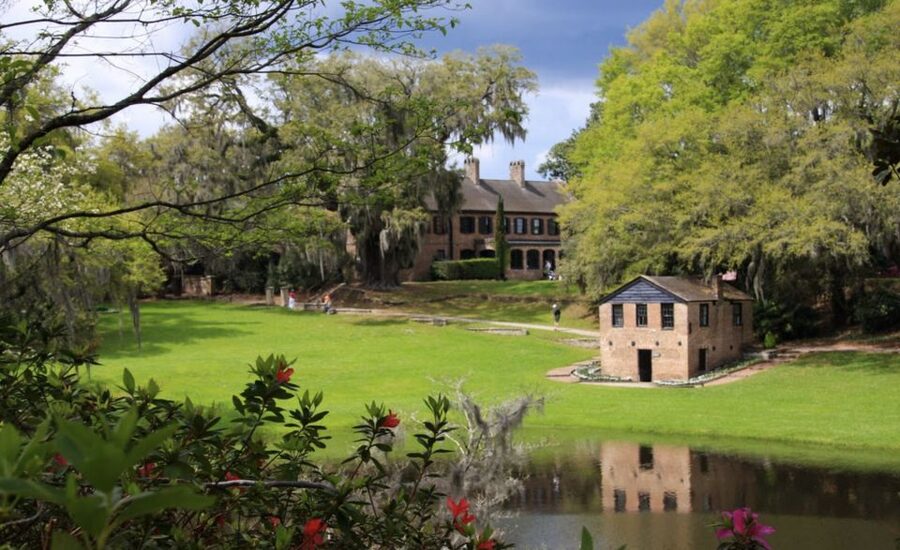
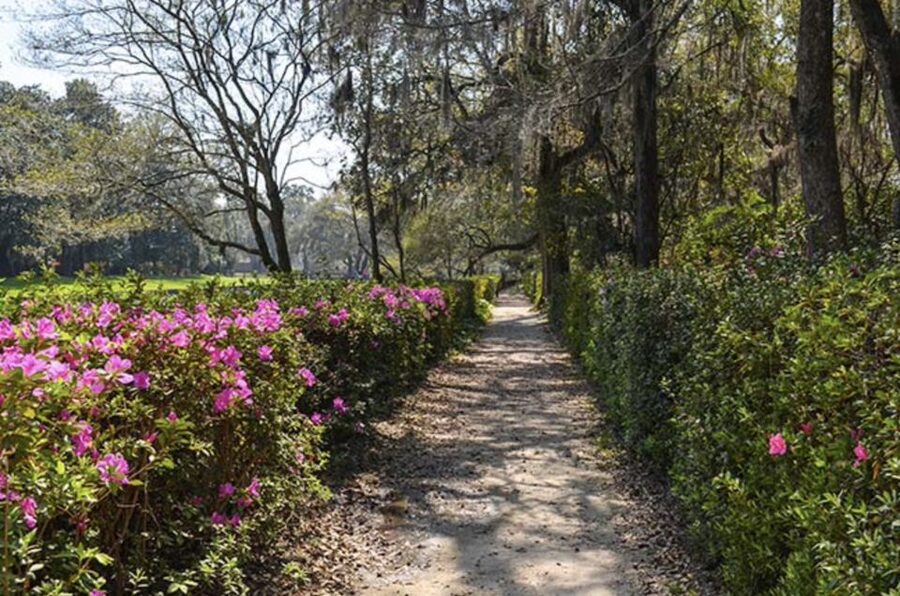
Your visit begins with Middleton Place’s formal gardens. Construction started in 1741, and the work continued across generations of the Middleton family. The design was modeled on Versailles, giving the grounds a grand, ordered appearance rather than the loose feel of a wild botanical garden.
The gardens are presented as America’s first formal gardens. That claim gives the opening section real weight, but the setting is also simply a good way to begin. You can first understand the scale and ambition of the estate before moving into the house and working areas.
I like this sequence because it gives you a visual introduction to plantation wealth. The straight lines, formal layout, and long history of maintenance show that the estate was designed to impress. The gardens were not an afterthought. They were part of the family’s public image and social standing.
Expect to spend much of the opening portion outdoors. The tour operates rain or shine, so bring clothing that matches the forecast and shoes that can handle a garden walk. The supplied information does not promise shelter or a weather adjustment, so you should be ready for the full visit to continue in wet or hot conditions.
The gardens are also the part most likely to appeal to you if you care about landscape design, historic estates, or photography. If your main interest is slavery, the founding of the United States, or working trades, stay patient during this first section. The gardens establish the setting, but they are only one part of the story.
The plantation home and three generations of public life
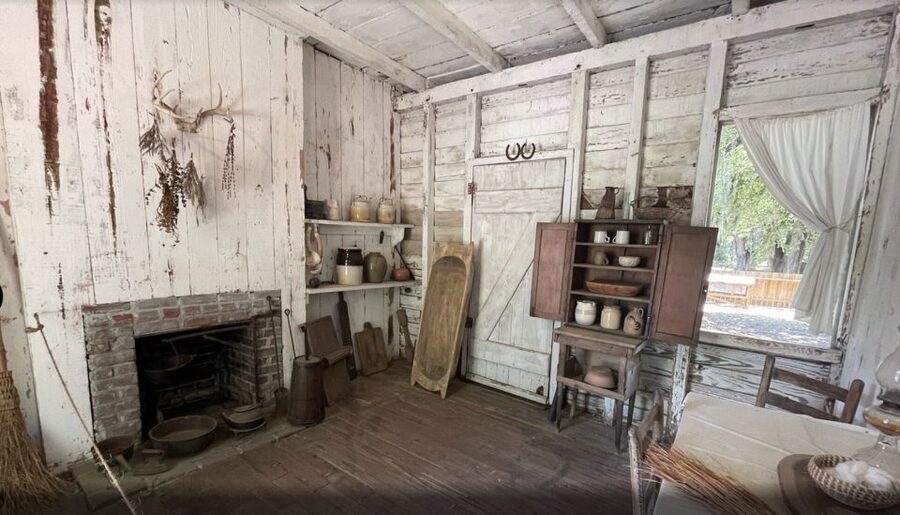
The house is described as the most authentic plantation home in the Charleston area. That makes it a central reason to visit, especially if you want to see a surviving property rather than a reconstruction or a site explained only through outdoor markers.
The house connects private life with public power. Henry Middleton’s role as the second president of the First Continental Congress gives the property a direct link to the early national period. Arthur Middleton’s signature on the Declaration of Independence adds another well-known connection.
William Middleton’s signature on the Ordinance of Secession brings the story into a later and far more divisive chapter. Putting these family milestones in one place lets you trace changing views of government and South Carolina across several generations.
I would listen closely here, because the value of the house is not just in its rooms or furnishings. The guide’s explanation helps connect the building to the choices made by the family and the political changes around them. The experience is strongest when you treat the house as evidence of both privilege and influence.
There is also a limit to keep in mind. A three-hour tour must cover gardens, the home, crafts, and slavery, so no single subject can receive unlimited time. If you want an exhaustive study of each Middleton family member or every room in the house, this tour may feel like an introduction rather than a full research visit.
The stable yard shows the work behind plantation life
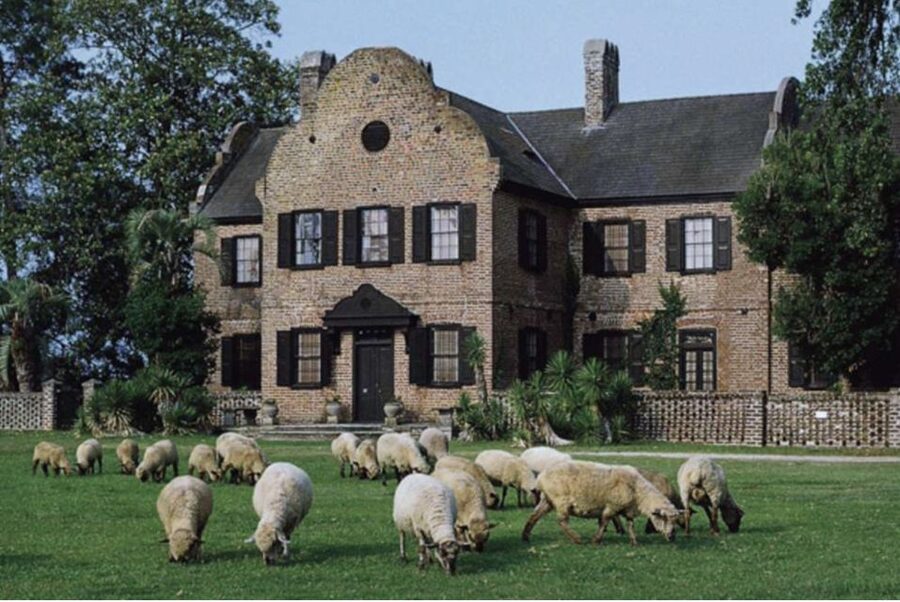
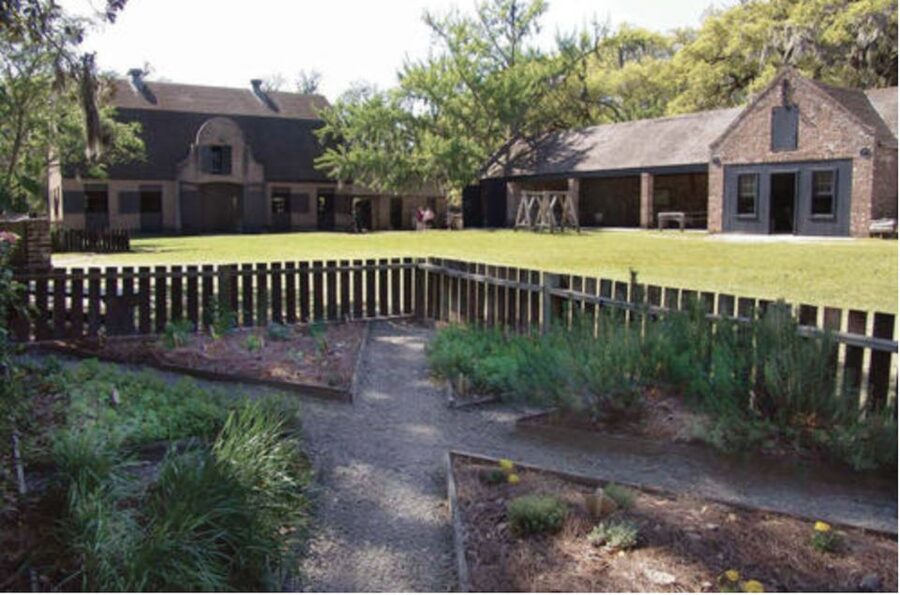
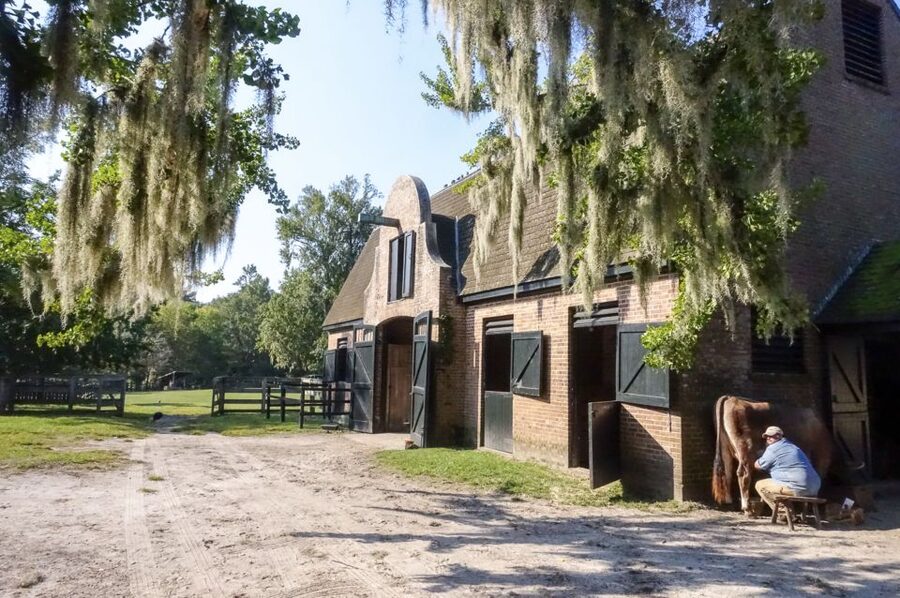
The final major stop is the stable yard. Here, period-dressed craftsmen demonstrate the daily chores and trades that helped keep the plantation operating. You can see a seamstress, barrel maker, pottery maker, and blacksmith.
This section adds movement and practical detail to a tour that could otherwise feel focused on architecture and famous names. A barrel maker, for example, points toward the storage and transport needs of a large agricultural property. Pottery, sewing, and blacksmithing show the range of skills needed for everyday life and maintenance.
The demonstrations also help you picture work rather than simply hear about it. That makes the stable yard particularly useful for families and for anyone who learns best by watching a craft take shape.
The period clothing is part of the presentation, but the deeper value comes from the labor itself. These demonstrations give you a clearer sense of how much routine work stood behind the comfort and order of the main house.
The stable yard is also where the plantation’s social structure can be discussed in more direct terms. The tour includes the history of slavery on the property, so the crafts should not be viewed as a charming picture of the past detached from exploitation. Ask yourself who performed the work, who controlled the land, and who benefited from the crops.
More Plantation Tours in Charleston:
- Charleston: Magnolia Plantation Entry & Tour with Transport
★ 4.6 · 438 reviews - Charleston: Historic City Tour & Magnolia Plantation Combo
★ 4.4 · 187 reviews - From Charleston: Boone Hall Plantation Entry with Transfers
★ 4.6 · 106 reviews - Charleston: Boone Hall Plantation Entry & Tour w/ Transport
★ 4.6 · 106 reviews
Rice, cotton, indigo, and the human cost

Middleton Place’s story is tied to rice, cotton, and indigo. These crops were not merely items in an agricultural lesson. They were the basis of plantation wealth and part of the economic system that enslaved people were forced to support.
A worthwhile plantation tour should make that connection plain. At Middleton Place, you learn about the crops alongside the estate’s family history and the lives of enslaved people. That combination helps keep the grand gardens and house in context.
You should expect the treatment of slavery to be one component of the broader tour, not a separate full-day program devoted only to African American history. The available description confirms that the subject is included, but it does not give a detailed breakdown of the names, living quarters, or individual stories covered.
That means I would recommend this outing as a useful starting point, especially if you want to understand how plantation wealth was created. If your priority is an extensive examination of slavery, emancipation, or the lives of specific enslaved families, check the exact emphasis with Historic Charleston Tours before paying.
The tone matters here. Middleton Place can be beautiful, but beauty does not erase the violence built into the plantation economy. The best way to approach the property is to hold both truths together: the gardens and house reflect wealth and design, while slavery made that wealth possible.
Guide Mike adds a personal layer to the history
Recent bookings repeatedly single out Mike, the guide associated with this experience. You can expect a guide who explains Charleston history clearly, handles questions, and keeps the conversation moving during the ride and the plantation visit.
Several people specifically describe Mike as friendly, pleasant, and accommodating. One person highlights the amount of information shared about the family, property, and place in American history. That points to a tour that depends strongly on spoken interpretation, not just on walking through the grounds.
A good guide matters at Middleton Place because the site contains several separate stories. Without explanation, you might see gardens, a house, and a row of workshops as disconnected attractions. Mike’s role is to connect them to the Middletons, Charleston, the plantation economy, and the United States’ political development.
The guide also helps with the practical rhythm of the outing. Hotel pickup means you do not have to arrange your own transport to the plantation, and pickup can be made from where you are staying or another agreed point. That is useful if you are not renting a car or prefer not to navigate outside central Charleston.
The exact guide may depend on the date, so do not assume Mike will lead every departure. His repeated praise is encouraging, but the experience still rests on the full route and the plantation’s own presentation.
Is $125 a fair price?
The listed price is $125 per person for three hours, with hotel pickup and a guided tour included. Admission to Middleton Place is not included, which is the most important cost detail to clarify before booking.
At first glance, $125 is a substantial price for a half-day outing. The value improves if you want door-to-door transport and a guide who provides a connected history rather than a self-guided walk. You are paying for convenience, interpretation, and the chance to cover the gardens, house, and stable yard in one organized visit.
The value is weaker if you already have a car, prefer to explore at your own pace, or mainly want access to the gardens. In that case, a self-directed visit may give you more flexibility, though it would not provide the same arranged pickup and guided commentary.
Because the admission fee is separate, compare the full total with other Charleston plantation options. The tour makes the most financial sense for you if you place a high value on transportation and a personal guide. It is less attractive if the final price becomes much higher than expected after admission is added.
The three-hour length is practical. It leaves room in your day for other Charleston activities, but it also means the tour moves at a steady pace. You will see the main parts of Middleton Place, not spend an entire day studying one garden or one historical theme.
Who will enjoy this plantation tour?
I would recommend Middleton Place to you if you want several kinds of history in one outing. It works especially well for people interested in formal gardens, early American politics, plantation architecture, and the practical trades of the past.
It also suits visitors who prefer a guided experience to reading signs on their own. The repeated praise for Mike’s explanations suggests that the guide is a major part of the value, particularly for anyone who wants Charleston history put into plain language.
Families may appreciate the stable yard because demonstrations offer something concrete to watch. The crafts can break up the more reflective sections of the visit, though younger children may not have equal interest in the political history or the plantation economy.
I would be more cautious about booking if you have mobility limitations. The experience is not suitable for people with mobility impairments, and the gardens and outdoor sections may require walking. You should also think carefully about the weather since the tour runs rain or shine.
This is not the best choice if you want a narrow focus on one topic. It covers a lot: gardens, architecture, family history, American politics, crops, crafts, and slavery. Its strength is the broad picture. Its tradeoff is limited depth on each individual subject.
Practical advice for making the most of the visit
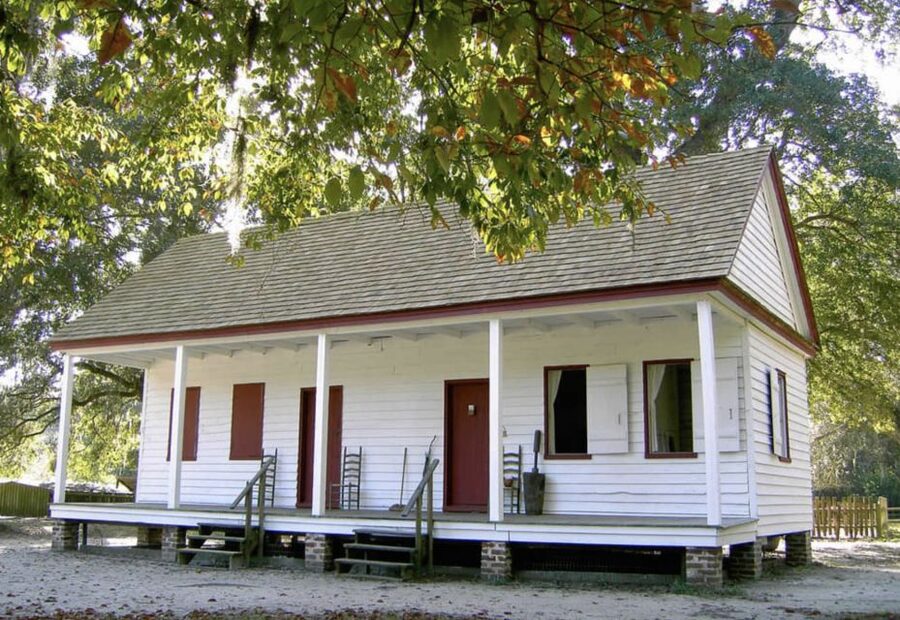
Wear comfortable footwear and dress for outdoor conditions. The first section takes place in the gardens, and the tour continues regardless of rain, so a weather-ready outfit is more useful than formal clothing.
Ask about the total cost before booking. The $125 price does not include plantation admission, and that extra charge changes the value calculation. Also confirm the pickup point and time so the start of the three-hour schedule is clear.
If slavery and the lives of enslaved people are your main reason for visiting, ask how much of the tour is devoted to that subject. The experience does include plantation slavery, but the full route also gives substantial attention to gardens, the Middleton family, the house, and the stable yard.
If you are particularly interested in the guide, ask whether Mike is scheduled for your date. His clear explanations and friendly approach receive the strongest praise connected with this experience. If another guide leads the tour, the plantation itself still provides the historical setting, but the personal style may differ.
Finally, keep your expectations grounded. Middleton Place is a historic plantation estate, not a single-theme museum. You will see beauty, political history, skilled work, and evidence of a brutal labor system in the same visit. That contrast is not a flaw. It is the central fact you need to understand.
Should you book the Middleton Place tour?
Book this tour if you want a guided, three-hour introduction to Middleton Place with hotel pickup and a wide range of subjects. The formal gardens, authentic plantation home, stable-yard crafts, and family connections to American history give you plenty to see in a short visit.
The tour is also a good fit if you value clear personal interpretation. Mike’s friendly, well-informed approach is praised repeatedly, though you should confirm who will guide your departure.
Think twice if you are watching your budget, since the $125 price excludes admission. Also reconsider if you have mobility impairments or dislike touring outdoors in uncertain weather.
For most history-minded visitors who want more than a pretty house and garden, I find this a worthwhile Charleston outing. Go ready to appreciate the design and workmanship, but also ready to confront the slavery that supported the estate. That fuller view is what makes Middleton Place worth your time.
FAQ
How long does the Middleton Place Plantation Tour last?
The tour lasts three hours.
What is included in the tour price?
Hotel pickup and a guided tour of the plantation are included.
Is admission to Middleton Place included?
No. The plantation admission fee is not included in the listed tour price of $125 per person.
Where can I be picked up?
Pickup is available where you are staying or at another point of your choice, as arranged for the tour.
Who guides the tour?
Historic Charleston Tours provides the experience. Mike is specifically associated with several recent departures, but the available information does not guarantee that he guides every tour.
What will I see at Middleton Place?
You will see the formal gardens, the plantation home, and the stable yard. The stable yard includes demonstrations by a seamstress, barrel maker, pottery maker, and blacksmith.
Does the tour discuss slavery?
Yes. The tour includes information about the history of slavery on the plantation, as well as the role of rice, cotton, and indigo.
Does the tour operate in bad weather?
Yes. The tour takes place rain or shine.
Just added around Charleston
- Magnolia Plantation Tour with transportation PLUS City Bus Tour★ 5.0 · 4 reviews
- Taste of Historic Plantations 1/2 Day Tour★ 5.0 · 9 reviews
- Tea Plantation and Winery Tour in Charleston★ 5.0 · 3 reviews
- Magnolia Plantation Day Tour with Transportation★ 4.5 · 35 reviews
- Boone Hall Plantation Day Tour with Transportation★ 4.5 · 8 reviews
- Charleston: Magnolia Plantation with Transport and City Tour★ 4.5 · 21 reviews
- Charleston: Magnolia Plantation & Gardens Guided Tour★ 4.5 · 43 reviews
- Charleston: Boone Hall Plantation Tour★ 4.7 · 3 reviews
Charleston Farm Tours, compared.
Boone Hall Plantation All-Access Admission Ticket
Read our review →
Boone Hall Plantation Admission & Tour with Transportation from Charleston
Read our review →
Magnolia Plantation Entry & Tour with Transport
Read our review →
Historic City Tour & Magnolia Plantation Combo
Read our review →
Charleston Farm-to-Table Food Tour and Chef’s Challenge
Read our review →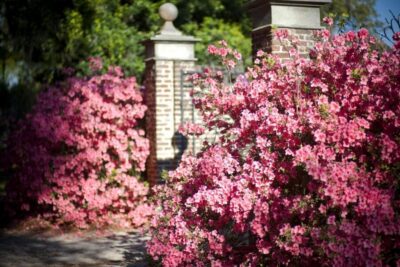
Boone Hall Plantation Entry & Tour w/ Transport
Read our review →
Middleton Plantation-3 hour guided tour- hotel pickup-admission
Read our review →Browse the lists this tour appears in