
Review · INDIA
North Goa: Mulgao Village and Coconut Farming Experience
Mulgao gives you a side of Goa that beach days rarely reveal. This small North Goa village is home to more than 50 temples and shrines, old folk beliefs, farm traditions, and stories about guardian deities. The most unusual part is the shift from sacred village sites to Mulgão Verde, an organic coconut farm where you learn how the palm supports daily life and how virgin coconut oil is produced.
I like the way this experience links local storytelling with practical farming. I also like the farm-to-table meal, prepared by village residents and served among the coconut trees. The main catch is simple but important: this is not a walking tour. You need your own vehicle or must arrange transport between the temple, village stops, and farm.
Key things to know before you book
- Mulgao has more than 50 shrines and temples, with attention on folk beliefs and guardian deities.
- The coconut farm is hands-on and practical, covering organic methods, oil making, and useful coconut products.
- A Goan vegetarian meal is included, prepared by local villagers at the farm.
- The full experience lasts three hours, with an English-speaking local guide.
- You arrange transportation, including the short transfers within the village.
- The pace is easy, but the tour is not suitable for wheelchair users and can involve walking around a farm.
Mulgao village, where shrines tell the story
The tour begins at Kelbai Temple in Mulgao. This is your meeting point and the place to get oriented before setting off to see several shrines and holy sites around the village.
The religious sites are not presented as isolated monuments. The focus is on how local people relate to them, the stories linked to guardian deities, and the older folk culture that survived through generations. You get a look at Goa before Portuguese influence reshaped much of the region, though the exact stops can depend on the planned route and the guide’s storytelling.
That local focus matters. A quick temple photo rarely tells you why a shrine is important or how it fits village life. Here, the English-speaking storyteller helps connect the buildings, beliefs, and agricultural setting. Rachana has led the experience and is described as friendly and well informed, with an easy pace and interesting stories about the village.
Temple etiquette still matters. Wear sensible clothing, behave quietly at religious sites, and follow your guide’s directions. The experience rules also prohibit smoking, alcohol, and drugs.
The first guided section lasts about an hour. That gives the religious and village portion enough time to feel substantial without taking up the whole outing. If you prefer fast sightseeing with a long checklist of monuments, the pace may feel slow. If you like context and conversation, this is where much of the value lies.
A few more farm days around India worth a look
- Full-Day Tour Old Goa Dudhsagar Falls and Spice Plantation
★ 3.5 · 67 reviews - Glimpses Of Goa: Churches,Temple and Spice Plantation
★ 5.0 · 65 reviews - CULTURAL & HISTORIC DAY TOUR ATTRACTIONS – Churches, Temples & Spice Plantation
★ 4.5 · 53 reviews
From sacred places to working farmland
A shorter guided section of about 20 minutes continues the village experience before you head to the farm. The change in subject is part of the appeal. You move from beliefs and village stories to the work that still shapes daily life.
Transport needs a little planning here. The experience does not provide rides, and the description makes clear that you need your own vehicle or another transport arrangement. Do not assume you can simply follow the guide on foot from one stop to the next. Ask for the meeting details and route information before you set out, especially if you are coming from another part of North Goa.
This is also why the tour suits independent visitors with a scooter, car, or prearranged driver. You can keep the outing smooth and avoid losing time between the temple and coconut farm. The starting and ending point is Kelbai Temple, so you return there after the farm visit.
Mulgão Verde and the many uses of a coconut palm
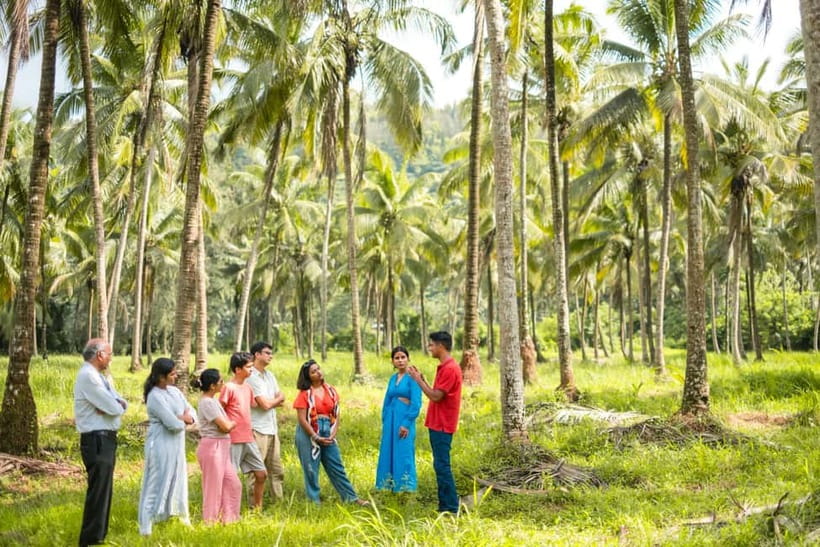
The farm visit takes about an hour and a half, making it the largest part of the experience. At Mulgão Verde, you learn about organic coconut farming and the production of virgin coconut oil.
The useful detail here is that the tour does not treat the coconut palm as just a scenic backdrop. You look at farming as a system, including different stages of production and the ways coconut materials can be used in everyday Goan life. The farm also presents other coconut-based products and ideas aimed at reducing waste.
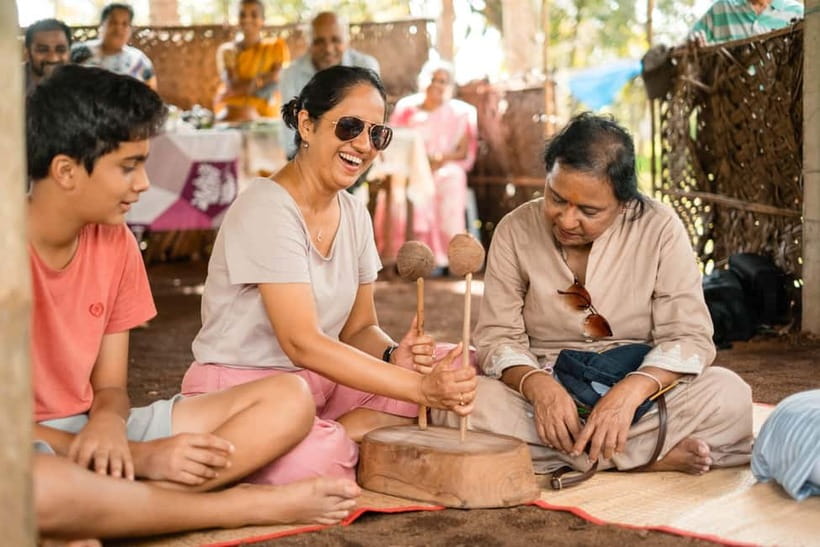
You can expect an explanation of how virgin coconut oil is made, along with a look at the farm’s methods and sustainable initiatives. The supplied information does not promise that every visitor will perform each production step, so think of this as a guided farm visit with opportunities for hands-on learning rather than a formal workshop with a fixed list of tasks.
The zero-waste angle gives the stop extra weight. Many farm tours show you crops and send you on your way. This one asks you to consider how a single plant can provide food, oil, materials, and useful by-products. That makes the farm relevant even if you have little interest in agriculture.
The owner is described as innovative, and the welcome at the farm is warm. The practical demonstrations and product explanations help make the visit more than a scenic stop. You are likely to come away with a clearer idea of the work behind a bottle of coconut oil and the effort required to use farm resources carefully.
Wear clothing that can handle a little dust or outdoor activity. Comfortable shoes are essential. The organizers also advise a hat, sunscreen, and water, which is good advice in Goa’s sun. An umbrella, raincoat, hat, face mask, and sanitizer are not provided, so bring what you need.
A Goan vegetarian meal under the palms
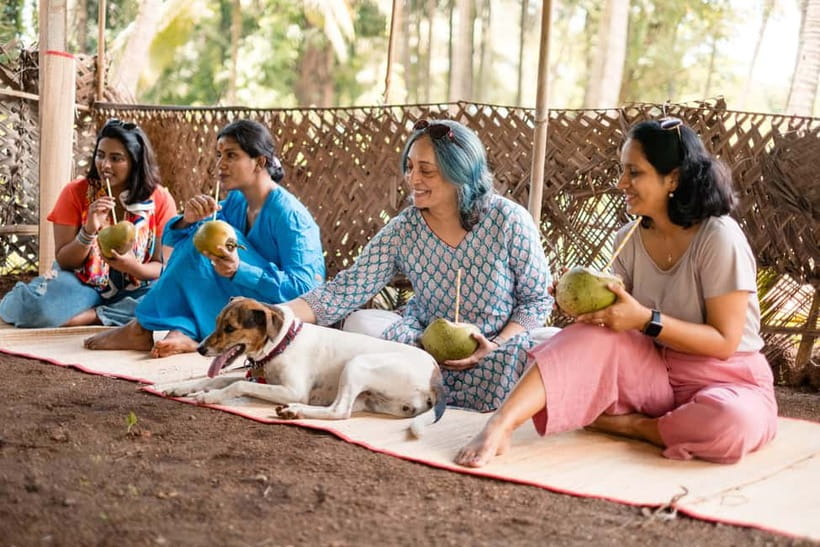
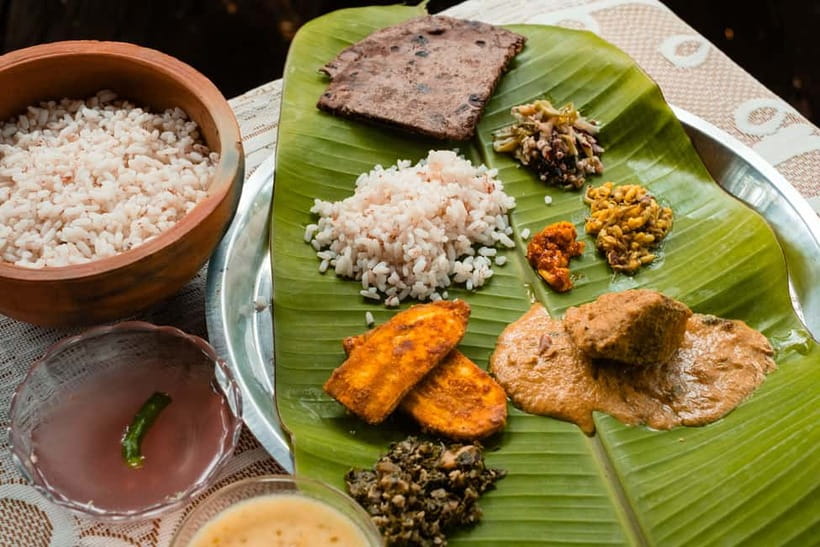
The meal is one of the strongest reasons to choose this experience over a standard sightseeing outing. Local villagers prepare a traditional Goan vegetarian lunch at the coconut farm, and you eat in the farm setting with the air moving through the palms.
The menu is not specified, so do not book expecting a particular dish. What you can count on is a vegetarian meal prepared by local residents and included in the price. That keeps the food tied to the place rather than adding a generic restaurant stop.
I like this part because food turns the farm visit into a social experience. You have time to pause, ask questions, and take in the setting instead of rushing straight back to the starting point. The meal also helps you understand the connection between village agriculture and the food on your plate.
One German booking described the food as authentic and excellent, while also praising the warm welcome at the farm. That matches the purpose of the experience: you are not simply watching village life from a distance. You are sharing a meal prepared within the community.
If you have dietary restrictions, ask about them before booking. The information confirms that the meal is vegetarian, but it does not list ingredients or promise accommodations for allergies.
Same fields, a different sort of day out:
- Goa: Dudhsagar Waterfall, Jeep Safari and Spice Plantation
★ 3.4 · 43 reviews - Old Goa Churches, Temples & Spice Plantation With “Goan” Lunch
★ 4.5 · 34 reviews - Goa: Spice Plantation Tour and Traditional Local Lunch
★ 4.3 · 32 reviews - Goa: SIC Dudhsagar Waterfall and Spice Plantation Day Tour
★ 3.4 · 14 reviews
What three hours really gives you
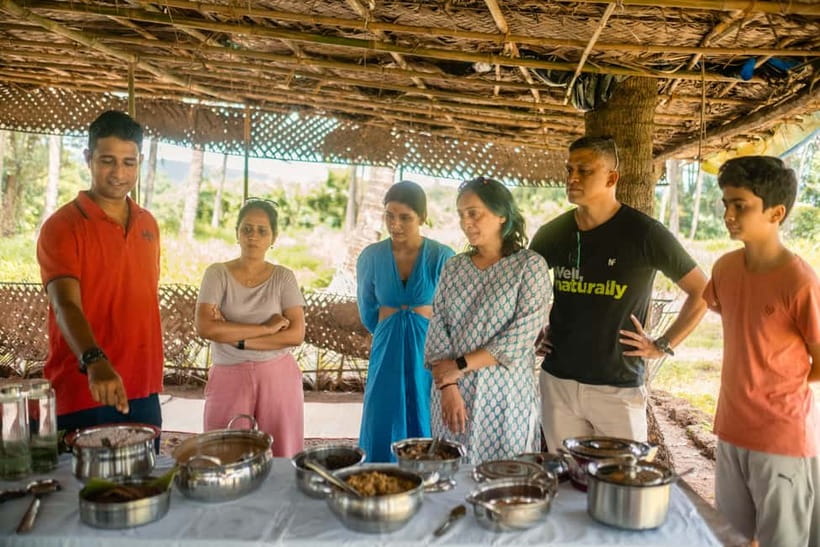
The timing is well balanced. About one hour goes to the first guided section, another 20 minutes to a second village stop, and roughly 90 minutes to the farm and meal. That structure gives you three different angles on Mulgao:
- Sacred sites and folk culture
- Village life and local stories
- Farming, coconut products, sustainability, and food
The outing feels easy paced rather than packed. Rachana’s guidance has been praised for being friendly and clear, and the tour is designed around explanation rather than speed. You should allow extra time around the three-hour duration if arranging transport, parking, or getting to Mulgao from elsewhere in Goa.
The experience begins and ends at Kelbai Temple. That makes it easier to plan if you have your own vehicle, but it also means you are responsible for reaching the village on time. There is no included pickup or drop-off.
Is $30 good value?
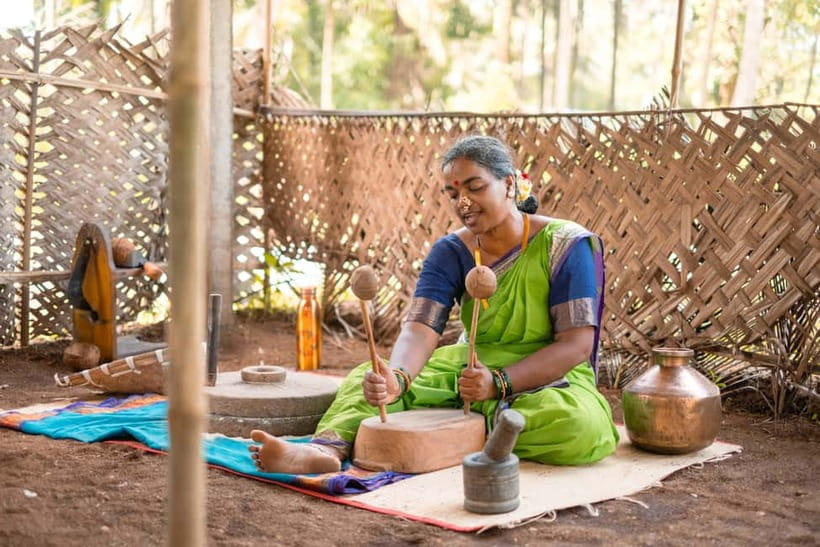
At $30 per person, the price is reasonable if you want several experiences in one outing. You receive a local-led village tour, visits to shrines, an organic farm visit, an explanation of virgin coconut oil production, sustainability lessons, and a traditional vegetarian meal.
The price looks less attractive if you are only seeking a short temple visit or a photo stop at a farm. You also need to add your own transport costs, which is the main extra expense. Since transport is required during the experience, a solo visitor without a vehicle may need to arrange a taxi or driver, while a small group can split that cost.
The included meal helps strengthen the value. So does the local storytelling, particularly if you care about the meaning behind the sites rather than simply seeing them. For someone interested in food, farming, folk traditions, or responsible tourism, the mix is more useful than a standard half-day sightseeing loop.
The booking terms are flexible: you can cancel up to 24 hours ahead for a full refund, and reserve now while paying later. Starting times depend on availability, so check the schedule before building the rest of your day around it.
Who will enjoy Mulgao most?
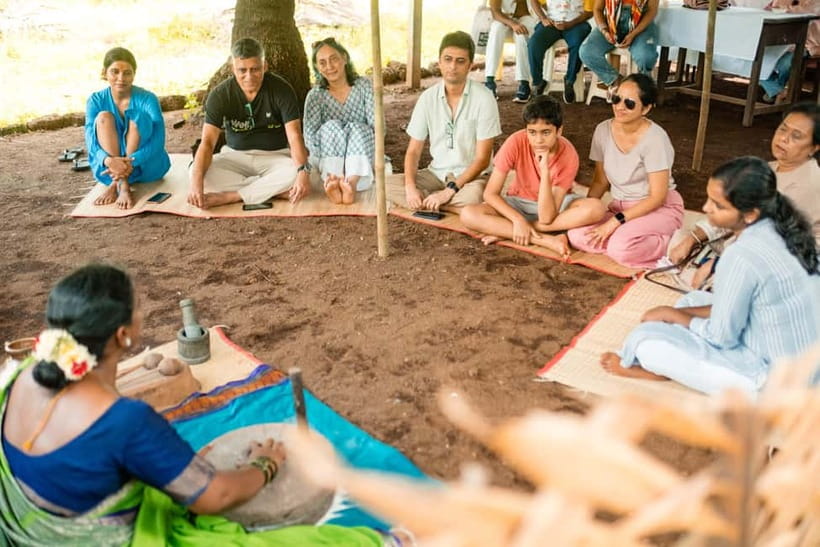
I would recommend this experience to you if you want a slower, more personal look at North Goa. It suits people who enjoy local stories, religious sites, food, and working farms more than crowded attractions.
It is especially good for:
- Visitors who have already seen Goa’s main beaches and want a rural setting
- People interested in organic farming and low-waste ideas
- Food-minded visitors who value a local vegetarian meal
- Families with older children who can manage walking and farm conditions
- Couples or small groups who can arrange transport easily
- Anyone who prefers an English-speaking guide and a relaxed schedule
It is less suitable if you want a purely historical tour, a long walking trail, or a tightly timed excursion with hotel pickup. The experience also is not suitable for wheelchair users, and the need for transport between locations may be inconvenient for anyone without a vehicle.
Bring comfortable shoes, water, a hat, sunscreen, and a camera. Dress for walking and farm activities, not for a formal temple visit or a polished city attraction. Goa’s weather can change, and the provider does not supply rain gear or personal protection items.
My call on this North Goa experience
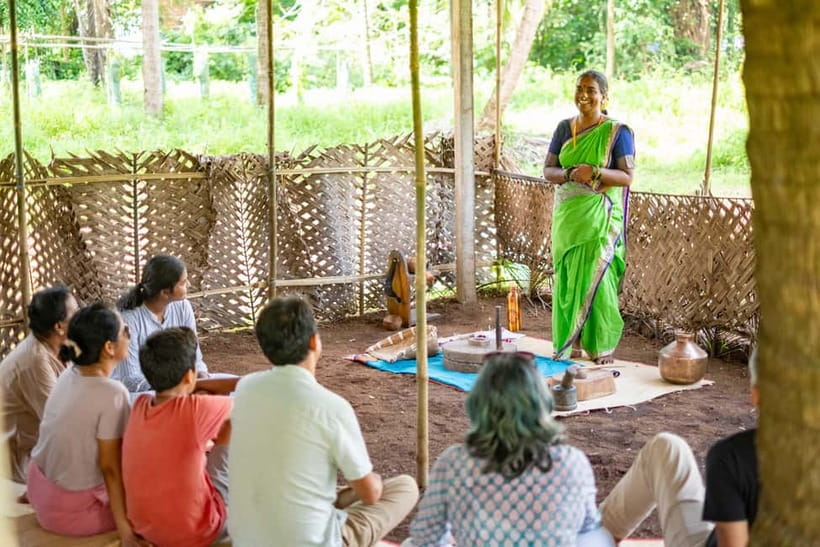
You should book this if you want to connect Goa’s temples, farming, food, and folk culture in one manageable outing. The best parts are the local stories, the practical look at coconut oil production, and the meal beneath the palms.
Think twice if you need included transport or want a conventional sightseeing tour with famous landmarks. For everyone else, $30 buys a useful and human-scale introduction to Mulgao, provided you arrange the vehicle and arrive prepared for sun, walking, and farm conditions.
FAQ
Where does the Mulgao experience begin?
It begins at Kelbai Temple in Mulgao and returns to the same location at the end.
How long does the experience last?
The experience lasts three hours. Starting times depend on availability.
Is transportation included?
No. You must arrange transportation to and from the village, as well as transportation between locations during the experience.
What language is the tour conducted in?
The live tour guide speaks English.
What will I see in Mulgao village?
You will visit various shrines and holy sites and hear stories about local folk culture, guardian deities, and the village’s older heritage.
What happens at the coconut farm?
You will tour an organic coconut farm, learn about sustainable farming and zero-waste practices, and receive insights into virgin coconut oil production and other coconut products.
Is food included?
Yes. A traditional Goan vegetarian meal prepared by local villagers is included at the coconut farm.
What should I bring?
Bring comfortable shoes, a hat, sunscreen, water, and a camera. Wear clothing suitable for walking and farm activities.
Is the experience suitable for wheelchair users?
No. The experience is not suitable for wheelchair users.
Just added around India
- Mulgao Folk Village & Coconut Farming Experience – Make It Happen★ 5.0 · 12 reviews
- Tea plantation walk and stay in valley view Room (By Munnar Info)★ 4.0 · 2 reviews
- Tea plantation walk with Visit of Historical ,village & Market★ 5.0 · 5 reviews
- Tea Plantation, Grass Land and Mountain Hiking in Munnar★ 5.0 · 6 reviews
- Tea Farm Tourism★ 5.0 · 8 reviews
- Munnar Tea Plantation Evening walking with Sunset View★ 5.0 · 8 reviews
- Classic Coorg Coffee Plantation experience★ 4.0 · 7 reviews
- Philipkutty’s Farm Culinary Tour including Lunch and Cooking Demo★ 5.0 · 2 reviews
India Farm Tours, compared.

Full-Day Tour Old Goa Dudhsagar Falls and Spice Plantation
Read our review →
Glimpses Of Goa: Churches,Temple and Spice Plantation
Read our review →
CULTURAL & HISTORIC DAY TOUR ATTRACTIONS – Churches, Temples & Spice Plantation
Read our review →
Dudhsagar Waterfall, Jeep Safari and Spice Plantation
Read our review →
Old Goa Churches, Temples & Spice Plantation With “Goan” Lunch
Read our review →
Spice Plantation Tour and Traditional Local Lunch
Read our review →
SIC Dudhsagar Waterfall and Spice Plantation Day Tour
Read our review →
Browse the lists this tour appears in