
Review · INDIA
Farm to Table: With a local farmer family
The best part of this experience is that you do not simply sit down to eat Rajasthani food. You pluck vegetables, shape bati dough, grind spices, and cook beside a local family in the countryside outside Udaipur. I like the hands-on farming and cooking, and I like that the meal ends with chaas, a cool yogurt drink that cuts through the heat of the spices.
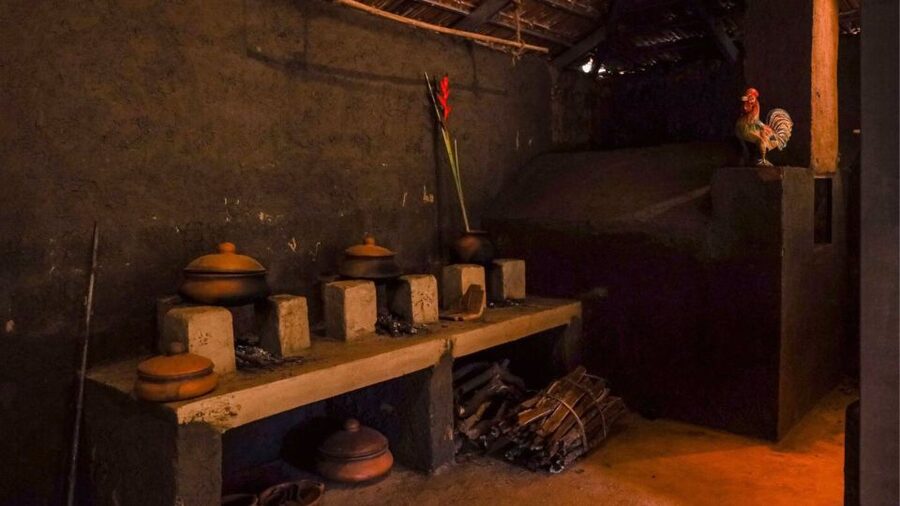
The setting can be more modest than the promotional photographs suggest. Expect a real village home and a simple clay cooking stove rather than a polished culinary school. Transportation is not included, so you need to arrange your own way to the meeting point or ask Strode Experiences to help arrange a vehicle for an extra charge.
Key points at a glance
- Cook over a clay fire: Shape bati dough and bake it in a wood-fired clay oven.
- Walk through working fields: See mustard greens and chickpeas, and learn about traditional farming methods.
- Eat beneath a neem tree: The meal includes Dal Bati Churma, Sarson Ka Saag, Gatte Ka Saag, chaas, and local snacks.
- Add time for village sights: A nearby village may offer a Jain temple, stepwell, and restored haveli if you have a car and driver.
- Expect a home-based visit: The experience feels personal and informal, not like a staged restaurant demonstration.
- Budget about two hours: The $21 price includes food, while transport is separate.
Why this farm visit feels different from a restaurant meal
Udaipur is known for lakes, palaces, and grand city sights. This two-hour visit takes you beyond that postcard view and into the food-producing countryside. You see where the meal begins, meet people who work the soil, and take part in the cooking instead of only watching someone else prepare it.
I find that useful because Rajasthani cooking makes more sense when you see the ingredients and methods up close. Dry-climate farming, local grains, chickpeas, greens, ghee, jaggery, and strong spice blends all have a place in the meal. The experience gives you a small but clear link between rural work and the food on your plate.
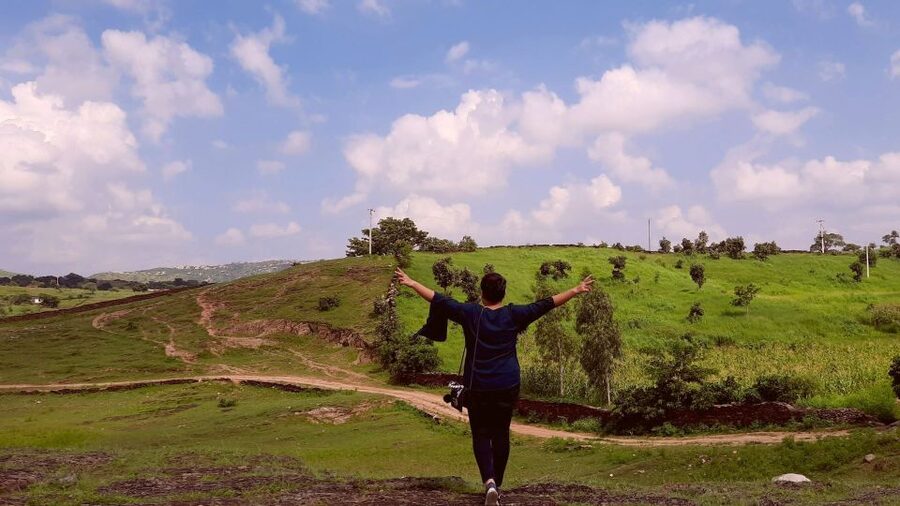
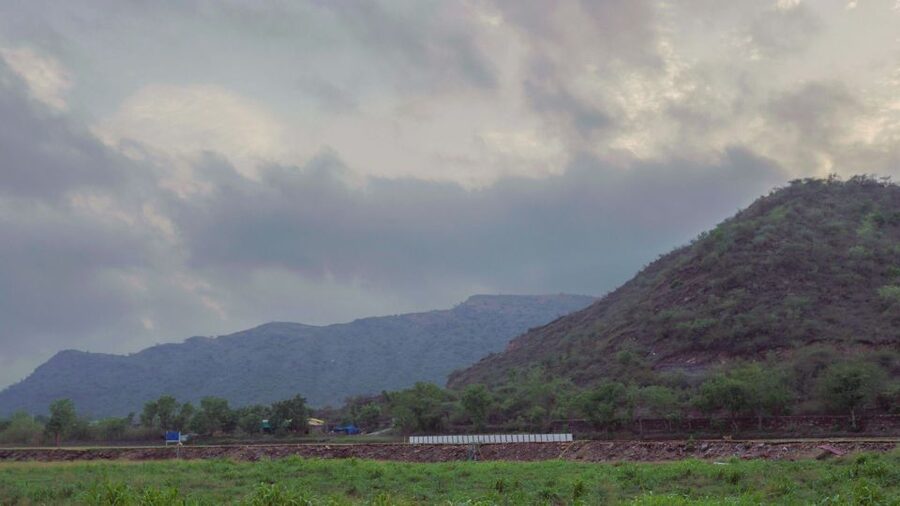
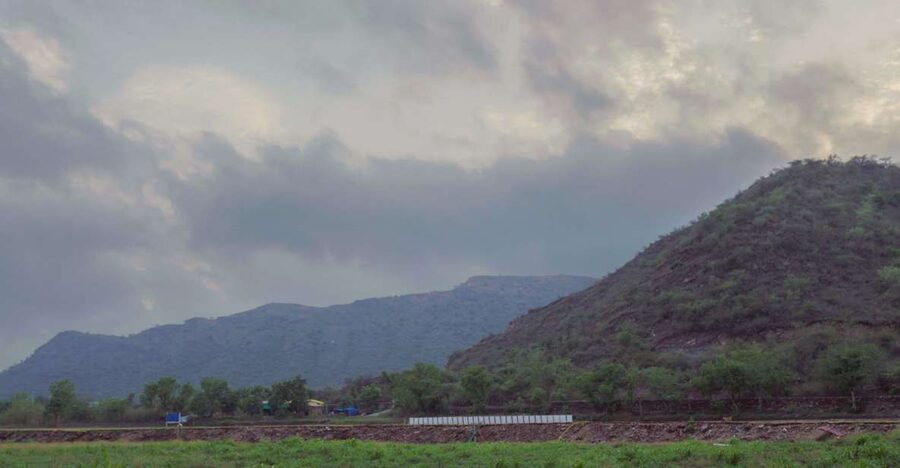
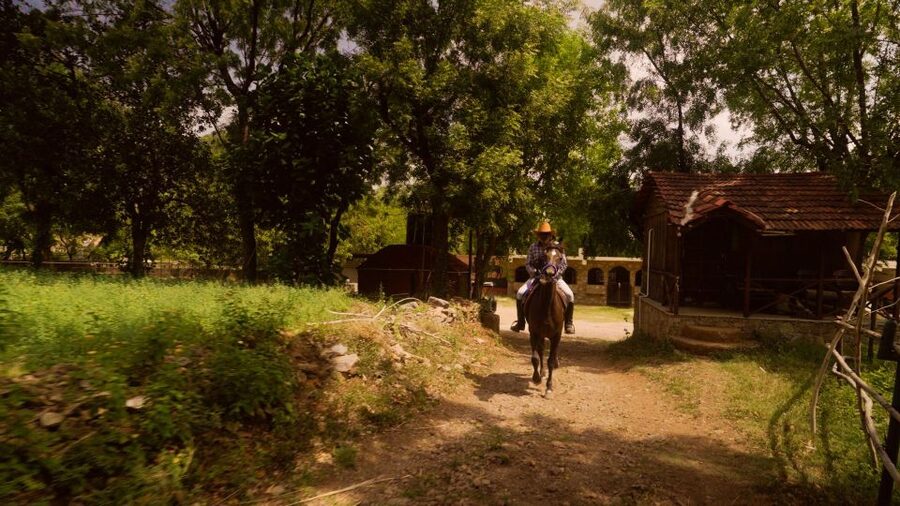
The setting is described as being on the outskirts of Udaipur, with rolling hills, mustard fields, earthy smells, and a local temple nearby. You arrive at a village meeting point, where your host and local farmers welcome you. The tour is led in English or Hindi, so you can expect help communicating during the walk and cooking lesson.
Do not expect a large attraction with fixed exhibits or a formal production. This is a short visit with a family and local hosts. That informality is its main appeal, but it also means the experience may feel different from the polished photographs used to promote it.
More Farm-to-Table Meals in India:
- From Porto: 2 Wine Regions, Farm-to-Table Lunch & Boat
★ 4.9 · 5,724 reviews - Montserrat Full Day Tour with Farmhouse Lunch and Winery Visit
★ 5.0 · 1,068 reviews - Montserrat & Winery Visit Tour with Traditional Farmhouse Lunch
★ 4.5 · 1,035 reviews
Walking through fields and local devras
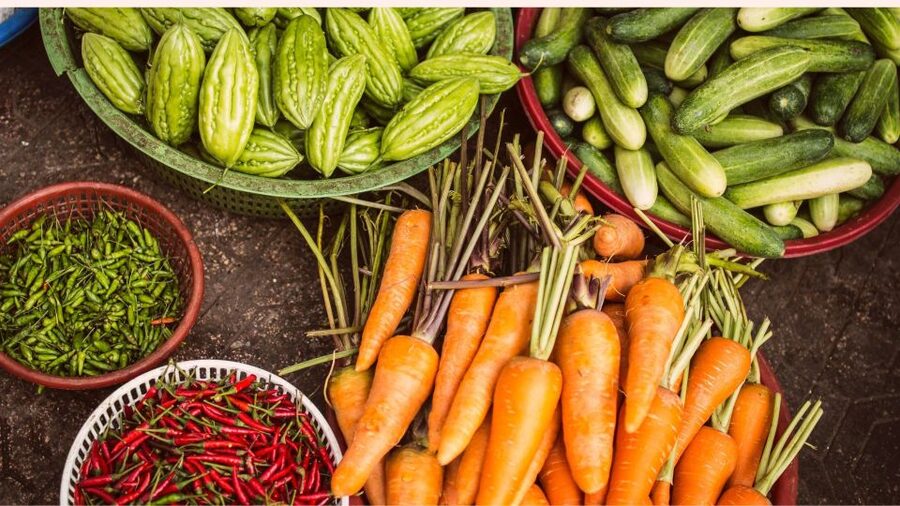
The visit begins with a short walk around the farm and nearby village area. You learn about traditional farming methods and see crops such as mustard greens and chickpeas. You may be able to pluck fresh vegetables with the farmers, which gives the visit a practical edge that a standard food tour often lacks.
The word devra refers to a local shrine or sacred place. The walk includes local temples and devras, adding a cultural layer to the farm visit. You are not only looking at crops. You are also seeing the religious and village spaces that form part of daily life in rural Rajasthan.
The countryside views are a strong part of the experience. You may see mustard fields, low hills, gardens, and a temple among the farmland. One useful detail is that a longer visit to the nearby village depends on transport. With a car and driver, you can reach sights such as an impressive new Jain temple, a stepwell, and a haveli under renovation. Without that extra vehicle, you should plan on the farm and its immediate surroundings rather than a wider village tour.
That distinction matters. The advertised two-hour activity is not a full sightseeing circuit. It is a farm and cooking visit with a short walk. If the temple, stepwell, and haveli are especially important to you, arrange transport before you arrive and confirm what the vehicle will cost.
Learning the basics of a clay-stove kitchen
After the farm walk, you move to an open-air kitchen. The cooking lesson centers on familiar Rajasthani dishes, but the point is not to master a restaurant recipe in two hours. You are there to learn the basic steps, handle the ingredients, and understand how the meal comes together.
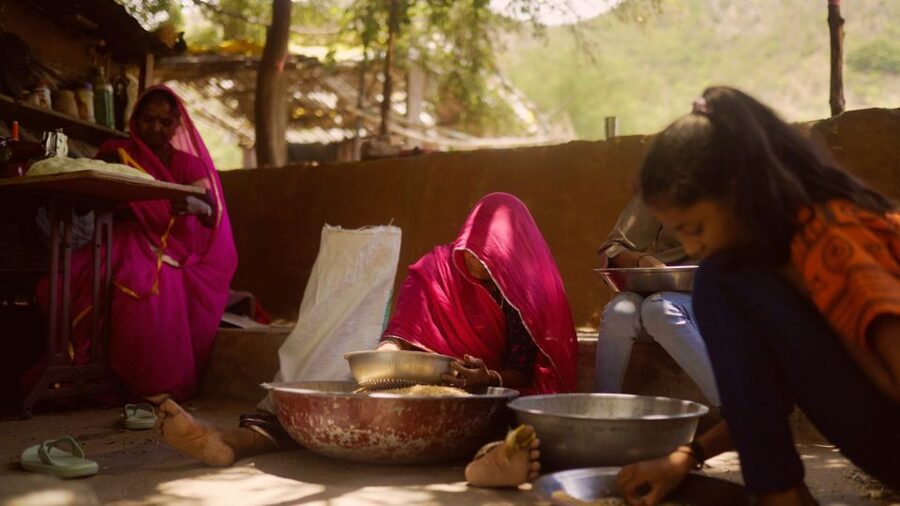
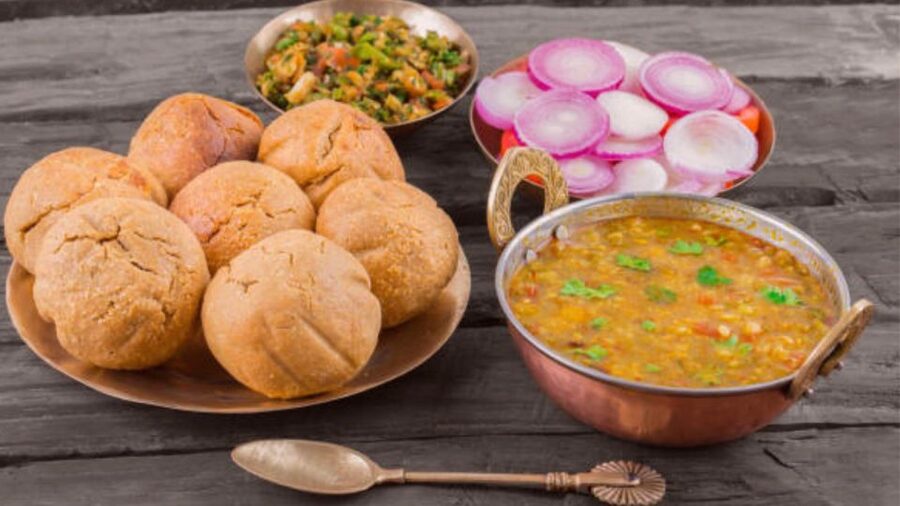
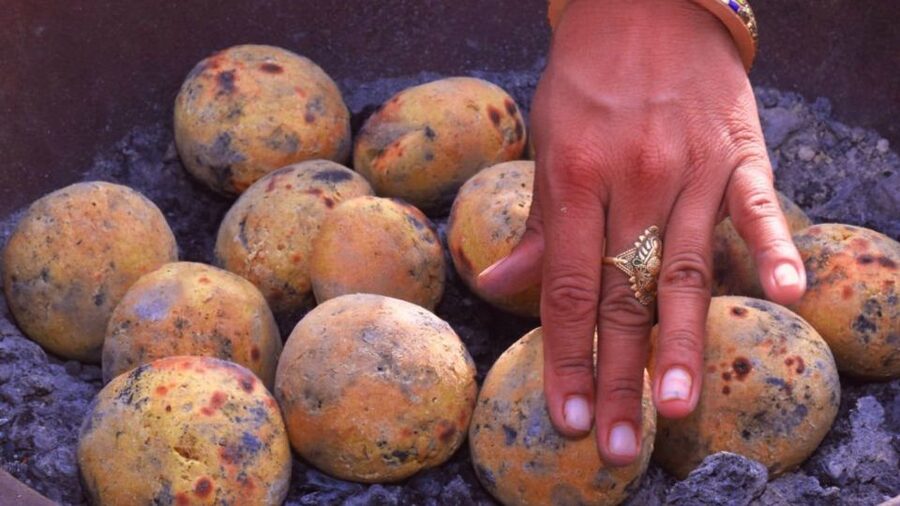
First comes Dal Bati, one of Rajasthan’s best-known combinations. You shape the dough into small round batis, which are baked in a wood-fired clay oven. The bati is served with dal, a lentil curry flavored with local masalas. The oven and fire are important here. They give the activity a hands-on character and help explain why the finished bread has its firm, toasted outside.
You also prepare Churma, a sweet dish made from crushed batis, ghee, and local jaggery. It uses the same baked dough in a completely different way. Instead of treating the bread as a side dish, you break it down and combine it with rich and sweet ingredients. It is a good example of practical home cooking, where one basic preparation can become part of several dishes.
The third main dish is Gatte Ka Saag. You form chickpea flour dumplings, then cook them in a spicy curry. This is the kind of dish that shows how Rajasthan makes satisfying food from pantry staples. Chickpea flour provides the dumplings, while the curry supplies moisture and spice.
The meal also includes Sarson Ka Saag, a mustard-green dish. Since you have already seen mustard fields during the walk, this part of the menu connects the farm tour directly to the table.
Cooking with a family means the pace can be informal. You might be asked to help with simple preparation, shaping, stirring, or seasoning rather than follow a formal class with printed instructions. That is a plus if you want contact with local people. It is less ideal if you are looking for a detailed recipe workshop that you can repeat step by step at home.
Chaas, snacks, and a meal under the neem tree
While the dishes cook, you receive local snacks and chaas. Chaas is a traditional buttermilk drink made with yogurt. It is light, cooling, and well suited to a meal with spice, ghee, and baked dough.
The final meal is served under a neem tree. That setting matters. Instead of ending at a restaurant table indoors, you eat in the same rural setting where you have just walked and cooked. The menu includes Dal Bati Churma, Sarson Ka Saag, Gatte Ka Saag, and chaas.
I like this part because it brings the visit together without adding unnecessary ceremony. You have handled the ingredients, watched the fire, and learned how the dishes are made. Sitting down to eat them in the shade gives the meal a clear sense of place.
Local artisans and musicians may also add a cultural program. Their presence introduces music and craft traditions connected with the village. The performances are part of the wider cultural setting, but they should not be the main reason you book. The central experience is farming and food.
Food is included in the $21 price, which makes this a good value if you want a meal plus a local activity. You are paying less for a restaurant-style cooking school and more for access to a home kitchen, a farm walk, and a shared meal. Transport is not included, so the total cost depends on how you reach the outskirts of Udaipur.
A few more farm days around India worth a look
- Full-Day Tour Old Goa Dudhsagar Falls and Spice Plantation
★ 3.5 · 67 reviews - Glimpses Of Goa: Churches,Temple and Spice Plantation
★ 5.0 · 65 reviews - CULTURAL & HISTORIC DAY TOUR ATTRACTIONS – Churches, Temples & Spice Plantation
★ 4.5 · 53 reviews - Goa: Dudhsagar Waterfall, Jeep Safari and Spice Plantation
★ 3.4 · 43 reviews
What the $21 price really gives you
At $21 per person, the experience offers several elements in a short window:
- A welcome at a village outside Udaipur
- A farm walk and introduction to local crops
- Contact with farmers and the chance to pluck vegetables
- A cooking lesson using traditional Rajasthani dishes
- Food, snacks, and chaas
- A shared meal in a rural setting
- Possible music and artisan activities
That is a fair package for someone who values personal contact and local food more than luxury. The food alone is not the only value. You are also paying for the time of the hosts and the chance to learn how the dishes are prepared.
The price is less attractive if you need a private vehicle to reach the venue and return to Udaipur. Since conveyance is not included, ask about transport before booking. The provider can help arrange a vehicle, but the charge is handled separately.
The total time is two hours, so this is easy to fit around a morning sightseeing plan or an afternoon in the city. It is also short enough for families or visitors who want a rural experience without committing to a full-day excursion. Still, two hours leaves little room for delays, a long village walk, or an extended cooking lesson. Keep your schedule flexible rather than booking another fixed activity immediately afterward.
The home setting and the photographs
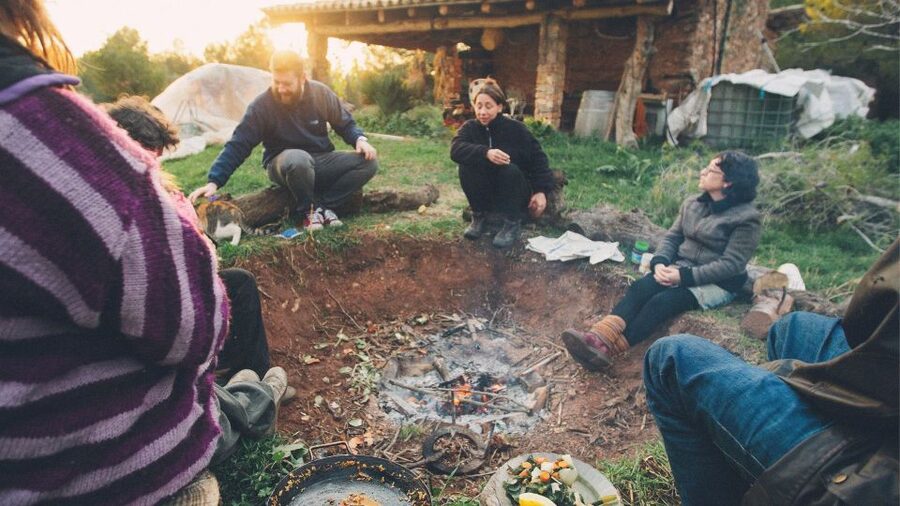
One important expectation check: this may look more like a family home than a purpose-built farm venue. The cooking area can include a handmade mud and clay stove, and the meal may be served in a simple domestic setting.
I consider that a strength if you want an ordinary, close-up view of village cooking. You see how food is made without the polish of a hotel kitchen. The downside is that the real setting may not match the promotional photographs. If you expect landscaped grounds, elaborate facilities, or a staged outdoor kitchen, you could be disappointed.
The host welcome is an important part of the visit. The farmers and family are described as friendly and willing to share stories about their heritage and methods. English and Hindi are available, which helps if you want to ask questions about crops, spices, or daily work.
As with many home-based experiences, the atmosphere may depend on the host and the group on your date. The overall rating is 4.3 out of 5, but the feedback includes both strong praise and one very negative response. I would treat that as a reason to book with sensible expectations, not as a reason to dismiss the experience. You are choosing an informal village visit, not a guaranteed luxury service.
Who will enjoy this experience most?
I would recommend it to you if you:
- Like learning through food and direct participation
- Want to see rural life outside Udaipur
- Enjoy simple home cooking and local hospitality
- Are curious about mustard, chickpeas, spices, and farming methods
- Prefer small-scale cultural activities to large sightseeing attractions
- Have a car or are willing to arrange transport to the venue
- Want a reasonably priced meal with an activity attached
It is also a good choice for families and small groups who want something different from palace and lake visits. Children who enjoy shaping dough or helping pick vegetables may find the farm visit more engaging than a long museum stop, though no child-specific program is described.
You may want to skip it if your main interest is a formal cooking course, a polished culinary venue, or a guaranteed tour of several village monuments. The cooking is practical and social, but there is no promise of printed recipes, professional kitchen equipment, or a full sightseeing route.
Vegetarians should find the menu suitable based on the dishes provided, though the experience description does not give details about allergies or special dietary requests. If that matters to you, ask the host before booking.
Practical advice before you reserve
Confirm the meeting point and transport plan before the day of the activity. The venue is outside Udaipur, and reaching it may require help or a separate vehicle. If you arrange a car and driver, you may also be able to add the nearby Jain temple, stepwell, and renovated haveli to your outing.
Wear clothes that are comfortable for walking and cooking. The activity includes fields, an outdoor kitchen, and a wood-fired clay oven, so you should not dress as if you are heading to a palace restaurant. Closed shoes are a sensible choice for a farm walk, although no formal dress code is provided.
Keep water with you, especially if the weather is warm. Chaas is served, but it is part of the meal, not a replacement for your own drinking water.
The activity is offered in English and Hindi. If you want detailed explanations about farming or spices, tell the host at the start. A little direction can make the short two-hour visit feel more personal and useful.
Free cancellation is available up to 24 hours before the activity for a full refund, and you can reserve now and pay later. Those terms help if your Udaipur plans are still moving around, but transport arrangements may have separate conditions and charges.
Should you book this farm-to-table visit?
Book it if you want to connect a Rajasthani meal with the people, crops, and cooking methods behind it. The strongest parts are the field walk, the clay-stove lesson, the chance to help prepare Dal Bati and Gatte Ka Saag, and the final meal under a neem tree.
Do not book it expecting a glossy farm resort or a full village sightseeing tour. The home setting can be plain, the photographs may set high expectations, and transport requires planning. For $21, though, this is a thoughtful value for an informal taste of rural Udaipur, especially if you care more about shared food and local contact than polished presentation.
FAQ
Where is the farm-to-table experience located?
It is located on the outskirts of Udaipur, Rajasthan, in a village and countryside setting.
How long does the experience last?
The activity lasts two hours.
What does the $21 price include?
Food is included in the price. Conveyance is not included.
Is transportation to the farm included?
No. You may need to arrange transportation to the venue. The provider can help arrange a vehicle, with the cost handled separately.
What dishes will you prepare?
The cooking lesson includes Dal Bati, Churma, and Gatte Ka Saag. The meal also features Sarson Ka Saag and chaas.
What is chaas?
Chaas is a traditional buttermilk drink made with yogurt.
Can I visit village sights during the experience?
The activity includes a short walk to local temples and devras. With a car and driver, you may also be able to visit a nearby Jain temple, stepwell, and haveli under renovation.
What languages are available?
The host or greeter speaks English and Hindi.
Can I cancel for a refund?
Yes. You can cancel up to 24 hours in advance for a full refund. You can also reserve now and pay later.
Just added around India
- Mulgao Folk Village & Coconut Farming Experience – Make It Happen★ 5.0 · 12 reviews
- Tea plantation walk with Visit of Historical ,village & Market★ 5.0 · 5 reviews
- Tea plantation walk and stay in valley view Room (By Munnar Info)★ 4.0 · 2 reviews
- Tea Plantation, Grass Land and Mountain Hiking in Munnar★ 5.0 · 6 reviews
- Tea Farm Tourism★ 5.0 · 8 reviews
- Munnar Tea Plantation Evening walking with Sunset View★ 5.0 · 8 reviews
- Classic Coorg Coffee Plantation experience★ 4.0 · 7 reviews
- Philipkutty’s Farm Culinary Tour including Lunch and Cooking Demo★ 5.0 · 2 reviews
India Farm Tours, compared.

Full-Day Tour Old Goa Dudhsagar Falls and Spice Plantation
Read our review →
Glimpses Of Goa: Churches,Temple and Spice Plantation
Read our review →
CULTURAL & HISTORIC DAY TOUR ATTRACTIONS – Churches, Temples & Spice Plantation
Read our review →
Dudhsagar Waterfall, Jeep Safari and Spice Plantation
Read our review →
Old Goa Churches, Temples & Spice Plantation With “Goan” Lunch
Read our review →
Spice Plantation Tour and Traditional Local Lunch
Read our review →
SIC Dudhsagar Waterfall and Spice Plantation Day Tour
Read our review →
Bondla Wildlife Sanctuary with Lunch in Spice Plantation in Goa
Read our review →Browse the lists this tour appears in