
Review · INDIA
Mulgao Folk Village & Coconut Farming Experience – Make It Happen
Mulgao gives you a side of Goa that beach days rarely show. This small North Goa village is home to more than 50 temples and shrines, along with old customs, guardian deities, and farming traditions that reach back to the pre-Portuguese era. The three-hour experience pairs that village story with hands-on time at an organic coconut farm.
I like the mix of local folklore and practical farming. I also like that lunch is part of the experience, served at the farm rather than added as an afterthought. The main drawback is simple: this is not a walking tour. You must arrange your own transport between the village stops.
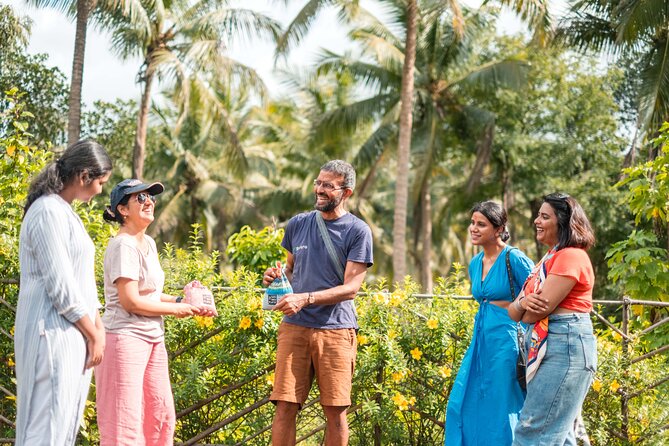
This experience works best if you want a short, focused outing with more substance than a standard sightseeing drive. Guide Pritam has been praised for making the temple visit both informative and fun, while the farm portion adds a useful look at coconut oil, sustainable agriculture, and zero-waste habits.
Key details before you book
- More than 50 shrines shape the village visit: You will see holy places tied to Mulgao’s local traditions and guardian deities.
- Pritam may lead the storytelling: His approach combines history, folk culture, and humor during the temple portion.
- Coconut farming is hands-on and practical: Farm owners explain how coconuts support daily life in Goa and how virgin coconut oil is made.
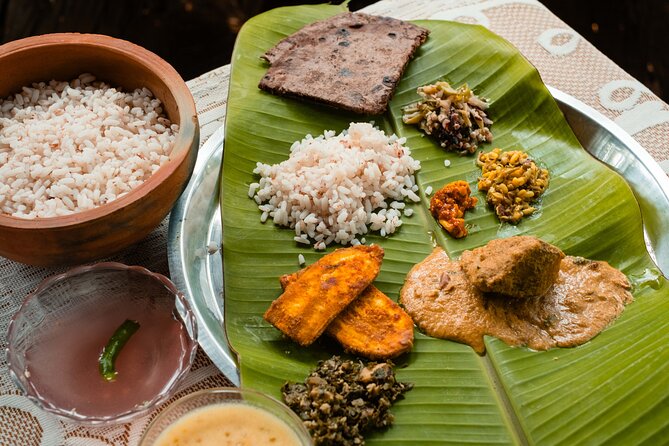
- Lunch is served in a coconut grove: The traditional Goan meal is prepared by local village hosts.
- You arrange the transport: The experience starts and ends at Sateri Temple, but the activity itself requires a vehicle or another transport option.
- The group is capped at 15 people: That keeps the outing fairly small, though it is not a private tour.
Why Mulgao offers a different side of Goa
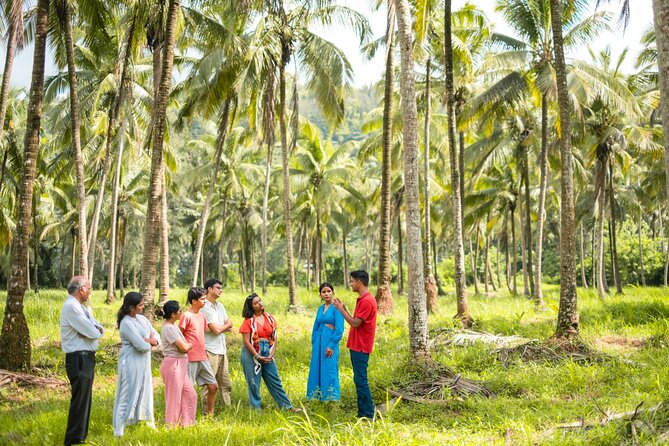
Many Goa outings focus on beaches, churches, markets, or nightlife. Mulgao shifts your attention inland, toward the beliefs and work that shape village life. The setting includes nature, shrines, farm plots, coconut palms, and stories passed through the local community.
The village has more than 50 temples and shrines, so this is not a single-monument visit. Instead, you get a broader sense of how sacred places fit into daily life. The focus is on local guardian deities, ancient customs, and folk stories rather than a long academic history lesson.
That distinction matters. You are not simply checking off famous buildings. You are being shown why certain sites matter to the people who worship there. I find that kind of context more useful than a list of dates, especially in a place where religious practice and village identity remain closely connected.
The meeting point is Sateri Temple on an unnamed road in Mulgaon, Goa 403503. The experience begins at 11 am and returns to that same meeting point. Plan your route before setting out, since hotel pickup and drop-off are not included.
A few more farm days around India worth a look
- Full-Day Tour Old Goa Dudhsagar Falls and Spice Plantation
★ 3.5 · 67 reviews - Glimpses Of Goa: Churches,Temple and Spice Plantation
★ 5.0 · 65 reviews - CULTURAL & HISTORIC DAY TOUR ATTRACTIONS – Churches, Temples & Spice Plantation
★ 4.5 · 53 reviews
The temple and shrine trail at 11 am
The first part centers on Mulgao’s shrines and holy sites. Your local storyteller guides the visit, explaining the village’s folk culture and the stories connected with its revered deities. The exact order of the stops is not specified, and the outing is not presented as a fixed walking route.
That is important for planning. You should expect to move between sites by your own vehicle or transport arranged on your end. Bring enough time to get familiar with the village roads and meeting point before the start time.
Pritam is the guide named in the available experience details, and his temple tour has been singled out for being both informative and enjoyable. That combination is valuable here. Folk traditions can be hard to understand if they are presented as a dry lecture, while a good storyteller can explain the meaning behind a shrine without making the visit feel formal or stiff.
You should also approach the temple portion with suitable respect. These are active holy sites, not simply scenic stops. The supplied details do not set out a dress code or photography rules, so follow any instructions given locally and keep your behavior quiet and considerate.
The village section may suit you especially well if you have already seen Goa’s better-known attractions and want a closer look at local culture. It is also a good fit if you enjoy stories, religious traditions, and community history more than fast-paced sightseeing.
Coconut farming at Mulgão Verde
The second half takes place at Mulgão Verde, an organic coconut farm hosted by the owners. Here, the experience turns from folklore to agriculture. You learn about farming practices, local crops, the many uses of the coconut palm, and the production of virgin coconut oil.
This is where the tour earns much of its value. Coconut is not treated as a decorative feature of the Goan countryside. You get an explanation of how the palm supports daily life, along with an introduction to products made from it. The farm activities also give you a chance to take part in various stages of the farming process.
The details do not promise a specific task or a particular harvest, so do not book this expecting a full day of farm labor. Think of it as a guided farm visit with participation, explanation, and demonstrations connected to coconut production.
The virgin coconut oil lesson is a useful feature for anyone interested in food, natural products, or small-scale agriculture. You can see how a familiar kitchen ingredient begins as a farm product and learn about the steps involved in making it. The farm also produces other novel coconut-based products, though the specific range is not listed.
I like this part because it connects the local economy to the scenery. Coconut palms are easy to notice in Goa, but the farm explains the work behind them. You come away with a clearer picture of how farming, food, household use, and small business can fit together.
Sustainable farming and the Zeroposro Store
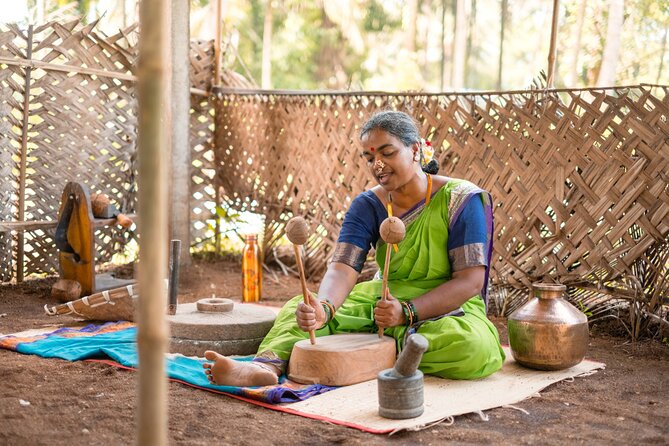
The sustainability theme continues beyond organic farming. You are introduced to the eco-conscious community and its efforts to reduce waste. A key stop is the Zeroposro Store, which supports zero-waste kitchens and offers ideas for using fewer disposable materials at home or at work.
The value here is practical rather than showy. You are not simply told that sustainability matters. You are shown an initiative built around kitchen habits and everyday choices. The experience aims to connect village farming with actions you can use in your own personal or professional life.
The available information does not list the store’s products or give a formal workshop schedule. Still, the inclusion of Zeroposro adds a modern layer to the village visit. Mulgao is presented not only as a place with old shrines and traditional agriculture, but also as a community testing newer ways to reduce waste.
If you are mainly looking for sightseeing, this section may feel less essential. If you care about organic farming, low-waste kitchens, or responsible tourism, it gives the tour a stronger purpose than a simple temple and lunch outing.
Same fields, a different sort of day out:
- Goa: Dudhsagar Waterfall, Jeep Safari and Spice Plantation
★ 3.4 · 43 reviews - Old Goa Churches, Temples & Spice Plantation With “Goan” Lunch
★ 4.5 · 34 reviews - Goa: Spice Plantation Tour and Traditional Local Lunch
★ 4.3 · 32 reviews - Goa: SIC Dudhsagar Waterfall and Spice Plantation Day Tour
★ 3.4 · 14 reviews
A Goan lunch under the coconut palms
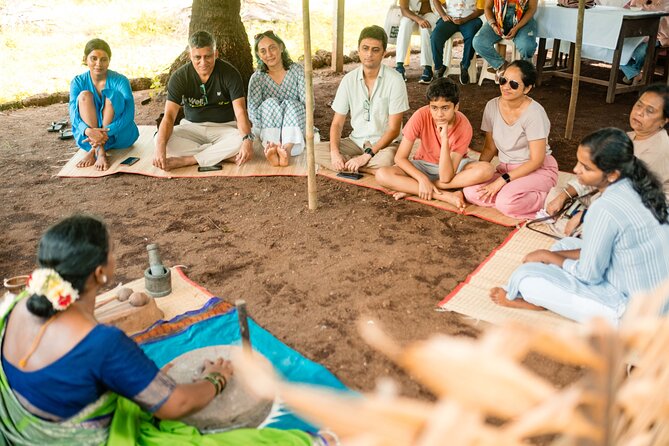
Lunch is included and served at the organic coconut farm. The meal is described as a traditional Goan farm-to-table lunch prepared by people from the village. You eat in the middle of a coconut grove, with a gentle breeze adding to the setting.
The meal is one of the experience’s strongest features. It gives you a chance to slow down after the temple and farm visits, and it makes the connection between local agriculture and local food easy to understand. A meal prepared by village hosts also feels more rooted in the place than a restaurant stop selected only for convenience.
The available details do not specify the menu, dietary options, or whether drinks are included. If you have food allergies or special dietary needs, ask the provider before booking. Do not assume the meal can be changed unless that is confirmed.
The setting should appeal to you if atmosphere matters as much as the food itself. This is not described as a cooking class or a formal tasting. It is a wholesome meal in a farm setting, with the surrounding grove serving as part of the experience.
What the $31.18 price includes
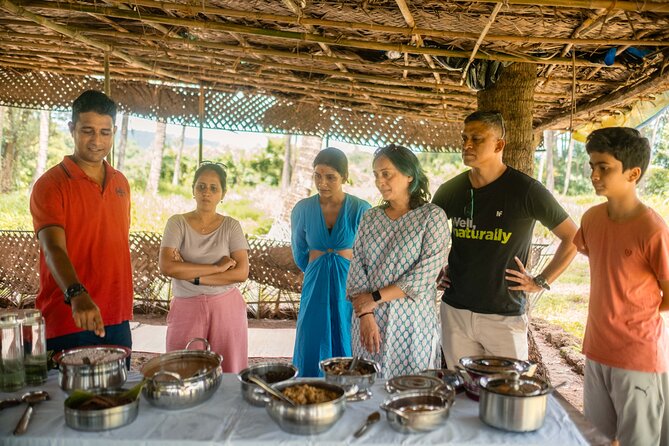
At $31.18 per person, the price is reasonable for a three-hour experience that includes a local guide, shrine visits, farm activities, a traditional lunch, and access to sustainability-focused information. The value depends on how much use you make of the cultural and agricultural explanations.
You are paying for more than transport between sights. The package includes a storyteller, access to a working organic farm, owner-led farm activities, and a hosted meal. Those elements would be difficult to arrange together on your own during a short visit.
The price is less attractive if you want a fully transported tour. Since you must arrange your own vehicle or other transport, you should add that cost and effort to your budget. Hotel pickup and drop-off are not included either.
The group can have up to 15 people. That is small enough for a more personal feel than a large coach outing, but it is not the same as booking a private guide. If you want guaranteed one-to-one attention, ask the provider about group size for your date.
Timing, weather, and what to bring
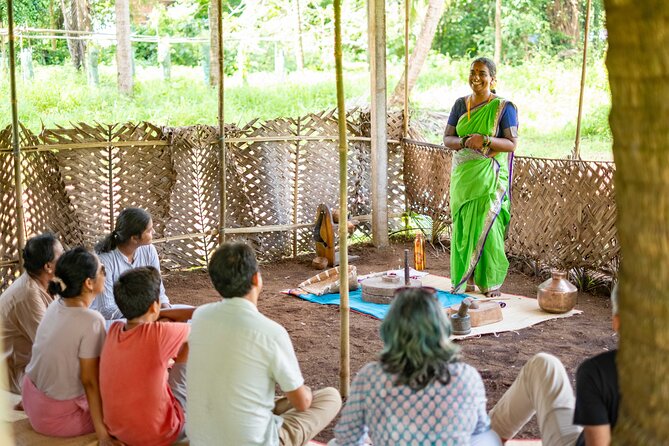
The tour lasts about three hours and starts at 11 am. With the village and farm sections both included, the pace should be steady rather than rushed, but the exact timing at each stop is not provided.
Because the experience requires transport between locations, allow room in your schedule for driving and finding the start point. It ends back at Sateri Temple, so you will need to arrange your onward travel from there.
The activity depends on good weather. If poor weather causes cancellation, you are offered another date or a full refund. You can also cancel for a full refund if you do so at least 24 hours before the local start time. Changes or cancellations inside that window are not accepted for a refund.
The provider does not supply umbrellas, raincoats, hats or caps, face masks, or sanitizer. Take suitable protection for the conditions, especially if you are visiting during a hot or wet period. Since the experience includes outdoor village and farm time, comfortable clothing and shoes are sensible, even though the tour is not a walking trail.
Who should book this Mulgao experience
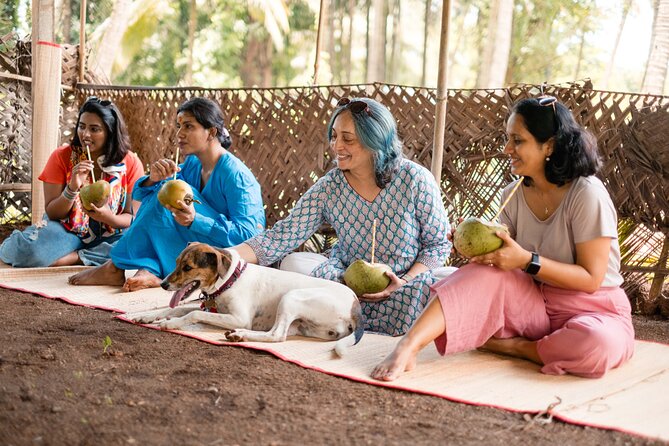
I would recommend this outing to you if you want:
- A short cultural experience away from Goa’s main beach areas
- Local stories connected to temples, shrines, and guardian deities
- A farm visit with a clear focus on coconuts and virgin coconut oil
- A traditional Goan meal in a rural setting
- Practical ideas about organic farming and zero-waste kitchens
- A small group rather than a large organized excursion
Families and most general visitors can take part, according to the supplied participation details. The tour may also appeal to food-minded visitors, students of agriculture, and anyone curious about how sustainability works at a community level.
I would think twice if you want a completely effortless excursion with transport included. You also may prefer another Goa activity if your priority is famous architecture, long beach time, or a packed list of major sights. Mulgao rewards curiosity and patience more than speed.
The experience has received a five-star rating from 12 reviews, with 100 percent recommending it. The strongest praise centers on the temple storytelling, the interest of the coconut farm, and the quality of the lunch. Those are the parts I would use to decide if the tour matches your travel style.
Is Mulgao Folk Village worth booking?
Book it if you want to connect Goa’s old village traditions with present-day farming and waste reduction. The combination is unusual: you move from shrines and local legends to coconut oil production, then finish with a farm lunch beneath the palms.
The $31.18 price offers good value when you count the guide, meal, farm activities, and cultural access. Just remember that transport is your responsibility, and the three-hour schedule begins and ends at Sateri Temple.
For the best fit, come ready to listen, ask questions, and accept a slower look at rural Goa. If that sounds better than another standard sightseeing stop, this is a smart half-day addition to your itinerary.
FAQ
Where does the Mulgao Folk Village experience begin?
It begins at Sateri Temple, Mulgao, Goa 403503, India. The listed meeting point is on an unnamed road in Mulgaon.
What time does the experience start?
The experience starts at 11 am.
How long does the experience last?
It lasts approximately three hours.
Does the tour include transportation?
No. You must use your own vehicle or arrange transportation on your end. Hotel pickup and drop-off are not included.
Where does the experience finish?
It finishes back at the Sateri Temple meeting point.
Is lunch included?
Yes. A traditional Goan farm-to-table lunch at an organic coconut farm is included.
What will I learn at the coconut farm?
You will learn about farming activities, sustainable agriculture, the uses of the coconut palm, and the production of virgin coconut oil and other products.
What is the cancellation policy?
You can cancel at least 24 hours before the local start time for a full refund. Cancellations or changes made less than 24 hours before the start are not accepted for a refund. If poor weather causes the experience to be canceled, you will be offered another date or a full refund.
Just added around India
- Tea plantation walk with Visit of Historical ,village & Market★ 5.0 · 5 reviews
- Tea plantation walk and stay in valley view Room (By Munnar Info)★ 4.0 · 2 reviews
- Tea Plantation, Grass Land and Mountain Hiking in Munnar★ 5.0 · 6 reviews
- Tea Farm Tourism★ 5.0 · 8 reviews
- Munnar Tea Plantation Evening walking with Sunset View★ 5.0 · 8 reviews
- Classic Coorg Coffee Plantation experience★ 4.0 · 7 reviews
- Philipkutty’s Farm Culinary Tour including Lunch and Cooking Demo★ 5.0 · 2 reviews
- Hill station farm house stay★ 5.0 · 3 reviews
India Farm Tours, compared.

Full-Day Tour Old Goa Dudhsagar Falls and Spice Plantation
Read our review →
Glimpses Of Goa: Churches,Temple and Spice Plantation
Read our review →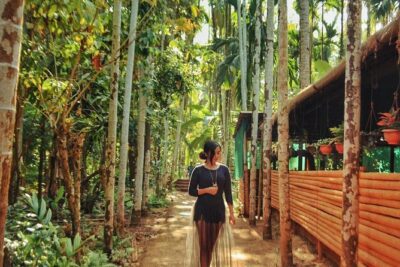
CULTURAL & HISTORIC DAY TOUR ATTRACTIONS – Churches, Temples & Spice Plantation
Read our review →
Dudhsagar Waterfall, Jeep Safari and Spice Plantation
Read our review →
Old Goa Churches, Temples & Spice Plantation With “Goan” Lunch
Read our review →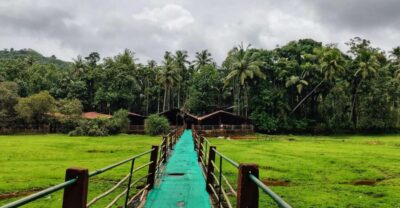
Spice Plantation Tour and Traditional Local Lunch
Read our review →
SIC Dudhsagar Waterfall and Spice Plantation Day Tour
Read our review →
Browse the lists this tour appears in