
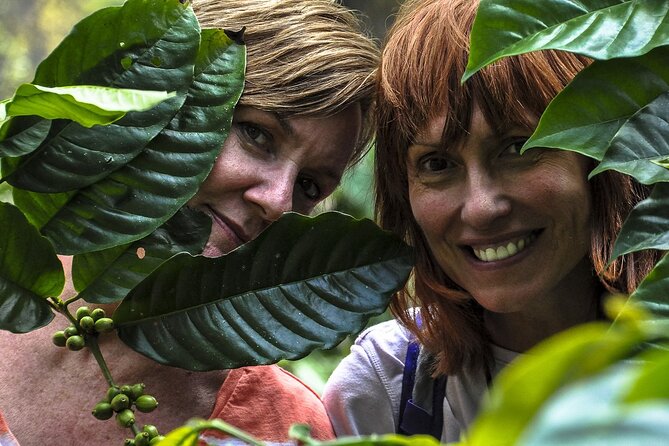
Review · INDIA
Classic Coorg Coffee Plantation experience
Coorg coffee makes the journey from seedling to cup feel surprisingly close at hand. This one-hour tour begins among the plants, then moves to a local farmer’s home, where you taste blends and learn how coffee grown in the Western Ghats reaches your mug.
I like the local farmer guide, who has more than 20 years of cultivation experience, and the simple two-part plan: a plantation walk followed by coffee tasting. I also like that the tour is private, so your group gets the guide’s attention rather than being folded into a large crowd.
The main drawback is the basic setting. One guest found the plantation short on infrastructure and the tour too elementary, so you should book this for a personal introduction to Coorg coffee, not for a polished visitor center or a long farm excursion.
Key points at a glance
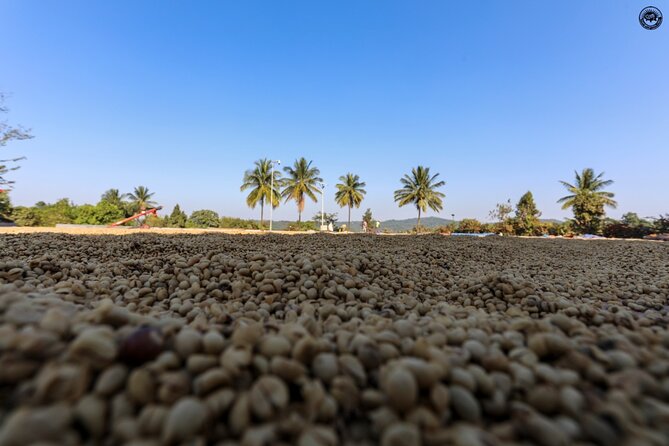
- A short plantation walk: Learn how coffee plants move from nursery seedlings to planting and picking.
- Arabica and Robusta in Coorg: See why both varieties matter to the region’s coffee trade.
- Shade-grown coffee: Coorg’s plants grow beneath native Western Ghats trees.
- A farmer-led explanation: Your guide has more than 20 years of cultivation experience.
- Coffee at the host’s home: Finish with local blends and a tasting of Coorg coffee flavors.
- Private, one-hour format: Your own group participates, with coffee or tea included.
Coorg coffee from seedling to cup
I like the way this tour follows a clear story. You do not simply walk past coffee bushes and receive a quick label. The intended route traces the bean through the main stages of cultivation, beginning with seedlings and ending with a drink.
The walk starts in the plantation. You learn about the coffee plants in the nursery, the point when young plants are placed in the ground, and how the crop is eventually picked. The tour does not provide a long technical farm schedule, so I would expect an introduction rather than a full lesson in pruning, processing, drying, grading, and export.
That distinction matters. If you want a concise explanation of how coffee grows in Coorg, the format should fit well. If you already know coffee production or want to study every stage after harvesting, one hour may feel thin.
The setting gives the subject useful context. Coorg is one of India’s major coffee-producing areas, and coffee is grown across the region. The local crop includes both Arabica and Robusta, two names you will hear often when coffee is discussed here.
More Plantation Tours in India
- Full-Day Tour Old Goa Dudhsagar Falls and Spice Plantation
★ 3.5 · 67 reviews - Glimpses Of Goa: Churches,Temple and Spice Plantation
★ 5.0 · 65 reviews - CULTURAL & HISTORIC DAY TOUR ATTRACTIONS – Churches, Temples & Spice Plantation
★ 4.5 · 53 reviews
Why Coorg coffee grows under shade
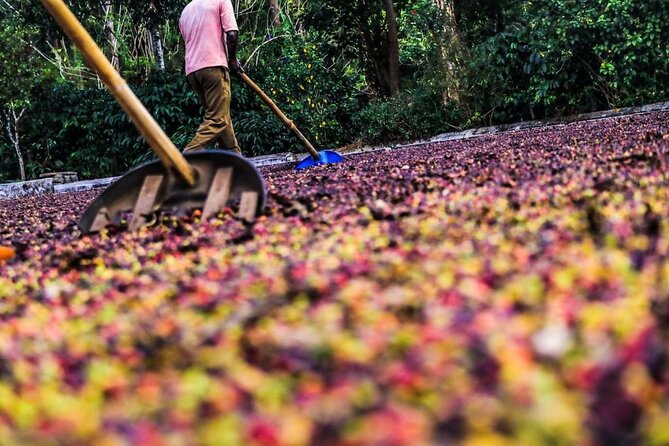
Coorg coffee is grown beneath native trees of the Western Ghats, a United Nations biodiversity hotspot. This is one of the most interesting facts built into the tour because the coffee is not presented as a crop in isolation. You see it as part of a farming system that uses the tree cover already found in the region.
The shade-grown method also helps explain why a plantation walk is worthwhile. You are not only looking for coffee cherries. You are seeing where the plants sit, how they are raised, and how the farm environment shapes the crop.
The tour describes Coorg coffee as mild, with Robusta from the region especially valued in international trade. Coffee cultivation first arrived during the British period and later became an important commercial crop for local Coorg communities. That short bit of background helps connect the plants in front of you with the wider economy of the area.
I would keep expectations measured. The hour does not promise a formal talk on the Western Ghats or a detailed history of coffee in India. Instead, you get enough local context to understand why Coorg is known for coffee and why shade is part of the story.
What the plantation walk is like
The plantation portion is a short walk rather than a long trek. You follow a trail through the coffee-growing area while the farmer explains the crop’s growth cycle.
The most useful parts should be the practical ones: how seedlings begin in a nursery, when they are planted, and how the mature crop is picked. These stages give you a simple framework for looking at the plants around you.
The supplied timing indicates about 30 minutes in the plantation, followed by about 30 minutes at the experience center or host’s home. That split is worth knowing before you book. Half an hour can be enough for a clear introduction, but it will not leave much time for wandering or repeated questions.
The lack of major infrastructure is both a strength and a weakness. You are not being led through a manufactured attraction with a large display area. The setting is basic, which may feel more connected to working agriculture. At the same time, a basic farm can seem underdeveloped if you expected signs, machinery, exhibits, or a long walking route.
I would wear practical shoes and dress for outdoor conditions. The activity requires good weather, and the walk takes place in a plantation rather than a formal indoor venue. The provided details do not specify the trail surface, so I would not assume it is fully paved or suitable for every mobility need.
Meeting a farmer with 20 years of experience
The guide is a local farmer with more than 20 years of experience in cultivation. That is an important part of the value. A farmer can explain the crop from daily practice, not only from a prepared script.
You may find the conversation most useful if you ask direct questions. Ask how Arabica differs from Robusta, how plants begin in the nursery, and what happens when coffee is ready to pick. The supplied tour details do not promise a particular guide by name, so you should not expect a named specialist or a large team of presenters.
The tour is private, meaning only your group takes part. I like this arrangement because it gives you room to set the pace of the conversation. A private format can be especially helpful if someone in your group has never seen coffee growing before.
It also changes how you should judge the price. At $11.33 per person, the cost is modest for a private, one-hour introduction that includes coffee or tea. The value comes from access to a local producer and a small-group setting, not from a long list of facilities or a half-day schedule.
More Coffee Farm Tours in India:
- La Herradura Coffee Farm: tour in Europe’s only plantation
★ 4.8 · 430 reviews - Big Island: Volcanoes, Waterfalls, & Coffee Farm Day-Trip
★ 4.9 · 414 reviews - Small-Group Big Island Tour: Hawaii Volcanoes National Park and Kona Coffee Farm
★ 5.0 · 343 reviews - Medellín Coffee Farm Tour with Trolley and Cable Car Ride
★ 4.9 · 277 reviews
The home visit and coffee tasting
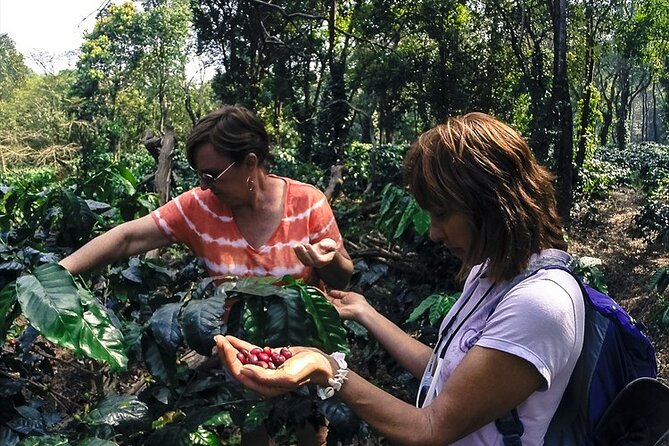
After the plantation walk, you visit the host’s house. This second half shifts the focus from cultivation to the drink itself.
You learn about different blends and taste the flavors of coffee from Coorg. Coffee or tea is included, so the tasting is part of the paid activity rather than an extra purchase. The information does not specify how many blends you will sample, how the coffee is brewed, or whether beans and coffee products are available to buy. I would therefore treat this as a guided tasting, not a full roasting workshop or formal coffee class.
The home setting gives the tour a personal touch. You are not finishing at a generic café counter. You are moving from the farm to the household, which helps link the crop to the way local coffee is prepared and enjoyed.
For many people, this may be the most memorable part. The plantation walk explains the source, while the tasting lets you notice the result. You can compare the idea of a mild Coorg coffee with what is actually in the cup.
Still, the home visit is simple by design. If you prefer a polished tasting room, detailed tasting notes, or a professional coffee laboratory, this may feel too informal. If you want a local introduction with a personal connection, the setting should make sense.
Arabica, Robusta, and the Coorg cup
The tour introduces both Arabica and Robusta, the two coffee varieties grown in Coorg. You do not need prior coffee knowledge to follow this part, but it gives you useful terms to remember when you buy or taste coffee later.
Coorg is widely known for mild coffee, and its Robusta is exported around the world, particularly to Europe. The tour places this local crop within a larger trade network. What begins as a plant on a farm can end up in a cup far from Karnataka.
The experience does not provide detailed information about flavor profiles, roast levels, processing methods, or the exact blends served. You should not book it expecting a professional sensory course. You are getting a regional introduction, with the tasting used to make the lesson more concrete.
I find that a short tasting works best when you treat it as a chance to ask questions rather than as a final verdict on Coorg coffee. Notice what you like, ask what you are drinking, and use the farmer’s knowledge to connect the flavor with the crop.
Timing, transport, and the practical details
The tour lasts about one hour and begins and ends at the meeting point in Madikeri, Karnataka, postal code 571201. Private transportation is not included, so you need to arrange your own way to the starting point and back afterward.
That makes this easiest to combine with other plans in Madikeri. Since the activity is short, you can place it before or after another local stop, but leave enough time for reaching the meeting point. The experience does not include a transfer from a hotel or another town.
A mobile ticket is provided, and confirmation arrives when you book. The tour is usually reserved about 23 days ahead, which suggests that planning early may be sensible during busy periods, even though the activity itself is only an hour long.
Free cancellation is available if you cancel at least 24 hours before the start time. Changes or cancellations inside that window are not accepted for a refund. The activity depends on good weather and a minimum number of participants. If poor weather or insufficient participation causes cancellation, you are offered another date or experience, or a full refund.
Who will get the most from this tour
I would choose this tour if you want a short, local introduction to Coorg’s main crop. It fits visitors who are curious about where coffee comes from, prefer a private group, and like meeting a farmer rather than visiting a large commercial attraction.
It also suits a tight itinerary. One hour is easy to fit between other plans, and the included drink gives the visit a clear ending. Families, first-time coffee drinkers, and anyone interested in farming should find the subject approachable.
I would think twice if your main goal is a full plantation day. You will not have hours to walk through the farm, study processing equipment, or follow coffee from picking through drying and roasting. The information supplied does not indicate that those stages are covered in detail.
The tour may also disappoint you if you want a highly developed visitor center. A basic plantation can feel genuine, but it can also feel sparse. One poor rating specifically described the tour as too basic and the plantation as lacking infrastructure. The operator’s response said the visit included about 30 minutes in the plantation and 30 minutes in the experience center, so the advertised one-hour structure appears to be the key point to understand.
Is the $11.33 price good value?
At $11.33 per person, I see fair value if you care about the private format and the local guide. You receive a plantation walk, an explanation of cultivation, a home visit, a coffee or tea tasting, and access to a farmer with more than two decades of experience.
The price is less compelling if you measure value by duration alone. One hour passes quickly, and transportation is not included. You are paying for a focused local encounter, not a full-day agricultural tour.
The private format improves the equation. You are not paying for a large attraction with extensive infrastructure, but your group gets a more personal setting. For a coffee-curious visitor already in Madikeri, that can be a sensible small expense.
Should you book the Classic Coorg Coffee Plantation experience?
Book it if you want a brief, personal look at Coorg coffee, especially the path from nursery seedling to cup. The local farmer, shade-grown setting, private group, and tasting at the host’s house are the strongest reasons to go.
Skip it if you need a long plantation visit, detailed coffee processing, or a polished farm attraction. The experience is simple, and the one-hour schedule leaves little room for a broad technical lesson.
My practical advice is to book with the right expectations. Think of this as a farmer-led introduction with a tasting, not a complete coffee course. At $11.33, it offers a useful and friendly way to connect Coorg’s famous crop with the place where it is grown.
FAQ
How long does the Classic Coorg Coffee Plantation experience last?
The activity lasts approximately one hour. The visit is described as about 30 minutes in the plantation and about 30 minutes in the experience center or host’s home.
Where does the tour start and finish?
It starts in Madikeri, Karnataka, at the stated meeting point in postal code 571201. The activity ends back at the meeting point.
Is transportation included?
No. Private transportation is not included, so you need to arrange your own transport to and from the meeting point.
What will I learn during the plantation walk?
You learn about coffee cultivation, including seedlings in the nursery, planting coffee plants, and picking the crop. The tour also introduces Arabica and Robusta, the two varieties grown in Coorg.
Will I taste coffee during the activity?
Yes. Coffee and/or tea is included. The visit to the host’s house includes information about blends and a tasting of Coorg coffee flavors.
Is the tour private?
Yes. Only your group participates in this private activity.
Who leads the tour?
The tour is conducted by a local farmer with more than 20 years of experience in coffee cultivation. No specific guide name is provided.
What happens if the tour is canceled because of weather?
If poor weather causes cancellation, you are offered a different date or a full refund. The activity also requires a minimum number of participants, and the same options apply if that minimum is not met.
Just added around India
- Mulgao Folk Village & Coconut Farming Experience – Make It Happen★ 5.0 · 12 reviews
- Tea plantation walk with Visit of Historical ,village & Market★ 5.0 · 5 reviews
- Tea plantation walk and stay in valley view Room (By Munnar Info)★ 4.0 · 2 reviews
- Tea Plantation, Grass Land and Mountain Hiking in Munnar★ 5.0 · 6 reviews
- Tea Farm Tourism★ 5.0 · 8 reviews
- Munnar Tea Plantation Evening walking with Sunset View★ 5.0 · 8 reviews
- Philipkutty’s Farm Culinary Tour including Lunch and Cooking Demo★ 5.0 · 2 reviews
- Hill station farm house stay★ 5.0 · 3 reviews
India Farm Tours, compared.
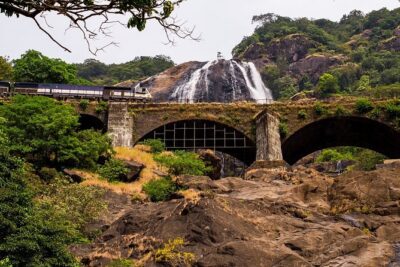
Full-Day Tour Old Goa Dudhsagar Falls and Spice Plantation
Read our review →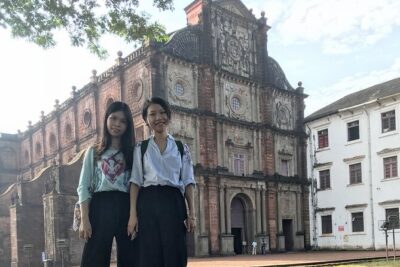
Glimpses Of Goa: Churches,Temple and Spice Plantation
Read our review →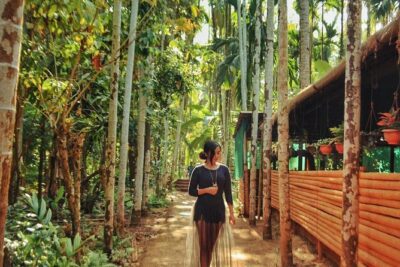
CULTURAL & HISTORIC DAY TOUR ATTRACTIONS – Churches, Temples & Spice Plantation
Read our review →
Dudhsagar Waterfall, Jeep Safari and Spice Plantation
Read our review →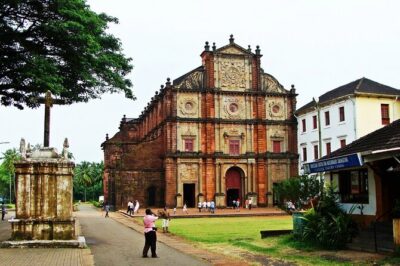
Old Goa Churches, Temples & Spice Plantation With “Goan” Lunch
Read our review →
Spice Plantation Tour and Traditional Local Lunch
Read our review →
SIC Dudhsagar Waterfall and Spice Plantation Day Tour
Read our review →
Browse the lists this tour appears in