
Review · COFFEE
Buon Ma Thuot: Coffee Farm Tour (Bean to Brew) with Pickup
Buon Ma Thuot’s coffee story makes more sense when you leave the cafés and stand beside the trees. This short tour takes you from Arabica and Robusta plants to pruning, weeding, irrigation, processing, and finally a cup of coffee made on the farm. The hands-on farm work is the best part: you are not just looking at rows of trees, you are shown how local growers care for them.
I like the chance to compare wet-dry processing with the more familiar idea of simply roasting beans. I also like the easy pickup from central Buon Ma Thuot, which turns this into a useful half-day outing without taking over your schedule. The main limitation is timing: outside harvest season, you will not see harvesting or drying.
Key points
- A working Arabica and Robusta farm: See the two coffee types grown in Buon Ma Thuot and learn why their care and flavor differ.
- Practical farm tasks: Try pruning, bud breaking, weeding, seasonal fertilizing, and clearing the soil around the coffee trees.
- Traditional irrigation lesson: Learn how local irrigation systems operate and why water control matters in the Central Highlands.
- Coffee from bean to cup: Follow the wet-dry processing method, then taste black or milk coffee made by machine or filter.
- Simple central pickup: Collection is available around Buon Ma Thuot center, with Buon Ma Thuot Square as the meeting point for some bookings.
From Buon Ma Thuot Square to the coffee trees
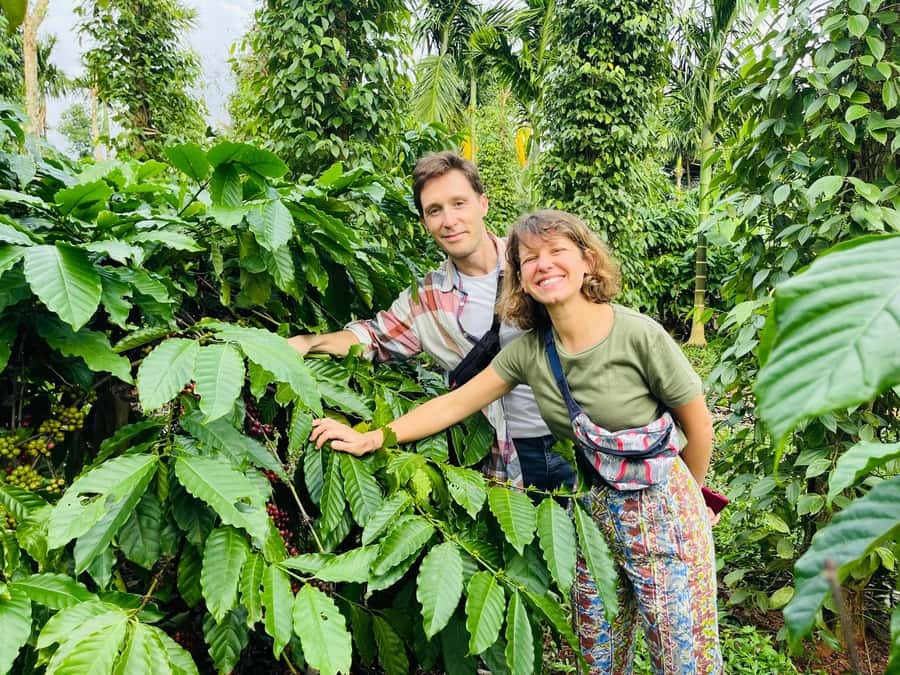
The tour begins with pickup from your hotel in central Buon Ma Thuot, or with a meeting at Buon Ma Thuot Square. If you stay more than 3 kilometers from the center, you need to go to the square at least five minutes before departure. The driver is expected to contact you by phone or WhatsApp before pickup, so keep the number used for booking available.
The ride to the plantation is short enough to fit neatly into a morning or afternoon. That matters in Buon Ma Thuot, where you may want time for the city’s coffee shops, museums, markets, or nearby sights. This is not a full-day farm expedition. It is a focused 90-minute experience, though the total outing can sometimes stretch to roughly one and a half to two hours depending on transport and how much time you take at the farm.
The transport experience can vary by driver. Long has been praised for careful driving, a clean car, and a relaxed pace. One useful detail is that a driver may be able to return you to your homestay rather than the central meeting point, but you should treat that as a courtesy rather than a guaranteed part of the booking.
More Coffee Farm Tours in Vietnam:
- Coffee Farm Tour with Roasting & Tasting Workshop – Da Lat
★ 5.0 · 126 reviews - Dalat: MOTORBIKE TOUR TO PONGOUR FALLS- SILK- COFFEE FARM
★ 4.9 · 52 reviews - Buon Ma Thuot: Bean to Brew Coffee Farm Tour with Tasting
★ 4.3 · 11 reviews
A working coffee garden, not just a photo stop
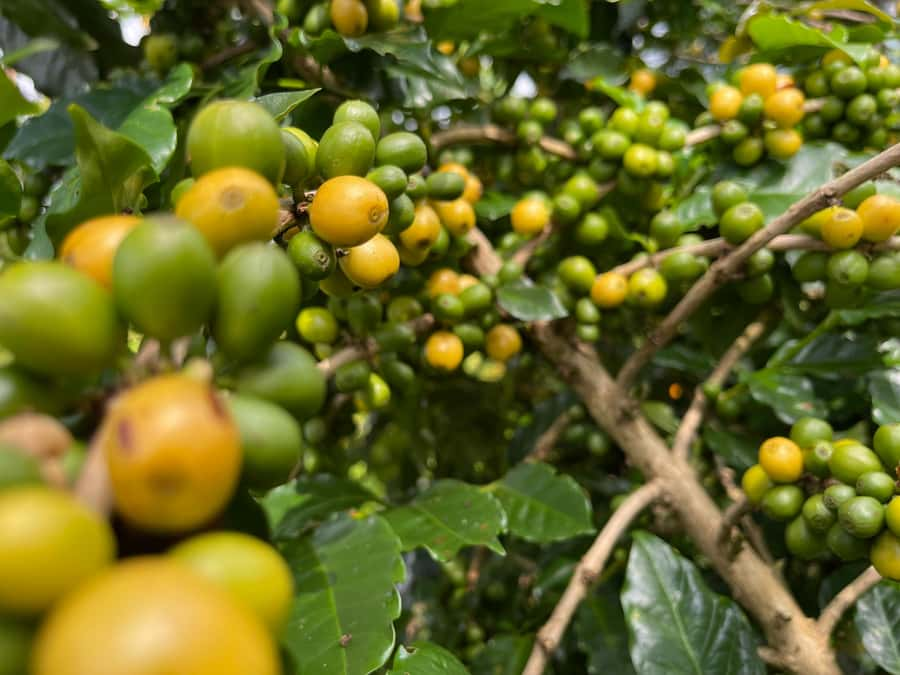
At the farm, the guide introduces you to Arabica and Robusta coffee trees. Buon Ma Thuot is closely linked with Robusta production, so this is a good place to learn about a coffee type that is often treated too simply outside Vietnam. Arabica and Robusta are not just different labels on a menu. They grow under different conditions and can produce different aromas, body, and bitterness.
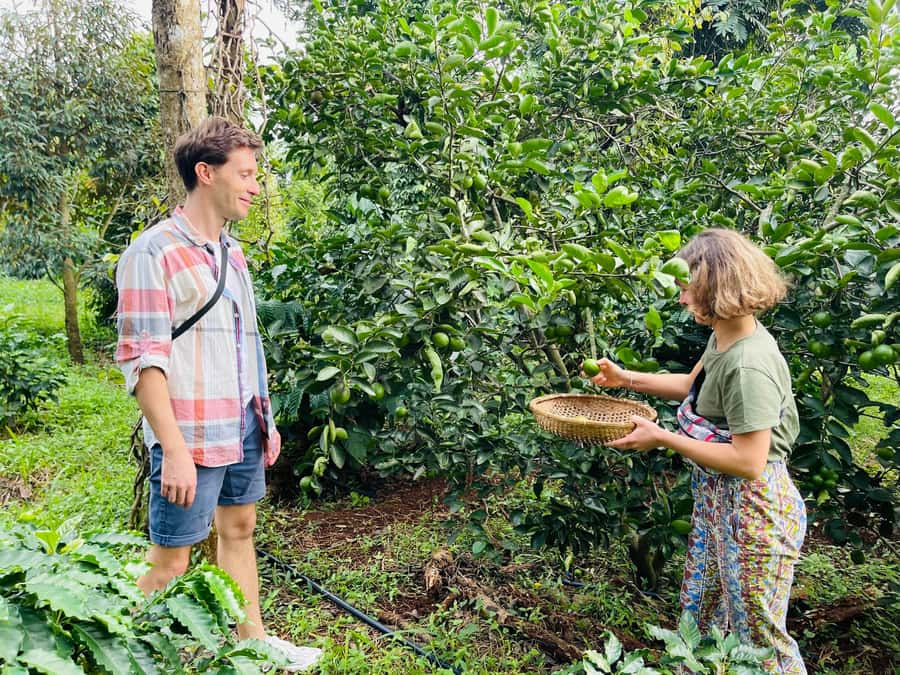
You walk through the coffee garden with an instructor and look at the work required between harvests. This is where the activity earns its price. You are shown how growers prune branches, break buds, remove weeds, add fertilizer at the right season, and clean the basin around each tree.
These jobs may sound small, but they explain why a coffee plantation is an active farm rather than a row of decorative plants. Clearing the basin helps manage the soil around the tree. Pruning affects the plant’s shape and future growth. Seasonal fertilizing needs to match the plant’s cycle, and weeds compete for water and nutrients.
You may also take part in some of these care procedures with local people. The exact work depends on the season and conditions at the farm, so do not expect the same task every month. The value is in seeing the ordinary work behind a cup of coffee, including the less glamorous jobs that never appear in a café description.
The setting is one of the pleasant surprises. The plantation is close enough to Buon Ma Thuot for a quick trip, yet it feels rural and calm once you arrive. Some tours have included time at flower fields after the coffee visit, and the farm has also been used as a place to watch the sun go down. Those details may depend on timing and the day’s arrangement, but they help explain why the visit feels like more than a technical lesson.
Understanding wet-dry coffee processing
After the garden walk, the guide explains how coffee cherries become usable beans. The focus here is the wet-dry method, a process used to produce specialty coffee with careful control over the fruit and drying stages.
You learn that the bean is protected inside the coffee cherry, and that processing affects the final taste as much as farming and roasting do. The guide explains the stages rather than leaving you with a vague claim that the beans are simply dried and roasted.
The tour does not promise a full industrial processing plant visit, and you should not expect a long factory demonstration. Its strength is the clear link between the tree, the cherry, the processed bean, and the drink in your cup. If you already drink specialty coffee, you may want to ask detailed questions about drying, fermentation, or the difference between wet and dry methods. The English-speaking guide can help with that, and Ngan has been specifically praised for clear explanations and strong English.
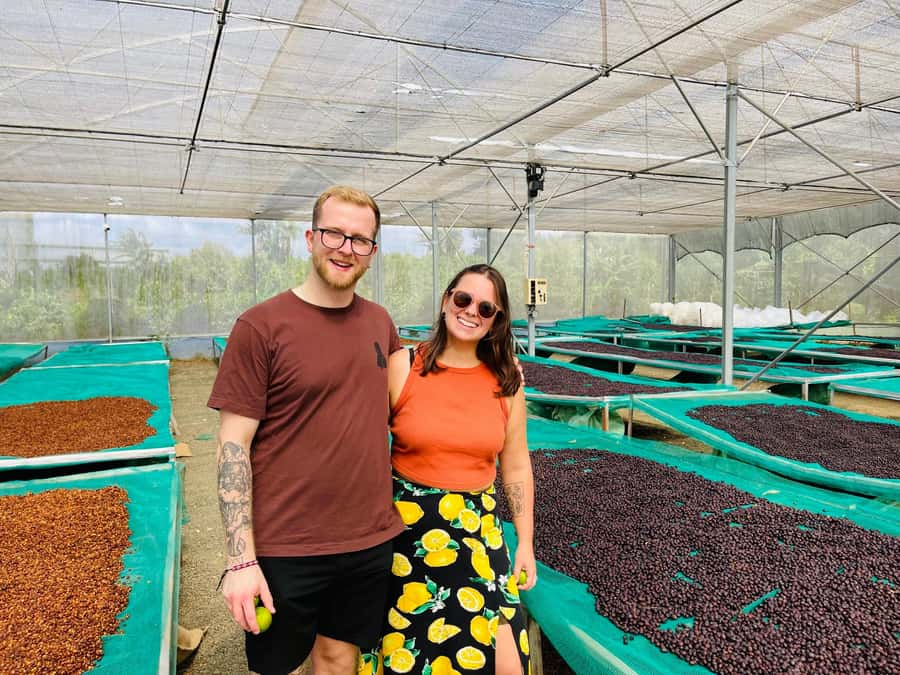
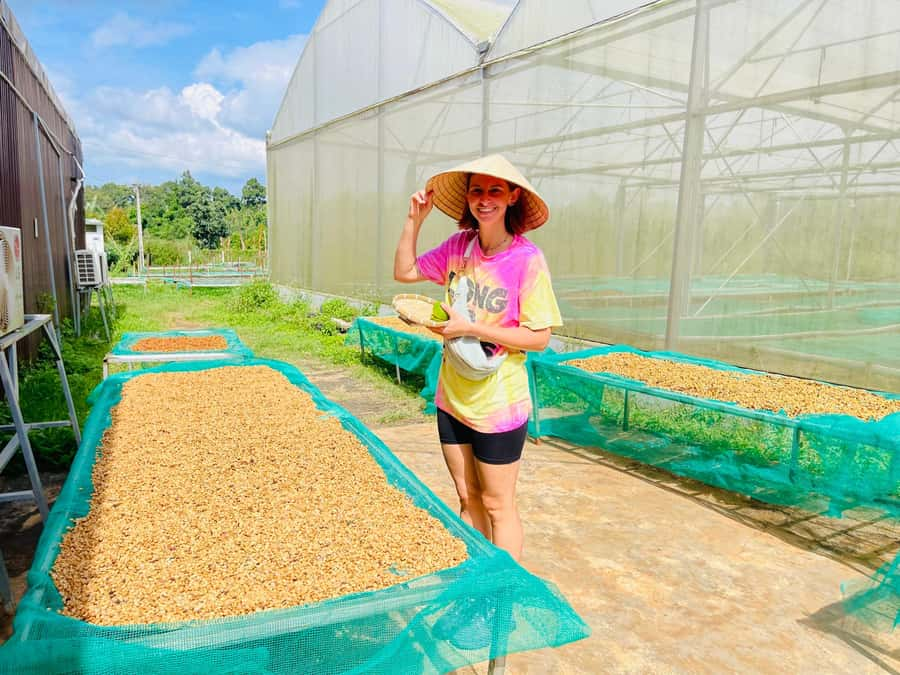
Season affects what you will see. During the coffee harvest, harvesting and drying activities can be included. Outside harvest time, those parts do not take place, though the farm care, processing explanation, irrigation lesson, and tasting continue. If picking coffee cherries is your main reason for booking, check the current season before you reserve.
Traditional irrigation and modern farming choices
Water is a central part of coffee farming in the Central Highlands, and this tour gives you an introduction to traditional irrigation systems. You receive instructions on how the system operates and learn why irrigation technology can benefit coffee trees.
This portion is practical rather than showy. You are not promised a large engineering display. Instead, you see how water is directed and managed at a farm level. That helps put the local climate and agricultural work into context, especially when you realize how much coffee production depends on timing, soil care, and water access.
The guide also explains the difference between organic and conventional farming. This is useful because coffee labels can sound simple while hiding many choices about fertilizer, weed control, and crop care. The tour does not suggest that one approach solves every problem. It gives you a clearer basis for asking how coffee is grown and what farming methods may mean for quality, cost, and the people producing it.
For me, this is one of the more valuable sections for anyone who buys specialty coffee. You leave with more than a flavor impression. You understand that the price of a good bean can reflect careful work well before roasting begins.
A few more farm days around Vietnam worth a look
- From Ho Chi Minh: Can Gio Trek – Monkey Island & Crocodile Farm
★ 5.0 · 353 reviews - Cocolocal Farm Cooking Class with market tour and basket boat
★ 5.0 · 231 reviews - Explore Sapa by TrekkingAdventures, Mountain,Rice fields
★ 4.9 · 229 reviews - Phu Quoc: Kayaking with Starfish Beach and Bee Farm Tour
★ 4.4 · 213 reviews
The final cup: filter or machine, black or milk
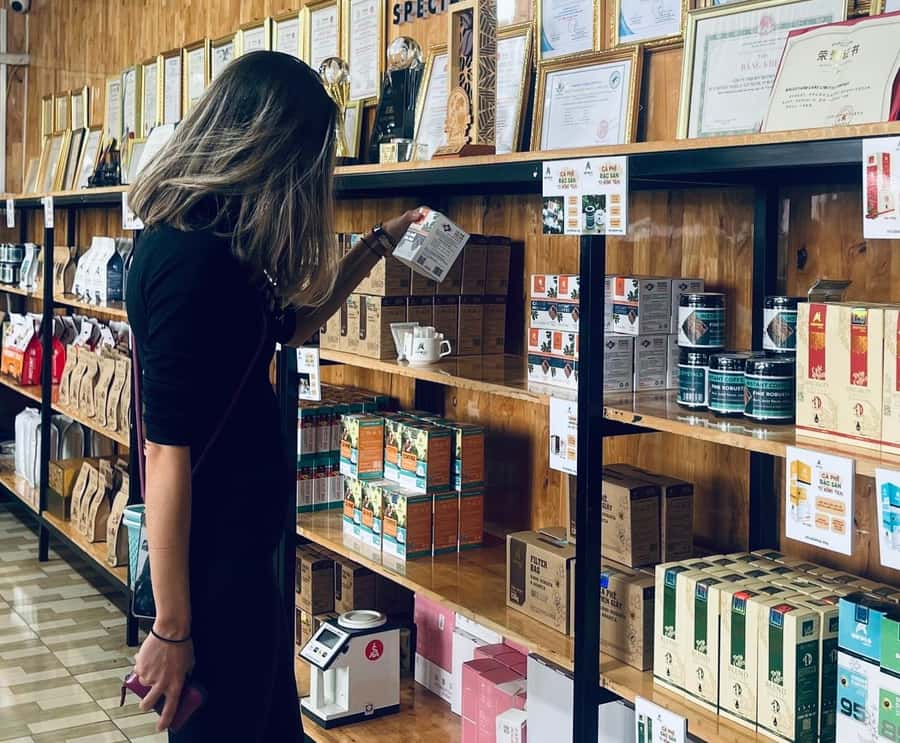
The tasting comes after the farm work and explanations. You can have black coffee or coffee with milk, prepared by machine or traditional filter. That choice makes the ending flexible. If you want to taste the bean without additions, order it black. If you prefer the familiar Vietnamese style, milk softens the bitterness and adds sweetness.
The brewing method also matters. A machine-made cup gives you one expression of the coffee, while a filter preparation offers a slower, more familiar Vietnamese presentation. The exact cup will depend on the beans and the preparation available that day, but the point is to connect the farming lesson with a real drink.
The coffee has been described as aromatic and full-flavored, with qualities shaped by the Central Highlands climate and mountain setting. I would keep expectations sensible: this is a farm tasting, not a formal professional cupping session with a long score sheet. It is still a good chance to compare the coffee with what you have been drinking in town.
Some participants have ordered coffee tasters to take home after the included tasting. Packaged coffee is not part of the tour price, so bring extra money if you want to buy beans or samples. Personal expenses are also separate.
The calm setting adds to the tasting. Time in the flower fields, a quiet plantation, or a sunset view can make the final cup feel less rushed. Still, these extras may depend on the schedule, so book this for the farm lesson and coffee tasting first, not for a guaranteed sunset stop.
Guides, drivers, and the pace of the visit
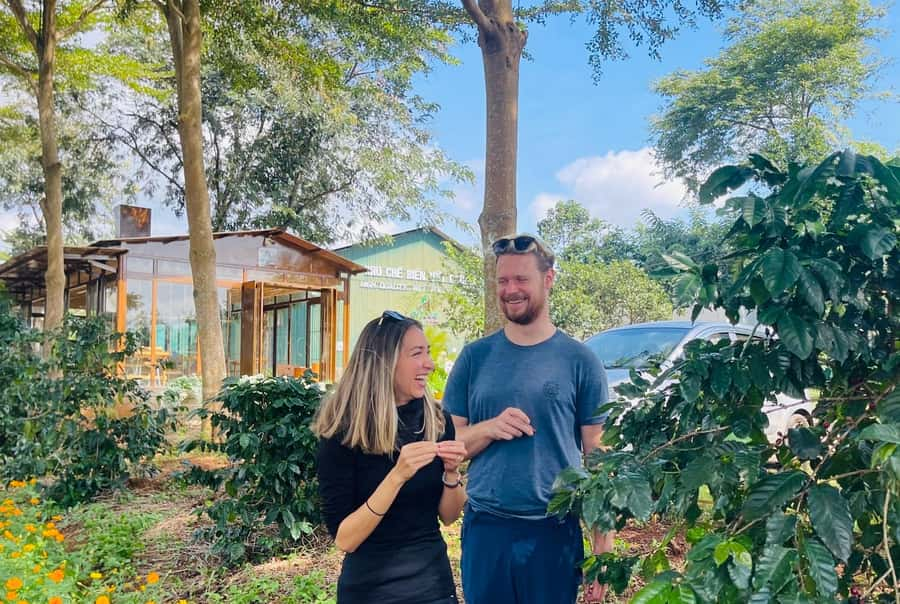
The quality of the explanation depends heavily on who leads your visit. Ngan has been singled out for being warm, clear, talkative, and strong in English. A guide like this makes a real difference because coffee farming includes unfamiliar terms and several steps that are easy to confuse.
Your driver and your farm guide may not be the same person. Long has handled transport for some bookings and has been described as helpful, careful, and willing to give people time to enjoy the area. English ability can vary on the driving side. Translation apps may be useful for pickup details or extra requests, while the farm explanation is handled by an English or Vietnamese instructor.
The listed duration is 90 minutes, but allow a little flexibility. A relaxed visit may last closer to two hours once pickup, walking, questions, tasting, and the return trip are counted. That is not a complaint, but it matters if you have a tight onward connection or another booking.
The tour is wheelchair accessible according to the activity details. Even so, coffee gardens are working outdoor spaces, and the exact ground conditions are not described. If you need specific help with surfaces or movement between areas, confirm the details before booking.
Is $25 good value in Buon Ma Thuot?
At $25 per person, the tour is reasonably priced for a short private-feeling introduction that includes transport, instruction, farm access, and tasting. The value is strongest if you would otherwise spend money on a café crawl without learning where the beans came from.
You are paying for several parts at once:
- Pickup and return within central Buon Ma Thuot
- A guided visit to an Arabica and Robusta farm
- Practical instruction on coffee care
- An explanation of processing and irrigation
- A specialty coffee tasting
- English or Vietnamese guidance
- The local connection that supports a working coffee business
The price is less compelling if you want a long plantation walk, a full harvest day, or a large production facility. This is a compact introduction. You will not spend hours picking cherries, and you should not assume packaged coffee is included.
For a first visit to Buon Ma Thuot, I think the price works well. It fills a short morning or afternoon, gets you beyond the city, and gives your later coffee stops more meaning. The tour also supports local business in the city known as Vietnam’s coffee capital, which adds value without changing the practical calculation.
Who should book this coffee farm tour?
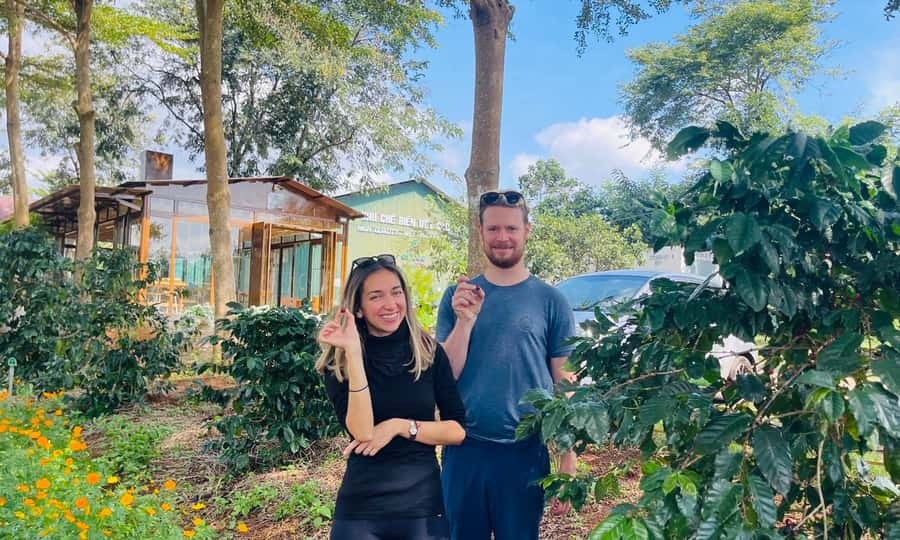
I would recommend it to coffee drinkers who want to understand the farming side without committing to a full-day excursion. It suits couples, solo visitors, small groups, and anyone with only a short stay in Buon Ma Thuot.
It is also a good choice if you prefer guided learning to simply taking photos. The care procedures, irrigation system, and organic versus conventional farming discussion give the visit substance. Families may appreciate the hands-on element, though the activity details do not specify a minimum age or special children’s program.
You may want a different experience if your main goal is a large-scale factory, a detailed roasting workshop, or guaranteed cherry picking. The farm is the focus, and the visit is deliberately short.
Wear practical clothing for an outdoor farm setting and keep your schedule loose enough for questions and tasting. Alcohol, drugs, and making fires are not allowed. If you want to bring coffee home, plan to pay separately for packaged beans.
Should you book it?
Book this tour if you want a clear, friendly introduction to Buon Ma Thuot’s coffee culture, with real farm tasks and a cup at the end. The combination of Arabica and Robusta, wet-dry processing, irrigation, and tasting gives you more substance than a standard café visit.
I would be especially keen to book during harvest season, when picking and drying can add another layer to the experience. Outside that period, it still makes sense for the farm care lesson and calm rural setting. Just keep your expectations aligned with a 90-minute introduction, not a full agricultural course.
FAQ
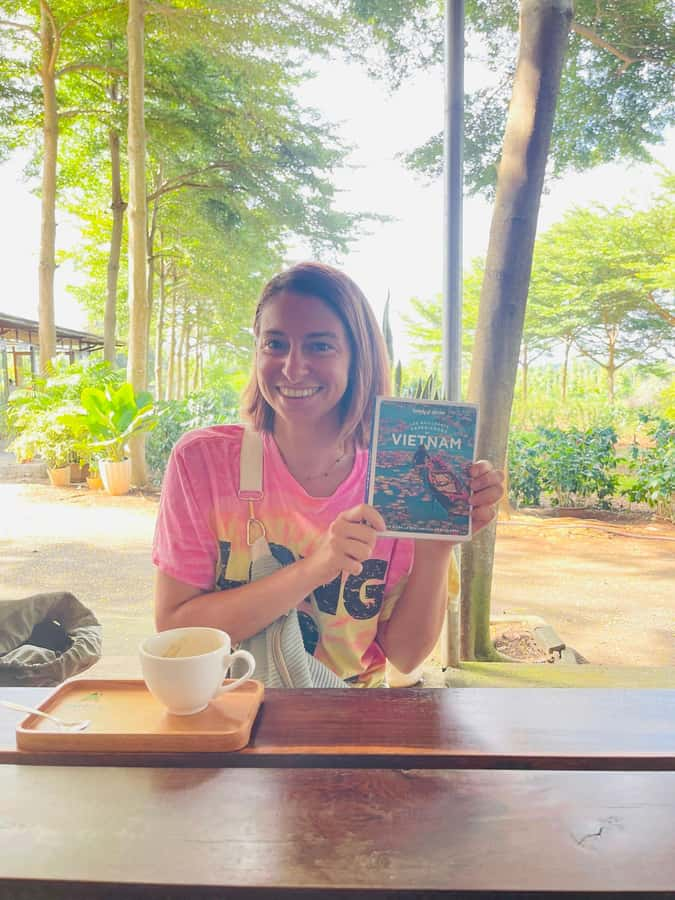
How long does the Buon Ma Thuot coffee farm tour last?
The scheduled duration is 90 minutes. Depending on pickup, return transport, and time spent at the farm, the full outing can sometimes take between one and a half and two hours.
Where can I be picked up?
Pickup is available from hotels around central Buon Ma Thuot. You can also meet the driver at Buon Ma Thuot Square. If you stay more than 3 kilometers from the city center, you need to go to the square at least five minutes before departure.
What languages are available?
The activity is offered in English and Vietnamese. English ability may vary between the driver and the farm guide, but English-speaking guides are available.
Will I pick coffee cherries during the tour?
Harvesting and drying take place only during the coffee harvest season. Outside that period, the other farm care, processing, irrigation, and tasting activities continue as scheduled.
What coffee can I taste?
You can choose black coffee or coffee with milk. It may be prepared with a machine or a traditional filter.
Is packaged coffee included?
No. Packaged coffee is available as a separate purchase, and personal expenses are not included in the tour price.
Can I cancel the booking?
You can cancel up to 24 hours in advance for a full refund. The reserve-now-and-pay-later option lets you book without paying at the time of reservation.
Just added around Vietnam
- Sapa 2-Day Trek & Homestay in Ta Van Village – Be a Local★ 5.0 · 8 reviews
- Sapa Private Trekking Through Rice Terraced Fields – 1Day★ 4.5 · 8 reviews
- 5 Hours Trekking with Terraced Rice Field in Sapa★ 5.0 · 2 reviews
- Sapa Motorbike Tour 1 Day| See All Of Rice Fields & Valleys in One Day★ 5.0 · 9 reviews
- Sapa Private Car Tour – 1 Day Enjoy the Rice Terraced Fields★ 4.5 · 3 reviews
- Private Trekking through Terraces Rice Fields in Sapa★ 5.0 · 3 reviews
- Sapa Full Day Trekking Through Rice Fields Terrace★ 4.0 · 2 reviews
- Sapa Easy Trekking For Seniors -4 Hours- The Stunning Rice Fields★ 5.0 · 2 reviews
Coffee Farm Tours, compared.
La Herradura Coffee Farm: tour in Europe’s only plantation
Read our review →

Small-Group Big Island Tour: Hawaii Volcanoes National Park and Kona Coffee Farm
Read our review →
Medellín Coffee Farm Tour with Trolley and Cable Car Ride
Read our review →
Salento: Private Cocora Valley, Salento & Coffee Farm Tour
Read our review →
Liamuiga Natural Farm Tour – St.Kitts’ Coffee Farm
Read our review →
Browse the lists this tour appears in