
Review · COFFEE
Buon Ma Thuot: Bean to Brew Coffee Farm Tour with Tasting
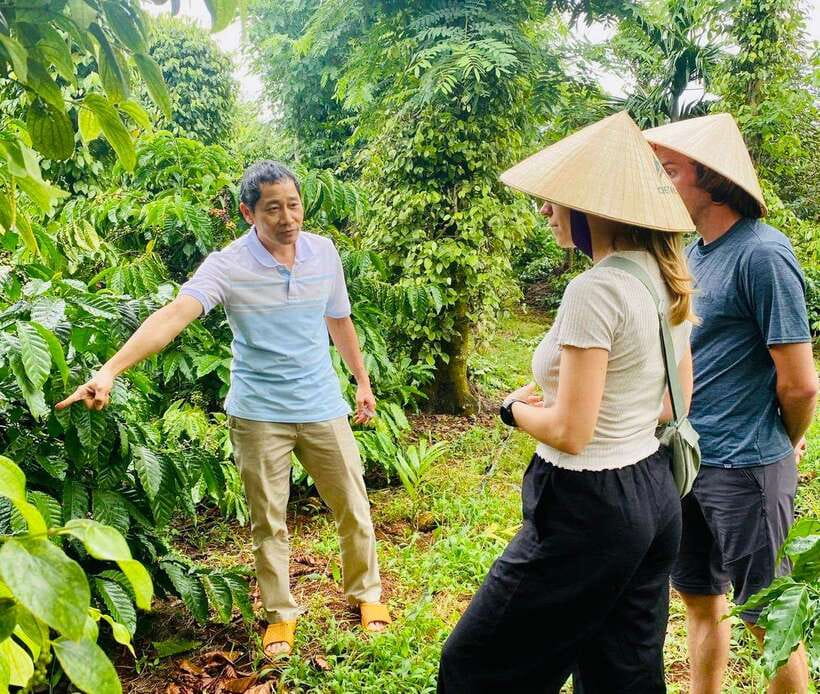
Buon Ma Thuot’s coffee story begins in the soil, not the café. At this small farm in Ea Kao, about 10 kilometers from the city center, you learn how Robusta and Arabica are grown, cared for, processed, and finally brewed. The farm setting gives the lesson a useful, hands-on feel.
I like the chance to compare organic and conventional farming, and I like that the tasting comes after the farm work rather than appearing as a separate café stop. You can also learn about pruning, irrigation, weeding, and fertilizing. The main caution is timing: outside harvest season, you will not pick or dry coffee, and one booking reported a tour much shorter than the advertised schedule.
Key points
- Farm visit near Ea Kao: Reach the plantation about 10 kilometers from central Buon Ma Thuot, with no hotel transfer included.
- Robusta and Arabica explained: Learn how the two coffee types are grown and handled before sale.
- Practical farm care: See pruning, bud breaking, weeding, seasonal fertilization, and cleaning around the coffee trees.
- Wet-dry processing: Follow the steps used to turn coffee cherries into specialty beans.
- Fresh tasting included: Finish with black or milk coffee, brewed by machine or filter.
- Harvest season matters: Picking and drying are available only at the right time of year.
Why Buon Ma Thuot is the right place for a coffee farm tour
Buon Ma Thuot is widely known as Vietnam’s coffee capital, and this tour makes good use of that setting. You are not simply handed a cup and told that coffee matters here. You are shown the work behind it, from the coffee tree to the finished drink.
The farm sits in Ea Kao, a rural area outside the city. The short distance makes it practical for a morning or afternoon plan, but you need to arrange your own way there. Hotel pickup and drop-off are not included, and one person found the exact location difficult to reach. I would pay close attention to the confirmation email, directions, and instructor’s phone details before setting out.
That location issue is worth taking seriously. The booking information supplies the meeting point after confirmation, rather than presenting a simple city-center meeting spot. Arrive at least five minutes early, and allow extra time if you are unfamiliar with the Ea Kao area.
More Coffee Farm Tours in Vietnam:
- Coffee Farm Tour with Roasting & Tasting Workshop – Da Lat
★ 5.0 · 126 reviews - Dalat: MOTORBIKE TOUR TO PONGOUR FALLS- SILK- COFFEE FARM
★ 4.9 · 52 reviews - Buon Ma Thuot: Coffee Farm Tour (Bean to Brew) with Pickup
★ 4.6 · 24 reviews
What happens during the 80-minute farm visit
The advertised duration is one hour, while the detailed itinerary describes an 80-minute guided visit. That small mismatch is worth noting when you plan your day. Most descriptions point to a short, focused farm lesson rather than a long half-day outing.
You begin at the coffee plantation with an introduction to the garden and the local growing process. The guide explains the difference between Robusta and Arabica, two names that many coffee drinkers know from menus but may not understand as crops.
The tour then moves into the care of the coffee trees. Depending on the season and the farm’s needs, you may see or join in with pruning, bud breaking, proper weeding, seasonal fertilization, and cleaning the basin around each tree. These jobs sound modest, but they show why coffee farming is year-round work. The cup at the end depends on much more than picking ripe fruit.
The practical focus is one of the strongest parts of this visit. You are not just told that coffee needs care. You hear about the individual jobs that help a tree produce well. For a first look at farming, that detail makes the visit more useful than a simple walk between rows of plants.
Robusta and Arabica, explained at the source
The farm covers both Robusta and Arabica production. The supplied information does not promise a full scientific lesson on every difference, but you can expect the instructor to explain how these coffee types are grown and processed in the area.
The distinction matters in Vietnam. Robusta is closely linked with the country’s coffee industry, while Arabica is often associated with different growing conditions and flavor expectations. At the farm, you can connect those broad labels with actual plants, cherries, and processing methods.
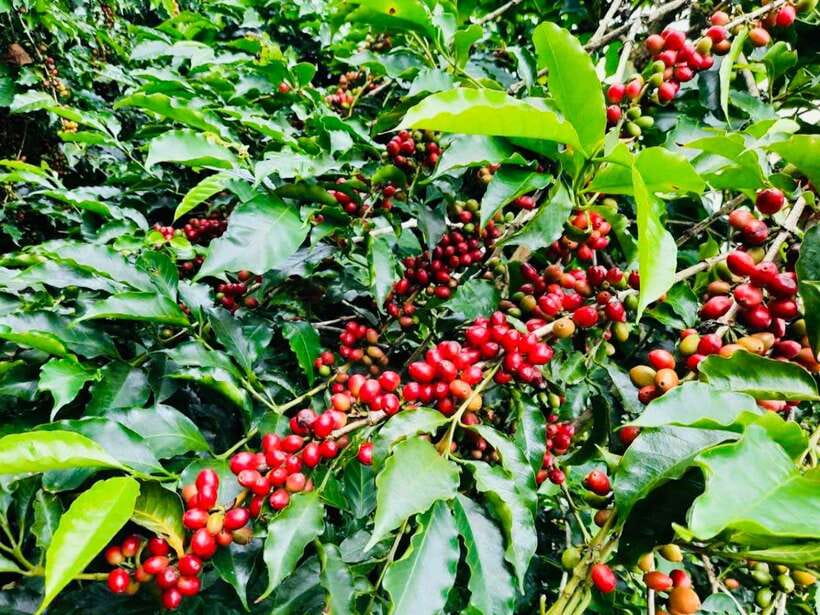
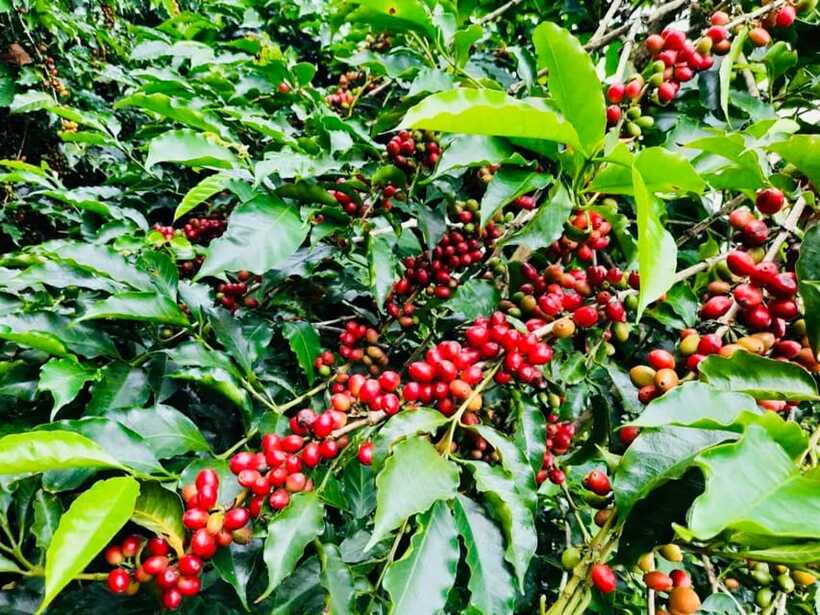
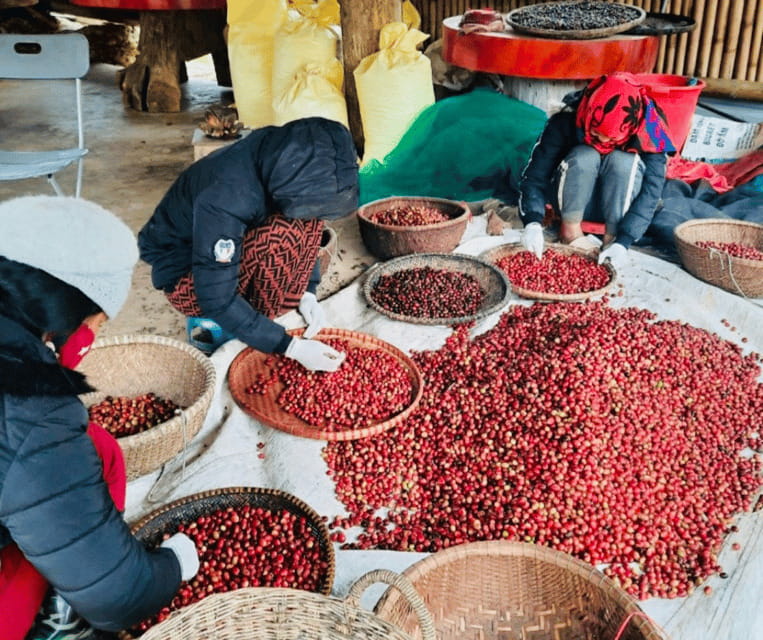
You may also get the chance to taste freshly picked coffee cherries during the visit. That is a useful moment because a coffee cherry does not taste like brewed coffee. It helps you understand that the familiar drink develops through processing, drying, roasting, and brewing.
The farm also discusses quality standards and specialty coffee. This is valuable for anyone who wants to buy beans later, since you can ask better questions about origin, processing, and farming methods instead of choosing a packet by its label alone.
Organic and conventional farming side by side
One useful feature is the explanation of organic and conventional farming. The tour does not present coffee production as a simple choice between good and bad. Instead, it introduces the different approaches and their effects on how a farm is managed.
You can ask about fertilization, weed control, and the daily work needed to keep coffee trees healthy. The lesson is especially helpful if you have seen organic coffee on a shop shelf but never considered what that claim means in the field.
Keep your expectations realistic. This is a compact introduction, not a formal agricultural course. Still, the subject gives the visit more substance. You come away with a clearer idea of why farming methods affect cost, labor, quality, and the final taste.
More Food and Drink Trips in Vietnam:
- Sorrento Farm and Food Experience including Olive Oil, Limoncello, Wine tasting
★ 5.0 · 2,524 reviews - Lahaina: Maui Ku’ia Estate Guided Cacao Farm Tour and Tasting
★ 5.0 · 1,103 reviews - Ría de Arousa: Boat Ride to Mussel Farm with Tasting
★ 4.7 · 845 reviews - Pizza School with Wine and Limoncello Tasting in a Local Farm
★ 5.0 · 845 reviews
From coffee cherry to bean through wet-dry processing
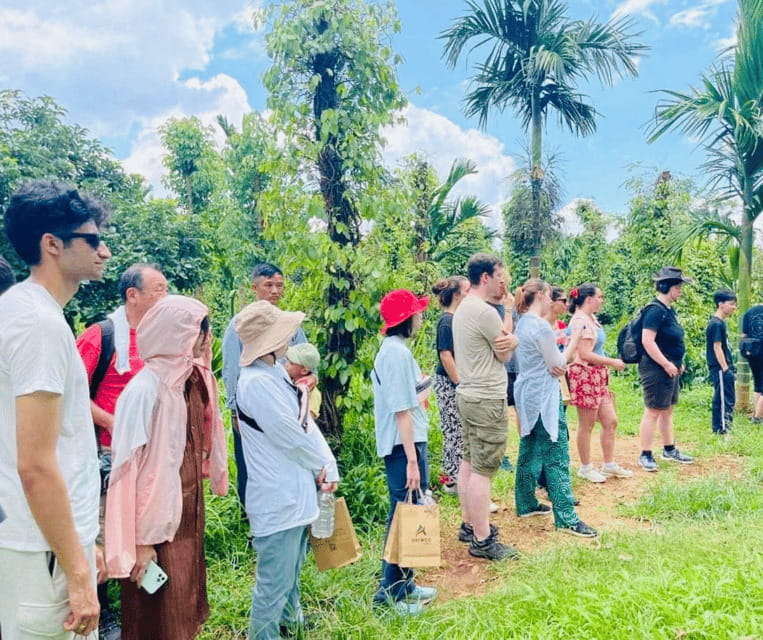
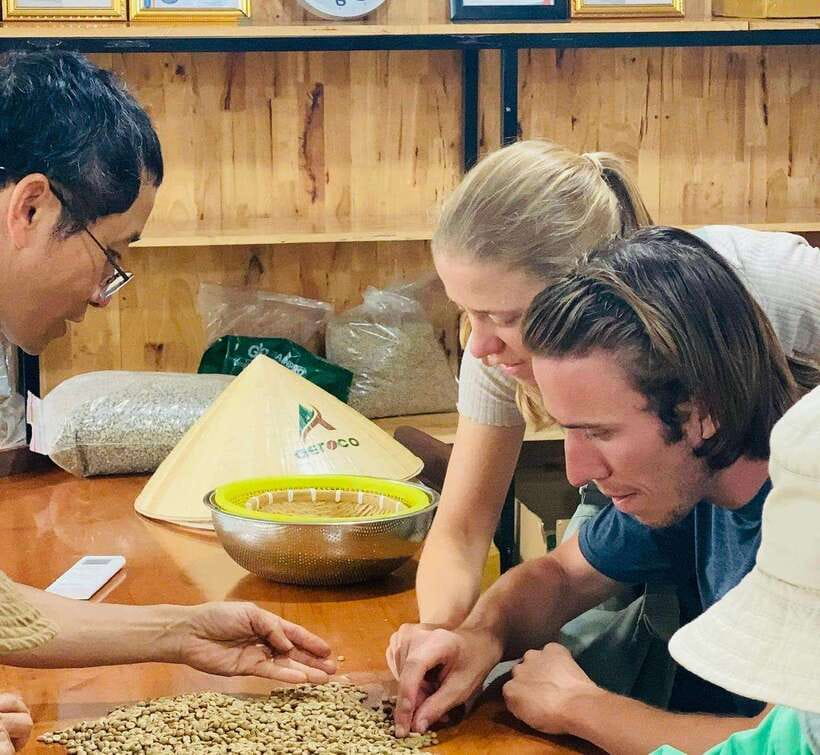
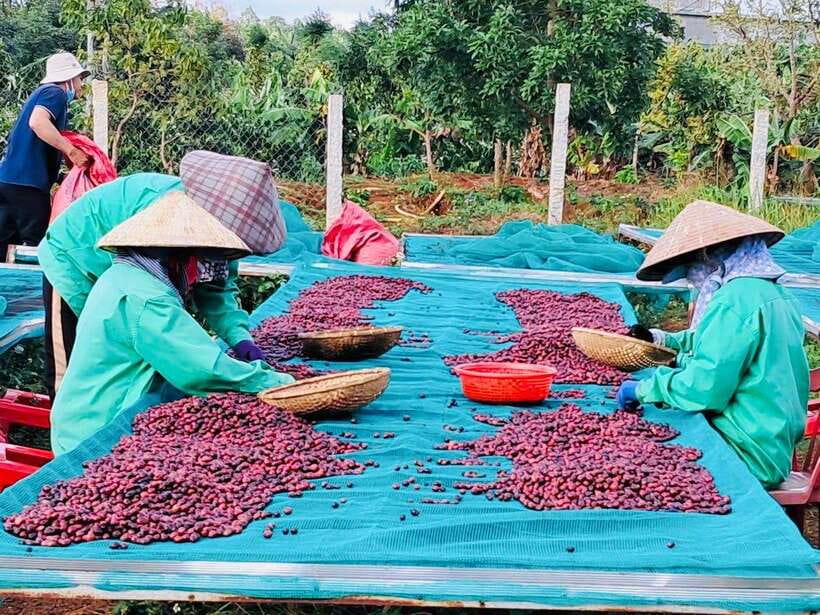
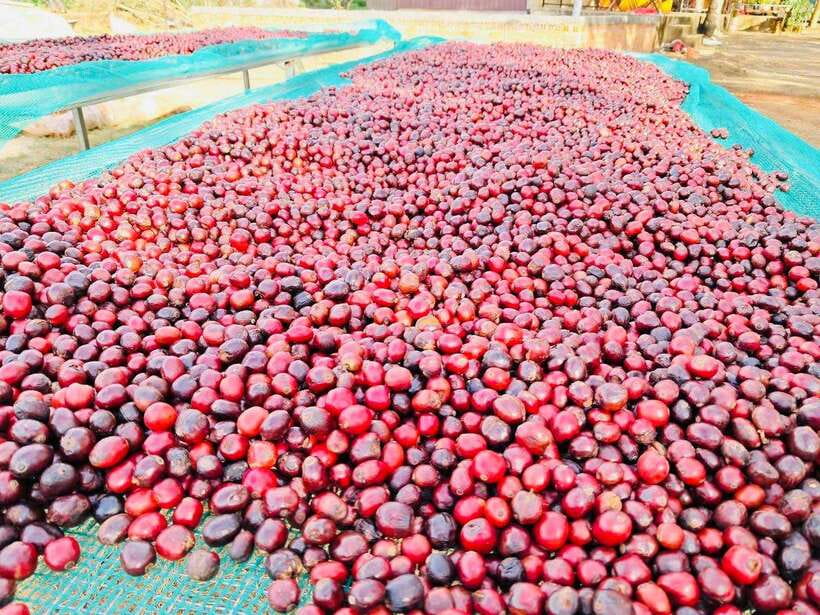
The processing lesson follows the coffee beyond the tree. You learn about the wet-dry method used to create specialty coffee, with the guide explaining how the coffee fruit is handled before the beans are ready for later stages.
The provided description does not give a step-by-step equipment list, so you should not expect a large industrial plant tour. The value is in seeing the connection between farm work and flavor. Processing is not an afterthought. It helps shape what eventually reaches your cup.
This is also where the seasonal limitation matters. If you visit outside harvest time, there will be no harvesting and drying activities. Other parts of the tour continue, including the farm walk, coffee care topics, processing explanation, and tasting, but you will not see every stage happening at once.
If picking coffee is your main reason for booking, check the season before paying. If you mainly want an introduction to Vietnamese coffee farming, the visit still has value outside harvest time.
Irrigation, pruning, and the less glamorous work
Coffee photographs tend to show red cherries and attractive plants. This tour spends time on the less photogenic work that keeps a plantation productive.
You receive an introduction to traditional irrigation systems and instructions on how they operate. The guide also explains the advantages of irrigation technology. That comparison gives you a practical look at how farms manage water, rather than treating irrigation as an invisible part of production.
Pruning and bud breaking are also covered, along with weeding and cleaning the area around the base of the tree. Seasonal fertilization is part of the discussion too. These tasks help you see that coffee farming is not just a harvest event. Much of the effort happens between harvests.
I like this section because it gives you something concrete to look for when you later pass coffee farms in the Central Highlands. You can notice how trees are shaped, how the ground is maintained, and how water may reach the plants.
The final coffee tasting
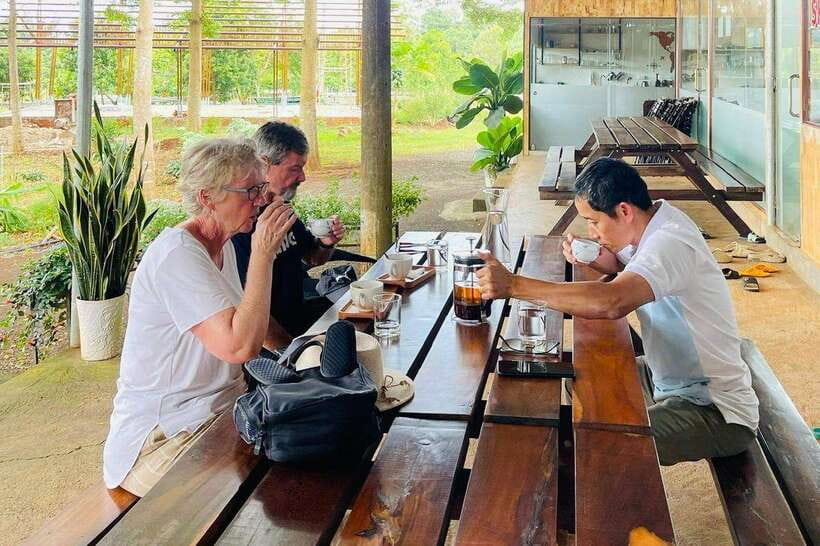
The tasting is the natural finish. You choose black or milk coffee, prepared by machine or filter. The drink is included in the price, so you do not need to budget separately for the final cup.
The tasting lets you connect the lesson to flavor. The farm describes its coffee as shaped by the sun, wind, and mountains of the Central Highlands. That language is promotional, but the basic point is sound for the purpose of the tour: growing conditions, farming, processing, and brewing all affect what you taste.
Some tasting sessions also include the chance to try coffee beans and, according to one account, a professionally prepared coffee or tea. The standard activity details focus on coffee, so I would treat tea as a possible extra rather than a guaranteed choice.
You can choose a machine-brewed drink or a filter preparation. That comparison may be more useful than simply receiving one cup, since brewing changes aroma, body, and strength. If you normally drink sweet milk coffee in Vietnam, try the black option if available, then ask about the beans and method.
The tasting is not a full coffee workshop. You do not roast your own beans or receive packaged coffee as part of the booking. Packaged coffee is available for separate purchase, but it is not included.
Is $18 a fair price?
At $18 per person, the tour is reasonably priced if you want a compact introduction to coffee production. The fee includes the guide, farm instruction, processing information, and a specialty coffee tasting. For a short activity, the value depends heavily on the quality of the explanation and how much time you actually receive.
The strongest value comes from the combination of subjects. You get farming, irrigation, organic and conventional methods, processing, and tasting in one stop. A café tasting alone would cost less, but it would not show you the work behind the beans.
The price is less attractive if you expect a full plantation day, extensive harvesting, or transport from your hotel. You must pay your own way to Ea Kao, cover personal expenses, and buy packaged coffee separately. The short length also means the guide has to keep the lesson moving.
There is one reliability concern. A person who booked the activity reported a visit lasting only 20 minutes and found the English limited. Other accounts describe an informative and friendly guide, with particularly positive comments about the explanation and tasting. The overall rating is 4.3 from 11 ratings, which suggests a generally good experience with some inconsistency.
I would book it for the subject and location, but I would confirm the meeting point and ask the provider to clarify the expected duration if your schedule is tight.
Language, access, and comfort
The instructor speaks English and Vietnamese. English ability may vary by guide and by day, so prepare a few simple coffee questions if specific details matter to you. The experience is listed as wheelchair accessible, which is useful information for visitors who need step-free access, though the supplied details do not describe the exact surfaces or restroom arrangements.
Bring your own sun protection. The tour does not provide sun protection items, and a farm visit can mean direct exposure even when the activity is short. A hat, sunscreen, and water are sensible additions.
Alcohol, drugs, and making fire are not allowed. Those rules fit the setting, particularly around dry coffee materials and farm equipment.
You do not need to bring special equipment. The main preparation is practical: wear something comfortable for an outdoor farm setting, arrive early, and make sure you know how to reach the exact meeting point.
Who will enjoy this coffee farm visit
I would recommend this tour to coffee drinkers who want context, not just caffeine. It suits you if you are curious about where Vietnamese coffee comes from, how Robusta differs from Arabica, or why processing affects flavor.
It also works well for visitors with only a short amount of free time in Buon Ma Thuot. The farm is close enough to the city to fit around other plans, though transport is your responsibility.
Families and mixed-interest groups may also find it worthwhile because the visit combines plants, local work, technology, and food. The tasting gives non-coffee specialists a clear ending, although the tour is still centered on coffee production.
I would hesitate to recommend it if you want a long agricultural tour, a guaranteed harvest session, or a highly technical coffee course. I would also check the season first if picking cherries is essential to your plans.
Should you book this farm tour?
Book it if you want a short, reasonably priced look at the real work behind Buon Ma Thuot coffee. The best parts are the practical farm care, the comparison of organic and conventional methods, the wet-dry processing lesson, and the included final cup.
Before booking, confirm the exact meeting point and allow extra time to reach Ea Kao. Check the harvest season if you want to pick and see coffee drying. If you accept that the visit is brief and seasonal, the $18 price offers a useful introduction to Vietnam’s coffee capital without taking over your day.
FAQ
Where does the coffee farm tour begin?
The meeting point is in Ea Kao, about 10 kilometers from Buon Ma Thuot city center. You receive the exact location, directions, and instructor contact details after booking.
How long does the tour last?
The activity is advertised as one hour, while the detailed itinerary describes an 80-minute guided plantation visit. One booking reported a much shorter visit, so confirm the expected timing if you have a tight schedule.
Is hotel pickup included?
No. Hotel pickup and drop-off are not included. You need to arrange your own transportation to the farm.
What coffee types will I learn about?
The tour covers Robusta and Arabica coffee, including their farming and processing in the Buon Ma Thuot area.
Can I harvest coffee during the tour?
Harvesting and drying take place only during the coffee harvest season. Outside that period, the other scheduled farm and coffee activities continue.
What will I taste at the end?
You receive a cup of black or milk coffee, brewed by machine or filter. The activity also includes a specialty coffee tasting session.
Is the tour available in English?
Yes. The instructor languages are English and Vietnamese. English ability may vary, so simple, direct questions can help if you want detailed farming information.
Can I cancel or pay later?
You can cancel up to 24 hours before the activity for a full refund. The reservation option also allows you to book now and pay later.
Just added around Vietnam
- Sapa 2-Day Trek & Homestay in Ta Van Village – Be a Local★ 5.0 · 8 reviews
- Sapa Private Trekking Through Rice Terraced Fields – 1Day★ 4.5 · 8 reviews
- 5 Hours Trekking with Terraced Rice Field in Sapa★ 5.0 · 2 reviews
- Sapa Motorbike Tour 1 Day| See All Of Rice Fields & Valleys in One Day★ 5.0 · 9 reviews
- Sapa Private Car Tour – 1 Day Enjoy the Rice Terraced Fields★ 4.5 · 3 reviews
- Private Trekking through Terraces Rice Fields in Sapa★ 5.0 · 3 reviews
- Sapa Half Day Local Farming Experience★ 5.0 · 3 reviews
- Sapa Full Day Trekking Through Rice Fields Terrace★ 4.0 · 2 reviews
Coffee Farm Tours, compared.
La Herradura Coffee Farm: tour in Europe’s only plantation
Read our review →

Small-Group Big Island Tour: Hawaii Volcanoes National Park and Kona Coffee Farm
Read our review →
Medellín Coffee Farm Tour with Trolley and Cable Car Ride
Read our review →
Salento: Private Cocora Valley, Salento & Coffee Farm Tour
Read our review →
Liamuiga Natural Farm Tour – St.Kitts’ Coffee Farm
Read our review →
Browse the lists this tour appears in