
Review · SPAIN
Guided Tour to the only coffee farm in Europe
The surprising part is not the coffee alone. Near La Herradura, a warm coastal pocket of southern Spain supports what is described as Europe’s only coffee plantation, along with as many as 30 kinds of tropical fruit. I like the mix of coffee, mangoes, lychees, red bananas and unusual trees, and I like that the tour explains how water and plant matter are reused instead of treating the farm as a simple photo stop.
I also like the personal touch from guide and owner Manolo Mateos, who is known for using several languages and mixing useful facts with humor. The main drawback is the steep slope. This is not a flat garden stroll, and coffee is only one part of the visit. If you expect a large working coffee estate or a formal tasting, you may find the farm’s small coffee production less impressive than its fruit collection.
Key points to know before you go
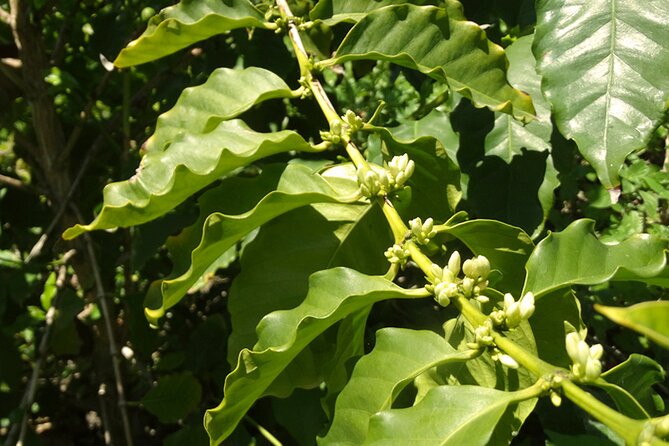
- Europe’s northernmost coffee setting: See coffee plants growing in a warm coastal area of southern Spain.
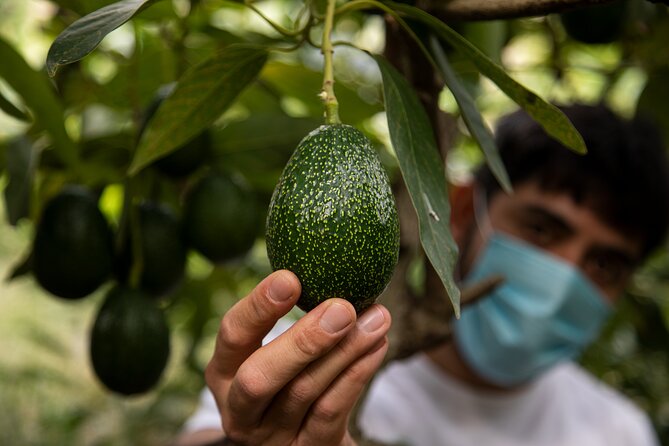
- Up to 30 tropical fruits: Look for mangoes, avocados, custard apples, lychees, red bananas, macadamias and pitayas.
- Manolo’s multilingual guiding: English is offered, and Manolo has also guided in French, German and Spanish.
- A steep open-air walk: Wear closed, comfortable shoes and avoid the hottest time of day.
- Small-group feel: The group is limited to 15 people, keeping the visit more personal.
- Good value at $18.15: The price includes the farm walk and a 15 percent discount on fruit purchases, but wine and tapas are extra.
A coffee farm in the warm hills above La Herradura
This is a short farm visit with a distinctive claim: coffee growing in Europe. The setting near La Herradura benefits from a mild coastal climate, allowing coffee plants to share space with crops more often associated with warmer parts of the world.
You will not spend the whole tour studying coffee beans. The farm is also home to a wide range of fruit trees and plants. That broader focus is important when deciding if the tour fits your interests. I would choose it for the chance to see how several tropical crops grow together, not for a long technical lesson in roasting or coffee preparation.
The visit lasts about 1 hour and 10 minutes to 1 hour and 30 minutes. That is enough time to walk through the property, hear about the farm’s background and agricultural methods, and see the coffee plantation without giving up most of your day in the Malaga area.
The advertised price is $18.15 per person, which is strong value for a private open-air visit with a small maximum group of 15. You also receive a 15 percent discount on fruit purchases. Wine and tapas are not included, so keep that in mind if you are comparing this with a farm visit that includes a full tasting.
More Coffee Farm Tours in Spain:
- La Herradura Coffee Farm: tour in Europe’s only plantation
★ 4.8 · 430 reviews - Finca Los Castaños: Agaete Valley Coffee Tour & Tasting
★ 4.4 · 57 reviews - Big Island: Volcanoes, Waterfalls, & Coffee Farm Day-Trip
★ 4.9 · 414 reviews
Walking among mangoes, avocados and unusual fruit
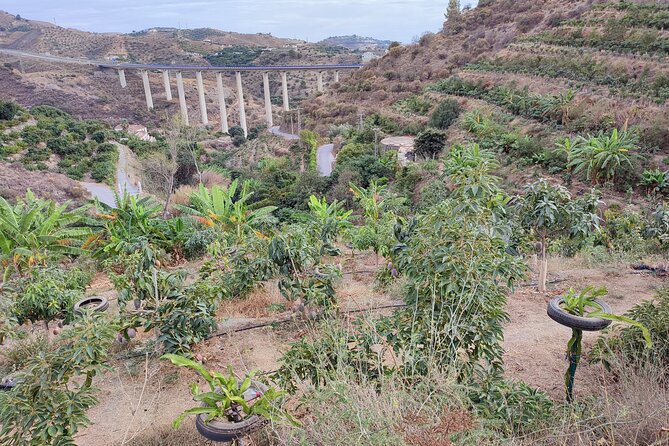
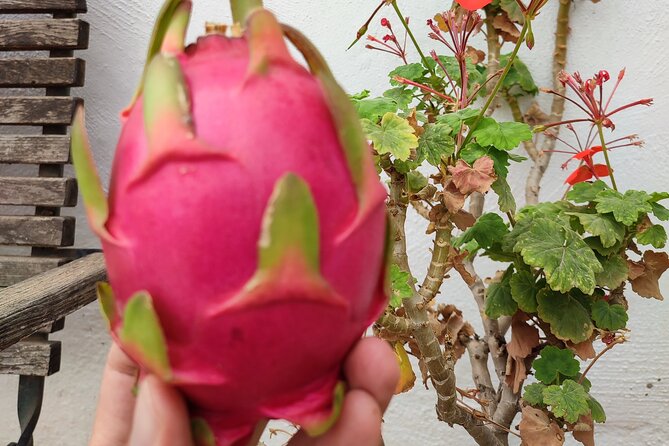
The first part of the visit takes you through the plantation and its tropical fruit trees. The range is what gives this place its character. Along with familiar mangoes and avocados, you might see custard apples, lychees, red bananas, macadamias and pitayas, also known as dragon fruit.
The tour is especially well suited to families. Children can see fruit growing on the plant, rather than only meeting it in a supermarket or on a plate. The chance to taste or buy farm fruit can also make the agriculture lesson more memorable, though the exact tasting arrangements are not set out as part of the basic admission.
The plant collection is not presented as a formal botanical garden. Instead, you are walking through a working farm and hearing how different crops are managed. That means the visit may feel more personal and practical than polished. It also means conditions can vary with the season, weather and what is producing fruit at the time.
I like this section because it gives you a better sense of the work behind tropical farming in southern Spain. You learn that warm weather alone does not solve every problem. Water, soil, plant health and the balance between different species all matter.
Coffee plants and the farm’s unusual story
The coffee section is the main reason many people book the tour. The plantation is presented as the only coffee farm in Europe and the most northern coffee plantation in the world. Those claims make the visit unusual, but you should set your expectations carefully.
This is not described as a vast coffee estate. The coffee production is small, and one critical response found the fruit trees more prominent than the coffee plants. That is a fair point to consider before booking. If your main goal is to see acres of coffee bushes and follow beans through harvesting, processing and roasting, this short tour may feel limited.
If you are curious about how coffee can grow in an unexpected part of the world, the stop is more rewarding. Manolo explains how the land and climate support the crop, while placing coffee within the wider farm system. The unusual setting gives the subject its interest.
The farm also carries a family story. The land has been in the family for around 300 years, and the current project reflects a long connection with agriculture. That does not turn the visit into a history tour, but it helps explain why the guide speaks about the property with such personal commitment.
Sustainable farming and closing the circle
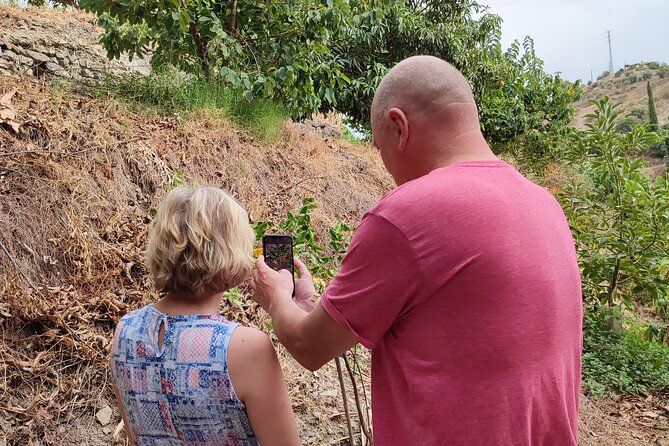
A central theme is the farm’s approach to sustainability. You hear about biological balance and the effort to close the circle of water and matter. In plain terms, the tour looks at how a farm can reduce waste and work with natural systems instead of treating every crop as an isolated product.
This is one of the more valuable parts of the visit because it connects the plants you see with the decisions required to grow them. Tropical fruit farming can be demanding, especially in a region where water needs careful management. The guide’s explanation helps you understand the practical challenge rather than just admire the trees.
The wording about sustainability is broad, so do not expect a detailed agricultural course with measurements, charts or a long demonstration. The strength is the conversation while walking through the property. Manolo’s relaxed style, language skills and humor help keep the subject accessible.
I would recommend paying close attention here if you are interested in small farms, responsible food production or local businesses trying to adapt unusual crops to a difficult setting. You get a clearer picture of the decisions behind the farm, not just the end products.
More Guided Trips in Spain:
- GUIDED TOUR + TASTE IN A MUSHROOM FARM
★ 5.0 · 43 reviews - Bull Breeding Farm: Guided Half-Day Tour from Seville
★ 4.5 · 24 reviews - Half-Day Guided Tour to a bull farm in Madrid
★ 5.0 · 2 reviews - Mykonos: Farm, Ano Mera Village, and Beaches Guided Tour
★ 4.4 · 1,283 reviews
Wildlife, views and the physical side of the walk
The farm can also provide a chance to spot local wildlife. Possible sightings include chameleons, eagles, partridges, owls, wild goats and wild boars. These animals are not guaranteed, so think of them as an added possibility rather than a planned part of the tour.
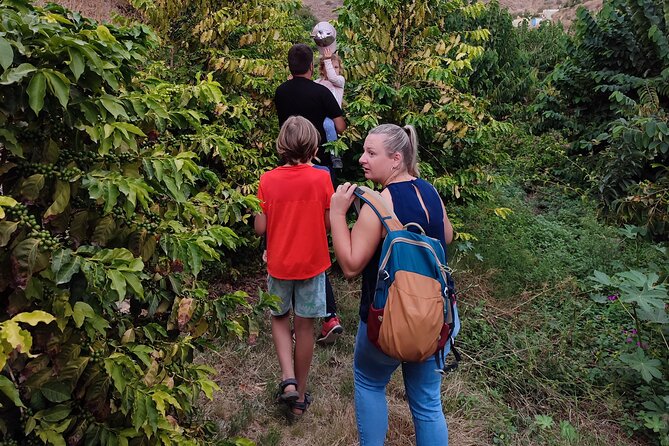
The open-air setting is appealing, but the walk includes a steep slope. That detail matters more than the short duration. A 70-minute tour can still be tiring if you are not comfortable on an incline, particularly under the strong Andalusian sun.
Wear closed, comfortable shoes, bring water and avoid the hottest hours of the day when possible. The activity calls for a moderate level of physical fitness. Service animals are allowed, but the steep route may still affect how comfortable the visit is for anyone with limited mobility.
Seasonal pollen allergies deserve special attention. The farm is not recommended for people with seasonal pollen allergies, and anyone with plant or pollen allergies is advised to contact the provider beforehand. This is an outdoor agricultural setting, not an enclosed attraction where exposure can be controlled.
Why the guide makes a difference
Manolo Mateos is the key personality behind the visit. He guides in English and has also communicated with groups in French, German and Spanish. That language range is useful in a small-group setting because explanations can feel more direct and less dependent on translation.
His style combines farming information, personal stories and jokes. That mix works well for a short tour. You get facts about coffee and tropical fruit without standing still for a long lecture, and the farm’s history becomes easier to follow when it is tied to the person running the place.
The guide’s family connection to the land adds another layer. You are not simply being shown a commercial attraction assembled for day visitors. You are meeting someone who is trying to make a working agricultural project viable while sharing it with the public.
The multilingual element is not a guarantee for every departure. English is the stated language of the activity, so book with that expectation. The guide may be able to help in other languages, but you should confirm this before relying on it.
Fruit purchases, tastings and what is not included
The tour includes a 15 percent discount on fruit purchases. That is useful if you want to take home produce from the farm, and it gives the visit a practical finish. Fruit availability will depend on what is in season.
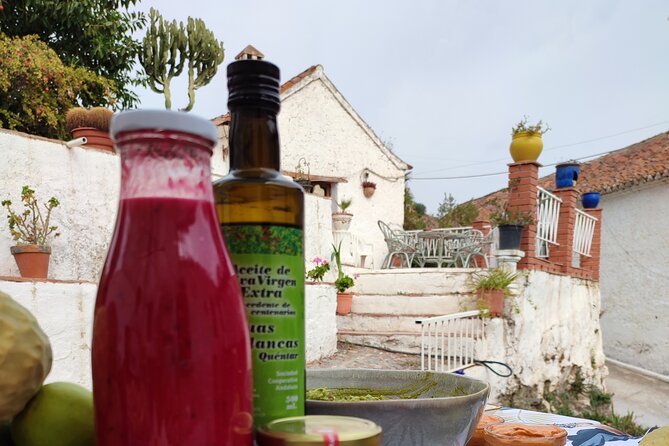
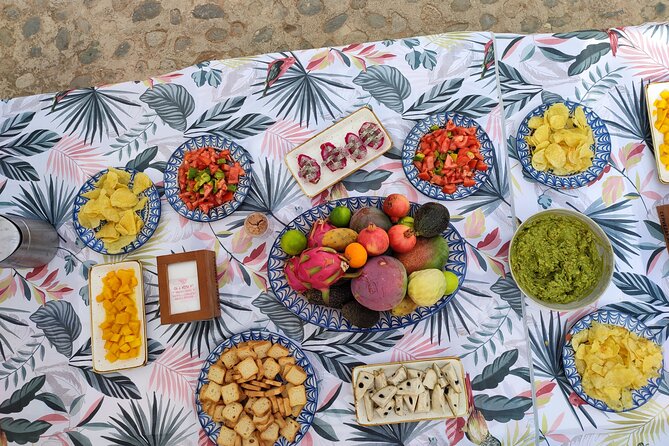
Additional farm products may be available for purchase. Items mentioned in connection with the farm and region include coffee, preserves, olive oil and flavored rum. These are purchases, not part of the listed tour price.
Some visits have also included a small tasting, such as fresh mango and dragon-fruit juice, but you should not assume that every booking includes one. Local wine and tapas are specifically not included. If those matter to you, ask about availability and cost before arriving.
At $18.15, the basic tour remains good value even without food and drink. The price is low enough to work as an add-on to a day around La Herradura or Almuñécar, especially if you are already driving between Granada and Malaga. The extra purchases can raise the total, but they are optional.
Getting there and planning your day
The listed meeting point is at Q723+V5 in La Herradura, with the end point at Diseminado Rio Jate Pol 21, 162, 18690, Granada, Spain. Use the exact map details when planning, since the farm is not described as being in a central town location.
A taxi can work, but arrange the details ahead of time. If you arrive by taxi, tell Manolo in advance so he can meet you and help bring you up the hill. Do not count on an Uber for the return journey. You need to organize a lift back to the main town or book a local taxi.
This is one of the most practical points to act on. The visit itself is short, but transport can become the awkward part if you arrive without a return plan. A car or a prearranged taxi makes the day easier.
You can pair the farm with time in La Herradura or Almuñécar. Both are suggested as places to visit nearby, making the tour a useful stop rather than a stand-alone trip. The attraction is also suitable as an interesting break while moving between Granada and Malaga, provided your route and transport match the meeting point.
Confirmation arrives at booking, and the activity uses a mobile ticket. The group maximum is 15 people, which helps preserve the personal feel without making the walk private for every booking.
Who will enjoy this farm visit most
I would recommend this tour to you if you enjoy local food, unusual agriculture and meeting the person behind a small project. Families can get a lot from seeing fruit on the tree, and the short duration is easier to fit around a beach day or a longer Andalusian road trip.
It also suits curious coffee drinkers who want to see coffee growing in an unexpected European setting. The unusual location is the attraction, not a full coffee-production workshop.
You may want to skip it if you dislike uneven or steep walks, have serious seasonal pollen allergies or want a polished tasting with wine, tapas and a large coffee operation. The tour’s appeal is its farm setting and personal guide, not luxury or a highly staged presentation.
Free cancellation is available up to 24 hours before the start time for a full refund. Changes or cancellations made later are not accepted for a refund. The activity requires good weather and a minimum number of people, so poor weather or low bookings can lead to a new date or a full refund.
Should you book the La Herradura coffee farm tour?
Book it if you want an affordable, unusual stop that combines coffee, tropical fruit and a clear look at small-scale sustainable farming. The multilingual guidance, short length and 15-person limit make it easy to fit into a wider Costa Tropical plan.
Before booking, be honest about your priorities. You will see coffee, but the plantation is also, and perhaps even more importantly, a tropical fruit farm. Bring water, wear proper shoes and arrange your return transport. With those points settled, the $18.15 price offers a pleasant way to see a side of southern Spain that most beach and city itineraries miss.
FAQ
Where is the coffee farm tour located?
The tour starts at Q723+V5 in La Herradura, Spain. The listed end point is Diseminado Rio Jate Pol 21, 162, 18690, Granada, Spain.
How long does the tour last?
The visit lasts approximately 1 hour and 10 minutes to 1 hour and 30 minutes.
What is the price?
The listed price is $18.15 per person.
What language is the tour offered in?
The tour is offered in English. The guide, Manolo Mateos, has also guided in French, German and Spanish, but you should confirm other-language availability before booking.
What plants can I see?
The farm grows coffee and up to 30 kinds of tropical fruit. These can include avocados, mangoes, custard apples, lychees, red bananas, macadamias and pitayas.
Is the tour suitable for children?
Children can take part, and families with young children have attended. You should still consider the steep slope and the requirement for moderate physical fitness.
Are food and drinks included?
Local wine and tapas are not included. The tour information also mentions optional tastings and farm products, but these should not be assumed to be part of the basic price.
Do I need special clothing?
Wear comfortable, closed shoes and bring enough water. Avoid the hottest hours of the day because the route includes a steep slope.
Is the tour suitable for people with pollen allergies?
The activity is not recommended for seasonal pollen allergy sufferers. If you have a plant or pollen allergy, contact the provider before booking.
Can I cancel for a refund?
You can cancel at least 24 hours before the start time for a full refund. Later cancellations and changes are not refunded. If poor weather or insufficient bookings cancel the activity, you are offered another date or a full refund.
Just added around Spain
- Animal farm park with free hotel pickup★ 5.0 · 2 reviews
- From Seville: Pig Farm private day tour and old villages visit★ 4.5 · 4 reviews
- Bull Breeding Farm: Guided Half-Day Tour from Seville★ 4.5 · 24 reviews
- ” Basque Farm House & Cider house” tour + meal from San Sebastian★ 5.0 · 9 reviews
- Fuerteventura Villages Caves and Farm Tour with Lunch from North★ 3.0 · 9 reviews
- Menorca: Cheesemaking and Farm-Fresh Product Tasting★ 5.0 · 29 reviews
- Chefcooking Paella from our Andalusian Grandmother at a Family Farm★ 5.0 · 49 reviews
- Eastern Majorca Tour with Arta Caves and Aloe Plantation★ 4.5 · 2 reviews
Spain Farm Tours, compared.
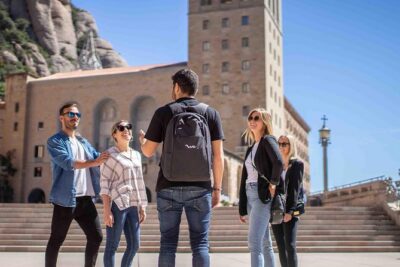
Montserrat Lunch & Wine at Farmhouse Small Group from Barcelona
Read our review →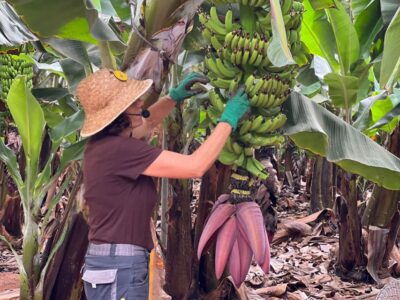
Finca Las Margaritas Banana Plantation Experience
Read our review →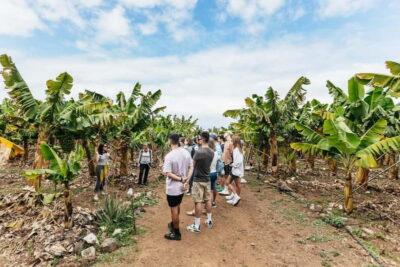
La Orotava: Eco Banana Plantation Tour with Banana Liquor
Read our review →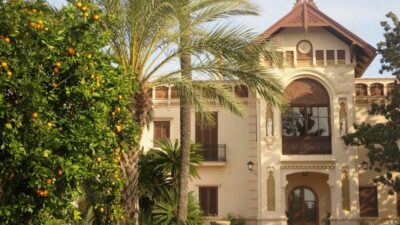
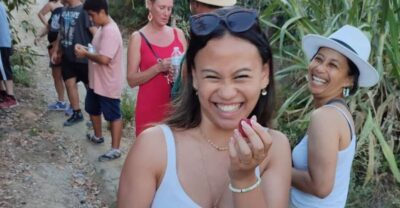
La Herradura Coffee Farm: tour in Europe’s only plantation
Read our review →
Alicante : E-Bike Coast Tour, Roman Fish Farm and Snorkeling
Read our review →
Montserrat with Winery Visit and Farmhouse Lunch
Read our review →
Browse the lists this tour appears in