
Review · TANZANIA
Arusha: Coffee Plantation Tour with Tasting and Hands-On …
Tanzania’s coffee story comes alive when you pick a coffee cherry, handle the beans, and follow them all the way to the cup. This Arusha tour combines a working plantation visit with practical activities, local farming stories, and a tasting session that helps you notice how roast levels change the flavor.
I like the hands-on processing, since you do more than walk past coffee trees. I also like the chance to hear directly from farmers and guides such as Maximilian and Oliver. The main thing to consider is transportation: the $60 price does not include travel to and from the farm, though the guide can help arrange it from the central meeting point.
Key points to know before booking
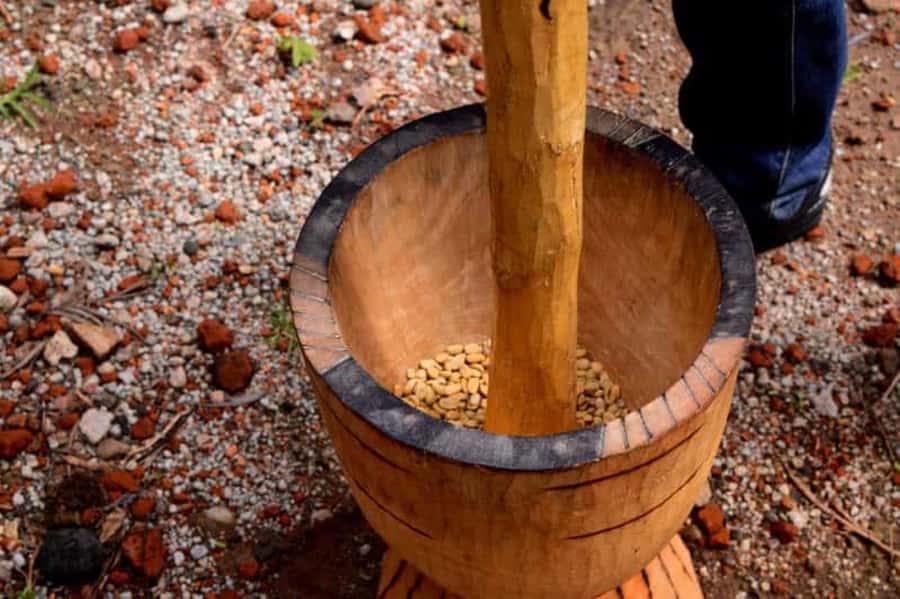
- Coffee from cherry to cup: Pick coffee cherries and take part in pulping, drying, and roasting.
- A tasting with purpose: Compare different roast profiles while learning how to notice aroma and flavor.
- Local guidance: English-speaking guides explain plantation work, coffee production, and daily life on the farm.
- Optional nature time: Add a walk through the surrounding hills and to waterfalls if conditions and timing allow.
- Central meeting point: Meet near Arusha’s Clock Tower, then arrange transport to the plantation.
- A short half-day outing: Allow about 3.5 hours, with comfortable shoes and sun protection.
From Arusha’s Clock Tower to the coffee farm
The meeting point is the Clock Tower in central Arusha, a useful landmark near many city hotels. Look for the guide holding a sign with the tour name near the base of the tower. If you are driving, parking is available nearby, though the tour itself does not include transport to the farm.
From the Clock Tower, the guide helps arrange the ride to the plantation. This detail matters when you compare the total cost with other Arusha activities. The advertised price is $60 per person, but you should also allow for transportation unless you have selected an available pickup option from a central hotel.
The transfer is not the main event, but it gives the tour a clear starting point. Once you reach the plantation, the pace shifts from city sightseeing to a quieter farm visit among coffee trees and open green fields.
The tour lasts about 3.5 hours, though the general guidance allows three to four hours. That makes it easy to fit around a morning safari departure, an afternoon plan, or an evening in Arusha, provided your transport timing is sensible.
More Coffee Farm Tours in Tanzania:
- Arusha or Moshi : Hot Spring, Waterfall & Coffee Farm Tour
★ 4.8 · 80 reviews - From Arusha: Coffee Farm and Mangalia Waterfalls Tour
★ 4.9 · 48 reviews - Materuni Waterfall and Coffee Plantation Half Day Tour
★ 5.0 · 30 reviews
Walking among coffee trees
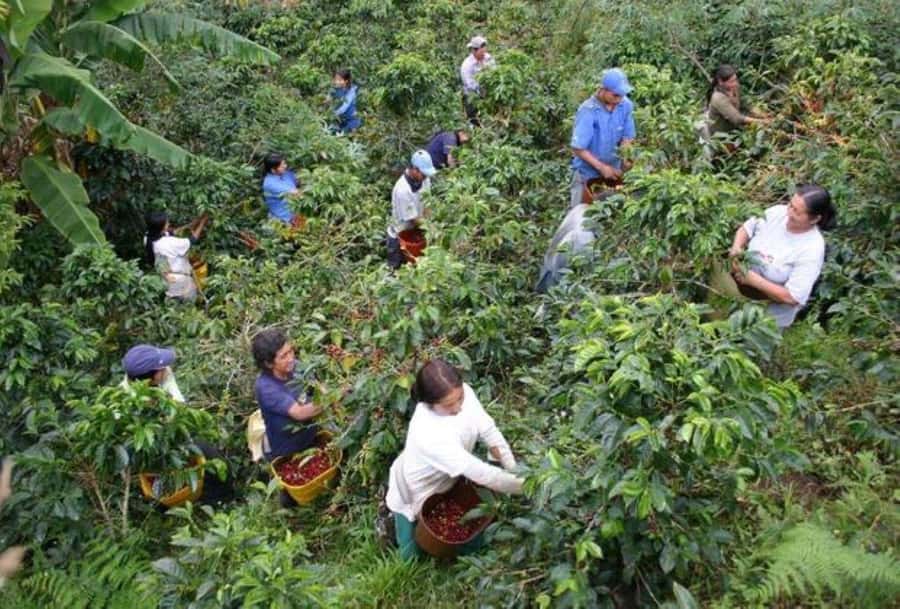
The first part of the visit introduces you to the plantation itself. You walk among coffee trees and learn how the plants are cultivated and harvested. The setting gives useful context to the drink you usually encounter only after roasting and grinding.
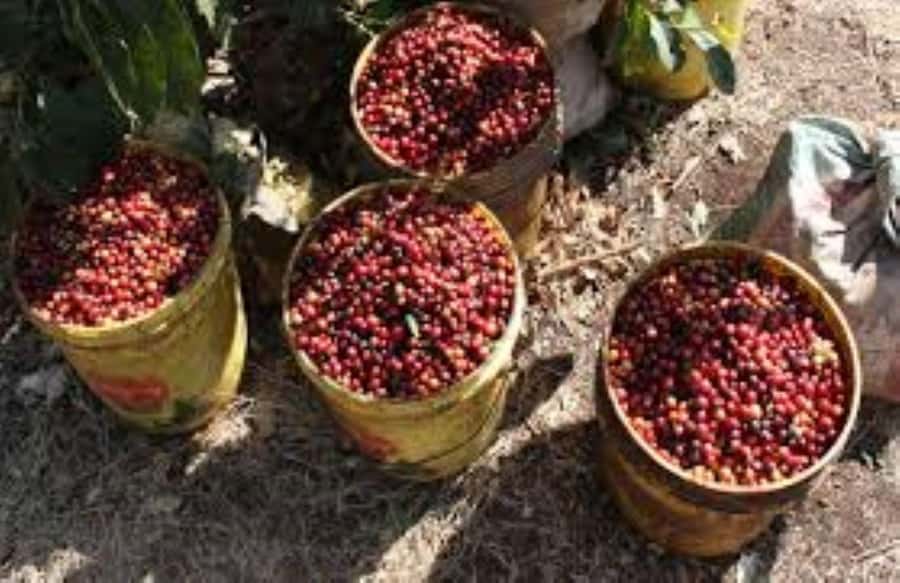
Coffee production can seem simple when reduced to a bag of beans. Here, you see that the process begins with fruit, not dry brown beans. The guide explains how ripe cherries are picked and what happens before the beans are ready for roasting.
This is also the best part of the tour for people who want a connection to local agriculture. You hear about sustainable farming practices, life on the plantation, and the work that goes into each harvest. The information is tied to the farm in front of you, so it feels more practical than a general coffee lecture.
Wear shoes that can handle uneven ground and a little dirt. The tour is a farm visit, not a paved museum route. A hat, sunscreen, and water are sensible additions, especially if you take the optional walk through the hills.
Picking, pulping, drying, and roasting
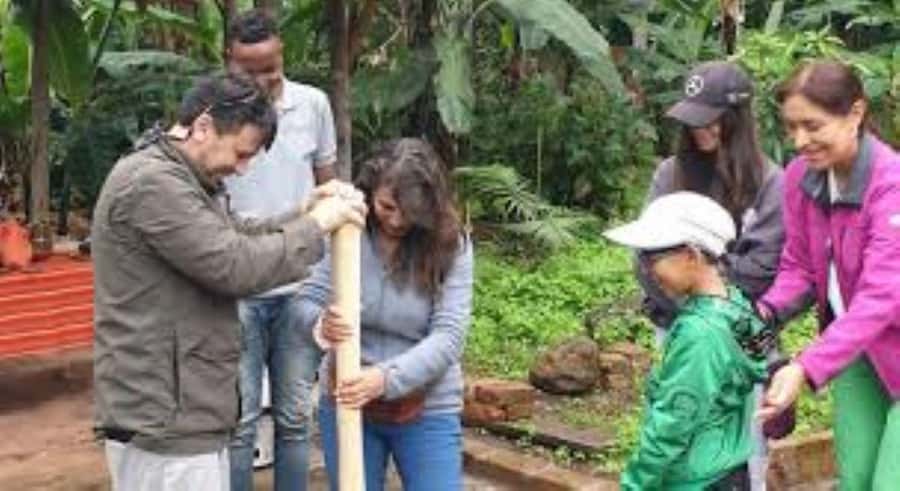
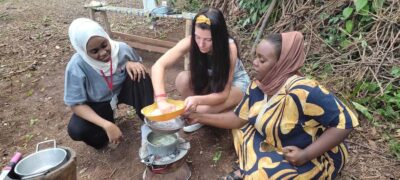
The strongest feature here is the chance to take part in several stages of production. You may pick fresh coffee cherries, then follow the beans through pulping, drying, and roasting with guidance from local farmers.
Each step answers a question you may have while drinking the finished coffee. What does the fruit look like? How is the bean removed? Why must it dry? What changes once heat is applied? The hands-on approach makes those answers easier to remember.
Do not expect a factory tour with large machines and a fixed production line. The appeal is the small-scale, personal explanation, with the guide showing you how the work is done and why each stage matters. The exact amount of participation can depend on the farm and the day, so think of it as guided practical work rather than a full coffee-making workshop.
Roasting is especially useful for understanding flavor. The beans change in color and aroma as they heat, and this sets up the tasting later in the visit. You do not need previous coffee experience. Curiosity is enough.
The tour also gives you a closer look at the labor behind Tanzanian Arabica coffee. That is important value for the price. You are not only consuming a drink; you are seeing the steps and meeting people connected to its production.
Learning from Maximilian, Oliver, and the local farmers
The human side of the experience receives the strongest praise. Maximilian is described as cheerful and professional, while Oliver led an informative explanation of coffee production from tree to cup. Those names are useful to know because the quality of a short cultural tour often depends on how well the guide connects the facts to the place.
The guides speak English, and their role is more than pointing out coffee trees. They explain farming methods, processing, and the traditions around coffee in Tanzania. You also have the chance to hear personal stories about plantation life and the pride people take in their work.
That personal contact is one reason this tour works well for first-time visitors to Tanzania. You get a small, direct window into local work rather than a polished performance designed only for tourists. The setting remains simple, and that is part of the charm.
The tone appears friendly and welcoming. The praise for the staff focuses on hospitality, professionalism, and the amount people learned. If you prefer a fast photo stop, this may feel too slow. If you like asking questions and taking time with an activity, the relaxed pace should suit you.
More Plantation Tours in Tanzania:
- Cycling through the TPC plantations
★ 5.0 · 10 reviews - Visit Sisal Plantations & Processing Factory – Full Day Tour
★ 4.5 · 2 reviews - Monkeyland and Plantation Safari Tour from Punta Cana
★ 5.0 · 3,805 reviews - Swamp Boat Ride and Oak Alley Plantation Tour from New Orleans
★ 5.0 · 3,303 reviews
Tasting different roast profiles
The tasting session is not just a final cup handed to you at the end. You sample different roast profiles and learn to notice differences in aroma and flavor. Freshly brewed coffee provides a clear finish to the farm visit, since you can connect the drink with the work you have just seen.
You might notice that lighter and darker roasts bring different qualities to the cup. The guide introduces the basic ideas behind tasting, helping you pay attention to smell, flavor, and the way the coffee feels as you drink it. You do not need special vocabulary. The point is to become more observant.
This is a good activity for coffee enthusiasts, but you do not need to be one. Even someone who normally adds milk or sugar can learn something from comparing roast profiles. The tasting gives the tour a satisfying shape: tree, cherry, bean, roast, cup.
Refreshments and snacks are included. They are useful, but do not treat this as a full meal replacement. If you need lunch or have dietary concerns, plan separately because the available details do not specify a complete meal or particular dietary options.
The tasting also provides a natural chance to ask questions. You can discuss farming, preparation, and local coffee traditions while the guide has the finished product in front of you. That makes the final stage feel connected to the plantation rather than tacked on.
Adding hills and waterfalls to the coffee visit
The optional scenic walk takes the experience beyond coffee. You may explore the nearby hills and waterfalls, adding a nature element to the farm visit. The views along the way are included in the activity description, but the hike is optional, so you should not assume every booking follows the same route or length.
This option is best for people who enjoy walking and want a little more time outdoors. It can make the outing feel like a half-day combination of agriculture and nature rather than a single-subject tour.
There are practical limits. The tour is not suitable for people with back problems, wheelchair users, or babies under one year old. Sturdy shoes are recommended, and comfortable clothing will make both the farm walk and any optional hike easier.
Because the exact trail details are not provided, ask the guide about the current route if the waterfalls are important to you. Conditions, timing, and the day’s schedule may affect how much time is available for the scenic portion.
Is $60 a fair price?
At $60 per person, the value depends on what you want from a short Arusha activity. This is not simply a plantation entrance fee. The price covers a local expert, guided farm access, hands-on processing, coffee tasting, refreshments, and snacks.
I consider that reasonable for a 3.5-hour experience if you value direct contact with farmers and guided participation. The strongest value comes from the combination of activities. A basic coffee tasting would offer less context, while a standard plantation walk might not let you handle the beans.
Transportation is the key extra cost to check. Travel to and from the coffee farm is not included. The central Clock Tower meeting point is convenient, and hotel pickups may be available for people choosing that option, but pickup details depend on your booking confirmation.
The tour earns its price best when you take part fully. If you only want a quick cup of coffee and a few photographs, it may feel expensive. If you want to understand how Tanzanian coffee reaches your mug and have a local-led cultural activity between larger excursions, the package is more convincing.
Who will enjoy this Arusha experience?
You are a good match for this tour if you like food and drink experiences with a clear sense of place. Coffee fans will have the most obvious reason to book, but the practical work and local stories also suit anyone curious about Tanzanian traditions.
It is especially useful for:
- People with a free half-day in Arusha
- Visitors who want a cultural activity outside the usual wildlife schedule
- Coffee drinkers who want to compare roast profiles
- Anyone interested in small-scale farming and sustainable practices
- Nature lovers who want the option of hills and waterfalls
- Couples, friends, and independent visitors who enjoy guided activities
It may be less suitable if you have limited mobility, back problems, or want a fully accessible route. It is also not designed for babies under one year old.
The English-language format keeps the tour straightforward for many international visitors. You should still bring water, sunscreen, a hat, and a camera. Smoking is not allowed during the activity.
Timing, clothing, and practical planning
Plan on three to four hours from the start of the guided portion to your return to central Arusha. Build in extra time for transport, especially if you need to arrange a ride from the Clock Tower to the plantation.
Wear sturdy, comfortable shoes. Coffee farms can involve uneven paths, and the optional hike adds more walking. Light, practical clothing is preferable to anything delicate or formal.
Bring:
- Comfortable shoes
- A hat
- Sunscreen
- Water
- A camera
The tour includes refreshments and snacks, but the information does not specify a full meal. If you are booking it around lunch, make your own food plan.
Starting times depend on availability. The activity offers free cancellation up to 24 hours before the start time, and you can reserve now and pay later. Those policies make it easier to fit the tour around changing safari or city plans, but you should still check the exact time and pickup details before confirming.
The best reason to book
The best reason to book is the complete path from coffee tree to finished brew. You see the fruit, help process the beans, learn from local farmers, and then taste the result. That sequence gives the visit a purpose beyond taking photographs in a pretty farm setting.
The warm, professional guiding is another strong point. Maximilian and Oliver are specifically associated with a friendly and informative experience, and that matters in a compact tour where good explanations make each stage more rewarding.
You should skip it if you dislike walking, have mobility limitations, or want transport fully included in the headline price. You should also look elsewhere if you are seeking a long formal coffee course rather than a farm visit with tasting.
For most people with an open half-day in Arusha, I would book this tour, especially if you enjoy coffee, local food traditions, and practical activities. Confirm the transport cost, wear sensible shoes, and ask about the waterfall walk if that part is important to you. The result should be a thoughtful taste of Tanzanian coffee culture, not just another cup on your itinerary.
FAQ
Where does the coffee tour meet?
The meeting point is at the Clock Tower in central Arusha. Look for the guide holding a sign with the tour name near the base of the tower.
Is transportation to the coffee farm included?
No. Transportation to and from the farm is not included in the stated price. From the Clock Tower, the guide assists with arranging transport.
Can I get picked up from my hotel?
Pickups from central Arusha hotels are available for those choosing the transportation option. Specific pickup details are provided in the booking confirmation.
How long does the activity last?
The scheduled duration is 3.5 hours. The general guidance allows approximately three to four hours.
What language is the tour conducted in?
The live tour guide speaks English.
What activities are included at the plantation?
You can walk through the coffee plantation, learn about cultivation and harvesting, and take part in processing stages such as picking, pulping, drying, and roasting.
Is coffee tasting included?
Yes. A coffee tasting session with different roast profiles is included, along with refreshments and snacks.
Is the hike to the hills and waterfalls required?
No. Exploring the surrounding hills and waterfalls is an optional part of the experience.
What should I bring?
Bring comfortable shoes, a hat, a camera, sunscreen, and water. Sturdy footwear is recommended for the farm visit and optional hike.
Is the tour suitable for wheelchair users or people with back problems?
No. The activity is not suitable for wheelchair users or people with back problems. It is also not suitable for babies under one year old.
More Hands-On Workshops in Tanzania
- Zanzibar: Spice Farm Tour with Traditional Cooking Lesson
★ 4.8 · 77 reviews - Zanzibar: Spice Farm Tour with Traditional Cooking Class
★ 4.6 · 16 reviews - A private half day spice farm with a cooking lesson
★ 5.0 · 13 reviews - Zanzibar: Spice Farm Tour and Cooking Class with Lunch
★ 4.2 · 11 reviews
More Food and Drink Trips in Tanzania
- Sorrento Farm and Food Experience including Olive Oil, Limoncello, Wine tasting
★ 5.0 · 2,524 reviews - Lahaina: Maui Ku’ia Estate Guided Cacao Farm Tour and Tasting
★ 5.0 · 1,103 reviews - Ría de Arousa: Boat Ride to Mussel Farm with Tasting
★ 4.7 · 845 reviews - Pizza School with Wine and Limoncello Tasting in a Local Farm
★ 5.0 · 845 reviews
Just added around Tanzania
- Visit Sisal Plantations & Processing Factory – Full Day Tour★ 4.5 · 2 reviews
- Materuni Waterfalls & Coffee Farm Tour★ 5.0 · 2 reviews
- Materuni Waterfall and Coffee Plantation Half Day Tour★ 5.0 · 30 reviews
- Cycling through the TPC plantations★ 5.0 · 10 reviews
- Microfinance family farm tour – all proceeds to charity★ 5.0 · 2 reviews
- STONE TOWN AND SPICE FARM TOUR★ 4.5 · 2 reviews
- Spice Farm Bike Tour: Pedal Through Aromatic Adventures★ 3.8 · 8 reviews
- Spice Farm – spice up your life in Zanzibar★ 4.6 · 18 reviews
Tanzania Farm Tours, compared.
Full-Day Private Stone Town +Spice Farm and Prison Island Tour
Read our review →
Stone Town & Spice Farm Private Tour Lunch Included
Read our review →
Zanzibar full day Jozani forest + Spice farm and stone town
Read our review →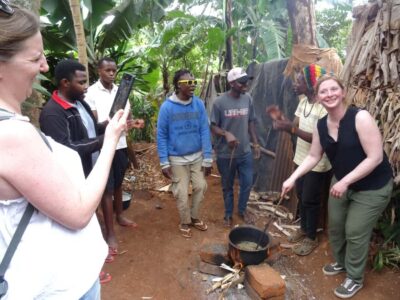
Arusha or Moshi : Hot Spring, Waterfall & Coffee Farm Tour
Read our review →
Browse the lists this tour appears in