
Review · TANZANIA
Visit Sisal Plantations & Processing Factory – Full Day Tour
Tanga’s sisal story is much bigger than a visit to a farm. This full-day outing shows you how a hardy plant became Tanzania’s leading export earner for decades, then follows the fiber from field to factory. Amboni Caves adds a second layer of local interest before the plantation visit begins.
I like the clear look at work that still shapes Tanga’s identity, and I like that you see more than a finished souvenir. You learn about planting, care, harvesting, processing, packing, and export, then see how sisal becomes ropes, baskets, carpets, and door mats. The main drawback is the eight-hour schedule: this is a long day, and the experience is more educational than polished or entertainment driven.
Key points at a glance
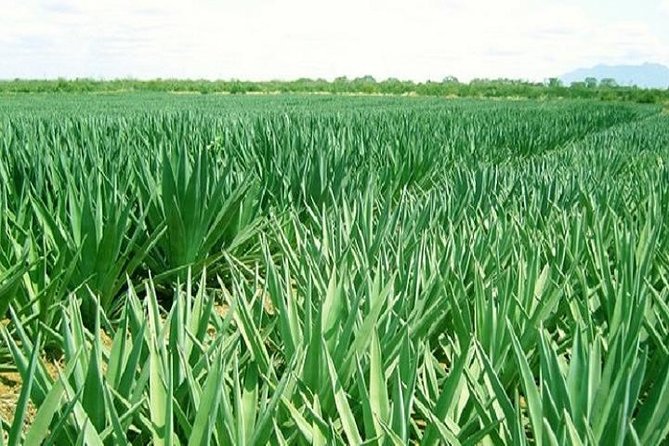
- Sisal from plant to product: Follow the crop through cultivation, harvesting, fiber preparation, packing, and export.
- Amboni Caves included: Begin with one of Tanga’s best-known natural and cultural sights before heading to the plantation.
- Tanga’s economic story: Learn why sisal once employed more than 1,000,000 permanent and casual workers across Tanzania.
- Private transport: Your group travels in an air-conditioned vehicle, with pickup offered and a start time of 8:30 am.
- Possible Pangani addition: A reported schedule included a stop in historic Pangani and lunch beside a beautiful beach, but confirm this before booking.
- Simple, useful souvenirs: Sisal products include ropes, baskets, carpets, and door mats.
Why Tanga’s sisal story matters
Sisal is not just another agricultural crop in Tanzania. It helped shape Tanga, created large-scale employment, and connected the country to overseas markets. If you only see beaches and historic buildings on the coast, you miss a major part of how the region developed.
The crop was introduced commercially in 1893 by Dr. Richard Hindorf, a German agronomist. Production spread from Tanzania into Kenya, Mozambique, and Angola. At its peak in 1964, Tanzania produced 234,000 tons of sisal.
That figure gives the visit weight. Sisal was once Tanzania’s largest foreign exchange earner and its biggest employer, with more than 1,000,000 permanent and casual workers. Tanzania also became the world’s largest producer of sisal, known for producing high-quality fiber.
I find this context especially useful because it turns a factory visit into a lesson about trade, labor, and colonial-era agriculture. You are not simply looking at a plant. You are looking at an industry that reached across much of the country, from Tanga and Morogoro to Coast, Kilimanjaro, Arusha, Singida, Iringa, Mwanza, Shinyanga, Mara, Mtwara, and Lindi.
More Plantation Tours in Tanzania:
- Materuni Waterfall and Coffee Plantation Half Day Tour
★ 5.0 · 30 reviews - Cycling through the TPC plantations
★ 5.0 · 10 reviews - Arusha: Coffee Plantation Tour with Tasting and Hands-On …
★ 5.0 · 4 reviews
Starting at Amboni Caves
The day begins after breakfast, with departure from your hotel at about 8:30 am. The first stop is Amboni Caves, before the tour moves into the sisal country around Tanga.
The caves give the morning some variety. You begin with a natural attraction, then shift to farming and industrial production. That change helps break up the long day and gives you two very different ways to understand the region.
Admission to Amboni Caves is included in the stated tour program. The supplied details do not specify how long you remain there, the exact cave route, or the conditions inside, so you should ask for the day’s timing when you book. The full experience lasts about eight hours, and the plantation visit is the main focus.
I would not book this outing only for the caves. Their value here is as an opening stop that adds local character before the main agricultural visit. If caves are your chief interest, you may want a separate, more focused visit. If you want a broader day around Tanga, the combination makes sense.
Seeing sisal in the field
After Amboni Caves, the tour continues to a sisal plantation. This is where the crop’s story becomes practical.
You learn how sisal is planted and cared for, then how the mature leaves are harvested. The plant produces long fibers that can be prepared for commercial use. The strength of the visit is the chance to connect each stage, rather than seeing only a finished rope or basket in a shop.
The tour is particularly useful for anyone curious about how agricultural products reach export markets. You are shown the path from plantation to raw material, then onward to packing and export. That sequence explains why the crop mattered so much to Tanga and Tanzania’s wider economy.
Do not expect a soft, decorative farm visit. Sisal production is work. The useful questions are practical ones: how the plants are maintained, how the leaves are cut, how the fiber is separated, and how the raw material is prepared for sale. The available information promises explanations of cultivation, care, harvesting, and processing, so ask the guide to connect those steps as clearly as possible.
The tour is private, meaning only your group takes part. That matters here because a private visit gives you more room to ask about the parts that interest you, such as production methods, local employment, or the shift from raw fiber to household goods.
Inside the processing stage
The processing section is the heart of the experience. You see how sisal moves from a green plant in the field to a useful raw material.
The tour covers processing, packaging, and exporting. Those final stages are important because they show that farming is only one part of the business. The crop must be handled, prepared, sorted, packed, and sent onward before it earns money.
You may see or hear about the production of ropes, carpets, baskets, and door mats. The supplied information does not promise a demonstration of every product or a shopping session, so keep your expectations practical. This is primarily a working agricultural and processing visit, not a dedicated craft workshop.
Still, the finished goods give the raw fiber a clear purpose. A rope shows sisal’s strength. A basket or mat shows how the same material can become a household object. Carpets show its use on a larger scale. I like this part because it helps you remember the process after the visit ends.
The tour also gives you a better sense of the difference between raw material and finished product. If you have seen sisal goods in markets but never understood where they came from, this is the missing link.
More Full-Day Trips in Tanzania:
- Full-Day Private Stone Town +Spice Farm and Prison Island Tour
★ 4.5 · 216 reviews - Zanzibar full day Jozani forest + Spice farm and stone town
★ 4.7 · 90 reviews - Ubud: Full-Day Rice Terrace, Monkey Forest & Waterfall
★ 5.0 · 2,634 reviews - Full-Day Tour to Water Temples and UNESCO Rice Terraces in Bali
★ 5.0 · 2,539 reviews
The broader Tanga connection
Tanga has strong links to Tanzania’s German colonial period, and sisal belongs to that wider story. The crop became a major commercial undertaking during an era when European agricultural interests were reshaping land, labor, and trade along the coast.
The experience does not appear to be a full German colonial history tour, but it places the sisal industry inside Tanga’s past. The provider also points visitors toward museums, historic buildings, and World War I graves in the city. Those sights are not listed as formal stops in this outing, so consider them separate additions if you have extra time.
One reported version of the day included a visit to Pangani, another historic coastal location near Tanga, with lunch by a beautiful beach. That sounds like a strong regional pairing, but it is not clearly included in the core schedule provided here. Ask before booking if Pangani and lunch are part of your departure date.
That small check matters. An eight-hour day can feel generous if it includes several stops, but tighter if it focuses on the caves, plantation, factory, and transport alone.
What the $150 price means
The cost is $150 per person. The value depends on how you use the day.
You are paying for a private experience, hotel pickup, an air-conditioned vehicle, a full day of guiding, and access to the plantation and processing stages. Admission to Amboni Caves is included. For a visitor who wants a focused look at Tanga’s agricultural economy, the price can make sense because this is not just a transfer to a farm. It combines transport, interpretation, and several connected stops.
The value is less obvious if you want a cheap sightseeing day or a relaxed beach excursion. The sisal subject is specific, and much of the time is devoted to learning how an industry works. You should book it because you care about the story, not because the price suggests a luxury outing.
A private tour can also be better value for couples, families, or small groups who want to ask questions at their own pace. The vehicle and guide are not shared with a larger party. That gives the day a more personal feel, although the exact vehicle size and guide name are not provided.
Timing, comfort, and what to bring
The stated start time is 8:30 am, and the total duration is about eight hours. Plan for most of the day to be occupied. Pickup is offered, but the exact pickup area is not specified, so confirm that your hotel is covered.
An air-conditioned vehicle is included. That is a meaningful comfort feature for a full day around Tanga, especially with time spent traveling between the caves and plantation. The details do not state whether food, drinks, or personal entrance costs beyond the included cave admission are covered.
Bring money for personal expenses, as personal items are not included. Comfortable clothing and practical shoes make sense for a day that includes caves, plantation ground, and industrial areas. These suggestions are basic rather than special equipment requirements. The provided details do not list any required gear.
Most people can participate, according to the tour information. Still, the operator does not provide specific accessibility details for the caves, plantation, or factory. If stairs, uneven ground, or mobility support matter to you, ask before reserving.
Who will enjoy this day most
I would recommend this outing to you if you like local economies, working agriculture, industrial heritage, and the small details behind everyday products. It is also a good choice if you have already seen Tanga’s coastal sights and want a different angle on the region.
Families with older children may find the plant-to-product story easy to follow. Students, photographers interested in rural work, and visitors studying Tanzania’s history may also get a lot from it.
The tour is less suitable if you want a slow beach day, a wildlife outing, or a tightly scheduled list of famous attractions. The experience centers on sisal. That focus is its strength, but it also limits its appeal for anyone who prefers scenery and leisure to explanation.
The private format helps if your group has its own interests. You can ask more about farming, exports, local employment, or the products made from the fiber instead of following a large group’s fixed rhythm.
Booking details and cancellation
Confirmation is provided at the time of booking. The tour begins at 8:30 am, lasts about eight hours, and offers mobile tickets.
Free cancellation is available if you cancel at least 24 hours before the start time. Cancellations made less than 24 hours before the start time are not refunded, and changes inside that same period are not accepted. The cut-off follows local time.
The experience is operated by Livan Cultural Tourism Enterprise-Tanzania. If your schedule includes Pangani, lunch, or extra Tanga history stops, confirm those details directly because they are not clearly part of the core description.
Should you book the Tanga sisal tour?
Book it if you want to understand Tanga beyond its coastline. The combination of Amboni Caves, a working sisal plantation, and processing information gives you a grounded view of one of Tanzania’s most important historic industries.
The strongest reason to go is the full chain of information: planting, care, harvesting, fiber preparation, packing, export, and finished goods. The main caution is that eight hours is a long commitment for a specialized subject, and the exact schedule may need confirming.
For a private group that values history and local work, $150 can be fair value. Ask about Pangani, lunch, walking conditions, and the day’s precise timing before you book. If those details fit your plans, this is a useful and distinctive way to spend a day in Tanga.
FAQ
What is included in the tour?
The tour includes an air-conditioned vehicle and admission to Amboni Caves. Hotel pickup is offered.
How long does the tour last?
The experience lasts approximately eight hours.
What time does the tour start?
The stated start time is 8:30 am.
Is the tour private?
Yes. Only your group participates in this private tour or activity.
What will I learn at the sisal plantation?
You will learn about planting, cultivation, care, harvesting, processing sisal into raw material, packaging, and exporting.
What products are made from sisal?
The listed sisal products include carpets, ropes, baskets, and door mats.
Is Pangani included?
Pangani was included in one reported version of the day, along with lunch by a beach, but it is not clearly listed as part of the core tour details. Confirm this before booking.
Is the tour suitable for most people?
The provided information says most people can participate. Specific accessibility details for Amboni Caves, the plantation, and the factory are not provided.
Can I cancel for a full refund?
Yes, if you cancel at least 24 hours before the experience start time. Cancellations made less than 24 hours in advance are not refunded.
Just added around Tanzania
- Materuni Waterfalls & Coffee Farm Tour★ 5.0 · 2 reviews
- Materuni Waterfall and Coffee Plantation Half Day Tour★ 5.0 · 30 reviews
- Cycling through the TPC plantations★ 5.0 · 10 reviews
- Microfinance family farm tour – all proceeds to charity★ 5.0 · 2 reviews
- STONE TOWN AND SPICE FARM TOUR★ 4.5 · 2 reviews
- Spice Farm Bike Tour: Pedal Through Aromatic Adventures★ 3.8 · 8 reviews
- Spice Farm – spice up your life in Zanzibar★ 4.6 · 18 reviews
- Spice farm,Stone town and Jozani forest tour with lunch★ 5.0 · 4 reviews
Tanzania Farm Tours, compared.
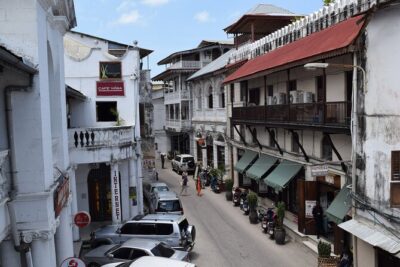
Full-Day Private Stone Town +Spice Farm and Prison Island Tour
Read our review →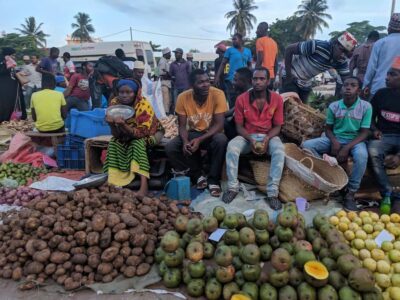
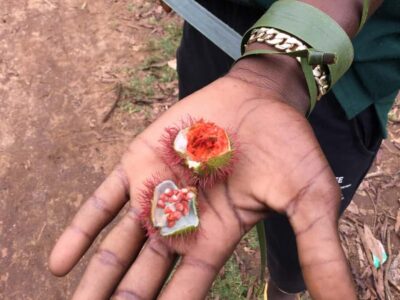
Stone Town & Spice Farm Private Tour Lunch Included
Read our review →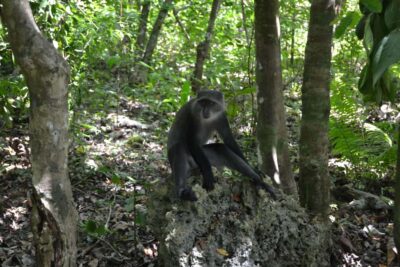
Zanzibar full day Jozani forest + Spice farm and stone town
Read our review →
Arusha or Moshi : Hot Spring, Waterfall & Coffee Farm Tour
Read our review →
Browse the lists this tour appears in