
Review · TANZANIA
Spice Farm – spice up your life in Zanzibar
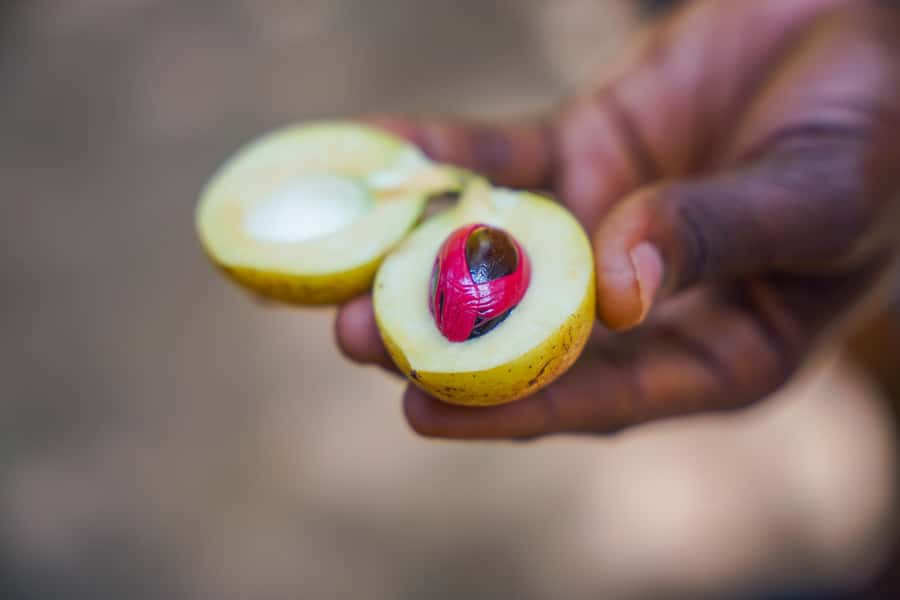
Zanzibar’s spice farms turn a simple walk into a full sensory lesson. You smell crushed cinnamon, taste tropical fruit straight from the farm, and see how cloves, vanilla, ginger, nutmeg, and lemongrass connect to the island’s long trading past. The tour also brings you into rural villages, away from the beach hotels.
I like the friendly, practical guiding, especially the explanations of how spices are used in cooking and medicine. I also like the farm lunch, which gives the outing a satisfying local finish rather than leaving you with only a shopping stop.
The main caution is reliability at pickup. One serious complaint describes a missed hotel pickup and unanswered contacts, even though several other ratings praise the organization. Confirm your pickup details before the day, and keep the provider’s contact information handy.
Key points to know before booking
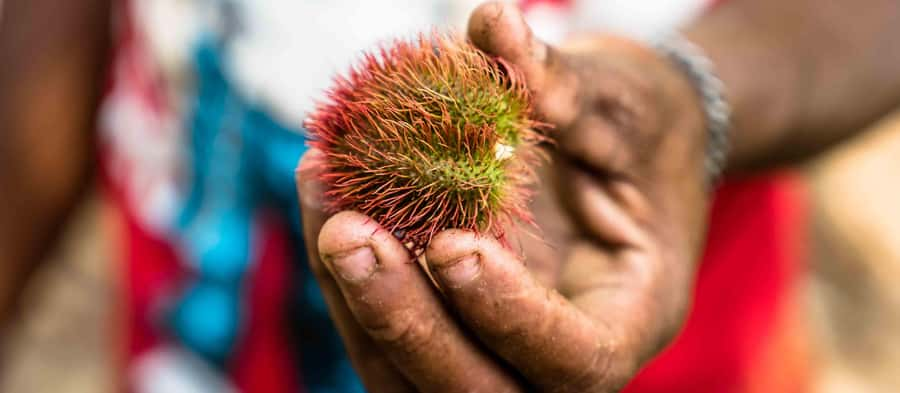
- Cloves and tropical fruit take center stage: Smell, taste, and handle a wide range of plants rather than simply hearing a talk about them.
- The tour reaches beyond the plantation: Village paths and conversations with local people add a human side to Zanzibar’s spice trade.
- Lunch is part of the experience: A traditional Zanzibar meal is prepared in a local kitchen at the farm.
- Hotel transport is included: Pickup and return, bottled water, taxes, fuel surcharges, and service fees are covered in the $60 price.
- Several languages are available: You can request English, Italian, German, French, or Russian.
- Check the pickup carefully: Most transport feedback is positive, but one booking problem involved a driver or promoter who never arrived.
Why Zanzibar became the Spice Island
Zanzibar’s spice story began with trade. In the 16th century, plants from Asia and Latin America found a good home in the island’s warm, humid climate. Cloves, cinnamon, nutmeg, vanilla, pepper, ginger, and other crops became part of the island’s economy and its place in Indian Ocean commerce.
The farm visit gives that history a physical form. Instead of seeing spices only as jars in a market, you can smell a piece of cinnamon bark, handle fresh ginger, or compare the scent of lemongrass and ylang-ylang. I find this useful because it turns a broad historical fact into something you can remember through your senses.
The tour takes place in the Unguja South Region, where rural roads and plantations provide a different view of Zanzibar from the resort coast. You will not be spending the whole day among grand monuments. The appeal is quieter: plants, farms, food, and conversation.
More Spice Farm Tours in Tanzania:
- Zanzibar: Prison Island, Stone Town, & Spice Farm Tour
★ 4.5 · 579 reviews - Full-Day Private Stone Town +Spice Farm and Prison Island Tour
★ 4.5 · 216 reviews - Zanzibar: Stone Town & Spice Farm Tour with Lunch
★ 4.5 · 97 reviews
Walking among cinnamon, vanilla, cloves, and ginger
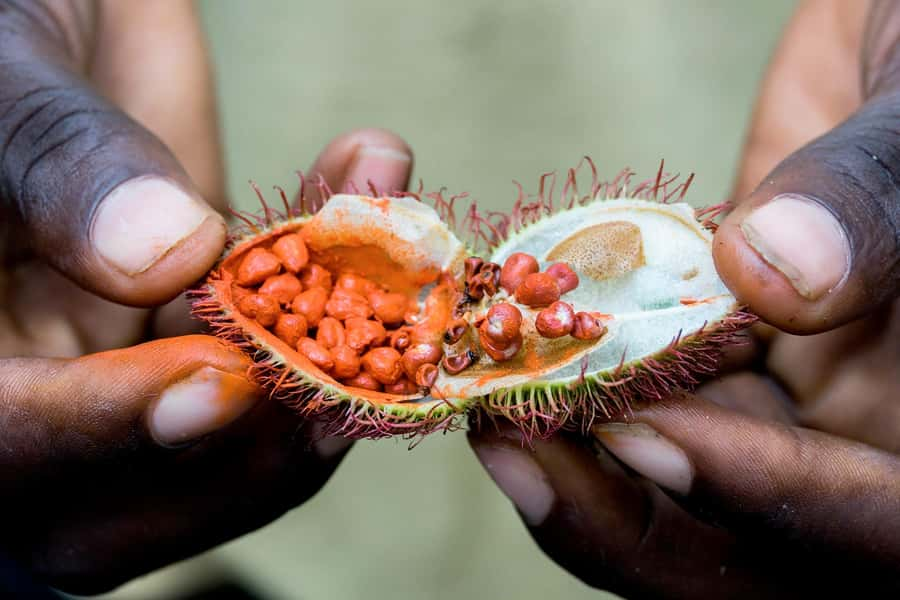
Your guide leads you through plantations and village areas, introducing plants as you go. The tour can include cinnamon, vanilla, nutmeg, lemon grass, cloves, ylang-ylang, cumin, ginger, pepper, tamarind, chili, and other herbs and spices.
Each plant offers a different kind of discovery. Cinnamon is familiar from the kitchen, but seeing the bark and smelling it fresh makes the flavor easier to place. Vanilla is especially interesting because many people know the extract but have never considered the plant behind it. Cloves have a strong scent and an important connection to Zanzibar’s past.
The guide explains culinary and medicinal uses, so this is not just a list of plant names. You learn how local ingredients fit into daily life. The tone is described as informative, competent, and sometimes funny, which matters on a walking tour. A good guide keeps the pace lively and makes room for questions.
No individual guide names are provided, but the activity is offered in English, Italian, German, French, and Russian. If language matters to you, request your preferred option when booking rather than waiting until pickup.
Expect a hands-on visit rather than a formal museum presentation. The information is tied to what you can see and smell in front of you. That makes the tour a good choice if you like learning through food and plants, though anyone expecting a polished botanical garden should adjust expectations.
Tropical fruit tasting with a local flavor

The fruit tasting adds color and sweetness to the spice walk. You may taste mangoes, passion fruit, avocado, papaya, local grapefruit, bananas, pineapples, and other tropical fruit.
This portion gives you a broader view of farm life. Zanzibar’s food traditions are not built only around spices. Fruit, herbs, grains, and fresh produce all help shape the island’s cooking, and the tasting lets you compare flavors that may be less familiar at home.
I particularly like the contrast between the sharp scent of cloves or chili and the soft sweetness of ripe mango or papaya. It also makes the tour work well for families and for anyone who prefers an activity with variety. You are not walking from one spice plant to another for hours without a change of pace.
The exact fruit selection can vary, since it depends on what is available at the farm. The supplied information promises a range of tropical fruit but does not guarantee every item on the list on every date.
A Swahili lunch cooked at the farm
Lunch is one of the strongest reasons to choose this outing over a short plantation walk. You eat traditional Zanzibar food seasoned with local herbs and prepared in a local kitchen at the farm.
That setting matters. The meal is not an unrelated restaurant stop added to the schedule. It follows the spice lesson, so you can recognize the flavors you have just encountered. The food is presented in line with the theme, and the meal has been described as delicious and distinctly Swahili.
I would treat lunch as a cultural part of the tour, not just a convenient way to refuel. Food often explains a place better than a timeline does. You learn what spices actually do in a dish, how strong flavors are balanced, and why ingredients grown nearby remain important.
The information does not give a fixed menu, so you should not book this expecting a particular dish. It does confirm a traditional local meal and bottled water. If you have dietary restrictions, ask the provider before booking, since no special-diet details are supplied.
A few more farm days around Tanzania worth a look
- Zanzibar:Stone Town & Spice Farm Private Tour Lunch Included
★ 4.2 · 94 reviews - Zanzibar full day Jozani forest + Spice farm and stone town
★ 4.7 · 90 reviews - Zanzibar: Spice Farm & Stone Town Tour with Lunch
★ 4.5 · 80 reviews - Arusha or Moshi : Hot Spring, Waterfall & Coffee Farm Tour
★ 4.8 · 80 reviews
What the $60 price includes
At $60 per person, the value depends on how much you want included in a single outing. The price covers hotel pickup and drop-off, the farm visit, local lunch, bottled water, taxes, fuel surcharges, and service fees.
That is a useful package for you if you are staying in Zanzibar and want to avoid arranging separate transport to the southern part of Unguja. Transportation can also make the day easier for families or small groups, since you do not have to find the farm independently.
The meal adds real value. So does the guide, who connects the plants to food, medicine, village life, and Zanzibar’s trading past. If you only want to buy a few packets of cinnamon, this will be more than you need. If you want a guided cultural outing with food and transport included, the price is easier to justify.
Spice purchases are not listed as included. Bring extra money if you want to take cloves, vanilla, cinnamon, or other products home as gifts. The tour specifically allows time to buy spices, but the price and quality of those purchases are not provided.
A rural view of southern Unguja
The setting is important. This is not only a commercial demonstration built for quick photographs. The route moves through rural areas, plantations, and villages, giving you a look at how farming fits into ordinary island life.
You should expect a working farm environment rather than a perfectly controlled attraction. Paths may be simple, and the experience is centered on plants and people instead of displays or large buildings. That can be a strength if you want contact with local life. It may be less appealing if you need a highly structured sightseeing schedule.
The visit also helps balance a Zanzibar holiday focused only on beaches. The island is famous for its coast, but its identity is also tied to farming, trade, cooking, and village communities. A spice farm makes those parts easier to understand.
How the organization measures up
Transport appears to be a strong part of the experience when it works properly. Several ratings describe pickup and return as smooth, and one detailed account says the full day was well organized. Those comments match the convenience promised by included hotel transfers.
Still, I would not ignore the one major service problem. A participant reported that the promoter did not arrive at the hotel, did not answer emails, and supplied a telephone number that was not assigned. Another contact reportedly said there was no reservation. That is a serious concern, even though the overall score is 4.6 from 18 ratings.
The practical response is simple. Confirm the hotel name, pickup time, and working phone number before the outing. Save the booking confirmation and check that the provider, AMAYA TOURS COMPANY LIMITED, has your reservation. This does not erase the complaint, but it gives you a better chance to catch a communication error early.
The booking terms are flexible: you can reserve and pay later, and cancellation is allowed up to 24 hours in advance for a full refund. Those terms are helpful if your Zanzibar plans are still shifting.
Who will enjoy this spice farm visit
I would recommend this tour to you if you like food, farming, local history, and guided walks. It suits people who want more than a beach day but do not want a demanding adventure. The lunch and fruit tasting make it a good fit for families, couples, and small groups with mixed interests.
It is also useful for first-time visitors who want a quick introduction to several sides of Zanzibar at once. In one outing, you get rural scenery, plants, local cooking, tropical fruit, village contact, and a basic history of the spice trade.
You may want a different activity if your main goal is a long, technical study of botany. The tour explains many plants, but the supplied details do not promise a specialist lecture or a formal agricultural tour. You may also be disappointed if shopping is your main aim, since the farm visit and meal are central parts of the day.
What to bring and how to make the most of it
Wear practical clothing for a farm walk and bring an appetite for unfamiliar flavors. Since bottled water is included, you do not need to buy drinking water during the tour, though you may still prefer to carry personal supplies.
Keep your senses open. Smell the leaves and bark when the guide invites you to do so, taste the fruit, and ask how the spices are used in local cooking. The more you connect each plant to the meal, the more rewarding the outing becomes.
Leave room in your luggage for spice purchases if you want gifts for friends at home. Ask about packaging and any travel restrictions that may apply to food products before buying large amounts, since the tour information does not give packing or customs guidance.
Should you book this Zanzibar spice tour?
Yes, if you want a food-centered cultural outing with transport and lunch included. The strongest features are the range of spices, the tropical fruit tasting, the explanations of culinary and medicinal uses, and the traditional farm meal. The 4.6 rating from 18 ratings also suggests that the experience is usually well received.
Book with a little caution around pickup communication. Confirm the reservation and working contact details before the day, especially because one participant experienced a complete no-show. With that check in place, the tour offers good value for $60 and gives you a grounded look at Zanzibar beyond its beaches.
FAQ
Where does the spice tour take place?
The tour takes place in the Unguja South Region of Tanzania, in rural areas of Zanzibar.
How much does the tour cost?
The price is $60 per person.
Is hotel pickup included?
Yes. Pickup from your hotel and return to your hotel are included.
Is lunch included?
Yes. You receive a traditional local lunch at the farm, cooked in a local kitchen and seasoned with local herbs and spices.
What spices can I see on the tour?
The tour can include cinnamon, vanilla, nutmeg, lemongrass, cloves, ylang-ylang, cumin, ginger, pepper, tamarind, chili, and other spices and herbs.
Which fruits can I taste?
The fruit tasting can include mangoes, passion fruit, avocado, papaya, local grapefruit, bananas, pineapples, and other tropical fruit.
Is bottled water included?
Yes. A bottle of water is included.
Which languages are available?
The tour is available in English, Italian, German, French, and Russian.
Can I reserve now and pay later?
Yes. You can reserve your place and pay later, so you do not have to pay anything at the time of booking.
What is the cancellation policy?
You can cancel up to 24 hours in advance for a full refund.
Just added around Tanzania
- Visit Sisal Plantations & Processing Factory – Full Day Tour★ 4.5 · 2 reviews
- Materuni Waterfalls & Coffee Farm Tour★ 5.0 · 2 reviews
- Materuni Waterfall and Coffee Plantation Half Day Tour★ 5.0 · 30 reviews
- Cycling through the TPC plantations★ 5.0 · 10 reviews
- Microfinance family farm tour – all proceeds to charity★ 5.0 · 2 reviews
- STONE TOWN AND SPICE FARM TOUR★ 4.5 · 2 reviews
- Spice Farm Bike Tour: Pedal Through Aromatic Adventures★ 3.8 · 8 reviews
- Spice farm,Stone town and Jozani forest tour with lunch★ 5.0 · 4 reviews
Tanzania Farm Tours, compared.

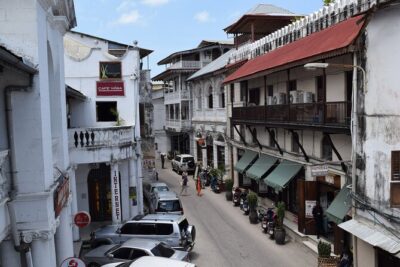
Full-Day Private Stone Town +Spice Farm and Prison Island Tour
Read our review →
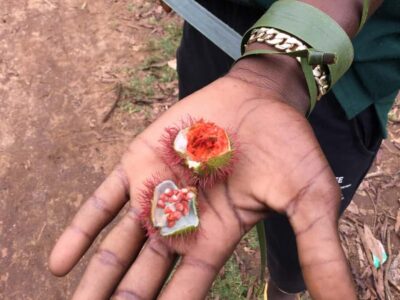
Stone Town & Spice Farm Private Tour Lunch Included
Read our review →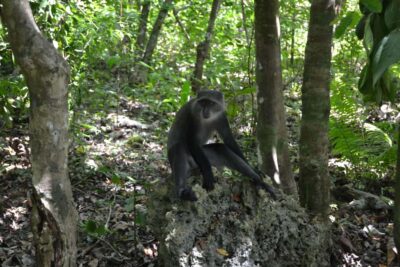
Zanzibar full day Jozani forest + Spice farm and stone town
Read our review →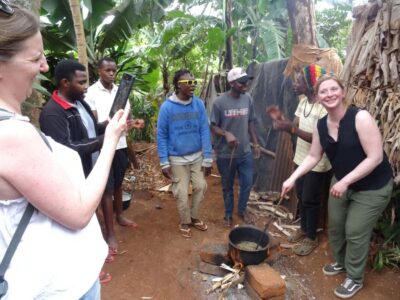
Arusha or Moshi : Hot Spring, Waterfall & Coffee Farm Tour
Read our review →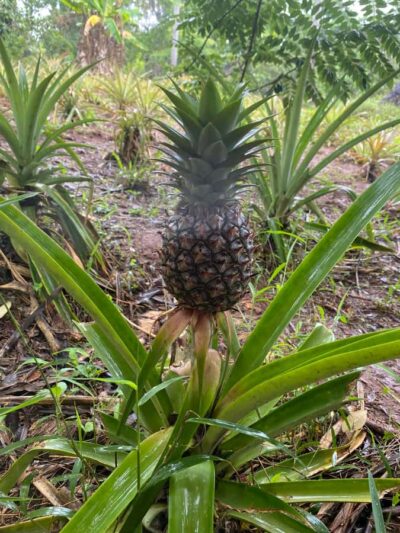

Browse the lists this tour appears in