
Review · ZANZIBAR
Zanzibar: Spice Farm Tour with Traditional Cooking Class
Zanzibar’s spices make the most sense when you can touch a cinnamon stick, smell fresh lemongrass, and then use local ingredients in lunch. This five-hour outing combines a farm walk with a hands-on Swahili cooking class, so you do more than hear a list of plant names.
I like the chance to harvest vegetables with your culinary guide, and I like the generous tasting of tropical fruit, including mango, papaya, pineapple, bananas, passion fruit, avocado, and local grapefruit. The main drawback is that the farm is fairly small and designed for short visits, while repeated requests for tips can take some shine off the day.
Key points at a glance
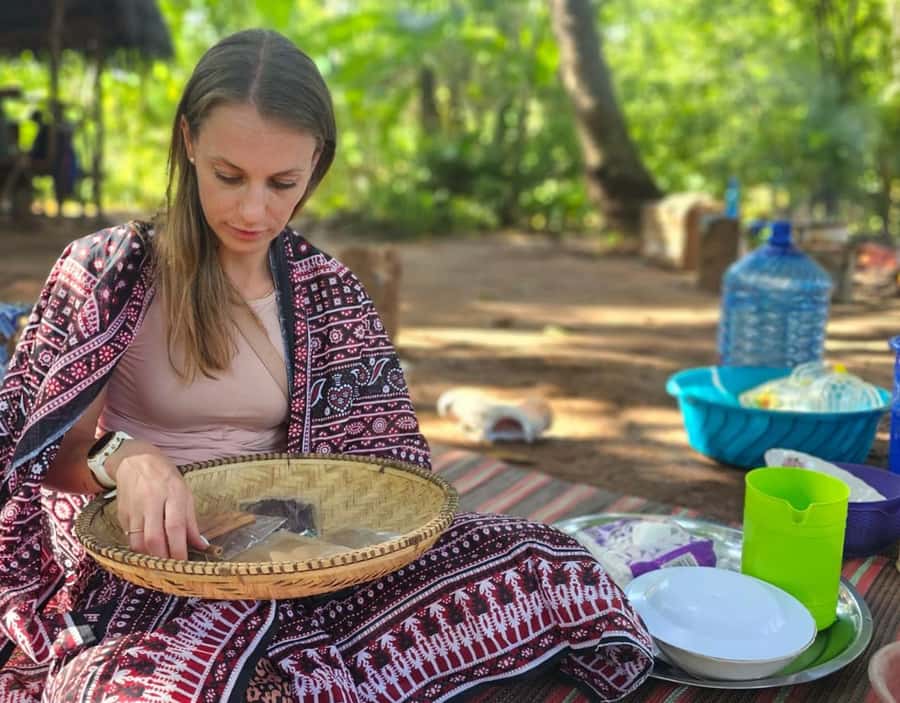
- Taste spices at their source: Smell and sample cinnamon, vanilla, nutmeg, cloves, ginger, pepper, tamarind, chili, ylang-ylang, and more.
- Cook what you help gather: Harvest vegetables and spices before preparing a traditional meal with a local chef.
- Expect about two hours on the road: The van ride from Stone Town takes roughly one hour each way.
- Private does not always mean quiet: The booking is for a private group, but the farm can have several groups moving along the same paths.
- Lunch is the payoff: You eat the Swahili food prepared during class, with drinks and tropical fruit included.
- Budget for small tips: Several people may help during the visit, and tipping is commonly expected at different stops.
From Stone Town to Jambo Spice Farm Dole

The day begins with hotel pickup in Stone Town or another Zanzibar hotel. Your driver meets you in the lobby or reception area, then the van takes about an hour to reach Jambo Spice Farm Dole in the Unguja South Region.
That hour matters when you plan your day. The activity is advertised as five hours, but the round-trip drive uses about two of them. You are left with a focused farm visit and cooking session rather than a full-day rural outing.
Pickup and return are included, which is a real help in Zanzibar. You do not need to arrange a taxi to a farm outside town, and the return goes back to Zanzibar or Stone Town. Provide your hotel name and room number when booking so the pickup is clear.
The ride also means you should think about breakfast, water, and sun protection. Water is recommended, along with sunscreen, insect repellent, a hat, and shoes that can handle walking and cooking.
More Farm Cooking Classes in Tanzania
- Zanzibar: Spice Farm Tour with Traditional Cooking Lesson
★ 4.8 · 77 reviews - A private half day spice farm with a cooking lesson
★ 5.0 · 13 reviews - Zanzibar: Spice Farm Tour and Cooking Class with Lunch
★ 4.2 · 11 reviews
Reading the spice plants with your guide
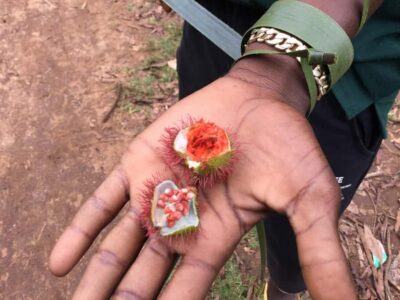
At the farm, you start with a walking tour. The guide introduces the plants one by one and explains their place in Zanzibar food, as well as their culinary and medicinal uses.
This is the most useful part for anyone who has wondered what a spice actually looks like before it reaches a market jar. You may smell cinnamon, vanilla, nutmeg, lemongrass, cloves, ylang-ylang, cumin, ginger, pepper, tamarind, and chili in their growing environment.
The guide may also turn the walk into a guessing game. Instead of naming each spice at once, you are asked to identify it by smell or appearance, then learn how it is used. That simple approach keeps the tour active and works well for children.
The farm is not a huge commercial plantation. It is better understood as a larger garden with winding paths and several stops arranged for visitors. You might pass other groups, and some portions can feel set up for tourism rather than agricultural work.
That is not a deal-breaker, but it sets the right expectation. Book this for an accessible introduction to Zanzibar’s spices, not for a long, solitary walk through working fields.
Fruit tasting and the small extras
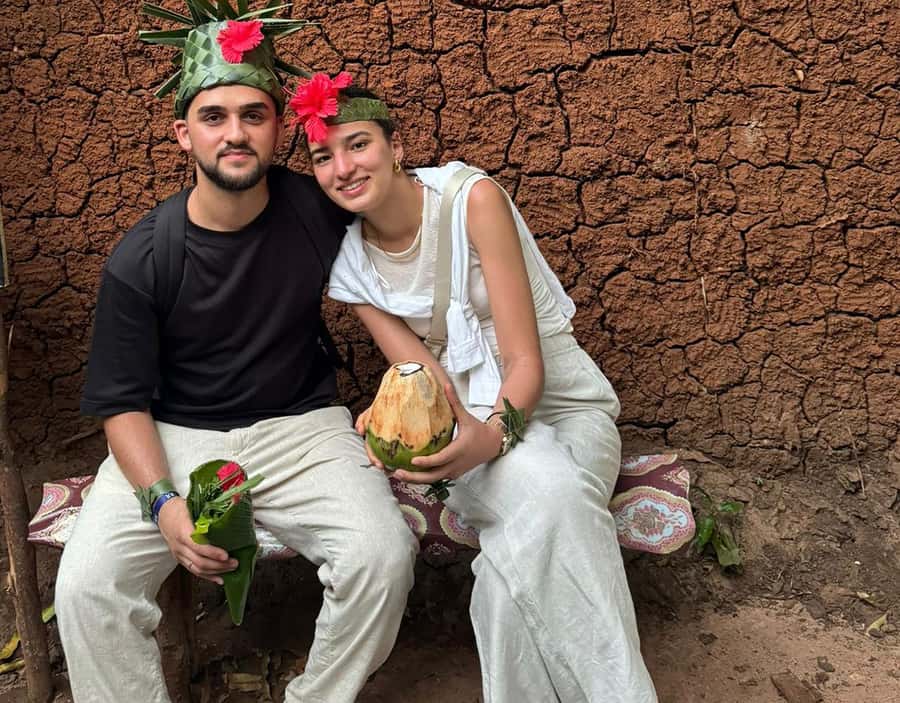
The farm visit includes freshly picked tropical fruit. Depending on what is available, you may taste mangoes, passion fruit, avocado, papaya, local grapefruit, bananas, pineapples, and other seasonal produce.
This tasting adds welcome variety to the spice walk. Fruit gives you a chance to sit, refresh yourself, and compare familiar foods with local varieties. It also helps make the experience suitable for families. A three-year-old child was included in one family’s visit and took part in the farm and kitchen activities.
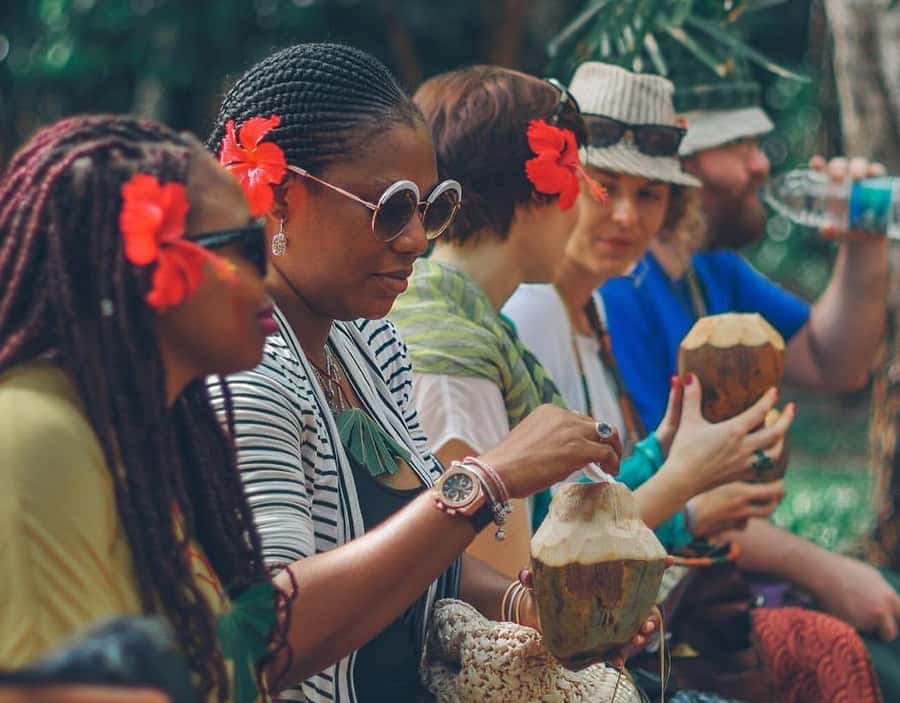
Some additional demonstrations may appear along the path. Coconut preparation, leaf decorations, and other small displays can be part of the welcome. These moments may be fun, but be aware that they can lead to requests for a tip or a purchase.
The same applies to buying spices and fruit. Shopping is included as an opportunity, not a requirement. If you want cinnamon, cloves, vanilla, or other products to take home, bring a little room in your luggage and ask about prices before buying.
Harvesting ingredients for a Swahili meal
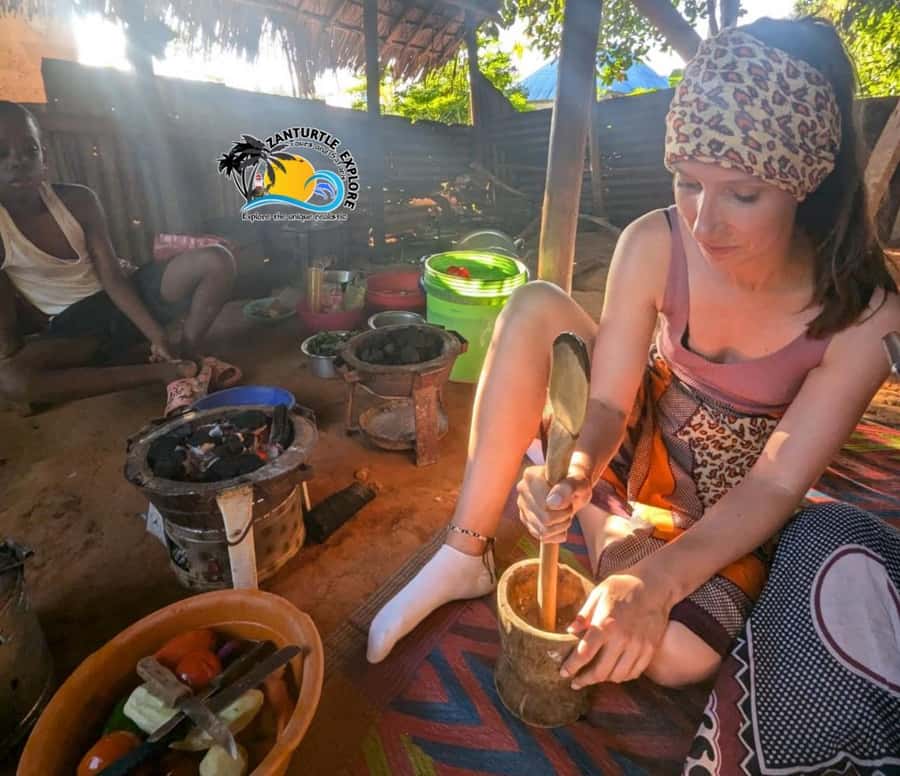
After the walking tour, you help collect vegetables and spices for the cooking class. This is a modest task, but it gives the meal a clear connection to the farm.
I like this sequence because you see the ingredient, handle it, and then use it in food within the same visit. It is more memorable than watching a chef prepare dishes while you sit at a table.
You then move to the cooking area, where a local chef and kitchen team demonstrate traditional techniques. The equipment is modeled on older cooking tools used around Zanzibar’s coast. The setting is part of the lesson, showing how food was prepared before modern kitchen appliances became common.
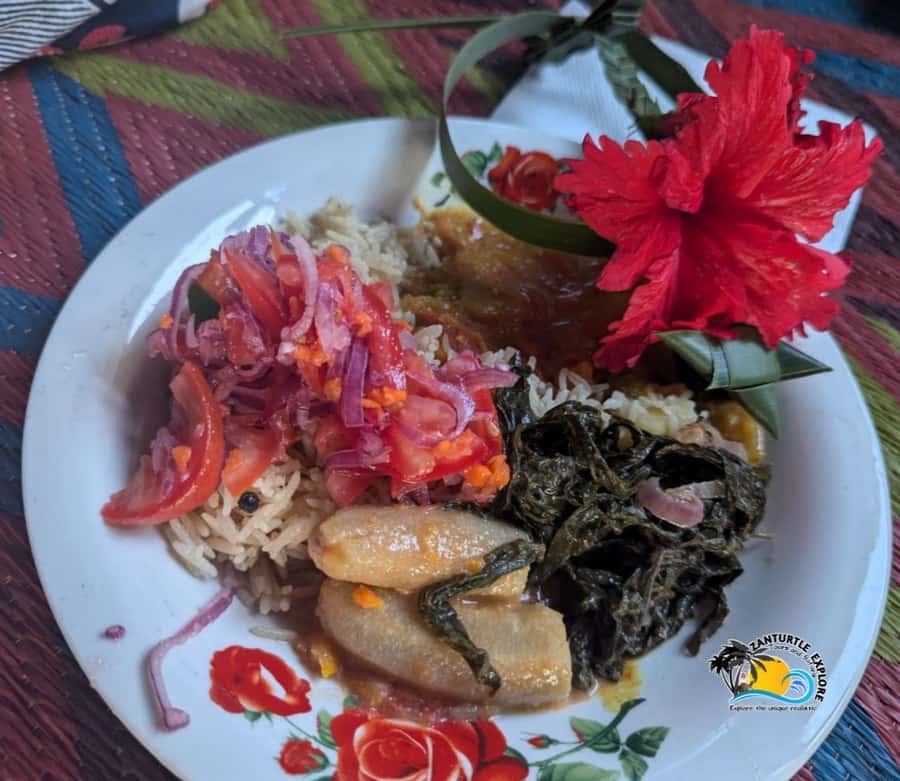
The information provided does not specify a fixed menu, so you should expect a traditional Swahili meal rather than a particular named dish. You participate in preparation and then eat what you have made for lunch.
Cooking is the strongest part of the experience for many people because it turns a sightseeing stop into an activity. Still, the social side can vary. The cooking team may demonstrate the dishes without much conversation, which can feel less welcoming if you hoped for a long exchange with the cooks.
The class is also described as a private-group activity, but the farm may have several parties present. If you prefer a lively shared class with lots of interaction, ask about the format before booking. If you want your own group and a guided lesson, the private setup may suit you better.
Same fields, a different sort of day out:
- Zanzibar: Prison Island, Stone Town, & Spice Farm Tour
★ 4.5 · 579 reviews - Full-Day Private Stone Town +Spice Farm and Prison Island Tour
★ 4.5 · 216 reviews - Zanzibar: Stone Town & Spice Farm Tour with Lunch
★ 4.5 · 97 reviews - Zanzibar:Stone Town & Spice Farm Private Tour Lunch Included
★ 4.2 · 94 reviews
Lunch, music, and the value of participation
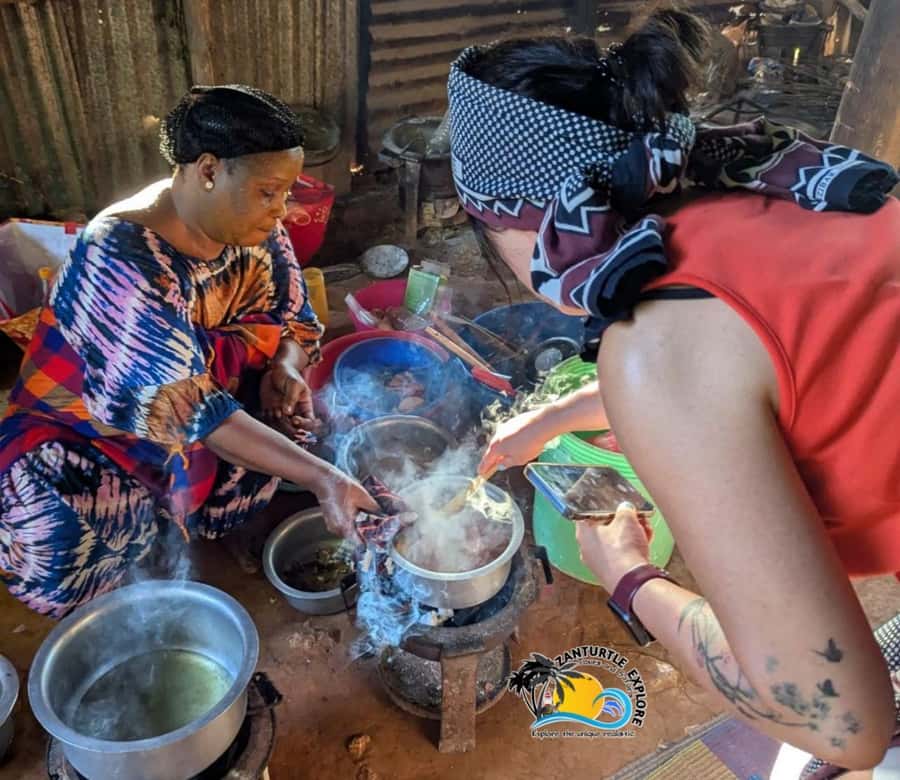
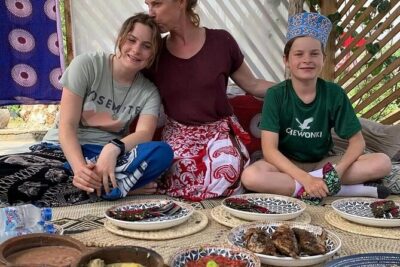
Once the food is ready, you sit down to eat the lunch prepared during class. Drinks and tropical fruit are included, so you are not paying extra for the main meal or the tasting.
Traditional music and dance are also part of the experience. These elements can make the visit feel more like a cultural presentation than a simple farm lesson. They are enjoyable additions, though you should keep your expectations measured: the core experience is the spice walk and cooking class.
At $61 per person, the price is reasonable if you value the full package: hotel transport, entrance and conservation fees, a professional guide, the farm visit, ingredient harvesting, equipment, lunch, drinks, fruit, and the cooking lesson. The one-hour drive each way would cost time and money to arrange independently.
The value is weaker if your main goal is to see a large working plantation. The farm is relatively small, and the experience is built for a short, organized visit. You are paying for instruction, transport, food, and access to several demonstrations, not just for a walk among plants.
Tips should be part of your budget. One person felt uncomfortable because different helpers requested money during the day, including people involved with coconut service, cooking, driving, leaf decorations, and village-related requests. Another person found the requests manageable and gave a total of 10,000 Tanzanian shillings rather than tipping in dollars at every stop.
The practical lesson is simple: decide in advance how much you want to give, carry small local notes, and do not feel pressured to pay repeatedly for every brief extra. Ask your guide what is customary if you are unsure.
What the guides add to the day
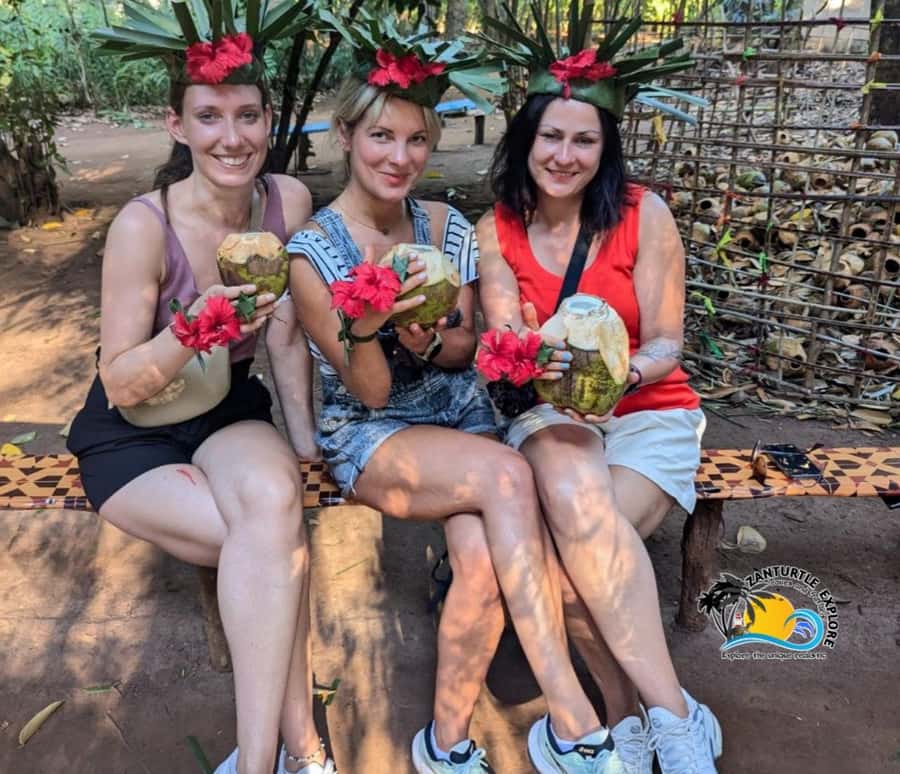
The tour includes a trained, friendly guide, and the activity can be led in Arabic, English, French, German, Italian, Polish, Russian, or Spanish. Language support matters here because the tour depends on explaining plant uses, answering questions, and following cooking instructions.
One cooking host named Aïcha has been associated with the class, and her shared lunch and preparation session received especially warm praise. Other guides are not named in the available information, but the service includes both a guide and, at times, a trainee.
The strongest guiding style is interactive. Ask questions as you walk, smell each spice carefully, and ask how it is used in everyday Zanzibar cooking. You can also ask about medicinal uses, though it is sensible to treat those explanations as cultural information rather than personal medical advice.
The guide may lead you from one planned stop to the next. That makes the visit easy to follow, but it can also feel tightly managed, particularly when shopping or optional demonstrations are built into the route.
Practical comfort and the toilet issue
Wear clothes that are comfortable for walking and cooking. Closed, comfortable shoes are a good idea because the paths are described as winding, and you will be moving between the farm and cooking area.
Bring a hat, sunscreen, insect repellent, a camera, and water. The camera is worthwhile for plant details, fruit, cooking equipment, and the farm walk, but keep it protected from food, dust, and heat.
Facilities are basic. One visit found the toilets particularly poor, so do not expect the comfort level of a polished restaurant or hotel. Use your hotel facilities before pickup when possible, and carry tissues or hand sanitizer as a sensible precaution.
The activity asks you to participate, not simply watch. You will harvest ingredients and help with cooking, so this is not the best choice if you want a purely seated excursion. It is a good fit for families, couples, and small groups who like food, plants, and practical demonstrations.
Booking flexibility and timing

The activity lasts five hours, with starting times dependent on availability. You can cancel up to 24 hours before the start for a full refund, and the reserve-now, pay-later option lets you keep your plans flexible.
Pickup is available from any hotel in Zanzibar, with the meeting point at the hotel lobby or reception area. Confirm the accommodation details carefully, especially if your hotel is outside Stone Town.
Because the drive is long relative to the visit, check the start time against your other plans. Allow room for the return journey rather than scheduling a tight connection or another activity immediately afterward.
Should you book the spice farm and cooking class?
I would book this experience if you want a practical introduction to Zanzibar food and have five hours to spare. The best reasons are the wide range of spices, the fruit tasting, the chance to harvest ingredients, and the meal you help prepare.
I would skip it if you expect a vast plantation, spotless modern facilities, or a completely private farm with no sales stops. The site is small, toilets are basic, and tipping requests may come from several people.
For the best experience, wear sensible clothes, carry local cash for optional tips and shopping, ask questions during the spice walk, and treat the cooking class as the main event. At $61, the included transport, lunch, fruit, fees, and instruction make it a fair choice for food-minded visitors who want to do more than look at Zanzibar from a tour van.
FAQ
How long does the Zanzibar spice farm tour last?
The activity lasts five hours. The van journey from Stone Town takes about one hour each way, leaving the rest of the time for the farm tour, fruit tasting, cooking class, and lunch.
Where does pickup take place?
Pickup is available from hotels in Zanzibar, including Stone Town. The representative meets you in the hotel lobby or reception area, and you should provide the hotel name and room number.
What spices can I see and taste?
The tour may include cinnamon, vanilla, nutmeg, lemongrass, cloves, ylang-ylang, cumin, ginger, pepper, tamarind, chili, and other spices. The guide explains their culinary and medicinal uses.
Is lunch included?
Yes. Lunch, drinks, and tropical fruit are included. You help harvest ingredients and prepare a traditional Swahili meal with a local chef before eating it.
What languages are available?
The tour can be provided in Arabic, English, French, German, Italian, Polish, Russian, or Spanish.
What should I bring?
Bring comfortable shoes, clothing suitable for walking and cooking, a hat, sunscreen, water, insect repellent, and a camera. Be ready to take part in harvesting and cooking activities.
More Farm Cooking Classes in Zanzibar
- Half-Day Thai Cooking Class at Organic Farm in Chiang Mai
★ 5.0 · 19,087 reviews - Cooking Class and Lunch at a Tuscan Farmhouse with Local Market Tour from Florence
★ 5.0 · 4,831 reviews - Chiang Mai: Authentic Cooking Class with Market & Farm Visit
★ 4.9 · 4,546 reviews - Ubud: Balinese Cooking Class at an Organic Farm
★ 5.0 · 1,786 reviews
More Spice Farm Tours in Zanzibar
- Zanzibar full day Jozani forest + Spice farm and stone town
★ 4.7 · 90 reviews - Spice Farm Bike Tour: Pedal Through Aromatic Adventures
★ 3.8 · 8 reviews - FROM NUNGWI: STONE TOWN, SPICE FARM TOUR AND PRISONAL ISLAND
★ 4.7 · 7 reviews - Spice farm,Stone town and Jozani forest tour with lunch
★ 5.0 · 4 reviews
Just added around Zanzibar
- STONE TOWN AND SPICE FARM TOUR★ 4.5 · 2 reviews
- Spice Farm Bike Tour: Pedal Through Aromatic Adventures★ 3.8 · 8 reviews
- Spice farm,Stone town and Jozani forest tour with lunch★ 5.0 · 4 reviews
- FROM NUNGWI: STONE TOWN, SPICE FARM TOUR AND PRISONAL ISLAND★ 4.7 · 7 reviews
- Explore Jozani Forest and Zanzibar Spice Farm★ 4.5 · 2 reviews
- Zanzibar: Spice Farm Tour and Cooking Class with Lunch★ 4.2 · 11 reviews
- A private half day spice farm with a cooking lesson★ 5.0 · 13 reviews
- Zanzibar: Spice Farm Tour with Traditional Cooking Lesson★ 4.8 · 77 reviews
Zanzibar Farm Tours, compared.

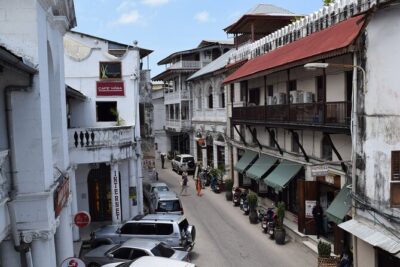
Full-Day Private Stone Town +Spice Farm and Prison Island Tour
Read our review →
Stone Town & Spice Farm Private Tour Lunch Included
Read our review →
Zanzibar full day Jozani forest + Spice farm and stone town
Read our review →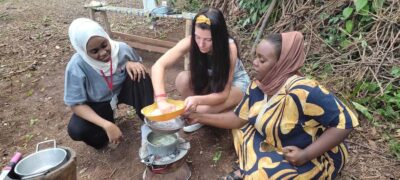
A private half day spice farm with a cooking lesson
Read our review →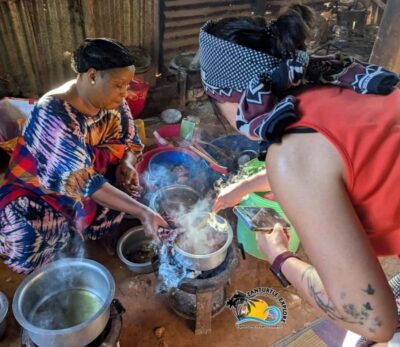
Browse the lists this tour appears in