
Review · SIEM REAP
Angkor Silk Farm & Lotus Silk Farm: Siem Reap Discovery Tour
The most interesting part of this Siem Reap outing is the contrast: one farm follows centuries-old silk methods, while the other turns lotus stems into a fine thread by hand. You see the full silkworm cycle, traditional looms, and the slow extraction of lotus fiber rather than simply browsing finished souvenirs.
I like the clear side-by-side lesson in Cambodian craft, and I like that your $25 supports two social enterprises working with local women. The lotus tea and biscuits are a thoughtful touch, too. The main drawback is the road between the farms, which can feel long and hot, especially in an open tuk-tuk or during the warmer part of the day.
Key points to know before you go
- Two very different textile traditions: Angkor Silk Farm explains silkworm raising, thread production, and weaving, while Samatoa Lotus Farm focuses on plant fiber and sustainability.
- The process matters more than the shopping: You watch fibers being made by hand, so the higher prices in the boutiques make more sense.
- Expect a four-hour morning outing: Departures are at 8:30 AM and 10:00 AM, with pickup and return at Biolab Café in central Siem Reap.
- The lotus stop includes a gentle break: You receive lotus tea and biscuits in the garden after the guided visit.
- Extra craft activities may cost more: Some visits have offered bracelet making, paper making, or trying to pull lotus thread, but these are not part of the basic package.
- Bring cash and sun protection: USD is accepted for boutique purchases, and much of the experience takes place outdoors or in warm work areas.
Why these two farms belong on the same morning
Cambodian silk is familiar to many visitors, but the work behind it is easy to miss. A shop shelf gives you color and pattern. A farm visit shows the mulberry leaves, cocoons, thread, looms, and patient handwork that make those textiles possible.
The lotus farm adds a useful second chapter. Lotus fiber is not made from an insect or a conventional crop. Artisans draw fine strands from lotus stems, join them, and prepare the material for weaving. It is a slow process, and seeing it helps you understand why handmade lotus products cost far more than factory-made cloth.
I find the pairing more useful than visiting either place alone. Angkor Silk Farm gives you the traditional foundation. Samatoa Lotus Farm shows how Cambodian textile work can respond to modern concerns about waste, sustainability, and local employment.
The experience is also easy to fit around other Siem Reap plans. It lasts four hours, runs in the morning, and begins downtown rather than at a distant hotel. You do not need to arrange separate transport or work out the route between the sites.
A few more farm days around Siem Reap worth a look
- Siem Reap Lotus Silk Farm Discovery tour & Lake experience
★ 4.7 · 291 reviews - Siem Reap: Lotus Silk Farm- Tour, Lake & Masterclass
★ 4.9 · 77 reviews - Lotus Silk Farm: Discover Learn and Experiment the Lotus Flower
★ 5.0 · 45 reviews
Starting at Biolab Café in downtown Siem Reap
Your meeting point is Biolab Café, a garden café in central Siem Reap. Arrive about 10 minutes early and look for the lotus-colored flag marked Pickup, Lotus Silk Farm. The vehicle is grey, and the driver waits outside.
This is a practical meeting point because you can wait in an air-conditioned area with seating, restrooms, drinks, and free WiFi. Hotel pickup is not included, so allow time to reach the café yourself. That detail matters if you are staying outside central Siem Reap or arranging the tour around an early temple visit.
The tour may be shared with other people, so do not assume you will have a private guide or vehicle for the whole morning. Transport is provided by car, although some arrangements have used a tuk-tuk. One useful personal touch from the experience is the driver Vanny, who was praised for being friendly, patient, and careful on the road.
The order of the two farms can change. The listed route begins at Angkor Silk Farm, but some departures have visited the lotus farm first to suit the day’s schedule. Either way, the important point is to allow the full four hours and not plan a tight appointment immediately afterward.
Angkor Silk Farm: from mulberry leaves to finished cloth
The Angkor Silk Farm visit lasts about 45 minutes, followed by roughly 15 minutes for shopping. It is the more traditional half of the morning, and it gives you a straightforward look at how silk begins.
You follow the silkworm life cycle, from cultivation of mulberry plants to the worms and their cocoons. The guide explains how the cocoons become delicate thread, and you can see the production stages rather than just hearing a general account of silk.
This is especially useful if you enjoy understanding how things are made. You see why silk production demands careful timing and repeated handwork. The farm also provides a clearer sense of the connection between agriculture and craft. The finished scarf or cloth begins with plants, living silkworms, and many small stages that are easy to overlook in a shop.
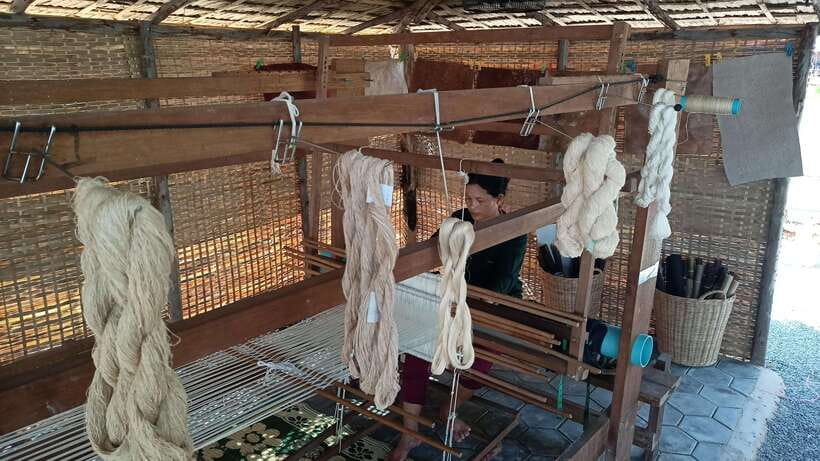
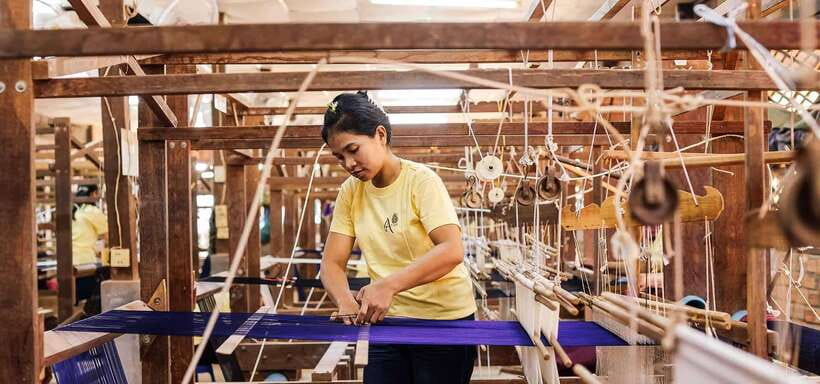
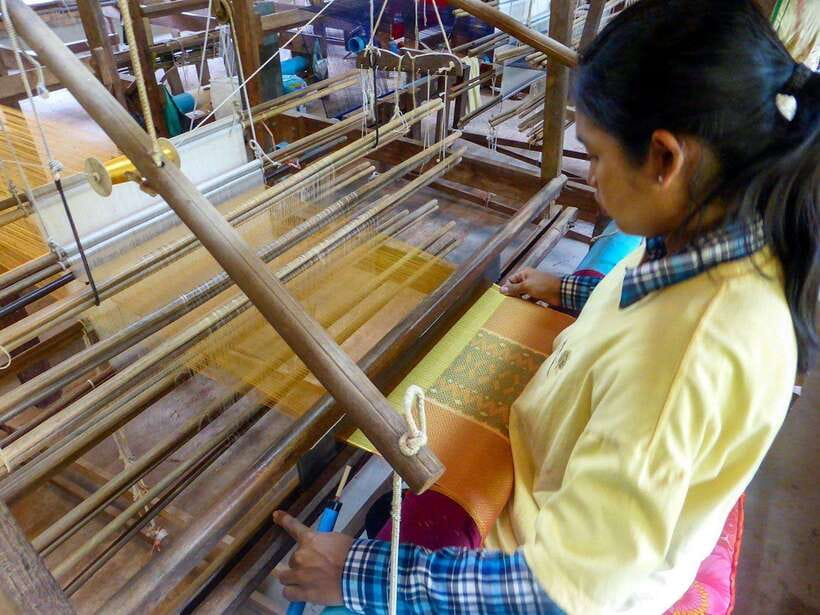
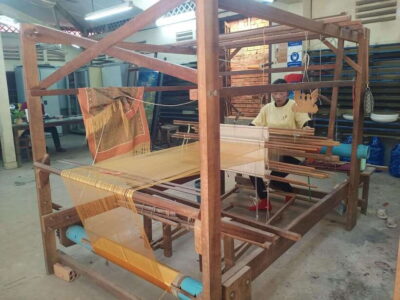
A weaving demonstration on traditional wooden looms is the visual highlight. Skilled weavers create patterns using methods passed through generations. The looms are not just decorative antiques. They show the physical work behind the fabric, including the steady rhythm and concentration required to keep a pattern even.
The visit is guided in English or French, with explanations about silk production and the wider Khmer craft tradition. Photography is allowed, and there are several good chances to photograph cocoons, looms, thread, and work in progress. Ask before getting too close to workers or equipment, and remember that this is a working site rather than a staged photo set.
The farm shop follows the tour. You will find handmade silk products, and purchases help support local artisan work. Shopping is optional and not included in the $25 price. I suggest looking first and buying later, especially if you are visiting other craft shops in Siem Reap. The explanations here make it easier to judge the difference between careful handmade work and cheaper mass-produced goods.
Several people find this the most informative stop because it explains the entire silk process in a simple, visible way. If your main interest is classic silk, looms, and Cambodian weaving, this farm may be your favorite part.
The countryside transfer: useful, scenic, and sometimes tiring
Between the farms, you travel through the countryside by car or tuk-tuk. This gives you a look at rural Cambodia beyond the temple zone, but the road section is also the least consistent part of the experience.
Some of the drive can be pleasant, with open views and glimpses of ordinary rural life. It is a useful change from Siem Reap’s central streets and a reminder that these crafts depend on communities outside the main tourist center.
Still, the transfer can feel long after the first stretch, particularly in strong heat. One person found the ride between the farms uncomfortable and lacking interest after about 10 minutes. If you are sensitive to heat, a car is preferable to an open tuk-tuk when that choice is available. Wear light clothing, carry sun protection, and bring water even though lotus tea is included later.
The route is not designed as a sightseeing drive with extra stops. Unscheduled detours are not part of the package, so treat the countryside views as a pleasant side benefit rather than a separate tour.
Same fields, a different sort of day out:
- Siem Reap: Khmer Water Blessing by Monk and Lotus Farm Visit
★ 5.0 · 15 reviews - Rice Fields & Rural Villages Tour
★ 5.0 · 11 reviews - Siem Reap: Silk Farm & Countryside Offbeat Jeep Tour
★ 4.5 · 11 reviews - Traditional Khmer Water Blessing by Monk and Lotus Farm Visit
★ 5.0 · 10 reviews
Samatoa Lotus Farm: a remarkable plant fiber process
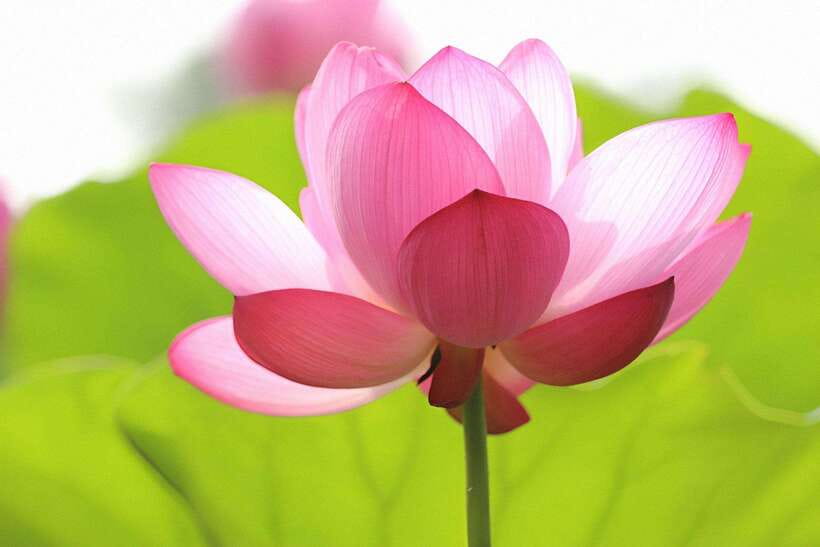
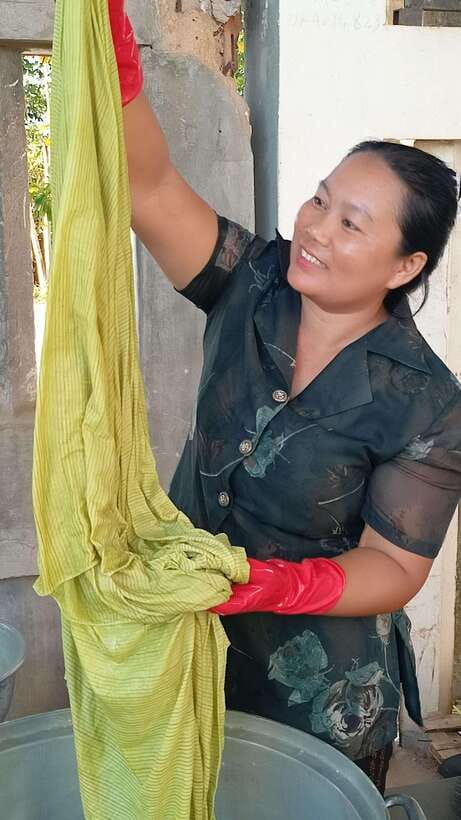
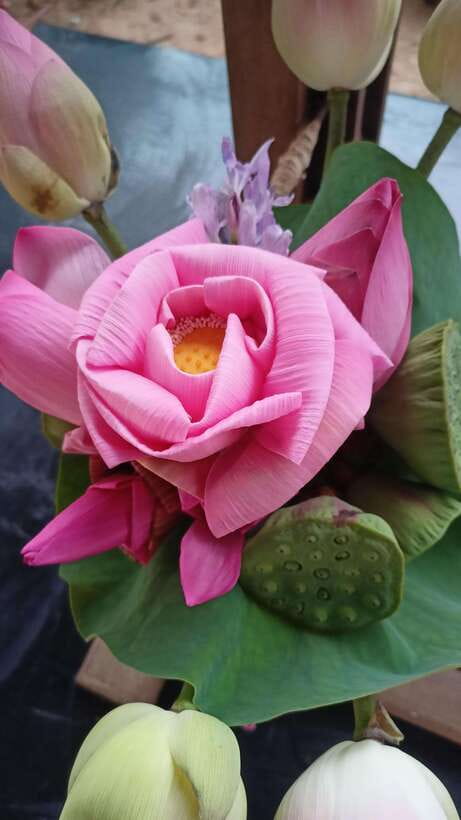
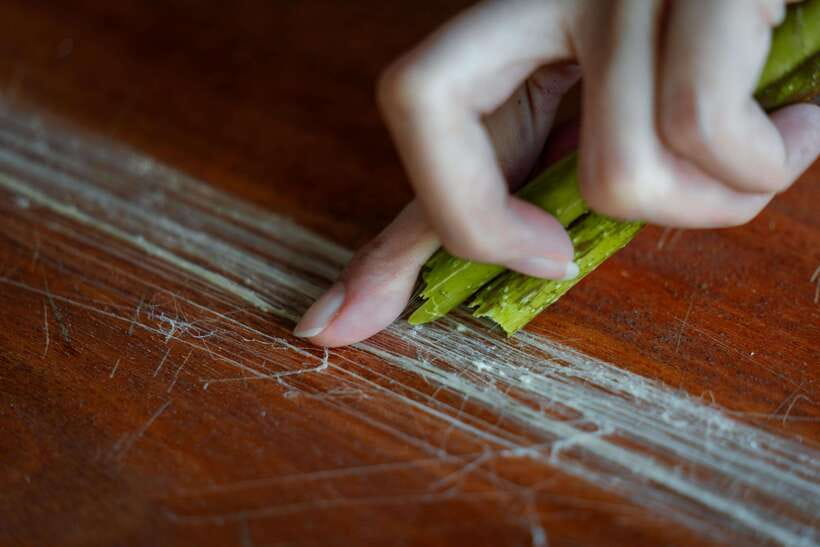
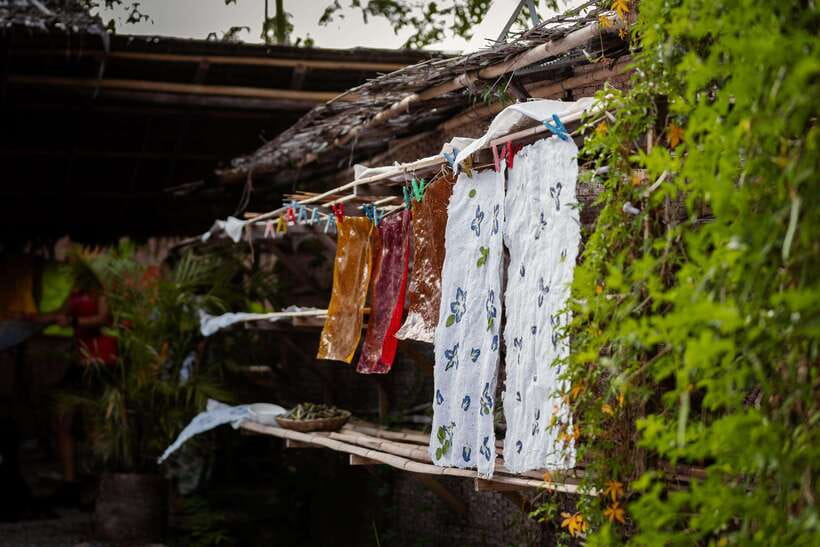
The guided visit at Samatoa Lotus Farm lasts about 30 minutes, followed by tea and shopping. This stop feels different from the silk farm from the moment the material is introduced. Instead of cocoons, artisans work with lotus stems and draw out fine fibers by hand.
The demonstration is the reason to come. A stem is opened and the delicate fibers are pulled, joined, and prepared into a longer strand. The work looks simple at first, but the small scale and care required quickly become clear. You gain a practical understanding of why lotus textiles are unusual and expensive.
The farm also explains its social purpose. The enterprise works to employ and support local women while developing a sustainable textile. For you, that means the visit connects a product with the people and process behind it. You are not just being shown a finished luxury item. You are seeing an attempt to keep skilled handwork useful in present-day Cambodia.
Some bookings or visits have included optional craft activities such as making a lotus seed bracelet, producing a sheet of paper, or trying to create your own lotus thread. These activities are not included in the base tour, so ask about the price before joining. They can add a hands-on element, particularly if you are visiting with a child or someone who likes making things.
An optional boat ride around the lotus-growing area has also been available on some visits. It is not listed as part of the standard package, so do not count on it unless it is confirmed for your departure.
Lotus tea, garden calm, and the two boutiques
After the demonstration, you receive lotus tea and biscuits in the garden. This is a short 15-minute pause, not a full meal. The break gives you time to absorb the process, cool down, and ask follow-up questions.
Do not confuse the included refreshments with the lunch described by some people who arranged an additional meal. Food and extra drinks are not included in the standard tour. If you need more than tea and biscuits, plan accordingly.
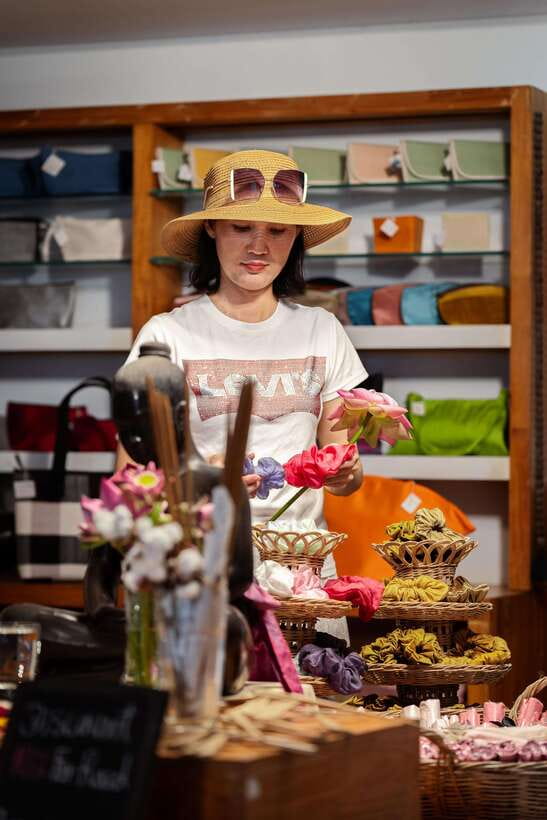
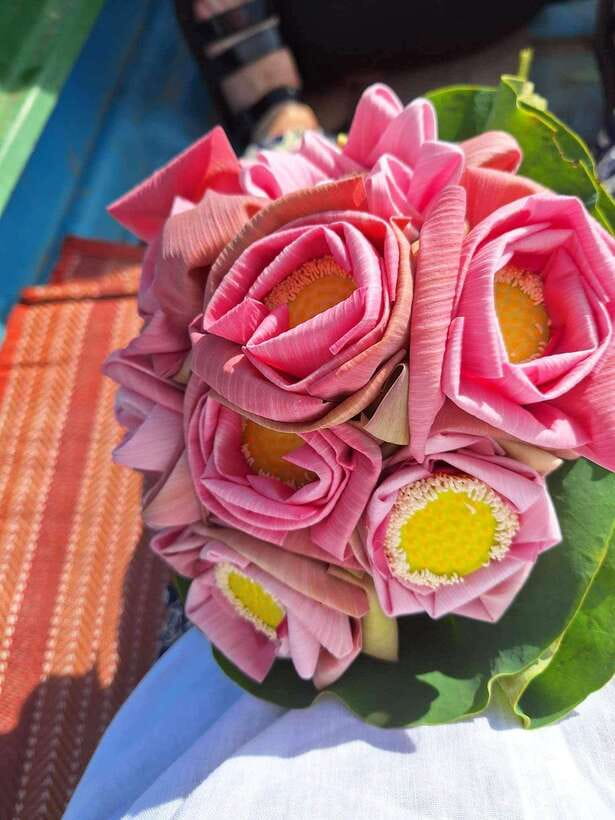
The Samatoa shop carries lotus-based products and other handmade goods. Prices may surprise you, but the demonstration explains the labor involved. Lotus fiber is not a fast industrial material, and the work is done in small stages by hand.
The silk farm has its own boutique, so you have two chances to compare products, materials, and prices. Purchases directly support the artisan enterprises, but shopping remains your own expense. Bring cash, with USD accepted, and leave room in your budget if you are interested in scarves, fabric, bracelets, or other small items.
I like having the shops after the demonstrations rather than at the start. You can decide based on what you have learned, not simply on color or sales display.
What the $25 price really covers
At $25 per person, this is good value if you want a guided explanation of Cambodian textiles rather than a quick photo stop. The price includes transport between the meeting point and both farms, an English or French-speaking guide, the two guided visits, live demonstrations, access to the work areas and displays, and lotus tea with biscuits.
You are also paying for convenience. Without the tour, you would need to arrange transport to two separate sites and organize the timing yourself. The morning creates a clear comparison between silk and lotus fiber without requiring a full day.
The price does not include hotel pickup, lunch, boutique purchases, optional craft work, a boat ride, or extra refreshments. Those exclusions are reasonable, but they can affect your final cost. If you plan to buy textiles or add an activity, carry more than the tour price.
The experience is strongest for people who value process, local enterprise, and practical cultural learning. It is less suitable if you want a full craft workshop, a long countryside excursion, or a food-focused outing.
Timing, comfort, and who should book
The tour runs in the morning, with departures at 8:30 AM and 10:00 AM. The earlier departure gives you more breathing room for the rest of the day, while the later one may suit a slower morning. Check availability because times can vary by date.
All ages and fitness levels are listed as suitable. You will walk around both farms, but no demanding hike is involved. Children must be accompanied by an adult, and the combination of live silkworms, looms, plant fibers, and optional crafts can work well for families.
Wear comfortable shoes, light clothing, a hat, and sunscreen. Photography is allowed at both farms. Restrooms are available at both locations, and free WiFi is available at Samatoa Lotus Farm.
The tour operates in all weather conditions, so prepare for heat or rain. The guide speaks English or French, and the quality of the experience depends partly on how much you ask. The best questions are practical: how long a stage takes, how many hands touch the material, and what makes one textile different from another.
Cancellation is free up to 24 hours before departure, and you can reserve now and pay later. Those terms help if your Siem Reap schedule is still changing.
Should you book the Angkor Silk and Lotus Silk Farm tour?
Book it if you want a compact, well-organized look at Cambodian textile work and you care about where handmade goods come from. The strongest features are the clear contrast between silkworm silk and lotus fiber, the live demonstrations, the chance to meet the work through a guide, and the support for women-led local enterprise.
Choose a different outing if you dislike vehicle time, need a full meal included, or want extended hands-on weaving. The road between the farms can be hot, and the standard visit is demonstration-based rather than a craft class.
For most culture-minded visitors, $25 is a fair price for two sites, transport, guidance, and refreshments. I would book the earlier departure, bring sun protection, and keep some extra dollars for a carefully chosen handmade item. The result is not just a shopping trip. You leave knowing why the work takes time and why that matters.
FAQ
Where does the tour begin and end?
The tour begins and ends at Biolab Café in downtown Siem Reap. Hotel pickup and drop-off are not included.
What departure times are available?
Morning departures are listed at 8:30 AM and 10:00 AM. Arrive 10 minutes before your scheduled departure.
How long does the tour last?
The total duration is four hours, including transportation between the meeting point and the two farms.
Which languages are available?
The tour is conducted in English or French.
What will I see at Angkor Silk Farm?
You will see the silkworm life cycle, silk production from mulberry cultivation through thread extraction, and weaving demonstrations on traditional wooden looms.
What happens at Samatoa Lotus Farm?
You will watch artisans extract fiber from lotus stems, learn about the social enterprise, receive lotus tea and biscuits, and have time to browse handmade products.
Is lunch included?
No. The standard tour includes lotus tea and biscuits, but meals and additional beverages are not included.
Are purchases and craft activities included?
No. Boutique purchases, souvenirs, optional craft activities, private demonstrations, and other personal expenses cost extra.
Just added around Siem Reap
- Rice Fields & Rural Villages Tour★ 5.0 · 11 reviews
- Traditional Khmer Water Blessing by Monk and Lotus Farm Visit★ 5.0 · 10 reviews
- Full Day Siem Reap Farm Tour with Cooking Class and Monk Blessing★ 5.0 · 6 reviews
- Sunset Dinner at Rice Paddy Fields★ 3.5 · 3 reviews
- Floating Kompong Pluk Car+Tour Guide + Boat ticket ( Shear Tour )★ 4.0 · 2 reviews
- Banteay Chhmar Temple & Silk Farm Private Day Trip from Siem Reap★ 5.0 · 6 reviews
- Tuk Tuk Journey: Exploring Rural Life and Silk Farm Craftsmanship★ 5.0 · 4 reviews
- Siem Reap: Silk Farm & Countryside Offbeat Jeep Tour★ 4.5 · 11 reviews
Siem Reap Farm Tours, compared.
Siem Reap Lotus Silk Farm Discovery tour & Lake experience
Read our review →
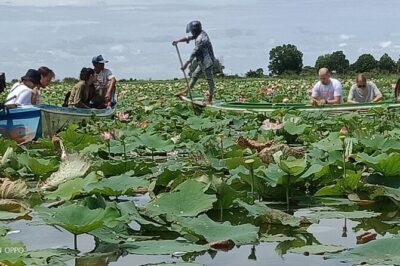
Lotus Silk Farm: Discover Learn and Experiment the Lotus Flower
Read our review →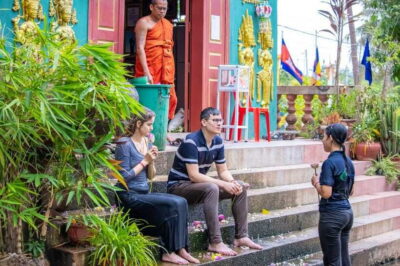
Khmer Water Blessing by Monk and Lotus Farm Visit
Read our review →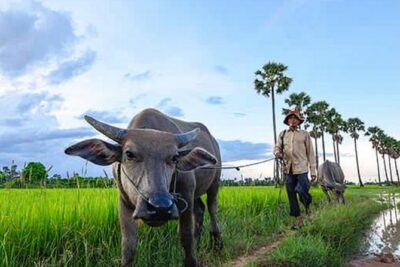
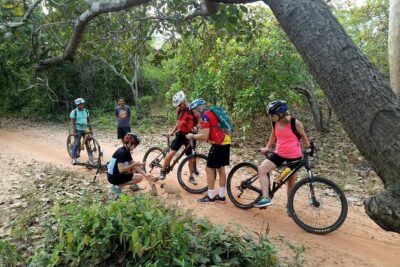
Half Day Trip: Silk Farm, Satcha, and Senteur d’Angkor Tour
Read our review →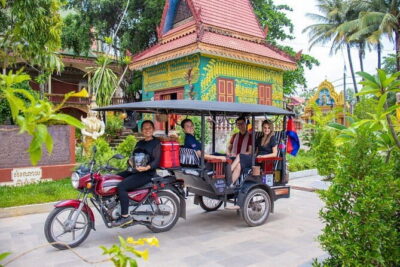
Traditional Khmer Water Blessing by Monk and Lotus Farm Visit
Read our review →Browse the lists this tour appears in