
Review · SIEM REAP
Half Day Trip: Silk Farm, Satcha, and Senteur d’Angkor Tour
The most interesting part of this half-day tour is the way it follows a Cambodian product from mulberry tree to finished silk, then shifts to bamboo work, spices, scents, and other handmade goods. You are not simply browsing souvenir shelves. At the Silk Farm, you see the silkworm cycle and weaving process. At Satcha, six workshops show how old Khmer ideas are given a cleaner, more modern look.
I like the private tuk-tuk format, especially for a short outing from Siem Reap, and I like the clear focus on local craft rather than another temple visit. The main thing to consider is that four 50-minute stops can feel brisk, and not every stop will have the same appeal. One French booking gave the outing only three stars, calling it pleasant but not essential if time is tight.
Key points to know before you book
- Silk Farm first: See mulberry trees, silkworms, silk production, and weaving in one compact visit.
- Six workshops at Satcha: Cambodian bamboo buildings frame demonstrations based on Khmer ornaments and current design.
- Four private stops: The route includes Angkor Silk Farm, Satcha, Senteurs d’Angkor, and Artisan d’Angkor.
- A practical $25 price: The rate covers a private group of up to two, hotel pickup, drop-off, and the four visits.
- Short rides by tuk-tuk: Transfers between stops are listed at about 5 to 15 minutes, so little time is lost on the road.
- Best for a free morning or afternoon: It suits shoppers, craft fans, and anyone wanting a cultural break from Angkor’s stone temples.
Why this four-hour craft tour is worth your time
Siem Reap is best known for Angkor Wat, but the province also has a strong living craft culture. This outing gives you a look at the people, materials, and workshop methods behind Cambodian goods you might otherwise see only in a shop.
I find that useful because handmade products are easier to appreciate when you understand the work involved. A silk scarf looks different after you have seen the mulberry trees and silkworms that begin the process. A bamboo object feels less like a generic souvenir when you have seen the material used in a Cambodian-built workshop.
The tour is private for up to two people, which matters more than it might first appear. You do not need to wait for a large group, and you can browse at your own pace within the fixed schedule. The listed price is $25 per group, not per person, making it especially good value for two people sharing the booking.
The tour carries a 4.7 rating from 10 recorded ratings, with particular praise for the Silk Farm and the kindness of the staff there. One Australian visitor described learning about the entire silk process, from the life cycle through the finished fabric, and gave the visit five stars. That is a good clue about where the tour has its strongest educational value.
More Day Tours in Siem Reap:
- Banteay Chhmar Temple & Silk Farm Private Day Trip from Siem Reap
★ 5.0 · 6 reviews - Mekong Day Trip Explore Village Bicycle CookingClass Group 12 Pax
★ 5.0 · 705 reviews - Seoul: Gangwon-do Day Trip with Alpaca World & Nami Island
★ 4.7 · 581 reviews
Starting in Siem Reap by private tuk-tuk
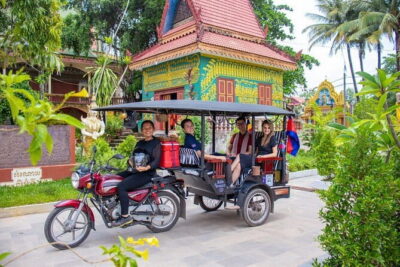
Your day begins with hotel pickup in Krong Siem Reap. The ride is by tuk-tuk, a sensible choice for short local transfers and a more open-air way to see the area between stops.
The listed rides are about 15 minutes to the Silk Farm, 15 minutes to the next center, 15 minutes to the third stop, and about 5 minutes to the final stop. Exact road conditions can affect the timing, but the route is designed to keep transport short and the craft visits central.
The driver speaks English, and the activity is described as a guided experience. No individual guide name is provided, so you should not book this expecting a named specialist. The useful point is that the trip is arranged around explanations, demonstrations, walking, photographs, and shopping rather than a simple transfer between stores.
Wear comfortable walking shoes. Each stop includes time on foot, and the craft centers are working spaces rather than places designed only for sitting. Bring a camera if you enjoy recording processes and details. Smoking is not allowed.
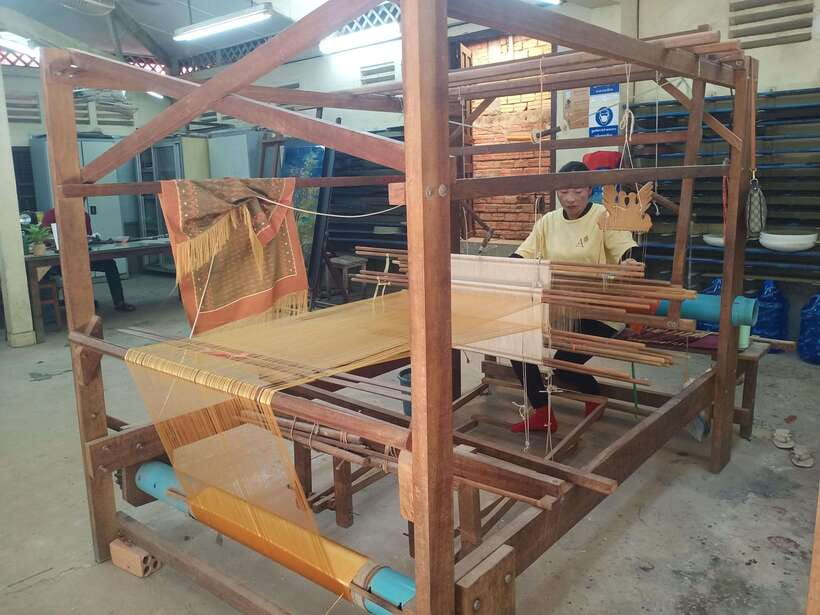
Angkor Silk Farm, from mulberry leaves to woven fabric
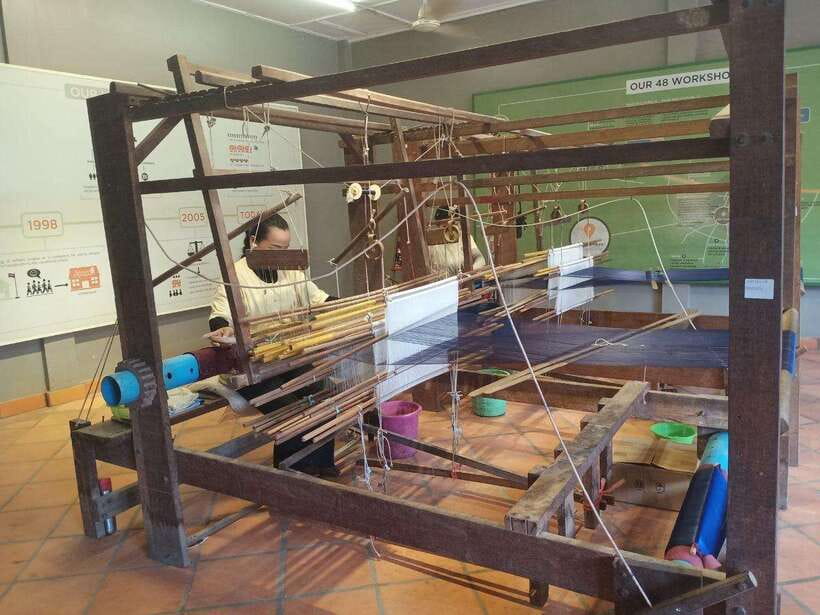
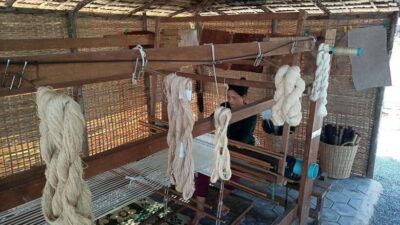
The Silk Farm is the strongest reason to choose this tour. You begin with the mulberry trees, which are carefully cultivated to support the silkworms. From there, the visit explains the silkworm life cycle and the steps that lead to silk fabric.
That sequence gives the stop real structure. You can connect the plant, the insect, the thread, the loom, and the finished textile instead of seeing only a polished product. The visit also includes a workshop, sightseeing, shopping, and time to walk around the farm.
The scheduled visit lasts about 50 minutes. That is long enough for a useful introduction, but you should not expect an all-day textile course. The emphasis is on seeing the process and understanding the traditional method, followed by a chance to look at silk goods.
The silk production is described as being done in old traditional ways. That point matters if you want to see handcraft in context rather than simply buy Cambodian-made fabric. The process can also help you judge the work behind a silk item, though the tour does not provide specific prices or product details in advance.
I would give yourself permission to slow down mentally here. The silk itself may be beautiful, but the best part is the chain of work behind it. A five-star account of this stop praised the complete journey from silkworm life cycle to finished material and singled out the guide and staff for their kindness.
If textiles do not interest you, this may be the point where the tour feels least urgent. The visit is focused, and much of its appeal comes from understanding production rather than from a major landmark or dramatic view. For craft-minded visitors, though, it is the most substantial stop.
Satcha Handicraft Center and its six workshops
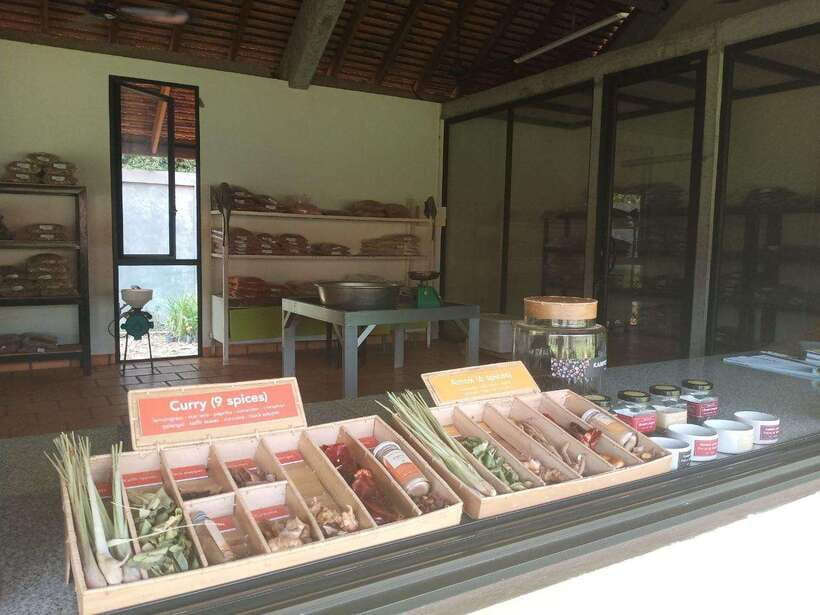
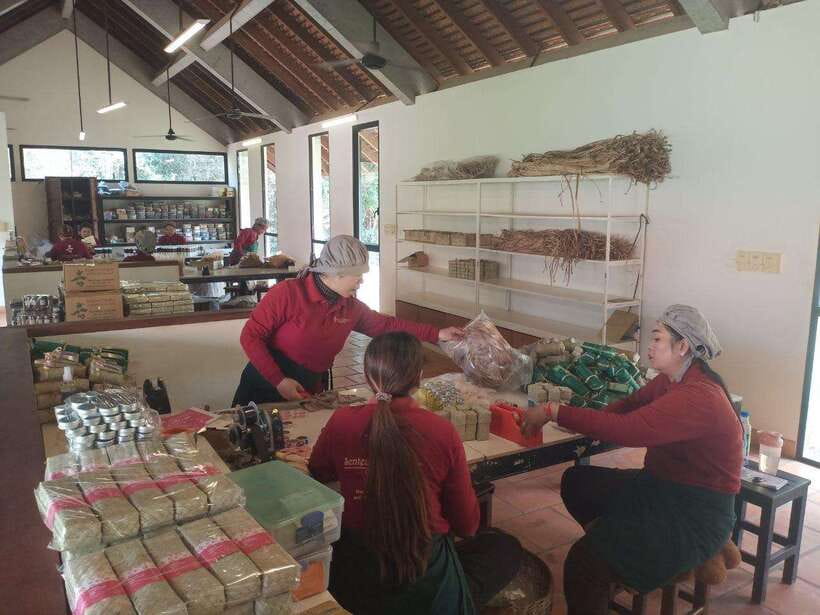
The next stop is Satcha Handicraft Center, where you visit six workshops. The buildings are made exclusively from Cambodian bamboo from Kampong Cham, giving the center a strong connection to local materials before you even enter a workshop.
Satcha pairs traditional Cambodian know-how with contemporary design inspired by Khmer ornaments. That makes this stop different from the Silk Farm. Here, you are looking at how familiar forms and local craft skills can be shaped into products with a more current design.
The center includes a guided visit, shopping, sightseeing, walking, photographs, and workshop time. The schedule allows about 50 minutes. With six workshops, you will likely get a broad overview rather than a long demonstration at every one, so pay attention to the parts that interest you most.
I like this stop for shoppers who want more than mass-produced objects. The bamboo construction gives the place a sense of purpose, and the design connection to Khmer ornament helps explain what makes the products Cambodian rather than simply decorative.
There is also a practical limit. Six workshops in one visit can make the experience feel like a sampler. If you want to ask detailed questions about every technique, you may need to choose one or two areas to focus on. The tour is best understood as an introduction to several forms of craft, not a specialist workshop.
A few more farm days around Siem Reap worth a look
- Siem Reap Lotus Silk Farm Discovery tour & Lake experience
★ 4.7 · 291 reviews - Siem Reap: Lotus Silk Farm- Tour, Lake & Masterclass
★ 4.9 · 77 reviews - Angkor Silk Farm & Lotus Silk Farm: Siem Reap Discovery Tour
★ 4.8 · 68 reviews - Lotus Silk Farm: Discover Learn and Experiment the Lotus Flower
★ 5.0 · 45 reviews
Senteurs d’Angkor and the appeal of useful souvenirs
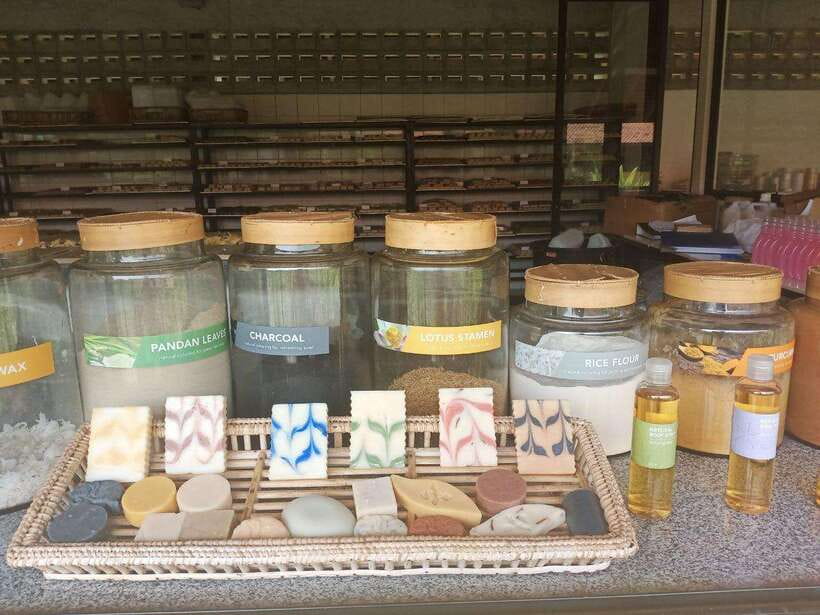
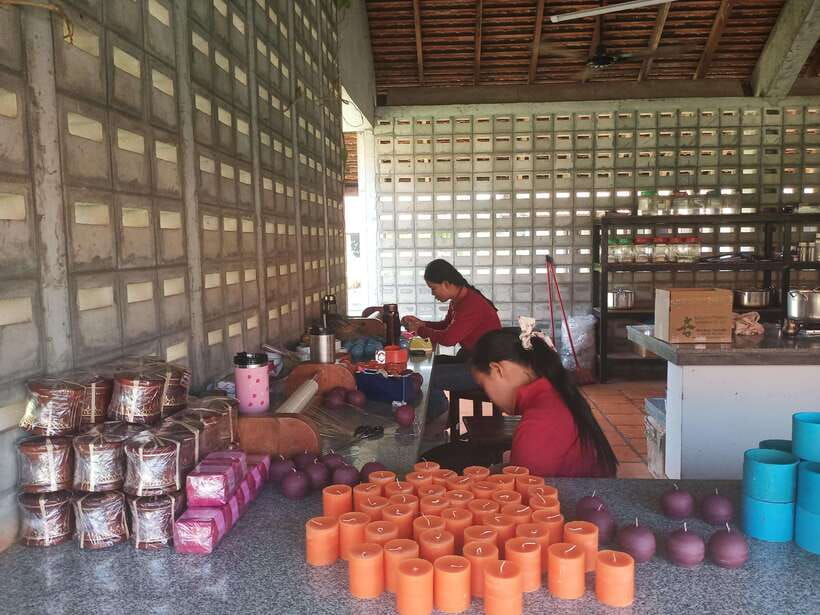
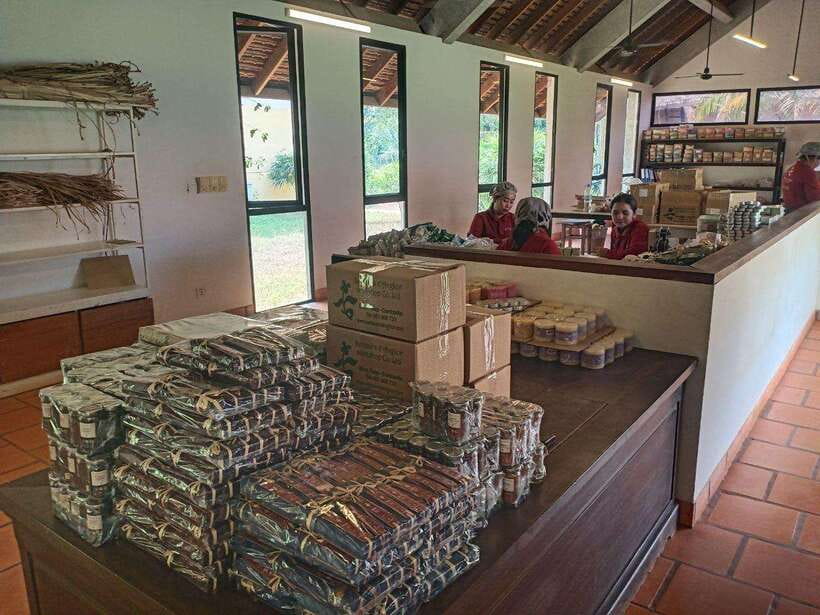
Senteurs d’Angkor is the third main stop. The focus here is on sustainable Cambodian treasures and artisanal products that connect local culture with everyday use.
The information provided does not specify one particular product range or a detailed demonstration sequence, so I would treat this as a discovery and shopping stop rather than expect a single headline attraction. You can look for the materials, scents, packaging, and small details that show how Cambodian producers turn local ideas into goods you can take home.
The visit lasts about 50 minutes and includes a photo stop, guided time, shopping, walking, and a workshop. That combination gives you room to browse as well as watch how products are made.
This stop will suit you if you enjoy practical souvenirs. It is less about one long production story and more about seeing a selection of handmade Cambodian goods in one place. If you are not interested in shopping, it may feel less rewarding than the Silk Farm or Satcha.
Still, it helps round out the tour. Silk and bamboo show two important material traditions, while Senteurs d’Angkor presents a different side of local production. You get a better sense of how craft can be tied to sustainability and commerce without making the whole outing feel like a standard market visit.
Artisan d’Angkor and the final look at local handicrafts
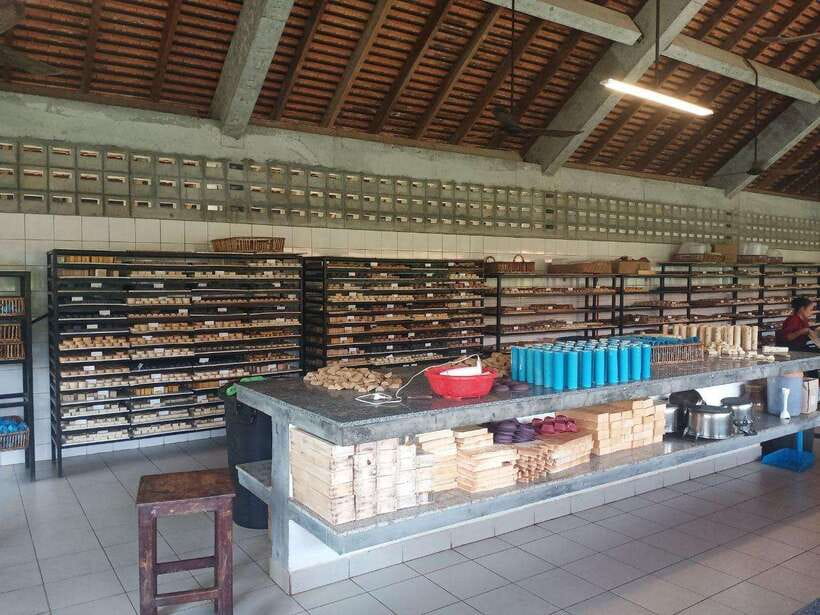
The final stop is Artisan d’Angkor, described as a place where local handicrafts are made. The visit includes a photo stop, guided time, shopping, sightseeing, walking, and a workshop, with about 50 minutes scheduled.
This is a useful finish because you have already seen several types of production. By the time you reach Artisan d’Angkor, you can compare its work with what you saw at the Silk Farm, Satcha, and Senteurs d’Angkor.
The supplied details do not identify particular objects or techniques at this stop, so I would avoid booking it with one specific purchase in mind. Think of it as a final look at Cambodian handicraft production, with time to browse and perhaps choose a keepsake.
The drawback is repetition. Four craft-focused visits in one half-day can blur together, especially if you are not planning to shop. On the other hand, the repeated focus is exactly what makes the tour useful for someone who wants a broad picture of local making rather than one isolated demonstration.
After the final visit, the tuk-tuk returns you to your hotel in Siem Reap. The route is compact, and you are not left arranging separate transport between each center.
What $25 gets you, and where the value lies
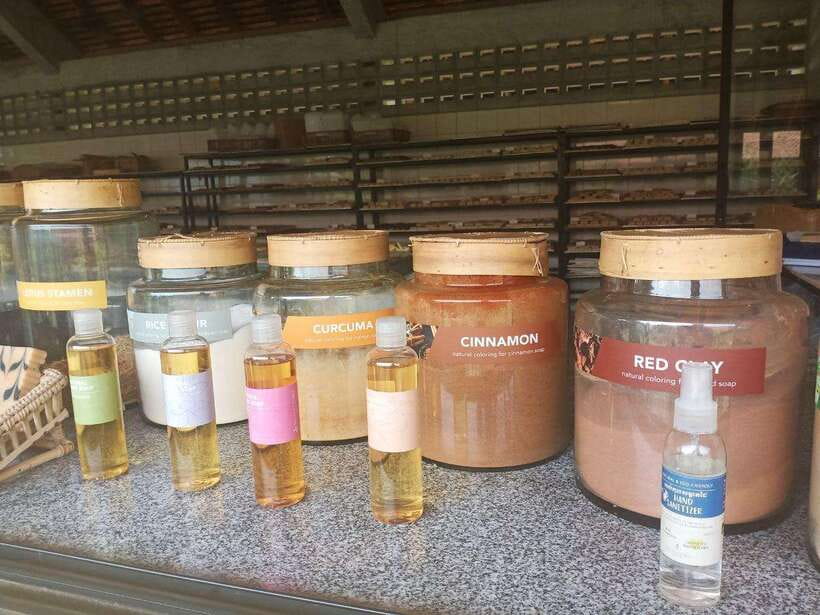
At $25 for a private group of up to two, this is a strong-value outing if both places are filled. The price includes hotel pickup and drop-off, tuk-tuk transport, and visits to all four craft centers. Meals and personal spending are not included.
The private format is the key value. A pair can split the cost and receive a tailored outing without paying separate admission-style prices for each person. You should still allow extra money if you intend to shop, since personal purchases are outside the tour price.
The value is less about famous sights and more about access and convenience. You could perhaps visit some craft shops independently, but arranging the route, transport, and timing would take effort. Here, the four stops are bundled into one short plan.
This is not the best use of $25 if your only goal is to see Siem Reap’s major landmarks. It is also not essential for a very short stay dominated by Angkor temples. One three-star assessment made exactly that point: the visits were pleasant but not must-see stops when time was limited.
I would choose it after the major temples, not before them, unless crafts are a top interest. It works particularly well when you have a half-day free and want something more focused than wandering through shops.
Who should book this experience?
I would recommend this tour to you if you like seeing how goods are made, enjoy buying locally produced items, or want a cultural outing that does not revolve around temples. It also suits couples because the private group price is shared by up to two people.
Families may like the variety of materials and workshops, though the tour data does not provide a minimum age or child-specific program. Anyone who enjoys photography will find plenty of process details, bamboo structures, textiles, and workshop scenes to record.
You should think twice if you dislike shopping stops or prefer one deep, carefully explained attraction. The four-part format gives you range, but it can also feel hurried. Likewise, if you have only one day in Siem Reap, Angkor should take priority.
The English-speaking driver and guided format make the outing straightforward, but no named guide is supplied. If a particular guide matters to you, confirm that before booking rather than assuming one will be assigned.
Simple booking details that matter
The activity lasts four hours, with starting times subject to availability. Pickup and drop-off are provided in Krong Siem Reap, and the group is private.
You can cancel up to 24 hours in advance for a full refund. The reserve-now, pay-later option lets you hold a place without paying immediately, which is helpful when your temple schedule is still shifting.
Comfortable shoes are the one clear packing tip. Bring a camera, avoid smoking during the activity, and remember that meals are not part of the package.
Should you book the Silk Farm and craft centers tour?
Book it if you want a compact, private look at Cambodian making and have a free half-day in Siem Reap. The Silk Farm is the highlight, while Satcha adds the most distinctive setting with its Kampong Cham bamboo buildings and six workshops.
Skip it if you have very limited time, no interest in shopping or production, or want a major historic sight. The tour is pleasant and informative, but it is not a replacement for Angkor.
For two people, the $25 group price makes the decision easier. You get transport, four organized stops, and a clear introduction to silk, bamboo, sustainable products, and local handicrafts without spending a full day away from Siem Reap.
FAQ
How long does the tour last?
The tour lasts four hours, including tuk-tuk transport between the craft centers and hotel pickup and drop-off.
How much does the private tour cost?
The price is $25 per private group of up to two people.
Which places are included?
The tour includes Angkor Silk Farm, Satcha Handicraft Center, Senteurs d’Angkor, and Artisan d’Angkor.
Is transport included?
Yes. Hotel pickup and drop-off are included, along with tuk-tuk transport between the stops.
Is the tour conducted in English?
Yes. The listed language is English, and the driver speaks English.
Can I cancel the booking?
Yes. You can cancel up to 24 hours in advance for a full refund. You can also reserve now and pay later.
Just added around Siem Reap
- Rice Fields & Rural Villages Tour★ 5.0 · 11 reviews
- Traditional Khmer Water Blessing by Monk and Lotus Farm Visit★ 5.0 · 10 reviews
- Full Day Siem Reap Farm Tour with Cooking Class and Monk Blessing★ 5.0 · 6 reviews
- Sunset Dinner at Rice Paddy Fields★ 3.5 · 3 reviews
- Floating Kompong Pluk Car+Tour Guide + Boat ticket ( Shear Tour )★ 4.0 · 2 reviews
- Banteay Chhmar Temple & Silk Farm Private Day Trip from Siem Reap★ 5.0 · 6 reviews
- Tuk Tuk Journey: Exploring Rural Life and Silk Farm Craftsmanship★ 5.0 · 4 reviews
- Siem Reap: Silk Farm & Countryside Offbeat Jeep Tour★ 4.5 · 11 reviews
Siem Reap Farm Tours, compared.

Siem Reap Lotus Silk Farm Discovery tour & Lake experience
Read our review →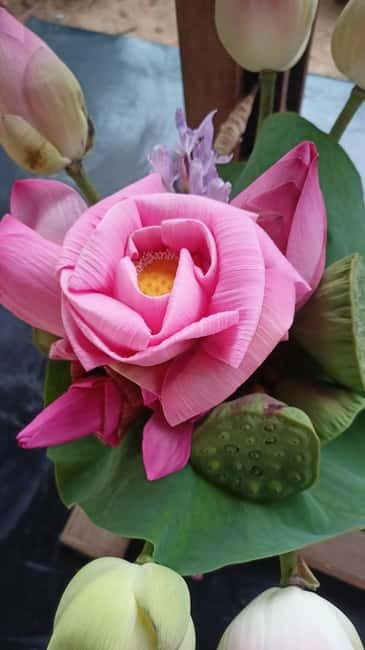
Angkor Silk Farm & Lotus Silk Farm: Siem Reap Discovery Tour
Read our review →
Lotus Silk Farm: Discover Learn and Experiment the Lotus Flower
Read our review →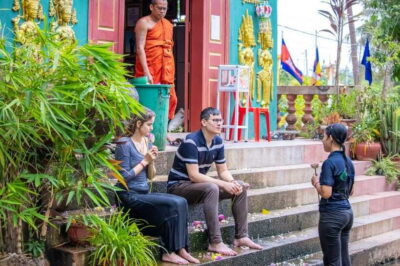
Khmer Water Blessing by Monk and Lotus Farm Visit
Read our review →

Traditional Khmer Water Blessing by Monk and Lotus Farm Visit
Read our review →Browse the lists this tour appears in