
Review · SIEM REAP
Traditional Khmer Water Blessing by Monk and Lotus Farm Visit
A monk’s chant, holy water, and a quiet pagoda make this traditional Khmer water blessing more than a quick photo stop. You’ll also visit lotus fields, learn how the flowers are farmed, and see several sides of Siem Reap that sit outside the Angkor circuit.
I like the personal guiding, especially with guides such as Hong and Bo, who explain Buddhist beliefs in plain terms and connect the stops to daily life. I also like the small local touches: fried banana and sweet potato at the Old Market, a tuk-tuk ride instead of a van, and time to speak with a monk.
The main consideration is the short schedule. The lotus farm visit lasts about 30 minutes, and the market snack stop only five minutes, so this is a sampler rather than a slow village day. You should also be comfortable changing clothes after the blessing.
Key points to know before booking
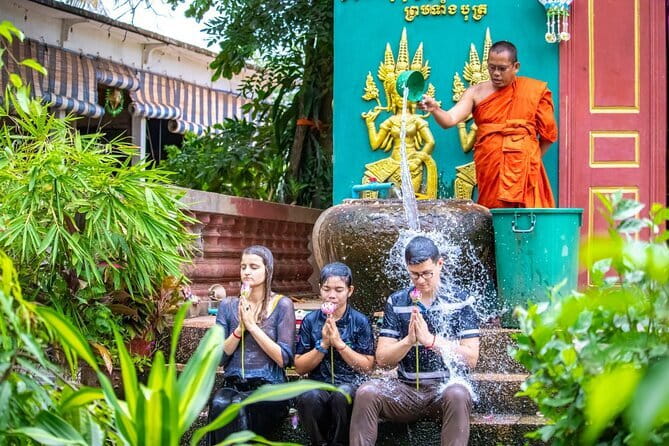
- The water blessing is the heart of the tour: A monk chants and sprinkles or pours holy water over you while you make wishes for health, pleasure, or good fortune.
- Wat Po Banteaychey gives the ritual context: You learn about Buddhist beliefs, the structure of a local temple, and temple activities before the blessing begins.
- Hong and Bo bring a personal touch: Both guides are praised for their warmth and ability to explain Cambodian culture, Buddhism, and local life.
- The lotus farm is more than a photo stop: You learn about growing and harvesting lotus plants, and how different parts of the plant are used.
- The tuk-tuk suits Siem Reap: Open-air transport keeps the outing local and adds a pleasant contrast to enclosed tour vehicles.
- The $70 price covers useful extras: Transport, guide, snacks, water, monk donation, and lotus farm admission are included, which makes the cost easier to justify.
Why the water blessing feels different from a sightseeing stop
The blessing works best when you treat it as a religious ceremony, not a performance arranged for a camera. At Wat Po Banteaychey, the guide first explains the setting and the role of the temple. That preparation matters because it gives you a basic sense of what you are taking part in.
The monk chants and uses holy water as part of the blessing. You can set an intention for good health, pleasure, or good fortune. The ceremony itself is the most meaningful part of the outing, but its value depends on your attitude. Come with curiosity and respect, and you get a personal cultural encounter. Come expecting a staged attraction, and you may miss the point.
This is also a useful introduction to Cambodian Buddhist practice for anyone who has seen temple buildings but not taken part in a ritual. Your guide explains Cambodian beliefs and answers questions, while the monk provides the ceremony itself. The combination is stronger than either a temple visit or a short blessing without context.
You should plan for holy water to reach your clothing. The schedule specifically allows time to change afterward, so bring or wear something practical and accept that the ritual may leave you damp. The details of what to wear are not specified, so ask your guide before the ceremony if you have concerns.
A few more farm days around Siem Reap worth a look
- Siem Reap Lotus Silk Farm Discovery tour & Lake experience
★ 4.7 · 291 reviews - Siem Reap: Lotus Silk Farm- Tour, Lake & Masterclass
★ 4.9 · 77 reviews - Angkor Silk Farm & Lotus Silk Farm: Siem Reap Discovery Tour
★ 4.8 · 68 reviews
Starting in Siem Reap by tuk-tuk
Pickup is offered from your hotel in Siem Reap. Your guide and driver wait for you there, with the exact time based on your location. The outing runs for about three to four hours, giving you a half-day that fits well around other sightseeing.
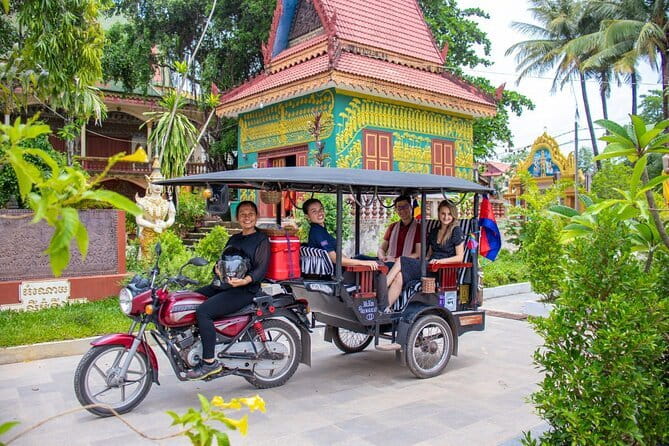
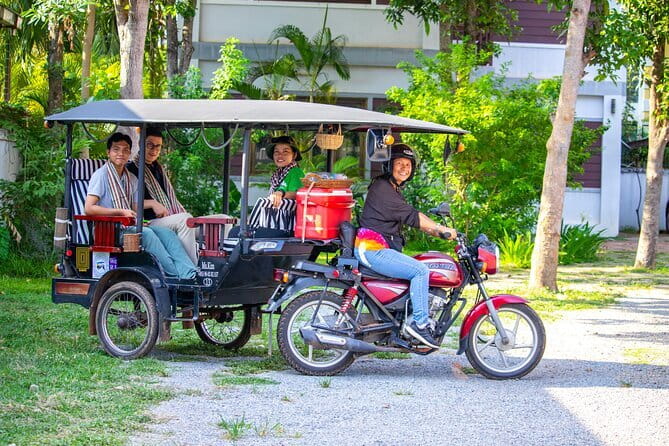
Transport is by remork, commonly called a Cambodian tuk-tuk. I like this choice for a tour built around local life. You get a more open view on the road, and the vehicle feels suited to short trips around town and toward the lotus fields.
The group can have up to 15 people, although one booking described a private-feeling outing with only one participant. You should not assume you will have a solo tour, but the maximum size is still modest enough for questions and conversation. The guide is an important part of the experience, so a smaller group would make the explanations easier to follow.
Cold water and local snacks are included. That is a small but welcome detail in Siem Reap’s heat, especially when the visit includes time outdoors at the lotus farm and temple.
The Royal Residence and the shrine of Phreah Ang Chek and Phreah Ang Chom
The first sightseeing stop is the Royal Residence, along with its spiritual house known as Phreah Ang Chek and Phreah Ang Chom. You spend about 30 minutes here with your local guide.
This gives the tour a useful opening. Before heading out to the countryside and the pagoda, you get a look at an important Siem Reap site and hear how local spiritual beliefs fit into the city. The guide explains the location rather than leaving you to simply walk around and take pictures.
The stop is brief, so you should not expect a long architectural tour. Its purpose is orientation and context. If you have already seen the Royal Residence, the guide’s explanation of the spiritual house may be the more valuable part.
Guides Hong and Bo are praised for connecting places like this to Cambodian culture in a clear, personal way. Hong, in particular, is described as someone who enjoys sharing her country and local customs. That makes a difference at a site where a guide can help you notice meaning that is easy to miss.
Fried bananas at Psar Chaa, the five-minute snack stop
At Siem Reap’s Old Market, or Psar Chaa, you meet the owner of a fried banana business that has been open for more than 20 years. You also try fried banana and sweet potato as an early snack.
This stop lasts only about five minutes, so think of it as a taste rather than a market visit. You will not have time for a broad look at Psar Chaa, extensive shopping, or a long conversation. The appeal is the direct connection with a long-running local food business.
I like the way this breaks up the sightseeing. A water blessing tour could easily become a string of temples and explanations. A simple fried snack gives you a quick look at everyday food and adds a little pleasure before the more reflective part of the day.
The food is included, but other personal purchases are not. If you want time to browse or shop at the Old Market, you will need to do that separately.
Same fields, a different sort of day out:
- Lotus Silk Farm: Discover Learn and Experiment the Lotus Flower
★ 5.0 · 45 reviews - Siem Reap: Khmer Water Blessing by Monk and Lotus Farm Visit
★ 5.0 · 15 reviews - Rice Fields & Rural Villages Tour
★ 5.0 · 11 reviews - Siem Reap: Silk Farm & Countryside Offbeat Jeep Tour
★ 4.5 · 11 reviews
Lotus fields on the road to Tonle Sap Lake
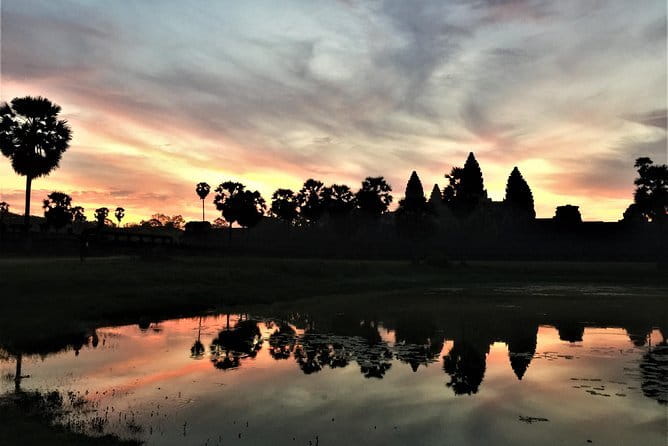
The next stop takes you toward Tonle Sap Lake, where lotus fields line the road. You spend about 30 minutes at the lotus farm, with the guide explaining how the plants are grown and harvested.
This is one of the most distinctive parts of the tour. The lotus is not just a pretty flower beside the road. You learn about farming and the uses of the plant, including the way different parts are used. A small tasting element may also be part of the stop, since the experience includes local snacks and the tour description refers to trying fruit and learning how its parts are used.
The setting also gives you a change from Siem Reap’s built-up center. You see ponds and fields, and you get a more rural view on the way toward Tonle Sap. The half-hour length is enough for an explanation and a look around, but not enough for a long farm visit or a major nature outing.
Your guide makes the difference here. Hong grew up near the lotus farm, which gives her a personal link to the area and helps explain why the stop feels connected to local life rather than added simply for a photograph. If you enjoy food, farming, and small-scale local businesses, this may be as interesting as the religious portion.
Preparing for the ceremony at Wat Po Banteaychey
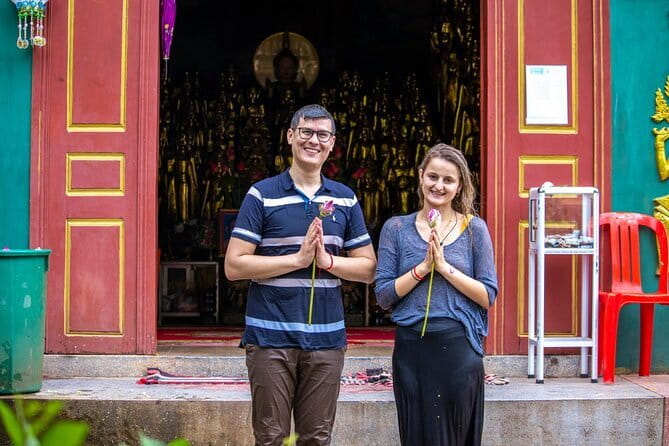
Wat Po Banteaychey is where the tour slows down. You spend about an hour learning about Buddhist beliefs, the role of a local temple, its structure, and the activities that take place there.
This hour matters because it prevents the blessing from feeling random. Your guide explains what you are seeing and helps you understand how the pagoda functions within the community. You have time to ask questions before getting ready for the ritual.
The temple visit is not presented as a grand monument tour. Its value is its connection to local religious life. If your main goal is Angkor-style architecture, this will not replace a visit to Angkor Wat or the major temple sites. If you want to understand how a working Buddhist temple fits into daily life, it fills a different role.
The blessing follows the introduction. The monk chants and sprinkles or pours holy water over you. You can make a wish for health, pleasure, or good fortune. The tour includes the monk’s offering and donation, so you do not need to arrange that part yourself.
A donation is a normal part of religious visits, but the practical advantage here is that it is already covered. You can focus on listening and participating respectfully rather than wondering what payment is expected.
Changing clothes and staying for questions
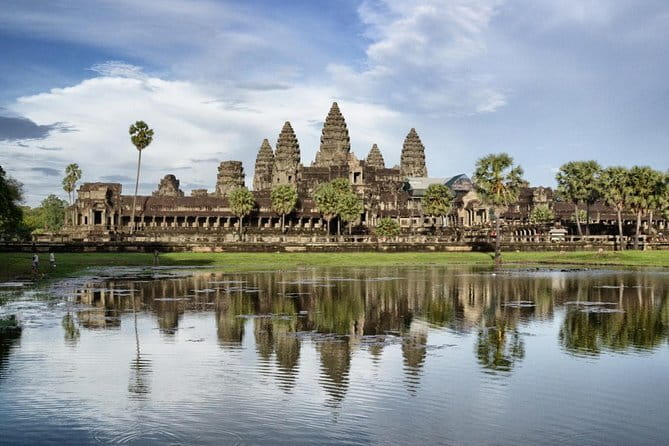
After the blessing, you have time to change clothes and walk around the pagoda area. The schedule allows about 30 minutes for this final portion before the return to Siem Reap.
That extra time is useful. You are not pushed straight from the ceremony into the tuk-tuk, and you can ask the guide questions that came up during the visit. The guide is there to assist, which is especially helpful if you want to clarify something about Buddhism, the monk’s role, or the temple.
The clothing change is also a practical warning. Wear something that will not be ruined by water, and bring a change of clothes if you prefer not to remain damp. The provided information does not set a dress code, so ask your guide for current advice before the ceremony.
The tour ends back in Siem Reap. Because the overall duration is only three to four hours, you still have most of the day available for Angkor temples, a meal, or other activities.
Is $70 fair for this half-day outing?
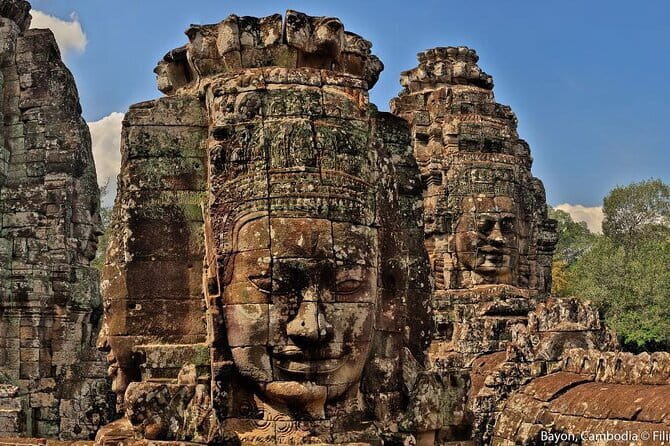
The price is $70. That includes an English-speaking local guide, remork transportation, cold water, local snacks, the monk’s offering and donation, and the lotus farm entrance fee.
I would judge the value by what you want from the morning. You are not paying for a full-day temple pass, a long farm workshop, or a private car. You are paying for a guided cultural experience that combines a religious ceremony, a local farm visit, food, city sights, and transport.
The included donation and admission fee remove two small costs that can otherwise make a tour feel less clear. The snacks and water are modest but useful. Most important, you get a guide who explains the meaning behind the stops and helps you speak with local people.
The value is strongest for a first visit to Siem Reap when you want something beyond the major monuments. It is less compelling if your priority is the lowest possible cost, a long lotus farm visit, or a private, unhurried itinerary. With a group of up to 15, you should also understand that the $70 price does not guarantee a private tour.
The positive feedback around Hong and Bo points to guiding as the main strength. Hong is described as warm, culturally engaged, and closely connected to the lotus area. Bo is described as friendly and well-informed, with a calm style that suited a solo participant. The operator is also women-owned and women-operated, a point that may matter to you if you prefer to support that kind of local business.
Who will enjoy this experience most?
I would recommend it to you if you want a gentle introduction to Cambodian spirituality without committing to a full day of temple touring. It suits people who like asking questions, tasting small local foods, and seeing how religion and farming fit into everyday life.
It also works well for solo visitors. One account describes the experience with only one participant, and the friendly guide made it feel comfortable and personal. The maximum group size is 15, so the exact feel depends on the day you book.
This is a good choice if you have already seen the main Angkor sites and want a different side of Siem Reap. It is also a useful first activity because your guide can help you understand local customs before you spend more time around temples and pagodas.
I would be more cautious about booking it if you dislike getting wet, have no interest in religious ceremonies, or want extensive time at each stop. The market visit is very short, the lotus farm is a brief introduction, and the temple portion is focused on Buddhist belief and the blessing rather than sightseeing alone.
Book at least 24 hours before the start time if you want the option of a full refund. Cancellations or changes made within 24 hours are not accepted for a refund. The experience depends on good weather and a minimum number of participants, so a cancellation by the operator may lead to another date, another experience, or a full refund.
Should you book the Khmer water blessing and lotus farm visit?
I would book this tour if you want personal cultural contact more than a checklist of famous sights. The blessing, the temple explanation, and the chance to ask a monk questions give the outing a clear purpose. The lotus farm and fried snacks keep it from becoming a single-subject religious visit.
The strongest reason to choose it is the guide. With someone such as Hong or Bo leading the day, the stops connect into a story about Siem Reap, Cambodian Buddhism, local food, and rural work. The tuk-tuk ride and small-group limit add to that local feel.
Skip it if your schedule is already packed with Angkor temples or if you want a slow, detailed farm tour. For everyone else, $70 is a reasonable price for a three to four-hour outing with transport, food, admission, and the ceremony donation included. Bring a change of clothes, arrive with respect, and let the blessing be the focus rather than just another stop for photographs.
FAQ
How long does the Traditional Khmer Water Blessing tour last?
The experience lasts approximately three to four hours, including hotel pickup, the Royal Residence, the Old Market snack stop, the lotus farm, Wat Po Banteaychey, and the return to Siem Reap.
Is hotel pickup available in Siem Reap?
Yes. Pickup is offered from your Siem Reap hotel. The exact pickup time depends on your location.
What transportation is used?
The tour uses a remork, commonly known as a tuk-tuk, with a driver and an English-speaking local guide.
Is the monk’s donation included in the $70 price?
Yes. The monk’s offering and donation are included, along with lotus farm admission, local snacks, and cold water.
Will I get wet during the water blessing?
The monk sprinkles or pours holy water over you, and the schedule includes time afterward to change clothes. You should plan accordingly.
What happens if the tour is canceled because of weather or low enrollment?
You will be offered a different date or experience, or a full refund. Free cancellation is also available if you cancel at least 24 hours before the scheduled start time.
Just added around Siem Reap
- Rice Fields & Rural Villages Tour★ 5.0 · 11 reviews
- Full Day Siem Reap Farm Tour with Cooking Class and Monk Blessing★ 5.0 · 6 reviews
- Sunset Dinner at Rice Paddy Fields★ 3.5 · 3 reviews
- Floating Kompong Pluk Car+Tour Guide + Boat ticket ( Shear Tour )★ 4.0 · 2 reviews
- Banteay Chhmar Temple & Silk Farm Private Day Trip from Siem Reap★ 5.0 · 6 reviews
- Tuk Tuk Journey: Exploring Rural Life and Silk Farm Craftsmanship★ 5.0 · 4 reviews
- Siem Reap: Silk Farm & Countryside Offbeat Jeep Tour★ 4.5 · 11 reviews
- Siem Reap: Scenic Countryside & Silk Farm Jeep Tour★ 5.0 · 2 reviews
Siem Reap Farm Tours, compared.
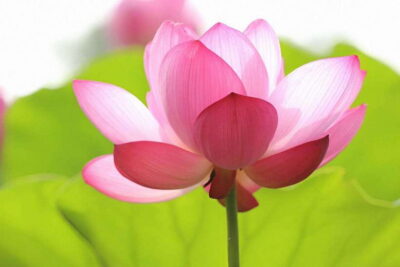
Siem Reap Lotus Silk Farm Discovery tour & Lake experience
Read our review →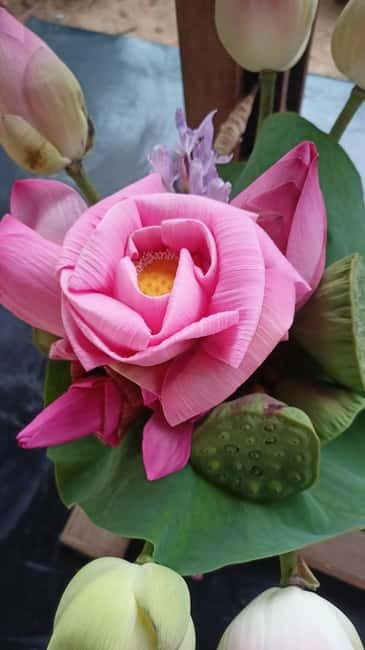
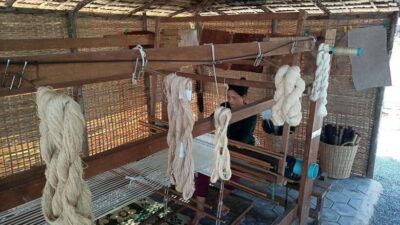
Angkor Silk Farm & Lotus Silk Farm: Siem Reap Discovery Tour
Read our review →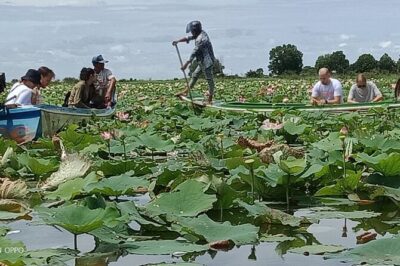
Lotus Silk Farm: Discover Learn and Experiment the Lotus Flower
Read our review →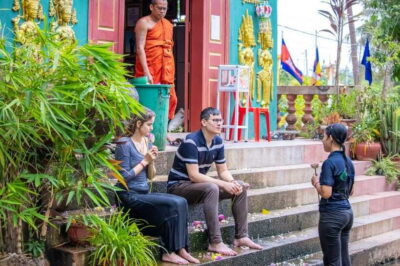
Khmer Water Blessing by Monk and Lotus Farm Visit
Read our review →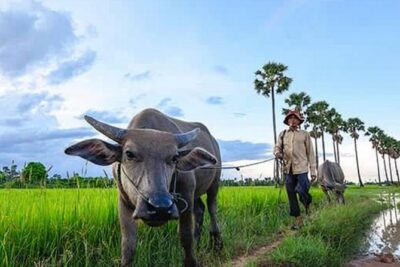
Half Day Trip: Silk Farm, Satcha, and Senteur d’Angkor Tour
Read our review →Browse the lists this tour appears in