
Review · GRAN CANARIA
Finca Los Castaños: Agaete Valley Coffee Tour & Tasting
The unusual thing here is simple: coffee is grown traditionally in Europe. At Finca Los Castaños, you walk through a working plantation in Gran Canaria’s Agaete Valley, then follow the beans from plant to cup before tasting coffee roasted on the farm.
I like the setting and the clear farm-to-cup focus. You also get a look at crops beyond coffee, which helps explain why this small finca feels more like a productive garden than a single-crop plantation. The main drawback is the tasting: expect one small cup, not a flight of several coffees.
Key points to know before you go
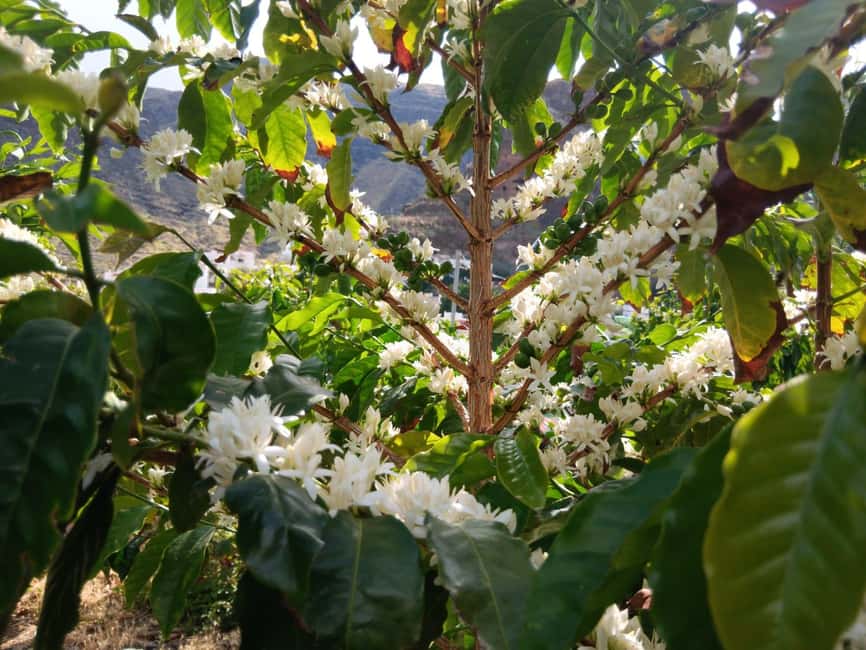
- Coffee in the Agaete Valley: See one of Europe’s few places where coffee is traditionally grown.
- About one hour of guiding: The tour covers the plants and coffee-making process, followed by a tasting.
- One small coffee at the end: The sample is fresh and explained, but it may feel limited if you hoped to compare several varieties.
- A farm with more than coffee: Other crops, jams, and handmade products add interest to the visit.
- Easy arrival by car: Free parking is available, and tours begin continuously as people arrive.
- Bring sensible shoes: This is an outdoor farm visit, and the site is not suitable for wheelchair users.
Why coffee in Agaete is worth a closer look
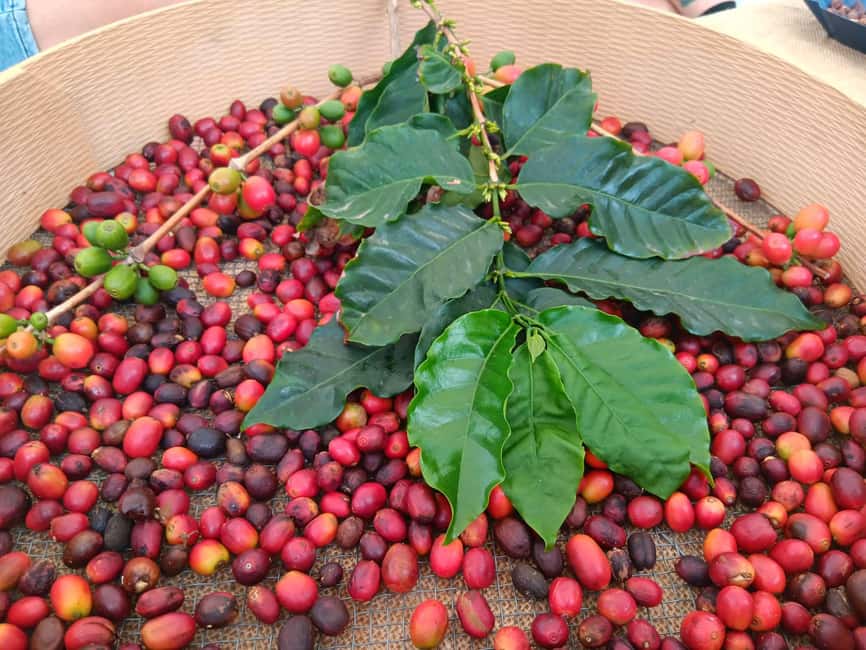
Gran Canaria is better known for beaches, dry hills, and resort towns than for coffee farms. The Agaete Valley offers a different side of the island. Its conditions allow coffee plants to be grown traditionally, making this a useful stop if you want to connect local food with the place where it is produced.
The tour does not treat coffee as a finished drink that appears by magic in a café. You learn about the path from seed to cup, including the farm work and artisanal steps that shape the final taste. That matters because it gives the tasting some context. You are not simply handed a drink and told it is local. You first see where the product begins.
The farm also grows other plants, and this adds welcome variety. The coffee section is the main reason to come, but the broader planting gives you a better sense of the finca as a working agricultural site. If you are interested in local produce, the visit offers more than a quick coffee stop.
The guides speak English and Spanish. No individual guide names are provided, so you should not expect to book a specific person. The important point is that the visit is guided rather than a self-led walk, with explanations during the plantation visit and the tasting.
More Coffee Farm Tours in Spain:
- La Herradura Coffee Farm: tour in Europe’s only plantation
★ 4.8 · 430 reviews - Guided Tour to the only coffee farm in Europe
★ 5.0 · 174 reviews - Big Island: Volcanoes, Waterfalls, & Coffee Farm Day-Trip
★ 4.9 · 414 reviews
Arriving at Finca Los Castaños
The meeting point is inside the finca, near the area with tables and chairs. That instruction is worth noting because you are not simply meeting at a public street corner. Once you enter the property, make your way toward the seating area and look for the tour setup.
Free parking makes the finca practical for a driving day in the Agaete Valley. The experience is not presented as a transport excursion, so you need to arrange your own way there. If you are already exploring the valley, this can fit neatly into a day of rural stops.
Tours begin continuously as people arrive rather than at one fixed departure time. That gives you useful flexibility, especially if you are coordinating the finca with other plans. It also means the exact wait can vary. If a tour is already underway, you may need to wait a few minutes for the next one.
There is a small wrinkle for people who reserve a time. The farm may already have started a walk-in tour when you arrive, so even a reserved arrival can involve a brief wait. I would allow a little breathing room rather than planning your day around an exact minute.
Walking through the coffee plantation
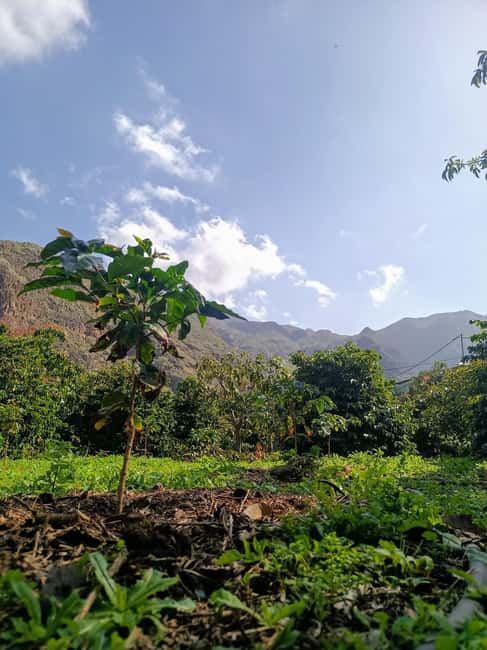
The guided walk lasts about one hour. You explore the coffee fields and learn how the plants are cared for before the beans reach the roasting stage. The pace should suit anyone who wants an introduction rather than a full agricultural course.
The appeal is the direct connection between the plants and the drink. You see coffee as a crop, not just as a packaged souvenir. The guide explains the process from seed to cup, helping you understand the work behind a product that most of us use every day without thinking much about its origin.
The Agaete Valley setting is a key part of the experience. The farm’s volcanic microclimate is explained as a factor in the beans’ flavor and quality. You do not need to be a coffee expert to follow this. The point is to show how soil, local conditions, cultivation, roasting, and preparation all affect what lands in your cup.
The route is outdoors, so comfortable shoes are essential. The information provided does not promise a fully level or accessible path, and the activity is specifically listed as unsuitable for wheelchair users. If walking comfort or mobility is a concern, check the conditions directly before booking.
The farm’s other plants also appear during the visit. This was one of the more praised parts of the experience, since the finca offers a broader look at local growing rather than focusing only on coffee. For you, that means the walk can stay interesting even during stretches when you are not looking closely at coffee plants.
From seed to cup, without the coffee-school lecture
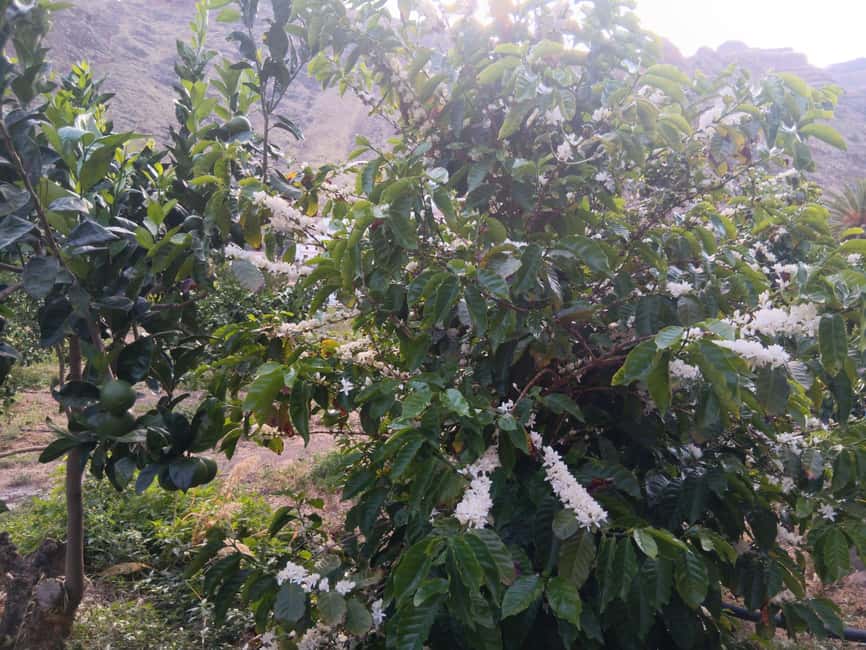
A good farm visit should explain process without burying you in technical terms. This one focuses on the basic chain: growing the coffee, handling the beans, roasting them, and preparing the final drink.
The artisanal angle is important. You are shown how coffee is produced on a smaller scale, with the farm’s own conditions shaping the result. That makes the experience feel more connected to place than a generic tasting held indoors.
The guide also explains flavor. The tasting is not just a sip at the end of the tour. You receive some background on the coffee’s profile and preparation, so you can pay attention to what is in the cup. The lesson is modest in size, but it gives the drink a reason to be there.
Do keep your expectations in check. This is not a professional barista course, a roasting workshop, or a long comparative tasting. If you want detailed instruction on extraction methods or several brewing styles, you will likely find the visit too brief. If you want a clear introduction to locally grown coffee, the one-hour format works well.
More Food and Drink Trips in Spain:
- Ría de Arousa: Boat Ride to Mussel Farm with Tasting
★ 4.7 · 845 reviews - La Palma : Tour of an ecological farm w/ animals & tasting
★ 4.9 · 65 reviews - Tenerife: Avocado Farm Tour with Tasting Menu & Wine
★ 4.9 · 61 reviews - Olive Oil Farm Tour with Tasting from Seville
★ 4.5 · 61 reviews
The coffee tasting: fresh, local, and small
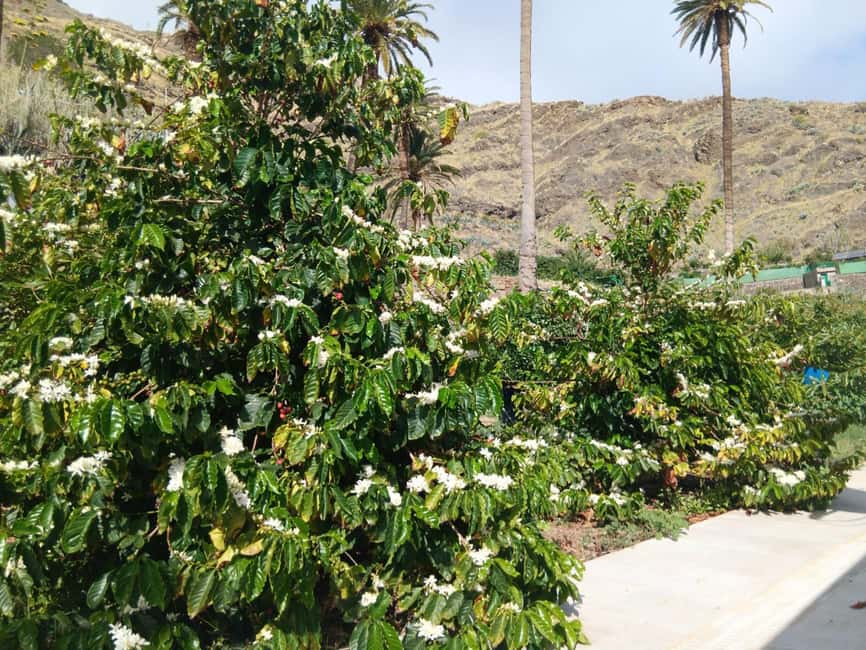
The tasting comes after the plantation walk. You receive freshly roasted coffee from the finca, with an explanation of its flavor and how it is prepared. This is the moment when the earlier information becomes practical. You can connect the plant, the local conditions, and the production process with the drink in front of you.
The limitation is quantity. The tasting consists of one small cup, so do not arrive expecting several samples or a broad comparison of beans. A couple of direct comments describe the tasting as a little meager for that reason. I think that is a fair warning, especially if coffee tasting is your main reason for booking.
Still, one cup can be enough to make the visit worthwhile when you see the plantation first. The value lies in the complete chain, not in the amount of coffee served. You are paying for access to a small agricultural site, a guided explanation, and a local product sample.
If you are already enthusiastic about specialty coffee, you may wish for more detail or a second pour. If you simply enjoy coffee and want to understand its local connection, the tasting should feel like a fitting finish rather than a full tasting session.
The farm shop and what to take home
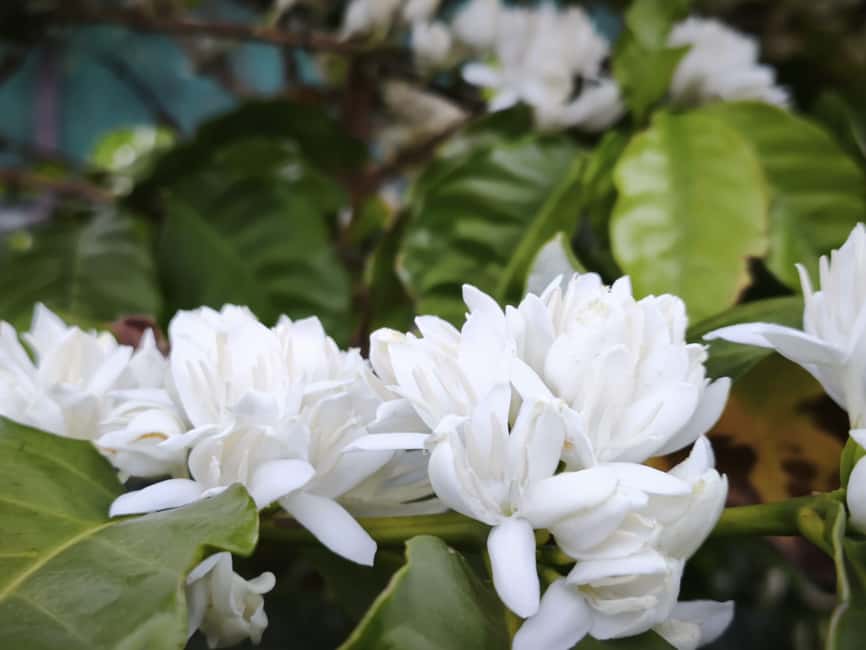
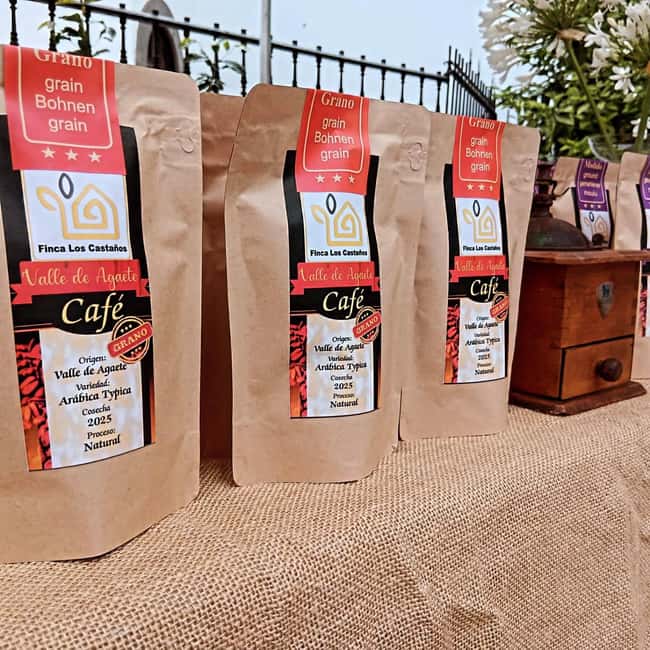
The shop extends the visit beyond the guided hour. You can look for plantation coffee, artisanal jams, and other handmade local products. This is useful if you want a souvenir that connects to the place instead of buying another generic island keepsake.
The shop also gives you a chance to compare the tasting with something you might take home. Coffee is the obvious purchase, but the jams and other products make the stop more appealing for people who are shopping for food gifts.
I would treat the shop as an optional bonus rather than part of the core value. The tour remains worthwhile if you buy nothing. On the other hand, if you like bringing home regional food, the shop can help justify the $23 price by giving you a practical way to continue the experience after you leave.
Is $23 a fair price?
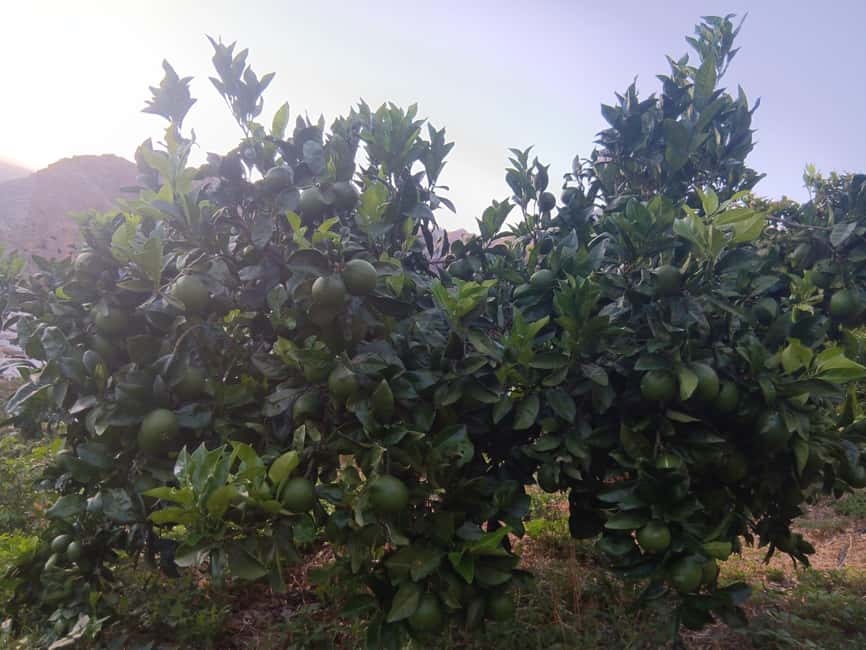
At $23 per person, this is priced as a short, focused farm experience rather than a full-day excursion. The guided part lasts about an hour, followed by the coffee tasting. You do not get transportation, a meal, or a large tasting menu.
For me, the value depends on what you want from the stop. The price is reasonable if you care about local agriculture, enjoy seeing how food is made, and are already spending time in the Agaete Valley. You get a guided walk, an explanation of the coffee process, a sample, and access to the shop.
The value is less convincing if you mainly want to drink several coffees. One small cup may leave serious coffee fans wishing for more. The experience is also a weaker choice if you expect a lengthy farm tour with extensive production demonstrations.
The setting, the unusual European coffee story, and the farm’s other crops are what make the admission worthwhile. Think of it as a compact cultural and food stop, not an all-day attraction.
How to plan your timing
The activity is valid for one day, with availability shown when you select a time. In practice, the tours start continuously as people arrive. That is convenient for a flexible itinerary, but it also means you should expect a short wait if a group has already set off.
A sensible plan is to avoid arriving at the last possible moment before another booking or scheduled stop. Give yourself enough time to park, enter the finca, find the tables and chairs, and settle in.
The tour itself is about one hour, with the tasting afterward. Add time for the shop if you want to browse. Since no fixed departure schedule is promised, I would not book a tight onward connection immediately after the visit.
Small groups do not need a reservation, according to the practical information provided. Booking still gives you more certainty if you are planning around a particular day, and you can reserve now and pay later. Free cancellation is available up to 24 hours before the activity, which is helpful if your island plans are still changing.
Who will enjoy this farm visit most?
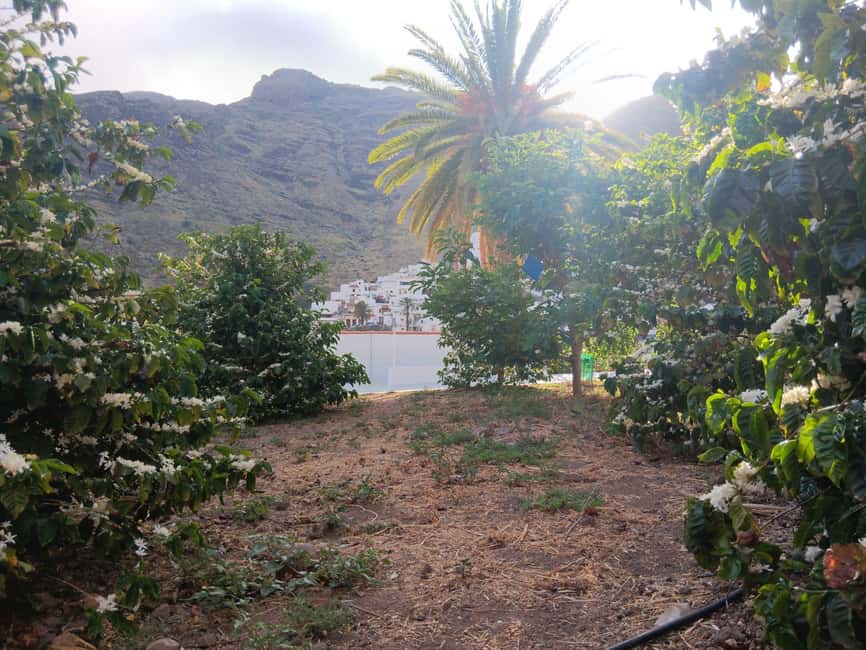
I would recommend Finca Los Castaños to you if you enjoy food origins, small-scale farming, and places that show a quieter side of Gran Canaria. It suits couples, families with an interest in food, and anyone who wants a short stop with a clear local connection.
It is also a good choice for coffee drinkers who want to understand production rather than simply order another cup. The explanation of the volcanic microclimate adds a place-specific detail that you will not get from a standard café tasting.
You may want to skip it if you need wheelchair access, dislike outdoor walking, or want a large and technical coffee tasting. It is not built around high-energy entertainment. The appeal is the farm, the guide’s explanation, the scenery of the Agaete Valley, and the chance to taste a product grown and roasted in the same setting.
Wear comfortable shoes. Weapons, sharp objects, alcohol, drugs, fireworks, explosives, littering, and loud behavior are not allowed. Alcoholic drinks are also not permitted in the vehicle connected with the activity. These rules are straightforward, but they reinforce the quiet, working-farm character of the place.
Should you book Finca Los Castaños?
Book it if you will be in the Agaete Valley and want a one-hour agricultural experience with a local taste. The plantation walk and explanations are the strongest parts, while the farm shop and other crops add useful variety.
Do not book it expecting a long coffee seminar or a series of tasting cups. The single small coffee is the clearest limitation. At $23, I see this as a fair-value stop for curious eaters and casual coffee fans, especially when paired with other time in the valley.
My practical advice is to arrive in comfortable shoes, allow a little waiting time, and think of the tasting as the conclusion to a farm tour rather than the entire product. If that sounds right for your day, Finca Los Castaños offers a pleasant and unusual look at coffee production in Europe.
FAQ
Where does the Finca Los Castaños coffee tour begin?
Enter the finca and go toward the area with tables and chairs. That is the stated meeting point for the activity.
How long does the guided tour last?
The guided plantation tour lasts about one hour. The coffee tasting follows the walk, and you can allow extra time if you want to visit the shop.
Is the coffee tasting included?
Yes. The activity includes a coffee tasting with freshly roasted plantation coffee and an explanation of its flavor profile and preparation.
How many coffees are served during the tasting?
The tasting is limited to one small cup of coffee. It is not presented as a multi-coffee comparison.
Can I join without a reservation?
Small groups do not need a reservation. Tours start continuously as people arrive, but you may need to wait if another tour is already in progress.
Is the tour suitable for wheelchair users?
No. The activity is listed as unsuitable for wheelchair users. It is outdoors, so comfortable shoes are recommended.
Just added around Spain
- Animal farm park with free hotel pickup★ 5.0 · 2 reviews
- From Seville: Pig Farm private day tour and old villages visit★ 4.5 · 4 reviews
- Bull Breeding Farm: Guided Half-Day Tour from Seville★ 4.5 · 24 reviews
- ” Basque Farm House & Cider house” tour + meal from San Sebastian★ 5.0 · 9 reviews
- Fuerteventura Villages Caves and Farm Tour with Lunch from North★ 3.0 · 9 reviews
- Menorca: Cheesemaking and Farm-Fresh Product Tasting★ 5.0 · 29 reviews
- Chefcooking Paella from our Andalusian Grandmother at a Family Farm★ 5.0 · 49 reviews
- Eastern Majorca Tour with Arta Caves and Aloe Plantation★ 4.5 · 2 reviews
Gran Canaria Farm Tours, compared.
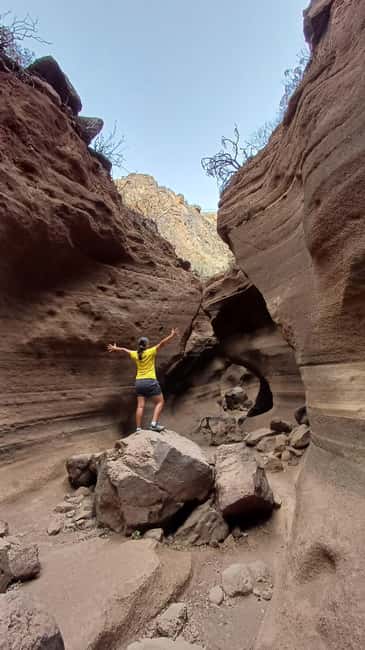
Maspalomas: Barranco de las Vacas, Caves, Farmhouse Tour
Read our review →
Full-Day Tour Exploring History, Nature and Aloe Vera Farm
Read our review →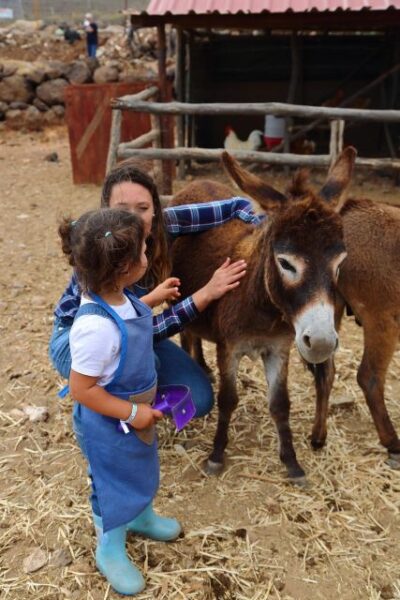
Agüimes : Be a farmer for the day at La Jaira de Ana
Read our review →
Gran Canaria historical house with mango plantation in Mogan
Read our review →
Tour to Arucas, Teror, Aloe Vera farm – Highlights
Read our review →
Explore Gran Canaria’s Coffee at Finca Los Castaños
Read our review →
Canarian farmhouse in Mogan, mango farm and vermouth factory
Read our review →Browse the lists this tour appears in