
Review · GRAN CANARIA
Full-Day Tour Exploring History, Nature and Aloe Vera Farm
Gran Canaria changes quickly once you leave the beach resorts. This full-day island tour carries you from old Canarian towns to narrow mountain roads, cave homes, high volcanic peaks, and an aloe vera farm. It is a useful first look at the island’s interior, especially if you do not want to drive.
I like the mix of historic villages and mountain scenery, and I like having a local guide explain what you are seeing while someone else handles the roads. The tradeoff is time: with several stops, multiple languages, and a large vehicle, you spend much of the day on the road and only a short while in some places.
Key points to know before booking
- Guayadeque and Roque Nublo bring the strongest scenery, with cave dwellings, volcanic rock, and high mountain views.
- Agüimes, Arucas, and Teror offer quick town visits, but the time may feel short if you want museums, long walks, or relaxed photography.
- Lunch costs extra, usually around €12 for a three-course menu and drink, and the group generally stops at one arranged restaurant.
- The aloe farm is not purely a farm visit. Expect a presentation about aloe products and a sales area as part of the stop.
- Pickup is limited to southern Gran Canaria, with collection at your hotel or a nearby meeting point.
- The tour may use a full-size coach, not always the smaller minibus suggested by some descriptions, and multilingual commentary can reduce the detail in each language.
A broad look at Gran Canaria in one long day
At $59.61 per person, this tour offers a lot of ground for the price. Transport, a guide, insurance, and the aloe farm visit are included. You are paying mainly for access to places that are awkward to connect by public transport, plus a driver willing to take a large vehicle through mountain roads.
The value is strongest for a first visit. You can see several parts of Gran Canaria in one day and decide which places deserve a longer return visit. I would not choose it if you want slow village walks, extended hikes, or detailed visits inside monuments. The schedule is built around coverage, not lingering.
The stated duration is about seven hours, with a 9:00 a.m. start. In practice, pickup times vary between roughly 9:00 and 10:30, depending on your hotel and the route. Some recorded outings ran from around 9:40 in the morning to 6:40 in the evening, so you should keep most of the day free and expect the return time to move with traffic, pickups, and mountain roads.
The group limit is listed as 40 people, but some departures have used a larger coach and felt closer to 50. That matters if you prefer a quiet, small-group outing. It also explains why stops can feel organized around loading and unloading rather than a flexible personal schedule.
More History Trips in Spain:
- Gran Canaria historical house with mango plantation in Mogan
★ 4.9 · 10 reviews - Tromsø: Reindeer Camp and Sami Cultural Tour with Lunch
★ 4.7 · 3,326 reviews - Charleston: Historic City Tour & Magnolia Plantation Combo
★ 4.4 · 187 reviews
Agüimes and the island’s early settlements
Agüimes is your introduction to Gran Canaria’s older identity. The old quarter grew from an ancient aboriginal settlement, and its streets offer a glimpse of the island before modern resort development changed the coast.
You have about an hour here, with no entrance fee listed. That is enough to walk through the historic center, admire Canarian-style buildings, and take photographs. It is not enough for an in-depth museum visit or a slow exploration of every side street, so use the time carefully.
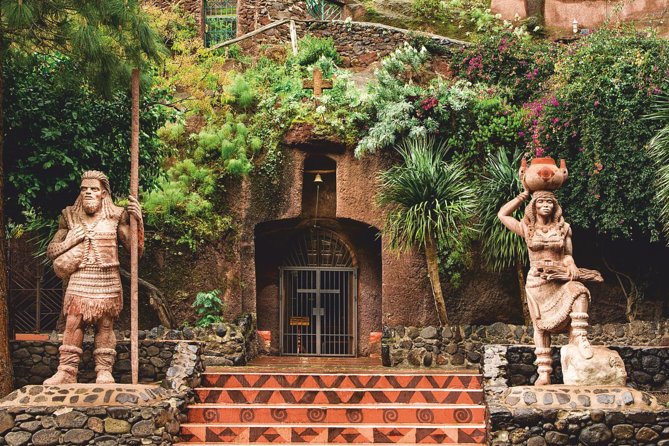
The connection with Guayadeque adds useful context. The valley was home to the first pre-Hispanic inhabitants, and cave dwellings remain part of the area’s story. Agüimes works best as a short orientation stop, giving you a sense of how the island’s inland communities developed before the coach heads toward more dramatic scenery.
Arucas, rum, and banana country
Arucas brings a different side of Gran Canaria. The town is associated with local rum and banana cultivation, two products closely tied to the island’s agricultural life.
The planned stop lasts about an hour and admission is free. That makes it a pleasant town break, but again, the clock is tight. You may have time for a walk and photographs, but not a full tour of every attraction.
One practical point: the route description places several town stops alongside mountain viewpoints and the farm visit. The exact order can change, and the guide may adjust the timing. Treat Arucas as a compact introduction rather than a stand-alone city tour.
Teror and Canarian town character
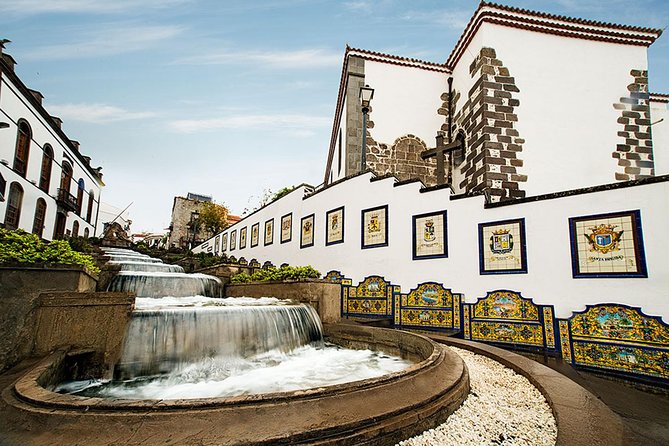
Teror is one of the most appealing town stops because it combines religious importance with traditional architecture. The Basilica of Nuestra Señora del Pino is linked to the patron saint of the Canary Islands, while the surrounding streets feature stately homes and palaces in a Canarian style.
You are scheduled to spend about an hour here, though some outings have had shorter visits, around 30 minutes. That difference is important. If Teror is the part of the day you most want to see, you may find the stop too brief for a proper visit.
Still, even a short walk can give you a feel for the town’s scale and appearance. Look up at the wooden balconies and pause around the basilica before meeting the group. The stop has more cultural substance than a simple photo break, but you need to make the most of the time given.
More Full-Day Trips in Spain:
- Montserrat Full Day Tour with Farmhouse Lunch and Winery Visit
★ 5.0 · 1,068 reviews - Ubud: Full-Day Rice Terrace, Monkey Forest & Waterfall
★ 5.0 · 2,634 reviews - Full-Day Tour to Water Temples and UNESCO Rice Terraces in Bali
★ 5.0 · 2,539 reviews - Full Day Thai Cooking at Farm (Chiang Mai)
★ 5.0 · 1,127 reviews
Valleseco, lunch, and a protected mountain setting
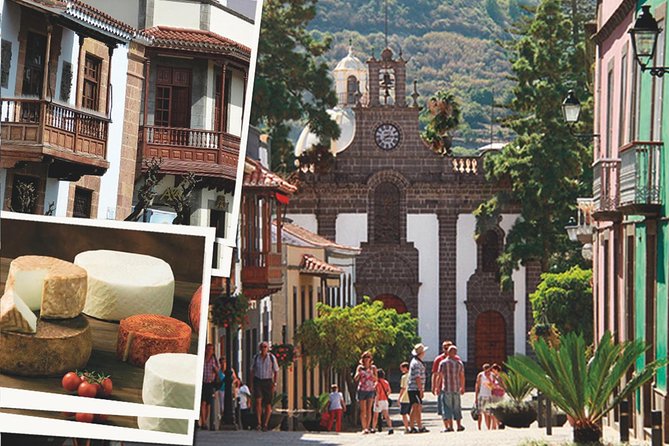
Valleseco is the longest scheduled stop, at about two hours. The area is known for thick vegetation, and around 80 percent of its territory is described as protected natural area. This is where the day slows down a little, though lunch takes up much of the break.
Lunch is not included in the tour price. The usual arrangement is an optional three-course menu with a drink for about €12. That is fair value if you want a hot meal without searching for a restaurant, but you should know that the group is generally directed to one venue rather than given a wide choice.
Some people bring a packed lunch instead. That can be the better plan if you have dietary needs, dislike fixed menus, or want to use the entire break for walking. The restaurant can also be busy when a full coach arrives, so do not expect a quiet, leisurely meal.
Valleseco is a useful place to stretch your legs after the coach ride. You can walk its streets, eat, and enjoy a more rural setting. I would budget for lunch even though it is described as optional, since the group schedule makes the arranged meal the easiest choice.
Roque Nublo and Gran Canaria’s volcanic heart
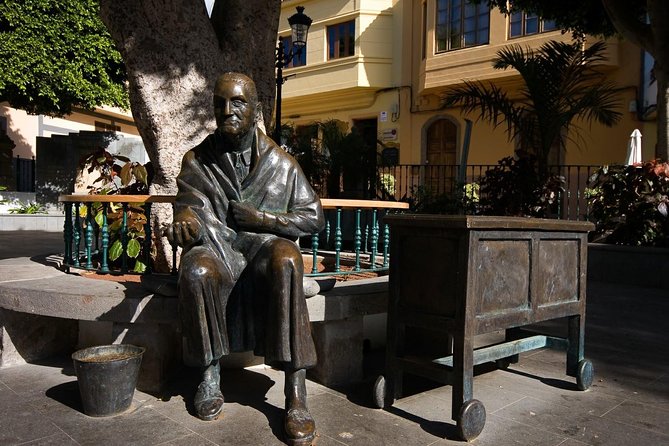
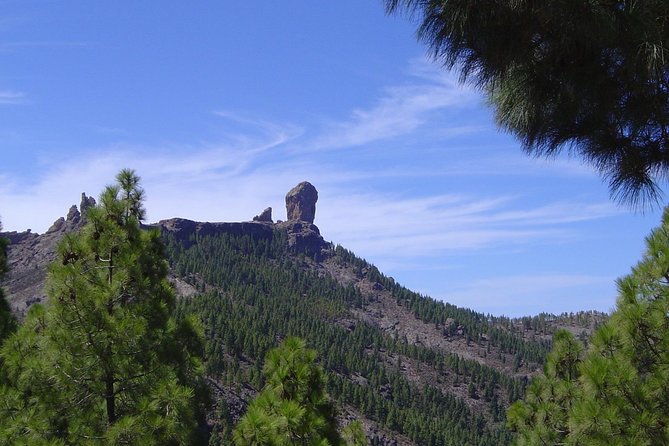
Roque Nublo is the day’s main natural landmark. This enormous volcanic crag rises about 80 meters above its base and has long carried meaning for the island’s people. It was once a place of worship for the aboriginal inhabitants, and the surrounding area became protected in 1987 before later receiving rural park status.
The stop lasts about an hour. That gives you time for views and photographs, but not necessarily for a long hike. The tour is not presented as a dedicated walking excursion, so wear shoes that are comfortable for uneven ground and short walks, but do not expect a full mountain trek.
Roque Nublo is also where the skill of the driver matters. The roads through the high country can be narrow and winding, and several outings praised the drivers for handling the route calmly. You may spend a good part of the approach looking through coach windows, but the views are one of the rewards of taking this route.
For many people, this is the strongest reason to book. It gives you a look at the island’s volcanic interior without hiring a car or navigating mountain roads yourself. The stop is short, but the setting carries more weight than a typical roadside viewpoint.
Fataga and the aloe vera stop
Fataga is described as the Valley of the Thousand Palm Trees, but the coach does not stop there for a full visit. You may see the area while traveling through, but do not book this tour expecting time to explore the village.
The scheduled stop is an aloe vera property. Aloe has become an important crop in the Canary Islands, and the visit explains its uses, properties, and cultivation. This can be interesting if you want to understand a local product and how it is marketed.
There is an important catch. The stop also includes a shop and a sales presentation. Some people find the talk useful, while others feel it turns into a sales pitch and makes claims about aloe that go beyond sensible evidence. If you are not interested in buying creams, drinks, or other products, you can listen politely and keep your wallet closed.
I would treat the aloe visit as a commercial stop with an educational element, not as a working farm tour in the traditional sense. That distinction helps set fair expectations. It is also the part of the day most likely to disappoint people who want more time in villages or nature.
The guide, languages, and coach ride
A local guide accompanies you throughout the day. Guides named in past departures include Tom, Miguel, Simone, Angel, and Maribel. Their approach can vary, but the strongest outings have included lively explanations of island history, local customs, and the places along the route.
The tour may run in two or three languages, and some guides speak as many as seven. That is useful for mixed groups, but it has a cost. Commentary can become compressed, and English explanations may be shorter when the guide is switching between languages. If detailed storytelling is your main goal, this format may feel rushed.
Transport is another point to check. Some descriptions suggest a minibus, yet departures have also used a larger coach, sometimes after a smaller vehicle collects people from hotels and transfers them to the main bus. A coach gives you shelter and handles the long route, but it can limit your view and make small village stops feel less nimble.
The road sections are not wasted time. You get a sense of how sharply Gran Canaria changes from resort coast to dry valleys and high mountain country. Still, estimates that around 70 percent of the day is spent on the coach are useful. You are buying a sightseeing circuit, not six separate walking tours.
How the price compares with the experience
The $59.61 price includes the guide, transfers, insurance, and the aloe visit. For someone staying in southern Gran Canaria, that is a sensible rate for a day that connects several distant places. A rental car would add fuel, insurance, navigation, and the stress of mountain driving.
You should add about €12 for the arranged lunch, unless you bring food. Also allow for the possibility of optional purchases at the aloe stop. The tour is good value if you care most about reaching Roque Nublo, mountain villages, and inland viewpoints in one go.
The value drops if you want long visits at each stop. You may feel that some towns are used mainly as brief pauses between coach journeys. The tour also does not include entrance tickets to paid attractions, though the listed stops themselves have no admission charge.
Who should book this day out?
I would recommend it to first-time visitors who want a quick sense of the island beyond the southern resorts. It suits you if you prefer to leave driving to someone else, want a guide’s commentary, and are happy to trade depth for variety.
It is also a good choice for anyone staying in Maspalomas, Playa del Inglés, Puerto Rico, or another southern resort with no plans to rent a car. Pickup and drop-off from southern hotels, or nearby pickup points, remove much of the planning work.
You may want another option if you dislike coach tours, sales stops, multilingual commentary, or fixed meal arrangements. Independent visitors with a rental car can spend longer in Teror, Agüimes, or Roque Nublo and skip the aloe shop. Hikers should also look for a dedicated walking trip, since this outing leaves limited time for trails.
Practical details before you go
Wear comfortable shoes and bring water for the town walks and mountain stops. The tour includes outdoor time, but it is not a strenuous hiking program.
Keep the full day open. Pickup can occur between about 9:00 and 10:30, and some departures return close to 6:30 in the evening. The road route, group size, and hotel pickups all affect the timing.
Free cancellation is available until 24 hours before the start time. Changes or cancellations inside that window are not accepted for a refund. Poor weather or failure to reach the minimum number of participants can lead to a different date, another experience, or a full refund.
Should you book this Gran Canaria tour?
Book it if your priority is seeing a lot of inland Gran Canaria without driving. Roque Nublo, Teror, Agüimes, and the mountain roads give you a much broader picture of the island than a beach holiday alone.
Skip it if you want slow travel, serious hiking, or detailed history at every stop. The best attitude is to see this as a guided island sampler: efficient, scenic, and occasionally rushed. Bring lunch money or a sandwich, expect a coach rather than a tiny van, and regard the aloe stop as partly commercial. With those limits clear, the tour offers solid value for a first look at Gran Canaria.
FAQ
Is pickup included with the tour?
Yes. Pickup and drop-off are offered from hotels in southern Gran Canaria, or from the nearest pickup point. Transfer times generally take place between about 9:00 and 10:30.
Is lunch included in the price?
No. Lunch is not included. The usual arranged meal costs about €12 and may include a three-course menu and a drink. You can also bring your own food.
How long does the tour last?
The tour is listed as approximately seven hours, but pickup and return times can make the day longer. Some departures have run from roughly 9:40 in the morning until 6:40 in the evening.
What places does the tour visit?
The route includes Agüimes, Arucas, Teror, Valleseco, Roque Nublo, and an aloe vera property. Fataga is part of the route, but the coach does not stop there for a full visit.
Is this a hiking tour?
No. The tour includes outdoor stops and opportunities for short walks, especially around towns and Roque Nublo, but it is primarily a sightseeing trip by coach.
Can I cancel for a full refund?
Yes, if you cancel at least 24 hours before the experience begins. Cancellations or changes made less than 24 hours in advance are not eligible for a refund.
Just added around Spain
- Animal farm park with free hotel pickup★ 5.0 · 2 reviews
- Bull Breeding Farm: Guided Half-Day Tour from Seville★ 4.5 · 24 reviews
- From Seville: Pig Farm private day tour and old villages visit★ 4.5 · 4 reviews
- ” Basque Farm House & Cider house” tour + meal from San Sebastian★ 5.0 · 9 reviews
- Fuerteventura Villages Caves and Farm Tour with Lunch from North★ 3.0 · 9 reviews
- Menorca: Cheesemaking and Farm-Fresh Product Tasting★ 5.0 · 29 reviews
- Chefcooking Paella from our Andalusian Grandmother at a Family Farm★ 5.0 · 49 reviews
- Eastern Majorca Tour with Arta Caves and Aloe Plantation★ 4.5 · 2 reviews
Gran Canaria Farm Tours, compared.
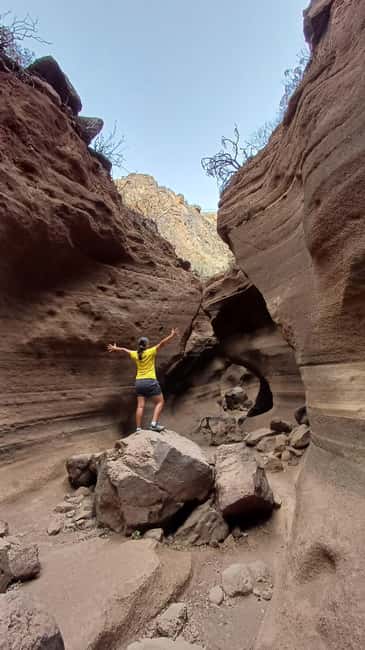
Maspalomas: Barranco de las Vacas, Caves, Farmhouse Tour
Read our review →
Finca Los Castaños: Agaete Valley Coffee Tour & Tasting
Read our review →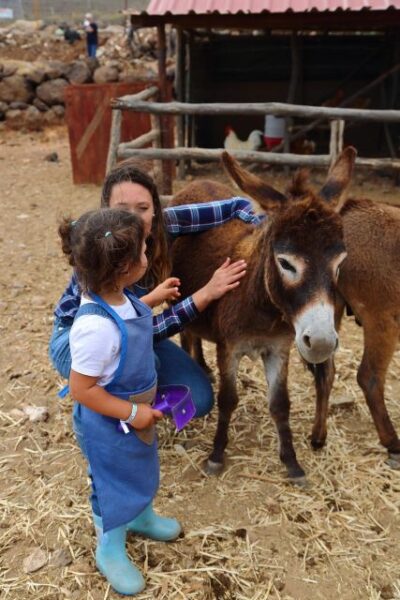
Agüimes : Be a farmer for the day at La Jaira de Ana
Read our review →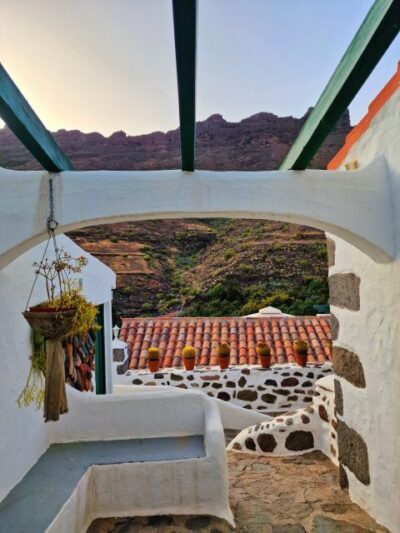
Gran Canaria historical house with mango plantation in Mogan
Read our review →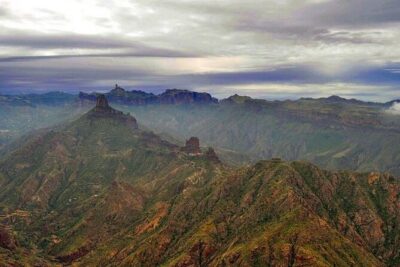
Tour to Arucas, Teror, Aloe Vera farm – Highlights
Read our review →
Explore Gran Canaria’s Coffee at Finca Los Castaños
Read our review →
Canarian farmhouse in Mogan, mango farm and vermouth factory
Read our review →Browse the lists this tour appears in