
Review · ZANZIBAR
Zanzibar: Spice Farm Tour with Traditional Cooking Lesson
Zanzibar’s spices make the most sense when you meet them as living plants. On this three-hour outing, you can crush a leaf of lemongrass, smell fresh cinnamon, taste tropical fruit, and see how cloves, nutmeg, vanilla, cardamom, and black pepper grow before they reach a kitchen shelf. The farm visit turns familiar pantry items into real plants, with stories tied to Zanzibar’s food, medicine, trade, and daily life.
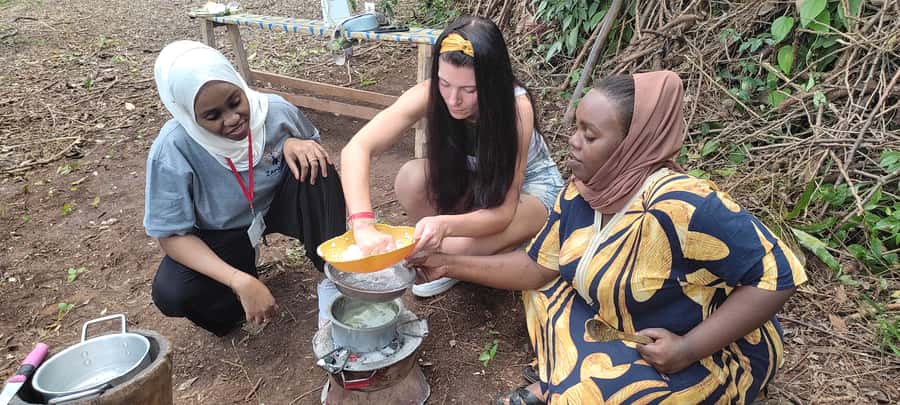
I especially like the hands-on cooking and the chance to make coconut milk rather than simply watch a demonstration. I also like the fresh food: jackfruit, young coconut, and a Swahili lunch prepared with ingredients from the farm. The main consideration is that the cooking portion can vary. Some groups take part more directly, while others mainly help with a few ingredients and watch the rest.
Key points to know before you book
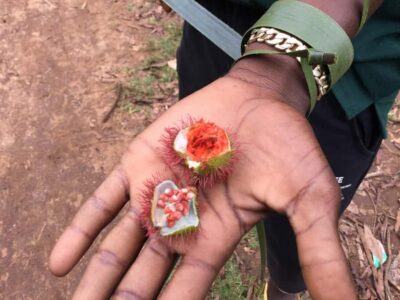
- Fresh spices on the plant: Touch, smell, and taste vanilla, cloves, cinnamon, turmeric, ginger, nutmeg, cardamom, pepper, and lemongrass.
- A meal you help prepare: Join parts of a traditional cooking lesson, including cassava leaf work and coconut milk preparation.
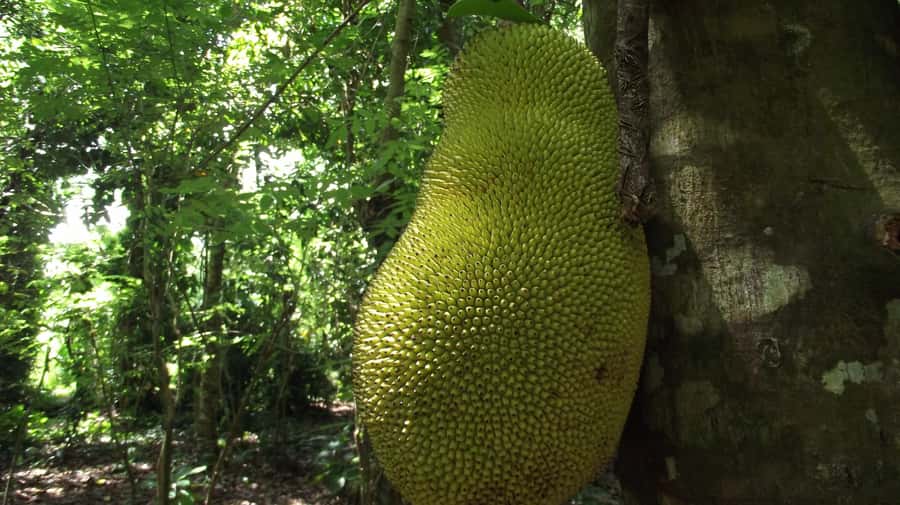
- Fruit tasting included: Try fresh jackfruit and young coconut picked during the visit.
- Private group format: Your group has a live English or Swahili-speaking guide rather than joining a large shared crowd.
- Convenient pickup: Meet at the Old Fort at 9:00 AM, or arrange pickup from a beach hotel anywhere in Zanzibar.
- Bring cash: Spices from the farm shop can only be purchased with cash.
Why Zanzibar’s spice farms matter
Zanzibar and Tanzania’s Mafia Island are often called the Spice Islands because spices have long played an important part in the islands’ economy, cooking, and identity. This tour gives that idea a practical shape. Instead of seeing dried cloves in a market basket, you can learn where the plant grows and handle spices before processing changes their smell and texture.
The guide explains how the plants are used in food and traditional medicine. That makes the farm walk more than a list of names. You begin to understand why the same plant can appear in a cup of tea, a curry, a home remedy, or a market stall.
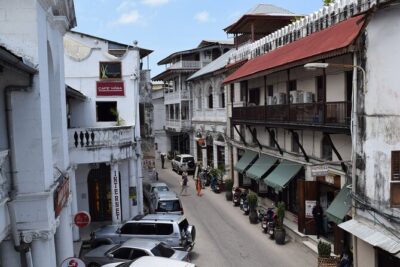
I find this especially useful if you are spending time in Stone Town. The old city has many spice sellers, but the farm shows you the source. You get a better sense of the work behind the small packets of cinnamon, vanilla, tea, and mixed seasonings sold to visitors.
The quality of the guide matters here. Chiquito is known for adding humor to the explanations, while guides such as Abdullah and other local staff have been praised for explaining both the plants and Zanzibar’s culture. Driver Ahmad has also been singled out for friendly conversation during the journey. The guide names may vary, but the format is clear: expect a personal, locally led visit rather than a self-guided walk through planted beds.
More Farm Cooking Classes in Tanzania
- Zanzibar: Spice Farm Tour with Traditional Cooking Class
★ 4.6 · 16 reviews - A private half day spice farm with a cooking lesson
★ 5.0 · 13 reviews - Zanzibar: Spice Farm Tour and Cooking Class with Lunch
★ 4.2 · 11 reviews
Meeting at the Old Fort or arranging hotel pickup
The standard meeting point is in front of the Old Fort on Mizingani Road in Stone Town at 9:00 AM. This works well if you are staying in the old city or want to begin your day there.
Pickup is also available from beach hotels anywhere in Zanzibar. That is a useful option because the island’s beach resorts are spread well beyond Stone Town. Confirm your pickup details when booking, since the meeting time and transport arrangements can depend on your hotel.
The ride is part of the practical value of the tour. A driver can handle the route while you listen to local stories and get settled into the day. Ahmad, in particular, has received strong feedback for being punctual and friendly. The tour is listed as a private group experience, so you are not being folded into a large bus tour with strangers.
At three hours, this is a manageable morning activity. You can still have much of the day for Stone Town, a beach, or another planned outing. Leave some room in your schedule, though. The advertised duration is three hours, and one past visitor found the tour shortened because the timing was not well managed. That appears to be an occasional issue rather than the main pattern, but it is worth knowing if you have a tightly packed day.
Walking among vanilla, cloves, cinnamon, and pepper
The farm walk is the heart of the experience. Your guide introduces the plants one at a time and explains how they are grown and used. You can touch, smell, and taste many of them directly, which is the best reason to choose a farm over a spice shop.
Expect to encounter:
- Vanilla
- Cardamom
- Nutmeg
- Cinnamon
- Cloves
- Black pepper
- Ginger
- Turmeric
- Lemongrass
- Other herbs and spice plants
A dried spice is often familiar but flat. Freshly handled plants are different. Cinnamon has bark, pepper grows as a plant rather than appearing as loose black beads, and vanilla makes more sense when you see it in its natural setting. The exact sequence depends on the guide and what is growing at the time.
The guide also connects the plants to Zanzibar’s food and history. This is one of the strongest parts of the tour because it gives context without turning the morning into a formal lecture. You can ask questions, compare smells, and learn the Swahili names for some of the plants.
The farm is described as organic and focused on top-quality spices. You should still think of it as a working local farm, not a polished botanical garden. Paths and demonstrations may be simple. That is part of the appeal, but it also means the experience is better suited to people who enjoy direct contact with local food production than to anyone expecting a carefully staged museum visit.
Fresh jackfruit, coconut, and tropical fruit
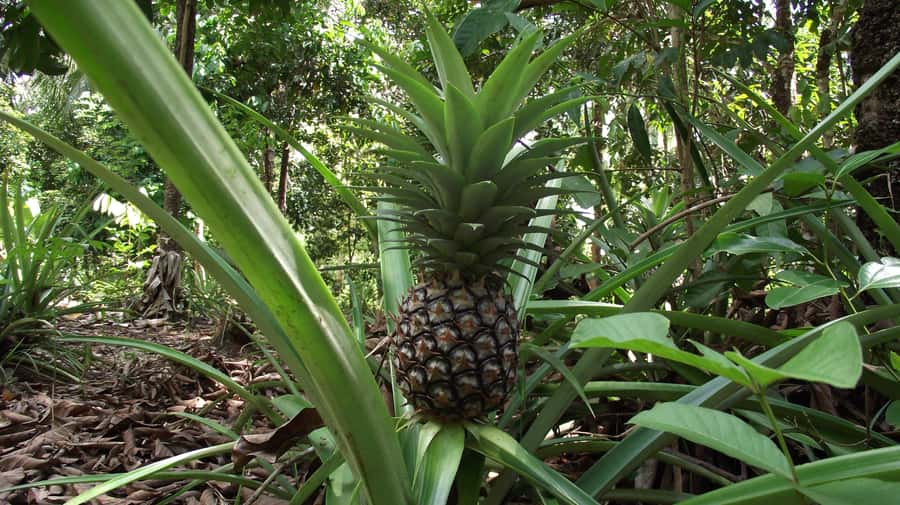
The spice walk includes tropical fruit as well. Jackfruit is one of the more memorable tastes because it is described as the largest fruit in the world. It has a strong, sweet flavor and a very different texture from the fruit commonly sold in European or North American shops.
You may also taste fresh coconut. During the visit, a coconut tree climber picks young coconuts for the group. The sight of a fresh coconut coming down from the tree is more useful than a generic fruit tasting because you see the connection between the plant and the food in your hands.
The fruit section helps break up the spice explanations. You are not simply standing in one place listening. You move between plants, smells, tastings, and demonstrations. Wear comfortable shoes, since the activity takes place on a farm rather than on a paved city route.
Bring water, sunscreen, and a sun hat. Zanzibar can feel hot during an outdoor morning, and shade is not guaranteed at every point of the visit. You may also want to carry cash for the farm shop and any optional tips connected with demonstrations.
Same fields, a different sort of day out:
- Zanzibar: Prison Island, Stone Town, & Spice Farm Tour
★ 4.5 · 579 reviews - Full-Day Private Stone Town +Spice Farm and Prison Island Tour
★ 4.5 · 216 reviews - Zanzibar: Stone Town & Spice Farm Tour with Lunch
★ 4.5 · 97 reviews - Zanzibar:Stone Town & Spice Farm Private Tour Lunch Included
★ 4.2 · 94 reviews
Making coconut milk and preparing a Swahili lunch
The cooking lesson gives the tour its strongest sense of participation. You may join a cassava leaf harvest, help make coconut milk, and take part in preparing local dishes. The point is not to master a full recipe in three hours. It is to see how ordinary ingredients are transformed into a meal and to handle a few steps yourself.
Fresh coconut milk is especially worth paying attention to. In many kitchens, coconut milk arrives in a can or carton. Here, you can see the process from coconut to cooking ingredient. That small task gives you a clearer idea of how much preparation goes into a traditional meal.
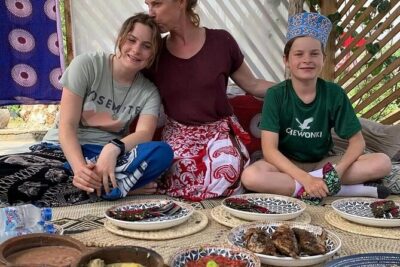
The lunch is served at the farm and forms the end of the visit. It is a Swahili-style meal, with the food prepared using local ingredients and spices. You should arrive hungry. The tasting begins before lunch, and the fruit, coconut, and cooking activity can add up to a surprisingly filling morning.
There is one important point to keep in mind. The phrase traditional cooking lesson may suggest that you will prepare every dish from start to finish. In practice, the level of participation can vary. One group helped with ingredients for a side dish but did not cook the full meal alongside the staff. If your main reason for booking is an intensive cooking class, ask how much hands-on work is planned for your date. If you want a cultural food experience with some practical participation, the format should suit you well.
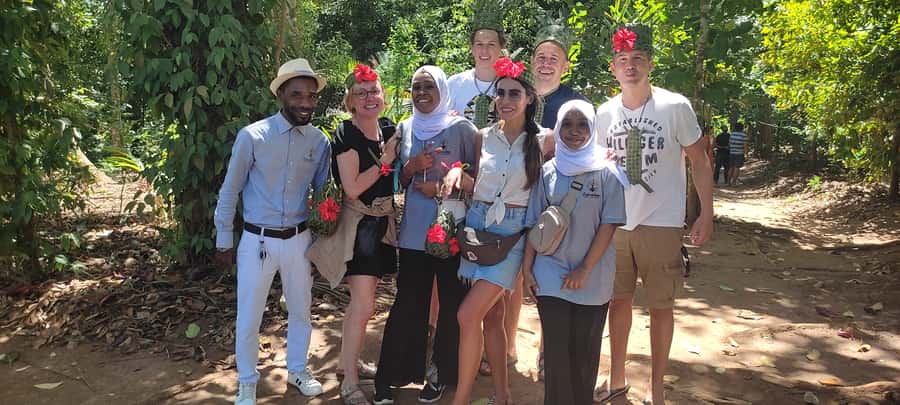
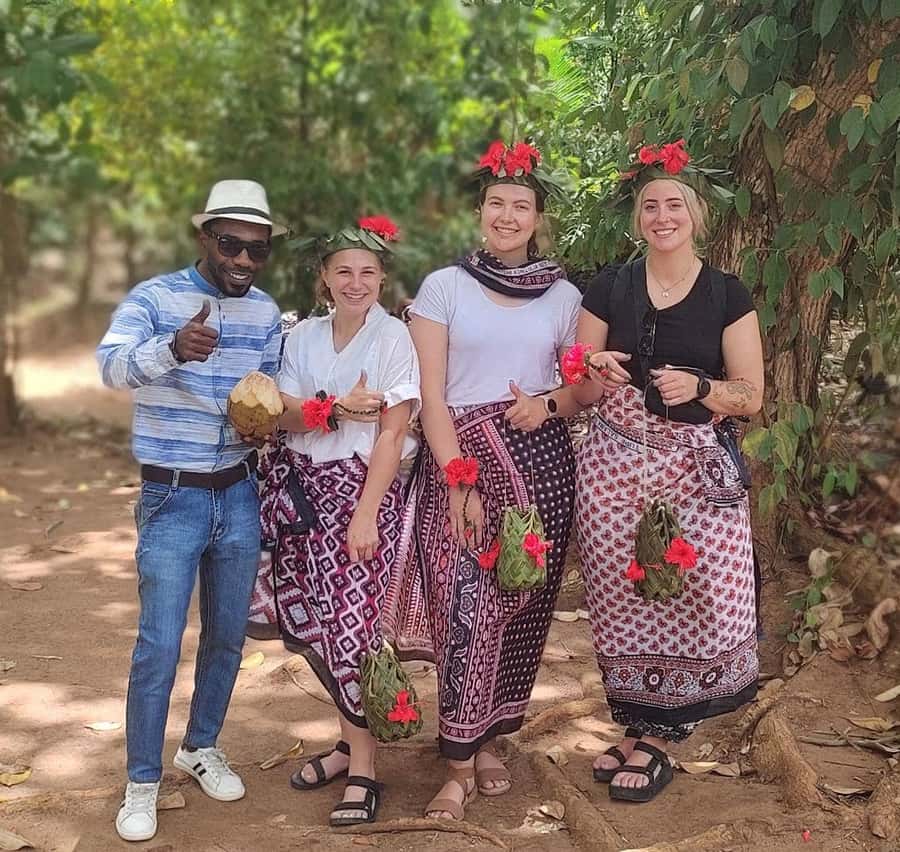
Some demonstrations can also feel a little arranged for visitors. One past account described leaf-made crowns, ties, and handbags, along with a request for tips. You can enjoy these if they appeal to you, but you are not required to treat every extra performance as part of the core experience. The spice walk, food preparation, and lunch are the real reasons to book.
Buying spices to take home

The farm shop gives you a chance to buy fresh spices, teas, and related products after the tour. This is convenient because you have already seen the plants and learned how the ingredients are used. You can make more informed choices than you might in a shop filled with unlabeled packets.
The purchase is also one way to extend the experience after you return home. Cinnamon, cloves, ginger, turmeric, pepper, vanilla, and tea can bring back the smells and flavors of the morning. Several people have found the spices easy to use in their own cooking.
Bring cash. Spice purchases can only be made with cash, and this is the most important shopping detail to remember. The tour price does not remove the need to budget separately for anything you want to take home.
You should also keep your expectations sensible. A farm shop is a chance to buy local products, not a guarantee that every item will be the cheapest option on the island. The value is in buying directly after learning about the plants and supporting the local community connected with the farm.
What the $65 price includes
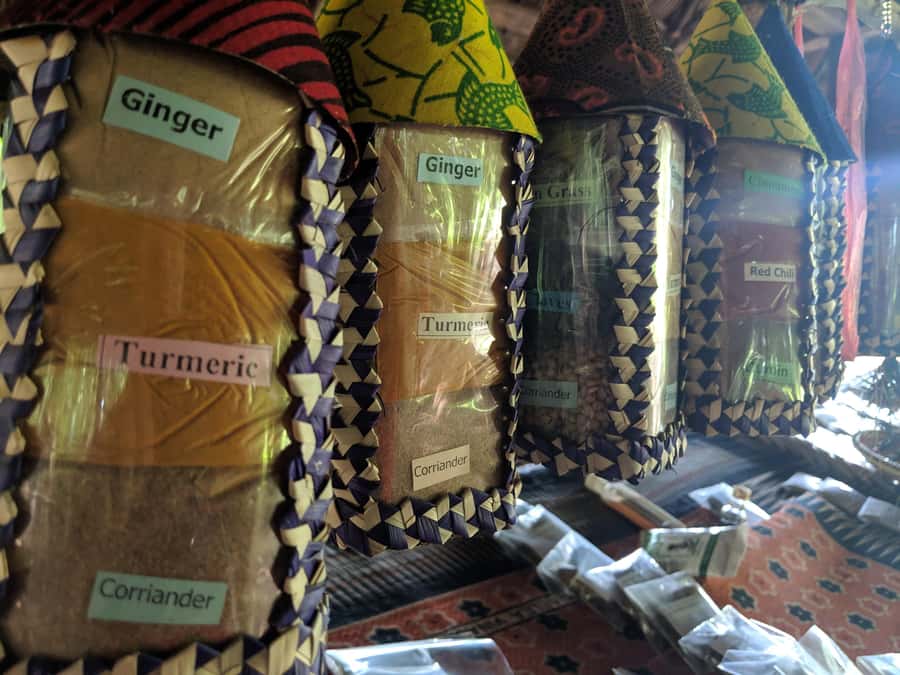
At $65 per person, the cost is reasonable if you use the transport, enjoy the meal, and take part in the full three-hour program. The price includes pickup from the Stone Town meeting point or a beach hotel, a local guide, lunch, and a contribution to the local community.
For someone staying at a beach resort, transport can make a real difference. A separate taxi to the farm would add cost and planning, so the included pickup makes the tour easier to fit into a Zanzibar itinerary. For someone staying in Stone Town, the value rests more on the guide, the food, and the private format.
The private group setup is another point in its favor. You can ask questions, spend more time smelling plants, and participate without being lost in a large crowd. The quality of the morning depends heavily on your guide, and the strongest accounts name Chiquito, Abdullah, Ahmad, Khamis, and Juma as friendly, informative people who added humor, photos, Swahili words, or useful local conversation.
A 4.8 rating from 77 reviews suggests consistently strong satisfaction, but the occasional concerns are worth keeping in view. The cooking may be less hands-on than expected, the schedule may feel rushed on some days, and a few extras can feel touristy. None of these cancels out the main experience, but they help you book with the right expectations.
Who will enjoy this farm visit most
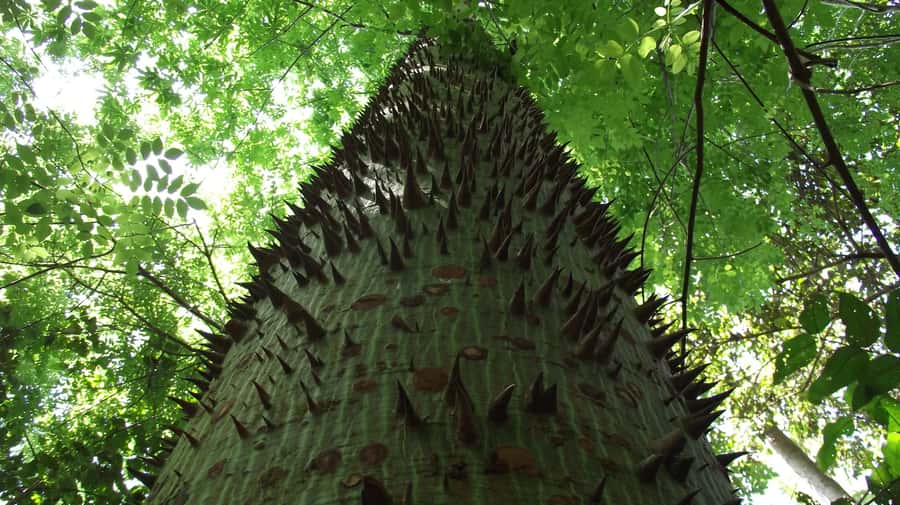
I would choose this tour if you enjoy food, plants, and direct contact with local life. It works particularly well for first-time visitors who want a gentle introduction to Zanzibar’s culture without committing to a full-day excursion.
It is also a good match for:
- Couples who want a relaxed morning activity
- Families interested in fruit, plants, and cooking
- Food lovers who want to understand local ingredients
- Visitors staying at beach hotels who need organized transport
- Anyone planning to buy spices after seeing where they grow
- Small private groups who prefer a personal guide
You may want to choose another activity if you want a serious cooking course with detailed recipes and extended kitchen time. This is a farm visit with cooking included, not a specialist culinary school. It is also not suitable for pregnant women, according to the activity information.
The tour is listed as wheelchair accessible, but the setting is a working farm. If you need precise information about paths, surfaces, or access to each demonstration area, confirm those details before booking.
Practical advice for a better morning
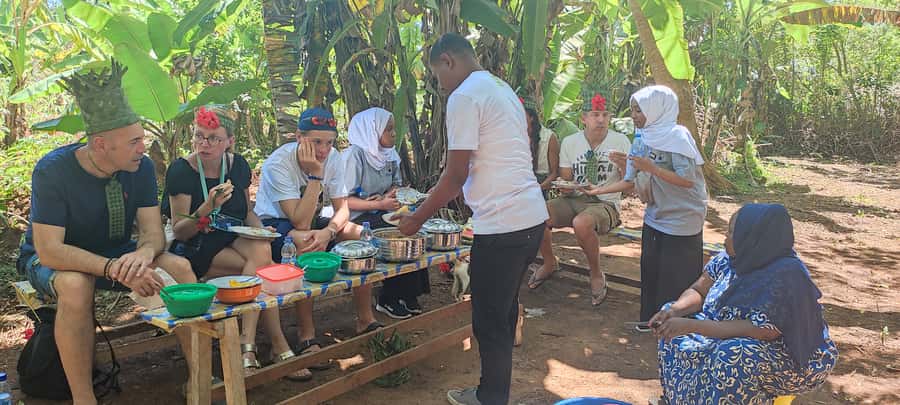
Wear comfortable shoes and clothes suited to an outdoor farm. A sun hat, sunscreen, and water will make the morning easier.
Do not eat a large breakfast. The tour includes fruit tastings, young coconut, cooking, and lunch, so arriving hungry is sensible.
Carry cash for spice purchases. You may also want a small amount for tips, especially if you choose to take part in optional leaf crafts or extra demonstrations.
The tour is offered in English and Swahili. If language matters to your group, request your preferred language when arranging the booking.
Cancellation is free up to 24 hours before the activity for a full refund, and you can reserve now and pay later. Those terms are useful if your Zanzibar plans are still shifting, especially when hotel transport is involved.
Should you book this Zanzibar spice tour?
Book it if you want to smell spices at their source, eat a local lunch, and learn through simple hands-on tasks. The combination of farm, fruit, cooking, and transport gives you more substance than a quick spice shop stop, and the private format should make it easy to ask questions.
Go in expecting a guided cultural food experience, not a long professional cooking class. Keep some cash for the shop, allow for the possibility of a variable schedule, and treat the leaf crafts as optional extras. With those expectations, the $65 price offers good value, particularly for beach-hotel pickup and a meal included.
FAQ
Where does the Zanzibar spice farm tour meet?
The standard meeting point is in front of the Old Fort on Mizingani Road in Stone Town at 9:00 AM.
Is hotel pickup available?
Yes. Pickup is available from beach hotels anywhere in Zanzibar, as well as from the Stone Town meeting point.
How long does the activity last?
The activity lasts three hours. You should check the available starting times when booking.
What spices can I see on the tour?
The farm visit can include vanilla, cardamom, nutmeg, cinnamon, cloves, black pepper, ginger, turmeric, lemongrass, and other spice plants.
Is lunch included?
Yes. Lunch at the spice farm is included, along with the cooking activity and local food preparation.
Can I buy spices at the farm?
Yes. The farm has a shop where you can purchase spices and other products. You must bring cash because spices can only be purchased with cash.
Is the tour suitable for pregnant women?
No. The activity is listed as unsuitable for pregnant women.
More Farm Cooking Classes in Zanzibar
- Half-Day Thai Cooking Class at Organic Farm in Chiang Mai
★ 5.0 · 19,087 reviews - Cooking Class and Lunch at a Tuscan Farmhouse with Local Market Tour from Florence
★ 5.0 · 4,831 reviews - Chiang Mai: Authentic Cooking Class with Market & Farm Visit
★ 4.9 · 4,546 reviews - Ubud: Balinese Cooking Class at an Organic Farm
★ 5.0 · 1,786 reviews
More Spice Farm Tours in Zanzibar
- Zanzibar full day Jozani forest + Spice farm and stone town
★ 4.7 · 90 reviews - Spice Farm Bike Tour: Pedal Through Aromatic Adventures
★ 3.8 · 8 reviews - FROM NUNGWI: STONE TOWN, SPICE FARM TOUR AND PRISONAL ISLAND
★ 4.7 · 7 reviews - Spice farm,Stone town and Jozani forest tour with lunch
★ 5.0 · 4 reviews
Just added around Zanzibar
- STONE TOWN AND SPICE FARM TOUR★ 4.5 · 2 reviews
- Spice Farm Bike Tour: Pedal Through Aromatic Adventures★ 3.8 · 8 reviews
- Spice farm,Stone town and Jozani forest tour with lunch★ 5.0 · 4 reviews
- FROM NUNGWI: STONE TOWN, SPICE FARM TOUR AND PRISONAL ISLAND★ 4.7 · 7 reviews
- Explore Jozani Forest and Zanzibar Spice Farm★ 4.5 · 2 reviews
- A private half day spice farm with a cooking lesson★ 5.0 · 13 reviews
- Zanzibar: Spice Farm Tour and Cooking Class with Lunch★ 4.2 · 11 reviews
- Zanzibar: Spice Farm Tour with Traditional Cooking Class★ 4.6 · 16 reviews
Zanzibar Farm Tours, compared.

Full-Day Private Stone Town +Spice Farm and Prison Island Tour
Read our review →
Stone Town & Spice Farm Private Tour Lunch Included
Read our review →
Zanzibar full day Jozani forest + Spice farm and stone town
Read our review →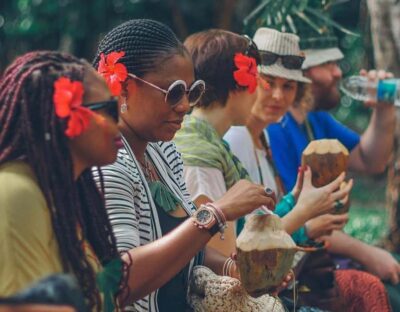
A private half day spice farm with a cooking lesson
Read our review →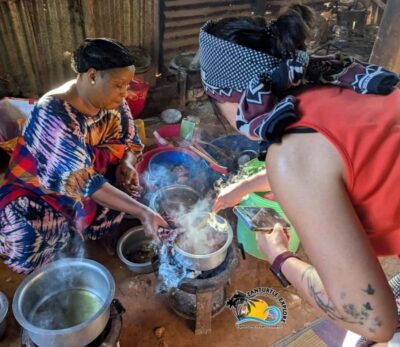
Browse the lists this tour appears in