
Review · ZANZIBAR
Zanzibar: Spice Farm Tour and Cooking Class with Lunch
The best part of this Zanzibar outing is the chance to touch, smell, and taste spices where they grow. You may handle cinnamon bark, ginger, lemongrass, and cloves before helping prepare pilau rice, curry, side dishes, and dessert over traditional cooking equipment.
I like the fruit tasting, especially the chance to try red bananas, small mangoes, pineapple, oranges, and watermelon. I also like the easy mix of village walking, farm work, and lunch with local cooks. The main caution is pickup reliability: two people reported waits of 60 to 90 minutes, and repeated requests for tips can make the day feel less relaxed.
Quick points to know
- Cloves, cinnamon, ginger, and lemongrass grow around you: The farm walk turns familiar pantry items into living plants, bark, roots, and leaves.
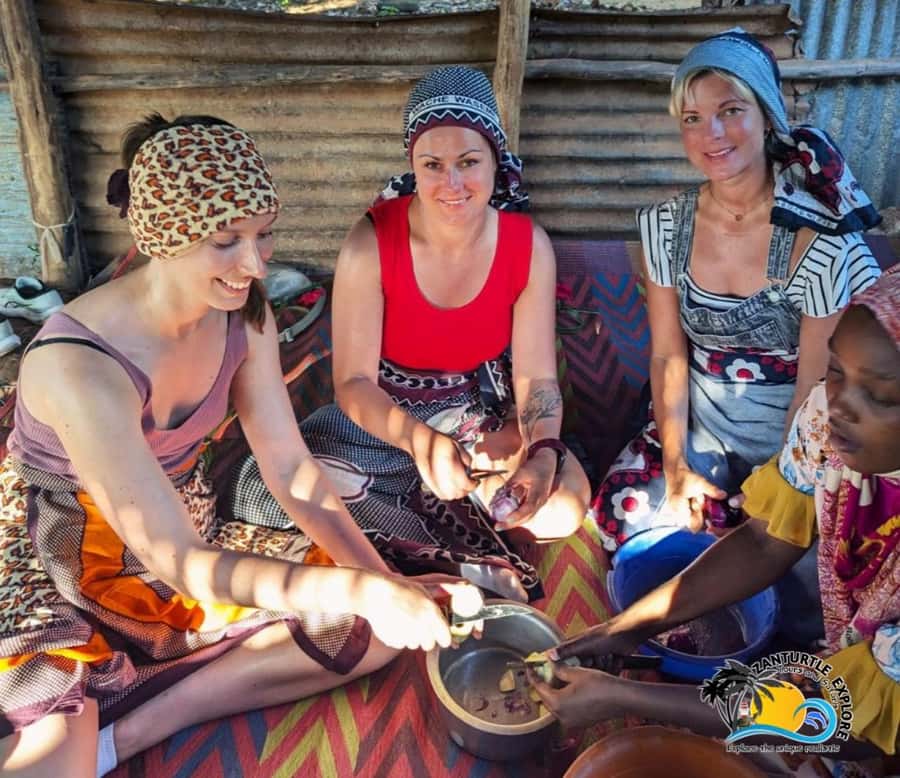
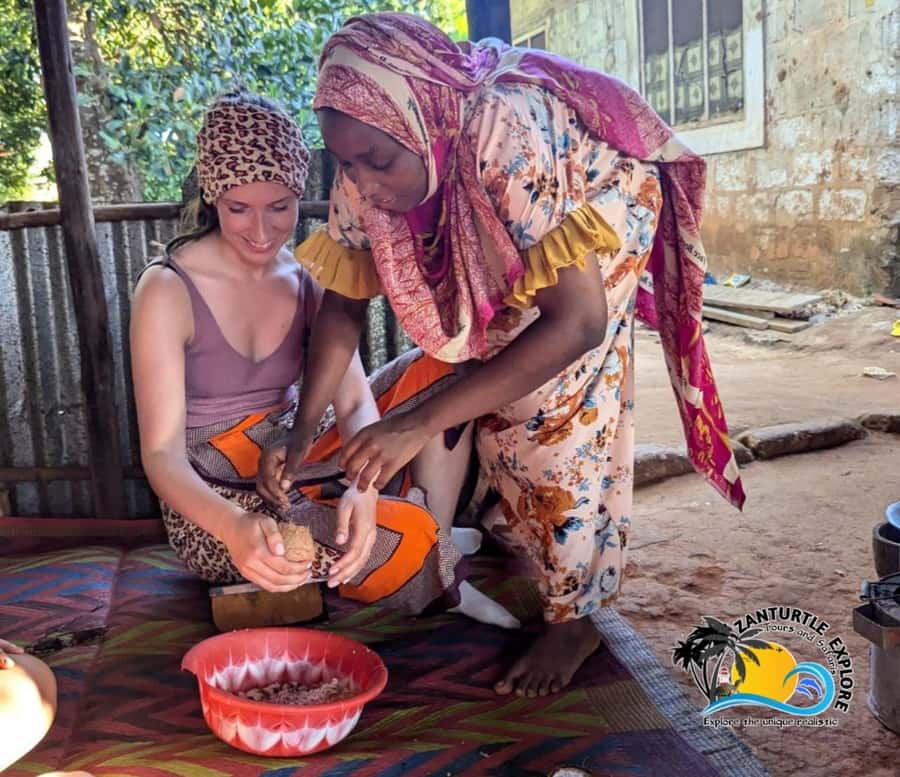
- Cooking is hands-on but not a full chef lesson: You help chop, stir, and prepare ingredients alongside a local cook.
- The fruit tasting is a real highlight: Red bananas, small mangoes, pineapple, oranges, and watermelon may be served.
- You get about three and a half hours at the farm: The remaining time is roughly one hour each way in the van.
- Bring cash for personal spending and tips: Tips may be requested several times, and spices are sold on-site.
- The experience is private and hotel-based: Pickup and drop-off are available from Stone Town, Unguja South, Unguja North, and Mjini Magharibi.
What the five-hour Zanzibar experience is really about
This is not simply a walk past rows of plants. It is a food day built around Zanzibar’s working spice culture. At Jambo Spice Farm Dole, you move through village paths and plantations with a guide, stopping to identify plants by sight, smell, and touch.
That sensory part matters. A jar of cinnamon tells you very little about how cinnamon begins. On the farm, you can handle bark, smell fresh leaves, and see workers climb trees or gather plant material. The experience gives you a better idea of why spices matter so much in Swahili cooking.
The day combines three activities:
- A guided walk through villages and spice plantations
- A cooking session with a local chef
- A prepared lunch, fruit tasting, and time for farm shopping
The schedule allows around two hours for the guided farm visit and another hour and a half for cooking, lunch, free time, and additional walking. Add the roughly two hours of transportation, and you have a five-hour outing that fits neatly into a Zanzibar sightseeing day.
More Farm Cooking Classes in Tanzania
- Zanzibar: Spice Farm Tour with Traditional Cooking Lesson
★ 4.8 · 77 reviews - Zanzibar: Spice Farm Tour with Traditional Cooking Class
★ 4.6 · 16 reviews - A private half day spice farm with a cooking lesson
★ 5.0 · 13 reviews
The drive from your hotel to Dole
Hotel pickup is included, which is useful in Zanzibar. You do not need to arrange a separate taxi to the farm, and the service covers hotels in Stone Town, Unguja South, Unguja North, and Mjini Magharibi.
The stated driving time is about one hour each way. That can be a fair trade for reaching a central farm, but you should protect your schedule. Pickup confusion caused one party to wait more than an hour, while another reported a 90-minute delay after several phone calls. The return ride was on time in at least one case, but I would still avoid booking this on a day when you have a flight, ferry, or strict dinner reservation.
The operator asks you to provide your hotel name and room number. Meet in the lobby or reception area, and keep your phone available in case the driver needs to reach you.
Walking through Jambo Spice Farm Dole
The farm tour is the strongest part of the experience. Your guide leads you through spice plants and explains traditional uses in Zanzibar cooking. You may see cloves, cinnamon, ginger, lemongrass, and other plants used in local meals and drinks.
The useful feature here is the direct contact. You are not only shown a finished spice. You can smell leaves, touch plant material, and taste selected items. The tour also includes demonstrations of workers climbing spice trees and coconut trees, along with the collection of bark and other plant parts.
Guide Mateo received particular praise for making the walk playful and interactive. If he is assigned to your group, expect a guessing game in which you identify spices from leaves or trees. Guide assignments can change, so treat the name as a possibility, not a guarantee.
The village section adds a human side to the farm visit. You walk through local surroundings and see some of the ways plants, food, and daily work connect. The activity is more useful if you ask questions about how each spice is used at home, not just what it is called.
Wear shoes you can walk in comfortably. The farm portion takes place outdoors, so a hat, sunscreen, and a camera are sensible. The activity is listed as wheelchair accessible, although the supplied details do not explain the exact condition of paths or plantation surfaces. If you use a wheelchair, write your access needs in the special requests section before booking.
Fruit tasting with a Zanzibar twist
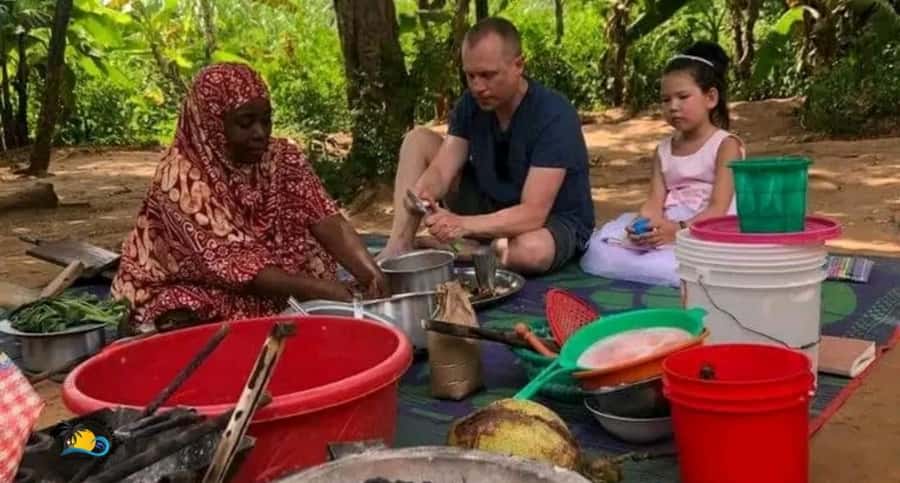
The fruit stops break up the spice talk and add some welcome sweetness. You may taste pineapple, bananas, oranges, and watermelon, with red bananas and small mangoes singled out as especially interesting possibilities.
This is a good chance to compare fruit you may know from supermarkets with varieties served close to where they grow. The tasting is casual rather than a formal class, but the guide explains how the fruit is used locally.
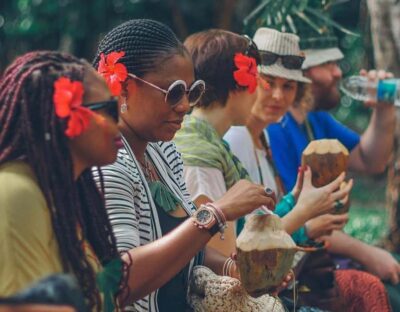
Palm-leaf decorations are part of the fun. You may receive a tie, ring, armband, glasses, or a small crown made from palm leaves. The so-called butterfly men create these items and may also demonstrate their work. It is a light, playful pause in the day, though it also connects to the tip issue. Carry small cash if you are comfortable giving gratuities for individual demonstrations.
Same fields, a different sort of day out:
- Zanzibar: Prison Island, Stone Town, & Spice Farm Tour
★ 4.5 · 579 reviews - Full-Day Private Stone Town +Spice Farm and Prison Island Tour
★ 4.5 · 216 reviews - Zanzibar: Stone Town & Spice Farm Tour with Lunch
★ 4.5 · 97 reviews - Zanzibar:Stone Town & Spice Farm Private Tour Lunch Included
★ 4.2 · 94 reviews
Cooking a three-course Swahili lunch
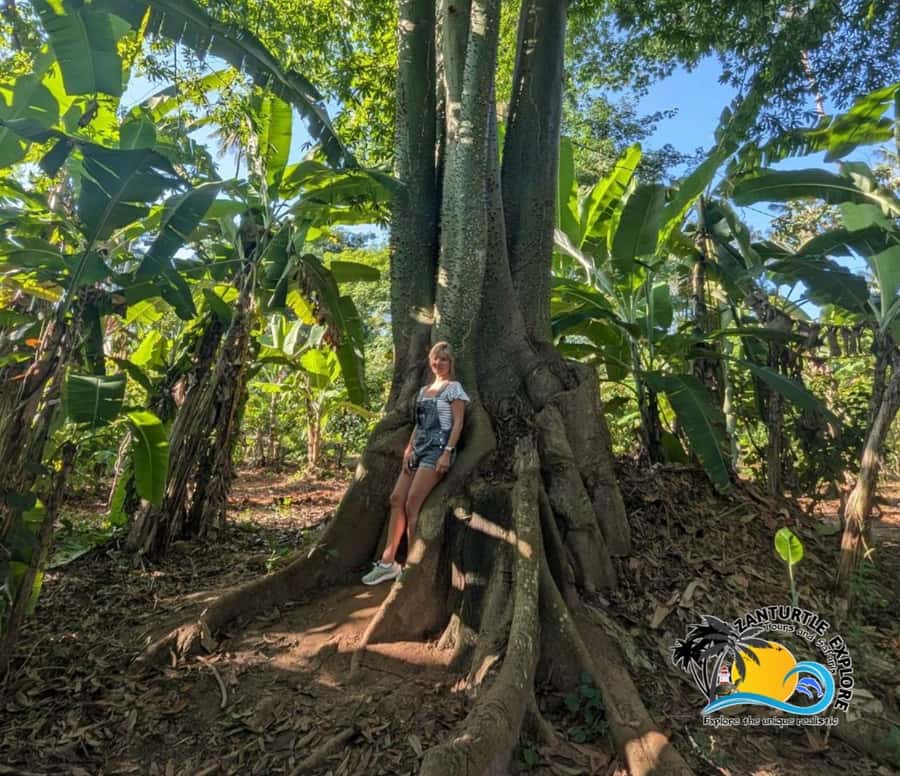
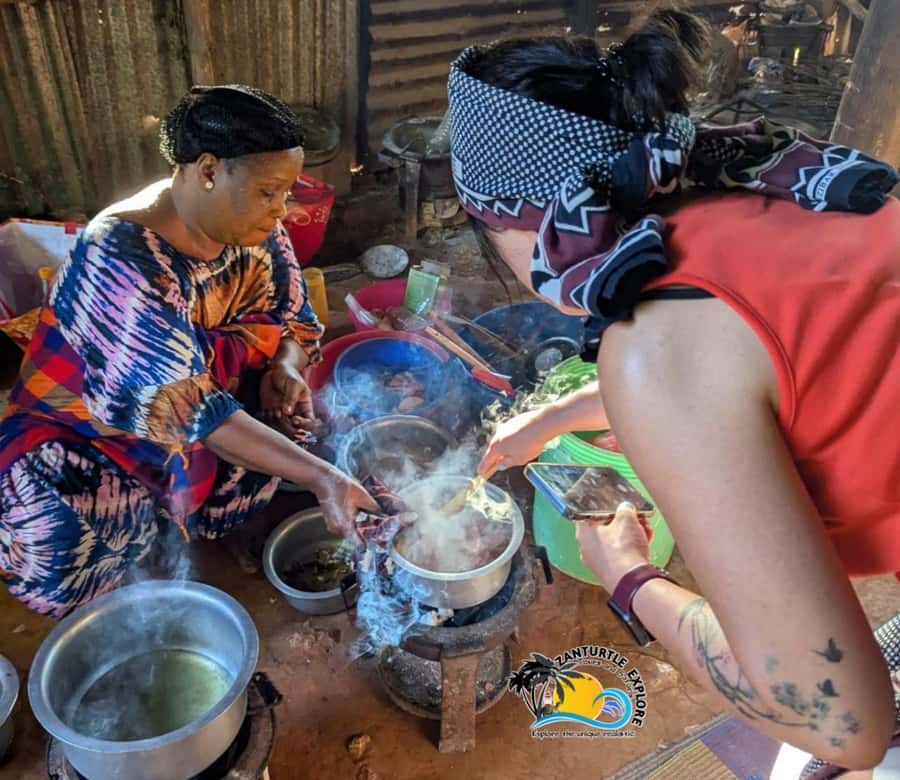
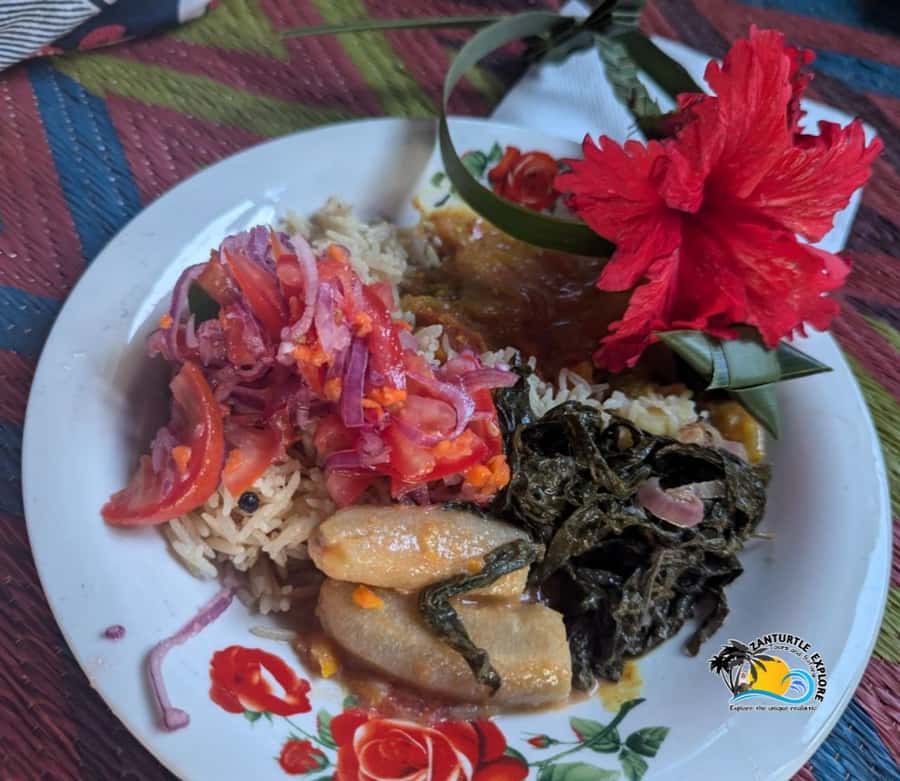
After the farm walk, you return to the cooking area and work with a local chef. The meal includes three courses and dessert, with ingredients and equipment supplied.
The cooking is best understood as cooking alongside local people, not as a polished restaurant school. You may chop vegetables, prepare ingredients, stir pots, and help with the basic work while the chef leads the cooking. That makes it social and practical, but it may feel limited if you want exact measurements, knife instruction, or a recipe you can reproduce line by line at home.
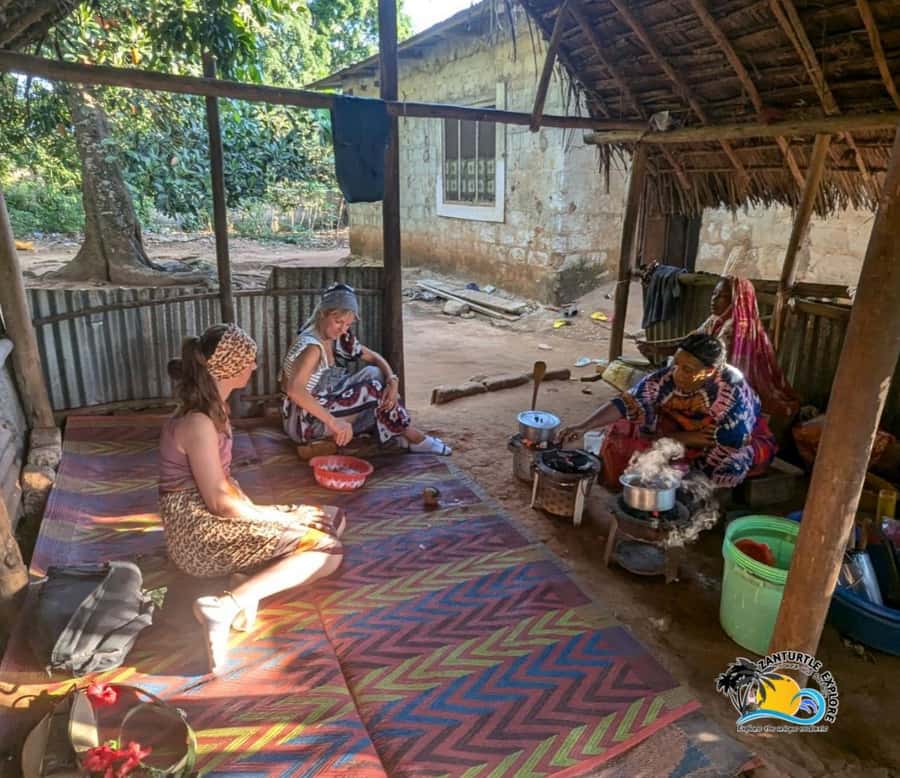
The meal can include Tanzanian pilau rice, curry, and side dishes. Cooking over an open fire and outdoors is part of the setting, according to the experience details. Traditional tools and techniques passed through generations are also part of the demonstration.
I like this format because it shows how a meal comes together rather than placing a finished plate in front of you. You see the preparation, heat, seasoning, and timing. The tradeoff is that the chef may do the more technical parts. Expect to assist, taste, and learn by watching rather than run the kitchen yourself.
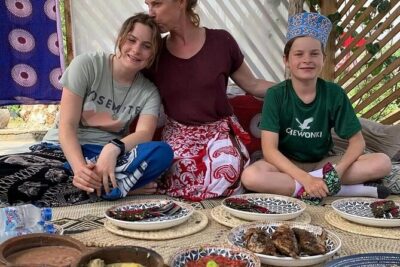
The lunch is made from the food prepared during the session. Soft drinks and fruit are included, and the meal is usually the point when the day’s separate parts come together: farm plants become spices, spices become a Swahili dish, and the group eats what it helped prepare.
Shopping, tips, and the question of authenticity
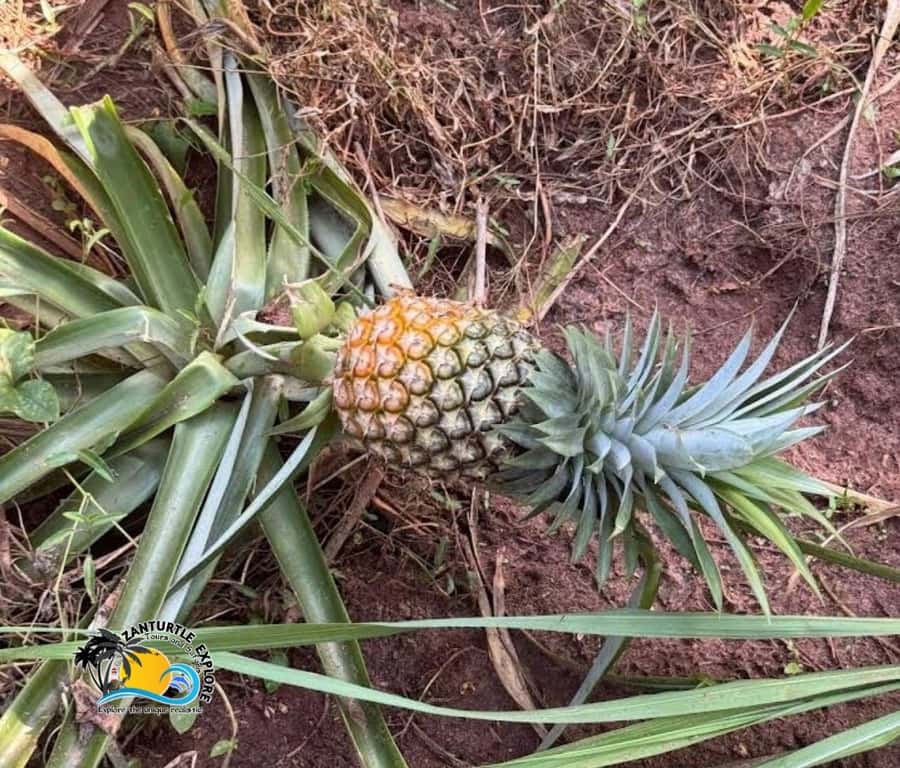
The farm offers a chance to buy spices, and one person found the prices better than those at the Stone Town market. That may be useful if you want cloves, cinnamon, or other local products, but check the price before agreeing to a purchase.
Another person felt the spices were overpriced and described frequent requests for tips. This is the most important cultural and budget note. You may be asked for gratuities by several people, including someone who only spends a few minutes with you. Tips are not listed as included, so bring cash and decide in advance what you are comfortable giving.
This does not cancel out the farm experience, but it affects how the day feels. If you prefer a quiet, no-pressure outing, repeated requests may frustrate you. If you accept that demonstrations and personal assistance can involve tipping, the interactions may feel easier to manage.
Cash is also useful for personal expenses and shopping. Alcohol and drugs are not allowed, and pets are not permitted.
Is $63 a fair price?
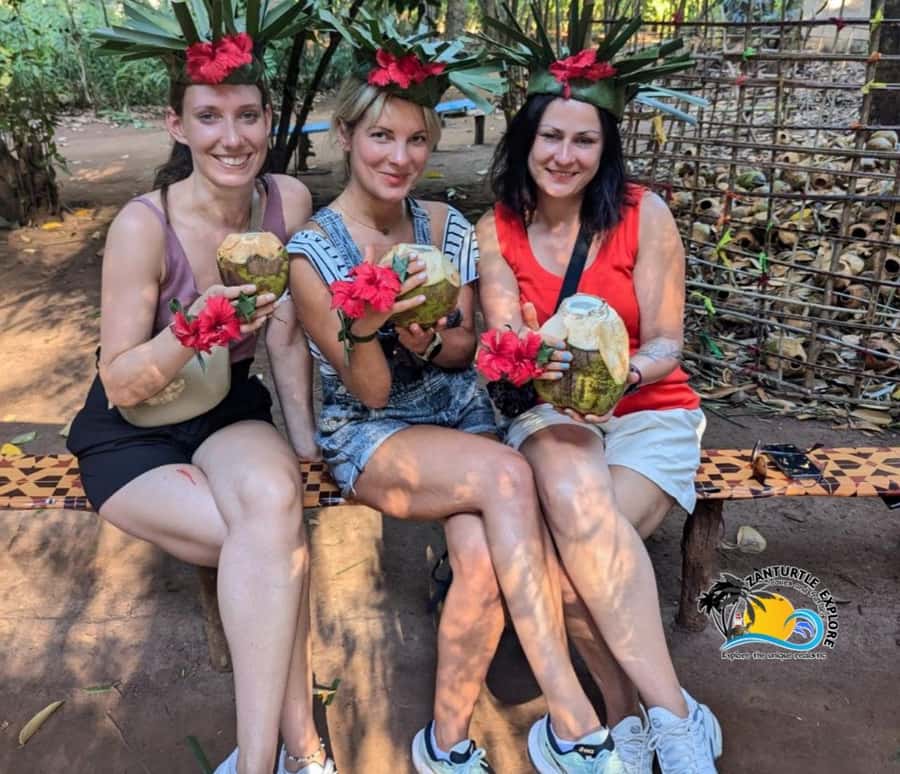
At $63 per person, the value depends on what you want from a Zanzibar day. The price covers hotel transport, a guided spice walk, a local chef, ingredients, cooking equipment, fruit, soft drinks, and lunch. It also includes a private group arrangement, which can make the experience more comfortable than joining a large coach tour.
The included meal and transportation make the price reasonable for many visitors. You are paying for several connected services, not only entry to a farm. If you plan to book separate transport, eat lunch elsewhere, and hire a guide, the package can compare well.
The value is weaker if you expect a long, technical cooking course. The cooking is participatory, but the available description and direct feedback point to a simple setup with chopping and stirring alongside the chef. You are paying for the whole food and village experience, not formal culinary training.
The price also does not cover personal spending. Set aside extra cash for purchases and possible tips.
Who will enjoy this most?
I would choose this for you if you want a relaxed cultural outing that connects food with farming. It suits people who enjoy trying unfamiliar fruit, asking questions, walking outdoors, and sharing a meal with local cooks.
It is also a good family option because the spice guessing, palm-leaf accessories, fruit tasting, and tree-climbing demonstrations add variety. Children who lose interest during a long talk may stay engaged because the day keeps changing.
Food lovers will enjoy it, but serious cooks should adjust expectations. You will learn about ingredients and traditional methods, yet you may not receive a detailed recipe or enough individual instruction to call it a professional cooking course.
The tour may not suit you if you have limited mobility and need detailed path information, since the access notes do not describe every farm surface. It is also not ideal for a tight schedule because the pickup takes coordination and the drive is long enough that delays matter.
Languages, timing, and practical preparation
Guiding is offered in English, Italian, French, German, Portuguese, Spanish, Polish, Arabic, Swahili, Czech, Russian, and Romanian. Confirm your preferred language when booking, especially if the cooking explanations are important to you.
The activity lasts five hours, with starting times based on availability. Since the day includes outdoor walking and food preparation, wear comfortable shoes and bring a hat, sunscreen, and a camera. You will also want cash for personal expenses, farm purchases, and possible tips.
Free cancellation is available up to 24 hours before the activity for a full refund. You can also reserve now and pay later, which helps if your Zanzibar plans are still shifting.
Should you book this spice farm day?
Book it if you want a hands-on look at Zanzibar food culture, with real plants, tropical fruit, a shared meal, and a little village life. The farm walk and tasting are the most dependable reasons to go, and the lunch gives the day a satisfying finish.
Before booking, make three decisions. First, allow extra time around pickup. Second, carry cash and expect that tipping may come up more than once. Third, choose it for a social cooking experience, not a detailed culinary course.
With those expectations, $63 buys a full half-day and a useful connection between Zanzibar’s farms and its cooking pot. I would recommend it most strongly to curious eaters, families, and first-time visitors who want more than a sightseeing drive.
FAQ
How long does the spice farm and cooking experience last?
The activity lasts five hours, including transportation. The schedule allows about one hour each way in the van, two hours for the farm visit, and one and a half hours for cooking, lunch, and free time.
Is hotel pickup included?
Yes. Pickup and drop-off are included from hotels in Stone Town, Unguja South, Unguja North, and Mjini Magharibi. You should provide your hotel name and room number and meet the representative in the lobby or reception area.
What food will I help prepare?
The class prepares a three-course meal and dessert. The food may include Tanzanian pilau rice, curry, and side dishes, followed by lunch made from the dishes prepared during the class.
Are food, cooking tools, and drinks included?
Yes. Cooking ingredients and equipment are included, along with soft drinks, fruit, and lunch consisting of the food prepared during the class.
What spices and fruits might I see or taste?
The farm visit can include cloves, cinnamon, ginger, lemongrass, and other spices. Fruit tasting may include pineapple, bananas, oranges, watermelon, red bananas, and small mangoes.
What should I bring?
Bring comfortable shoes, a hat, sunscreen, a camera, and cash. Cash is useful for personal expenses, shopping, and possible tips.
Can I cancel or pay later?
You can cancel up to 24 hours in advance for a full refund. Reserve-now, pay-later booking is also available, subject to the booking conditions.
More Farm Cooking Classes in Zanzibar
- Half-Day Thai Cooking Class at Organic Farm in Chiang Mai
★ 5.0 · 19,087 reviews - Cooking Class and Lunch at a Tuscan Farmhouse with Local Market Tour from Florence
★ 5.0 · 4,831 reviews - Chiang Mai: Authentic Cooking Class with Market & Farm Visit
★ 4.9 · 4,546 reviews - Ubud: Balinese Cooking Class at an Organic Farm
★ 5.0 · 1,786 reviews
More Spice Farm Tours in Zanzibar
- Zanzibar full day Jozani forest + Spice farm and stone town
★ 4.7 · 90 reviews - Spice Farm Bike Tour: Pedal Through Aromatic Adventures
★ 3.8 · 8 reviews - FROM NUNGWI: STONE TOWN, SPICE FARM TOUR AND PRISONAL ISLAND
★ 4.7 · 7 reviews - Spice farm,Stone town and Jozani forest tour with lunch
★ 5.0 · 4 reviews
Just added around Zanzibar
- STONE TOWN AND SPICE FARM TOUR★ 4.5 · 2 reviews
- Spice Farm Bike Tour: Pedal Through Aromatic Adventures★ 3.8 · 8 reviews
- Spice farm,Stone town and Jozani forest tour with lunch★ 5.0 · 4 reviews
- FROM NUNGWI: STONE TOWN, SPICE FARM TOUR AND PRISONAL ISLAND★ 4.7 · 7 reviews
- Explore Jozani Forest and Zanzibar Spice Farm★ 4.5 · 2 reviews
- A private half day spice farm with a cooking lesson★ 5.0 · 13 reviews
- Zanzibar: Spice Farm Tour with Traditional Cooking Class★ 4.6 · 16 reviews
- Zanzibar: Spice Farm Tour with Traditional Cooking Lesson★ 4.8 · 77 reviews
Zanzibar Farm Tours, compared.

Full-Day Private Stone Town +Spice Farm and Prison Island Tour
Read our review →
Stone Town & Spice Farm Private Tour Lunch Included
Read our review →
Zanzibar full day Jozani forest + Spice farm and stone town
Read our review →
A private half day spice farm with a cooking lesson
Read our review →Browse the lists this tour appears in