
Review · BALI
Ubud: Rice Terrace, Waterfall, & Elephant Cave
Central Bali gives you a lot in one day: a waterfall, two important Hindu sites, a working art village, and the famous rice terraces near Ubud. The best part is the chance to move between scenery and culture without arranging separate taxis or guides, with names such as Made Sucita, Edi, Agung, and Gede Susila frequently assigned to the day.
I like the flexible private format, which lets you slow down at a temple, skip a stop you have already seen, or change the order to avoid traffic. I also like the guides’ habit of taking photos, explaining Balinese customs, and suggesting useful extras such as a coffee tasting or the water purification ritual at Tirta Empul.
The trade-off is a full schedule with plenty of walking, steps, uneven ground, and time in the car. Shopping and craft stops can also take longer than expected, so tell your guide early if you want to focus only on temples, scenery, and village life.
Key points to know before booking
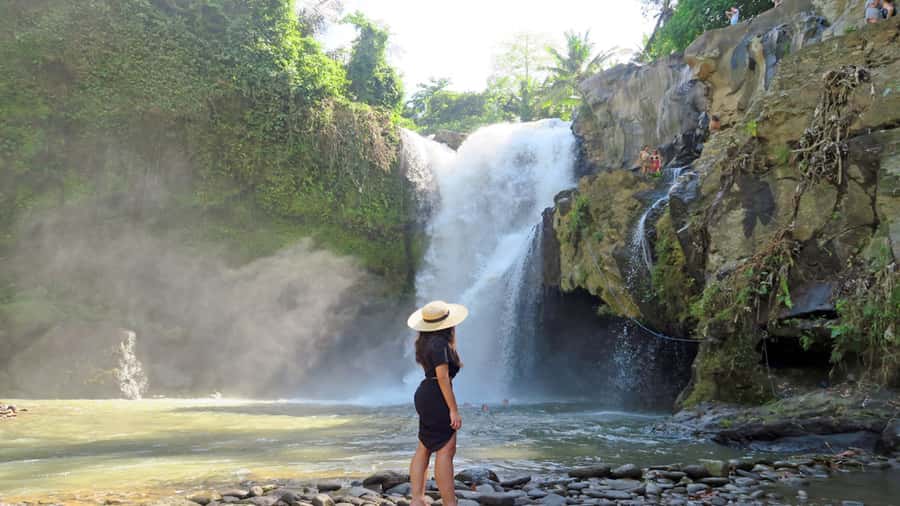
- Tegenungan Waterfall comes first: You can walk to the viewpoint, enjoy the spray, and swim if conditions suit you.
- Kemenuh adds working village culture: Watch woodcarvers shape ebony, hibiscus, or teak rather than seeing only finished souvenirs.
- Goa Gajah is more than a quick photo stop: The cave, Boma entrance, shrines, gardens, and artifacts reward a careful visit.
- Tirta Empul offers the day’s strongest cultural moment: You can see the temple and, if you choose, take part in the cleansing ritual.
- Tegalalang is scenic but busy: The rice terraces are beautiful, though the paths can be uneven and the area is highly visited.
- The $43 price is strong value: Transport, driver-guide service, fuel, parking, and entrance fees are covered, while lunch and personal spending are extra.
One day, five very different sides of Bali
This is a sightseeing circuit for someone who wants a broad first look at central Bali rather than a slow morning in one village. You leave around 8:00 a.m. and usually return near 4:00 p.m., though traffic, lunch, and optional stops can stretch the day.
The route works because each stop changes the mood. Tegenungan brings water and forest. Kemenuh shows Bali’s woodcarving tradition. Goa Gajah and Tirta Empul offer temples and religious meaning. Tegalalang finishes with the classic rice-field view many people associate with Ubud.
You ride in an air-conditioned vehicle with a private English-speaking driver-guide. That matters in Bali, where road traffic can turn a short distance into a slow one. Several guides, including Made Sucita, Edi, Pande, Agung, and Gede Susila, are praised for adjusting the order of stops, answering questions during drives, and getting people back on time for evening plans.
The setup is more personal than a large coach excursion. Some bookings have operated as private days for one person or one couple, while the exact arrangement depends on the booking. Pickup and drop-off are available across Ubud and much of South Bali, including Sanur, Kuta, Seminyak, Canggu, Jimbaran, Nusa Dua, Denpasar, and Benoa.
More Rice Terrace Tours in Bali
- Ubud: Waterfall, Rice Terraces & Monkey Forest Private Tour
★ 4.9 · 4,894 reviews - Ubud: Private Scenic Waterfalls and Rice Terraces Tour
★ 4.9 · 719 reviews - From Ubud: Downhill Bike Tour with Rice Terraces and Meal
★ 4.9 · 664 reviews
Tegenungan Waterfall before the heat builds
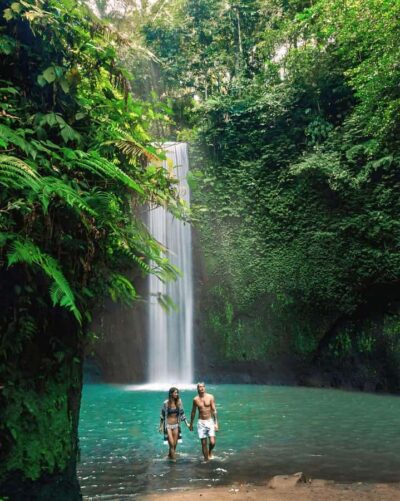
Your first major stop is Tegenungan Waterfall, where you have about two hours for sightseeing, photographs, and walking. The approach gives you views of thick greenery and the falling water, with spray in the air near the base.
You can swim if you wish. Pack a change of clothes and wear footwear that grips well, since this is not a polished, flat attraction. The tour information calls for moderate walking, and the paths around natural sites can be uneven.
I like starting here because the waterfall is more enjoyable before the strongest heat of the day. It also gives you an active beginning instead of spending the first hours only in the vehicle.
Still, you should set your expectations properly. This is a popular Bali sight, not a quiet wilderness outing. The value comes from combining the waterfall with several cultural sites in one route, not from spending the entire day beside the water.
If you do not want to swim, you can simply enjoy the views, take photographs, and use the time for a relaxed walk. Sunglasses, sunscreen, and a hat are useful, particularly on the exposed sections.
Kemenuh’s woodcarvers and the art of working by hand
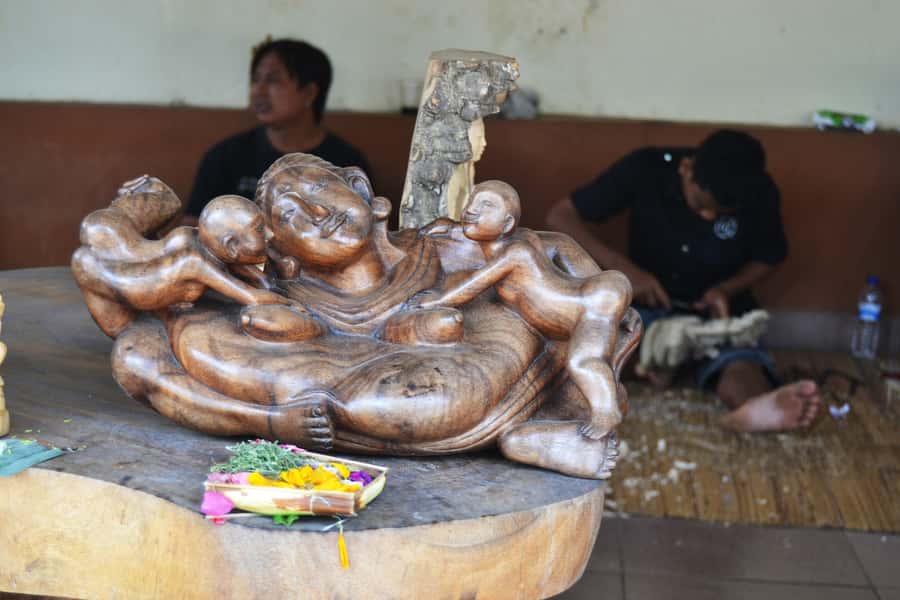
Around 10:30 a.m., the route continues to Kemenuh, a village known for woodcarving. This stop gives the day a useful human scale. Instead of seeing only temple buildings and scenic viewpoints, you get a look at a craft tied to Balinese Hindu design.
The carvers work with woods such as ebony, hibiscus, and teak. The pieces may range from religious forms to decorative figures, and the guide can explain how local beliefs influence the designs and how the artists shape the material.
This is also the stop most likely to feel like a shopping visit. You can look at finished work and perhaps buy something, but you are not required to make a purchase. If you want to keep the day focused on sights, say so clearly. One useful feature of the private format is that your guide can reduce or skip shopping time when traffic or your interests call for it.
I find this stop worthwhile when you treat it as a workshop visit, not just a retail break. Ask about the wood, the carving process, and the religious meaning of the forms. Guides such as Edi and Gede Susila have been singled out for explaining local culture during these stops, which can turn a short visit into a better window on Balinese artistic life.
Goa Gajah, where the entrance tells the story
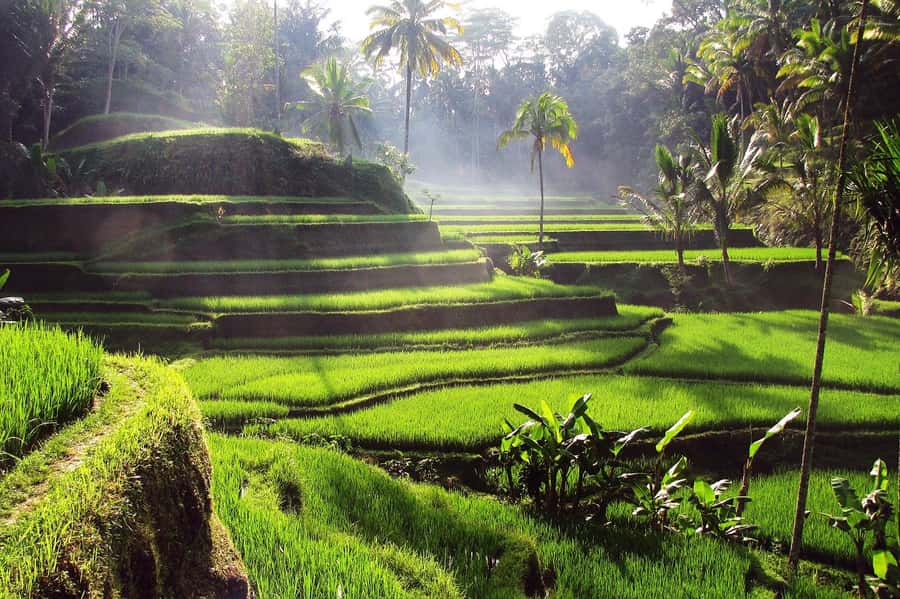
Goa Gajah, or Elephant Cave, is the next major cultural stop. The name can confuse first-time visitors, since the site is known for its cave entrance and sacred grounds rather than for a large herd of elephants.
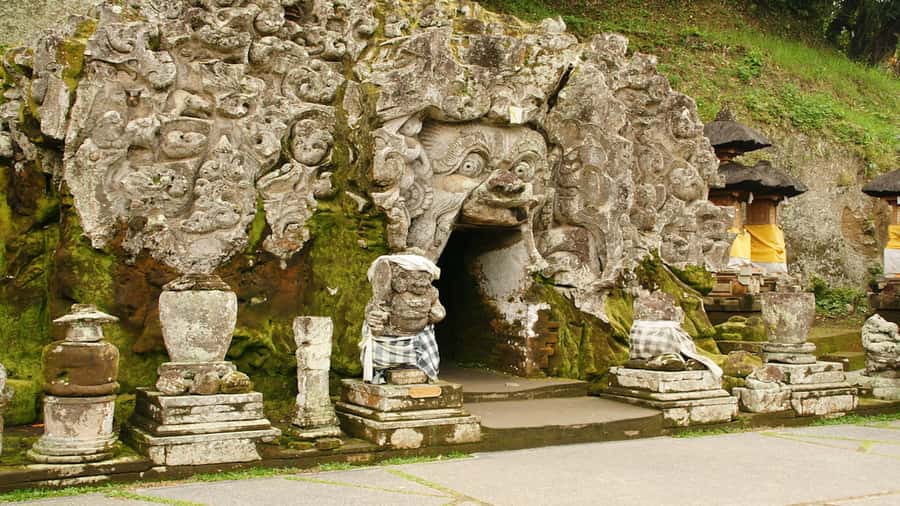
The cave is built into a cliff and has an entrance figure associated with Boma, a protective Balinese figure often shown with a fierce face. The entrance is the obvious photograph, but do not rush through it. Look at the carved details, then walk around the Hindu shrines, gardens, plantations, and other remains in the surrounding area.
You have about an hour and a half here, including sightseeing, walking, and the nearby craft area. The ground is uneven, so shoes with a secure sole are more useful than sandals that slip.
The importance of Goa Gajah is not only visual. It shows how sacred spaces in Bali combine carved stone, water, plants, shrines, and older architectural features. Your guide can help explain what you are looking at instead of leaving you with a quick photograph and a name.
Lunch is generally around noon and is not included in the $43 price. The guide can help you choose where to eat, and several days have included restaurant suggestions or a flexible lunch timing. Bring enough money for food and drinks, since these are personal expenses.
More Rice Terrace Tours in Indonesia
- Ubud: Monkey Forest and Rice Terrace Private Tour
★ 4.8 · 631 reviews - Bali: Swing with Falls, Rice Terrace, & Monkey Forest Option
★ 4.8 · 509 reviews - Bali: Full-Day Eat Pray Love Tour with Rice Terraces & Yoga
★ 4.9 · 349 reviews - Ubud: Tegalalang Rice Terrace Photos Tour with Swing Ticket
★ 4.7 · 177 reviews
Tirta Empul and the meaning of the water ritual
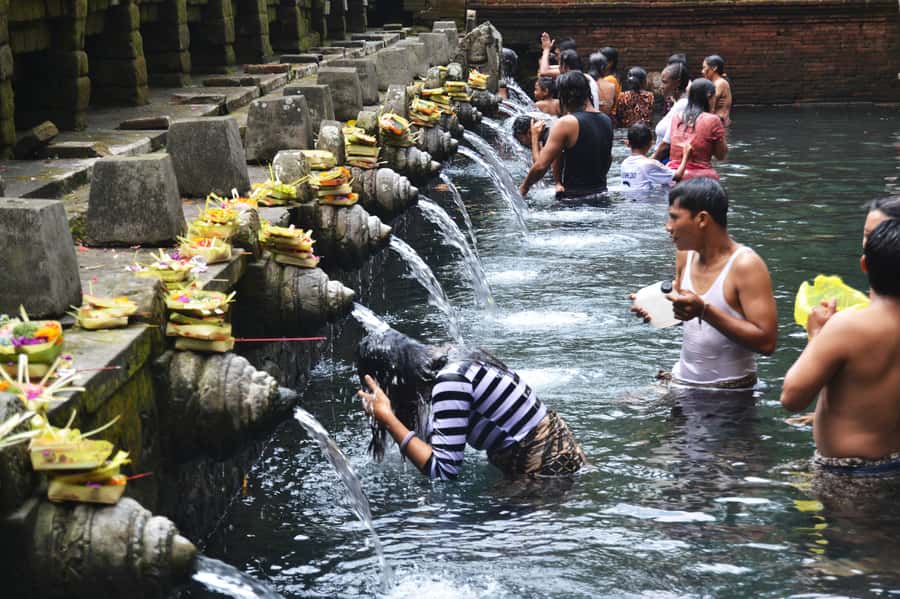
After lunch, you visit Tirta Empul at Tampaksiring. For many people, this is the most rewarding stop because the temple is both beautiful and active as a place of Hindu worship.
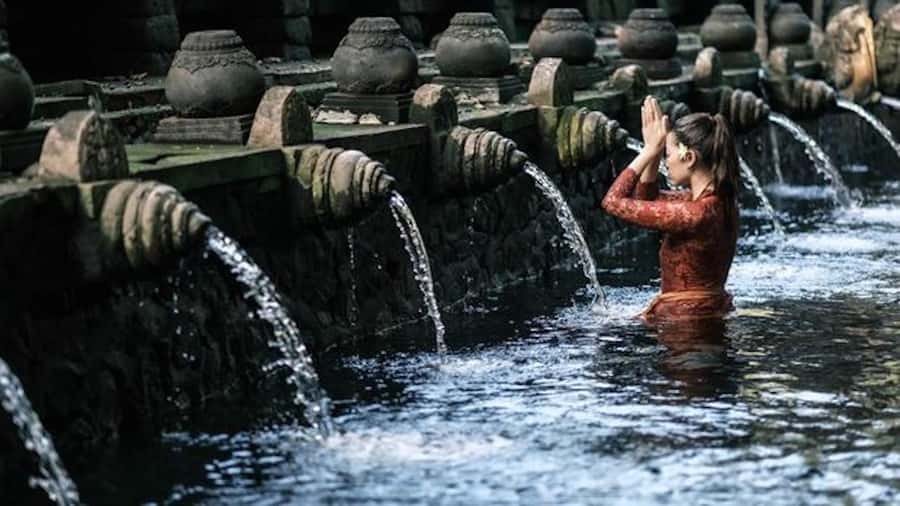
The site is known for its sacred spring water and cleansing ritual. You can tour the temple grounds and admire the architecture without taking part in the bathing ceremony. If you want to join the ritual, ask your guide about the proper steps, clothing, and practical details before entering the water.
Some people on this tour have chosen the purification experience, while others have simply observed. Guides such as Made Sucita and Gede Susila have been praised for explaining the temple’s customs, religious structure, and ceremonies in clear English.
Be respectful here. Dress appropriately for a temple, follow instructions, and remember that the ritual is a religious act rather than a staged performance. The atmosphere can feel calm and serious even when the grounds are busy.
There is one extra-cost detail to keep in mind. People may offer to take photographs during the cleansing ritual, with the images available for purchase afterward. You can decide in advance if you want this service. If not, make your preference clear so there is no confusion.
Tirta Empul also shows why a good guide matters. Architecture alone does not explain the role of water, prayer, offerings, and purification in Balinese Hindu life. Guides including Putu, Agung, Edi, and Made have been praised for answering questions about religion and tradition throughout the day.
Tegalalang’s rice terraces and the final walk
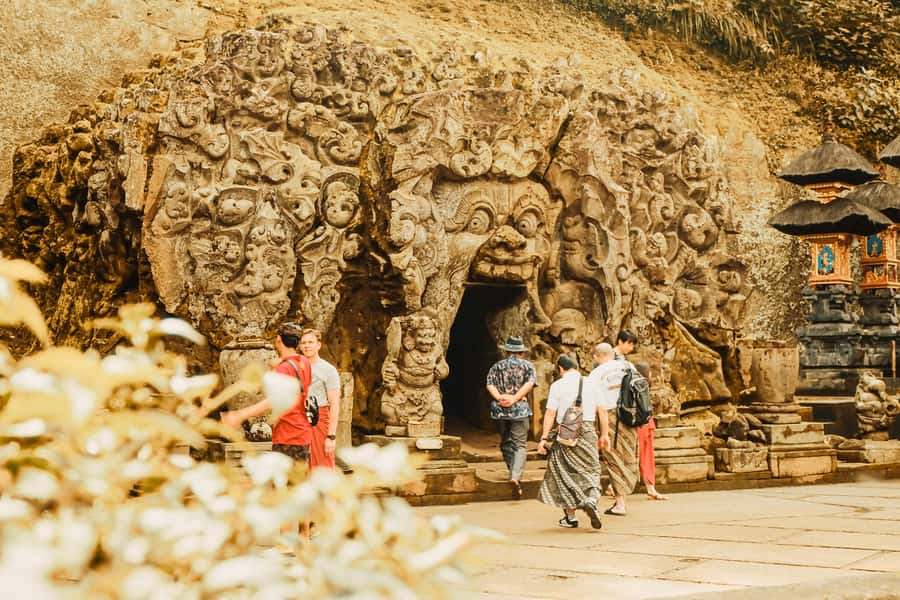
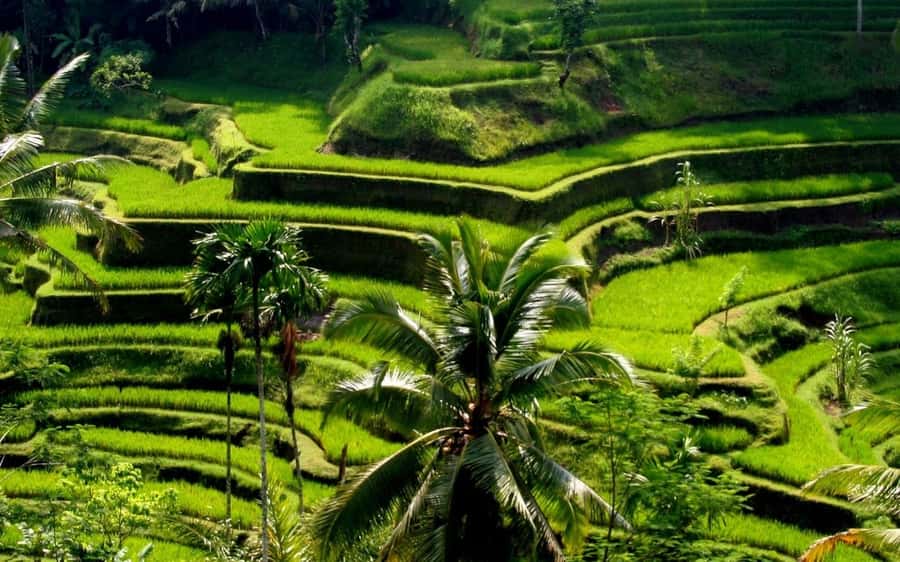
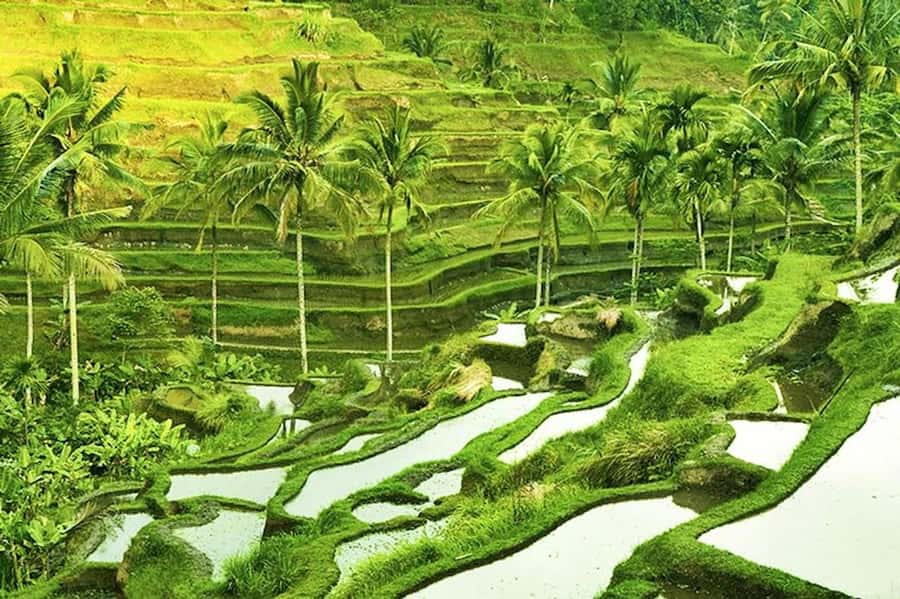
The final main stop is the Ceking Rice Terrace in Tegalalang. You have roughly two hours for photographs, sightseeing, and a walk among the fields.
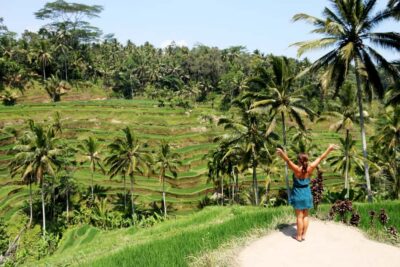
The terraces are arranged along the contours of the land, with coconut trees and planted greenery adding to the view. This is the classic postcard portion of the day, and it is easy to see why it appeals. The stepped fields create depth, while the narrow paths give you changing angles as you walk.
The setting is scenic, but it is not a secret rural corner. Tegalalang is a major stop near Ubud, with commercial activity around the viewpoints and walking routes. Go for the views and the chance to see how rice cultivation shapes the area, but do not expect complete quiet.
The walk can be more demanding than the photographs suggest. Wear slip-resistant shoes, especially after rain, and take your time on slopes and steps. The tour runs in rainy weather, so a wet day may mean muddy or slick surfaces. You can shorten the walk if your legs are tired after the waterfall and temple grounds.
Tegalalang is often the highlight for people who want photographs, while Tirta Empul tends to matter more to those interested in Balinese faith. Having both in the same day is one of the tour’s main strengths.
What the private guide adds
The strongest part of this experience is the guide rather than any one attraction. A driver who knows the roads can reorder stops around traffic, adjust lunch timing, and help you finish near your planned time.
Made Sucita is repeatedly praised for cultural explanations, punctual driving, care with photographs, and a calm manner. Edi is noted for strong English, a good sense of timing, and willingness to replace sights you have already visited. Agung is often described as polite, flexible, and helpful with restaurant choices and drop-off arrangements.
Gede Susila is another name worth noting. He has been praised for clear explanations, good photographs, and taking people to each stop without making the day feel rushed. Pande and Nyoman are also described as friendly guides who share information about village life, Hindu customs, and the places along the road.
Guide assignments can change, so you should not book only because you hope for one particular person. The larger point is that the service is designed around a driver-guide who does more than operate the car. Expect questions to be welcome and ask for changes early rather than waiting until the schedule is tight.
Some extra stops may be offered, including coffee, tea, honey, or herbal products. These can be interesting, but they are not central to the advertised route. If you want only the waterfall, temples, rice fields, and craft village, say that at the start.
Is $43 good value for eight hours?
At $43 per person, the price is attractive for a full day that includes an air-conditioned vehicle, private English-speaking driver-guide, petrol surcharge, parking, and entrance fees. You still pay for lunch and anything you buy, including optional photographs or products at craft and tasting stops.
The value improves if you are traveling as a couple or small party and prefer not to arrange separate transport between scattered sites. You also gain time by avoiding the need to negotiate fares or find a new driver at every stop.
The price is less compelling if you want a specialist archaeology tour, a dedicated hiking day, or long time at one location. This is a broad sightseeing route. It gives you a taste of several parts of central Bali rather than a detailed study of one temple or village.
The flexibility helps. You can spend longer at Tirta Empul, cut short the shopping stop, change the order, or request a different drop-off location within the covered South Bali areas. That flexibility has real value in Bali, where road conditions can affect a carefully planned schedule.
Practical advice for a smoother day
Wear light clothing suitable for warm weather, but bring something that meets temple dress expectations. Sunglasses, sunscreen, and a hat are specifically useful, and you should choose shoes with good grip.
Bring swimwear and a change of clothes if you plan to enter Tegenungan Waterfall. For Tirta Empul, ask before joining the purification ritual so you understand what is required and what costs extra.
Keep lunch money available and allow room in your budget for personal purchases. You may also want a small bag for wet clothing and a phone charger for the many photographs you are likely to take.
This is not suitable for wheelchair users, and it is not ideal if you dislike steps, slopes, or walking on irregular ground. Pets are not allowed. Since the tour operates in rain, check the forecast but do not assume poor weather will cancel it.
Free cancellation is available up to 24 hours before departure, and you can reserve now while paying later. Those terms are useful if your Bali plans are still shifting.
Who should book this Ubud day trip?
I would choose this tour for a first visit to Ubud, a couple wanting a private day, or anyone with limited time who wants both scenery and culture. It also suits cruise passengers or people based in South Bali who want a structured day in central Bali without arranging several rides.
It is a good match for you if you value explanations, photographs, flexible timing, and a comfortable car between stops. It is less suitable if you want a quiet rural walk, a serious trek, or an itinerary with no craft and shopping elements.
My advice is simple: book it if you want a well-filled introduction to central Bali and are willing to stay flexible. Tell the guide at pickup that temples and rice terraces matter most to you, ask how much time is planned for shopping, and use the private format to shape the day around your pace.
FAQ
How long does the Ubud tour last?
The stated duration is eight hours, with pickup around 8:00 a.m. and return around 4:00 p.m. Traffic, lunch, and optional stops can affect the exact timing.
What is included in the price?
The $43 price includes transport in an air-conditioned vehicle, a private English-speaking driver-guide, fuel surcharge, parking fees, and entrance fees.
Is lunch included?
No. Lunch is at your own expense and usually takes place around noon after the visit to Goa Gajah.
Can I swim at Tegenungan Waterfall?
Yes. Swimming is allowed if you wish, although you can also visit the waterfall for the views and spray without entering the water.
Can I take part in the Tirta Empul cleansing ritual?
You can choose to take part in the water purification ritual, or simply visit and observe the temple. Ask your guide about the procedure and any personal costs before joining.
Where does pickup and drop-off take place?
Pickup and drop-off are available from accommodation in Ubud and South Bali areas, including Denpasar, Sanur, Kuta, Seminyak, Canggu, Jimbaran, Nusa Dua, and Benoa.
What should I wear and bring?
Wear comfortable clothing and slip-resistant footwear for uneven walking surfaces. Bring sunglasses, sunscreen, and a hat. If you plan to swim, bring suitable swimwear and a change of clothes.
Just added around Bali
- Monkey Forest, Ubud, Waterfall and Rice Terrace★ 4.5 · 53 reviews
- Private tour- UNESCO rice terraces, Ulundanu Beratan, Batukaru, Tanah lot temple★ 5.0 · 2 reviews
- Bali ATV Ride On the Beach, Rice Field and Village Tour 2 Hour★ 5.0 · 15 reviews
- Bali: Jatiluwih Rice Terraces 1 Hour Electric Bike Tour★ 4.7 · 41 reviews
- Ubud: Hidden Waterfall, Monkey Forest, Rice Terrace & Swing★ 5.0 · 3 reviews
- Bali: Rice Terraces, Mount Batur Geopark and more – Day Tour★ 4.9 · 7 reviews
- Bali: Cliff Jumping Gitgit Waterfalls & Rice Terrace Tour★ 4.9 · 35 reviews
- Bali: Discover Jungle Waterfalls and Rice Terraces★ 4.9 · 56 reviews
Bali Farm Tours, compared.

Waterfall, Rice Terraces & Monkey Forest Private Tour
Read our review →
Private Scenic Waterfalls and Rice Terraces Tour
Read our review →

Swing with Falls, Rice Terrace, & Monkey Forest Option
Read our review →
Full-Day Eat Pray Love Tour with Rice Terraces & Yoga
Read our review →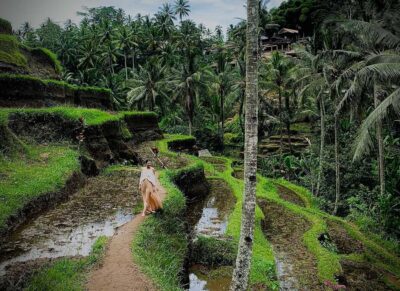
Tegalalang Rice Terrace Photos Tour with Swing Ticket
Read our review →Browse the lists this tour appears in