
Review · INDONESIA
Tetebatu Guided Tour in Rice Terraces Waterfall and Monkey Forest
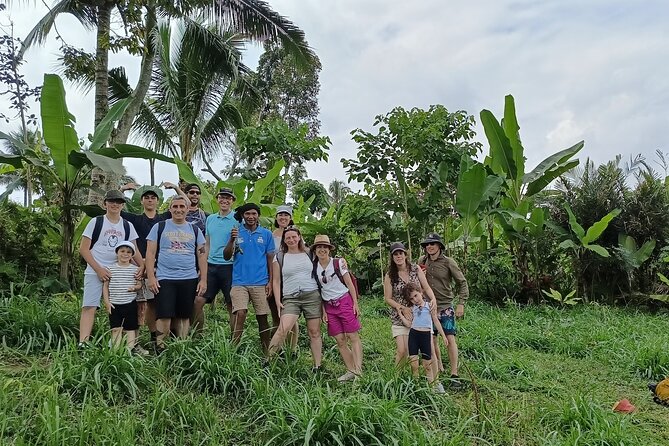
Tetebatu gives you Lombok at its greenest and most human scale: rice terraces beneath Mount Rinjani, jungle paths, black monkeys, and Sasak homes where daily life still follows old habits. This is not a checklist of grand sights. It is a full day of walking, talking, eating, and seeing how the island works.
I like the mix of nature and village life. The local guide makes the scenery meaningful, explaining irrigation, crops, weaving, pottery, and cooking instead of simply pointing at a field. I also like that lunch is part of the visit, not an afterthought. The main drawback is the footing: paths can turn muddy after rain, and Jeruk Manis Waterfall is pleasant rather than spectacular.
Key points to know before booking
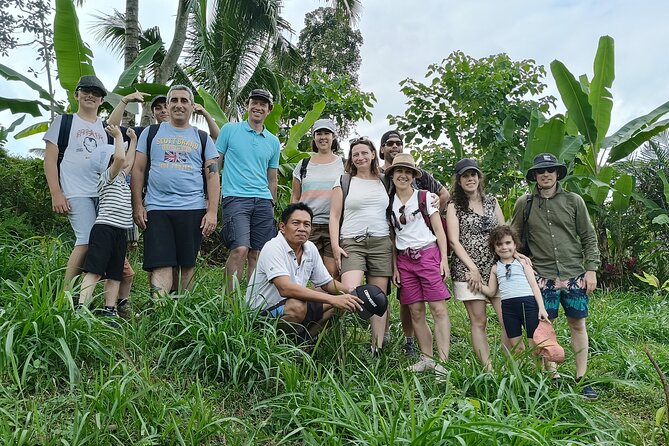
- Rice terraces with Mount Rinjani views: Walk through working paddies and learn how local irrigation supports village farming.
- Black monkeys in a quiet forest: Tetebatu’s Monkey Forest is home to dusky leaf monkeys and grey macaques.
- Jeruk Manis requires a 30-minute jungle walk: Bring shoes with a good grip, especially after wet weather.
- Sasak culture is part of the day: You visit traditional homes and learn about weaving, pottery, cooking, and firewood stoves.
- Lunch is included: Expect a home-cooked Sasak meal, possibly ayam taliwang, plecing kangkung, and local sambals.
- Small-group format: The maximum group size is 10, with pickup, an air-conditioned vehicle, bottled water, and an English-speaking driver included.
Why Tetebatu feels different from the beach towns
Tetebatu sits on the southern slope of Mount Rinjani, away from Lombok’s main beach circuit. The appeal is the change of pace. Instead of spending the day beside a resort pool or moving from one photo stop to another, you follow paths through farmland and forest.
The village is often compared with Ubud, but the comparison only goes so far. Tetebatu’s focus is simpler and less polished. You see rice paddies, plantations, village homes, and forest rather than a dense line of shops, cafés, and galleries.
That less polished quality is part of the value. You get a closer look at local life, but you should not expect perfectly paved paths or a highly staged cultural show. This is a countryside outing, and the countryside can be muddy, uneven, and weather-dependent.
The day begins at 8:30 am and lasts about eight hours. Pickup is offered, and the activity ends back at the meeting point. An air-conditioned vehicle matters here because the sightseeing is spread across several areas, with walking sections between rides.
More Rice Terrace Tours in Indonesia
- Ubud: Monkey Forest, Jungle Swing, Rice Terrace, and Water Temple
★ 5.0 · 7,160 reviews - Ubud: Waterfalls, Water Temple & Rice Terraces Private Tour
★ 5.0 · 5,484 reviews - Ubud: Waterfall, Rice Terraces & Monkey Forest Private Tour
★ 4.9 · 4,894 reviews
Two hours among Tetebatu’s black monkeys
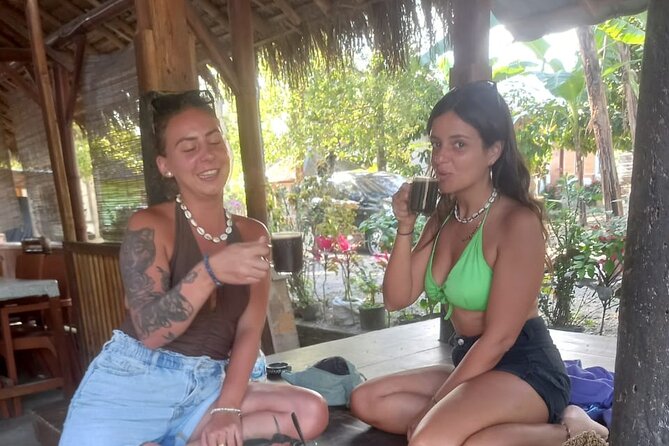
The first major stop is the gate to Tetebatu Monkey Forest. The forest is home to dusky leaf monkeys, often described as black monkeys, as well as grey macaques.
The setting matters as much as the animals. You walk beneath large trees with jungle sounds around you, and the forest offers a cool change from the open rice fields. The two-hour visit gives your local guide time to point out the different monkeys and explain the area rather than rushing you through a single viewing spot.
You should keep your expectations sensible. Wildlife is not a stage performance, and animal sightings can never be treated like clockwork. The attraction is the forest walk as well as the chance to see the monkeys.
This part of the day suits anyone who likes nature without needing a major hike. Families and first-time visitors to Lombok may find it an easy introduction to Tetebatu’s plant and animal life, while photographers will want to keep their phones and cameras ready. The forest can feel peaceful, but monkeys are still wild animals, so follow the guide’s instructions.
Rice terraces, Rinjani views, and useful local knowledge
The rice terrace walk is the heart of the excursion. For about two hours, you follow paths through lush paddies with Mount Rinjani in the background.
This is where a local guide adds real value. You learn how the irrigation system works, including the subak-style approach used to direct water through the fields. The terraces are not merely pretty scenery. They are working farmland, shaped by water, planting, harvesting, and cooperation among village communities.
The walk also passes plantations growing tobacco, vanilla, coffee, and cloves. Each crop gives you another way to understand the local economy and the amount of work behind familiar products. You may find the tobacco and spice plants more interesting than expected because they turn an ordinary country walk into a lesson in what grows in this part of Lombok.
The path conditions deserve attention. One account of the outing noted muddy paths after rain, and that is a useful warning rather than a minor complaint. Wear shoes you do not mind getting dirty. Sandals may be fine for some sections, but enclosed footwear with grip is the safer choice for wet ground.
The views are best treated as part of the walk, not as one formal lookout. You move through the fields, pause for explanations, and see Mount Rinjani framed by changing angles. If you want a quiet morning with room to ask questions, this is likely the strongest part of the tour.
Guides and drivers named in past bookings include Aan, Rema, Yusef, Andi, and Sik. Their roles vary by departure, but the service pattern is clear: the driver handles the road and wider Lombok context, while the local guide leads the Tetebatu walk and explains village life. Aan and Rema were specifically praised for being punctual, friendly, and attentive, while Yusef, Andi, and Sik were noted for their help during the village walk.
Jeruk Manis Waterfall after the rice fields
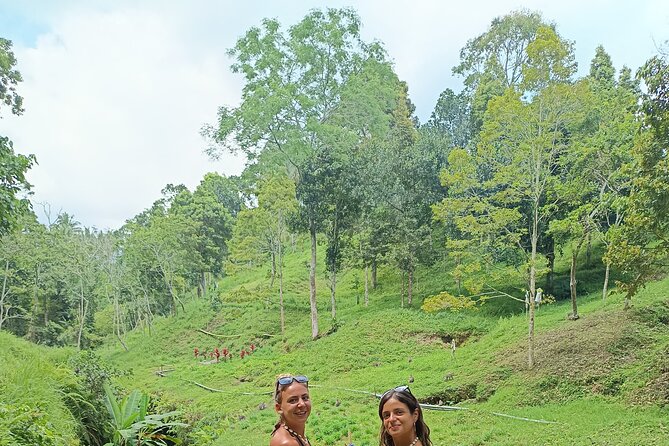
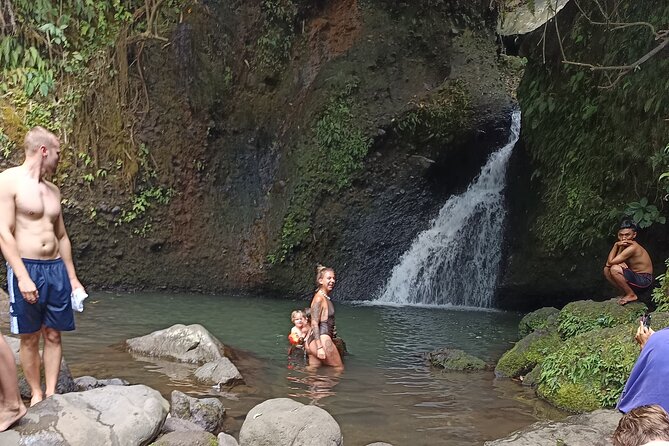
Jeruk Manis Waterfall is reached by a jungle trek of about 30 minutes from Tetebatu. The stop itself lasts roughly an hour, leaving time to cool down and, if conditions suit you, take a quick swim.
The water is known locally as fresh and clean, with traditional beliefs linking it to healing. You can appreciate that belief as part of the cultural setting, but the tour information does not promise any medical effect. Treat the waterfall as a natural swimming and rest stop, not a health treatment.
One important reality check: the waterfall is not the main reason to book the tour. A past visitor described it as nothing especially remarkable, though still worthwhile because it comes along the route from the rice terraces to the monkey forest. That is a fair way to see it. The short trek, jungle setting, and chance to cool off make it a pleasant addition, but you should not expect a huge cascade or a major landmark.
The order of stops may vary, so your waterfall walk could come before or after other parts of the day. Either way, the trek adds a little effort to an otherwise moderate countryside program. Wet conditions can make the path slippery or muddy, so ask the guide about footing before setting out and bring a change of clothes if you plan to swim.
Same fields, a different sort of day out:
- Ubud: Full-Day Rice Terrace, Monkey Forest & Waterfall
★ 5.0 · 2,634 reviews - Full-Day Tour to Water Temples and UNESCO Rice Terraces in Bali
★ 5.0 · 2,539 reviews - Ubud: Balinese Cooking Class at an Organic Farm
★ 5.0 · 1,786 reviews - Ubud: Monkey Forest, Ceking Rice Terraces and More– Full Day
★ 4.7 · 917 reviews
Traditional Sasak homes and everyday skills
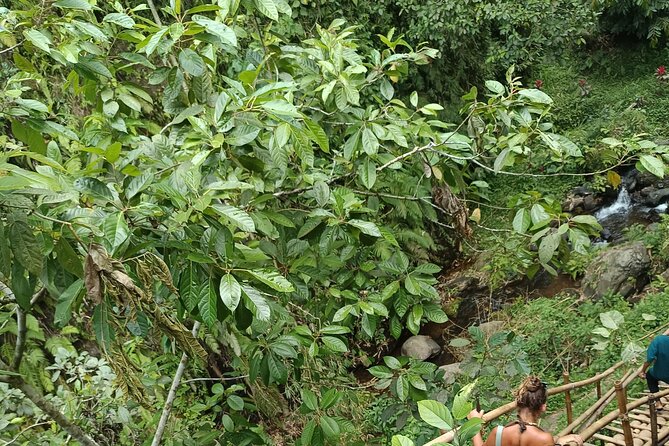
The cultural portion brings you to nearby Sasak villages. You visit traditional homes and meet local people who continue to use older ways of living.
The activities listed here are practical rather than theatrical. You may learn about weaving, pottery, and cooking with firewood and clay stoves. These details help explain the homes and tools you see. A cooking fire is not simply a cultural prop, and a woven item is not just a souvenir. Both connect to household work and local craft.
This stop is valuable because it slows the day down. The forest and terraces show you the setting around Tetebatu. The Sasak visit shows you how people use that setting. You may also have time to ask questions about village routines, though the exact discussion will depend on your guide and the families available that day.
Respect matters here. Listen when the guide explains what is appropriate, ask before taking close-up photographs, and remember that homes are lived-in spaces. The experience works best when you treat it as a meeting with a community, not a quick stop for pictures.
A home-cooked Sasak lunch
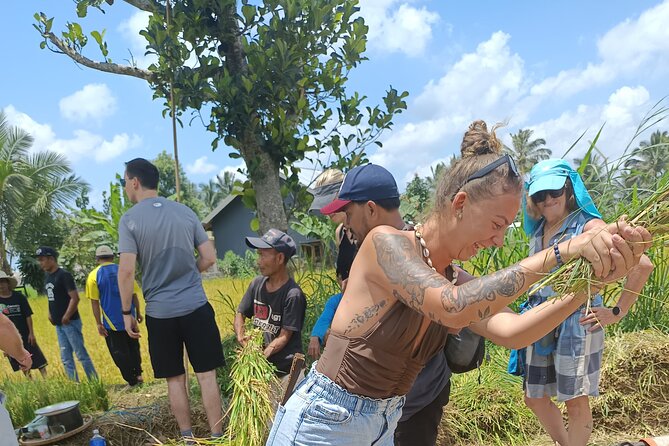
Lunch takes about two hours and is served with a local family or at a village homestay. The meal may include ayam taliwang, plecing kangkung, and local sambals.
Ayam taliwang is a Lombok specialty, while plecing kangkung is a water spinach dish usually served with spicy sauce. Sambals can vary in heat, so ask before piling them onto your plate. The meal gives you a direct taste of local cooking and a chance to rest after the walking sections.
Because lunch is included, you do not need to spend part of the day searching for a restaurant. More importantly, a village meal fits the purpose of the outing better than a standard tourist buffet would. You get food tied to the area and a natural pause for conversation.
The exact menu is not fixed, and private expenses are excluded. Alcoholic drinks are also not included. Bottled water is provided, but carrying the bottle during the walking sections is still sensible.
What the $75 price includes
At $75 per person, this is not the cheapest way to see Tetebatu. The price makes more sense when you count what is bundled into the eight-hour day: an air-conditioned vehicle, parking fees, bottled water, an English-speaking driver, a local guide, lunch, and entry tickets.
You are paying for transport between several rural stops as well as for guiding on foot. That matters in Tetebatu, where the best parts are not all beside one car park. The local guide also helps turn the rice terraces and Sasak village visit into something more useful than a self-guided walk.
The maximum group size is 10. That is small enough to make questions practical, though it is not a private tour. If you want the driver and guide entirely to yourself, the provided information does not promise that arrangement.
The strongest value comes if you want a full day combining scenery, culture, food, and transport. If your only goal is a waterfall or a short rice-field photo stop, you may find the program longer than necessary. If you want a broad first look at Tetebatu, the price covers the pieces that would be harder to arrange independently.
Who will enjoy this day most
I would choose this tour if you want to see a quieter side of Lombok and prefer a day with several types of activity. It suits you if you enjoy walking, asking questions, trying local food, and seeing ordinary village life alongside natural sights.
It is also a good fit for people who want guidance rather than a route map. The itinerary covers forest, rice terraces, plantations, a waterfall, homes, and lunch. A driver and local guide make that range easier to manage.
You may want to think twice if you dislike muddy paths, dislike walking in humid outdoor conditions, or need every stop to be highly dramatic. The waterfall is modest, and the cultural visits depend on conversation and observation rather than a large performance.
The tour is capped at 10 people, and most people can participate according to the provided details. Still, you should be ready for the 30-minute waterfall trek and the two-hour rice terrace and forest sections. The conditions after rain are the main practical concern.
Booking, cancellation, and timing
Confirmation is provided at booking, and the activity starts at 8:30 am. Pickup is offered, and the outing returns to the meeting point after about eight hours.
Free cancellation is available if you cancel at least 24 hours before the local start time. Cancellations or changes made within 24 hours do not qualify for a refund, so check your plans before the cut-off.
Because the tour is often reserved well ahead of time, booking around three weeks in advance is sensible if your Lombok dates are fixed. The reported average is 19 days ahead, which suggests that waiting until the last moment may not be wise during busy periods.
Should you book the Tetebatu tour?
Book it if you want a broad, grounded introduction to Tetebatu rather than one headline attraction. The rice terraces, black monkeys, Sasak homes, local lunch, and friendly guiding create a varied day, and the included transport removes much of the planning work.
Go in with the right expectations. This is not a luxury outing or a polished theme-park experience. Paths may be muddy, the waterfall is pleasant rather than grand, and the best moments come from the guide’s explanations and the simple details of village life.
For $75, I consider it good value for a full eight-hour program with lunch, entry fees, bottled water, a vehicle, and two layers of guiding. Wear practical shoes, leave room for a little weather, and choose this trip for its human scale and countryside setting. If that sounds like your kind of Lombok day, book it.
FAQ
How long does the Tetebatu tour last?
The experience lasts approximately eight hours, beginning at 8:30 am and ending back at the meeting point.
Is pickup included?
Yes. Pickup is offered, and the tour uses an air-conditioned vehicle.
What is included in the price?
The price includes an air-conditioned vehicle, parking fees, bottled water, a local guide, lunch, entry tickets, and an English-speaking driver.
How many people can join the tour?
The maximum group size is 10 travelers.
Will I visit a waterfall?
Yes. The tour visits Jeruk Manis Waterfall, reached by an approximately 30-minute jungle trek from Tetebatu. You may have time for a quick swim or to cool down.
What food might be served for lunch?
Lunch may include ayam taliwang, plecing kangkung, and local sambals. It is served with a local family or at a village homestay.
Can I cancel for a full refund?
Yes, if you cancel at least 24 hours before the experience start time. Cancellations or changes made less than 24 hours before the start time are not refunded.
Just added around Indonesia
- Ubud Rice terrace,Zip-line and waterfall★ 5.0 · 4 reviews
- Full Day Tour to Water Temples UNESCO Rice Terraces in Bali★ 5.0 · 4 reviews
- Explore Ubud Art Market, Monkey Forest and Rice Terraces★ 5.0 · 16 reviews
- Exploring Munduk Village (Waterfalls, rice terrace, Traditional local house)★ 4.5 · 2 reviews
- Ubud Monkey Forest Rice Terrace Temple Waterfall Private Tour★ 5.0 · 7 reviews
- Private Tour to Sumampan Waterfall, Monkey forest, Rice terraces and Swing★ 5.0 · 30 reviews
- Discover Hidden Waterfall, Unesco Rice Terraces and Mountain Temple★ 5.0 · 17 reviews
- Jatiluwih Spiritual Journey of Melukat with Rice Terrace View★ 5.0 · 9 reviews
Indonesia Farm Tours, compared.
Monkey Forest, Jungle Swing, Rice Terrace, and Water Temple
Read our review →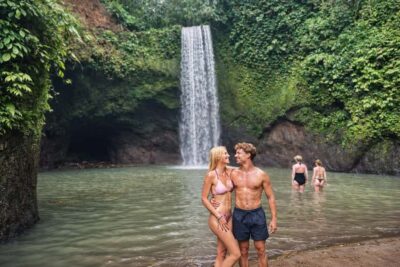
Waterfalls, Water Temple & Rice Terraces Private Tour
Read our review →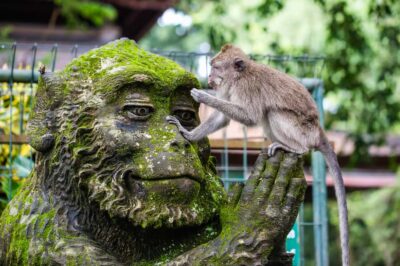
Waterfall, Rice Terraces & Monkey Forest Private Tour
Read our review →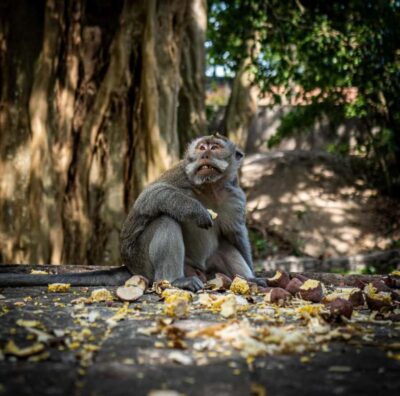
Full-Day Rice Terrace, Monkey Forest & Waterfall
Read our review →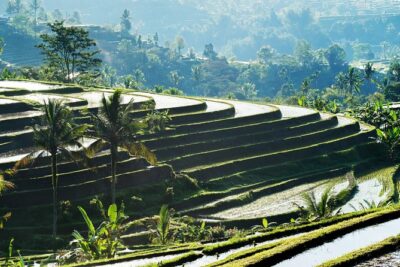
Full-Day Tour to Water Temples and UNESCO Rice Terraces in Bali
Read our review →
Monkey Forest, Ceking Rice Terraces and More– Full Day
Read our review →
Browse the lists this tour appears in