
Review · PLANTATION TOURS
Santiago Island: Banana Plantation, Natural Park & Workshop with a local family
Santiago Island’s appeal comes alive in two very different places: a shaded banana plantation near Pedra Badejo and a family kitchen in São Lourenço dos Órgãos. You’ll walk among crops, learn about island-grown fruit, then make cuscuz and fidjós from scratch with local hosts.
I like the small maximum of eight, which gives your guide room to answer questions. I also like the practical culture lesson: cooking with a family can tell you more about daily life than a quick photo stop. Guides including Ricardo, Katia, Ayrton, and Cleber have drawn special praise for their care and language skills.
The main consideration is time. Four hours includes the drive from Praia, the plantation walk, the cooking session, and the return trip, so neither stop is leisurely. The plantation paths may also be warm or uneven, despite the welcome shade.
Key points at a glance
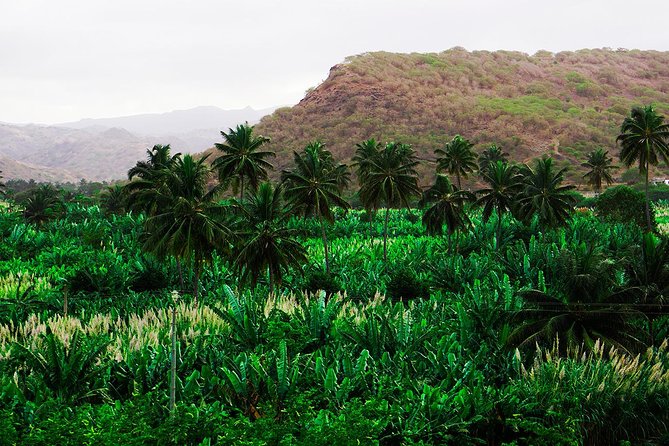
- A walk through Cape Verde’s largest banana and coconut plantation: See working fields and learn about local fruit varieties.
- A hands-on family kitchen visit: Prepare cuscuz, a corn-flour cake, and fidjós, fried banana mixed with wheat.
- A small group capped at eight people: Expect more opportunity to ask questions than on a large coach outing.
- Pickup and drop-off in Praia: The tour handles the roughly 30-minute drive each way.
- A possible fresh coconut stop: If available, you can buy coconut water at your own expense.
- Private-tour upgrade available: Choose it if you want a more personal pace and conversation.
From Praia into Santiago’s farming country
The morning begins at 9:00 a.m. with pickup at your Praia accommodation. The drive inland toward Santa Cruz takes about 30 minutes, shifting the focus from the capital to the agricultural side of Santiago Island.
That short transfer matters. You are not spending half a day in a vehicle, but you do get enough time to leave the city behind and reach the farming area around Pedra Badejo. Since round-trip transport is included, you can concentrate on the visit instead of arranging a taxi between separate rural stops.
The tour is offered in a small group of no more than eight. I see that as one of its best practical features. On a plantation walk, a compact group makes it easier to hear explanations and stop for questions. In a family home, it also keeps the setting from feeling crowded.
Pickup details are arranged at booking, so make sure your Praia accommodation is clearly listed. The advertised start is 9:00 a.m., and the activity runs for about four hours in total. That makes it easy to fit into a morning and early afternoon, though you should avoid scheduling a tight connection afterward.
More Plantation Tours in the world:
- Monkeyland and Plantation Safari Tour from Punta Cana
★ 5.0 · 3,805 reviews - Swamp Boat Ride and Oak Alley Plantation Tour from New Orleans
★ 5.0 · 3,303 reviews - Oak Alley Plantation Tour with Transportation from New Orleans
★ 4.5 · 1,747 reviews
Pedra Badejo and the banana plantation
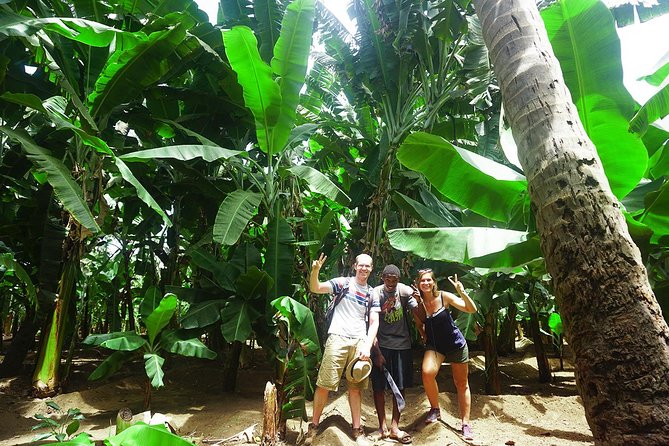
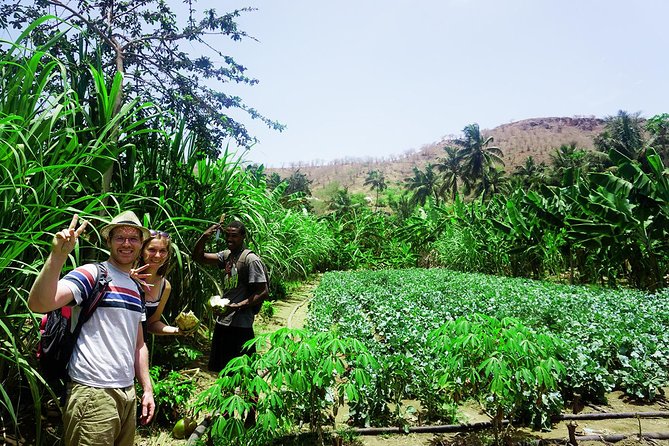
The first main stop is near Pedra Badejo, at what is described as the largest banana and coconut plantation in Cape Verde. You walk through the agricultural fields while a local guide explains the fruit and plants growing along the route.
This is not a polished garden made only for sightseeing. The point is to see agriculture as part of everyday life on Santiago. Bananas and coconuts are the headline crops, but your guide also introduces other varieties of local fruit and plants encountered on the way.
I like this stop because it gives context to food you may later prepare. Instead of treating Cape Verdean cuisine as a plate placed in front of you, the tour connects it to the land and the work behind it. The sequence also makes sense: first see the crops, then move to the kitchen.
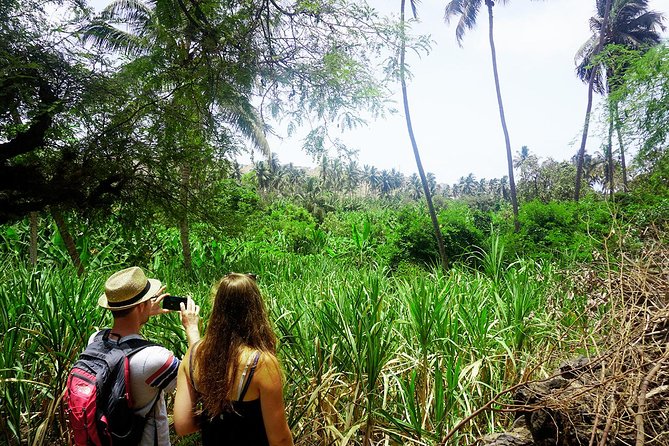
The walk lasts about one hour. A review describing it as a pleasant walk in the shade is useful guidance here. You may get some relief from the banana plants, but you should still bring a hat, water, sunscreen, and comfortable clothing. The tour information does not promise a completely flat or paved route, so practical shoes are sensible.
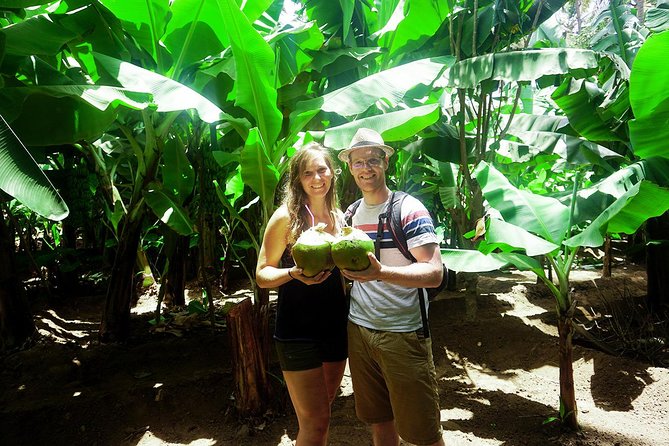
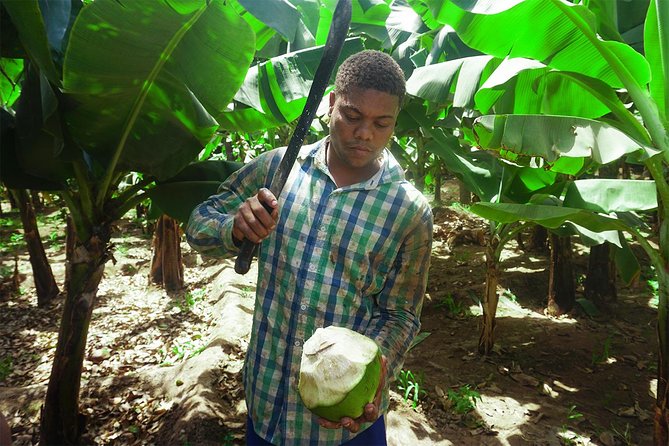
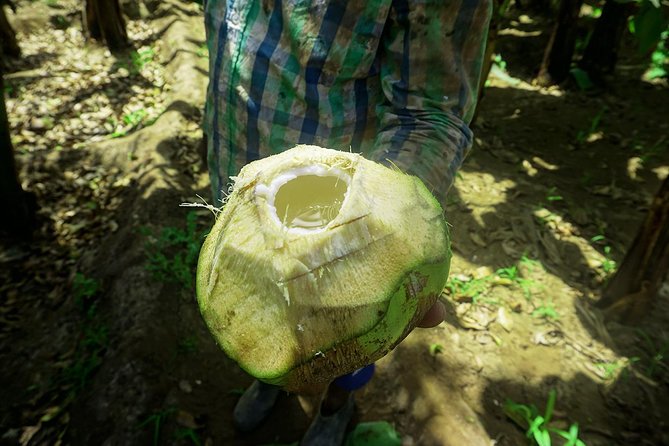
If coconut water is available, you can refresh yourself with a fresh coconut at your own expense. This is an optional purchase, not part of the listed price. Carry some money if you want to try it, but do not count on it being available every time.
The plantation stop is best for people who enjoy seeing how food is grown and who are curious about ordinary island life. If you want dramatic sightseeing or a long nature walk, this portion may feel modest. Its value is in the explanation and the connection to local food, not in covering a huge area.
The family kitchen in São Lourenço dos Órgãos
After the plantation, the group continues to São Lourenço dos Órgãos, also referred to as Orgãos, for the longest part of the tour. You spend about two hours learning local cooking with a Cape Verdean family.
The setting is important. You are not simply watching a chef prepare a demonstration meal. You take part in making two traditional foods from basic ingredients: cuscuz and fidjós.
Cuscuz here is a traditional cake made from corn flour. Fidjós are made with fried banana mixed with wheat. These dishes offer a useful introduction to the relationship between staple grains, fruit, and home cooking on Santiago. The recipes are simple enough to understand, but they carry the kind of everyday meaning that a restaurant tasting often misses.
The visit is described as taking place at the home of a local family, including the home of Mama Luisa. That family setting is one of the strongest reasons to choose this tour. You get a direct look at food preparation as a shared household activity, rather than a formal performance built around a tourist audience.
Guides have included Katia for Spanish-language groups, as well as Ayrton and Cleber. Ricardo is also praised in connection with the wider experience. Guide assignments can change, but the names are useful if you need to discuss language or a prior booking with the operator.
Two hours gives the cooking session enough room to feel like an activity rather than a rushed sample. Still, remember that the tour has a fixed four-hour schedule. You should expect an organized cooking lesson, not an entire afternoon spent chatting around the table.
This part suits you if food is your way into a culture. It is also a good choice for families and couples who prefer doing something together rather than moving from one viewpoint to another. The main limitation is that the exact amount of hands-on work may depend on the group and the family’s routine. The information confirms that you cook the dishes, but it does not spell out every step or ingredient.
What the small group changes
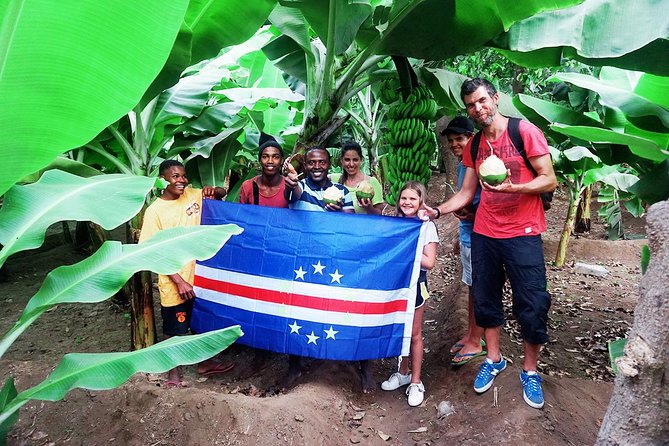
A group limit of eight sounds like a minor detail, but it shapes the whole outing. At the plantation, you are more likely to stay close enough to hear the guide. At the family home, fewer people help keep the visit personal and manageable.
The tour also offers a private upgrade. That is worth considering if you want more control over the pace, have specific food or culture questions, or prefer not to share the family visit with other participants. The standard small group should already feel more personal than a large bus tour, so the private option is a preference rather than a requirement.
The strongest guide feedback centers on warmth, attention, and help during the cooking session. Katia is specifically noted for leading a Spanish-language tour, while Ayrton, Cleber, and the accompanying staff are praised for making the cultural exchange comfortable. You should still confirm your preferred language when booking, since the available guide may vary.
More Hands-On Workshops in the world:
- Half-Day Thai Cooking Class at Organic Farm in Chiang Mai
★ 5.0 · 19,087 reviews - Florence Pizza or Pasta Class with Gelato Making at a Tuscan Farm
★ 5.0 · 6,801 reviews - Cooking Class and Lunch at a Tuscan Farmhouse with Local Market Tour from Florence
★ 5.0 · 4,831 reviews - Chiang Mai: Authentic Cooking Class with Market & Farm Visit
★ 4.9 · 4,546 reviews
The return through Santiago’s rocks and valleys
After the cooking session, you return to Praia by way of the island’s rocky valleys. The final drive takes about 30 minutes, and drop-off is provided at your accommodation.
This last leg is mainly transport, not another scheduled stop. You may see changing scenery from the vehicle, but the tour does not promise a separate viewpoint or hike on the way back. That is useful to know when planning your expectations.
The route also gives the day a clear shape. You begin with Praia, move into farming country, meet a local family, and then return to the capital. There is no need to arrange separate transport or work out how to reach the rural stops yourself.
Is $87.14 a fair price?
At $87.14 per person, this is not the cheapest way to spend a morning in Santiago. The value depends on what you would otherwise need to arrange.
The price covers a roughly four-hour outing, hotel pickup and drop-off in Praia, a guided plantation visit, a family cooking session, and a small group capped at eight. You are paying for transport into the countryside and for access to a home-based cultural activity that would be difficult to arrange independently.
It is less compelling if your main goal is simply to see banana plants. A one-hour plantation walk alone would not justify the full price for most people. The family cooking session is what gives the tour its weight, especially if you value direct contact with local food traditions.
The optional coconut water is extra, and no other separate costs are listed. Group discounts may be available, which could improve the price for families or friends booking together. A private upgrade will cost more, so compare the added privacy with the already small standard group.
The tour is booked, on average, 11 days ahead. That does not guarantee that every date sells out, but it is a sensible reason to reserve before arrival, especially if your Praia stay is short.
Who should book this morning?
I would point this tour toward you if you want culture that is active and local rather than focused on monuments. Food lovers, small groups, couples, and families should find the format easy to enjoy. It also suits anyone who wants hotel transport and does not want to negotiate rural taxis.
The tour is a good fit for people who can walk for about an hour, stand during a cooking lesson, and manage a morning in warm outdoor conditions. Most people can participate, according to the activity information, but you should bring comfortable clothing, a hat, water, and sunscreen.
It may not suit you if you want a long plantation trek, a full-day island circuit, or a highly flexible schedule. The itinerary is compact and set: 30 minutes from Praia, one hour at the plantation, two hours with the family, and 30 minutes back.
The cooking visit also requires a willingness to take part. If you prefer to observe quietly, you may still enjoy the cultural setting, but the tour’s best feature is the chance to help prepare the dishes.
A few practical details before you reserve
Pickup is offered from hotels in Praia, with a 9:00 a.m. start. Since the experience begins outside the city, confirm the pickup point and allow yourself time to be ready before the stated departure.
Wear clothes suitable for a warm plantation walk and a home cooking session. Bring water, a hat, and sunscreen. If you want coconut water, carry money for that optional purchase.
Free cancellation is available if you cancel at least 24 hours before the start time. Changes or cancellations made inside that window are not accepted for a refund. The activity also requires a minimum number of participants, so if the operator cancels for that reason, you are offered another date or experience, or a full refund.
The tour has a perfect five-star rating from 10 published reviews, with 100 percent recommending it. I would treat that as encouraging but not as a guarantee that every group will have the same guide, weather, or pace. The most consistent strengths are the friendly staff, the plantation walk, and the personal cooking session with the family.
Should you book it?
Book this tour if you want a compact, practical introduction to Santiago Island that links farming with food. The plantation gives you a look at local crops, while Mama Luisa’s family kitchen and the preparation of cuscuz and fidjós provide the human center of the morning.
I would choose the private upgrade if personal attention matters greatly. Otherwise, the standard group of up to eight offers a sensible balance of price and intimacy. Skip it if you want major sights, strenuous walking, or a full-day tour of the island.
For most visitors staying in Praia, this is a strong choice for seeing a quieter side of Santiago without arranging transport yourself. It is not a grand sightseeing circuit. It is a small-scale morning built around plants, food, and conversation, which is exactly why it can feel more personal than a standard city excursion.
FAQ
Where does the tour start?
The tour starts with pickup at your hotel or accommodation in Praia at 9:00 a.m.
How long does the experience last?
The activity lasts approximately four hours, including the drives between Praia, the plantation, the family home, and Praia again.
How large is the group?
The tour has a maximum of eight participants. A private-tour upgrade is also available.
What will I cook with the local family?
You will prepare cuscuz, a traditional cake made from corn flour, and fidjós, made with fried banana mixed with wheat.
Is food or coconut water included in the price?
The activity information does not list separate meal inclusions. Fresh coconut water may be available at the plantation, but it is purchased at your own expense.
What should I bring?
Bring comfortable clothing, a hat, water, and sunscreen. These are useful for the plantation walk and the outdoor parts of the day.
Just added around the world
- Ubud Rice terrace,Zip-line and waterfall★ 5.0 · 4 reviews
- Full Day Tour to Water Temples UNESCO Rice Terraces in Bali★ 5.0 · 4 reviews
- Explore Ubud Art Market, Monkey Forest and Rice Terraces★ 5.0 · 16 reviews
- Exploring Munduk Village (Waterfalls, rice terrace, Traditional local house)★ 4.5 · 2 reviews
- Ubud Monkey Forest Rice Terrace Temple Waterfall Private Tour★ 5.0 · 7 reviews
- Private Tour to Sumampan Waterfall, Monkey forest, Rice terraces and Swing★ 5.0 · 30 reviews
- Discover Hidden Waterfall, Unesco Rice Terraces and Mountain Temple★ 5.0 · 17 reviews
- Jatiluwih Spiritual Journey of Melukat with Rice Terrace View★ 5.0 · 9 reviews
Plantation Tours, compared.
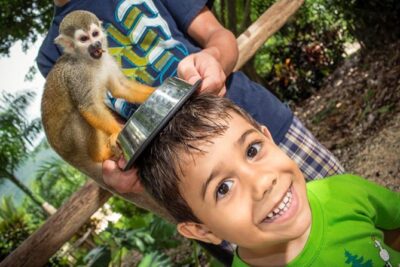
Monkeyland and Plantation Safari Tour from Punta Cana
Read our review →
Swamp Boat Ride and Oak Alley Plantation Tour from New Orleans
Read our review →
Oak Alley Plantation Tour with Transportation from New Orleans
Read our review →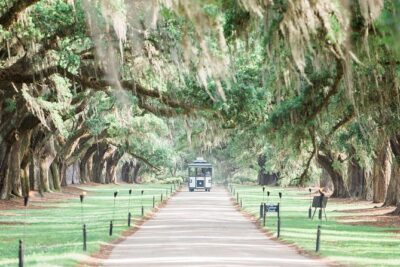
Boone Hall Plantation All-Access Admission Ticket
Read our review →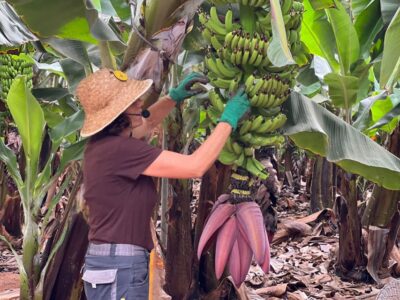
Finca Las Margaritas Banana Plantation Experience
Read our review →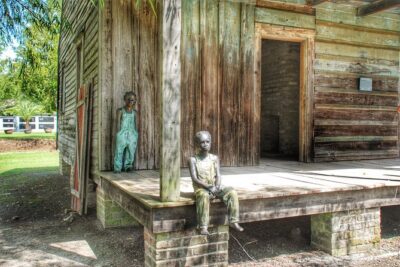
Whitney Plantation Tour with Transportation from New Orleans
Read our review →

Airboat and Plantations Tour with Gourmet Lunch from New Orleans
Read our review →Browse the lists this tour appears in