
Review · COSTA RICA
Pura Vida Cooking Class in La Fortuna (From farm to table)
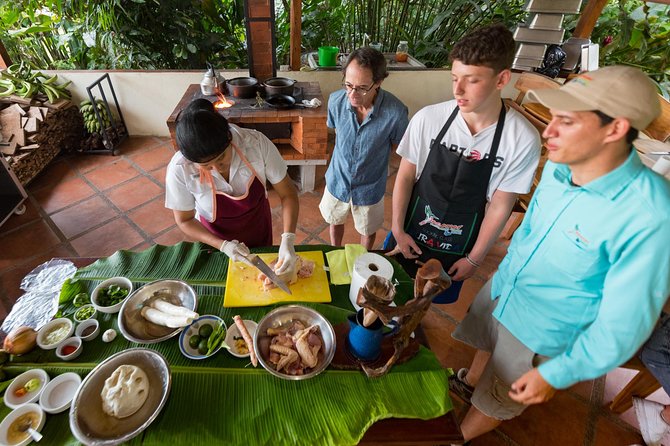
At La Finquita Farm, lunch or dinner starts with a machete, a garden, and a basket for fresh ingredients. You will walk among cassava, plantains, sugarcane, corn, herbs, peppers, and other crops, then use what you gather to prepare gallina achiotada, handmade tortillas, and several side dishes.
I especially like the farm-to-table connection and the friendly, hands-on teaching. I also like that the class stays small, with no more than 15 people, and that the open-air kitchen turns the meal into a social occasion. The main thing to consider is the weather: rain can limit the harvesting portion, even though the cooking class continues.
- Harvest your own ingredients: Pick seasonal produce and learn how cassava, plantains, herbs, and spices reach the plate.
- Cook a traditional menu: Prepare gallina achiotada, tortillas, plantain chips, patacones, and other local dishes.
- Learn from a real farm: Hear about ecological and regenerative farming practices at La Finquita.
- Meet the cooking team: Guides such as Diego, Melanie, Marco, Nelson, and Hugo have led groups, with chefs including Marcella and Anna.
- Share a generous meal: The class ends at the farm table, with fresh food served in a peaceful rural setting.
- Keep a useful souvenir: The included apron makes a practical reminder of the day.
Why This La Fortuna Cooking Class Feels Different
Many cooking classes begin with ingredients already measured and waiting on a counter. This one begins outside, where you see the plants and collect some of what you will eat.
That small change matters. When you pull cassava from the soil, handle herbs from the garden, or gather spices for the chicken, the food stops being an abstract recipe. You get a clearer sense of how Costa Rican cooking depends on a few sturdy crops and simple methods.
La Finquita Farm uses ecological farming techniques and promotes careful use of water, soil, and other natural resources. You will hear about how the farm grows cassava, plantains, sugarcane, corn, pineapples, bananas, peppers, peppercorn, herbs, and spices. The exact mix of crops you see can vary, but the point is clear: this is a working farm, not a staged market display.
I like that the class links food with place. The farm is not just a backdrop for a meal. It explains why certain ingredients appear so often in Costa Rican cooking and gives you a better feel for rural life around La Fortuna.
The Farm Walk and Fresh Harvest
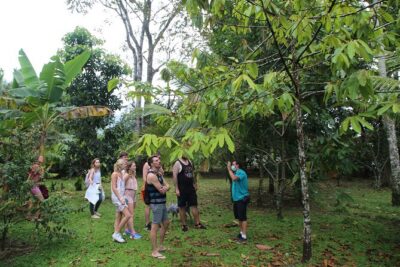
The first part is a guided walk around the farm. Your guide explains what is growing, how the crops are managed, and which ingredients will be used in the meal.
The harvesting is one of the most memorable parts. You might gather yuca, also called cassava, along with herbs, peppers, and other produce. One group even described using a machete to collect ingredients, which gives the outing a practical farm feel rather than the polished feel of a standard demonstration.
The guides add useful context during this section. Melanie has explained organic and regenerative farming practices, while Diego has led groups through the crops and helped connect the plants to the meal. Marco, Nelson, and Hugo have also been praised for adding humor and clear explanations.
Do not expect a long agricultural lecture. This is a working introduction to the farm, followed by cooking. If you are especially interested in plants, farming, or sustainable food, you may wish the garden portion lasted longer. For most people, the length works well because the class keeps moving.
Weather can change the rhythm. Rain has prevented some groups from harvesting, but the indoor or covered cooking portion still went ahead. Pack clothing that can handle a little mud or moisture, and do not judge the entire outing by the weather during the farm walk.
Wildlife may add a surprise. Sloths have been spotted along the road, and some groups have seen wildlife around the farm. These sightings are not part of the formal program, so treat them as luck rather than a promise.
More Farm-to-Table Meals in the world:
- From Porto: 2 Wine Regions, Farm-to-Table Lunch & Boat
★ 4.9 · 5,724 reviews - Montserrat Full Day Tour with Farmhouse Lunch and Winery Visit
★ 5.0 · 1,068 reviews - Montserrat & Winery Visit Tour with Traditional Farmhouse Lunch
★ 4.5 · 1,035 reviews
Inside the Open-Air Cooking Kitchen
After the farm walk, you move to an open-air cooking structure. It is large enough to feel comfortable but still small enough for the instructor to speak with the group and keep everyone involved.
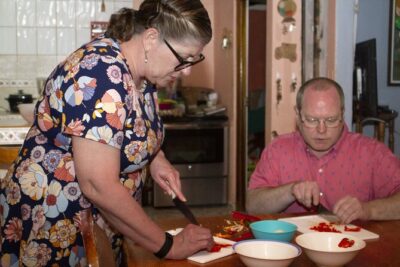
The cooking is genuinely hands-on. You are not simply watching a chef prepare lunch while you stand behind a counter. You help make the meal, with guidance at each stage. The class suits beginners particularly well because the chef works step by step and encourages people who do not cook often.
The central dish is gallina achiotada, chicken seasoned with achiote. Achiote gives the dish its warm color and earthy flavor, and it is a useful introduction to an ingredient that appears in many Latin American kitchens. The recipe also shows how Costa Rican cooking can create a satisfying meal from straightforward local ingredients.
You also prepare handmade flour tortillas. This is a good part of the class for families because shaping tortillas is simple, tactile, and easy for children to try. The results may not come out perfectly round, but that is part of the fun.
The full menu can include pico de gallo, plantain chips, patacones, cassava chips, and a local chicken dish. Ginger iced tea has also been served. The menu is plentiful, so arrive ready to eat. This is not a tiny tasting with one bite of each dish.
Chef Marcella and chef Anna have led classes with a warm, encouraging style. The teaching is practical rather than technical. You will learn methods and flavor combinations that you can try at home, but you will not leave with a formal culinary certificate or a long recipe manual.
What the Shared Meal Adds
Once the cooking is done, everyone sits down and eats together. This is where the class shifts from lesson to social meal.
The setting helps. You are surrounded by the farm rather than seated in a busy restaurant, and the open-air structure keeps the mood relaxed. Groups often include couples, families, and friends, so the meal can become a pleasant chance to talk with people from other countries.
The food is the strongest part of the experience. Freshly picked ingredients, warm tortillas, crisp plantains, and the achiote chicken make a fuller meal than many short food tours provide. I would choose this class over a simple restaurant dinner if you want to understand what is on your plate, not just eat it.
There is also a useful lesson in the simplicity of the menu. You are not relying on rare ingredients or complicated equipment. The class shows how cassava, plantains, corn, herbs, spices, and chicken can become a generous meal through good preparation.
One practical warning: the class is social by design. If you want a private lesson with only your own party, this may not be the right fit. The maximum group size is 15, and the experience works best when you are comfortable sharing the cooking space and table.
Guides, Translation, and the Human Touch
The guide is important here because the experience has two parts: farm interpretation and cooking instruction. Guides including Marco, Diego, Melanie, Nelson, and Hugo have been described as friendly, funny, and clear.
In some groups, the guide has also interpreted between the cooking team and participants. That can help when the chef is more comfortable speaking Spanish, and it adds a local, conversational feel to the class rather than turning it into a scripted demonstration.
The cooking staff provide the warmth of the experience. Cindy and Marce have helped create a welcoming kitchen atmosphere, while Marcella and Anna have guided the preparation. Names and staff can change, but the format remains the same: a farm guide introduces the ingredients, then a chef leads the cooking.
Families should take note. Children have enjoyed gathering produce, making food, meeting people from other countries, and practicing Spanish in a relaxed setting. The work is active without being strenuous, and the apron gives younger participants a small souvenir they can take home.
More Farm Cooking Classes in the world:
- Half-Day Thai Cooking Class at Organic Farm in Chiang Mai
★ 5.0 · 19,087 reviews - Cooking Class and Lunch at a Tuscan Farmhouse with Local Market Tour from Florence
★ 5.0 · 4,831 reviews - Chiang Mai: Authentic Cooking Class with Market & Farm Visit
★ 4.9 · 4,546 reviews - Ubud: Balinese Cooking Class at an Organic Farm
★ 5.0 · 1,786 reviews
Morning or Afternoon: Which Departure Works Best?
You can choose a morning or afternoon departure. The best option depends on how you want to arrange the rest of your day in La Fortuna.
A morning class gives you a substantial meal early in the day and leaves the afternoon open. It may be a good choice if you plan to visit another attraction later. An afternoon departure can work well if you want a slower morning and prefer to finish with a meal later in the day.
The activity lasts about four hours, so leave enough room around it. Hotel pickup and drop-off are provided from central La Fortuna, which removes the need to arrange your own transport to the farm. The listed meeting point is Jacamar Naturalist Tours beside the Catholic Church, and the activity ends back at that meeting point.
Pickup is a useful part of the value, especially if you are not driving. It also makes the class easier to fit into a short La Fortuna stay. The exact timing and pickup details should be confirmed when you book.
Is the $99.44 Price Worth It?
At $99.44 per person, this is not the cheapest way to eat in La Fortuna. You can find a casual local meal for far less.
The price makes more sense when you count what is included: transportation from central La Fortuna, a farm visit, guided interpretation, fresh ingredients, the cooking class, the meal, and an apron. You are paying for about four hours of activity, not just a plate of food.
I consider it good value if you would otherwise book a farm visit and a food activity separately. It is also a strong choice for families because several people can take part at once, rather than sitting through a demonstration aimed only at adults.
The value is weaker if you have little interest in cooking or already plan to spend your time on other outdoor activities. This is a food-and-culture outing, not a major wildlife excursion or an adrenaline activity. Choose it because you want to learn, prepare, and eat, not because you expect a full day of sightseeing.
The 5.0 rating from 65 reviews and a 100 percent recommendation rate point to consistently strong satisfaction, but I would still match the class to your interests. The high praise focuses on the food, the staff, the farm setting, and the chance to participate.
Who Should Book This Farm-to-Table Experience?
I would recommend it to families, couples, and friends who enjoy food with a story behind it. It is especially good for anyone who wants a break from zip lines, hot springs, and busy activity schedules.
It also suits people who are not confident cooks. The chefs guide each step, and you do not need advanced kitchen skills. If you are an experienced home cook, the class may feel basic, but you can still pick up ideas about achiote, plantains, cassava, tortillas, and local seasoning.
The experience is a good fit for visitors interested in sustainable agriculture. You will not get a full farming course, but you will see how the farm grows useful crops and hear how responsible land management shapes the work.
I would think twice if you dislike communal meals, have severe dietary restrictions, or want complete control over the menu. Dietary restrictions must be shared at booking, and alcoholic drinks are not included, though they are available for purchase. The minimum booking is two people.
Booking Details and Practical Tips
Confirmation is provided at booking. You can cancel for a full refund up to 24 hours before the start time. Changes or cancellations made less than 24 hours ahead are not accepted, and the cutoff follows local time.
The class accepts up to 15 people. That is small enough for a personal feel but large enough that your group may cook with other parties. If you are booking as a couple, expect a social setting rather than a private table.
Wear practical clothes for a farm visit and cooking. The activity includes an apron, but the apron is protection, not a guarantee that clothing will stay spotless. Comfortable footwear is sensible for walking around the property.
Tell the operator about dietary restrictions when booking. The minimum drinking age is 18, and alcoholic beverages are sold separately.
Should You Book the Pura Vida Cooking Class?
Book it if you want to understand Costa Rican food through the crops, people, and cooking methods behind it. The combination of harvesting cassava and herbs, preparing gallina achiotada and tortillas, and sitting down to a generous meal gives the class a clear sense of place.
I would make it a priority for families and couples who want a slower, more social activity in La Fortuna. The apron, the open-air kitchen, and the chance to learn from cooks such as Marcella or Anna add charm without making the class feel formal.
Skip it if you are looking only for a quick meal, a private lesson, or a high-energy adventure. For everyone else, the $99.44 price is justified by the four-hour format, transport, instruction, food, and farm visit. It is one of the better ways to spend half a day around La Fortuna when you want to taste Costa Rica and understand it at the same time.
FAQ
Where does the cooking class take place?
The class takes place at La Finquita Farm near La Fortuna, Costa Rica.
How long does the experience last?
The activity lasts approximately four hours.
Is hotel pickup included?
Hotel pickup and drop-off are provided from central La Fortuna. The listed meeting point is Jacamar Naturalist Tours beside the Catholic Church.
What food will I prepare?
The main recipe is gallina achiotada, a traditional Costa Rican chicken dish. The class also includes handmade tortillas and may include items such as pico de gallo, plantain chips, patacones, cassava chips, and ginger iced tea.
Do I get to harvest ingredients?
Yes. The farm visit includes picking fresh, seasonal ingredients for the meal. Rain may prevent harvesting on some departures.
Is the class suitable for people with dietary restrictions?
Dietary restrictions should be shared when booking so the operator can review them.
How many people can join the class?
The maximum group size is 15 people, and at least two people are required per booking.
What is the cancellation policy?
You can cancel up to 24 hours before the start time for a full refund. Cancellations or changes made less than 24 hours before the experience are not accepted.
More Hands-On Workshops in the world
- Florence Pizza or Pasta Class with Gelato Making at a Tuscan Farm
★ 5.0 · 6,801 reviews - Sorrento: Pizza Lesson, Wine, and Limoncello at a Local Farm
★ 5.0 · 1,513 reviews - Florence: Pizza or Pasta Class with Gelato at a Tuscan Farm
★ 4.9 · 1,181 reviews - Chiang Mai: Cooking Class with Organic Farm at Mama Noi
★ 4.9 · 1,151 reviews
Just added around the world
- Ubud Rice terrace,Zip-line and waterfall★ 5.0 · 4 reviews
- Full Day Tour to Water Temples UNESCO Rice Terraces in Bali★ 5.0 · 4 reviews
- Explore Ubud Art Market, Monkey Forest and Rice Terraces★ 5.0 · 16 reviews
- Exploring Munduk Village (Waterfalls, rice terrace, Traditional local house)★ 4.5 · 2 reviews
- Ubud Monkey Forest Rice Terrace Temple Waterfall Private Tour★ 5.0 · 7 reviews
- Jatiluwih Spiritual Journey of Melukat with Rice Terrace View★ 5.0 · 9 reviews
- Private Tour to Sumampan Waterfall, Monkey forest, Rice terraces and Swing★ 5.0 · 30 reviews
- Discover Hidden Waterfall, Unesco Rice Terraces and Mountain Temple★ 5.0 · 17 reviews
Costa Rica Farm Tours, compared.

Private Guided Walking Tour in Hacienda Baru TICKET NOT included
Read our review →

Poas Volcano + Coffee Plantations & La Paz Waterfall Gardens Trip from San Jose
Read our review →
Private cooking class in organic farm at La Fortuna
Read our review →Browse the lists this tour appears in