
Review · COFFEE
Lokasari: Coffee Plantation Tour, Herbal Tea & Pure Honey
The most unusual part of this Bali farm visit is the mix: one short tour takes you from coffee cherries and civet-processed beans to fresh ginger tea and honey from stingless bees. Luwak coffee gets the attention, but the herbs and honey make the visit more useful and varied.
I like the hands-on feel of picking plants for your own tea, and I like the gentle look at Trigona and Tapis hives. The main drawback is time. Ninety minutes can feel tight, especially if you want a long plantation walk, a careful explanation, and an unhurried tasting.
Key points at a glance
- Luwak coffee from bean to cup: Learn how civets select and digest ripe coffee cherries before the beans are cleaned, roasted, and brewed.
- Fresh herbs for your own infusion: Pick plants such as lemongrass, ginger, turmeric, and rosella in the garden.
- Two distinct raw honeys: Taste tangy Trigona honey and sweeter, floral Tapis honey from stingless bees.
- A low-cost countryside stop: At $6 per person, the 90-minute visit offers several tastings and a guided farm walk.
- Friendly English and Indonesian guides: The guide meets you by the traditional gate near the large Kopi Luwak sign.
- A useful timing tip: Ask about the tasting count when you book, since the information lists both 12 and 16 coffee and tea testers with a Luwak coffee purchase.
A coffee plantation visit with more than coffee
Lokasari Agrowisata gives you a quick look at several parts of Bali’s farm life in one place. You walk through a coffee plantation, hear about old farming methods, see how Luwak coffee is prepared, gather herbs, and visit stingless bee hives.
That variety is the reason I would choose this over a basic coffee stop. If you only want a cup of coffee and a shop, the visit may feel longer than needed. If you want to understand how familiar Balinese ingredients are grown and used, the 90 minutes are well spent.
The setting is part of the appeal. The plantation is surrounded by tropical greenery and fresh highland air, with photo spots around the farm. This is not a demanding hike, but you should expect uneven natural paths rather than a polished indoor attraction.
The meeting point is easy to identify. Look for the large Kopi Luwak sign beside the road, then enter through the traditional Balinese gate. Your guide is due to meet you there in a traditional Balinese madya uniform.
More Coffee Farm Tours in Indonesia
- Mount Batur Sunrise Trekking (Private, Breakfast and Visiting coffee plantation)
★ 5.0 · 27 reviews - Volcano, Hot Spring, Tea Factory, rice fields and Coffee Tour
★ 5.0 · 25 reviews - Jakarta: Volcano, Hot Spring, Tea, Rice Fields, &Coffee tour
★ 4.9 · 19 reviews
Walking among coffee trees and traditional crops
The first section introduces the coffee plantation and the local growing methods. You learn about coffee varieties and how farming knowledge has passed through generations. The focus is not just on the finished drink. You see coffee as a crop that depends on careful planting, harvesting, cleaning, roasting, and brewing.
I find this part most useful when you pay attention to the plants around the path. The plantation is not simply a backdrop for photographs. It gives you a chance to connect the drink in your cup with the work behind it.
The walk is leisurely, and the tour is suitable for children and older adults. Still, wear shoes with a decent grip. The route passes through natural farm areas, and rain can make those paths less comfortable. An umbrella is provided if the weather turns wet.
A midday visit calls for a hat and sunscreen. The plantation has shade and greenery, but you should not assume the full route is protected from the sun.
Luwak coffee, with the important questions included
Luwak coffee is the best-known part of the experience. Your guide explains how civets, called luwak in Indonesia, select ripe coffee cherries and digest the fruit around the beans. The beans are later collected, cleaned, roasted, and brewed.
This process is unusual, and seeing it explained in person is more useful than simply reading a label in a shop. You can follow the coffee from cherry to cup and learn why Luwak coffee is treated as a special product.
There is also an ethical point to consider. The tour presents the traditional process and the role of the civet, but the supplied details do not explain the conditions of any animals at the site or how the coffee is sourced. If animal welfare matters to your buying decision, ask direct questions before purchasing. A tour can explain the process without answering every question about sourcing.
The tasting is tied to a purchase condition. The information says you receive a free selection of coffee and tea testers when you purchase one cup of Luwak coffee. One part of the description says 16 testers, while the practical notes say 12 coffee and herbal tea varieties. I would confirm the current number before you book or pay.
That small detail matters because the tasting is a major part of the value. The Luwak cup is not simply a sample. It also appears to be the key to trying the broader selection.
A herbal tea garden you can taste
The tea garden adds a pleasant change of pace after coffee. You see medicinal plants used in local traditions, including lemongrass, ginger, turmeric, and rosella. Other plants and spices may be present too, such as cinnamon, hibiscus, and vanilla.
The guide explains how these plants are used and helps you pick fresh herbs for an infusion. This makes the section more memorable than a standard tea tasting. You are not just handed a prepared drink. You get a simple sense of how a local plant moves from garden to cup.
The garden also gives the tour a wider cultural purpose. Coffee may be the headline product, but plants such as ginger and turmeric are part of everyday food and traditional home remedies. You gain a glimpse of practical plant knowledge that is easy to miss during a beach holiday or a temple visit.
Keep health claims in proportion. The tour presents these plants as traditional medicinal ingredients, but that does not replace medical advice. If you have allergies or food restrictions, tell the operator ahead of time. You can also ask what is in each tea before tasting.
More Plantation Tours in Indonesia
- Active Volcano, Rice Field, Hot Spring, Fruit market, Tea Plantation with Lunch
★ 5.0 · 513 reviews - Bandung: White Crater, Scenic Tea Plantations & Hot Spring
★ 4.9 · 122 reviews - Bandung : White Crater, Tea Plantation Tour Guide Bandung
★ 4.7 · 15 reviews - Bali: Blue Lagoon Snorkeling, Waterfall, and Plantation
★ 4.8 · 12 reviews
Meeting Bali’s stingless bees
The bee hives are the most distinctive stop after the Luwak coffee. You visit stingless Trigona and Tapis bees and watch the honey being harvested. Since these bees do not sting, the hive visit is suitable for a broad range of ages, though children should still stay close to the guide.
You taste two kinds of raw honey. Trigona honey is described as tangy and probiotic-rich, while Tapis honey is sweeter and more floral. The contrast gives you something clear to notice, rather than blending both samples into one generic honey experience.
This section also shows a sustainable side of the farm. The focus is on gentle harvesting and the relationship between bees, plants, and food production. You get a practical look at pollinators rather than a formal lecture about agriculture.
The honey is sold at the farm shop, and it can make a better souvenir than a random packaged product from a city store. You know which bees produced it and have tasted the difference first. The shop visit is part of the setting, but you should not feel required to buy anything. The guide is expected to explain the products without being pushy.
How the 90 minutes are likely to feel
The short duration is both a strength and a weakness. It works well if you are adding the plantation to a busy Bali day. You can arrive, see the main farm areas, sample the drinks and honey, and leave without giving up half a day.
The tradeoff is that each section moves along quickly. The plantation walk, Luwak explanation, tea garden, bee hives, and tasting all compete for the same 90 minutes. If your group asks many questions or lingers over photographs, the schedule may feel rushed.
I would plan to arrive ready to start. The meeting point is at the main entrance, not a hotel pickup location, and transportation is not included. You need to arrange your own ride to the plantation.
The guide speaks English or Indonesian, and an audio guide is also available in both languages. The quality of the visit will depend partly on how much you ask. If you want to know about farming methods, animal welfare, or the difference between the honeys, raise those topics early rather than waiting until the final tasting.
What the $6 price really covers
At $6 per person, this is a strong-value stop if you use the included elements. The fee covers the plantation walk, the Luwak coffee explanation, the herbal garden, the stingless bee hives, raw honey tasting, a herbal tea introduction, traditional brewing tools, a local guide, parking, and restroom access.
You also get scenic farm settings for photographs. That may sound minor, but it makes the visit easy to fit into a day of sightseeing. You do not need to plan a separate coffee shop stop and a separate honey tasting.
The price does not include transportation, a full meal, or extra food and drinks outside the listed tastings. The Luwak coffee purchase condition also affects the final value. If you do not want Luwak coffee, ask what tasting options are available without buying it.
For a family, the low entry price keeps the visit manageable. Children can see plants, bees, and coffee processing in one place, though the educational value will depend on their interest and the guide’s pace. Coffee enthusiasts may want a longer specialist tour, while casual visitors will likely appreciate the broad range of samples.
Practical details before you go
Book ahead if your schedule is fixed. Advance booking is recommended, and starting times depend on availability. The experience offers free cancellation up to 24 hours before the visit and allows you to reserve now and pay later, which helps if your Bali plans are still shifting.
Wear comfortable walking shoes. Sun protection is sensible, and umbrellas are available in rain. The site has free parking and a toilet, useful details if you are driving between other stops.
The location is pet-friendly, but dogs must remain on a leash and under control. Tell the operator about allergies or access needs in advance. The tour is suitable for children and seniors, but the natural farm paths may not suit every mobility need.
The guide wears a traditional Balinese madya uniform, making the entrance easier to spot. If you are unsure you have found the right place, look for the large Kopi Luwak sign and the traditional gate.
Who will enjoy this farm visit most
I would recommend Lokasari Agrowisata to you if you like food origins, small-scale agriculture, and tastings with a story behind them. It also suits anyone looking for a quiet countryside stop away from Bali’s busiest sightseeing areas.
Families get a varied visit without committing to a full day. Coffee drinkers get a clear introduction to Luwak coffee. Tea lovers get to pick herbs and learn their traditional uses. Honey fans get two samples with noticeably different flavors.
You may want another option if you dislike commercial tastings, have no interest in buying products, or want a long, slow plantation walk. The tour includes a shop and a purchase-linked tasting, so it has a retail element. That does not erase the educational side, but it is worth knowing before you arrive.
The most praised qualities are the friendly guides, clear explanations, and excellent final tasting. One English-language guide was remembered for staying after the tour to chat without pressuring anyone to buy. That is the tone I would hope for here, though individual guides can vary.
Should you book Lokasari Agrowisata?
Book it if you want a low-cost, compact look at Bali’s coffee, herbs, and honey production. At $6, the mix of plantation walking, Luwak coffee education, fresh tea, and two raw honeys offers good value, especially if you are already arranging your own transport nearby.
Go with realistic expectations. This is a 90-minute introduction, not a full agricultural day. The timing may feel short, and the tasting count should be confirmed because the supplied information gives two different numbers. Ask about Luwak sourcing if that issue matters to you, then enjoy the farm, the herbs, and the honey at an easy pace.
FAQ
How long does the Lokasari coffee plantation tour last?
The experience lasts 90 minutes. It includes the coffee plantation, Luwak coffee explanation, herbal tea garden, stingless bee hives, and tastings.
What is included in the $6 price?
The price includes the guided plantation tour, Luwak coffee process explanation, herbal garden entry, bee hive visit, Trigona and Tapis honey tasting, herbal tea introduction, traditional brewing tools, a local guide, parking, and toilet access.
Is transportation included?
No. You need to arrange your own transportation to and from the plantation.
Do I need to buy Luwak coffee to receive the larger tasting?
The practical information says free tasting of 12 coffee and herbal tea varieties is available with the purchase of one cup of Luwak coffee. Another description states 16 coffee and tea testers, so confirm the current number before booking or paying.
What languages are available?
Live guides speak English and Indonesian. Audio guides are also available in English and Indonesian.
What should I wear and bring?
Wear comfortable walking shoes and bring sun protection such as a hat and sunscreen. Umbrellas are provided if it rains. Tell the operator in advance about food allergies or accessibility needs.
More Beekeeping and Honey Farms in Indonesia
- Experience Our Honey Farm And Beekeeping Tour
★ 5.0 · 167 reviews - Bee Farm Ecotour and Honey Tasting in Waialua, North Shore Oahu
★ 5.0 · 72 reviews - Olympia Shore Ex: Olympic site, Honey Farm & Olive Oil Tasting
★ 4.5 · 57 reviews - Lazise: Beekeeping Farm Tour and Tasting Experience
★ 4.9 · 57 reviews
Just added around Indonesia
- Full Day Tour to Water Temples UNESCO Rice Terraces in Bali★ 5.0 · 4 reviews
- Ubud Rice terrace,Zip-line and waterfall★ 5.0 · 4 reviews
- Explore Ubud Art Market, Monkey Forest and Rice Terraces★ 5.0 · 16 reviews
- Exploring Munduk Village (Waterfalls, rice terrace, Traditional local house)★ 4.5 · 2 reviews
- Ubud Monkey Forest Rice Terrace Temple Waterfall Private Tour★ 5.0 · 7 reviews
- Jatiluwih Spiritual Journey of Melukat with Rice Terrace View★ 5.0 · 9 reviews
- Private Tour to Sumampan Waterfall, Monkey forest, Rice terraces and Swing★ 5.0 · 30 reviews
- Discover Hidden Waterfall, Unesco Rice Terraces and Mountain Temple★ 5.0 · 17 reviews
Coffee Farm Tours, compared.
La Herradura Coffee Farm: tour in Europe’s only plantation
Read our review →

Small-Group Big Island Tour: Hawaii Volcanoes National Park and Kona Coffee Farm
Read our review →
Medellín Coffee Farm Tour with Trolley and Cable Car Ride
Read our review →
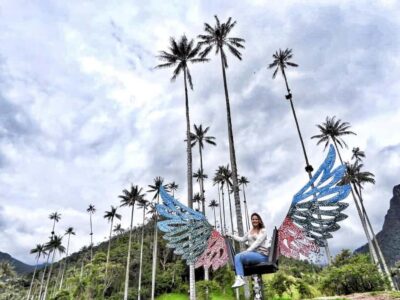
Salento: Private Cocora Valley, Salento & Coffee Farm Tour
Read our review →
Liamuiga Natural Farm Tour – St.Kitts’ Coffee Farm
Read our review →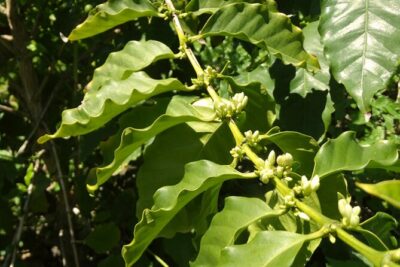
Browse the lists this tour appears in