
Review · USA
Kauai Chocolate Farm Tasting Tour
The most unusual part of this Kauai outing is tasting the fresh cacao fruit itself, not just the chocolate made from its seeds. At Lydgate Farms, you walk among cacao trees, tropical plants, and fruit trees before sitting down to sample estate-grown chocolate, honey, vanilla, bananas, and macadamia nuts.
I like the way the tour links food to farming, so you see where the ingredients begin. I also like the guides’ lively teaching style. Sheri, Jess, Mason, Brooke, Henry, Jenna, and others are praised for making the science easy to follow, often with humor. The main drawback is the length: three hours can feel long if you prefer a quick tasting rather than a lesson-heavy farm visit.
Key points to know before booking
- Fresh cacao fruit is part of the tasting: You get to see ripe cacao pods and taste the fruit surrounding the seeds.
- The tour goes beyond chocolate: Expect farm-grown bananas, tropical fruit, honey, vanilla, and chocolate-covered macadamia nuts.
- It is a seated learning experience as well as a farm walk: Some of the three hours involve talks and tasting, with limited walking.
- The guides shape the experience: Sheri, Jess, Mason, Brooke, Henry, and Jenna are all noted for clear, warm presentations.
- Children must be over seven: No children under seven are allowed on the farm tour.
- The $145 price buys a full half-day outing: The value depends on how much you enjoy detailed food and agriculture instruction.
Walking into Lydgate Farms on Kauai
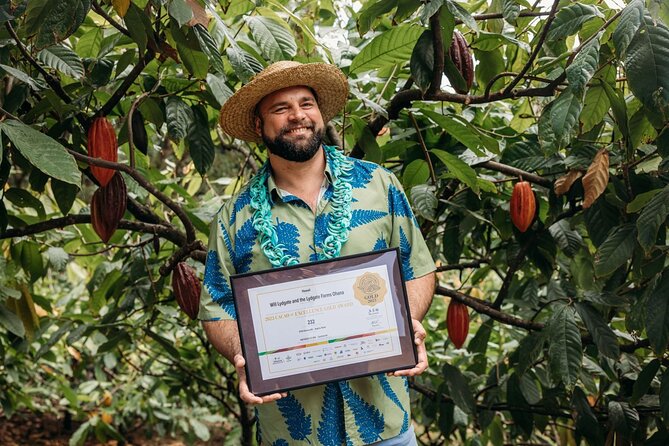
Lydgate Farms sits at 5730 Olohena Road in Kapaʻa, and the tour begins and ends there. You arrange your own way to the farm, since hotel pickup and drop-off are not included. The farm does not offer self-guided visits, so you need a reservation for the garden tour.
The setting gives the experience its character. This is not a chocolate shop with a short explanation added on. You spend time among growing plants and cacao trees, seeing the farm as part of the food-making process. That matters because chocolate can feel like a finished luxury product until you learn how much care comes before the first bar is made.
The group can include up to 25 people. That is large enough to create a shared tour atmosphere, but still small enough for a guide to lead a structured tasting and explain what you are seeing. The exact feel will depend on the day and on your guide.
The tour is offered in English and lasts about three hours. I would set aside a full morning or afternoon rather than trying to fit it between tightly scheduled activities.
A few more farm days around the USA worth a look
- Award Winning Farm Tour: Coffee, Chocolate and Unique Gifts
★ 5.0 · 484 reviews - Craft Chocolate Tasting and Farm Experience on the Big Island
★ 5.0 · 95 reviews - Oahu: Chocolate Farm Tour with Tasting – Kamananui Cacao
★ 5.0 · 33 reviews
From botanical garden to cacao tree
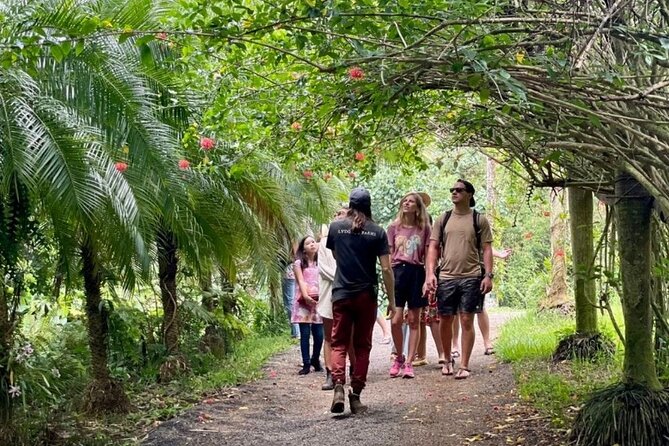
The first section takes you through Lydgate Farms’ botanical gardens. The point is not simply to look at attractive tropical plants. Your guide uses the farm to explain island agriculture, plant care, pollinators, and the links between different crops.
You taste fruit picked from the farm, including Hawaiian apple bananas. You may also sample unusual tropical fruit that is less familiar than the produce found in a mainland grocery store. This is one of the tour’s strongest features because the tasting begins before the chocolate arrives.
Fresh vanilla beans and award-winning honey are also part of the experience. These samples give you a better sense of how varied a small farm can be. You are not spending three hours on cacao alone. The tour treats chocolate as one part of a larger food system.
The garden walk is not described as a strenuous hike. In fact, some of the detailed feedback characterizes the outing as having limited walking and plenty of sitting. That makes it a reasonable choice if you want a farm visit without a demanding physical route, though anyone hoping for a continuous outdoor walk may find the pace slow.
Seeing cacao before it becomes chocolate
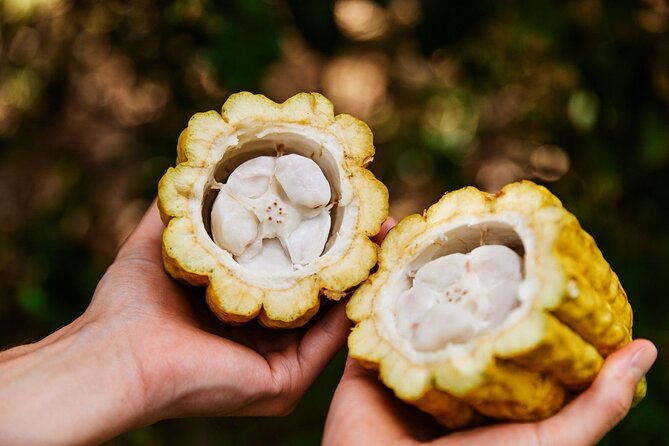
Cacao grows in pods, and the tour lets you see trees at different stages of growth. Your guide explains the plant and shows how the ripe fruit relates to the seeds used for chocolate.
Tasting the fruit is important. The sweet pulp around the cacao seeds does not taste like a square of dark chocolate, and that contrast helps you understand how much processing is involved. The finished flavor comes from a chain of steps rather than directly from the fruit.
The presentation follows the path from harvest to bar. You learn about growing, harvesting, processing, and turning raw cacao seeds into chocolate. The guides also explain what makes Hawaiian cacao distinct and how estate-grown chocolate differs from highly processed commercial candy.
I like this part because it gives context to the later tasting. You are not simply handed samples and told which one to prefer. You learn what you are tasting and why the flavor can change from one chocolate to another.
The tour also touches on sustainability and island agriculture. That makes the experience useful for anyone interested in how food is grown in Hawaii, not only for people with a serious sweet tooth.
The tasting starts with macadamia nuts and bananas
The food arrives in stages. One early sample is a roasted and caramelized Hawaiian macadamia nut covered in 55 percent Hawaiian-grown dark chocolate. It is a simple combination, but it shows how the nut’s richness works with a moderately dark coating.
You also taste a farm-grown Hawaiian apple banana. This is a small detail, but it helps keep the tasting from becoming too heavy too early. Fruit, honey, and chocolate are used together, so the session has more range than a lineup of nearly identical candy samples.
The exact number of items can vary, but the experience includes several fruits, honey, vanilla, and multiple chocolates. The advertised main sample is 70 percent dark chocolate made from award-winning Hawaiian-grown cacao.
That 70 percent sample will appeal most to people who prefer dark chocolate. If you usually reach for very sweet milk chocolate, the tasting may feel more serious and less familiar. The point is to notice differences in cacao, processing, and balance rather than to deliver one sugary treat after another.
More Food and Drink Trips in the USA:
- Lahaina: Maui Ku’ia Estate Guided Cacao Farm Tour and Tasting
★ 5.0 · 1,103 reviews - Lahaina: Maui Ku’ia Estate Guided Cacao Farm Tour & Tasting
★ 4.8 · 137 reviews - Charleston Farm-to-Table Food Tour and Chef’s Challenge
★ 5.0 · 110 reviews - Farm and Food Experience in Kilauea
★ 4.5 · 101 reviews
How the chocolate lesson works
The guides explain the major stages of chocolate production and show how the farm’s work connects with the finished product. The instruction is a major part of the outing, not a short introduction before the food.
Sheri is described as especially informative and engaging. Jess is praised for her enthusiasm and for explaining the plants and processing steps clearly. Mason is noted for an upbeat, humorous delivery, while Brooke is described as funny and well prepared. Henry is singled out for changing the way one person thought about chocolate, and Jenna receives similar praise for her plant and chocolate explanations.
Those names matter because the presentation style can make or break a three-hour educational tour. The material is information-heavy. That will suit you if you enjoy learning how a food is made, but it may test your patience if you want to keep moving.
One useful point from the feedback is that much of the tour involves sitting. You are not walking through the farm for three hours. Expect a mix of garden touring, demonstrations or explanations, and seated tasting. The pace is relaxed and family-friendly for children old enough to attend.
The guides also discuss the health benefits associated with quality dark chocolate. Treat that as part of the educational talk rather than a reason to eat unlimited chocolate. The real value is learning to notice flavor and quality in chocolate with a higher cacao percentage.
What makes Hawaiian cacao worth tasting
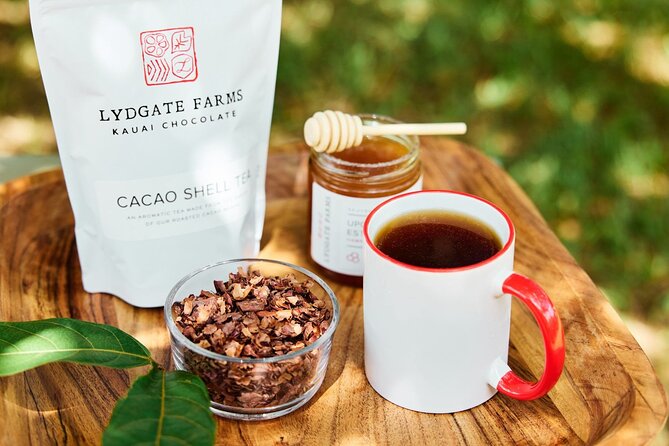
Hawaiian cacao is a relatively distinctive subject for a farm tour because cacao is associated more often with major growing regions outside the United States. Here, the setting lets you examine how cacao grows in Hawaii and how a local farm handles the crop.
The farm’s model connects cacao with other tropical crops, honey, and vanilla. That gives you a wider view of island agriculture than a factory tour could provide. You see that chocolate depends on farming, plant health, harvest timing, processing, and careful tasting.
The experience also gives you a way to think about price. A finished chocolate bar hides the labor behind growing, harvesting, fermenting, drying, roasting, and making the final product. The tour explains that chain in a direct, tangible way.
Keep expectations grounded, though. This is not a factory production tour with a large mechanized line. It is a guided visit to a working farm with instruction and tastings. If you want industrial-scale chocolate making, this is the wrong format. If you want to understand a small estate operation, it is a better fit.
Is $145 a fair price?
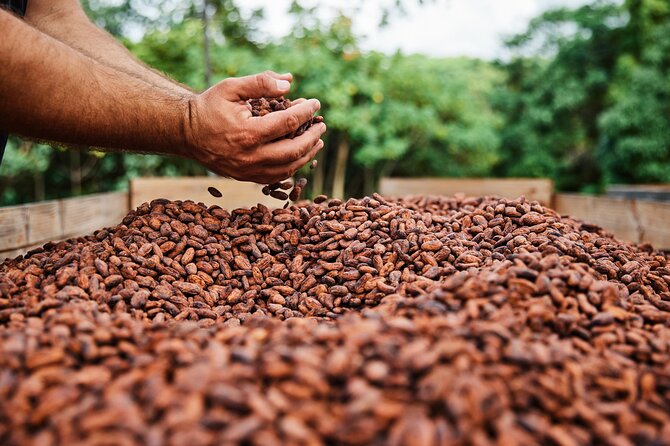
At $145 per person, this is one of the pricier food activities you can add to a Kauai schedule. You are paying for roughly three hours, a guided farm visit, a botanical garden walk, a structured tasting, and instruction about cacao and tropical agriculture.
I think the price is easier to justify if you value the full experience rather than the amount of chocolate alone. You are tasting fresh fruit and honey, seeing cacao trees, learning about farm practices, and sampling estate-grown dark chocolate. The farm setting adds something a chocolate shop cannot.
The price may feel high if your main goal is simply to buy chocolate or sample a few pieces. The Lydgate Farms tasting room in Kapaa is the better option for that kind of visit, since farm access requires a reserved tour and the farm does not offer self-guided visits.
The experience is commonly booked well in advance, with an average booking lead time of about 33 days. I would reserve early if the tour is important to your itinerary, especially because the group size is limited to 25 people.
Who will enjoy this three-hour format?
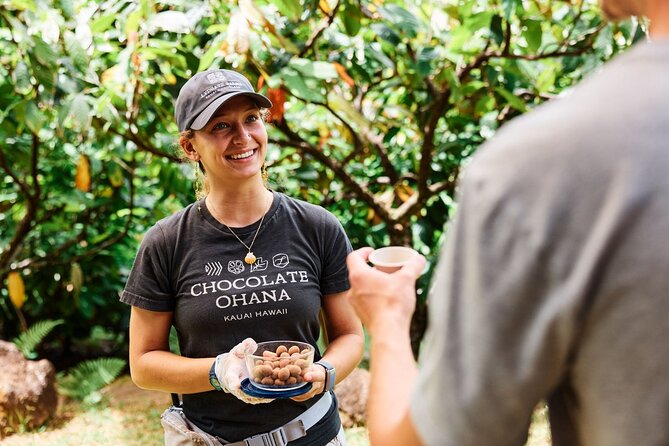
This tour suits chocolate lovers who want to understand how cacao becomes chocolate. It is also a good match for food-focused visitors, families with older children, couples, and anyone curious about tropical plants or sustainable island farming.
It works well for a honeymoon or special trip because it combines food, scenery, and a shared activity without requiring intense physical effort. It can also suit solo visitors who enjoy joining a small group and learning from a guide.
Children must be over seven years old, and you need to list their ages when booking. No children under seven are allowed on the farm tour. For younger children, the tasting room in Kapaa is the suggested alternative.
I would hesitate to recommend it to anyone who dislikes guided talks or has little interest in dark chocolate. One person found the three hours too lecture-focused and felt that some historical and social explanations needed more care. That is a fair warning: the tour is at its best when you want substance, not just snacks.
Practical details that affect your day
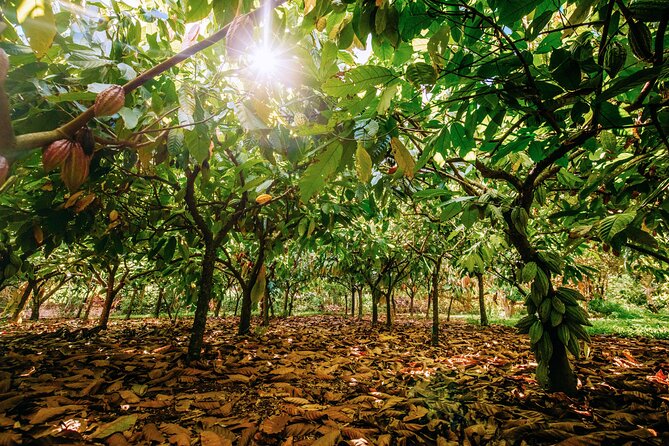
Wear something suitable for a farm visit and be ready for a mix of walking and sitting. The walking is described as limited, but the tour still takes place outdoors at a working farm. Good weather is required, and poor conditions can lead to a new date or a full refund.
The meeting point is Lydgate Farms Chocolate Tours at 5730 Olohena Road, Kapaʻa, Hawaii 96746. You return to that same location at the end. Since transportation is not included, plan your route carefully. One practical tip is to arrange a return rideshare or other transport before leaving if you will not have a car.
Mobile tickets are accepted, and confirmation is provided when you book. Free cancellation is available up to 24 hours before the start time for a full refund. Changes or cancellations within 24 hours are not accepted, and the local time at the farm determines the cutoff.
The final tasting and the farm shop
The tour ends back at the meeting point, but farm shop purchases are not included in the price. You can treat the shop as a separate stop rather than expecting souvenirs to be part of the tasting fee.
This is useful to know if you want to take home chocolate, vanilla, or other farm products. The tour itself gives you a better basis for choosing what to buy because you have tasted and discussed the ingredients first.
I would leave room in your budget if you expect to shop. The ticket covers the guided experience and tasting, not private touring or products from the farm shop.
Should you book the Lydgate Farms chocolate tour?
Book it if you want a full food and agriculture lesson, not a quick chocolate stop. The best parts are the chance to taste cacao fruit at the source, sample tropical produce and honey, and understand how Hawaiian-grown cacao becomes dark chocolate.
You should also book it if you enjoy guides who talk, explain, and answer questions through a relaxed three-hour format. Sheri, Jess, Mason, Brooke, Henry, and Jenna are all associated with the warm, clear style this experience needs.
Skip it if you want constant movement, a short tasting, or mostly sweet milk chocolate. At $145, the value depends on your interest in farming and craft chocolate. For the right person, it is a memorable Kauai food experience. For someone who wants only a few samples, the tasting room is the smarter choice.
FAQ
Where does the Kauai Chocolate Farm Tasting Tour begin?
The tour begins at Lydgate Farms Chocolate Tours, 5730 Olohena Road, Kapaʻa, Hawaii 96746.
How long does the tour last?
The guided experience lasts approximately three hours.
What is included in the price?
The price includes the three-hour guided tour of Lydgate Farms, the chocolate tasting, and educational instruction from local guides.
Is hotel pickup included?
No. Hotel pickup and drop-off are not included, so you need to arrange your own transportation to and from the farm.
What foods are included in the tasting?
The tasting includes chocolate, farm-grown tropical fruit, honey, vanilla, and items such as a 55 percent dark chocolate-covered Hawaiian macadamia nut, a Hawaiian apple banana, and 70 percent estate-grown dark chocolate.
Can children attend the tour?
Yes, but children must be over seven years old. You must provide each child’s age when making the reservation, and children under seven are not allowed.
Does the farm offer self-guided visits?
No. Farm visits require a tour reservation. The tasting room in Kapaa is available instead of a self-guided farm visit.
What happens if the weather is poor?
The experience requires good weather. If the tour is canceled because of poor weather, you will be offered another date or a full refund.
Can I cancel for a full refund?
Yes. You can cancel at least 24 hours before the start time for a full refund. Cancellations or changes made less than 24 hours before the start time are not accepted.
Just added around the USA
- Connect with Rescue Animals on a Private Farm Tour in Catskills★ 5.0 · 27 reviews
- Farm Tour at Clover Brooke Llama/Alpaca/Goat Farm★ 4.5 · 6 reviews
- Cozy Farm Experience with Wagon Wheels and Acoustic Meal★ 5.0 · 2 reviews
- Gourmet Mushroom Farm Tour in Tennessee★ 5.0 · 5 reviews
- Farms, Flights: Finger Lakes Brewery Tour★ 4.5 · 25 reviews
- Horse Country Estate and Vineyard Wine Tasting Tour★ 5.0 · 2 reviews
- Scottsdale Horseback Riding and Horse Country Estate Tour★ 5.0 · 2 reviews
- Scenic Scottsdale E-Bike Tour – 2 Hours★ 5.0 · 47 reviews
USA Farm Tours, compared.
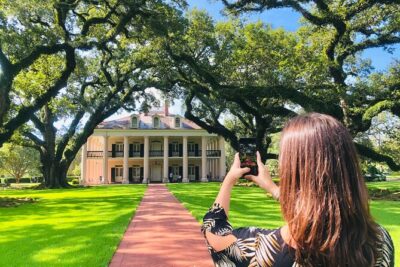
Swamp Boat Ride and Oak Alley Plantation Tour from New Orleans
Read our review →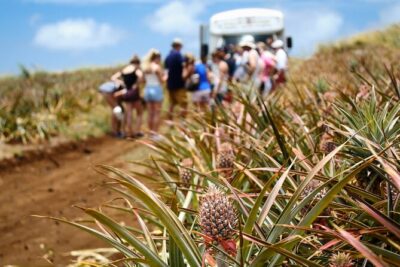

Half-Day Thoroughbred Horse Farm Tour in Kentucky
Read our review →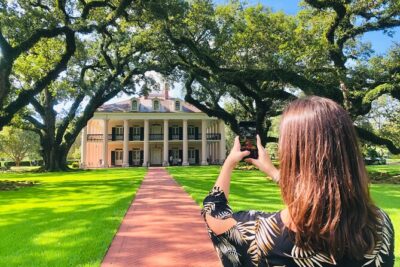
Oak Alley Plantation Tour with Transportation from New Orleans
Read our review →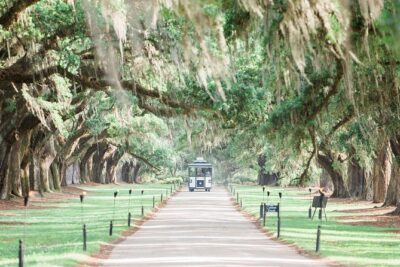
Boone Hall Plantation All-Access Admission Ticket
Read our review →

Whitney Plantation Tour with Transportation from New Orleans
Read our review →Browse the lists this tour appears in