
Review · KAMPOT
Kampot Pepper Farm Tour: Salt Fields, La Plantation & Cave
Kampot pepper gets the headline, but the salt fields are the tour’s most striking opening scene. In the dry season, white salt pans stretch under a blue sky, while local workers show you how salt is gathered. I like the mix of working countryside and strong photo stops, and I like that Phnom Chhngok Cave adds history and a short walk to the day. The catch is simple: during the rainy season, you may not see the salt fields in their usual white form.
I also like the peaceful stop at Brateak Krola Lake and the chance to learn about organic farming at La Plantation rather than simply buying a pepper souvenir. The $21 price is fair for six hours with transport, entrance fees, and hotel pickup in central Kampot, but meals, a private vehicle, and some out-of-town pickups cost extra.
Key points at a glance
- Salt fields in the dry season: See traditional salt harvesting and photograph the bright white pans.
- Brateak Krola Lake: Pause in a quiet natural setting away from Kampot’s town streets.
- La Plantation pepper farm: Learn how Kampot pepper is grown and processed, with a French-speaking guide available there.
- Phnom Chhngok Cave: Walk through limestone formations and see ancient artifacts with a guide.
- Six hours by shared tuk-tuk: The price includes transport, entrance fees, and hotel pickup within town.
- Good guide reports: Roy is praised for explaining Kampot’s past and local life in clear, useful detail.
Why the salt fields are worth an early stop
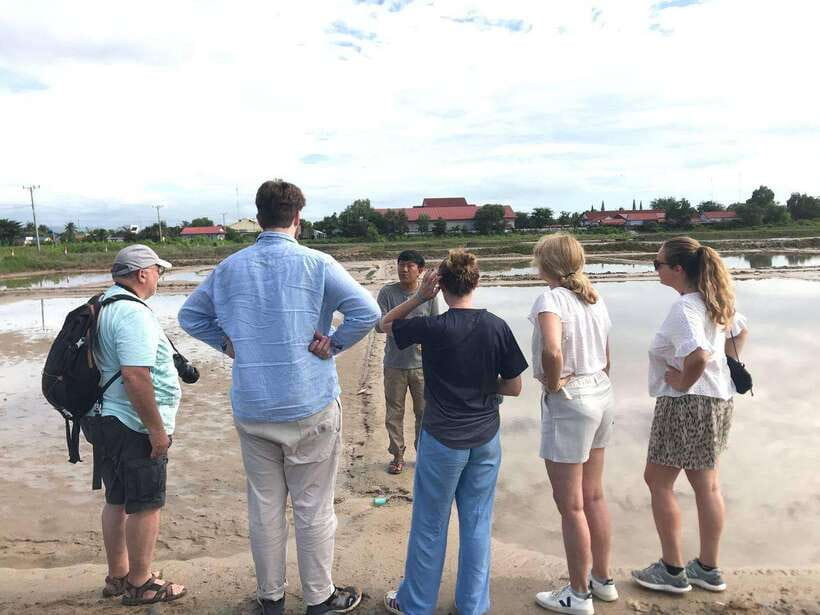
The tour begins with Kampot Province’s salt fields, where the setting is broad, bright, and very different from the green countryside you may expect around town. In the dry season, shallow salt pans create clean white lines and reflective surfaces. With blue sky above, this is one of the easiest places on the day to take strong photographs.
The stop is not just a photo break. Your guide explains the traditional harvesting process, giving you a look at a working local industry. You can walk around, see the arrangement of the pans, and connect the finished salt on a restaurant table with the work required to produce it.
The schedule allows about 30 minutes for the first salt-field visit, followed by another salt-field stop of about 20 minutes. That may sound repetitive, but the extra time can help if the first area is busy, the light changes, or you want to understand the process instead of taking one quick photograph and returning to the tuk-tuk.
Plan around the weather. The salt fields are seasonal, and rain can prevent you from seeing the white salt surface that makes this stop so attractive. The tour still includes the other major stops, but anyone booking mainly for the salt pans should choose the dry season and keep expectations realistic.
Wear sunscreen and a hat here. Open salt fields offer little shade, and the brightness can make the sun feel stronger than it does in town. Water is also important, especially since meals are not included.
More Plantation Tours in Cambodia
- Bokor mountain, Pepper plantation and Man-made lake
★ 5.0 · 6 reviews - La Plantation Enjoy Pepper Tour & Testing our process 4 free
★ 4.8 · 5 reviews - Countryside tours include pepper plantations
★ 5.0 · 3 reviews
Brateak Krola Lake gives the day a quiet pause
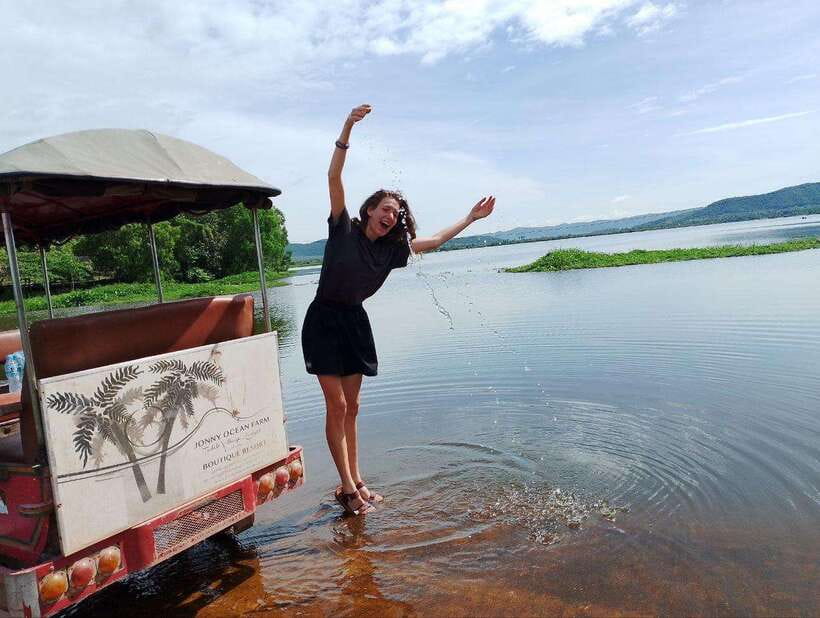
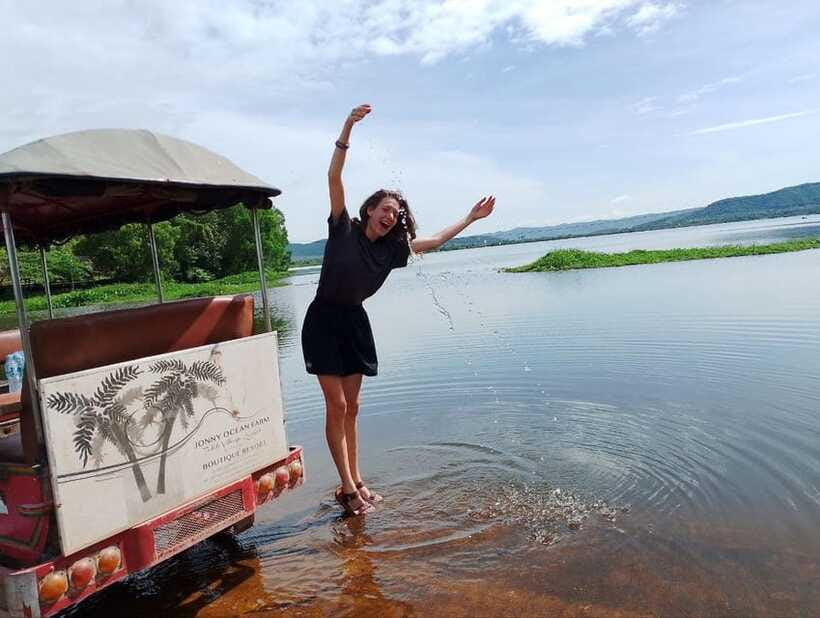
After the salt fields, the route moves to Brateak Krola Lake. This is a calmer stop, surrounded by trees and greenery, with a more relaxed mood than the bright, exposed salt pans.
I like the contrast. The salt fields are geometric and sunlit. The lake is about stillness and natural surroundings. You can take a break, photograph the water and vegetation, and listen to your driver explain the area. Since the tuk-tuk driver also serves as your English-speaking guide, this is a useful point to ask about local places and daily life.
The available schedule gives this part around 30 minutes, including a photo stop, a walk, and time to enjoy the view. It is not presented as a long nature hike, so do not expect a full lakeside trek. Think of it as a peaceful reset between the farming and cave portions of the trip.
The lake is especially useful for people who want more than a checklist of famous stops. You get a change in pace, and the setting lets you appreciate the countryside without a long activity or difficult walk. Still, the attraction depends on natural scenery, so its appeal will be strongest for visitors who enjoy quiet places rather than packed sightseeing.
La Plantation explains why Kampot pepper matters
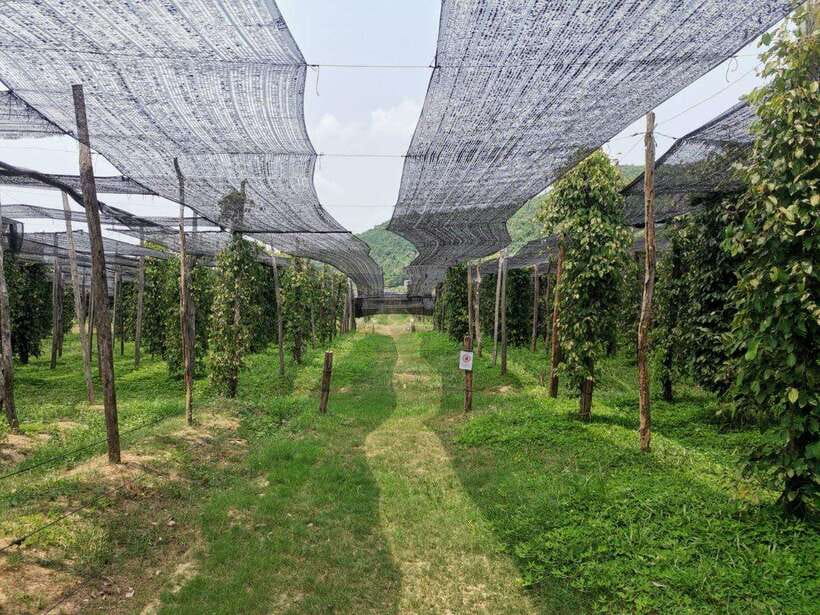
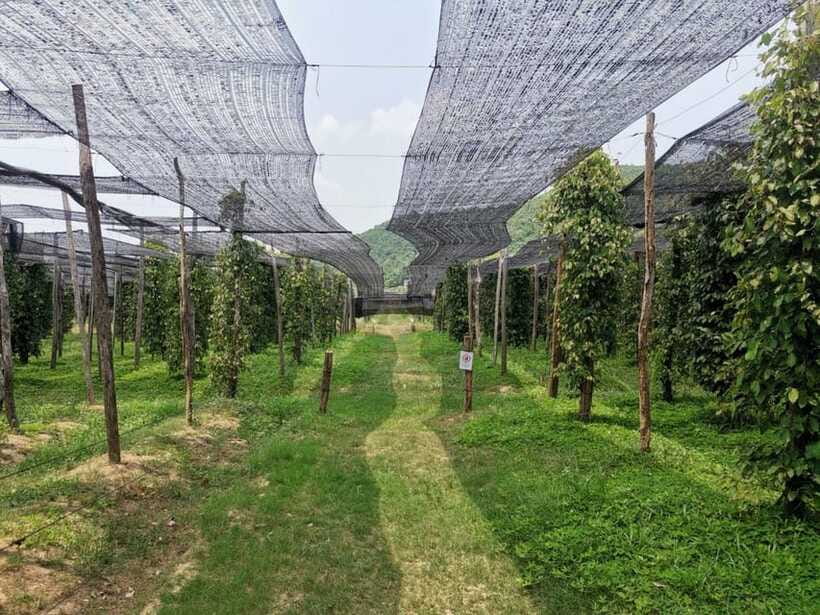
La Plantation is the tour’s main food and farming stop. Kampot pepper is well known, but a visit here helps you understand what goes into producing it. You learn about organic farming and the process behind the pepper sold in shops and used in local cooking.
This stop gives the tour a practical connection to the region. Instead of treating pepper as a gift to buy at the end of a trip, you see how agriculture shapes Kampot’s identity. The experience includes a guided visit and shopping time, so you can compare the educational side with the chance to take products home.
A French-speaking guide is available at La Plantation. This matters because the English-speaking tuk-tuk driver guides the wider tour, while the farm visit may offer more detailed information in French. If French is your strongest language, request that option in advance or ask when you arrive at the farm.
The farm portion takes the largest block of the day, about two hours in the supplied schedule. That gives you time to walk, listen, browse, and see the production process without rushing through it. The exact order of the stops can affect the feel of the day, but the key point is that La Plantation is not a five-minute roadside stop.
Shopping is part of the visit, but you do not have to treat it as a sales mission. The value is in seeing the farm and learning what makes the local pepper distinctive. If you want to purchase something, the farm provides a direct place to do so. If not, you can focus on the agricultural explanation and the surroundings.
Phnom Chhngok Cave adds stone and history
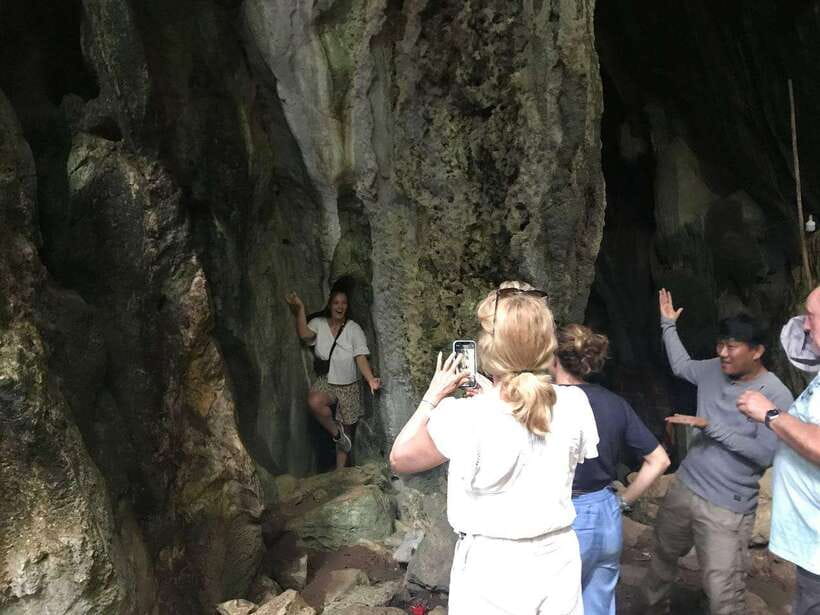
Phnom Chhngok Cave brings a different kind of interest. The cave is known for its limestone formations and ancient artifacts, and you explore it with a guide rather than wandering in without context.
The cave requires walking and some hiking, so comfortable shoes are essential. This is not the right choice for someone who wants a completely flat, effortless sightseeing day. The tour is also not suitable for people with mobility impairments or children under six.
Inside, the limestone shapes create the visual appeal, while the artifacts give the stop a cultural and historical layer. A guide can point out details you might miss on your own and help you understand why the cave matters beyond its appearance. Bring a camera if you like unusual rock formations, but watch your footing and keep your hands free when walking.
The cave is a good counterpoint to La Plantation. One stop explains a living agricultural tradition. The other takes you into a natural site connected with older human activity. That range makes the day feel more varied than a tour devoted only to pepper farms.
Do not expect a polished urban attraction. The appeal is the cave itself, the walk, and the guide’s explanation. You should arrive prepared for a simple outdoor visit rather than a highly managed museum experience.
More Pepper Farm Tours in Kampot:
- Kampot: Pepper Farm Tour, Salt Field, Cave & Secret Lake
★ 4.9 · 283 reviews - Kampot: Full-day Countryside Tour with Pepper Farm and Kep
★ 4.9 · 245 reviews - Kampot: Tuk Tuk Trip to Pepper Farm, Kep, Crab Market & More
★ 4.9 · 143 reviews - Kampot Countryside include Pepper farm, Salt field & Lake
★ 4.9 · 100 reviews
What the $21 price really includes
At $21 per person, this is a strong value for a six-hour shared tour if you want several Kampot-area sights in one day. The price includes entrance fees, shared tuk-tuk transportation, an English-speaking driver who acts as your guide, and hotel pickup and drop-off within Kampot town.
That combination matters. Hiring separate transport to the salt fields, lake, pepper farm, and cave could take more planning, and entrance charges would still add up. The shared tuk-tuk keeps the cost low while giving you a local way to move between the stops.
The limits are just as clear. Meals are not included, so bring water and plan to eat before or after the tour. A private tour and private transportation are also not part of the $21 price. If you want your own vehicle, you need to arrange a different option or pay for an upgrade if available.
Hotel pickup is included in town, but there is a $5 extra charge if your hotel is more than 3 kilometers from the Durian Roundabout. Give your WhatsApp contact, full name, and hotel details when booking so the pickup can be organized correctly.
There is also an optional crab market addition at Kep for $10 per person. It is not part of this six-hour route, so do not assume it is included. Ask specifically if you want to add it.
The guide can shape the whole experience
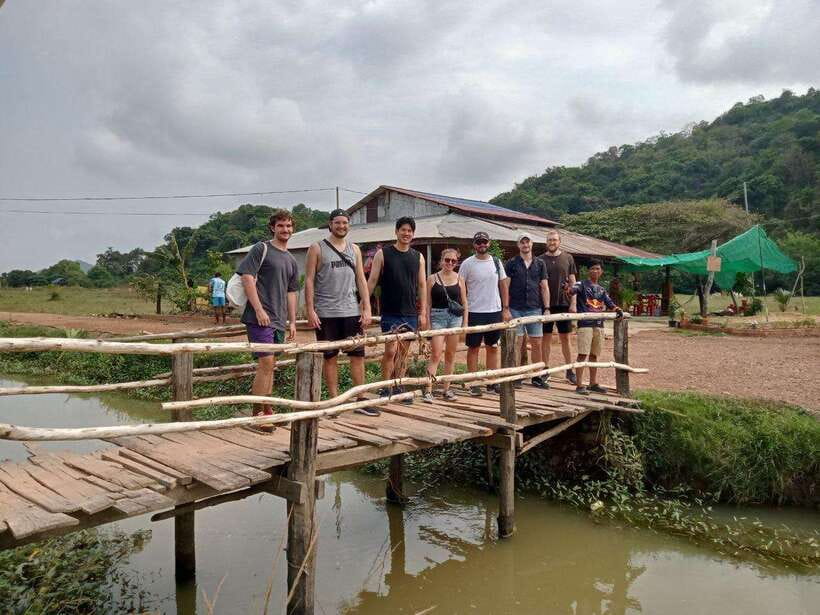
Your English-speaking tuk-tuk driver handles the broader tour, including local explanations along the road and at the stops. This arrangement is practical, but the quality of the day depends partly on communication with that driver.
Roy is one guide associated with the experience, and he has received particularly strong praise for explaining Kampot’s history and sharing local insight. If Roy is assigned to your group, you can expect the day to include more than directions from one stop to the next. Guide assignments can vary, so it is best not to book on the assumption that a particular person is guaranteed.
At La Plantation, you can request a French-speaking guide. This is a useful detail for French-speaking visitors who want a full explanation of farming and pepper production. The French option is specifically noted for the plantation, not necessarily for every part of the day.
Because transportation is shared, the tour is best for people who are comfortable with a social, set-route format. You will have less control over how long you spend at each place than you would on a private trip. In return, you get a lower price and a simple way to cover several sites.
Timing, comfort, and what to bring
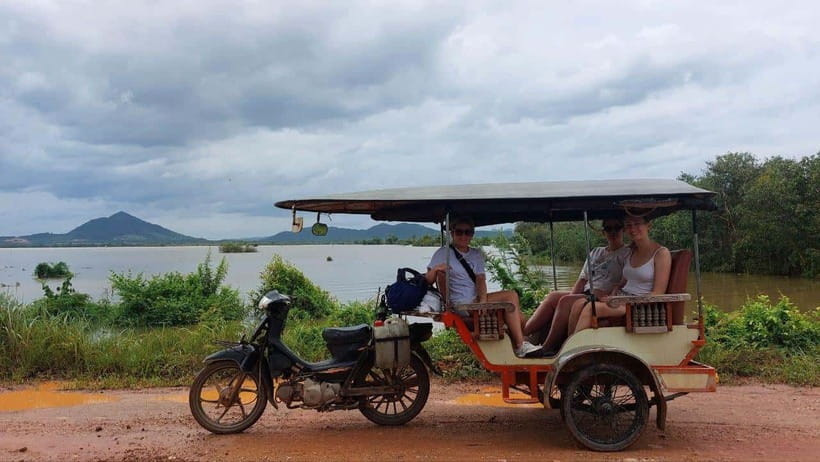
The full experience lasts about six hours, with starting times based on availability. The route includes scenic drives, walking, photo stops, guided visits, and hiking at the cave.
Pack lightly but prepare for heat:
- Comfortable walking shoes for the cave and farm
- A hat and sunscreen for the open salt fields
- Water, since food and drinks are not included
- A camera for the salt pans, lake, farm, and limestone formations
Smoking is not allowed during the activity. The tour is not suitable for children under six or people with mobility impairments. The walking and cave visit are manageable only if you are comfortable with uneven outdoor terrain.
The dry season is the better choice if the salt fields are your main reason for booking. In the rainy season, the salt may not be visible in the expected form. The lake, farm, and cave remain the main reasons to go at that time, but the first stop will not deliver the same bright white scenery.
Who should book this Kampot day tour?
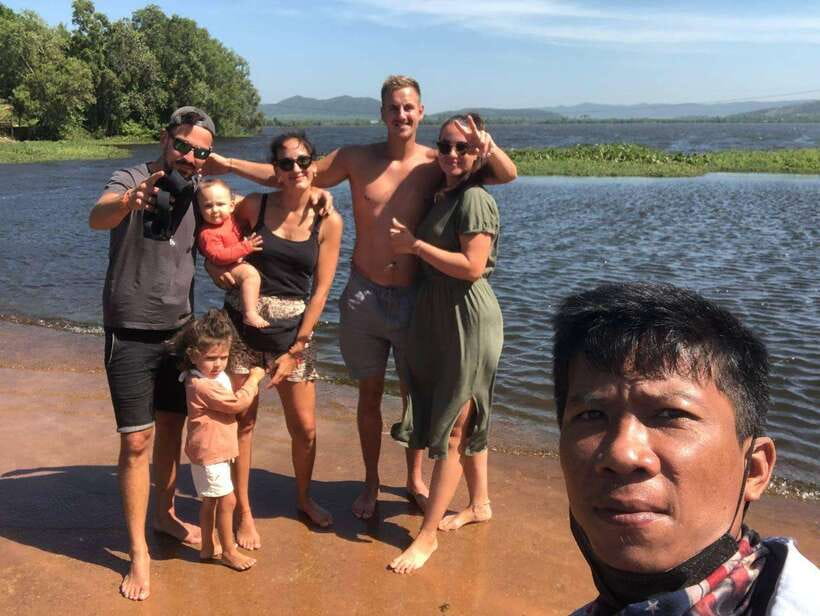
I would choose this tour if you have one free day in Kampot and want a broad introduction to the countryside. It combines food production, natural scenery, local transport, and a cave visit in one manageable half-day-plus outing.
It suits couples, solo visitors, and small groups who want a good amount of sightseeing without paying for a private car. It is also useful for first-time visitors who would rather have transport arranged than negotiate separate tuk-tuk rides for every stop.
French-speaking visitors should pay attention to the La Plantation guide option. That can make the farming explanation easier to follow. English-speaking visitors can rely on the driver-guide for the main tour, with Roy being a particularly strong guide name to request if possible.
I would hesitate if you want a slow, private day with complete control over stops. I would also hesitate if you are visiting in the rainy season mainly to photograph salt production, or if walking and cave terrain are difficult for you.
Free cancellation is available up to 24 hours before the activity, and you can reserve now and pay later. Those terms help if your Kampot plans are still shifting.
Should you book it?
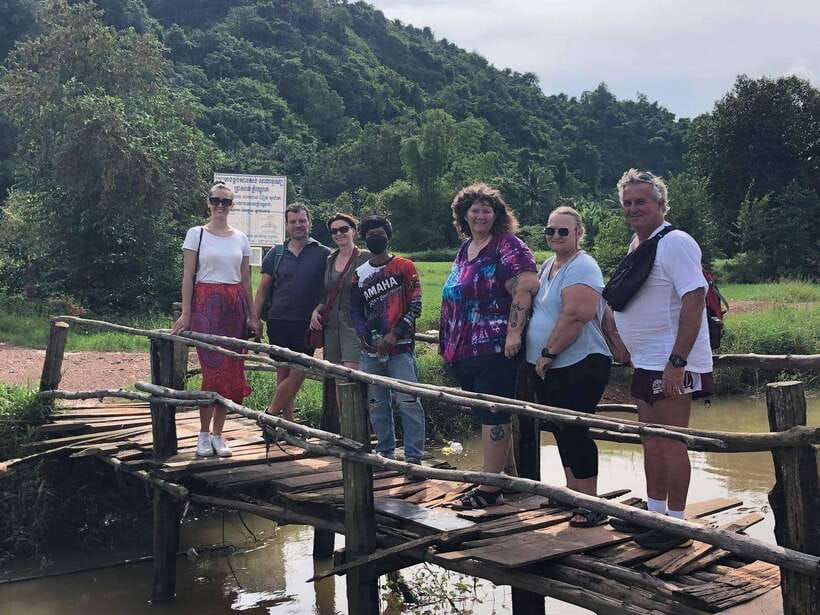
Book this tour if you want good value and variety: salt fields, a quiet lake, an organic pepper farm, and a limestone cave, all with transport and entrance fees covered. The strongest practical tip is to go in the dry season if the salt fields matter most, wear proper shoes for Phnom Chhngok Cave, and request the French guide at La Plantation if needed.
Skip it if you need a private vehicle, a food-focused tour, or a fully accessible route. For most active visitors spending a day in Kampot, though, the $21 cost makes this an efficient and worthwhile way to see more of the province than you could easily cover on foot.
FAQ
How long does the Kampot Pepper Farm Tour last?
The activity lasts six hours, with starting times available according to the booking schedule.
What places does the tour visit?
The tour visits Kampot’s salt fields, Brateak Krola Lake, La Plantation pepper farm, and Phnom Chhngok Cave.
Is transportation included?
Yes. Shared tuk-tuk transportation is included, along with hotel pickup and drop-off within Kampot town.
Is hotel pickup included everywhere in Kampot?
Pickup is included for hotels in town. A $5 extra charge applies if your hotel is more than 3 kilometers from the Durian Roundabout.
Is food included?
No. Meals are not included, so bring water and plan your meals separately.
What languages are available?
The wider tour is led in English by the tuk-tuk driver and guide. A French-speaking guide is available at La Plantation.
Can I book a private tour?
Private tours and private transportation are not included in the $21 shared tour.
Can I see the salt fields during the rainy season?
The salt may not be visible during the rainy season, so the dry season is better for seeing the white salt pans and photographing them.
Is the cave suitable for people with mobility impairments?
No. The activity is not suitable for people with mobility impairments because the cave visit includes walking and hiking.
What should I bring?
Bring comfortable shoes, a hat, sunscreen, water, and a camera. Smoking is not allowed during the activity.
More Plantation Tours in Kampot
- Monkeyland and Plantation Safari Tour from Punta Cana
★ 5.0 · 3,805 reviews - Swamp Boat Ride and Oak Alley Plantation Tour from New Orleans
★ 5.0 · 3,303 reviews - Oak Alley Plantation Tour with Transportation from New Orleans
★ 4.5 · 1,747 reviews - Boone Hall Plantation All-Access Admission Ticket
★ 4.5 · 1,736 reviews
Just added around Kampot
- Pepper farm guided tour, Kep/Crab Market, salt & secret lake★ 4.9 · 16 reviews
- La Plantation Enjoy Pepper Tour & Testing our process 4 free★ 4.8 · 5 reviews
- Kep town: Local tuk tuk to Countryside & Pepper farm★ 4.6 · 8 reviews
- Kampot Private Tour: Pepper Farm, Salt Field & Secret Lake★ 5.0 · 27 reviews
- Kampot Pepper farm & Kayak trip around Green cathedral Sunse★ 5.0 · 2 reviews
- Kampot Pepper Farm, Salt Fields, Crab Market from Phnom Penh★ 4.8 · 21 reviews
- Kampot Countryside include Pepper farm,Kep crab market beach★ 5.0 · 4 reviews
- Discover half day country side tours ;cave;salt; pepper farm★ 5.0 · 2 reviews
Kampot Farm Tours, compared.
Pepper Farm Tour, Salt Field, Cave & Secret Lake
Read our review →
Full-day Countryside Tour with Pepper Farm and Kep
Read our review →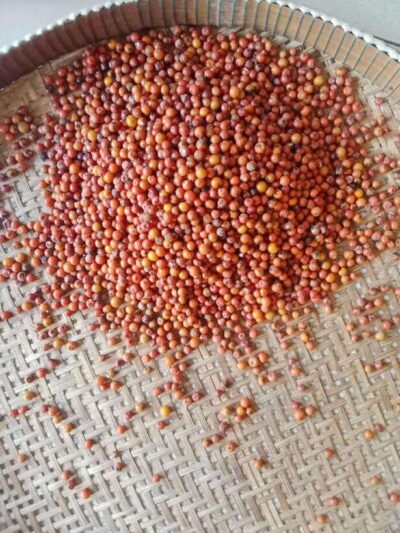
Tuk Tuk Trip to Pepper Farm, Kep, Crab Market & More
Read our review →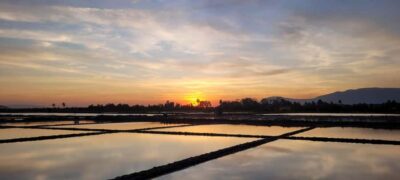
Kampot Countryside include Pepper farm, Salt field & Lake
Read our review →
Kampot’s Countryside & Kayak Tour, Pepper Farm include Lunch
Read our review →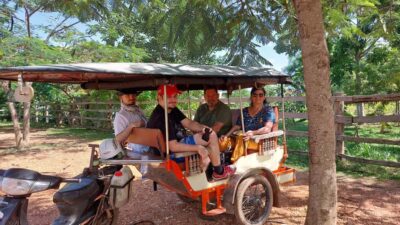
Kampot Private Tour: Pepper Farm, Salt Field & Secret Lake
Read our review →
Kampot Pepper Farm, Salt Fields, Crab Market from Phnom Penh
Read our review →
Pepper farm guided tour, Kep/Crab Market, salt & secret lake
Read our review →Browse the lists this tour appears in