
Review · KAMPOT
Kampot Countryside include Pepper farm,Kep crab market beach
Kampot’s countryside becomes much more interesting when you leave the riverfront. This private day tour links salt fields, a cave temple, and a pepper plantation with a final stop in Kep, giving you a useful look at how this part of Cambodia works and tastes.
I like the small private format, which gives your guide time to explain things at your pace. I also like the mix of working farms, religious sites, and seaside food, especially the pepper tasting and the chance to relax at Kep beach. The main drawback is the long, warm day in a tuk-tuk, with 203 steps at the cave and lunch or seafood costs extra.
Key points to know before booking
- Pepper tasting is included: Tour the plantation, learn how pepper is produced, and sample peppercorns grown on site.
- Phnom Chhngok requires 203 steps: The cave temple rewards the climb with views and a 7th-century brick shrine dedicated to Shiva.
- The $50 price covers two people: This is a private group rate, not a per-person price, with entrance fees, water, coconut, guiding, and pepper tasting included.
- Kep adds seafood and beach time: Buy your own lunch or seafood at the crab market, then swim or relax before returning to Kampot.
- The day has real local context: Salt production, pepper farming, and the Khmer Rouge era lake each show a different side of Kampot Province.
- Plan for heat and movement: Bring cash, sunscreen, sunglasses, and comfortable clothes for the tuk-tuk ride and cave steps.
Why this Kampot day trip works
Kampot is easy to enjoy slowly, with a riverside drink or a walk through town. But the countryside explains why the province matters. Salt, pepper, caves, lakes, and Kep’s seafood economy all sit within one full day, so you get a much wider view than you would from town alone.
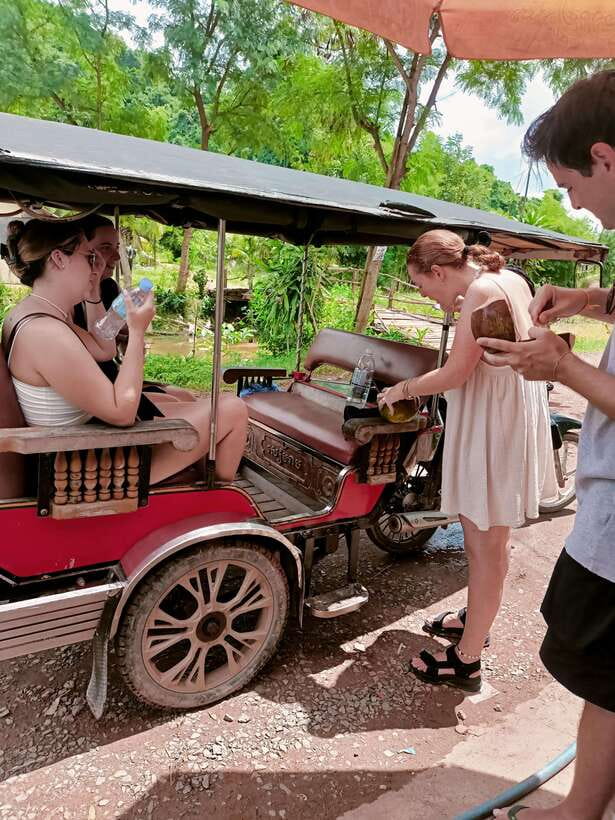
The tour is private for up to two people and costs $50 per group. That makes the value quite good if you are a couple or two friends. The cost covers the guide, entrance fee, bottled water, fresh coconut, pepper tour, and tastings. You still pay for your own food, so keep cash with you for Kep.
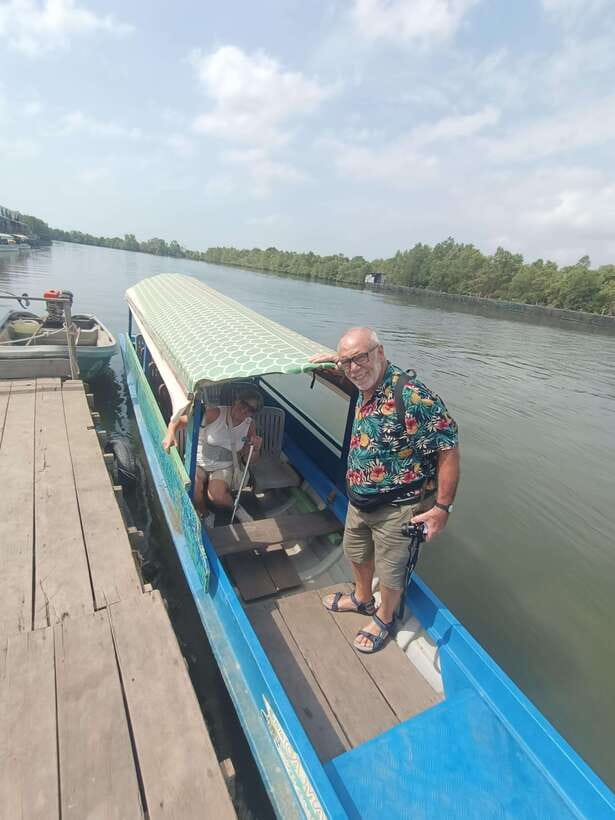
You travel by tuk-tuk, with several listed rides lasting about 15, 25, 40, and 45 minutes. That means the transport is part of the experience, not just a way to fill gaps between stops. You will feel the heat and dust more than you would in an air-conditioned car, but you also get an open view of the countryside.
One named guide connected with the experience is Phalla. His approach, as described in the supplied information, includes taking time to explain things through a translator when needed. That matters if your English is limited, since a good explanation can make the salt works and pepper farm much more than quick photo stops.
More Pepper Farm Tours in Kampot:
- Kampot: Pepper Farm Tour, Salt Field, Cave & Secret Lake
★ 4.9 · 283 reviews - Kampot: Full-day Countryside Tour with Pepper Farm and Kep
★ 4.9 · 245 reviews - Kampot: Tuk Tuk Trip to Pepper Farm, Kep, Crab Market & More
★ 4.9 · 143 reviews
Salt fields on Kampot’s edge
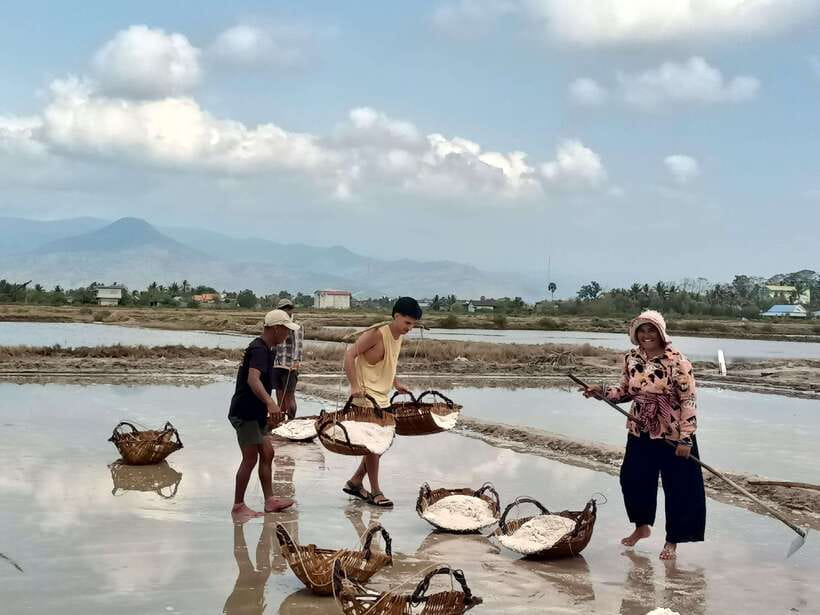
The first major stop is a salt-producing facility outside Kampot. Here you learn about the economic role of salt in the area and the steps involved in production.
This is a practical stop rather than a grand monument. You are seeing a working industry that supports the local economy, and the guide helps connect what you see to everyday life in the province. If you want a tour that focuses only on famous sights, this may feel modest. If you like seeing how a place earns its living, it adds useful context.
The tour includes an entrance fee, so you do not need to budget separately for that part. Bring water and protect yourself from the sun. The supplied information does not promise shade or a long indoor visit, so sunscreen and sunglasses are sensible additions to the included bottled water and coconut.
The route uses short tuk-tuk rides between several stops. The exact order can vary, but the day is built around a series of countryside visits rather than one central attraction. I would treat the salt works as a chance to slow down, ask questions, and watch the process carefully.
Phnom Chhngok and the 203-step climb
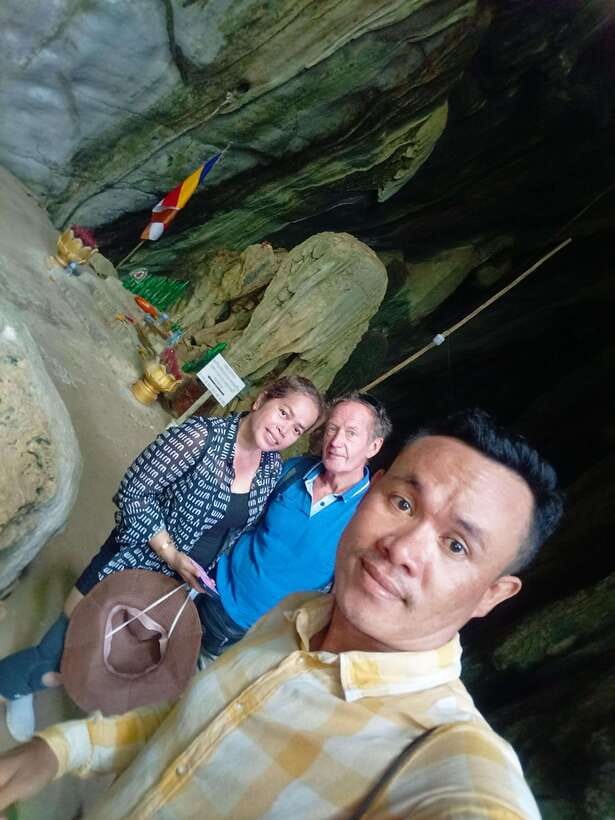
Phnom Chhngok is the most demanding stop on the route. You climb 203 steps to reach the cave entrance, so this is not an easy hop out of the tuk-tuk. The effort is worth weighing honestly, especially in hot weather or if you have mobility concerns.
Inside the main chamber is a brick temple from the 7th century, linked to the Funan era and dedicated to Shiva. It is an unusual setting: an old religious structure inside a natural cave, rather than a temple compound you simply walk across.
The cave entrance also gives you views over the surrounding countryside. You do not need to be a serious archaeology fan to enjoy this stop. The combination of the climb, the cave, the old brick shrine, and the open view gives the day one of its strongest moments.
Wear shoes with a secure grip and bring water. The tour does not list special cave equipment, and the main physical challenge is the stairway. The experience is not suitable for children under two, pregnant women, people over 80, people with high blood pressure, or people over 200 pounds, according to the stated restrictions. Those limits are worth taking seriously rather than treating them as fine print.
Brateak Krola Lake and a difficult past
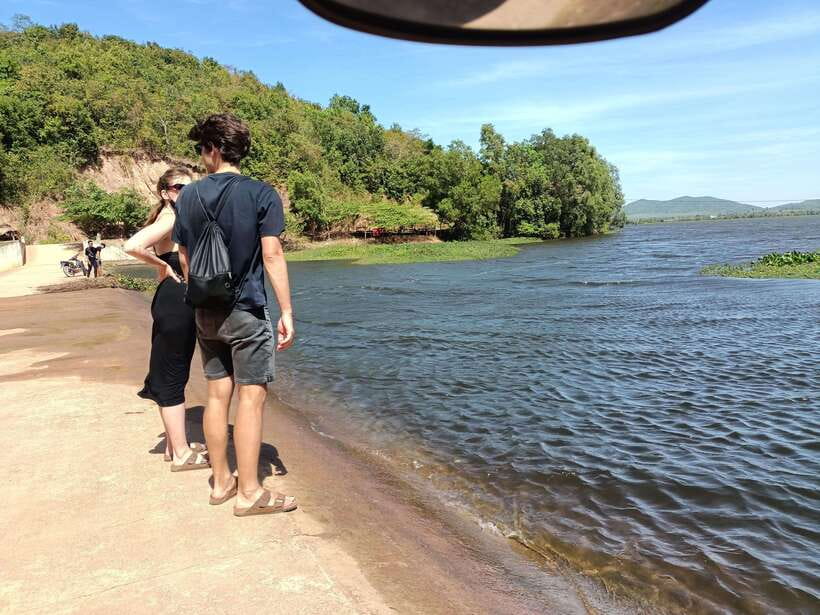
Brateak Krola Lake is an artificial lake built during the Khmer Rouge period using slave labor. This stop changes the tone of the day. After the farm and temple visits, you are confronted with a place tied to Cambodia’s painful modern past.
The value here is not only the view over the water. Your guide can provide the basic context that helps you understand why the lake exists and what its construction meant for the people forced to build it. The supplied information does not promise a museum or a long formal talk, so expect a stop centered on the site itself and the explanation given by your English-speaking guide.
This is one reason I would choose a guided outing instead of trying to assemble the same route on your own. Without context, an artificial lake might look like an ordinary rural stop. With context, it becomes part of the story of Cambodia in the 1970s.
Give this visit the attention it deserves. It is not a light sightseeing stop, and some people may prefer to spend more time at the temple or beach instead. The private format helps here because you can ask questions and set the pace within the day.
More Market Trips in Kampot:
- Kampot Pepper Farm, Salt Fields, Crab Market from Phnom Penh
★ 4.8 · 21 reviews - Pepper farm guided tour, Kep/Crab Market, salt & secret lake
★ 4.9 · 16 reviews - Cooking Class and Lunch at a Tuscan Farmhouse with Local Market Tour from Florence
★ 5.0 · 4,831 reviews - Chiang Mai: Authentic Cooking Class with Market & Farm Visit
★ 4.9 · 4,546 reviews
Kampot pepper, from plantation to tasting
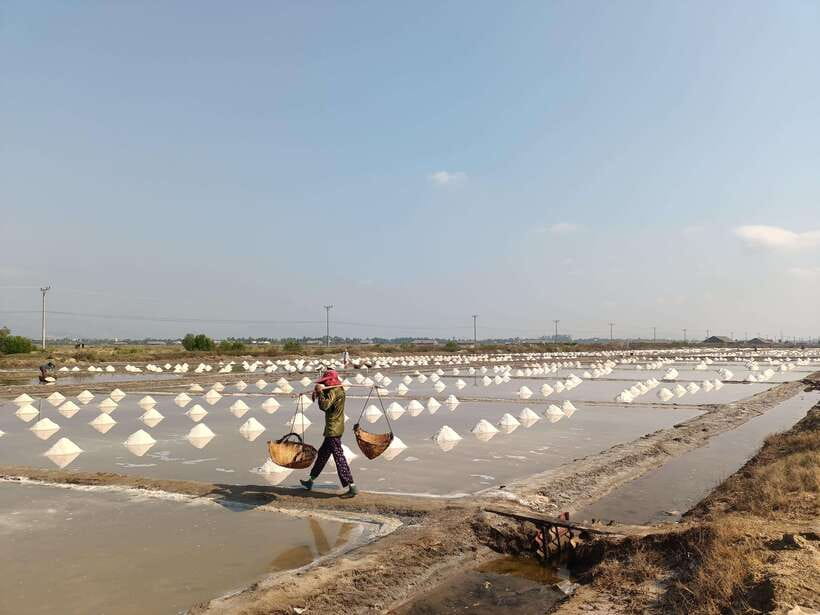
The pepper plantation is likely to be the most hands-on part of the tour. You walk through the growing area, hear about how pepper is produced, and taste peppercorns grown on site.
Kampot pepper is one of the province’s best-known products, but a plantation visit gives you more than a chance to buy a packet. You see the farming process and learn how the product reaches the table. The tasting helps you notice differences in flavor and strength rather than treating pepper as a generic spice.
Allow time here. One couple spent two hours at the pepper farm with guide Phalla, who was described as patient and careful with explanations. That detail is useful because the plantation is not necessarily a rushed 20-minute photo stop. If you are interested in food, farming, or local products, this may become the most rewarding section of the day.
The pepper tour and tasting are included in the price. Purchases are not listed as included, so take cash if you want to buy pepper, food, or other items. You should also remember that lunch is not included. The day works best if you arrive with a clear idea that the pepper farm is an educational stop, not simply a shop.
Kep crab market and the coast
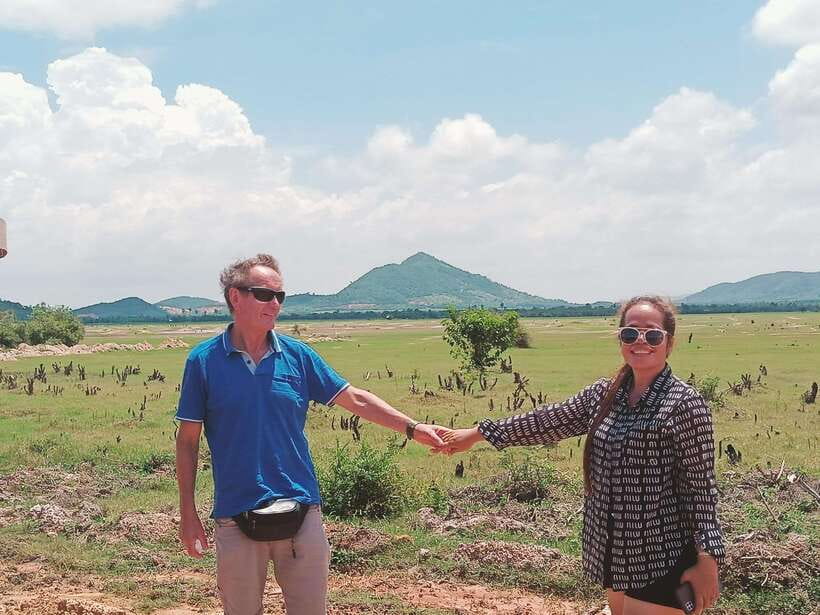
The final major part of the day takes you to Kep, where you can buy seafood or eat lunch at the crab market. Food is not included, so this is your chance to choose what you want and pay directly.
The crab market gives the tour a different flavor from the rural stops. Instead of looking at production from a distance, you get a chance to eat local seafood. The information does not specify a particular restaurant, meal, or seafood dish, so you should treat the market as a flexible food stop rather than a fixed dining reservation.
After eating, you can swim or relax on the beach before heading back to Kampot. The supplied details do not state whether towels, changing facilities, or beach equipment are provided. Bring what you need for swimming, and do not forget sunscreen. Sunglasses and cash are specifically useful items for this day.
The stop is also a good buffer after the cave climb and the tuk-tuk rides. One itinerary account describes time to walk around and enjoy the last sunset in Kep. That makes the ending feel less rushed, though the exact amount of free time depends on the day’s timing and how long you spend at earlier stops.
Transport, timing, and comfort
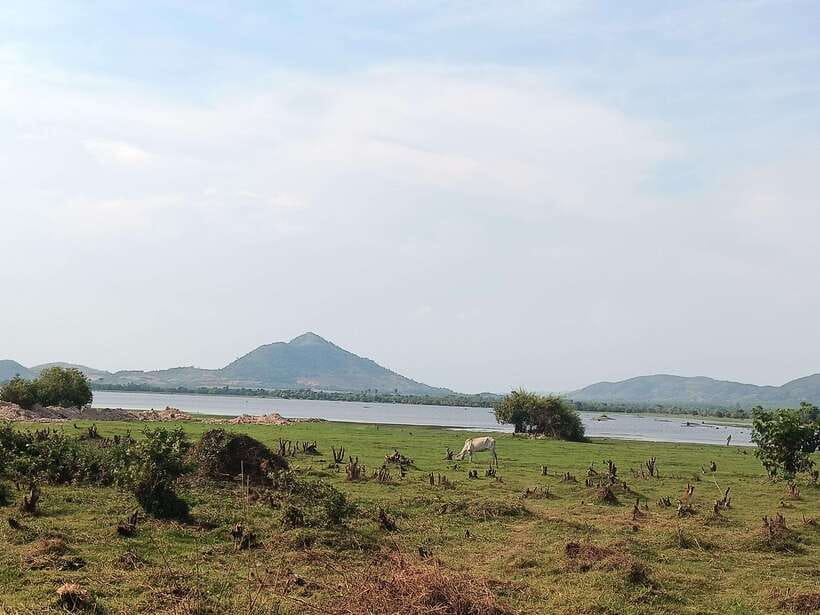
This is an eight-hour activity, so you should plan for a full day rather than a quick half-day outing. Pickup normally begins at the meeting point opposite Epic Art Cafe. Pickup and drop-off can also be arranged directly at your hotel or restaurant if it is within 3 kilometers of the meeting point.
The listed route includes tuk-tuk rides of about 15, 25, 25, 15, 45, and 40 minutes. Those figures show why the tour feels like a province-wide outing. You will spend a fair amount of time on the road, but the open vehicle lets you see more of the countryside along the way.
The private setup is especially useful for couples. You can ask the guide to explain a point again, spend longer at the pepper farm, or take a little time at the beach. The English guide can also use a translator when necessary, which is helpful if you are not confident speaking English.
This is not the right choice if you need a quiet, air-conditioned vehicle or a very gentle schedule. It also is not suitable for children under two, pregnant women, people with high blood pressure, people over 80, or people over 200 pounds. Alcohol, drugs, fireworks, baby strollers, and baby carriages are not allowed.
What the $50 price really covers
At $50 for a private group of up to two people, the tour offers good value if you want several countryside sights without arranging separate drivers and entrance payments. For two people, that works out to $25 each before your food costs.
Included are the entrance fee, bottled water, fresh coconut, guided pepper visit, pepper tasting, and English-speaking guide. That package matters because the pepper plantation and cave are more useful with explanations than as quick independent stops.
Your main extra cost is lunch or seafood at Kep. You also need to cover personal purchases and bring cash. Since the price includes a private group rather than a shared vehicle, it can be more economical than it first appears for a couple.
Free cancellation is available up to 24 hours before the activity for a full refund, and you can reserve now and pay later. These terms make it easier to fit the outing around changing plans, but you should still check the available starting times before booking.
Who should book this experience
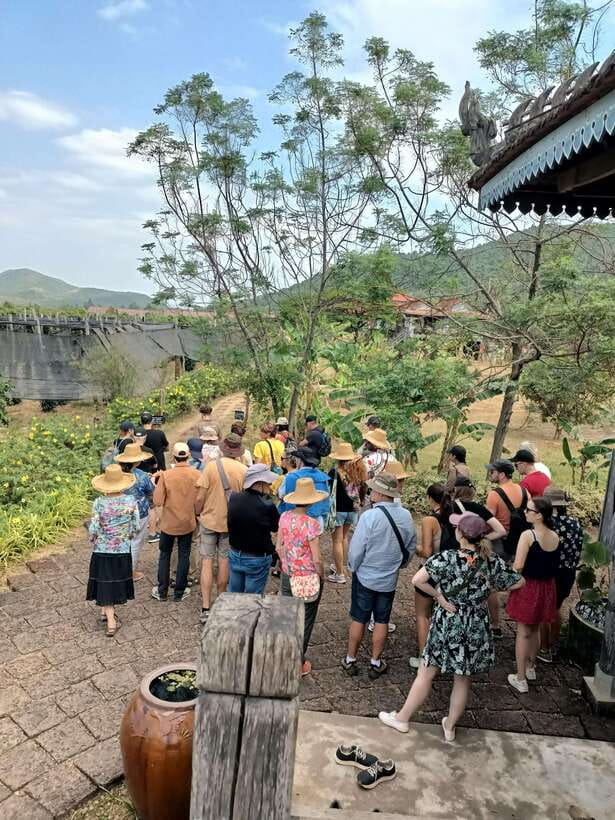
I would choose this tour if you want to see several sides of Kampot Province in one day. It suits couples, friends, and anyone who prefers a private guide over a large shared group.
You will get the most from it if you enjoy:
- Local food and farm products
- Small historical and religious sites
- Rural transport and open-air sightseeing
- A flexible private schedule
- A full day with several different stops
I would think twice if stairs are difficult for you, if you dislike heat, or if you want a slow beach day. The cave has 203 steps, the tuk-tuk rides add up, and food is not included. The tour also carries some restrictions for age, pregnancy, health, and body weight, so check those before paying.
Should you book the Kampot countryside tour?
Book it if you want more than Kampot’s town center and riverfront. The salt works explain the local economy, Phnom Chhngok adds a striking cave shrine, Brateak Krola Lake brings serious historical context, and the pepper plantation gives you a taste of the province’s best-known product. Kep then finishes the day with seafood and beach time.
The strongest reason to book is the private guide. A patient guide such as Phalla can make a major difference at the salt fields, cave, and pepper farm, especially if you need extra explanation. The main compromise is comfort: eight hours in a tuk-tuk, under the sun, with a strenuous stair climb.
Bring cash, sunscreen, sunglasses, water-friendly clothing, and comfortable shoes. If you can handle the pace and want a broad, practical look at the area, $50 for two people is a fair price for a full day beyond Kampot.
FAQ
How long does the Kampot countryside tour last?
The tour lasts eight hours. Starting times depend on availability.
What is the price for the tour?
The price is $50 per private group of up to two people.
What places does the tour visit?
The route includes a salt-producing facility, Phnom Chhngok cave temple, Brateak Krola Lake, a pepper plantation, and Kep’s crab market and beach.
Is pepper tasting included?
Yes. The tour includes a guided pepper plantation visit and peppercorn tasting.
Is lunch included?
No. Food is not included. You can buy seafood or lunch at the crab market in Kep.
Is hotel pickup available?
Pickup normally starts opposite Epic Art Cafe, but hotel or restaurant pickup and drop-off can be arranged within 3 kilometers of the meeting point.
What language does the guide speak?
The live tour guide speaks English. The provided information also notes that a guide can use a translator when needed.
Can I cancel the booking?
Yes. You can cancel up to 24 hours in advance for a full refund. You can also reserve now and pay later.
More Shopping Tours in Kampot
- Floating & Railway Market and Coconut Farm Tour [Optional Luxury]
★ 5.0 · 835 reviews - Active Volcano, Rice Field, Hot Spring, Fruit market, Tea Plantation with Lunch
★ 5.0 · 513 reviews - Evening Cooking Class in Organic Farm with Local Market Tour
★ 5.0 · 394 reviews - Florence: Cooking Class at a Tuscan Farm & Local Market Tour
★ 4.9 · 354 reviews
Just added around Kampot
- Pepper farm guided tour, Kep/Crab Market, salt & secret lake★ 4.9 · 16 reviews
- La Plantation Enjoy Pepper Tour & Testing our process 4 free★ 4.8 · 5 reviews
- Kep town: Local tuk tuk to Countryside & Pepper farm★ 4.6 · 8 reviews
- Kampot Private Tour: Pepper Farm, Salt Field & Secret Lake★ 5.0 · 27 reviews
- Kampot Pepper farm & Kayak trip around Green cathedral Sunse★ 5.0 · 2 reviews
- Kampot Pepper Farm, Salt Fields, Crab Market from Phnom Penh★ 4.8 · 21 reviews
- Discover half day country side tours ;cave;salt; pepper farm★ 5.0 · 2 reviews
- Countryside tours include pepper plantations★ 5.0 · 3 reviews
Kampot Farm Tours, compared.
Pepper Farm Tour, Salt Field, Cave & Secret Lake
Read our review →
Full-day Countryside Tour with Pepper Farm and Kep
Read our review →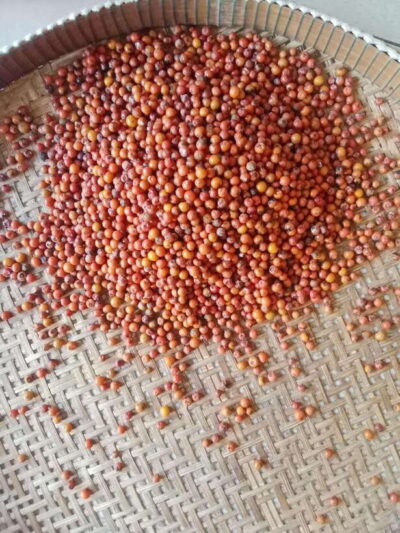
Tuk Tuk Trip to Pepper Farm, Kep, Crab Market & More
Read our review →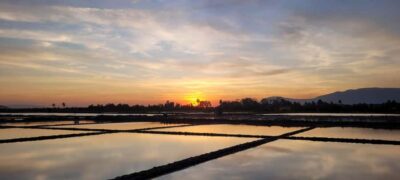
Kampot Countryside include Pepper farm, Salt field & Lake
Read our review →
Kampot’s Countryside & Kayak Tour, Pepper Farm include Lunch
Read our review →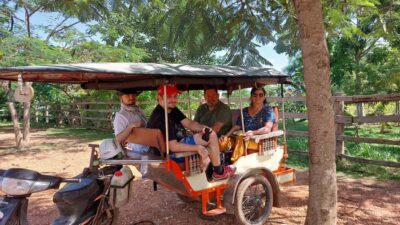
Kampot Private Tour: Pepper Farm, Salt Field & Secret Lake
Read our review →
Kampot Pepper Farm, Salt Fields, Crab Market from Phnom Penh
Read our review →
Kampot Pepper Farm Tour: Salt Fields, La Plantation & Cave
Read our review →Browse the lists this tour appears in