
Review · BEEKEEPING & HONEY FARMS
Goris: Beekeeping Traditions & Beeswax Balm Making Workshop
Armenian beeswax, an old family recipe, and a 120-year-old house give this 90-minute workshop a strong sense of place. You meet Grisha, a beekeeper with more than 50 years of experience, then make your own balm instead of merely watching a demonstration. I like the hands-on craft and the chance to hear about Syunik’s beekeeping customs from someone who has practiced them for decades.
I also like the simple tea break, with mountain herbs and homemade gata. It gives the visit a warm local touch rather than turning it into a quick souvenir stop. The main consideration is safety: people with insect or animal allergies should avoid the activity or contact the provider before booking, and children need a parent with them.
Key points
- Meet a 50-year master beekeeper: Grisha introduces the traditions of beekeeping in Syunik and explains the uses of raw honey and beeswax.
- Make a 50g balm yourself: You follow a family recipe and take the finished jar home.
- Work in a 120-year-old home: The setting adds atmosphere and a link to local domestic traditions.
- Taste gata with mountain herbs: The tea break offers a small but genuine taste of Armenian hospitality.
- Bookable in three languages: Instruction is available in Armenian, Russian, and English.
- Good value at $15: Materials, protective clothing, refreshments, and the balm are included.
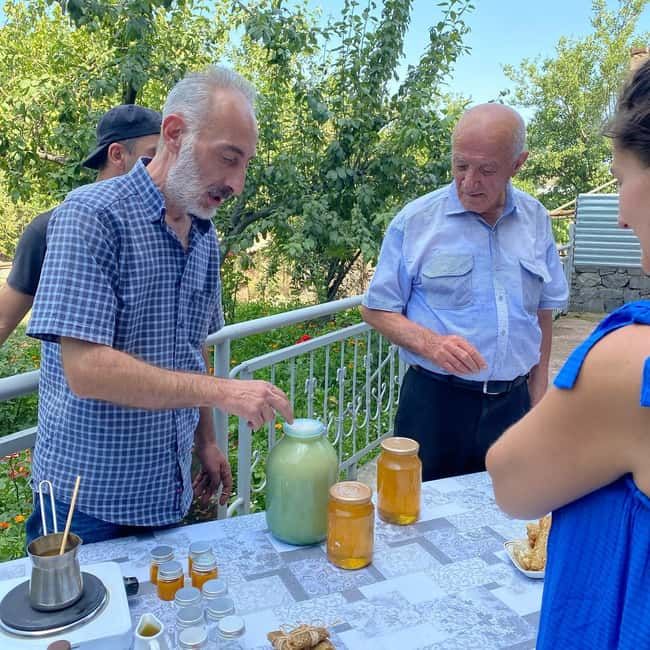
Meeting Grisha at the old Goris home
Your visit begins at Yeghevnut Hotel in Goris city. From there, the experience takes place in the yard of a 120-year-old house, a fitting setting for a workshop built around family practice and old household remedies.
The age of the home matters here. You are not simply entering a modern classroom to pour wax into a container. The surroundings help connect the balm recipe to the kind of home-based knowledge that was passed from one generation to the next.
Grisha leads the beekeeping portion. With more than five decades of experience, he can explain the subject from long practice rather than from a prepared tourist script. You learn about beekeeping traditions in Syunik, a province where mountain conditions and rural life have helped keep these skills useful.
The instruction is available in Armenian, Russian, and English. That makes this a practical choice for international visitors, though the experience will still depend on the language comfort of the group and instructor.
More Beekeeping and Honey Farms in the world:
- Experience Our Honey Farm And Beekeeping Tour
★ 5.0 · 167 reviews - Bee Farm Ecotour and Honey Tasting in Waialua, North Shore Oahu
★ 5.0 · 72 reviews - Olympia Shore Ex: Olympic site, Honey Farm & Olive Oil Tasting
★ 4.5 · 57 reviews
What you learn about Armenian beeswax
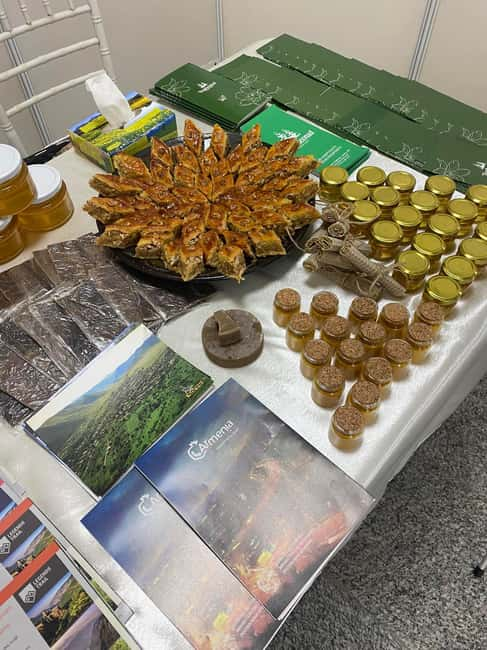
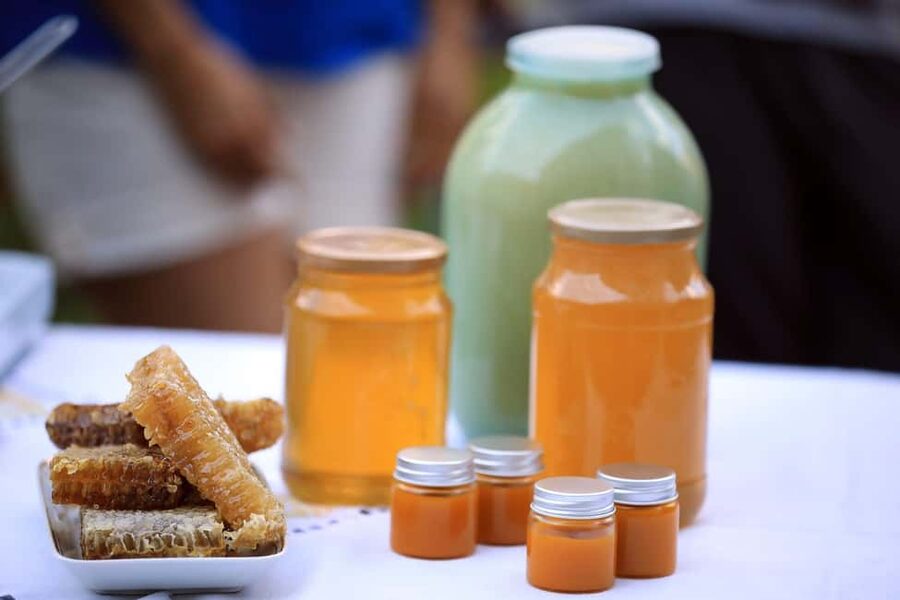
The first part focuses on the work of bees and the place of bee products in natural remedies. You hear about raw honey, beeswax, and the ways these materials have been used in Armenian households.
This is not presented as a technical beekeeping course. You should expect an introduction to local traditions, not training in hive management or a full lesson on commercial honey production. That is part of the appeal. In 90 minutes, the activity keeps its subject manageable and gives you a clear look at one practical branch of Armenian rural life.
Protective beekeeping clothing is provided. The clothing adds a useful safety layer and helps you feel part of the activity, even though the main craft is balm making rather than working directly with a hive.
The description does not specify how close you will get to active bees, so anyone with an insect allergy should take the warning seriously. People with animal allergies are also advised not to book. If you are unsure about your condition, contact Yeghevnut Hotel before reserving.
Making balm from a grandmother’s recipe
The workshop’s main task is preparing a beeswax balm. You use natural beeswax and other included ingredients, following a recipe passed down from the host’s grandmother.
This is the part that gives the activity its value. You are not only hearing about beeswax, you are turning it into something useful with your own hands. The process also gives you a small object tied to the place, the family, and the tradition discussed during the workshop.
The balm is described as useful for soothing dry skin, burns, and cuts. It is best to treat that as a traditional household use, not as a replacement for medical care. The recipe is offered as a natural remedy, but no specific medical claims, testing, or shelf-life details are provided.
As the mixture cools and firms, you have a natural pause in the schedule. This avoids the rushed feeling of a workshop that moves from one step to the next without time to enjoy the setting.
At the end, you take home a 50g jar. That is a modest amount, but it is enough to make the souvenir practical rather than purely decorative. You also know what went into it and how it was made.
Tea, gata, and a taste of Syunik hospitality
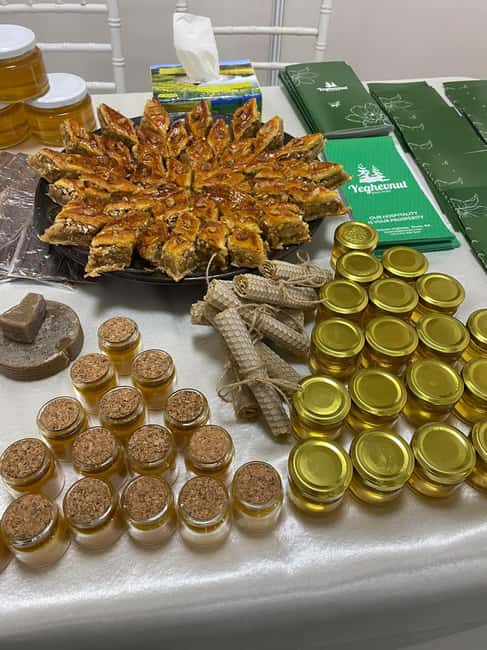
While the balm cools, you sit down for tea. The refreshments include homemade gata and herbal teas gathered from nearby mountains.
Gata is a local sweetbread, often served as a special treat in Armenia. Here, it turns the waiting period into part of the experience rather than dead time. The food is simple, but it gives you a chance to slow down and talk.
The mountain herbal tea also fits the subject of the workshop. You have just heard about natural materials and old remedies, then you are served a drink made from local herbs. The connection feels natural without making the visit too formal.
Do not expect a full meal. The information promises tea, gata, and herbal teas, not lunch. If you need something substantial, eat beforehand or plan another meal in Goris.
One especially warm detail comes from the praise for Raisa, described as a unique and memorable part of the experience. The available information does not clearly identify Raisa’s exact role, so I would not assume she is the beekeeper. Still, the mention suggests that the welcome and personal contact are important parts of the visit, not just the craft itself.
More Hands-On Workshops in the world:
- Half-Day Thai Cooking Class at Organic Farm in Chiang Mai
★ 5.0 · 19,087 reviews - Florence Pizza or Pasta Class with Gelato Making at a Tuscan Farm
★ 5.0 · 6,801 reviews - Cooking Class and Lunch at a Tuscan Farmhouse with Local Market Tour from Florence
★ 5.0 · 4,831 reviews - Chiang Mai: Authentic Cooking Class with Market & Farm Visit
★ 4.9 · 4,546 reviews
Is $15 a good value?
At $15 per person, this is an easy activity to justify for most visitors staying in Goris. The price includes the meeting with a master beekeeper, the cultural introduction, all balm-making materials, protective clothing, tea, gata, herbal tea, and a 50g jar to take home.
The value comes from the combination. A short craft class on its own might feel thin, and a simple snack stop might not be enough to plan around. Put together, the 90 minutes offer a local story, a practical activity, food, and a souvenir.
It is also a good choice if you want something quieter than a major sightseeing stop. The workshop asks for your attention, but not for a full day. You can fit it into a Goris visit without giving up time for other sights in Syunik Province.
The price does not include transportation from elsewhere in Armenia, so you should make your own way to Yeghevnut Hotel in Goris. The meeting point is clear: all participants should go directly to the hotel.
Who will enjoy this 90-minute workshop?
I would choose this for people who like small-scale cultural activities with a clear local connection. It suits anyone interested in food, traditional remedies, family recipes, or rural skills.
Families can consider it, but children must be accompanied by a parent for safety. The activity may also appeal to visitors who prefer making something to simply collecting photographs.
It is less suitable for anyone seeking a full beekeeping lesson. You will learn about traditions and bee products, but the main hands-on task is balm making. It is also not suitable for people with insect or animal allergies.
The workshop is listed as wheelchair accessible. That is useful information for planning, although the details of movement through the old home and yard are not provided. If you need specific access arrangements, ask Yeghevnut Hotel before booking.
Timing, languages, and booking flexibility
The activity lasts 90 minutes. That is long enough for an introduction, the balm preparation, and the tea break, but short enough to fit around a day in Goris.
Starting times depend on availability. You should check the schedule before setting other plans. The workshop is available in Armenian, Russian, and English, which gives you a good chance of following the explanations without a translator.
You can cancel up to 24 hours in advance for a full refund. The reserve-now-and-pay-later option also helps if your route through Armenia is still changing. That flexibility matters in Syunik, where plans can shift as you organize transport between towns and sights.
The activity is described as allowing you to skip the ticket line, though the main practical point is simply that you have a direct meeting point at Yeghevnut Hotel. Arrive there rather than trying to locate the old home separately.
What to bring and what to expect
The provider supplies protective beekeeping clothing and all ingredients for the balm. You do not need to bring equipment for the craft.
Wear something comfortable for a visit that includes time in a yard and an old home. The supplied information does not give a dress code or weather plan, so check conditions in Goris if your visit falls during a hot or rainy period.
If you have any allergy concern, tell the provider in advance. The activity specifically excludes people with insect and animal allergies. This is not a warning to ignore, since the subject and materials are tied directly to bees and animal products.
You may also want to bring a small bag for the 50g jar. The balm is the kind of souvenir that is easy to use at home, but you should keep it secure during the rest of your trip.
The best reason to book
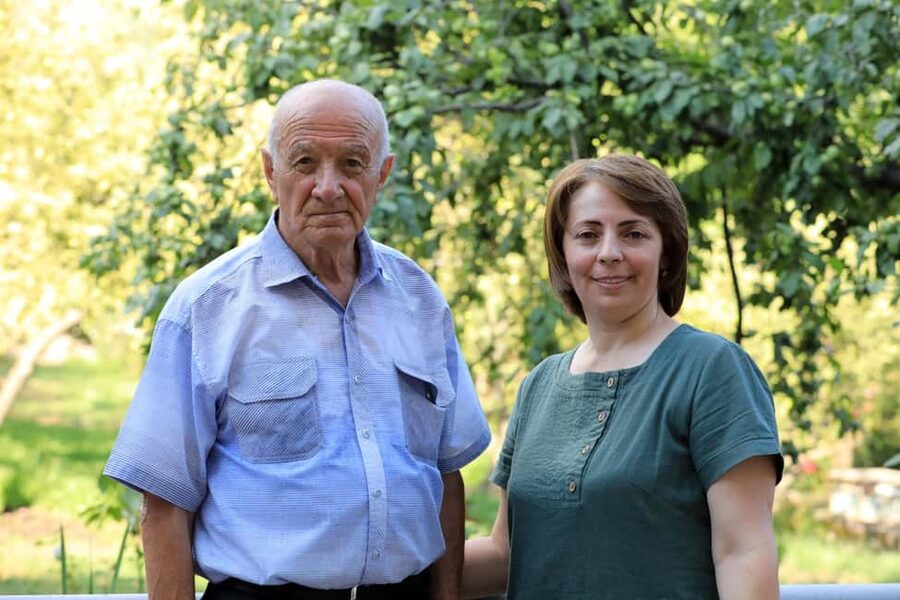
The strongest feature is the personal link to Grisha’s long experience. Many workshops offer a craft but give little sense of where it came from. Here, the balm connects directly to Syunik beekeeping, a grandmother’s recipe, and an old Goris home.
The second strong point is the balance of activity and conversation. You spend part of the time learning, part making, and part eating gata with tea. That rhythm feels right for a short cultural visit.
The praise for Raisa also gives the experience a human side. The available feedback is limited, with a perfect rating from two reviews, so I would not treat it as a broad measure of quality. Still, the warm response and specific mention of Raisa support the idea that the welcome is a major part of the visit.
Should you book it?
Book this workshop if you want an affordable, personal activity in Goris and like the idea of taking home something you made yourself. At $15, the combination of instruction, materials, refreshments, protective clothing, and a 50g balm offers solid value.
Skip it if you have an insect or animal allergy, need a full meal, or want an advanced lesson in hive work. For everyone else, this is a compact way to meet local hosts, learn about Syunik’s beekeeping customs, and spend 90 minutes with a useful Armenian tradition rather than a standard souvenir.
FAQ
Where does the beeswax balm workshop meet?
The meeting point is Yeghevnut Hotel in Goris city. All participants should go directly to the hotel.
How long does the experience last?
The workshop lasts 90 minutes.
Who leads the beekeeping introduction?
Grisha, a master beekeeper with more than 50 years of experience, introduces the traditions of beekeeping in Syunik.
What do I take home?
You take home a 50g jar of handmade beeswax balm prepared during the workshop.
Is food included?
Yes. The experience includes a traditional tea break with homemade gata and herbal teas from the nearby mountains.
Is the workshop suitable for people with allergies?
No. It is not suitable for people with insect or animal allergies. You should inform the provider in advance about any allergy concerns. Children must be accompanied by a parent for safety.
Just added around the world
- Ubud Rice terrace,Zip-line and waterfall★ 5.0 · 4 reviews
- Full Day Tour to Water Temples UNESCO Rice Terraces in Bali★ 5.0 · 4 reviews
- Exploring Munduk Village (Waterfalls, rice terrace, Traditional local house)★ 4.5 · 2 reviews
- Ubud Monkey Forest Rice Terrace Temple Waterfall Private Tour★ 5.0 · 7 reviews
- Explore Ubud Art Market, Monkey Forest and Rice Terraces★ 5.0 · 16 reviews
- Jatiluwih Spiritual Journey of Melukat with Rice Terrace View★ 5.0 · 9 reviews
- Private Tour to Sumampan Waterfall, Monkey forest, Rice terraces and Swing★ 5.0 · 30 reviews
- Discover Hidden Waterfall, Unesco Rice Terraces and Mountain Temple★ 5.0 · 17 reviews
Beekeeping & Honey Farms, compared.
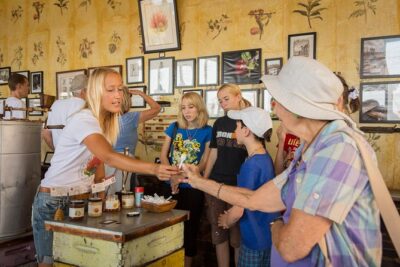
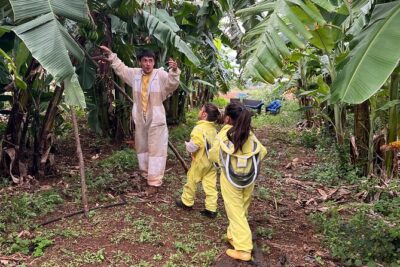
Bee Farm Ecotour and Honey Tasting in Waialua, North Shore Oahu
Read our review →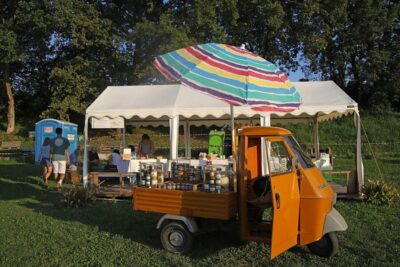
Lazise: Beekeeping Farm Tour and Tasting Experience
Read our review →
Olympia Shore Ex: Olympic site, Honey Farm & Olive Oil Tasting
Read our review →
Beekeeping Farm Tour and Tasting Experience in Lazise
Read our review →
Lokasari: Coffee Plantation Tour, Herbal Tea & Pure Honey
Read our review →Browse the lists this tour appears in