
Review · NEW ZEALAND
Bullswool Heritage Farm General Entry Ticket
Bullswool Heritage Farm gives you something many farm attractions miss: real working-farm character mixed with museums, native bush, rare-breed animals, and plenty of hands-on fun. You can feed sheep and other friendly animals, then move from an old milking shed to a native bird reserve without needing a guided tour or fixed schedule.
I like the freedom to stay for two hours or most of the day, and I like the care put into the grounds, displays, fences, and play areas. The main consideration is weather. This is an outdoor experience, so wet conditions can affect your visit and may lead to cancellation.
Key things to know before you go
- Feed friendly animals: You can hand-feed many of the farm’s animals, from smaller breeds to larger farm residents.
- Explore several small museums: The Sheepshed Museum, Milking Shed display, Working Horses of New Zealand Stable Museum, and Historic Kauri and Gold Museum each cover a different part of local life.
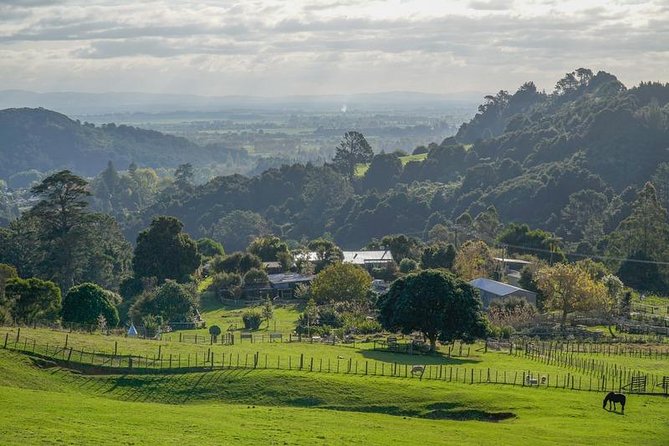
- Walk through native bush: The farm sits on 100 acres of hill country and mature native bush, with walking tracks connecting the main areas.
- Bring time for children: Wooden play equipment and dedicated play areas can keep younger children busy between animal visits.
- Plan around opening days: The farm is open Tuesday through Sunday, from 10 a.m. to 4 p.m.
- Expect strong value: At $11.17 per person, you get an open-ended visit rather than a short, timed activity.
Why Bullswool feels different from a quick animal stop
Many farm attractions are built around one short feeding session. Bullswool gives you more room to set your own pace. You can begin with the animals, pause for a picnic, wander through the museums, and return to the farmyard later.
That matters if you are visiting with children. Young children often want to feed every animal twice, while adults may prefer a quiet walk or a closer look at an old farming tool. Here, you do not have to rush everyone through the same program.
The setting also gives the experience a distinctly New Zealand feel. This is not only a petting farm with a few themed signs. The displays focus on early farming, working horses, milking, kauri, gold, and the people who shaped rural life in the area.
Bullswool is near the famous Karangahake Gorge and only about 15 minutes from the Waihi area, making it an easy addition to a Coromandel road trip. You could stop for a few hours between larger sightseeing plans, or make it a relaxed half-day visit in its own right.
More History Trips in New Zealand:
- Tromsø: Reindeer Camp and Sami Cultural Tour with Lunch
★ 4.7 · 3,326 reviews - Charleston: Historic City Tour & Magnolia Plantation Combo
★ 4.4 · 187 reviews - Kona Tour: Bee Farm, Kona Coffee, and National Historical Parks
★ 4.5 · 78 reviews
Start with the animals and let the day unfold
The best way to approach Bullswool is not as a tightly ordered tour. Follow the walking tracks, stop where something catches your attention, and allow extra time for feeding.
The animals are a major reason to come. You can hand-feed many of them, and the farm is known for its friendly rare-breed stock. That hands-on element gives children a clear focus, while adults often find the simple routine surprisingly relaxing.
You should expect animal feeding to be a little messy and unpredictable. A young deer or sheep may be eager one moment and distracted the next. That is part of the charm, but it also means you should keep food, fingers, and children under control around the animals.
One family spent much of the day feeding animals and playing on the wooden equipment. Another family stopped on the drive from Auckland to Tauranga and found the farm a worthwhile break from the road. That tells you something useful about the place: it works both as a destination and as a stopover.
If you are visiting with children aged around four to seven, plan on spending longer than you first expect. The animals may take an hour, and the play areas can add another stretch of time. Older children may pay more attention to the museums and working equipment, especially if you explain how the displays connect to farm life.
The Sheepshed Museum and early farming stories
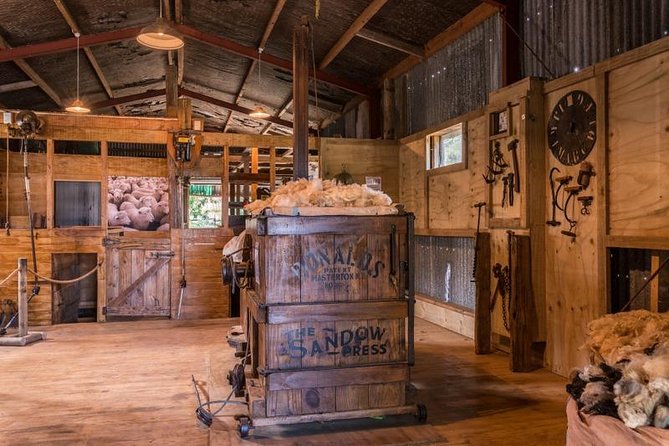
The Working Sheepshed Museum gives the farm its strongest historical anchor. It focuses on New Zealand’s early farming pioneers and shows the practical side of sheep farming rather than presenting history as a collection of abstract dates.
You can expect a working-farm atmosphere, with the building and its equipment helping you picture how earlier generations handled daily chores. This is especially useful for children who have little connection to farming. They can see that wool, sheep, sheds, and tools once shaped ordinary life in a very direct way.
I like this part because it adds context to the animals outside. After feeding sheep, you can see why sheep farming became so important in New Zealand. The experience moves from seeing an animal to understanding its place in the country’s past.
The museum is not likely to hold the attention of every young child for long. If your group has little interest in history, keep this stop short and return to the farm tracks. The freedom of the general entry ticket means you can choose what suits your group.
The Milking Shed and Working Horses displays
The Early New Zealand Milking Shed display Museum covers another familiar part of rural life. It helps you understand the work behind dairy farming, especially when many modern visitors know milk only from a supermarket shelf.
The Working Horses of New Zealand Stable Museum adds a different angle. Horses were once central to farm transport and heavy work, and this display gives you a chance to consider how much physical effort earlier farming required.
These museums are compact rather than enormous. That is a benefit for a short visit, since you can see several displays without spending half a day indoors. They also provide welcome shade or shelter during a changeable day, though the farm’s main appeal remains outside.
The displays work best when you take them as part of the whole visit. You are not coming here for a large national museum. You are getting a series of focused, local exhibits that connect animals, tools, work, and settlement.
More Tickets in New Zealand:
- Boone Hall Plantation All-Access Admission Ticket
★ 4.5 · 1,736 reviews - Chuck Wagon Supper & Western Stage Show at Blazin’ M Ranch Ticket
★ 4.5 · 554 reviews - Ubud: Tegalalang Rice Terrace Photos Tour with Swing Ticket
★ 4.7 · 177 reviews - Skip the Line: Highgate Ostrich Farm Tour Ticket
★ 4.5 · 110 reviews
Kauri, gold, and the wider Coromandel story

The Historic Kauri and Gold Museum links Bullswool to the region beyond the farm gates. Kauri and gold are both important parts of New Zealand’s past, and these subjects help place the farm within the wider Coromandel area.
This is a useful stop if you are already exploring Karangahake Gorge or the southern Coromandel. The farm does not feel detached from its surroundings. Instead, the displays give you more background for the places you may visit nearby.
You should keep your expectations in proportion. This is one part of a larger farm experience, not a full-scale mining museum. Still, it adds variety and gives adults something substantial to examine while children return to the animals or play areas.
Native bush and the Karangahake bird reserve
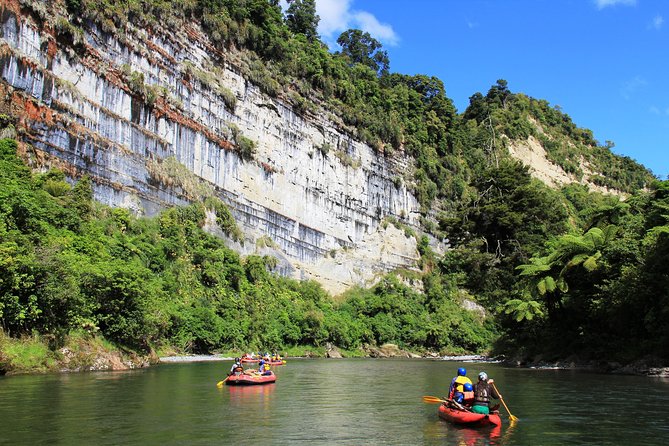
Bullswool covers 100 acres of mature native bush and hill country. The walking tracks give you a chance to slow down between the livelier farm areas.
The award-winning Karangahake Native Bird Reserve is one of the most distinctive parts of the property. It reflects the farm’s conservation work and adds a native New Zealand element to a day otherwise focused on domestic animals and farming history.
You may find this section especially appealing if you want more than a standard farm visit. The reserve changes the pace. Instead of feeding animals or looking at old equipment, you can pay attention to the native setting and bird life.
Wear practical shoes if you plan to walk all the tracks. The property includes hill country, so the experience is not limited to flat paved paths. The available information does not describe every surface or walking distance, so anyone needing a fully level route should check conditions before booking.
Play areas that give parents breathing room
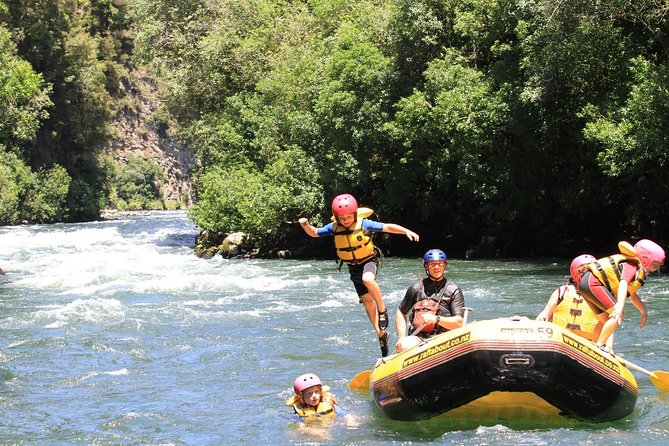
The children’s play areas are a big practical advantage. Wooden toys and play equipment allow children to burn off energy while adults take a break or enjoy the scenery.
One family noted that the wooden play equipment was a real hit, and the clean, well-kept condition of the grounds added to the appeal. That maintenance matters. At outdoor attractions, worn fences or tired play equipment can quickly spoil the mood. Bullswool has earned praise for keeping its facilities tidy and cared for.
You should still supervise children, particularly around animals, water, uneven ground, and farm equipment. The farm offers a hands-on rural experience, not a fully controlled indoor play center.
Bring a picnic if you want to stretch the visit. A picnic lunch was part of one particularly enjoyable day at the farm, and the grounds provide a pleasant setting for a longer pause. Food arrangements beyond that are not specified, so do not assume a full cafe service.
How long should you allow?

The stated visit length is about two to three hours. That is a sensible minimum for seeing animals, exploring at least some museums, walking a section of the tracks, and giving children time to play.
I would allow closer to three hours if you are visiting with young children or want to include all the museum areas. You can move faster if Bullswool is a quick stop between Waihi and another Coromandel destination, but rushing would miss much of the point.
The lack of a time limit is one of the strongest features of the ticket. You are not pushed out after a feeding session, and you do not need to follow a group schedule. Stay until your family has had enough, rather than watching the clock.
The farm opens from 10 a.m. to 4 p.m., Tuesday through Sunday. It is closed on Mondays under the stated schedule, so check the operating day when building your plans.
Is the $11.17 ticket good value?
At $11.17 per person, the entry price is modest for an attraction that can fill two to three hours. The value improves if you use the full range of the property: feed animals, walk the tracks, visit the museums, see the native bird reserve, and let children play.
The ticket is also good value because the experience is not built around one short photo opportunity. You receive access to the whole farm area and can revisit the parts your group enjoys most.
The price may feel less compelling if you only want to look at animals for 30 minutes. In that case, the farm’s full range of displays and play spaces will not have time to work in your favor. I would book it when you can give the visit a proper half-day window.
The ticket is mobile, which keeps the arrival process simple. Confirmation is provided at booking, and service animals are allowed. Most people can take part, although the outdoor tracks and hill-country setting may not suit every mobility need.
Who will enjoy Bullswool most?
I would recommend Bullswool to families, animal lovers, visitors interested in New Zealand farming, and anyone looking for a calm stop near Karangahake Gorge or Waihi.
It is particularly well suited to mixed-age groups. Children have animals and play equipment, adults have history and scenery, and everyone can move at a different pace.
It may be less suitable if you want a highly structured guided tour, a short indoor attraction, or a guarantee of perfect outdoor conditions. The farm depends on weather, and poor weather can lead to a different date or a full refund.
The friendly atmosphere also seems tied to the family-run character of the place. Sue, the owner, personally helped make one birthday visit special, which suggests that personal hospitality is part of the experience. Do not expect a large commercial park with constant announcements and scheduled shows. Bullswool works better as a relaxed rural visit.
Booking, weather, and practical planning
You can cancel for a full refund if you do so at least 24 hours before the start time. Changes made inside that 24-hour window are not accepted, and the amount paid is not refunded for a late cancellation.
Because the experience requires good weather, the farm can cancel in poor conditions. If that happens, you are offered another date or a full refund.
I would check the forecast, wear outdoor clothing, and bring suitable footwear. If you plan to picnic, pack your food rather than assuming that a full meal service is available. Give yourself enough time to enjoy the animals without turning the visit into a rushed roadside stop.
Should you book Bullswool Heritage Farm?
Book it if you want an affordable, hands-on New Zealand farm experience with more substance than animal feeding alone. The combination of friendly rare-breed animals, working museums, native bush, a bird reserve, and children’s play areas gives you a full and flexible half-day.
I would especially choose Bullswool for a family road trip through the southern Coromandel, a visit near Waihi, or a day that includes Karangahake Gorge. Skip it only if your schedule is too tight for at least two hours or if wet weather makes outdoor activities a poor fit.
For the price, the relaxed timing and range of things to do make this a strong pick. Bring a picnic, let the children set part of the pace, and treat the farm as a place to linger rather than a quick photo stop.
FAQ
Where is Bullswool Heritage Farm?
Bullswool Heritage Farm is in the southern Coromandel on New Zealand’s North Island, only minutes from Karangahake Gorge and about 15 minutes from the Waihi area.
How much does general entry cost?
The listed price is $11.17 per person.
How long does a visit take?
You should allow about two to three hours, although the open-ended format lets you stay longer if you wish.
What are the opening hours?
The farm is open Tuesday through Sunday from 10 a.m. to 4 p.m.
Can I feed the animals?
Yes. Many of the farm animals are friendly and can be hand-fed.
What museums are included?
The visit includes the Working Sheepshed Museum, Early New Zealand Milking Shed display Museum, Working Horses of New Zealand Stable Museum, and Historic Kauri and Gold Museum.
Is there a native bird area?
Yes. Bullswool includes the Karangahake Native Bird Reserve.
Are there play areas for children?
Yes. The farm has children’s play areas and wooden play equipment.
Are service animals allowed?
Yes. Service animals are allowed.
Can I cancel for a refund?
You can cancel for a full refund at least 24 hours before the experience start time. If poor weather causes the farm to cancel, you are offered another date or a full refund.
Just added around New Zealand
- Private, via beaches, Kiwi farm to Rotorua 8 lakes & Geothermal★ 5.0 · 20 reviews
- Boutique tour , Mt Maunganui, NZ farm, Rotorua lakes/geothermal★ 4.5 · 50 reviews
- Queenstown Lake Cruise to Walter Peak Farm with BBQ Buffet★ 4.5 · 25 reviews
- Queenstown: Walter Peak Farm Tour and Lake Cruise★ 5.0 · 5 reviews
- Wool Sheep Farm Experience with Handmade Wool Hat in New Zealand★ 5.0 · 9 reviews
- Mt. Hay Farm Experience Genuine Country Farming(Carbon Positive)★ 4.0 · 2 reviews
- Lyttelton Cruise Excursions: Christchurch Sightseeing with Sheep Farm★ 3.5 · 20 reviews
- Christchurch Sheep Farm Visit★ 4.0 · 10 reviews
New Zealand Farm Tours, compared.
Queenstown Lake Cruise and Walter Peak Farm Tour
Read our review →
Dinner at Walter Peak High Country Farm and Cruise from Queenstown
Read our review →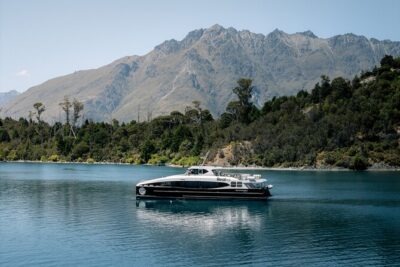
Queenstown Lake Cruise and Walter Peak Farm Adventure
Read our review →
Rotorua: Authentic Kiwi Farm Experience at the Agrodome
Read our review →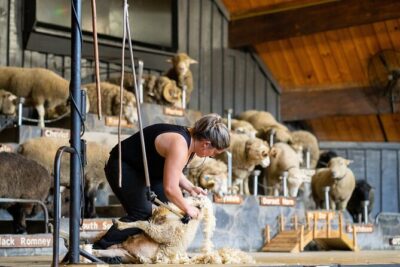
Agrodome Farm Experience including Farm Show and Farm Tour – Rotorua
Read our review →
Llama Trek (Half-day) – Kaikoura Bay, Beaches & Seal Colony
Read our review →
Llama Trek (Taster) – Kowhai River Valley and Native Woodland Tour
Read our review →Browse the lists this tour appears in