
Review · BANGKOK
Bangkok: Private Floating & Railway Markets with Farm Visits
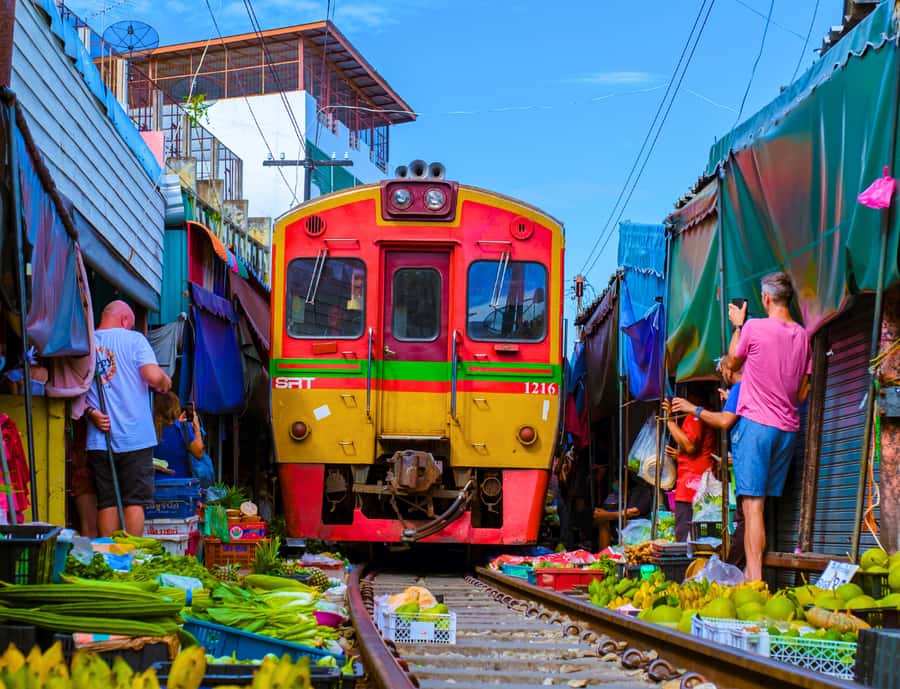
The train at Maeklong Railway Market is the main event: vendors lay out produce beside the rails, then pull back awnings and baskets as the train passes only inches away. I like the private car and guide, which make Bangkok traffic easier to handle, and the chance to see coconut sugar and salt production instead of stopping only for photographs. The catch is that both markets are firmly on the tourist route, and the railway market can feel crowded and untidy.
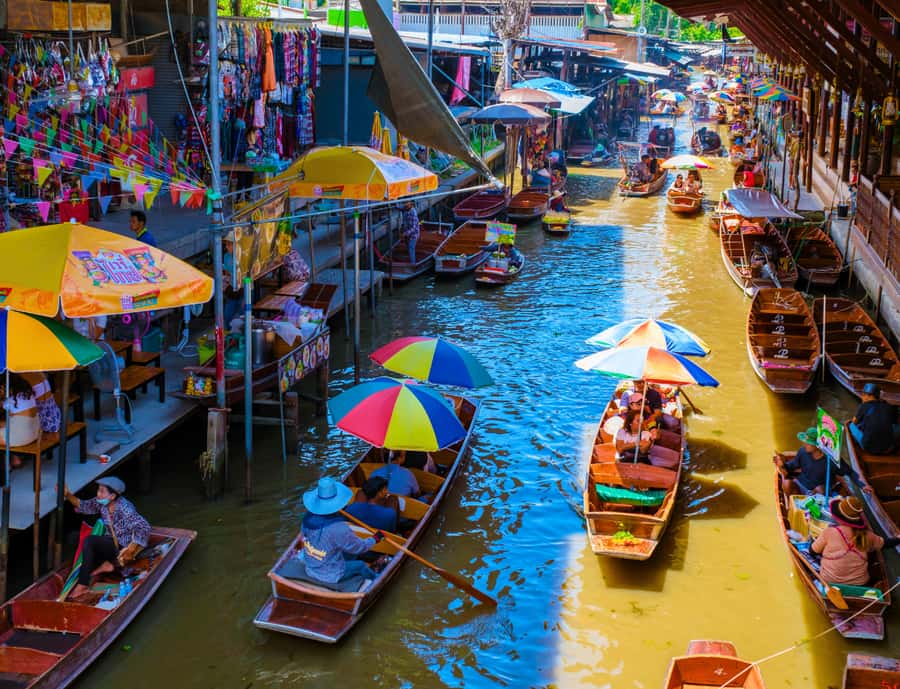
I also like the long-tail boat through Damnoen Saduak’s narrow canals, where fruit, cooked food, and crafts are sold from the water’s edge. A guide such as Gung can add much more than transport by taking you beyond the main photo spots and explaining what you are seeing. Bring cash, sun protection, and comfortable shoes, and be ready for an early, busy day.
Key points to know before you book
- The train still runs through Maeklong Market: Watch vendors move their stalls aside, then walk the tracks when the way is clear.
- Your private boat reaches Damnoen Saduak by canal: You see food, fruit, and handmade goods from the water rather than only from the main road.
- Farm stops add local context: See coconut sugar being made and learn how salt is harvested near Maeklong.
- A private group of up to three keeps the day flexible: The $290 price works out to about $97 per person for three people, before any personal spending.
- Guide quality matters: Gung is specifically praised for her warm, capable service and for helping the day run well despite heavy traffic.
- Expect tourism, not untouched village life: These are famous markets with crowds, commercial stalls, and some messy areas.
Maeklong Railway Market and the train through the stalls
Maeklong Railway Market is built around a strange bit of daily logistics. Stalls sit directly along the narrow railway tracks, leaving just enough space for the train to pass. When the warning comes, vendors pull back umbrellas, awnings, baskets, and displays. The train rolls through, then the market returns to work almost at once.
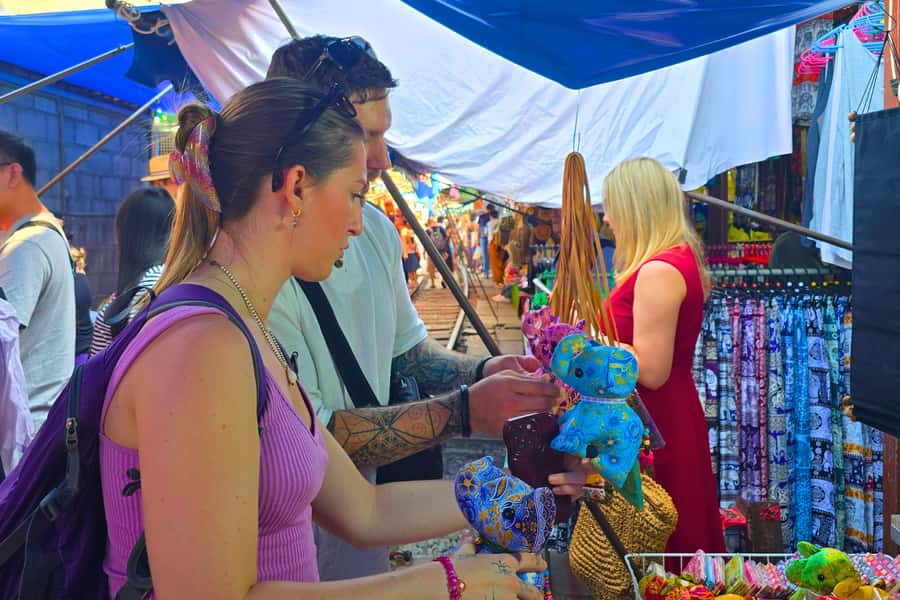
You can walk along the tracks and look closely at local produce, prepared food, and handmade goods. The guide helps explain how the market developed and where to stand when the train approaches. I would follow those instructions closely. This is not the place to wander carelessly while watching your phone or trying to frame a photograph.
The scene is memorable because it is practical rather than staged. The market is still a working place, but it has also become a major stop on the Bangkok sightseeing circuit. That distinction matters. You get an unusual look at how vendors adapt their business to the railway, yet you should not expect a quiet slice of rural Thailand.
The market may feel crowded, especially when a train arrival draws people to the tracks. Some parts can look untidy, and one rating of the wider experience described the market as lacking an authentic feel. I think that criticism is fair if you want a calm, low-key market visit. If you enjoy seeing an odd piece of urban planning in action, the train makes the stop worthwhile.
A few more farm days around Thailand worth a look
- Floating & Railway Market and Coconut Farm Tour [Optional Luxury]
★ 5.0 · 835 reviews - From Bangkok: Floating & Railway Markets Tour & Coconut Farm
★ 4.7 · 145 reviews - Chiang Mai : Cook in Farm, Market tour & Go by a Local Train
★ 4.8 · 6 reviews
A private car changes the Bangkok traffic problem
The tour includes hotel pickup and drop-off in a private vehicle, plus an English-speaking guide. That is a useful package for this route, since the markets are outside central Bangkok and road traffic can be heavy. One stop can be fascinating while the drive there feels slow, so having a clean, comfortable car and a guide handling the route makes a real difference.
Traffic has been described as manic on the way out. You cannot remove that problem, but a private tour gives you a more relaxed way to deal with it. You are not coordinating a large group, finding public transport, or worrying about where to meet after a market stop.
The group limit is three people per booking. That is a good fit for a couple, a small family, or a few friends who want the guide’s attention. It is less appealing if you are happy to join a larger group and pay less per person.
At the full group size, $290 works out to roughly $97 per person. That is not a bargain in the basic transport sense, but the price includes private transport, hotel pickup and return, an English-speaking guide, and a private long-tail boat. For three people, the added privacy and convenience make the price easier to justify. For one person, it is a much bigger spend.
The operator may contact you by WhatsApp or phone the night before. Give a complete hotel address and a working contact number when you book. This small step matters, since a private pickup is only useful if the meeting point is clear.
Damnoen Saduak by long-tail boat
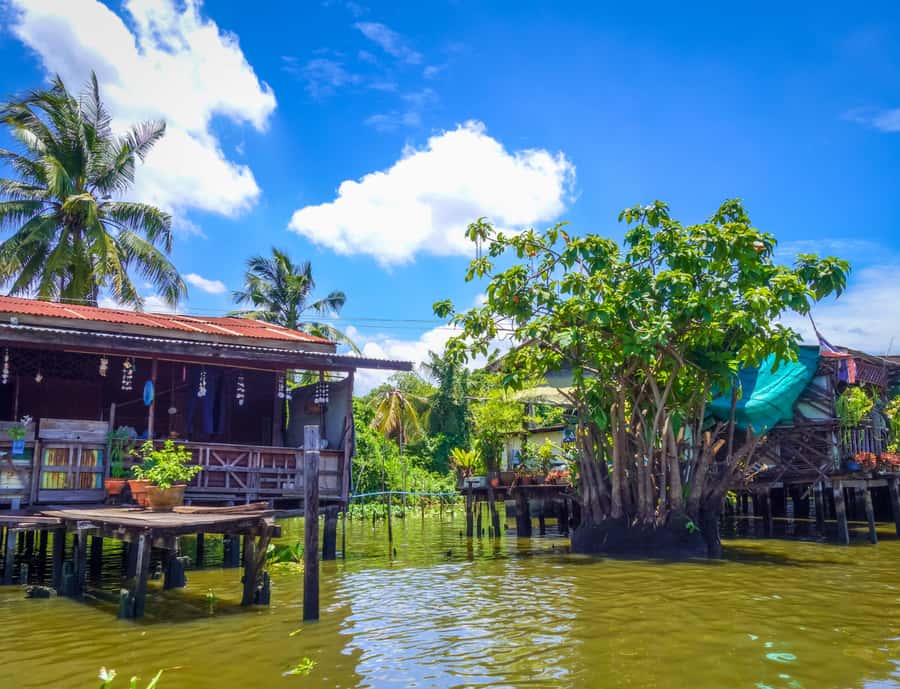
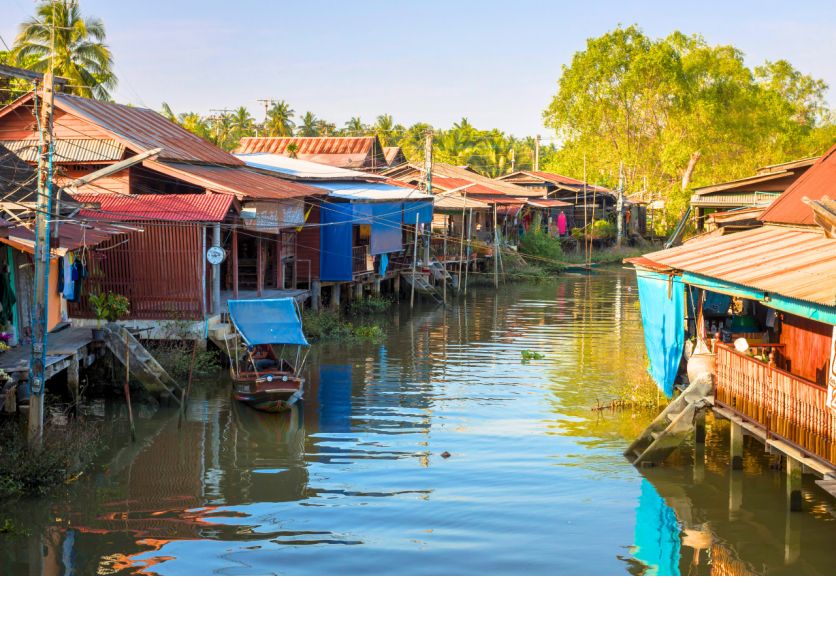
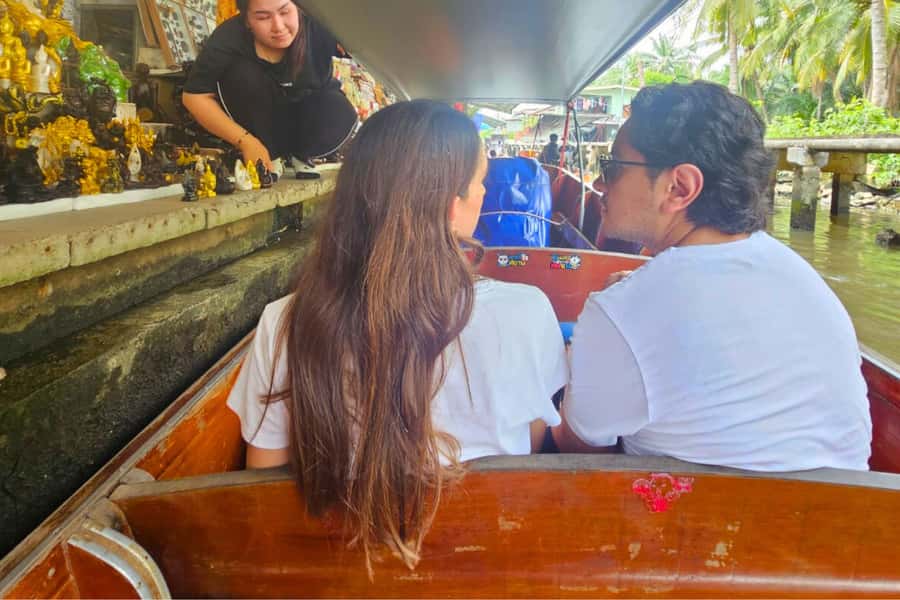
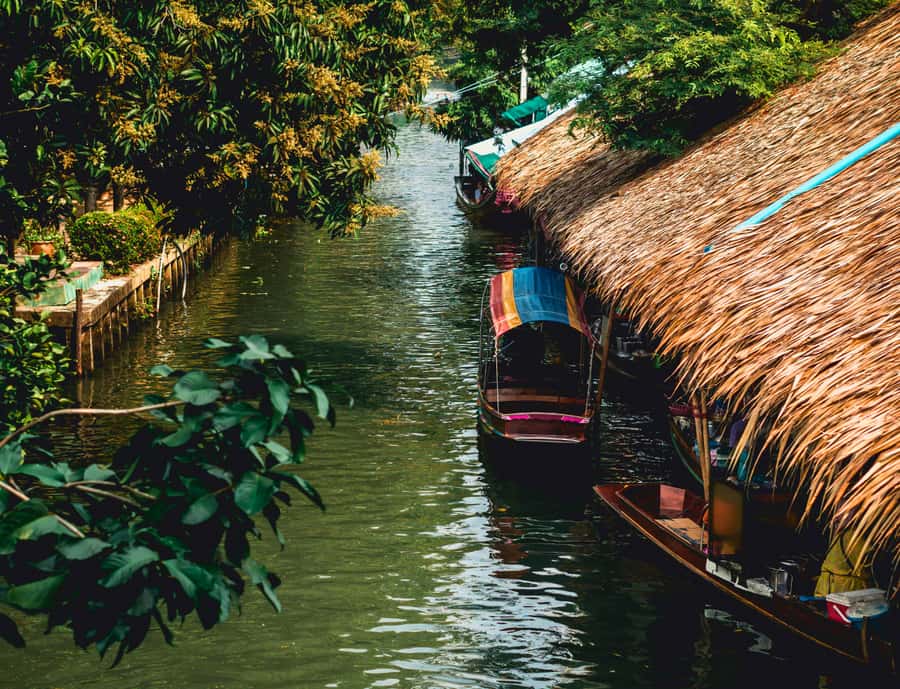
At Damnoen Saduak, you board a private long-tail boat and move into the canal network. This is the part of the day that gives the market its character. From the boat, you pass food sellers, fruit displays, crafts, and homes and businesses along the canal banks.
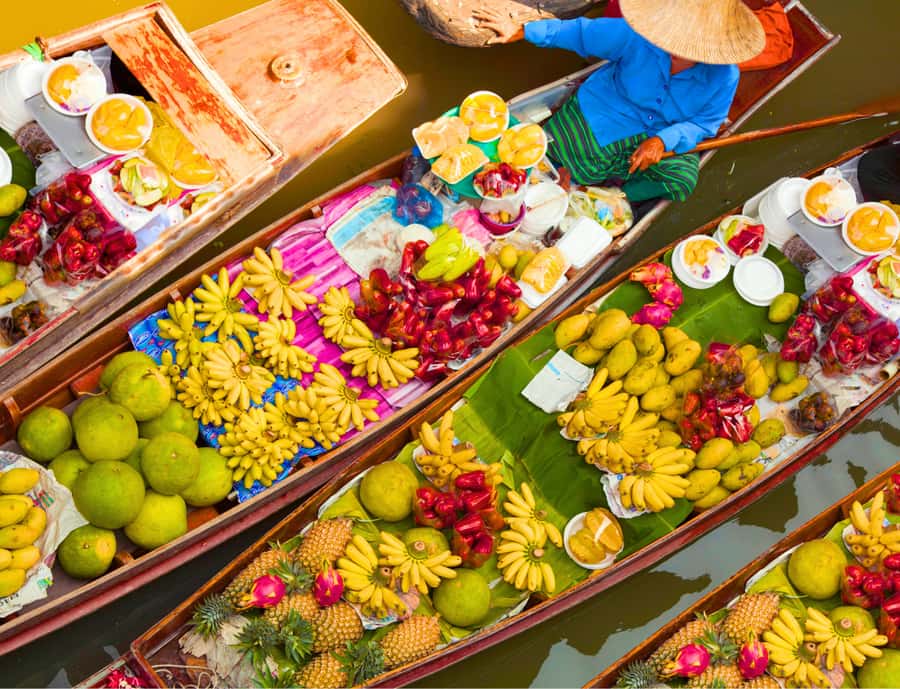
The canals are narrow, so the boat brings you close to the activity. You may see vendors serving hot dishes or displaying tropical fruit from boats or waterside stalls. The guide can help you understand what is being sold and how the canal market fits into local life.
The boat ride is also the best way to avoid treating Damnoen Saduak as a simple row of souvenir stalls. You are not only walking through a commercial market. You are moving through the waterways that give the place its identity.
Still, you should keep your expectations realistic. Damnoen Saduak is famous, and fame brings crowds and tourism. Some goods are aimed at visitors, and the main areas can feel busy rather than relaxed. One useful feature of a private guide is the chance to move away from the most obvious route and see a more local side of the market.
If you want a quiet canal ride with no commercial pressure, this may not be the right choice. If you want to see how a famous floating market works, including its tourist side, the boat ride gives you a fuller picture than a quick roadside photo stop.
Coconut sugar, fruit, and food along the canals
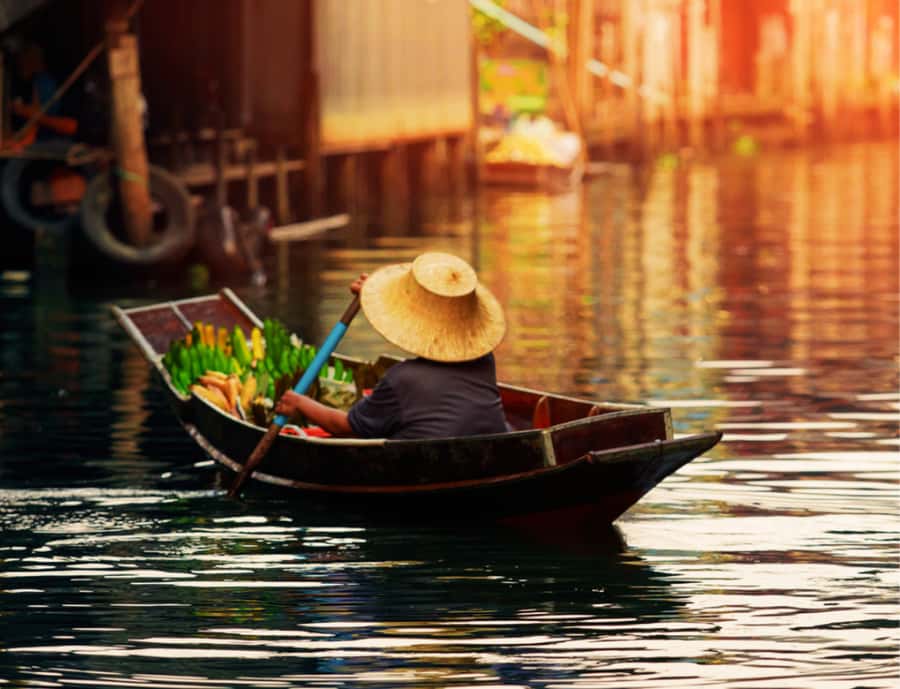
The coconut sugar stop adds a practical detail that many market tours skip. You can watch sweet treats being made and learn how coconut products become part of local food production. It is a short but useful connection between the landscape around the canals and the products sold at the market.
At Damnoen Saduak, look beyond the most colorful displays. Tropical fruit, hot dishes, and handmade items tell you what the market sells, but the guide’s explanations help you understand how people use the canals as a route for trade.
You may have opportunities to interact with local sellers and sample flavors, but personal purchases are not included in the tour price. Bring cash for snacks, drinks, or small crafts. The information specifically recommends cash, and card payment should not be assumed at every stall.
This part is best approached with curiosity rather than a shopping checklist. You do not need to buy something at every stop. Watch how goods are presented, notice which sellers work from boats, and ask your guide about unfamiliar food or ingredients.
Same fields, a different sort of day out:
- Half-Day Thai Cooking Class at Organic Farm in Chiang Mai
★ 5.0 · 19,087 reviews - Chiang Mai: Authentic Cooking Class with Market & Farm Visit
★ 4.9 · 4,546 reviews - Chiang Mai: Cooking Class with Organic Farm at Mama Noi
★ 4.9 · 1,151 reviews - Full Day Thai Cooking at Farm (Chiang Mai)
★ 5.0 · 1,127 reviews
Salt de Maeklong and traditional salt harvesting
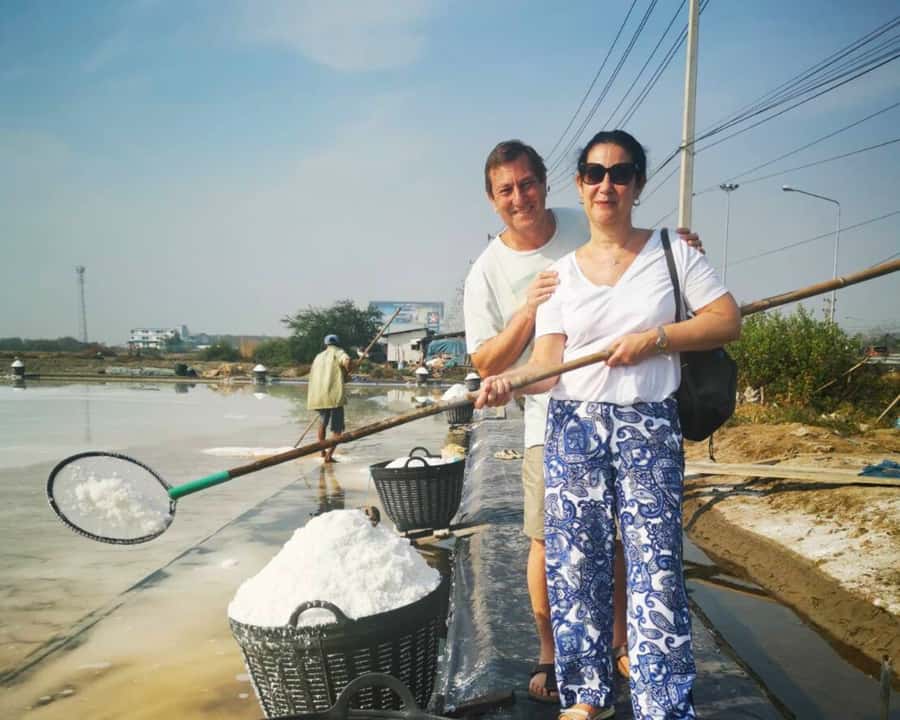
The final stop, Salt de Maeklong, shifts the focus from canals and rail tracks to salt production. You can relax with a drink while learning how salt is traditionally harvested. This gives the day a calmer close after the noise and movement of the markets.
Salt making is a useful reminder that the area is not defined only by tourist attractions. The visit shows a working local industry and explains how ordinary products connect to the surrounding land and water. It also gives you time to ask questions without trying to keep pace with a train or a moving boat.
The stop may appeal especially to families and visitors who want more than market photographs. It is also a good balance for anyone who finds the railway and floating markets too crowded. You get a slower, more explanatory part of the day before returning to Bangkok.
The tour details do not specify how long you spend at each stop, so do not build a separate appointment too tightly around the return. Traffic can affect the journey, and the road back may take longer than expected.
What the guide adds to the day
The guide is one of the most important parts of this experience. A private vehicle can get you from Bangkok to the markets, but a guide helps turn unusual sights into understandable ones. At Maeklong, that means explaining the railway market’s history and showing you where to walk. At Damnoen Saduak, it means identifying food, crafts, and canal activity.
Gung is named as a particularly warm, courteous, and friendly guide. She is also credited with helping keep the day on track when traffic and busy market conditions could have made the experience frustrating. Those details matter because the tour has several moving parts: a railway timetable, a boat ride, crowded walkways, and a long road journey.
A good guide may also take you off the main tracks and into quieter corners of the market. That does not turn the area into an untouched village, but it can give you a better sense of how local sellers work outside the most photographed spots.
The guide speaks English. If you have particular interests, such as food, family travel, photography, or local production, tell the guide early. The private format gives you a better chance to ask questions than a large group tour.
What to bring and how to dress
Wear comfortable shoes. You will walk beside and on railway tracks, move through market areas, and board a long-tail boat. Flip-flops may be easy to remove for the boat, but sturdy comfortable footwear is the safer choice for the market sections.
Bring a sun hat and sunscreen. The canals and open market areas can leave you exposed to strong sun, and shade is not guaranteed at every stop. Cash is also important for personal purchases and food.
A small bag is easier than bulky luggage. Keep phones and cameras secure near the water and around the tracks. The tour details do not state that food or drinks are included, although water has been provided in the vehicle on at least one outing. I would still carry a little cash for refreshments.
This tour is not suitable for people with mobility impairments. The narrow tracks, market surfaces, boat boarding, and walking involved require reasonable mobility. If anyone in your group has difficulty with uneven ground or stepping into a boat, choose another outing.
Is $290 good value for a private market day?
The answer depends on how many people share the booking. For three people, the price is about $97 per person. You receive private transportation, hotel pickup and return, an English-speaking guide, and a private long-tail boat. Those inclusions cover the main practical costs of reaching both markets and seeing them without joining a larger group.
For two people, the cost is $145 per person. For one person, it is $290, which is harder to defend unless privacy and convenience are your top priorities. You are paying for time saved, direct transport, and personal attention rather than for luxury.
I would choose this tour if you want both markets in one day and do not want to arrange transport yourself. It is also a sensible choice for a small family, since the guide can help explain the train and canal activity while the private car offers a break between stops.
I would look elsewhere if your main goal is the lowest possible price or a more independent market visit. The destinations themselves are tourist-oriented, so paying for a private format does not make them less commercial. It gives you a more comfortable and flexible way to see them.
Who will enjoy this day most?
This experience suits first-time visitors to Bangkok who want to see two famous sights beyond the city center. It works well for couples, families, and small groups who value a private vehicle and a guide who can adjust the pace.
It is also a good match for people interested in how things are made. The coconut sugar stop and salt-harvesting visit add substance to a day that could otherwise be only boats, stalls, and photographs.
Families may appreciate the variety. Children can watch a train pass through a market, ride a long-tail boat, see sweet products being made, and feed fish at a temple if that stop is included in the day’s routing. The supplied details specifically describe a temple lunch stop with fish feeding as part of one outing, but it is not listed as a guaranteed feature of every booking, so ask before relying on it.
You should reconsider the tour if you dislike crowds, commercial market areas, or long drives in heavy traffic. You should also skip it if walking on uneven surfaces or boarding a boat would be difficult.
Should you book this Bangkok market tour?
I would book it for a small group that wants an easy, private way to combine Maeklong Railway Market and Damnoen Saduak. The train passing through the stalls is unusual, the long-tail boat gives the floating market its proper setting, and the coconut sugar and salt stops add useful local context.
I would not book it expecting untouched village life. Both markets draw many visitors, and parts of the experience can feel commercial or untidy. At $290, the value comes from the private car, guide, boat, and simple door-to-door planning, especially when three people share the cost.
Choose it for convenience, variety, and a guide-led introduction to two distinctive Thai markets. Skip it if price, solitude, or complete independence matters more than comfort.
FAQ
What is included in the Bangkok market tour?
The tour includes private hotel pickup and drop-off, private transportation, an English-speaking guide, and a private long-tail boat ride.
How many people can join the private tour?
The listed price of $290 covers a private group of up to three people.
Which markets does the tour visit?
The itinerary visits Maeklong Railway Market and Damnoen Saduak Floating Market.
What will I see at Maeklong Railway Market?
You can walk along the narrow railway tracks, explore market stalls, and watch vendors move their displays aside when the train approaches.
Is the long-tail boat ride private?
Yes. A private long-tail boat ride is included.
What should I bring?
Bring comfortable shoes, a sun hat, sunscreen, and cash.
Is the tour suitable for people with mobility impairments?
No. The tour is not suitable for people with mobility impairments because it includes walking around the markets and boarding a boat.
Just added around Thailand
- Phuket Lookouts Tour with Lunch at Organic Farm★ 5.0 · 17 reviews
- Old Phuket Farm Ticket – Countryside Local Life Culture★ 5.0 · 13 reviews
- Pattaya sheep Farm Entrance Tickets★ 4.5 · 2 reviews
- Chiangmai Coffee Farm Tour★ 5.0 · 34 reviews
- Plough to Plate: Be A Rice Farmer in Phetchaburi from Hua Hin★ 5.0 · 4 reviews
- One Day Tour Doi Suthep Temple, Palad Temple, Orchid Farm, Longneck hill tribe village (Private tour)★ 5.0 · 7 reviews
- Aroidee’s Farm-Fresh Thai Cooking Experience★ 5.0 · 8 reviews
- From Chiang Rai: 3 Temples, Golden Triangle Tour, Tea Plantation★ 5.0 · 12 reviews
Bangkok Farm Tours, compared.
![Floating & Railway Market and Coconut Farm Tour [Optional Luxury]](https://6.farmingtraveler.com/wp-content/uploads/floating-railway-market-and-coconut-farm-tour-optional-luxury-400x267.jpg)
Floating & Railway Market and Coconut Farm Tour [Optional Luxury]
Read our review →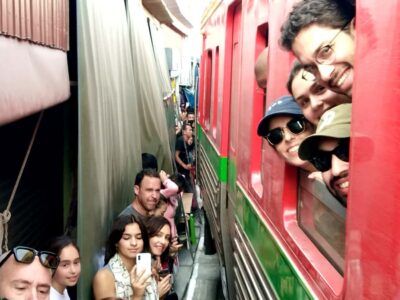
Bangkok Floating Market & Boat Ride to an Orchid Farm
Read our review →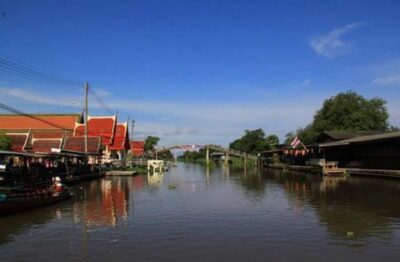
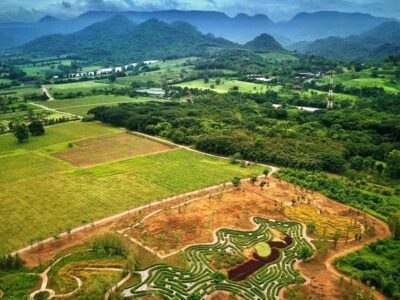
Khao Yai Vineyard Tasting Tour & Horse Farm Visit
Read our review →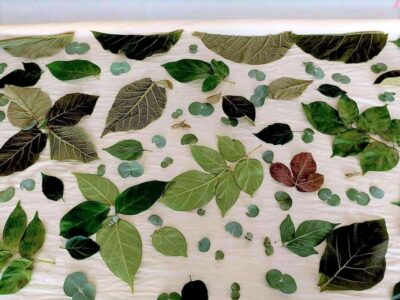
Cultural immersion: Thai cooking, rice farming, eco printing
Read our review →Bangkok Floating Market & Boat Ride to an Orchid Farm
Read our review →Browse the lists this tour appears in