
Review · ORGANIC
Balinese Cooking Class at Organic Farm
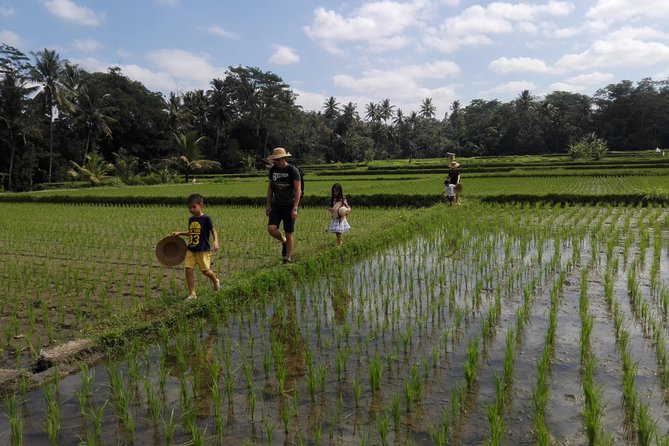
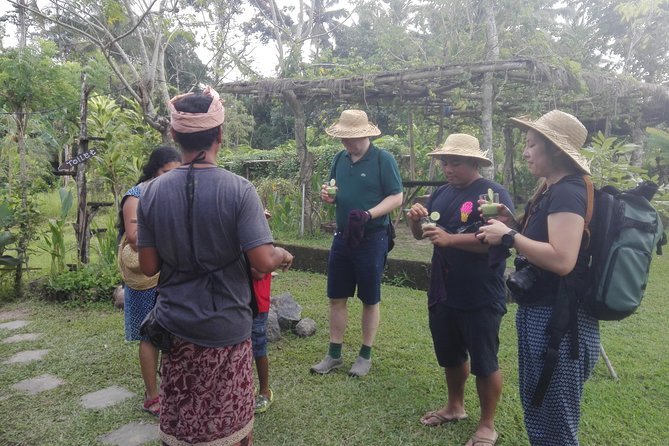
The best part of this Ubud cooking class happens before you reach the kitchen. You walk through Mai Organic Farm, learn how local growers work, and pick herbs, fruit, and vegetables for the meal you will soon cook. Farm to table here is literal, not a slogan.
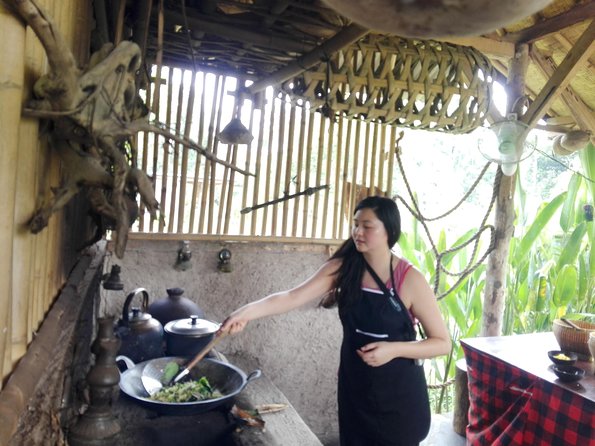
I especially like the traditional wood-fired stove and the small-group setup. You can help shape tuna sate, corn fritters, and other Balinese dishes, or take a slower role while the instructors guide the group. The fresh coconut, juices, herbal drinks, coffee, and lemongrass tea add to the sense of place.
The main consideration is the rural setting and weather-dependent schedule. The activity lasts about five hours, and the farm meeting point is outside central Ubud, though round-trip pickup is offered from central Ubud hotels and rentals. Confirm the group size and pickup details when booking, since the tour description refers to both eight and ten-person limits.
Key points to know before you book
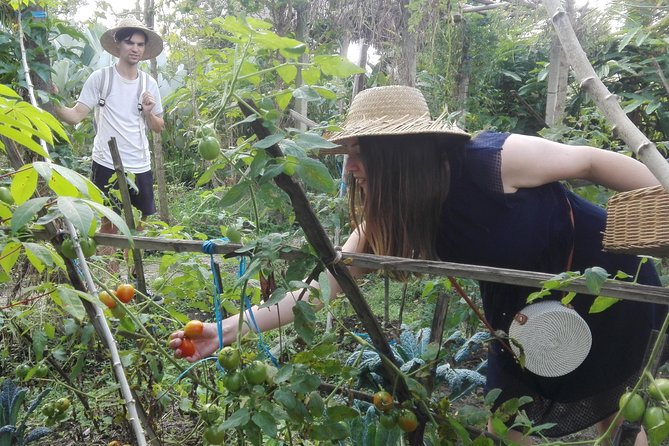
- Pick your ingredients on the farm: Walk through the community fields and gather produce, herbs, fruit, and spices for the cooking session.
- Cook six Balinese dishes: The menu includes dishes such as tuna sate and corn fritters, with sate lilit listed as a featured specialty.
- Use a traditional wood-fired stove: This adds real local character, but cooking over fire can feel warmer, slower, and less polished than a modern kitchen class.
- Learn about the subak system: Your farm walk includes an introduction to Bali’s cooperative water-management tradition, recognized by UNESCO.
- Keep the day social and hands-on: The class is designed for participation, with a shared lunch in a simple gubuk hut.
- Support Pejeng farmers: Your booking helps Mai Organic Farm provide income and resources for local growers and villagers.
Why the farm matters more than the cooking demonstration
Many cooking classes begin with bowls of pre-measured ingredients. This one starts in the fields. That small change makes a big difference because you see where the meal begins, rather than treating ingredients as anonymous items on a counter.
At Mai Organic Farm, you first receive a welcome drink in a shaded area. The staff introduce the farm’s community movement and explain how the produce is grown. You then walk through the property, learning about organic farming while gathering ingredients for the meal.
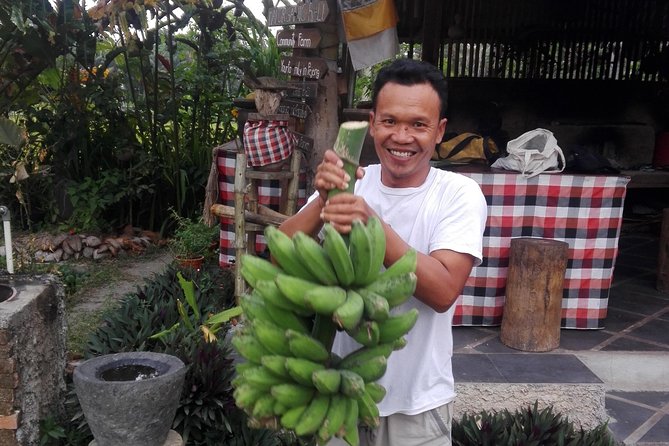
You might sample a banana straight from the plant, smell unfamiliar spices, or see fruit and vegetables growing in the same area where the cooking takes place. The exact produce will depend on what is ready that day, but the basic idea remains clear: you are collecting food that will soon become lunch.
I find this especially useful for anyone who wants more than a recipe lesson. The farm walk gives you a better sense of how food connects to village life in Bali. It also makes the class easier to remember. You are not just learning that turmeric, chilies, or herbs belong in a dish. You are seeing and handling them at their source.
The farm is linked to a local movement supporting growers in Pejeng. That matters if you want your paid activity to benefit a community beyond the tour team itself. The stated aim is to help local farmers and villagers earn income while giving them resources to improve their quality of life.
More Farm Cooking Classes in Indonesia
- Balinese Farm Cooking Class by Pemulan Bali
★ 5.0 · 410 reviews - Balinese Vegan Cooking Class with Fresh Harvesting & Garden Tour
★ 5.0 · 86 reviews - Ubud: Organic Farm Harvest, Bali Cooking Class by Pemulan
★ 4.8 · 12 reviews
Learning about Bali’s subak water system
The farm visit also introduces the subak system, Bali’s traditional approach to managing irrigation and shared water. It is recognized as a UNESCO World Heritage tradition, and learning about it in a working agricultural setting gives the subject practical meaning.
You do not simply hear a short cultural lecture in a classroom. The explanation comes while walking around a farm that depends on cooperation and careful use of land and water. That connection helps you understand why farming in Bali has long been tied to village organization and shared responsibility.
This portion will appeal to you if you like travel experiences that explain how daily life works. It is not a major sightseeing stop with monuments or formal exhibits. Instead, it is a quiet look at the systems behind the food on your plate.
Wear something comfortable for walking and expect a country setting rather than a polished attraction. The experience requires good weather, so rain can affect the schedule. If poor weather causes cancellation, you can choose another date or receive a full refund.
From fresh coconut to farm-made drinks
The drinks are not an afterthought. Depending on the welcome service, you may begin with fresh coconut, juice, or another seasonal drink. One part of the program includes a vegetable and fruit juice made with produce from local farms.
You will also have the chance to try infused water, herbal drinks, Balinese coffee, and lemongrass tea. These beverages give the day more range and let you taste ingredients in simple forms before they become part of a cooked dish.
I like this rhythm because it prevents the class from feeling like one long block of chopping. You begin with a drink, walk through the farm, pause for juice, then move into the kitchen. The drinks also make sense in context. You are sampling local ingredients in several ways instead of tasting only the finished lunch.
The fresh coconut is a particularly fitting welcome in Bali, but the real value is the connection between the drinks and the farm. Ask the staff about any ingredient you do not recognize. The team is used to explaining the produce and spices, and English is described as good.
Cooking six Balinese dishes over wood fire
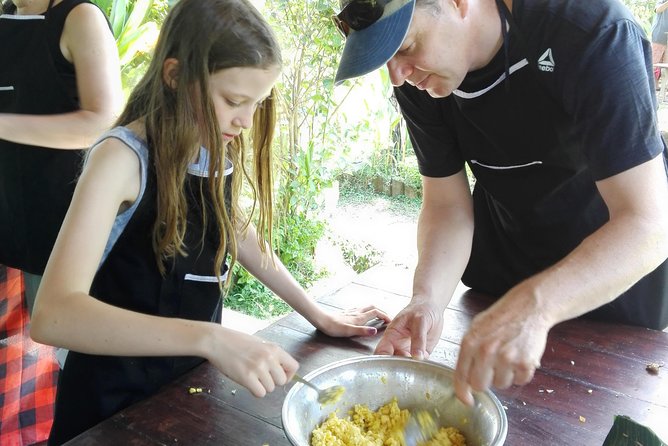
After the farm walk, you move to the cooking area at the center of the community. The class prepares six Balinese dishes, including tuna sate, corn fritters, and sate lilit. Sate lilit is especially interesting because the seasoned mixture is shaped around a skewer rather than prepared like a standard cube of grilled meat.
The menu may vary with the available ingredients, so you should think of the named dishes as examples rather than a promise of every exact plate. What is consistent is the focus on Balinese flavors, fresh farm produce, and a meal prepared as a group.
The wood-fired stove gives the lesson a traditional touch. It also changes how you cook. You are working with live heat rather than simply switching on an electric burner, so the process can feel more communal and less like a private kitchen lesson.
You can participate as much or as little as you prefer. That is helpful for mixed groups. A confident home cook can take on more chopping or shaping, while someone who mainly wants to watch can still follow the process and taste the results.
Families should find the format workable. Children aged six, nine, twelve, and thirteen were specifically able to take part according to the supplied experience details. Younger children may need close supervision around knives, hot surfaces, and the fire, but the flexible participation level gives parents room to adjust.
The class also works well for couples and friends. You are not separated into individual workstations for the entire morning. Instead, cooking becomes a shared task, with people preparing different parts of the same meal.
More Organic Farm Tours in Ubud:
- From Ubud: Authentic Bali Farm Cooking School & Organic Farm
★ 5.0 · 122 reviews - Half-Day Thai Cooking Class at Organic Farm in Chiang Mai
★ 5.0 · 19,087 reviews - Ubud: Balinese Cooking Class at an Organic Farm
★ 5.0 · 1,786 reviews - 5 tours in 1 (Eco Farm/Horseback/City Tour/Buggy/Zipline)
★ 4.5 · 1,443 reviews
Lunch in a gubuk with the group
Once the dishes are ready, you eat together in a tranquil gubuk, or hut. This shared meal is the payoff for the morning’s work, but it is also part of the cultural experience.
A group meal feels different when you have picked the ingredients and helped prepare the sauces, fritters, or sate. You recognize the herbs and vegetables on the plate. You also get a chance to compare the flavors and ask about the recipes while the steps are still fresh in your mind.
The setting is informal and communal. If you prefer a quiet private meal, this may not be your ideal cooking class. If you enjoy meeting people over food, the group format is a strong point.
One useful extra is a recipe book provided at the end, as described in the experience details. That gives you a way to repeat at least some of the dishes at home. The recipes are more valuable because you have already seen the ingredients and cooking methods in action.
The staff’s attitude is another major part of the day. Kadek is associated with the class, and one instructor named Korong is described as lively, funny, and very well informed about the food and farm. Names and staffing can change, but the teaching style is clearly intended to be warm, active, and easy to follow.
What the $40 price includes in practical terms
At $40 per person, this is a solid value if you want several activities in one half-day. You are paying for roughly five hours that combine transportation options, a farm visit, cultural context, drinks, ingredient gathering, cooking instruction, and lunch.
A cheaper cooking lesson might give you a recipe and a prepared kitchen. This experience adds the farm walk and the community connection. A farm visit without the cooking class, on the other hand, would not give you the same practical understanding of how the produce becomes a meal.
The price also makes sense for families and small groups because children can take part rather than simply wait on the sidelines. For solo visitors, the group meal helps make the experience social. For couples, it offers a more active alternative to a standard restaurant outing.
Keep your expectations realistic. This is not a luxury culinary school, a private chef session, or a fine-dining event. The appeal is the working farm, traditional cooking method, and friendly shared atmosphere. If you want technical knife training or a highly polished kitchen, choose a different type of class.
The tour is popular enough to be booked an average of 17 days in advance. I would not leave it until the last minute, especially if you need a particular date or are traveling with a family group.
Pickup, timing, and the rural meeting point
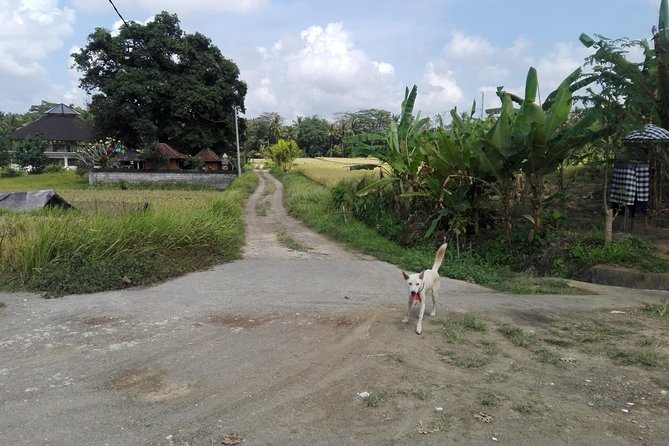
The official meeting point is Mai Organic Farm in Subak Kana, Banjar Panglan, Pejeng, in the Gianyar area outside Ubud. The activity ends at the same meeting point, but round-trip pickup is offered from central Ubud hotels and rentals.
Pickup is useful because rural Balinese addresses can be difficult to navigate, particularly if you are unfamiliar with local roads. Still, provide your exact hotel or rental details early and confirm the pickup time after booking. The description says confirmation arrives within 48 hours, subject to availability.
The experience lasts about five hours. Plan your morning and afternoon around that block rather than trying to squeeze in another major Ubud attraction immediately afterward. Cooking, eating, and the farm visit all work better when you are not watching the clock.
There is a small discrepancy in the stated group limit. The main description caps the class at eight people, while the additional information gives a maximum of ten. Either way, this is intended to be a small group, but ask the provider to confirm the number for your date if that detail matters to you.
Free cancellation is available up to 24 hours before the start time for a full refund. Changes or cancellations inside that period are not accepted for a refund. Since the activity depends on good weather, a cancellation caused by poor conditions gives you the choice of another date or a full refund.
Who will enjoy this class most
I would choose this for you if food is one of your main ways of understanding a place. It is also a strong fit if you want to meet local people, spend time outdoors, and take part in an activity rather than simply watch a performance.
Families can benefit from the flexible participation and farm setting. Couples and friends get a shared project, while solo visitors have an easy way to join a small social group. The class is also useful for repeat visitors to Bali who want something different from temples, beaches, and restaurant meals.
You may want to skip it if you dislike communal cooking, have no interest in farm visits, or need a tightly timed itinerary. The rural location, weather requirement, and wood-fired cooking method are part of the appeal, but they also mean the experience is less controlled than a conventional indoor class.
Vegetarians should confirm the menu before booking if avoiding fish or other animal products is important to you. Tuna sate is specifically included in the description, while the exact full menu is not provided. The class may be able to adjust dishes, but that should be checked in advance rather than assumed.
Should you book the Mai Organic Farm cooking class?
Yes, if you want a hands-on Ubud experience that links food, farming, and village life. The strongest reasons to book are the chance to harvest ingredients yourself, learn about subak, cook over a wood-fired stove, and sit down to a meal you helped prepare.
The class is not about polished presentation or advanced culinary technique. It is about people, produce, fire, and shared food. At $40, that is a fair trade for a five-hour activity with drinks, lunch, and pickup options.
Book ahead by roughly two weeks if possible, confirm the pickup point and group limit, and bring comfortable clothing for walking and cooking. If those details suit your plans, Mai Organic Farm offers one of the more grounded ways to spend a day near Ubud.
FAQ
How long does the Balinese cooking class last?
The experience lasts approximately five hours, including the farm visit, ingredient gathering, cooking session, drinks, and shared meal.
Where does the activity begin and end?
It begins and ends at Mai Organic Farm Bali in Subak Kana, Banjar Panglan, Pejeng, Gianyar, Bali. Pickup is offered from central Ubud hotels and rentals.
How many dishes will I cook?
You will prepare six Balinese dishes. Examples include tuna sate, corn fritters, and sate lilit.
Are drinks included?
Yes. The experience includes a welcome drink and may include fresh juice, infused water, herbal drinks, Balinese coffee, and lemongrass tea.
Is hotel pickup available?
Round-trip transfers are offered from central Ubud hotels and rentals. The exact pickup details should be confirmed after booking.
What happens if bad weather cancels the class?
If poor weather causes cancellation, you can choose a different date or receive a full refund. For other cancellations, you must cancel at least 24 hours before the start time to receive a full refund.
More Hands-On Workshops in Ubud
- Florence Pizza or Pasta Class with Gelato Making at a Tuscan Farm
★ 5.0 · 6,801 reviews - Sorrento: Pizza Lesson, Wine, and Limoncello at a Local Farm
★ 5.0 · 1,513 reviews - Florence: Pizza or Pasta Class with Gelato at a Tuscan Farm
★ 4.9 · 1,181 reviews - Sorrento Farm by Tuk Tuk: Cheese, Limoncello & Hands-On Pizza
★ 5.0 · 628 reviews
More Farm Cooking Classes in Ubud
- Cooking Class and Lunch at a Tuscan Farmhouse with Local Market Tour from Florence
★ 5.0 · 4,831 reviews - Chiang Mai: Authentic Cooking Class with Market & Farm Visit
★ 4.9 · 4,546 reviews - Chiang Mai: Cooking Class with Organic Farm at Mama Noi
★ 4.9 · 1,151 reviews - Hands-On Cooking Class & Farmhouse Tour on the Amalfi Coast
★ 5.0 · 956 reviews
Just added around Ubud
- Ubud Rice terrace,Zip-line and waterfall★ 5.0 · 4 reviews
- Full Day Tour to Water Temples UNESCO Rice Terraces in Bali★ 5.0 · 4 reviews
- Explore Ubud Art Market, Monkey Forest and Rice Terraces★ 5.0 · 16 reviews
- Exploring Munduk Village (Waterfalls, rice terrace, Traditional local house)★ 4.5 · 2 reviews
- Ubud Monkey Forest Rice Terrace Temple Waterfall Private Tour★ 5.0 · 7 reviews
- Jatiluwih Spiritual Journey of Melukat with Rice Terrace View★ 5.0 · 9 reviews
- Private Tour to Sumampan Waterfall, Monkey forest, Rice terraces and Swing★ 5.0 · 30 reviews
- Discover Hidden Waterfall, Unesco Rice Terraces and Mountain Temple★ 5.0 · 17 reviews
Organic Farm Tours, compared.
Half-Day Thai Cooking Class at Organic Farm in Chiang Mai
Read our review →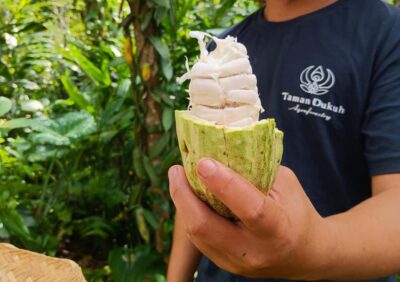

5 tours in 1 (Eco Farm/Horseback/City Tour/Buggy/Zipline)
Read our review →
Buggy Tour to Macao Beach and Water Cave with Organic Farm
Read our review →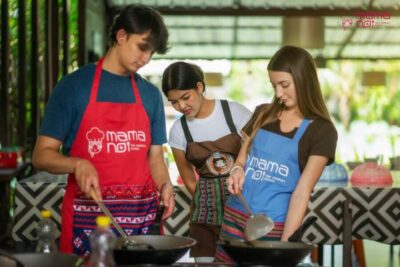
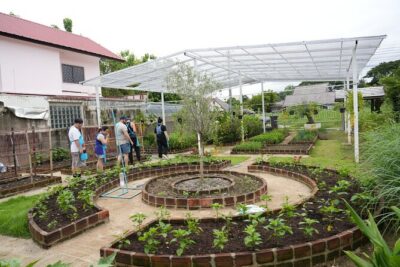
Cooking Class with Organic Farm in Chiang Mai at Mama Noi
Read our review →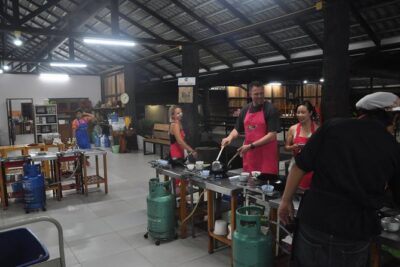
Evening Cooking Class in Organic Farm with Local Market Tour
Read our review →
ATV to Macao Beach and Water Cave with Organic Farm
Read our review →Browse the lists this tour appears in