
Review · KAMPOT
Kampot: Full-day Countryside Tour with Pepper Farm and Kep
Kampot’s best day out is not confined to town. This $26 tuk-tuk tour takes you through salt fields, a cave temple, a lake built during Khmer Rouge rule, a pepper plantation, and Kep’s crab market. It packs a lot into eight hours without turning the day into a race.
I especially like the local-history stops and the chance to taste several kinds of Kampot pepper at La Plantation. The open tuk-tuk also lets you see farms, roads, and everyday life between attractions. The main drawback is the long day in heat and sun, and the salt fields can be less impressive outside the harvest season.
Key points to know before booking
- 203 steps lead to Phnom Chhngok Cave Temple, where a 7th-century Funan-era brick shrine dedicated to Shiva sits inside the cave.
- La Plantation gets the longest stop, about two hours, with a guided pepper tour, tastings, free time, and shopping.
- Kep adds seafood and seaside time, but crab, lunch, and other food are not included in the price.
- Guides often shape the experience, with Phalla, Phealy, Voleak, Vandy, Pili, Ta, and Chhav praised for good English, patience, and local stories.
- The tuk-tuk is part of the appeal, though the open ride can feel hot or wet during Cambodia’s rainy weather.
Why this Kampot day tour works
Kampot is easy to enjoy slowly, but its most interesting sights are spread across the province. This trip gives you a practical way to connect them without arranging several separate rides. You leave Kampot by tuk-tuk, spend the day moving between food, farming, religion, and difficult Cambodian history, then return after time in Kep.
The route is especially useful if you have only a short stay in Kampot. You get a clear sense of the countryside rather than seeing only the riverside streets and cafes. The ride itself matters here. From the back of a tuk-tuk, you are exposed to the smells, sounds, and changing scenery of the road in a way you would not be from inside a car.
The guides are central to the day. Names appearing among the available guides include Phalla, Phealy, Voleak, Vandy, Pili, Ta, and Chhav. The strongest guide experiences come from people who explain the stops, answer questions, drive carefully, and adjust the pace. Some guides have also made short extra stops to explain local life and landmarks along the way.
This is not a luxury tour. It is a simple, information-led day with a driver-guide, basic refreshments, and a busy route. For $26 per person, the value is strong if you want several major sights in one outing and do not mind paying separately for lunch.
More Pepper Farm Tours in Kampot:
- Kampot: Pepper Farm Tour, Salt Field, Cave & Secret Lake
★ 4.9 · 283 reviews - Kampot: Tuk Tuk Trip to Pepper Farm, Kep, Crab Market & More
★ 4.9 · 143 reviews - Kampot Countryside include Pepper farm, Salt field & Lake
★ 4.9 · 100 reviews
Salt fields: a working industry, not just a photo stop
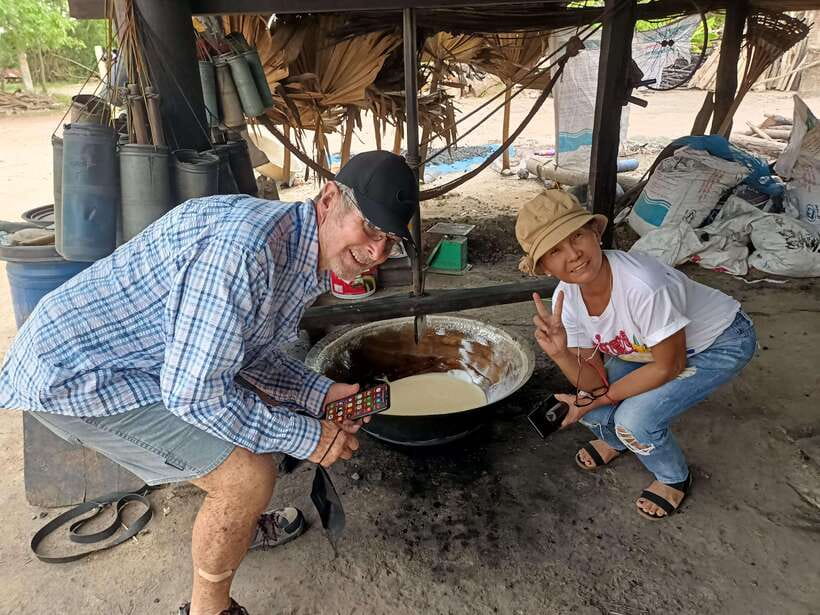
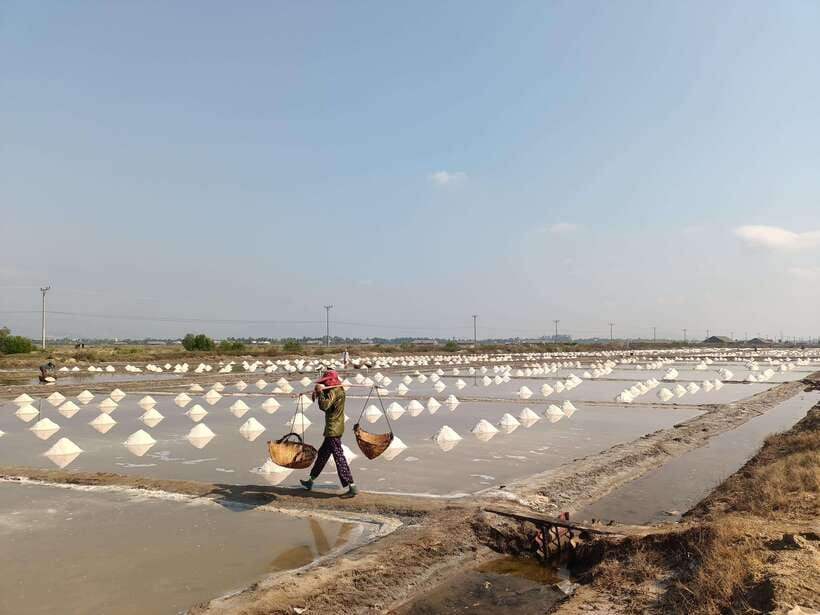
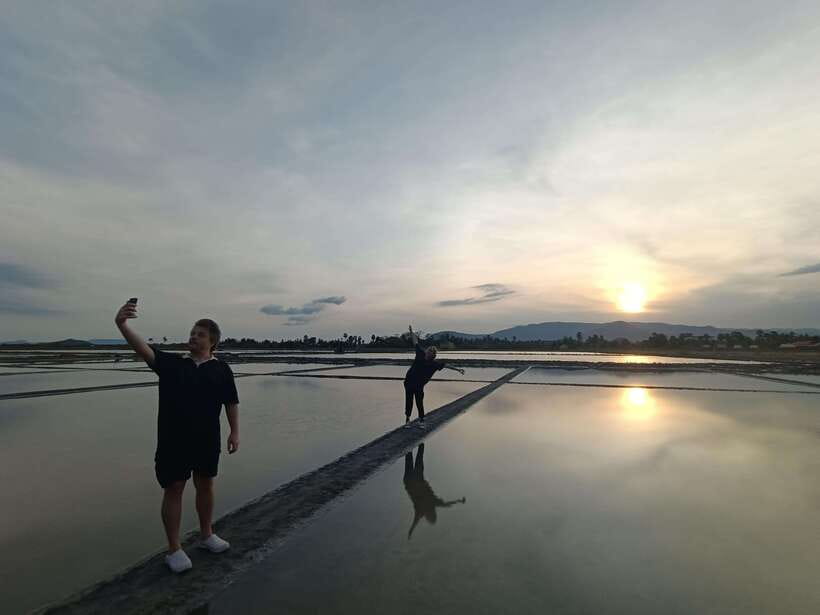
The first stop is a salt-producing facility on the outskirts of Kampot. You spend about 20 minutes learning how salt is made and why the industry matters to the area. Depending on the time of year, you may see more or less active harvesting.
That seasonal point is important. One guest found that the salt was not being harvested during the visit, so the fields did not look as expected. You should treat this stop as an explanation of local production, not a guarantee of dramatic white salt piles.
The stop still adds useful context. Kampot is known for pepper, but salt is another part of the province’s food economy. A guided visit helps you understand the work behind an everyday ingredient, and the quick stop keeps the schedule moving toward the cave temple.
Bring water, even though a bottle is included. Cambodia’s sun can be strong, and the open vehicle offers little protection while you are stopped.
Phnom Chhngok, a cave temple with real historical weight
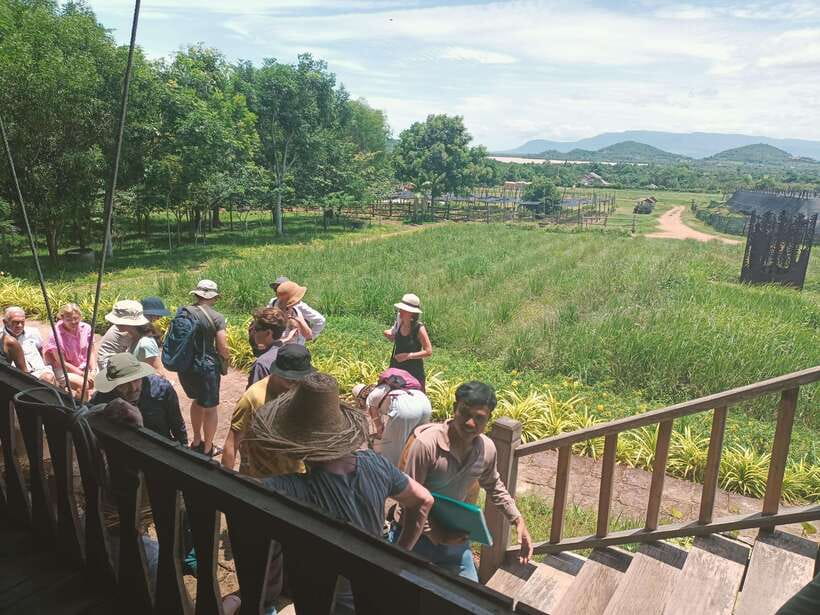
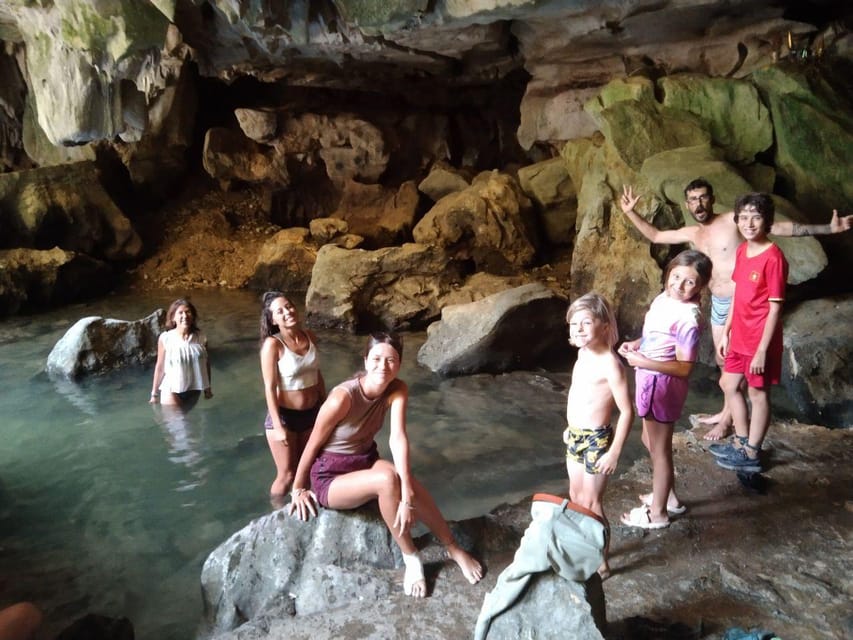
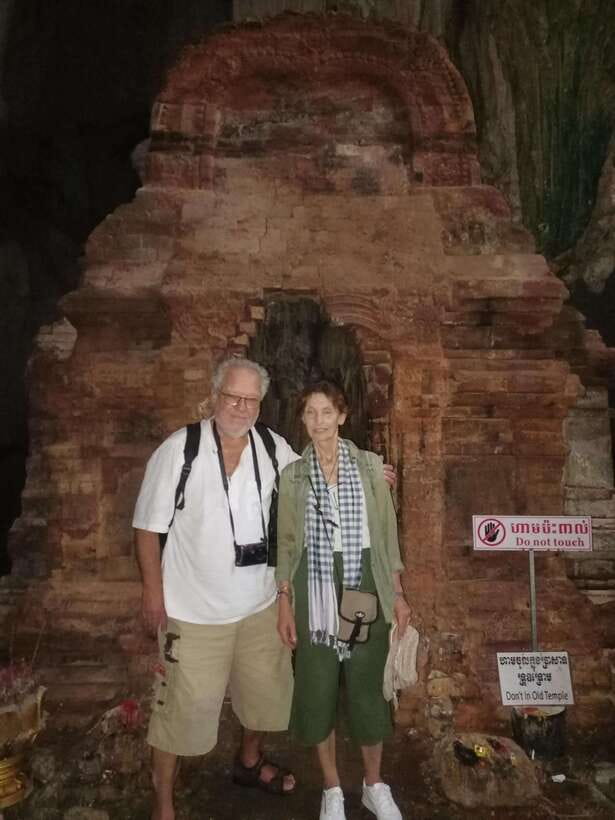
Phnom Chhngok is the most unusual cultural stop on the route. You climb 203 steps to reach the cave entrance, so wear shoes with a good grip and be ready for a short workout. The effort is rewarded with views from the entrance and a cave interior that feels far removed from the nearby roads.
Inside the main chamber is a brick temple from the 7th-century Funan era, dedicated to Shiva. That date places the shrine well before the better-known Angkor period. The setting makes the visit memorable: this is not a large temple complex spread across open ground, but an old religious structure placed inside a natural cave.
The scheduled visit lasts about 40 minutes. Guides such as Amy’s guide and Vandy have been praised for explaining the cave’s history in detail, while some visitors have spent extra time exploring farther inside. How much cave exploration is possible may depend on your guide, the conditions, and the pace of the day, so do not assume every tour includes an extended underground walk.
The steps and uneven cave surfaces are the main practical concerns. The tour is not suited to people over 95, and anyone with limited mobility should consider the climb carefully. You will also want to keep your camera secure and listen to your guide inside the cave.
Brateak Krola Lake and the difficult story behind it
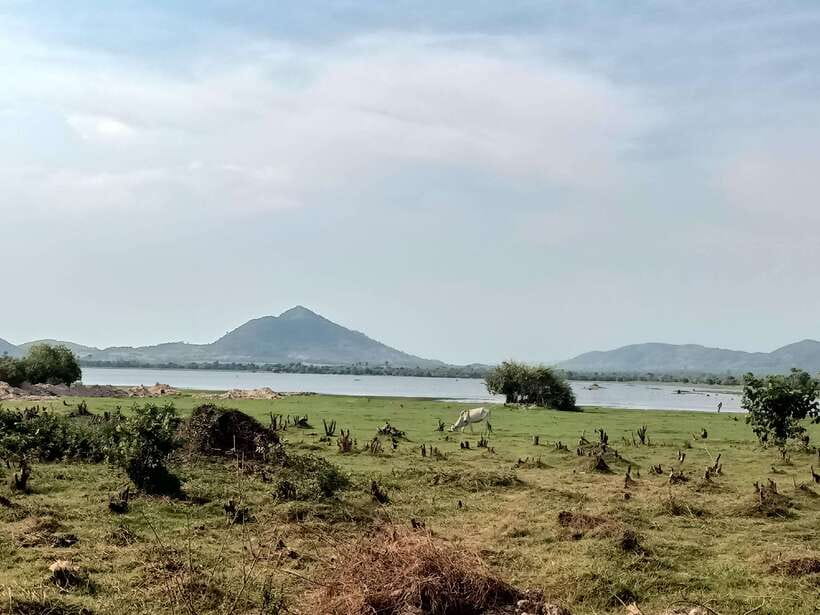
After the cave, the tuk-tuk continues to Brateak Krola Lake, also known as Secret Lake. The stop is short, around 15 minutes, with a raised platform for views and photos.
The lake is artificial and was created during Khmer Rouge rule through forced labor. Calling it simply a peaceful lake misses the point. Its calm appearance sits beside a painful story about the people who were made to build it under brutal conditions.
This is one of the places where a good English-speaking guide makes a real difference. The stop is brief, but the explanation can turn a scenic pause into a meaningful lesson about Cambodia’s recent past. You may not spend long here, yet the story is likely to stay with you longer than the photo.
Keep your expectations realistic. This is not a major attraction with a long walking route or many facilities. It is a viewpoint and a history stop, best understood through the guide’s explanation.
More Full-Day Trips in Kampot:
- Ubud: Full-Day Rice Terrace, Monkey Forest & Waterfall
★ 5.0 · 2,634 reviews - Full-Day Tour to Water Temples and UNESCO Rice Terraces in Bali
★ 5.0 · 2,539 reviews - Full Day Thai Cooking at Farm (Chiang Mai)
★ 5.0 · 1,127 reviews - Montserrat Full Day Tour with Farmhouse Lunch and Winery Visit
★ 5.0 · 1,068 reviews
La Plantation: the day’s most hands-on stop
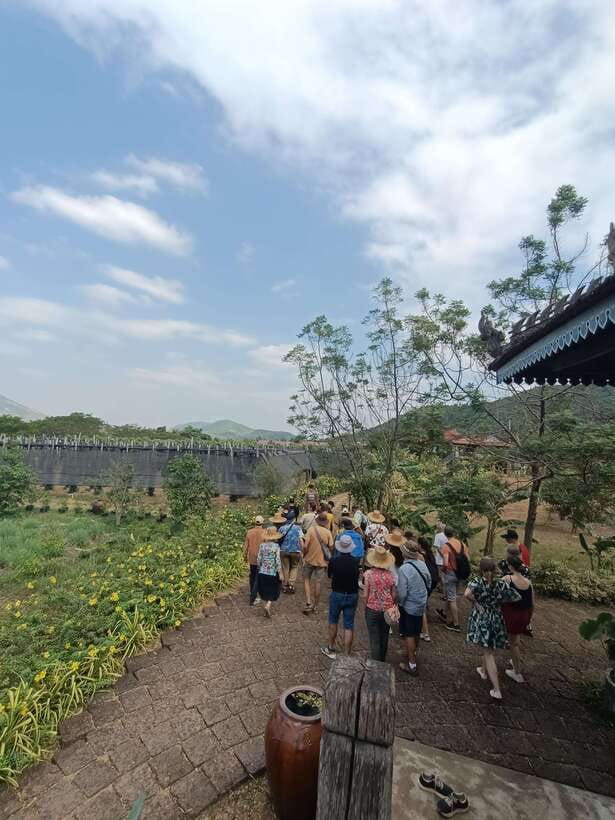
The pepper plantation is the centerpiece for many people. You have about two hours at La Plantation, enough time for a guided walk, an explanation of how peppercorns are grown and processed, tastings, shopping, and a break.
The tasting gives the visit a practical edge. Instead of hearing only that Kampot pepper is important, you get to compare the pepper produced on site and understand how different varieties taste. The visit can include unusual products such as pepper ice cream and pepper coffee, according to the experience details shared by past customers.
I like this part because it connects farming with the food you will eat later in the day. You can ask questions, walk around, and decide if you want to buy pepper or spices. The two-hour allocation is generous compared with the shorter stops, and several guides have been praised for allowing people to explore without rushing.
La Plantation also gives you a break from the road. After the climb at Phnom Chhngok and several tuk-tuk transfers, the longer pause lets the day breathe. If you are most interested in food and local agriculture, this may be the stop that makes the tour worth booking.
There is a small tradeoff. The plantation includes shopping time, so the visit may feel less purely local than a roadside farm visit. Still, the guided production explanation and tastings make it more than a souvenir stop.
The ride to Kep and the crab market
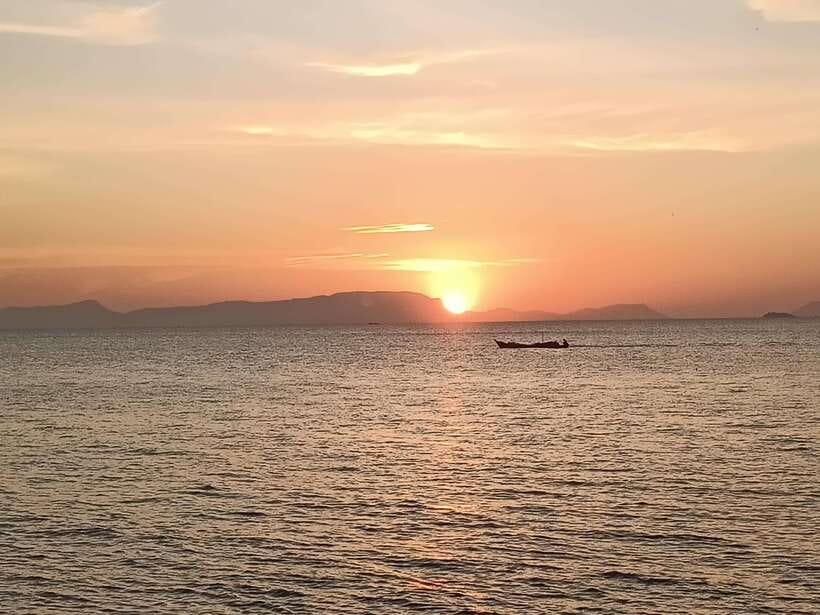
The journey from La Plantation to Kep takes about 40 minutes, followed by roughly 90 minutes in Kep. This is where the itinerary shifts from rural Kampot to a seaside town known for crab and seafood.
Food is not included, so plan to pay separately for lunch or a seafood meal. The guide can recommend a restaurant, and several people have enjoyed having fresh crab at places such as The Magic Crab. Ask about prices before ordering if you are watching your budget, since the $26 tour price does not cover the meal.
The crab market is useful even if you do not eat seafood. You get a look at Kep’s food culture and the town’s connection to the sea. If you do eat crab, this is the natural place to try it, but the tour does not promise a specific dish or restaurant.
Kep also includes time for walking, photos, and a beach stop. The beach is a chance to slow down before the ride back to Kampot. Do not expect a full resort day. You have enough time to see the town, eat, and relax briefly, not enough time for a long beach stay.
The abandoned French-era building adds another layer to the stop. It is an atmospheric reminder of the area’s colonial past, though the information provided does not specify its exact history or condition. Your guide can explain what you are seeing, but keep this part flexible rather than expecting a preserved museum.
One person found Kep less impressive than expected, and that is a fair warning. The town is worth seeing for its crab market, beach, and historical atmosphere, but it may not become your favorite stop if you are mainly interested in temples or countryside.
A full day by tuk-tuk: comfort, weather, and pace
The total duration is about eight hours. The listed travel legs add up to more than two hours on the road, before counting stops, meals, and small delays. That makes the tuk-tuk ride a major part of the experience, not simply transport between attractions.
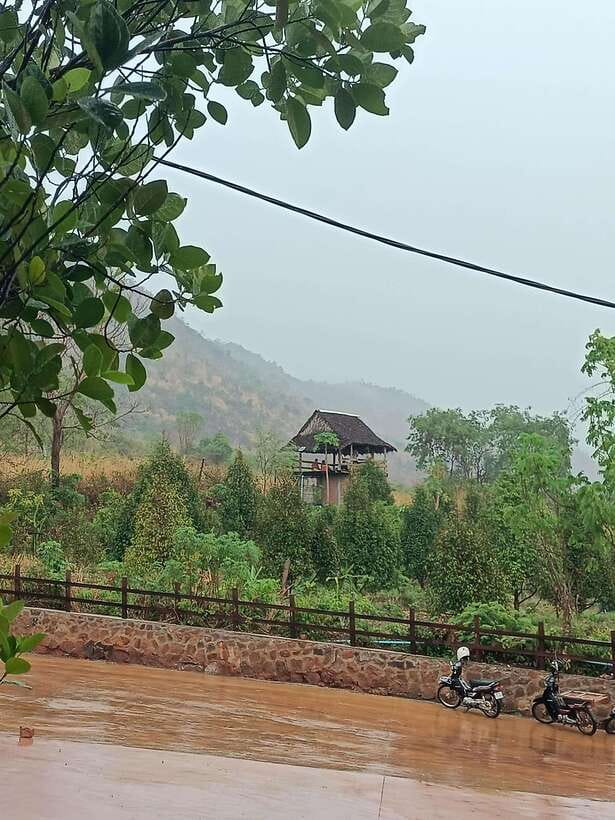
The open vehicle gives you better views and a more direct feel for rural Cambodia. It also exposes you to heat, dust, wind, and rain. Several people had good days despite heavy rain, but poor weather can still make the long ride less comfortable.
The day is described as relaxed and flexible. Guides have allowed extra time at particular stops and made brief unscheduled pauses to explain local life. That flexibility is valuable, especially if you want to linger at the cave or plantation. It can also mean the return time shifts slightly, so avoid booking a tight evening connection afterward.
A fresh coconut and bottled water are included. Food is not. Bring cash for lunch, crab, drinks, and any pepper or spice purchases. Pickup normally begins opposite Epic Art Cafe, with hotel or restaurant pickup available in Kampot town. A surcharge applies if your pickup is more than three kilometers from the meeting point.
Who will get the most from this tour
I would choose this tour if you want a broad introduction to Kampot Province in one day. It suits first-time visitors, couples, solo travelers, and small groups who prefer a personal guide over a large bus.
It is particularly good for you if:
- You want local food production explained, not just photographed.
- You enjoy history, including difficult modern history.
- You want to try Kampot pepper and possibly buy some to take home.
- You want to combine Kampot countryside with Kep.
- You are comfortable with an open tuk-tuk and a full day outside.
- You appreciate guides who answer questions and adjust the pace.
I would think twice if you dislike long rides, hot weather, stairs, or flexible timing. The cave requires 203 steps, the road time is substantial, and Kep may feel like a short introduction rather than a complete coastal visit.
The experience is conducted in English. Its quality depends partly on the guide assigned to you, but the available guide team has repeatedly been praised for friendly manner, good explanations, patience, and careful driving. Names such as Phalla, Phealy, Voleak, Vandy, and Chhav appear often in the strongest accounts of the day.
Is $26 good value?
Yes, provided you see the tour as a full province sampler rather than a specialist visit. The fee includes the guide, tuk-tuk transport, entrance fee, fresh coconut, bottled water, and pepper tour with tastings. You still pay for food, drinks beyond the included water and coconut, and shopping.
Arranging separate transport to the salt facility, cave, lake, pepper plantation, and Kep would take time and require negotiating several rides. The tour bundles those movements and adds an English-speaking guide who can connect the sites.
The best value comes from the variety. You get agriculture, religion, Cambodian history, food, a seaside town, and a beach pause in one day. If you only want a slow pepper-farm visit, the schedule may feel too broad. If you want to understand how the pieces around Kampot fit together, $26 is a sensible spend.
You can cancel up to 24 hours before departure for a full refund, and the reserve-now, pay-later option keeps your plans flexible. Check the start time when booking, since availability determines the exact departure.
Should you book the Kampot countryside and Kep tour?
Book it if you want the most efficient first look at the area and are happy to spend eight hours in a tuk-tuk. The strongest parts are Phnom Chhngok’s cave temple, the serious history at Brateak Krola Lake, and the two-hour pepper experience at La Plantation.
Treat the salt fields as seasonal and Kep as a compact coastal stop, not as guaranteed highlights for every taste. Bring cash, sun protection, comfortable shoes, and room for a seafood bill or a bag of pepper.
For a relaxed, varied day with a guide who can explain what you are seeing, this is one of the better-value ways to get beyond Kampot town.
FAQ
How long does the Kampot countryside tour last?
The tour lasts about eight hours, including the return to Kampot.
What is the price per person?
The price is $26 per person.
Is transportation included?
Yes. The experience uses a tuk-tuk, with pickup normally at the meeting point opposite Epic Art Cafe. Hotel or restaurant pickup in Kampot town is also available.
Can I be picked up outside Kampot town?
Pickup farther than three kilometers from the meeting point may involve an extra charge.
What language does the guide speak?
The live tour guide speaks English.
Is lunch included?
No. Food is not included. Lunch, crab, seafood, and other meals in Kep are paid for separately.
Is the pepper tasting included?
Yes. The guided pepper tour and tasting at La Plantation are included.
Are entrance fees included?
Yes, the entrance fee is included.
How many steps are there to Phnom Chhngok Cave Temple?
There are 203 steps to the cave entrance.
What should I bring?
Bring cash for food, drinks, shopping, and other personal expenses.
Can I cancel for a refund?
Yes. You can cancel up to 24 hours in advance for a full refund.
Just added around Kampot
- Pepper farm guided tour, Kep/Crab Market, salt & secret lake★ 4.9 · 16 reviews
- La Plantation Enjoy Pepper Tour & Testing our process 4 free★ 4.8 · 5 reviews
- Kep town: Local tuk tuk to Countryside & Pepper farm★ 4.6 · 8 reviews
- Kampot Private Tour: Pepper Farm, Salt Field & Secret Lake★ 5.0 · 27 reviews
- Kampot Pepper farm & Kayak trip around Green cathedral Sunse★ 5.0 · 2 reviews
- Kampot Pepper Farm, Salt Fields, Crab Market from Phnom Penh★ 4.8 · 21 reviews
- Kampot Countryside include Pepper farm,Kep crab market beach★ 5.0 · 4 reviews
- Discover half day country side tours ;cave;salt; pepper farm★ 5.0 · 2 reviews
Kampot Farm Tours, compared.
Pepper Farm Tour, Salt Field, Cave & Secret Lake
Read our review →
Tuk Tuk Trip to Pepper Farm, Kep, Crab Market & More
Read our review →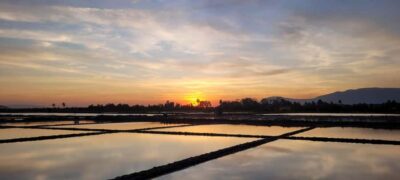
Kampot Countryside include Pepper farm, Salt field & Lake
Read our review →
Kampot’s Countryside & Kayak Tour, Pepper Farm include Lunch
Read our review →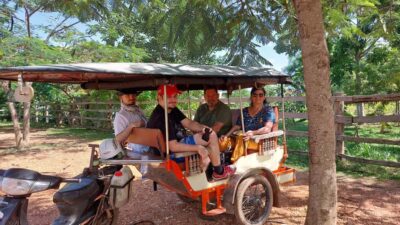
Kampot Private Tour: Pepper Farm, Salt Field & Secret Lake
Read our review →
Kampot Pepper Farm, Salt Fields, Crab Market from Phnom Penh
Read our review →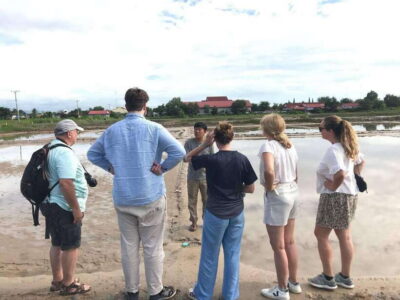
Kampot Pepper Farm Tour: Salt Fields, La Plantation & Cave
Read our review →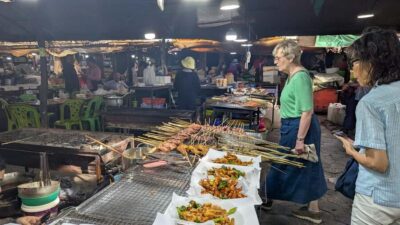
Pepper farm guided tour, Kep/Crab Market, salt & secret lake
Read our review →Browse the lists this tour appears in