
Review · COFFEE
Ruta de Las Flores Adventure, Relax at Hotsprings + 1930’s farm Coffee Tour
El Salvador’s Ruta de las Flores is at its best when you leave San Salvador behind and slow down in the small western towns. This day trip combines local markets, colonial streets, coffee production, and volcanic hot springs, giving you a broad look at the country without arranging several separate excursions.
I like the honest mix of culture and downtime, especially the 1930s coffee estate and the final soak at Termales de Santa Teresa. I also like the small-group setup, with a maximum of 10 people and guides such as Herbert, Osmaro, Francisco, and Antonio who are praised for history lessons, flexible stops, and patient help. The drawback is pace: you cover a lot in one day, and some visitors want more time in Ataco instead of an hour at the hot springs.
Key points to know before booking
- Nahuizálco offers local life rather than a polished attraction: Visit the market, try tropical fruit, and look for wicker and tule crafts.
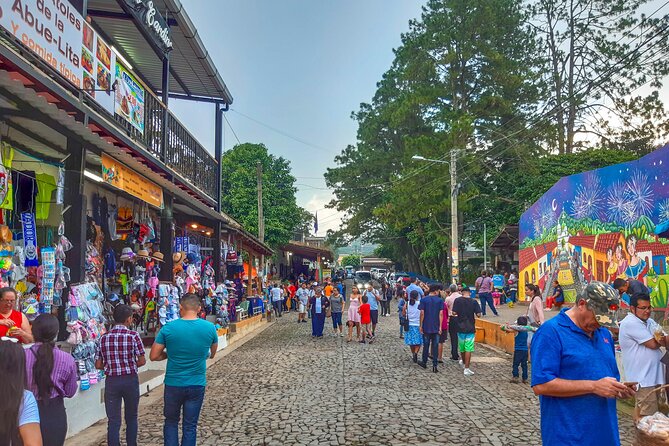
- Ataco is the prettiest and most atmospheric town on the route: Cobblestones, murals, cafés, churches, and coffee culture make it worth savoring.
- The coffee visit goes beyond a tasting: You see how freshly picked coffee moves through a plant that has operated since 1930.
- The hot springs are a relaxing finale: Pools at different temperatures come from volcanic activity, but bring a swimsuit and your own towel.
- The guides make a major difference: Herbert and Osmaro are praised for friendly teaching, while Francisco received special mention for helping visitors with bad knees.
- The $115.85 price is reasonable for a full private-style day: Transportation, guide, coffee admission, and hot springs are included, but lunch and drinks are not.
What this San Salvador day trip is really like
This is an ambitious day out, not a slow village stroll. From San Salvador, you travel west into the coffee-growing highlands, stopping in small towns before ending at a hot spring resort.
The advertised duration is about eight hours. Actual days can run longer. One outing began around 8:30 a.m. and returned around 6 p.m., while another reached the hotel closer to 8 p.m. Traffic, road conditions, meal stops, and the size of your group all affect the schedule.
That extra time is not necessarily a problem. The route covers a lot of ground, and guides may stop for bathrooms, water, snacks, or photos. Still, plan on a full day rather than a tightly measured eight hours.
Pickup and drop-off are available only in San Salvador. Transportation, taxes, guide service, and admission to the coffee plant and hot springs are included. Food, drinks, lunch, and bottled water are not, so carry some cash and water. The tour accepts a maximum of 10 people, which is small enough for questions and conversation without the feel of a large coach group.
More Coffee Farm Tours in the world:
- La Herradura Coffee Farm: tour in Europe’s only plantation
★ 4.8 · 430 reviews - Big Island: Volcanoes, Waterfalls, & Coffee Farm Day-Trip
★ 4.9 · 414 reviews - Small-Group Big Island Tour: Hawaii Volcanoes National Park and Kona Coffee Farm
★ 5.0 · 343 reviews
Nahuizálco: market stalls, fruit, and traditional crafts
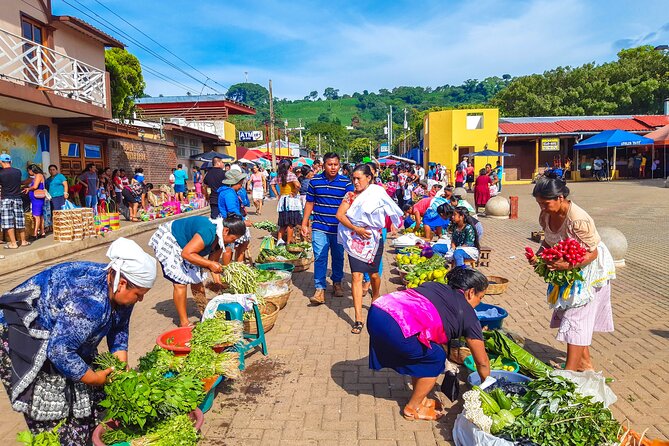
Nahuizálco is the first stop, with about 45 minutes to look around. The town’s name comes from Nahuatl and means the four Izalcos. That language connection points to the town’s Indigenous heritage, which the guide can help place in the wider story of El Salvador.
The municipal market is the main reason to stop here. It is a working market where local people sell fresh produce, not a display built only for visitors. You may have a chance to taste tropical fruit, and the market gives you a quick view of ordinary daily trade.
Nahuizálco is also known for wicker and tule handicrafts. These materials become baskets, chairs, mats, and other useful objects. If you want a souvenir with a clear link to local craft, this is a better place to look than a generic gift shop.
Forty-five minutes goes quickly. You can see the market and get a sense of the town, but you will not have time for a long, unhurried shopping session. If a particular craft catches your eye, ask your guide how much time remains before wandering farther.
The town also carries painful historical and cultural memories tied to the loss of Indigenous identity and heritage. The guide’s explanation adds meaning that you would miss by simply photographing the market. This is one reason the guide matters so much on this route.
Ataco: the town that deserves extra time
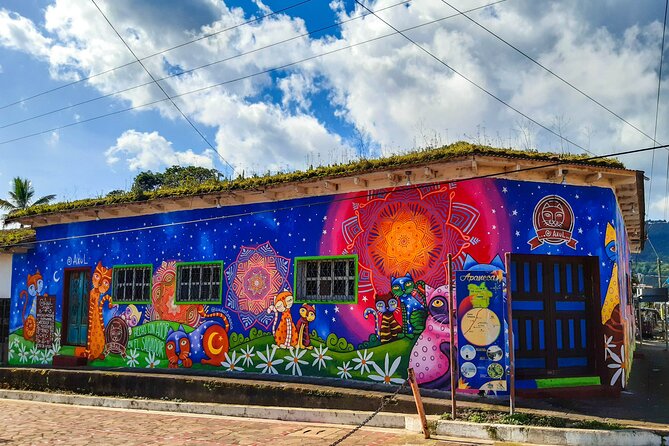
Concepción de Ataco is likely to be the favorite stop for many people. Its calm cobblestone streets, painted murals, and colorful buildings make it easy to explore on foot. The town has a slower feel than San Salvador, and you can spend your short visit looking at street art, churches, shops, and town squares.
Ataco is also tied closely to El Salvador’s coffee industry. The highland setting supports coffee growing, and the town is presented as a producer of high-quality coffee. That connection makes the later estate visit feel like part of the same story rather than a separate attraction.
The scheduled stop is about 45 minutes, which is enough for a walk and photos but not enough for a leisurely café break, shopping, and sightseeing. This is the clearest weakness in the schedule. Several people wished for more free time in Ataco, and one preferred using the hot spring time for the town instead.
If Ataco is your main reason for booking, tell the guide early. Guides such as Herbert and Osmaro are frequently praised for adjusting the day when possible, taking photos, and helping people find good viewpoints. Flexibility depends on traffic and the rest of the group, but a clear request gives the guide a chance to help.
El Carmen Estate and the coffee process
The visit to El Carmen Estate is the most distinctive part of the tour. This is not simply a stop for a cup of coffee. You visit a processing plant that has operated since 1930 and follow the crop from delivery to preparation.
The tour explains what happens after trucks bring in freshly cut coffee. You see how the beans are processed and dried before the final product reaches a cup. One hands-on detail mentioned by visitors is helping move coffee during the drying stage. A tasting is included, so you can connect the machinery and labor with the drink in front of you.
Allow about an hour here. That is long enough for a clear explanation of the stages without turning the visit into a technical seminar. The value lies in seeing the work behind a familiar beverage. Coffee on a breakfast table can feel simple; this visit shows the chain of workers, equipment, time, and care involved before it gets there.
The estate also gives you a better reason to pay attention to the region’s farms. Ataco’s cafés and coffee shops are not random additions to the route. They are tied to the crop grown in the surrounding highlands and to the local economy.
If you already plan to visit coffee farms elsewhere in El Salvador, some of this may overlap. For a first visit, though, the combination of history, machinery, workers, drying, and tasting gives the tour real substance.
A few more farm days around the world worth a look
- Half-Day Thai Cooking Class at Organic Farm in Chiang Mai
★ 5.0 · 19,087 reviews - Ubud: Monkey Forest, Jungle Swing, Rice Terrace, and Water Temple
★ 5.0 · 7,160 reviews - Florence Pizza or Pasta Class with Gelato Making at a Tuscan Farm
★ 5.0 · 6,801 reviews - From Porto: 2 Wine Regions, Farm-to-Table Lunch & Boat
★ 4.9 · 5,724 reviews
Termales de Santa Teresa: a hot-water finish
After the towns and coffee plant, the tour heads to Termales de Santa Teresa, a small mountain resort with pools at different temperatures. The water comes from volcanic activity, and the hour here is designed for rest rather than sightseeing.
This is a smart ending to a busy day. You have been sitting in a vehicle, walking cobblestones, standing at the market, and touring the coffee plant. A warm soak gives your body a chance to slow down before the drive back to San Salvador.
Bring a swimsuit. Bring a towel too, since one visitor specifically advised carrying your own. The tour includes admission, but it does not include food or drinks. Some outings include lunch at or near the hot springs, while others have visitors wishing they had eaten in Ataco or another town instead.
The hot springs are not for everyone. One person found the facility dirty and felt the time would have been better spent in Ataco. That criticism is worth taking seriously. You should not book this experience assuming a luxury spa. It is a simple hot-water stop, and standards for changing areas, restrooms, and general upkeep may not match what you expect from a polished resort.
You may also question hot water in El Salvador’s warm climate. For many people, the volcanic pools are the point: the pleasant contrast between a warm soak and a long day outdoors. For others, the town visits are more appealing. Your preference should guide your booking decision.
The guides are a major part of the value
The best feature of this tour is not a single viewpoint or pool. It is the guide who turns a sequence of stops into a connected day.
Herbert is praised for driving safely, explaining history and culture, and making the information interactive. He is known for asking questions about Spanish, Nawat, and Salvadoran history, which can make a long drive more lively. He also received credit for stopping when people needed food or a bathroom.
Osmaro is described as friendly, patient, and generous with information. He has helped solo visitors with photos, made extra stops for snacks, and answered questions about local life. Antonio was also praised for timely pickup and for adjusting stops along the road.
Francisco received special recognition for helping older family members on stairs. That matters if you are traveling with someone who has bad knees or needs a slower pace. The tour is described as suitable for most people, but the towns include cobblestones and stairs, so comfortable shoes are important.
Other guides named in the feedback include David, Rafa, and Smart. The exact guide is not guaranteed, but the pattern is clear: the human service is a central part of what you are paying for. Ask questions, say when you need a break, and be direct about whether you value shopping, photos, coffee, or the springs most.
Is $115.85 a fair price?
At $115.85 per person, this is not the cheapest way to see western El Salvador. It can still be good value because the price covers hotel pickup and return in San Salvador, a professional guide, transport, taxes, coffee estate admission, and hot spring admission.
The small group also matters. A maximum of 10 people gives you a better chance to hear the guide, ask for a short stop, or get help with photos than you would on a large bus tour. The long driving distance from San Salvador is another part of the cost.
You need to budget extra for lunch, snacks, drinks, and bottled water. The itinerary does not promise a particular restaurant, and the food plan can vary. If eating in Ataco is important, say so before the day’s timing is locked in.
I consider the price fair for a first-time visitor who wants transport and a guide rather than the work of arranging each stop. It feels less attractive if you mainly want a slow morning in Ataco or a high-end spa experience. In that case, a more focused trip may suit you better.
Who will enjoy this tour most?
Book this trip if you want to see several sides of El Salvador in one day: Indigenous culture, local markets, colonial towns, coffee production, and volcanic hot springs. It works especially well for a first visit, a short stay in San Salvador, or anyone who does not want to rent a car.
Families can benefit from the guide’s flexibility and the mix of activities. The route gives children changing scenery, markets, crafts, coffee machinery, and pools rather than one long museum visit. Parents should still expect a long day and carry water and snacks.
Solo visitors can also do well here. The small group creates company, and guides have helped solo guests with photos and made the day feel personal. Couples who like a blend of culture and relaxation will find the structure easy to enjoy.
This is less ideal if you dislike long drives, want extended time in one town, or expect a spotless luxury spa. It is also not the best match for someone who wants a serious coffee course. The estate tour is informative and practical, but the visit lasts about an hour.
Wear comfortable shoes, light clothing, and sunscreen. Pack a sweater or light jacket for changing temperatures in the highlands, plus a swimsuit and towel for the springs.
Should you book the Ruta de las Flores day trip?
I would book it if you have one free day from San Salvador and want a wide sample of western El Salvador without handling the transport yourself. The coffee estate is the strongest distinctive feature, and the hot springs give the day a clear finish.
The main decision is how you rank Ataco against the springs. If you would happily trade pool time for more cobblestone streets, murals, shopping, and coffee, tell the guide at the start. If you like an active morning followed by an hour of warm water, the existing plan makes sense.
Choose this tour for range, friendly guiding, and convenience. Skip it if you want a slow, deeply focused visit to one town or a polished spa day. With free cancellation up to 24 hours before departure, you have some flexibility, but poor weather or too few bookings can lead to a rescheduled outing or refund.
FAQ
How long does the Ruta de las Flores tour last?
The advertised duration is about eight hours, but the day can run longer. Pickup around 8:30 a.m. and return between 6 p.m. and 8 p.m. are possible, depending on traffic, stops, and the day’s pace.
Does the tour include hotel pickup?
Yes. Hotel pickup and drop-off are available in San Salvador only.
Is lunch included?
No. Lunch, food, drinks, and bottled water are not included in the listed price. Bring water and plan to pay separately for meals and snacks.
What should I bring to the hot springs?
Bring a swimsuit and your own towel. Comfortable shoes, light clothing, sunscreen, and a sweater or jacket are also recommended.
How many people can join the tour?
The group is limited to a maximum of 10 people.
What happens if the tour is canceled?
If you cancel at least 24 hours before the start time, you can receive a full refund. Poor weather or failure to meet the minimum number of bookings may lead to a different date, another experience, or a full refund.
Just added around the world
- Ubud Rice terrace,Zip-line and waterfall★ 5.0 · 4 reviews
- Full Day Tour to Water Temples UNESCO Rice Terraces in Bali★ 5.0 · 4 reviews
- Explore Ubud Art Market, Monkey Forest and Rice Terraces★ 5.0 · 16 reviews
- Exploring Munduk Village (Waterfalls, rice terrace, Traditional local house)★ 4.5 · 2 reviews
- Ubud Monkey Forest Rice Terrace Temple Waterfall Private Tour★ 5.0 · 7 reviews
- Private Tour to Sumampan Waterfall, Monkey forest, Rice terraces and Swing★ 5.0 · 30 reviews
- Discover Hidden Waterfall, Unesco Rice Terraces and Mountain Temple★ 5.0 · 17 reviews
- Jatiluwih Spiritual Journey of Melukat with Rice Terrace View★ 5.0 · 9 reviews
Coffee Farm Tours, compared.
La Herradura Coffee Farm: tour in Europe’s only plantation
Read our review →

Small-Group Big Island Tour: Hawaii Volcanoes National Park and Kona Coffee Farm
Read our review →
Medellín Coffee Farm Tour with Trolley and Cable Car Ride
Read our review →
Salento: Private Cocora Valley, Salento & Coffee Farm Tour
Read our review →
Liamuiga Natural Farm Tour – St.Kitts’ Coffee Farm
Read our review →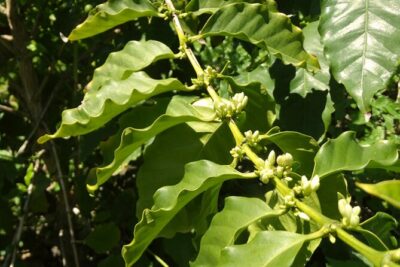
Browse the lists this tour appears in