
Review · THAILAND
Chiang Rai: 7 Major Sites, Golden Triangle & Tea Plantation
Chiang Rai’s best sights make an unlikely but memorable set: a snow-white modern temple, a blue-painted Buddhist hall, a strange black art museum, a tea plantation and the historic Golden Triangle. This full-day route packs the province’s major stops into one long loop from Chiang Rai.
I like the small-group format, limited to 10 people, and the guides, including Guitar, Ping, Muew and Meo, receive especially strong praise for clear English, local stories and thoughtful help. I also like that the tour includes lunch, drinking water, an air-conditioned minibus and pickup within 6 kilometers of central Chiang Rai.
The trade-off is time. Seven places in one day means you see a lot but cannot linger everywhere, and one visitor wished for longer at the White Temple. Check carefully whether you are booking the ticket-included or ticket-excluded option, since the price and convenience depend on that choice.
Key points to know before booking
- Three very different art sites: White Temple, Blue Temple and Black House each offer a distinct take on Thai art and Buddhism.
- A full northern Thailand day: The route reaches the Golden Triangle, Chui Fong Tea Plantation and the Opium Museum beyond central Chiang Rai.
- Optional Karen village stop: You can include the Karen hilltribe village, giving the day a cultural stop beyond temples and museums.
- Guides make the difference: Guitar, Ping, Muew, Meo and other guides are praised for history, legends, food tips and personal attention.
- Lunch and transport are covered: You get a Thai buffet, air-conditioned minibus, water, driver and pickup in the central Chiang Rai area.
- Ticket choice matters: One option includes entrance tickets, while another excludes them. Confirm the exact option before paying.
Why this Chiang Rai day works
I would choose this tour if I wanted a first look at Chiang Rai without arranging several separate rides. The sights are spread across the province, so an air-conditioned minibus and a dedicated driver save you the trouble of negotiating transport from one stop to the next.
The route also gives you more than temples. You move from modern religious art to a private museum, then out toward the Mekong region, tea-growing country and the history of the opium trade. That variety keeps the day from becoming a temple checklist.
The tour is described as a small group of no more than 10 people, with a private English-speaking guide and driver. That setup matters. You can ask about Thai culture, Chiang Rai, food and local customs without trying to catch a guide’s attention in a large crowd.
Recent guides named by participants include Guitar, Ping, Ping Ping, Muew, Meo, Yok and Phing. Their strengths appear to be friendly explanation, practical help and a relaxed manner. Guitar is praised for remembering names and keeping people involved, while Ping helped with food and massage suggestions and paid close attention to a guest’s dietary needs.
The day begins with pickup during the 8:00 to 8:30 a.m. period and returns to Chiang Rai in the evening. The exact pickup time depends on your hotel, so give the provider the full hotel name. Chiang Rai’s roads and addresses are not always easy to identify, and the operator specifically asks for this information.
More Tea Plantation Tours in Thailand:
- Best Places in Chiang Rai White, Blue, Big Buddha, Tea Plantation
★ 4.0 · 70 reviews - Chiang Mai Private Tour with Tea Plantation, Karen Village, Doi Suthep
★ 5.0 · 36 reviews - From Chiang Rai: 3 Temples, Golden Triangle Tour, Tea Plantation
★ 5.0 · 12 reviews
White Temple, where religion meets modern art
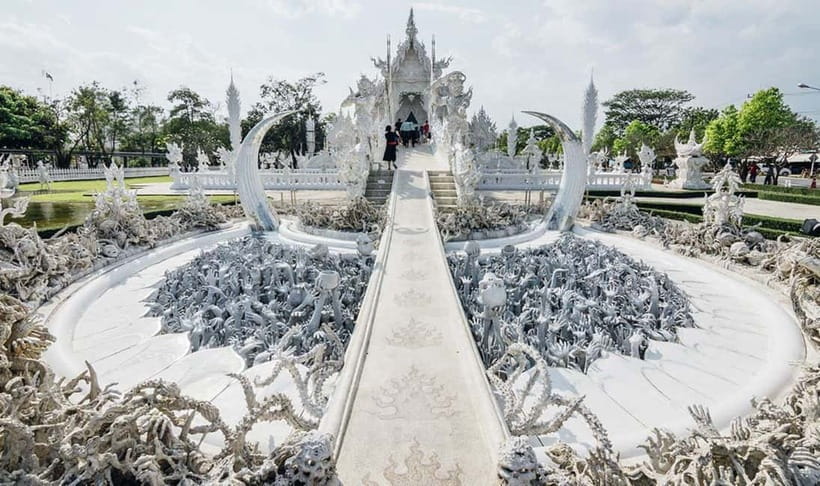
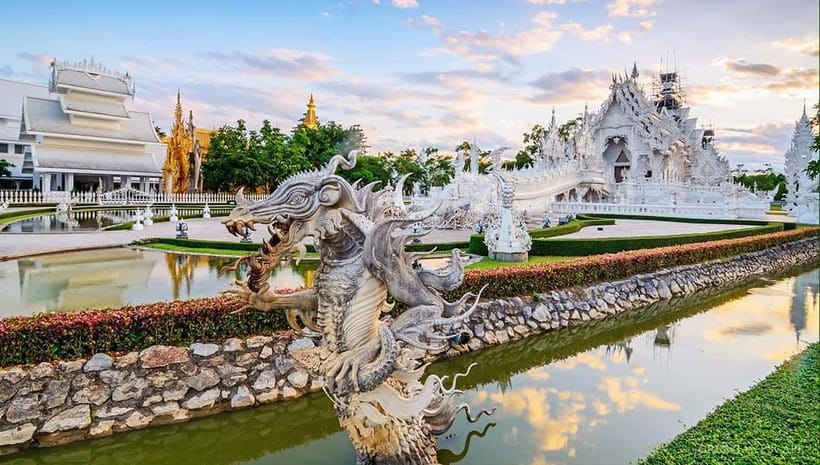
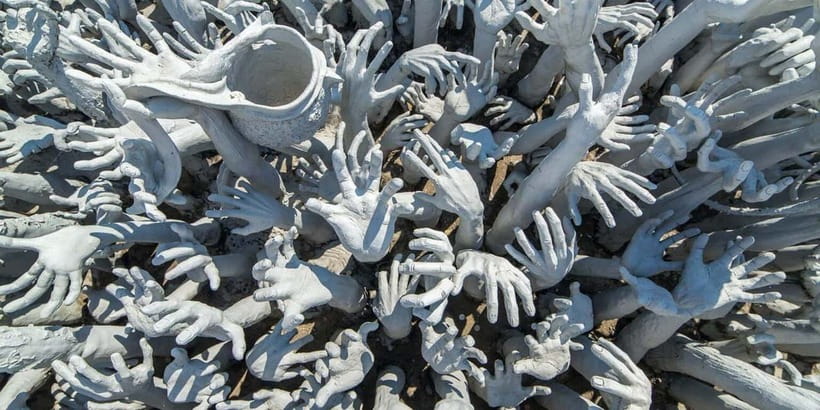
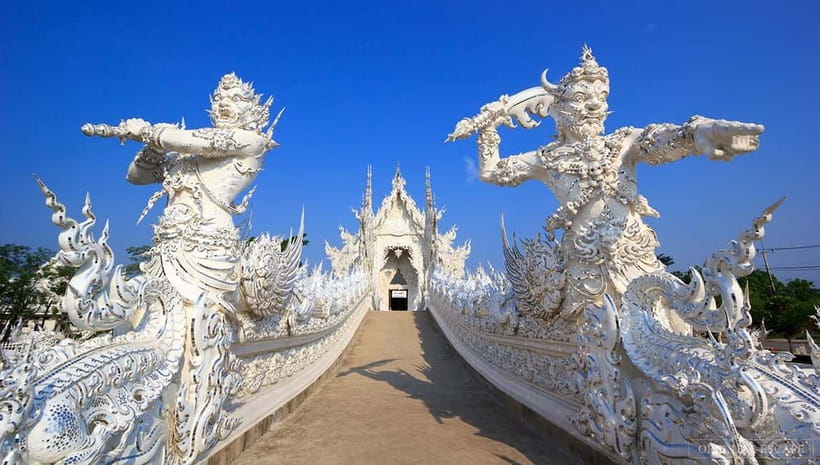
Wat Rong Khun, usually called the White Temple, is likely to be the visual high point of the day. It is not an old temple. It is a modern project created by a major Thai artist who wanted Chiang Rai to have its own Taj Mahal.
The all-white design gives the complex an almost unreal appearance. Fine details and reflective surfaces create a place that feels more like a piece of large-scale art than a traditional historic monument. That is exactly the point: the temple asks you to look at Buddhist ideas through a modern artist’s imagination.
Your guide can help explain the symbolism rather than leaving you with photographs alone. Take time to look closely at the unusual decorative details, but remember that this is a popular stop. The schedule must keep moving so the group can reach the distant sights later in the day.
This is the one place where I would most like a little extra time. One participant specifically wished for a longer visit here, and that makes sense. If the White Temple is your main reason for booking, ask your guide at the start how much time is planned and use your visit carefully.
The supplied information lists a White Temple ticket of 200 baht per person. It also offers two ticket choices: one with standard entrance tickets included and another with tickets excluded. Confirm which option you have selected because the phrase about included tickets and the separate White Temple charge can be confusing.
Blue Temple, a sharper and more playful mood
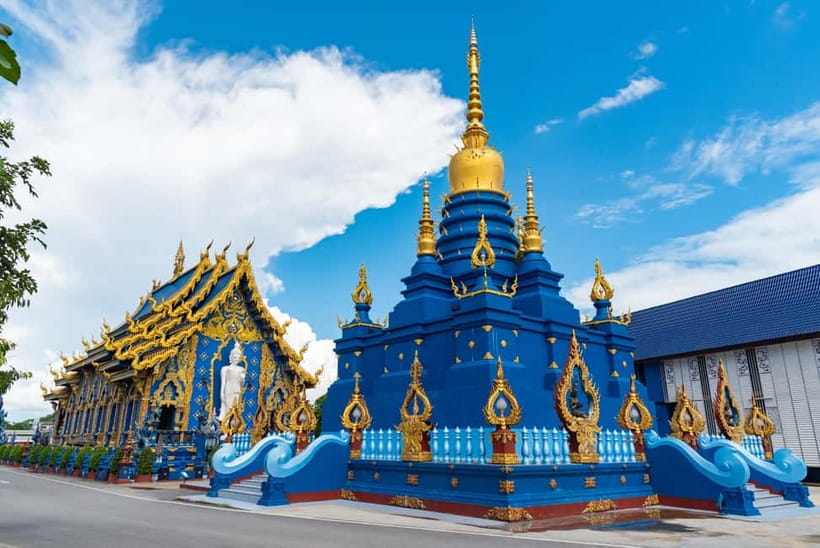
The Blue Temple provides a strong contrast to the White Temple. Its saturated blue color, ornate details and Buddhist imagery create a more dramatic setting. The site connects modern design with Buddhist tradition, but its mood is different from the White Temple’s bright, almost dreamlike appearance.
I like having both temples in the same day because the comparison helps you understand Chiang Rai’s modern art scene. The first site emphasizes white, reflection and imagination. The second uses color and form to create a more powerful visual effect.
Your guide’s explanation is useful here. The tour’s best guides do not simply point out buildings. They explain stories, legends and cultural ideas, then leave you time to look around. That balance is important at a place where photographs can easily distract you from the details.
Expect another active stop rather than a quiet museum visit. Wear sensible shoes, bring sun protection and keep water with you. The tour supplies drinking water, but a hat and sunscreen are specifically recommended.
Black House, the day’s strangest stop
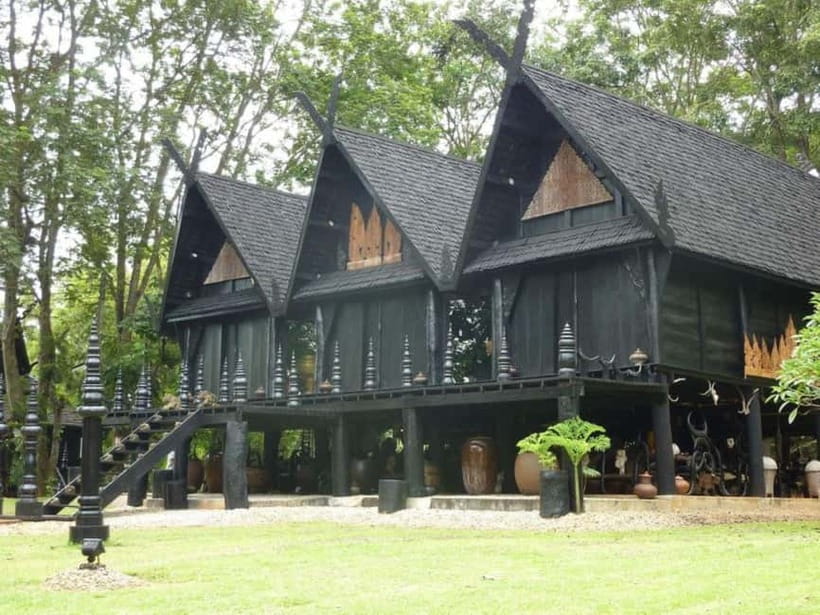
The Black House, also called Baan Dam, is not really a temple. It is a museum and art complex connected with a very different artistic vision. Dark buildings, unusual objects and a more unsettling tone make it unlike the White and Blue temples.
This stop will not suit everyone, and that is worth saying plainly. If you prefer conventional temples, you may find the Black House puzzling. If you enjoy art, history and stories, it gives the day a welcome jolt.
I would listen closely to the guide here. Without context, the objects can seem random or simply strange. With an explanation of the artist’s approach and the meaning behind the displays, the visit becomes easier to appreciate.
The three art sites work best as a set. The White Temple is polished and symbolic, the Blue Temple is colorful and theatrical, and the Black House is darker and more unconventional. Together they show why Chiang Rai is more than a quieter version of Chiang Mai.
More Plantation Tours in Thailand:
- Doi Inthanon Day Trip:Twin Pagodas,Soft Hiking,Coffee Plantation
★ 4.5 · 22 reviews - Chiang Mai : Thep Sadet & Coffee Plantation Full Day Hiking
★ 5.0 · 2 reviews - Monkeyland and Plantation Safari Tour from Punta Cana
★ 5.0 · 3,805 reviews - Swamp Boat Ride and Oak Alley Plantation Tour from New Orleans
★ 5.0 · 3,303 reviews
Golden Triangle, where three countries meet
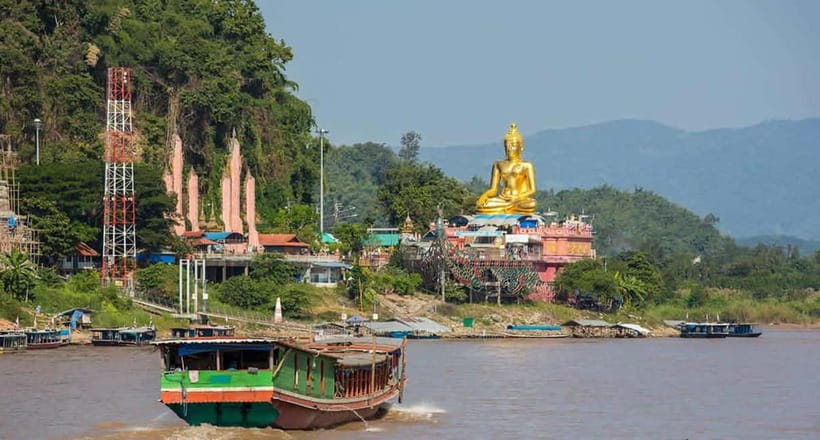
The route then heads toward the Golden Triangle, one of northern Thailand’s best-known regional landmarks. This is the area associated with the meeting point of Thailand, Laos and Myanmar, and with the long history of opium production and trade in the region.
The value of this stop is not just the view. It gives you geographic and historical context for northern Thailand. You are seeing a border region shaped by trade, migration and difficult political history, not merely taking a scenic break.
Ask your guide to explain what you are looking at and how the three-country area connects with the region’s past. The guide’s role is particularly useful here because the name Golden Triangle can sound more romantic than the history really was.
The stop also helps break up the temple visits. By this point, you have already seen three very different art sites. Moving into the border region gives the afternoon a wider focus.
Opium Museum, a necessary historical counterpoint
The Opium Museum adds substance to the Golden Triangle visit. It focuses on the history of opium and the effects of the trade, giving you a chance to understand the subject beyond its tourism label.
I appreciate this inclusion because it prevents the day from treating the Golden Triangle as a simple photo stop. The museum helps explain why this border area became so important and why the region’s past still matters.
Allow yourself time to read and ask questions. The exact amount of time available depends on the day’s pace, and this is one of the places where a guide’s explanation can make the displays more meaningful.
If you have a strong interest in modern history, this may be one of the most valuable parts of the tour. If you mainly want temples and scenery, it may feel slower, but it gives the day needed balance.
Chui Fong Tea Plantation and the optional Karen village
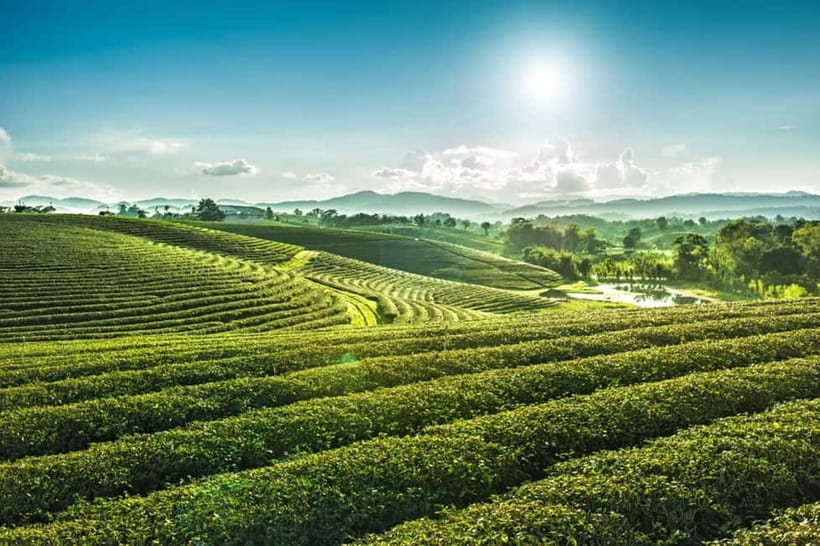
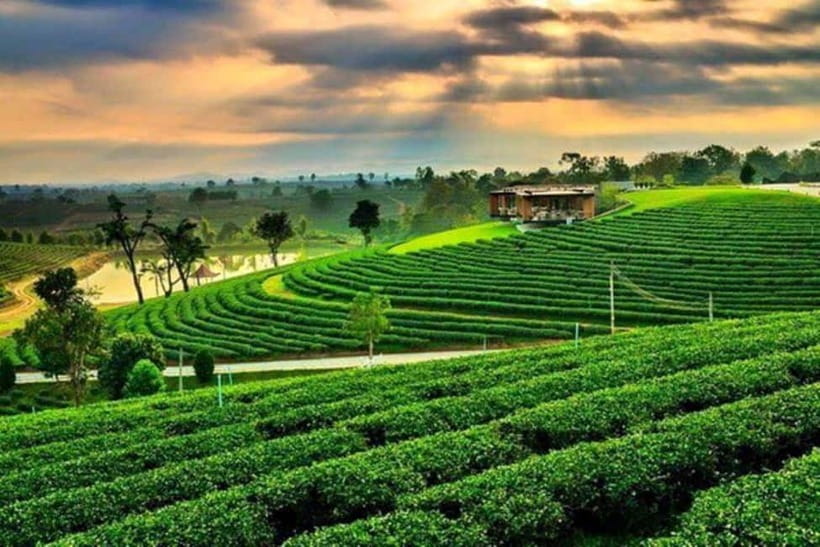
Chui Fong Tea Plantation changes the mood again. After temples, art and border history, you reach a place focused on tea production and open views. The stop gives you a chance to breathe, take photographs and see another side of Chiang Rai Province.
The supplied information does not promise a tea tasting or a specific plantation activity, so I would not book expecting a formal tasting unless the operator confirms it. Think of it as a plantation visit included in a broad sightseeing day.
The Karen hilltribe village is listed as an option. If you want the cultural stop, confirm before departure that it is included in your chosen version of the tour and ask how it affects the timing. The experience may appeal to you if you want more contact with local communities, but you should approach any hilltribe visit respectfully and listen to the guide’s explanation.
Because the day already contains many stops, choosing the optional village visit may reduce time elsewhere. That is not necessarily a problem, but it is a useful choice to make in advance.
Lunch, minibus comfort and the long road
A Thai buffet lunch is included, with vegetarian food available if you tell the guide ahead of time. One guest with limited food choices received special attention from Ping, who helped make sure the meal suited their needs.
You should still state allergies and dietary restrictions when booking and repeat them to the guide. The tour can accommodate vegetarian meals, but the information does not promise every possible dietary requirement.
The air-conditioned minibus is an important part of the experience. This is a long day on the road, and the vehicle gives you a cool place to rest between stops. The driver is also a key part of the experience. Several participants specifically praised smooth, careful driving, which matters on a route with substantial travel between attractions.
The group size is limited to 10, though the price is displayed as $72 per group up to one person. That pricing language is unusual enough that I would check the final amount for your party before booking. Ask whether the displayed figure changes for additional people and confirm what is covered by the selected ticket option.
The value is strongest if you would otherwise pay separately for a vehicle, driver, guide, lunch and entrance fees. If you are traveling alone, compare the final price against a private arrangement. If you are a small party, shared transport can make this broad route much easier to manage.
What to bring and who should book
Bring a hat, sunscreen and comfortable clothing suitable for temple visits. The tour does not allow pets, alcohol or drugs.
This is an active day with repeated boarding, walking and sightseeing. It is not suitable for wheelchair users or people over 70 according to the tour information. If mobility is a concern, ask the operator before booking rather than relying on the general small-group description.
I think the tour suits you best if:
- You have one full day in Chiang Rai and want the major sights covered.
- You enjoy modern art as much as traditional Buddhist architecture.
- You want the Golden Triangle explained rather than visited only for a quick photograph.
- You value an English-speaking guide who can answer questions.
- You prefer a small group to a large coach.
- You want lunch, water and transport handled in one booking.
I would hesitate if you want a slow, deeply focused visit to only one or two places. Seven sites create variety, but the schedule naturally limits the time available at each one.
The free cancellation policy allows cancellation up to 24 hours ahead for a full refund, and the reserve-now, pay-later option keeps payment flexible. Those terms are useful, but the ticket choice and pickup details deserve just as much attention.
Should you book this Chiang Rai tour?
Book it if your priority is breadth with a guide. In one day, you see Chiang Rai’s three signature art sites, reach the Golden Triangle, visit the Opium Museum and tea plantation, and have the option of adding a Karen village. That is a lot of ground, but the transport and lunch make the long day practical.
The strongest reason to choose it is the guiding. Guitar, Ping, Muew, Meo and the other named guides receive repeated praise for clear explanations, humor, personal attention and help with food and local suggestions. A good guide is especially valuable at the Black House and Opium Museum, where context changes what you see.
Choose another plan if you want to linger at the White Temple, avoid a long day in a minibus or explore Chiang Rai at your own pace. For most first-time visitors with only one day, though, this is a useful and well-rounded introduction. Just verify the ticket option, give the exact hotel name, report dietary needs early and ask about the timing of the optional Karen village visit.
FAQ
How long is the Chiang Rai tour?
The activity lasts one full day. Pickup takes place during the 8:00 to 8:30 a.m. period, and you return to Chiang Rai in the evening.
Where does pickup take place?
Free pickup and drop-off are provided within 6 kilometers of Chiang Rai city center. If you stay farther away or outside the city, contact the provider for a meeting point.
Which attractions are included?
The route includes the White Temple, Blue Temple, Black House, Golden Triangle, Chui Fong Tea Plantation and Opium Museum. A Karen hilltribe village visit is available as an option.
Are entrance tickets included?
There are two options. One includes all tickets, while the other excludes tickets. Check the option you select before booking. The supplied information also lists a 200 baht ticket for the White Temple.
Is lunch included?
Yes. A Thai buffet lunch is included. Vegetarian food can be provided if you inform the guide about your dietary needs.
Is drinking water provided?
Yes. Drinking water is included.
What kind of transportation is used?
Transportation is by air-conditioned minibus with a driver.
How many people are in the group?
The tour is described as a small group limited to 10 participants.
What language does the guide speak?
The live tour guide speaks English.
Can I cancel the booking?
You can cancel up to 24 hours in advance for a full refund. The activity also offers a reserve-now, pay-later option.
Just added around Thailand
- Phuket Lookouts Tour with Lunch at Organic Farm★ 5.0 · 17 reviews
- Old Phuket Farm Ticket – Countryside Local Life Culture★ 5.0 · 13 reviews
- Pattaya sheep Farm Entrance Tickets★ 4.5 · 2 reviews
- Chiangmai Coffee Farm Tour★ 5.0 · 34 reviews
- Plough to Plate: Be A Rice Farmer in Phetchaburi from Hua Hin★ 5.0 · 4 reviews
- Aroidee’s Farm-Fresh Thai Cooking Experience★ 5.0 · 8 reviews
- From Chiang Rai: 3 Temples, Golden Triangle Tour, Tea Plantation★ 5.0 · 12 reviews
- One Day Tour Doi Suthep Temple, Palad Temple, Orchid Farm, Longneck hill tribe village (Private tour)★ 5.0 · 7 reviews
Thailand Farm Tours, compared.
Half-Day Thai Cooking Class at Organic Farm in Chiang Mai
Read our review →
Authentic Cooking Class with Market & Farm Visit
Read our review →
2-Day Jungle Trek with Elephant Farm & Raft Ride
Read our review →![Floating & Railway Market and Coconut Farm Tour [Optional Luxury]](https://6.farmingtraveler.com/wp-content/uploads/floating-railway-market-and-coconut-farm-tour-optional-luxury-400x267.jpg)
Floating & Railway Market and Coconut Farm Tour [Optional Luxury]
Read our review →
Cooking Class with Organic Farm in Chiang Mai at Mama Noi
Read our review →Browse the lists this tour appears in