
Review · ROME
Farmer’s Market and Pasta Making with Italian Wine
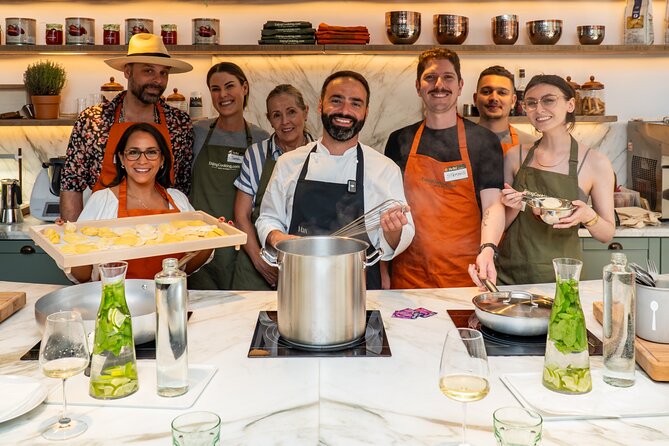
The best part of this Roman food experience happens before you reach the kitchen. You begin at Campo de’ Fiori, buying bread, cheese, meat, and vegetables with a chef who explains how Romans shop and eat. Then you turn those ingredients into pasta, ravioli, and dessert near the Turtle Fountain.
I like the market-to-table format, and I like the small maximum of 12 people, which gives you a better chance to ask questions and get hands-on help. Chefs Alessandro and Max have both led sessions, bringing warmth, humor, and strong local food knowledge to the class.
The main drawback is the price: at $150.51 per person, this is not a cheap cooking lesson. You also need to reach Campo de’ Fiori by 9:45 a.m. on your own, so the early start and four-hour commitment may not suit every Rome itinerary.
Key points at a glance
- Start with Roman market shopping: Meet at the Giordano Bruno monument in Campo de’ Fiori and help choose the ingredients used later.
- Cook more than one dish: The class covers handmade pasta, ravioli, and a traditional Italian dessert, with some sessions also including dishes such as supplì, pizza, gelato, or veal cotoletta.
- Learn in a small group: The class accepts no more than 12 people, allowing for personal guidance from the chef.
- Eat what you make: Your cooking finishes with a sit-down meal, Italian wine, and food bought during the market visit.
- Use a central Roman kitchen: The cooking space is near the Turtle Fountain at Piazza Mattei in the Jewish Ghetto.
- Plan for a full morning and early afternoon: The activity lasts about four hours and ends back at the meeting point.
Campo de’ Fiori is the real beginning
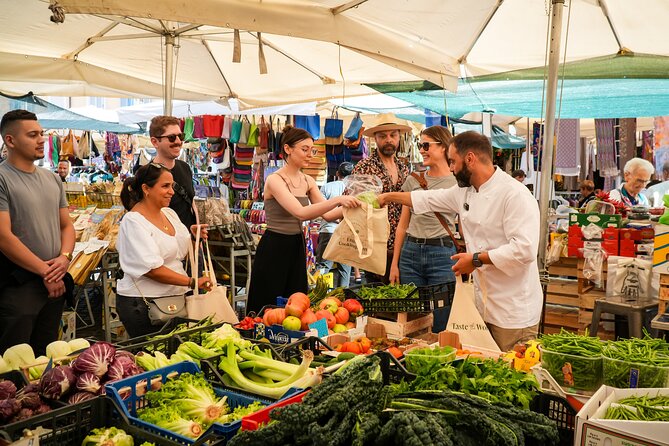
Meet at the Monumento a Giordano Bruno in Piazza Campo de’ Fiori at 9:45 a.m. The tour does not begin with a lecture or a quick walk past market stalls. It begins with shopping.
That matters because the market gives the cooking class a purpose. You are not simply handed a bowl of ingredients and told to follow a recipe. You help select the foods that will shape the meal. The chef introduces Roman food customs, explains the market’s past, and guides the group through the buying process.
The shopping can include bread from Forno Campo de’ Fiori, meat and cheeses from Norcineria Viola, vegetables, and other fresh items. One session included breakfast at the bakery before the group moved on to the butcher and cheese counter. That small breakfast stop is a useful touch, especially if you arrive without eating.
You may also find prosciutto, cookies, pizza, and other bites included along the way. These extras help make the market visit feel like part of the meal rather than a separate sightseeing stop.
Campo de’ Fiori is a busy place, so stay close to the chef and group. The meeting point is easy to identify, but a central piazza can be noisy and crowded. Give yourself enough time to reach the monument, especially if you are walking from another part of central Rome.
More Winery Visits in Italy:
- Sorrento Farm and Food Experience including Olive Oil, Limoncello, Wine tasting
★ 5.0 · 2,524 reviews - Sorrento: Pizza Lesson, Wine, and Limoncello at a Local Farm
★ 5.0 · 1,513 reviews - Pizza School with Wine and Limoncello Tasting in a Local Farm
★ 5.0 · 845 reviews
From market basket to Roman kitchen
After shopping, the group heads to a kitchen near the Turtle Fountain at Piazza Mattei in the Jewish Ghetto. The walk from Campo de’ Fiori is short enough to connect the two parts of the experience without wasting much time, though the exact route and pace can vary.
The kitchen is described as a particularly attractive part of the experience. More important, it gives the class room to work, sit down, and eat together. Cooking classes can feel cramped when everyone reaches for the same counter. A small group and a proper cooking space should make the work easier.
Your chef leads the class from start to finish. The tone is meant to be relaxed and social, not formal. Alessandro has been praised for making people feel at home, while Max has brought personal knowledge of the local area and Roman cuisine to the shopping and cooking. The chef on your date may be different, but the format calls for direct guidance throughout.
You do not need to be an experienced cook. One session was considered easy enough for beginners and families, with the chef making each step simple. You should still expect to take part rather than watch a demonstration from the sidelines. Rolling dough, shaping ravioli, and preparing dessert are the point of the class.
Making handmade pasta and ravioli
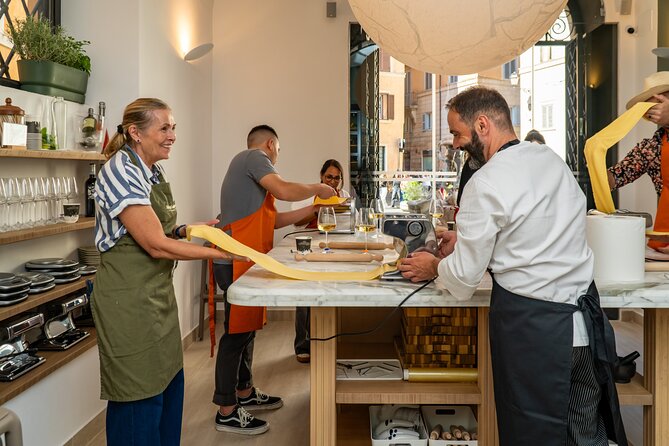
The pasta portion is the heart of the class. You work with fresh ingredients and professional cooking equipment to make pasta by hand, then prepare ravioli from scratch.
That is more useful than simply eating a plate of pasta in a restaurant. You see how much work goes into the dough, filling, shaping, and cooking. The chef can correct your technique as you go, and the small-group setting makes it easier to follow along.
The precise filling and pasta shape may change, so do not book this expecting one fixed menu down to every ingredient. The stated focus is handmade pasta and ravioli, with a traditional Italian dessert included. Past sessions have also featured combinations such as pizza, supplì, gelato, salad, and veal cotoletta.
This variety is part of the appeal, but it also means the experience is not a strict cooking syllabus. If you want to master one exact Roman recipe, ask about the menu before booking. If you want a lively morning of preparing several familiar Italian foods, the flexible approach works well.
The class also gives you a chance to understand the difference between buying fresh food and preparing it at home. The meat, cheese, bread, and vegetables are not just decoration. They connect the market visit to the meal you eventually eat.
Dessert, wine, and the meal you prepared
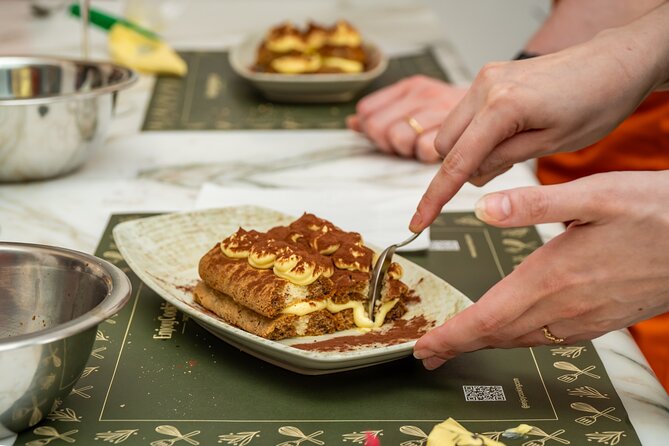
The experience ends with a sit-down meal. You eat the dishes you helped prepare, paired with fine Italian wine throughout the experience.
That final meal is where the $150.51 price becomes easier to assess. You are paying for a market visit, a chef-led cooking class, fresh ingredients, equipment, a meal, and wine, all within roughly four hours. It is still a substantial expense, but it replaces one restaurant meal with a longer activity that includes instruction and social time.
The dessert is described as a traditional Italian sweet made from scratch. Tiramisu has appeared in a session, and other classes have included gelato. Again, the exact menu may vary, but the dessert gives the class a satisfying finish and adds one more technique to the morning.
Wine is included, which is worth noting when comparing this with cheaper pasta classes. You should not assume that wine makes the class suitable for everyone, though. If you do not drink alcohol, the supplied information does not specify an alternative beverage policy, so ask before booking.
The meal is also a good reason to avoid scheduling a large lunch soon afterward. Four hours is a long activity, and the combination of market samples, cooked dishes, dessert, and wine can make this a complete food experience rather than a light lesson.
A few more farm days around Italy worth a look
- Florence Pizza or Pasta Class with Gelato Making at a Tuscan Farm
★ 5.0 · 6,801 reviews - Florence: Pizza or Pasta Class with Gelato at a Tuscan Farm
★ 4.9 · 1,181 reviews - Alghero Home Cooking Pasta Class at a Farmhouse with Wine
★ 5.0 · 130 reviews - Bardolino: Garda Lake Pasta Cooking Class at Agritourism
★ 5.0 · 114 reviews
Why the small group matters
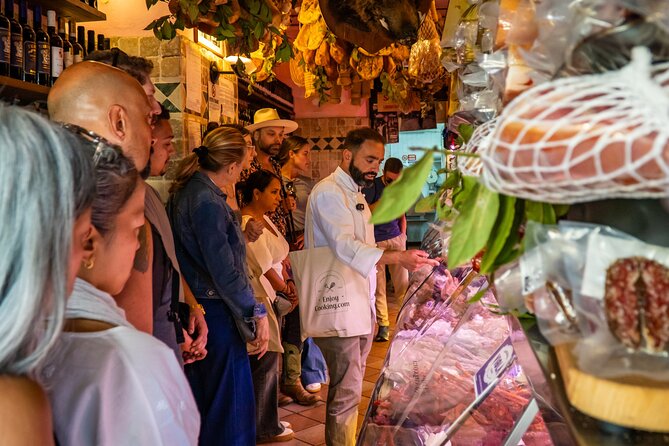
The maximum group size is 12 people. That is not a private class, but it is small enough to keep the chef within reach.
You can ask how the dough should feel, get help shaping ravioli, and watch other people work without being lost in a large crowd. The social side is part of the design. You cook with people who are also interested in food, share the work, and sit down together at the end.
For families, the easy teaching style is a plus. Beginners should also feel comfortable, based on the way the class is structured. You do not need to arrive with professional cooking skills.
The tradeoff is that your pace is tied to the group. Some people will work faster, others will need more help, and the chef must keep everyone moving. If you want a quiet, highly personal lesson focused only on your own cooking, a private class would be a better match.
The value of the market visit
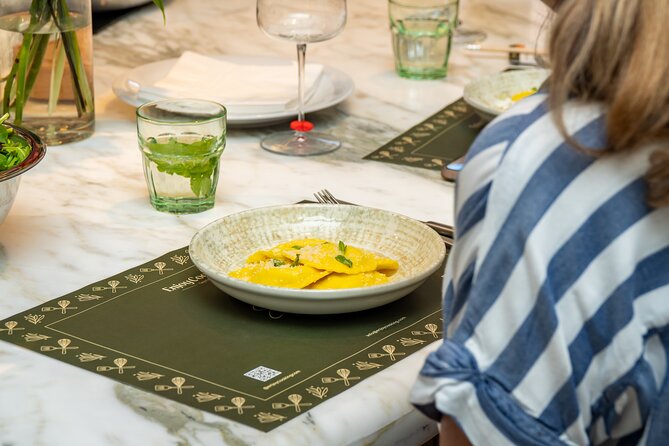
Many cooking classes could take place in any city. This one gets much of its character from Rome.
Campo de’ Fiori links the lesson to the city’s food culture. You see where ingredients are bought, speak with food sellers as part of the group, and learn why bread, cured meat, cheese, and vegetables matter in Roman cooking. The stops at Norcineria Viola and Forno Campo de’ Fiori give the shopping a local focus instead of treating the market as a photo stop.
The visit also adds a sense of place to the meal. When you later eat the food in the Jewish Ghetto, you can connect the plate to the morning’s purchases. That connection is more memorable than a standard restaurant lunch, especially if food is one of your main reasons for visiting Rome.
Still, the market is not a full food tour. The purpose is to gather ingredients for the class, so you should not expect a long tasting route or a detailed tour of every stall. If you want extensive market commentary, this may feel brief. If you want the market to support your cooking, it fits well.
Timing, meeting point, and what to plan
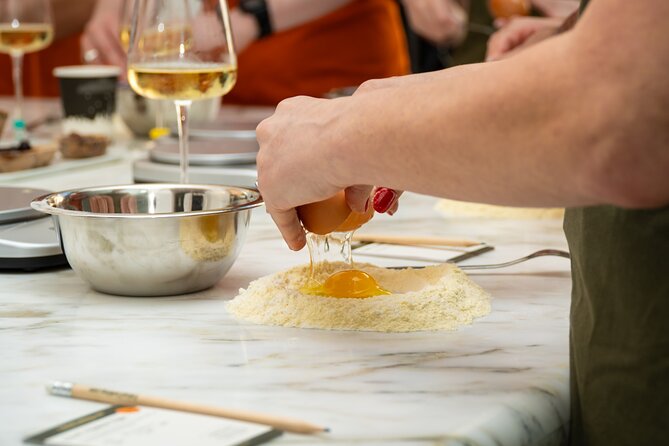
The experience begins at 9:45 a.m. and lasts about four hours. It starts and ends at the Campo de’ Fiori meeting point, the Monumento a Giordano Bruno, at Piazza Campo de’ Fiori, 00186 Rome.
Hotel pickup and drop-off are not included. You need to make your own way to the piazza, and the area is near public transportation. Since the class includes shopping, walking, cooking, and a meal, wear comfortable clothes and shoes that work for several hours on your feet.
The mobile ticket is practical, and confirmation is provided at booking. The activity is offered in English, so it suits English-speaking visitors who want instruction without a language barrier.
Book early if your Rome dates are fixed. This experience is booked an average of 43 days ahead, and the group limit of 12 can reduce last-minute availability. You can cancel for a full refund up to 24 hours before the start time. After that point, the payment is not refunded, and changes are not accepted.
Tips are not included. Keep that in mind when working out the final cost.
Who will enjoy this cooking class
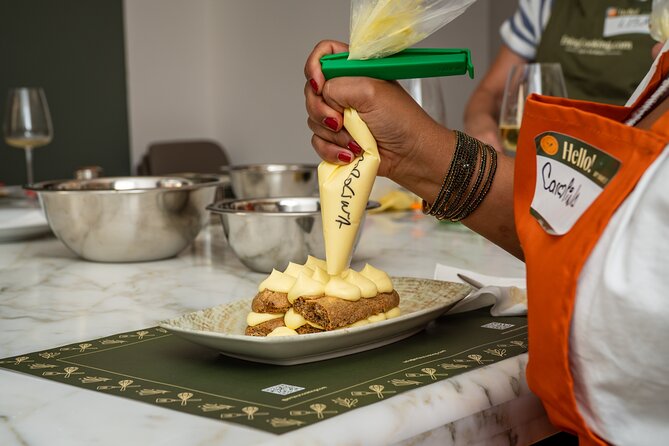
I would recommend this to you if you want more than a quick pasta demonstration. It suits people who like to handle ingredients, ask questions, and spend a morning meeting other food-minded people.
It is especially good for:
- Beginners who want clear, friendly instruction
- Families looking for an active food experience
- Couples who prefer a shared activity to a standard meal
- Visitors interested in Roman markets and local ingredients
- Anyone who wants a substantial lunch built into the tour
- Food lovers who enjoy wine and social cooking
It may be less suitable if you have limited time in Rome, dislike group activities, or need a fully fixed menu. The class also involves a morning start, a walk between locations, and several hours of participation. You should not book it expecting to sit back and simply watch the chef.
Is Farmer’s Market and Pasta Making with Italian Wine worth booking?
For the right person, yes. The strongest reason to book is the complete sequence: shop at Campo de’ Fiori, carry those ingredients into a Roman kitchen, cook with a chef, and eat the finished dishes with wine.
At $150.51, the class costs more than a basic pasta lesson, but it includes the market experience, quality ingredients, cooking equipment, instruction, and a full sit-down meal. The small group helps justify the price, though you should compare it with other food tours if your main goal is simply to learn one pasta recipe.
Book it if you want a social, hands-on morning and your schedule allows four hours. Skip it if you prefer independent market browsing or a quiet restaurant meal. For a first visit to Rome, this offers a practical way to connect food, neighborhoods, and people without turning the lesson into a stiff classroom.
FAQ
Where does the experience begin?
It begins at the Monumento a Giordano Bruno in Piazza Campo de’ Fiori, Rome.
What time should I arrive?
The stated start time is 9:45 a.m.
Where does the activity end?
The activity ends back at the meeting point in Campo de’ Fiori.
How long does the experience last?
It lasts approximately four hours.
Is the cooking class offered in English?
Yes. The experience is offered in English.
How many people can join the class?
The group has a maximum of 12 travelers.
What food will I prepare?
The stated menu includes handmade pasta, ravioli, and a traditional Italian dessert. Specific sessions may also include foods such as pizza, supplì, gelato, salad, or veal cotoletta.
Is wine included?
Yes. Fine Italian wine is included throughout the experience.
Is transportation from my hotel included?
No. Hotel pickup and drop-off are not included. You must make your own way to Campo de’ Fiori.
Can I cancel for a refund?
Yes. You can receive a full refund if you cancel at least 24 hours before the experience start time. Cancellations made less than 24 hours before the start time are not refunded.
More Shopping Tours in Italy
- Floating & Railway Market and Coconut Farm Tour [Optional Luxury]
★ 5.0 · 835 reviews - Active Volcano, Rice Field, Hot Spring, Fruit market, Tea Plantation with Lunch
★ 5.0 · 513 reviews - Evening Cooking Class in Organic Farm with Local Market Tour
★ 5.0 · 394 reviews - Cocolocal Farm Cooking Class with market tour and basket boat
★ 5.0 · 231 reviews
More Market Trips in Italy
- Cooking Class and Lunch at a Tuscan Farmhouse with Local Market Tour from Florence
★ 5.0 · 4,831 reviews - Florence: Cooking Class at a Tuscan Farm & Local Market Tour
★ 4.9 · 354 reviews - Private Farmer’s Market Tour & Tasting in Rome
★ 5.0 · 2 reviews - Chiang Mai: Authentic Cooking Class with Market & Farm Visit
★ 4.9 · 4,546 reviews
Just added around Italy
- Traditional Farmhouse Cooking Experience in Lucca with Lunch or Dinner★ 5.0 · 34 reviews
- Farm-to-table Food Experience★ 5.0 · 23 reviews
- La Maliosa Farm Experience & Wine Tasting★ 4.5 · 29 reviews
- Sorrento: Authentic Lemon Experience at a Farm with Tastings★ 5.0 · 6 reviews
- Sorrento Half-Day Farm Experience: Pizza, Cheese Making and Wine★ 5.0 · 17 reviews
- Marì Cooking Class in a Family Farm with Amalfi Coast view★ 5.0 · 11 reviews
- Amalfi Coast & Sorrento Cooking Class School at Farmhouse★ 5.0 · 25 reviews
- Paestum and Buffalo Farm Day Tour from Sorrento★ 5.0 · 3 reviews
Rome Farm Tours, compared.
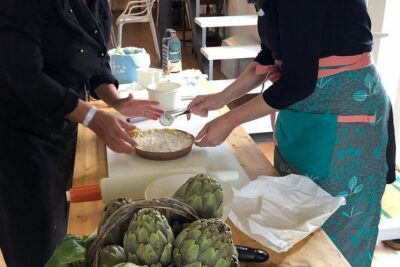
Pasta Fresca Cooking Class in a Farmhouse with a Local
Read our review →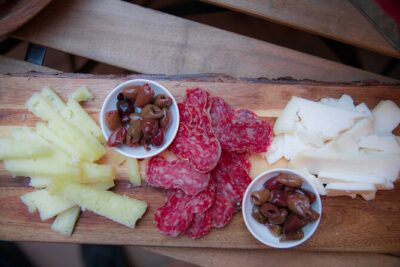
Farm to table dinner in Rome: A trip through Italy
Read our review →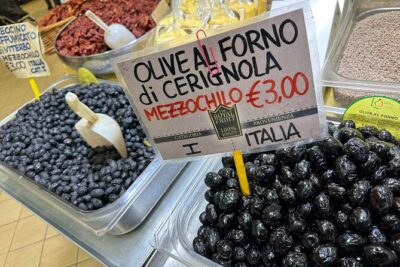
Wine Tasting and Food Tour at Vatican and Trionfale Farmers
Read our review →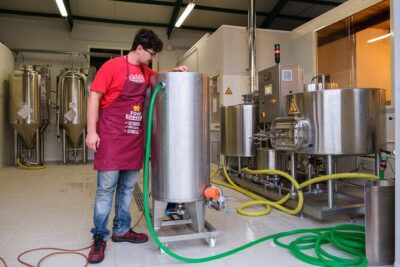
Agricultural Brewery Tour in the Roman Countryside
Read our review →
Harvest & Flavor: Pastamaking Class/Wine Tasting – Countryside
Read our review →
Browse the lists this tour appears in