
Review · ORGANIC
Pokhara: Organic Farm Tour and Cooking Class at Durku
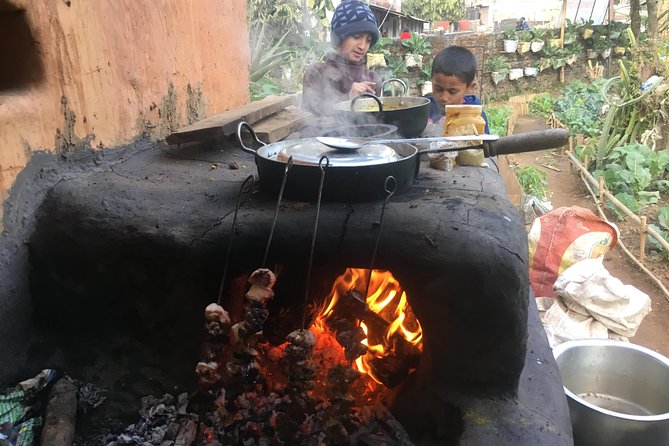
The best part of this Pokhara experience is that the meal begins in the soil. You visit an organic farm near Mattikhan, learn how local produce is grown, help prepare traditional Nepali food, and then sit down to eat it. I especially like the farm-to-table format and the chance to learn dishes such as dhido and gundruk rather than simply ordering them in a restaurant.
I also like the private setting, with hotel pickup, a local guide, and a cooking session lasting about 90 minutes. The main consideration is the price: at $115 per person, this costs more than a standard Pokhara meal or market visit. It makes the most sense if you value personal instruction, transport, and a full activity rather than just lunch.
- A short drive from Lakeside: Reach the farm in about 25 to 30 minutes, depending on your hotel.
- Herbal organic tea on arrival: The visit begins with a local welcome before the hands-on work starts.
- A 90-minute cooking lesson: Learn traditional recipes and techniques from a local chef.
- Food you help harvest and prepare: The experience connects farming, cooking, and eating.
- A private tour: Only your own group takes part, with private vehicle transfers.
- A generous local lunch: Eat dhido, gundruk, organic vegetables, and salads made during the class.
From Pokhara Lakeside to Mattikhan
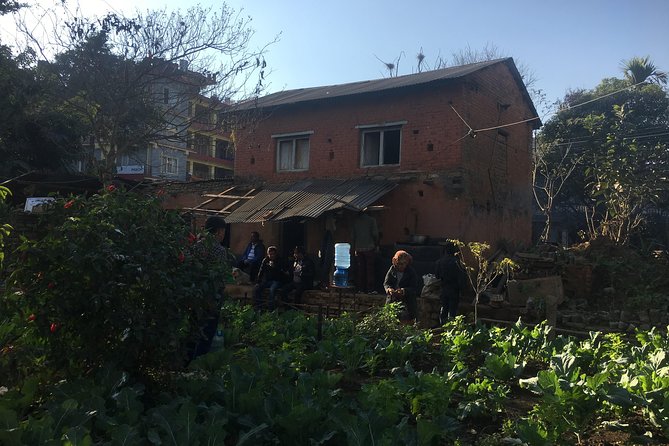
Your day starts at 10:00 a.m. with pickup from your hotel in the Lakeside area of Pokhara. The drive to the organic farm takes roughly 25 to 30 minutes, although the exact time depends on where your hotel is located.
That short transfer matters. You do not lose half a day in a long ride, yet you still leave the lakefront hotel zone and reach a more rural setting. Your private vehicle also means you are not waiting for a large group to assemble at several hotels.
The tour is based at Mattikhan, where the farm visit and cooking class take place. The supplied information does not name the guide or chef, so you should not expect a specific person by name when booking. You can expect a local guide, an organic farm expert, and a local chef to lead the experience.
Because this is a private tour, the pace should suit your group more closely than a large class. You can ask questions about the food and farming without trying to catch the instructor’s attention across a crowded room. The tradeoff is simple: a private activity usually costs more per person than a shared outing, and this one is priced accordingly.
Herbal Tea and the Organic Farm Welcome
On arrival, an organic farm expert welcomes you with herbal organic tea. This is a small detail, but it gives the visit a pleasant beginning. You have a moment to settle in, take in the farm setting, and start asking about the plants before the cooking begins.
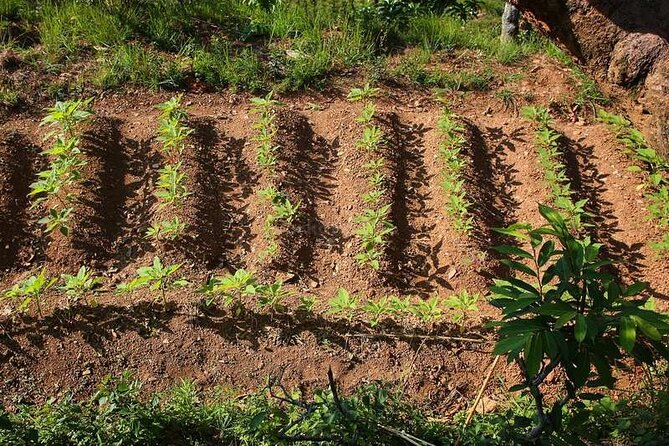
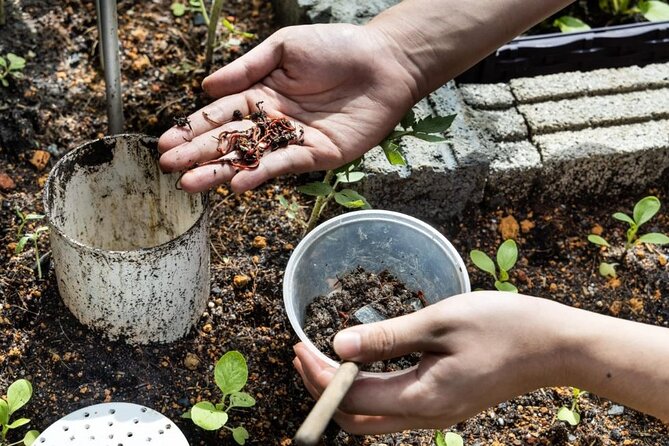
The farm visit is not just a quick photo stop. You receive an explanation of the vegetables and fruits grown there, along with an introduction to organic cultivation and sustainable farming practices. The focus is on how food is produced, why locally sourced ingredients matter, and how farming can reduce reliance on less environmentally friendly methods.
The experience is especially useful if you want more context behind Nepali food. In a restaurant, a plate of gundruk or a serving of dhido can seem unfamiliar. At the farm, you can connect the ingredients with the place where they are grown and understand more about the food before tasting it.
The details of the farm’s size, exact crops, and particular organic methods are not specified. That means you should think of this as a guided introduction rather than a formal agricultural course. The farm expert explains what is being grown and how it is cultivated, but the exact topics may depend on the season and what is available during your visit.
More Organic Farm Tours in the world:
- Half-Day Thai Cooking Class at Organic Farm in Chiang Mai
★ 5.0 · 19,087 reviews - Ubud: Balinese Cooking Class at an Organic Farm
★ 5.0 · 1,786 reviews - 5 tours in 1 (Eco Farm/Horseback/City Tour/Buggy/Zipline)
★ 4.5 · 1,443 reviews
Harvesting Ingredients for a Nepali Meal
The central idea is straightforward: you help collect fresh ingredients, then use them in the kitchen. This gives the visit a clear purpose. You are not looking at a farm from the edge of a path and then heading elsewhere for a cooking class. The produce links the two parts of the day.
I like this hands-on element because it makes the meal more memorable. You see the ingredients in their growing environment, take part in preparing them, and later taste the finished food. It is a modest activity, but it gives you a better sense of the work behind an everyday Nepali meal.
The exact harvesting tasks are not listed, so you should not expect a fixed crop-picking schedule. The available produce can vary. Some participants may spend more time learning about vegetables, fruits, or herbs, while others may be involved in gathering ingredients used in that day’s cooking.
The tour also allows you to purchase organic vegetables, fruits, and natural herbs separately. These items are not included in the tour price, and availability will depend on what the farm has to sell. If you like the idea of taking a small edible souvenir home, bring some room in your day bag and confirm the cost before buying.
A 90-Minute Nepali Cooking Class
The cooking lesson lasts about one hour and 30 minutes. A local chef guides you through traditional recipes and cooking techniques, using organic ingredients from the farm.
This is not described as a demonstration where you sit and watch someone else do all the work. You are expected to take part. You learn how the dishes are prepared and help turn the fresh ingredients into lunch. The organized format is useful for beginners because you can follow the chef through each stage instead of guessing at unfamiliar methods.
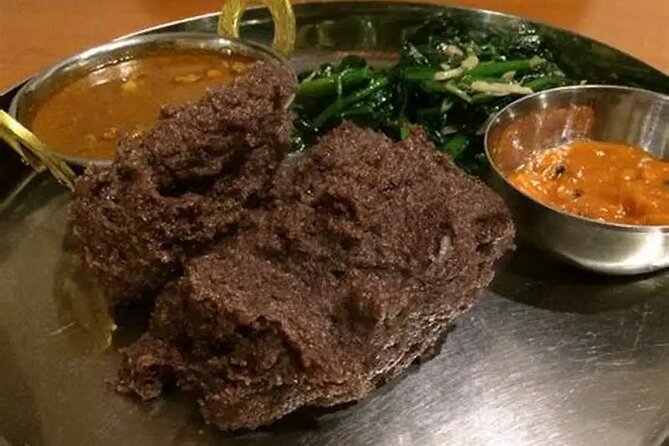
The menu includes typical Nepali food, with dhido and gundruk listed as the main traditional dishes. Organic vegetables and salads are also part of the meal. Dhido is a staple made from cooked flour, while gundruk is a traditional fermented leafy vegetable dish. Together, they offer a more local taste than the familiar tourist standards found on many restaurant menus.
The tour description does not promise a long list of recipes, a printed cookbook, or a choice of menu. You should book it for the chance to learn a small selection of Nepali dishes, not for a broad culinary survey. The strength is the direct, practical format: handle the ingredients, follow the method, and eat the results.
I would expect the chef to focus on local technique and everyday food rather than restaurant-style presentation. That is exactly the appeal for me. You are learning food connected to home cooking and local ingredients, not a staged cooking show built mainly for photographs.
Lunch at the Farm Table
After the class, you eat the dishes you prepared. Lunch includes dhido, gundruk, organic vegetables, and salads, along with bottled water.
The meal is the payoff, but it is not the only point of the tour. You have already seen the ingredients growing, heard about organic farming, and taken part in the preparation. By the time you sit down, the plate has a story behind it.
The menu may appeal most to people who want a traditional Nepali meal and are comfortable trying unfamiliar flavors. Gundruk has a distinct fermented taste, and dhido is different from rice or bread. If you prefer mild, familiar food, this may be less immediately comfortable, though the cooking class gives you a chance to understand what you are eating.
The supplied information does not mention meat, dessert, alcoholic drinks, or special dietary substitutions. If you have food restrictions, ask the provider before booking rather than assuming the menu can be changed. The confirmed meal is the typical Nepali selection listed above.
I like that lunch is included in the price and is made as part of the class. You are not paying $115 for transport and a short farm talk, then buying your own meal afterward. Still, the value depends on your priorities. If you mainly want to eat, a Pokhara restaurant will cost much less. If you want instruction, farm access, private transport, and a local meal in one outing, the price becomes easier to justify.
More Farm Cooking Classes in the world:
- Cooking Class and Lunch at a Tuscan Farmhouse with Local Market Tour from Florence
★ 5.0 · 4,831 reviews - Chiang Mai: Authentic Cooking Class with Market & Farm Visit
★ 4.9 · 4,546 reviews - Chiang Mai: Cooking Class with Organic Farm at Mama Noi
★ 4.9 · 1,151 reviews - Hands-On Cooking Class & Farmhouse Tour on the Amalfi Coast
★ 5.0 · 956 reviews
Why the Private Format Matters
This is a private activity, so only your group participates. That makes it a good choice for families, couples, or friends who want to ask questions and work at their own pace.
Private tours are also practical for groups with mixed cooking confidence. One person can ask about ingredients while another follows the preparation steps. You do not have to worry about being paired with strangers or losing your place in a large class.
Hotel pickup and drop-off are included, as is transport by private vehicle. That removes the need to arrange a taxi to a farm outside the main hotel area. The convenience is especially useful if you are unfamiliar with Pokhara’s roads or want a simple half-day plan.
The private format does not mean the class is customized in every detail. The stated meal and general schedule remain the same, and no individual itinerary options are provided. Think of it as a private booking of a set experience rather than a fully tailor-made culinary day.
Is $115 Per Person Good Value?
At $115 per person, this is a premium half-day activity for Pokhara. The price includes a private vehicle, hotel pickup and drop-off, a local guide, the farm visit, expert explanations, the cooking class, lunch, and bottled water.
That is a substantial package. You are paying for several services in one booking, not simply admission to a farm. For a couple or small group, the cost buys convenience and privacy. For a larger group, ask about the available group discount, since that could improve the per-person value.
I would compare it with the cost of arranging the same parts independently. You would need transport to the farm, a local person to explain the growing methods, ingredients, a chef or cooking instructor, and lunch. The private tour gathers all of that into a single plan, which is useful when your time in Pokhara is limited.
Still, the price may feel high if you are traveling on a tight budget or already have access to a cooking class. The tour lasts about four to five hours, but only about 90 minutes is assigned to cooking. The rest is spent on transfers, the farm visit, explanations, harvesting, and lunch. That is a fair structure for a farm-to-table experience, but it is not an intensive full-day culinary course.
Who Will Enjoy This Farm Visit Most?
I would recommend this experience to you if you want a closer look at everyday Nepali food and farming. It suits people who prefer doing something practical over simply taking photographs or moving from one viewpoint to another.
It is also a good match for families. Children must be accompanied by an adult, and children up to five years old can join free with a valid ID. The private format lets a family move together without managing a larger group.
Food-focused visitors will get the most from the class, especially if they are curious about dhido, gundruk, local vegetables, and traditional preparation methods. The farm setting adds useful context, and the meal gives you a chance to taste what you have made.
You should think twice if you want a long farm trek, a detailed agricultural course, or a broad cooking curriculum. None of those are promised. The experience is a compact introduction with a farm visit, a practical class, and lunch.
Most people can participate, but the supplied information does not give detailed mobility guidance or specify how much walking is required at the farm. If you have mobility concerns, contact the provider before booking so you can clarify the setting and activities.
Timing, Cancellation, and Small Practical Details
The start time is 10:00 a.m., and the full outing lasts about four to five hours. With pickup in the morning, you should have much of the afternoon free for another Pokhara activity.
Confirmation is provided at booking. Free cancellation is available if you cancel at least 24 hours before the local start time. Cancellations made less than 24 hours before the start, as well as changes during that period, are not refunded or accepted.
Bring an appetite and an interest in trying local food. Bottled water is included, while purchased vegetables, fruit, and herbs cost extra. Since the exact farm produce can change, ask about the day’s menu if a particular ingredient matters to you.
Should You Book the Durku Farm and Cooking Class?
Book it if you want a private, well-organized half-day built around food rather than a quick sightseeing stop. The strongest reasons are the farm-to-table connection, the 90-minute hands-on lesson, the traditional menu, and the easy hotel transfer from Pokhara.
Skip it if $115 feels too high for a half-day or if you mainly want a cheap meal. You can eat Nepali food for far less elsewhere. But if you value personal instruction, organic farming context, and the satisfaction of eating what you helped prepare, this is a sensible way to spend a morning near Pokhara.
FAQ
Where does the organic farm tour take place?
The experience takes place at an organic farm in Mattikhan, near Pokhara.
What time does the tour start?
The tour starts at 10:00 a.m.
How long does the experience last?
The full experience lasts approximately four to five hours.
Is hotel pickup included?
Yes. Hotel pickup and drop-off from the Pokhara Lakeside area are included.
How long is the drive to the farm?
The drive takes about 25 to 30 minutes, depending on where your hotel is located in the Lakeside area.
Is this a private tour?
Yes. Only your own group participates, and transport is provided by private vehicle.
What food will be prepared and served?
Lunch includes typical Nepali dishes such as dhido and gundruk, along with organic vegetables, salads, and bottled water.
Can children join the experience?
Yes. Children must be accompanied by an adult. Children up to five years old can join free with a valid ID.
Can I cancel for a full refund?
Yes, if you cancel at least 24 hours before the local start time. Cancellations or changes made less than 24 hours before the start are not accepted for a refund.
More Hands-On Workshops in the world
- Florence Pizza or Pasta Class with Gelato Making at a Tuscan Farm
★ 5.0 · 6,801 reviews - Sorrento: Pizza Lesson, Wine, and Limoncello at a Local Farm
★ 5.0 · 1,513 reviews - Florence: Pizza or Pasta Class with Gelato at a Tuscan Farm
★ 4.9 · 1,181 reviews - Sorrento Farm by Tuk Tuk: Cheese, Limoncello & Hands-On Pizza
★ 5.0 · 628 reviews
Just added around the world
- Ubud Rice terrace,Zip-line and waterfall★ 5.0 · 4 reviews
- Full Day Tour to Water Temples UNESCO Rice Terraces in Bali★ 5.0 · 4 reviews
- Explore Ubud Art Market, Monkey Forest and Rice Terraces★ 5.0 · 16 reviews
- Exploring Munduk Village (Waterfalls, rice terrace, Traditional local house)★ 4.5 · 2 reviews
- Ubud Monkey Forest Rice Terrace Temple Waterfall Private Tour★ 5.0 · 7 reviews
- Private Tour to Sumampan Waterfall, Monkey forest, Rice terraces and Swing★ 5.0 · 30 reviews
- Discover Hidden Waterfall, Unesco Rice Terraces and Mountain Temple★ 5.0 · 17 reviews
- Jatiluwih Spiritual Journey of Melukat with Rice Terrace View★ 5.0 · 9 reviews
Organic Farm Tours, compared.
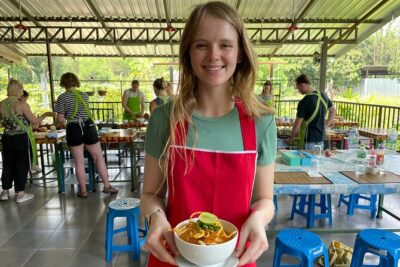
Half-Day Thai Cooking Class at Organic Farm in Chiang Mai
Read our review →
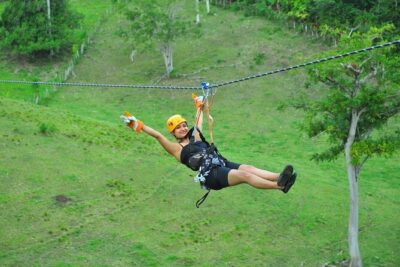
5 tours in 1 (Eco Farm/Horseback/City Tour/Buggy/Zipline)
Read our review →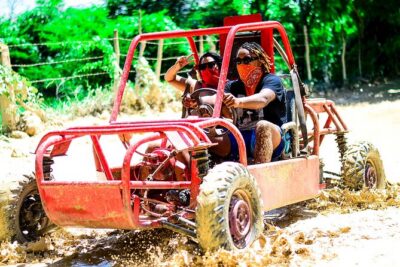
Buggy Tour to Macao Beach and Water Cave with Organic Farm
Read our review →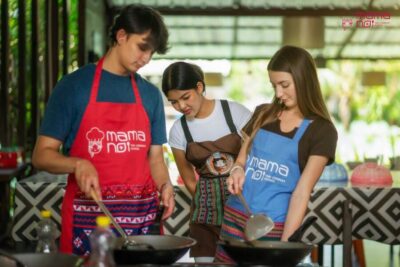
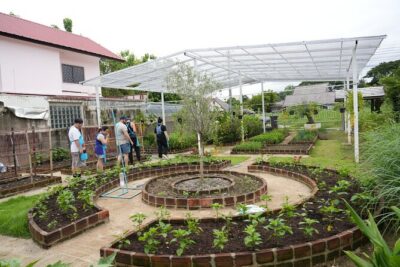
Cooking Class with Organic Farm in Chiang Mai at Mama Noi
Read our review →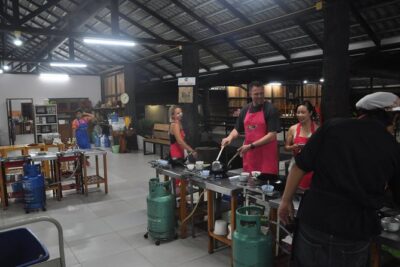
Evening Cooking Class in Organic Farm with Local Market Tour
Read our review →
ATV to Macao Beach and Water Cave with Organic Farm
Read our review →Browse the lists this tour appears in