
Review · USA
Big Island: Abalone Farm Guided Tour with Tasting
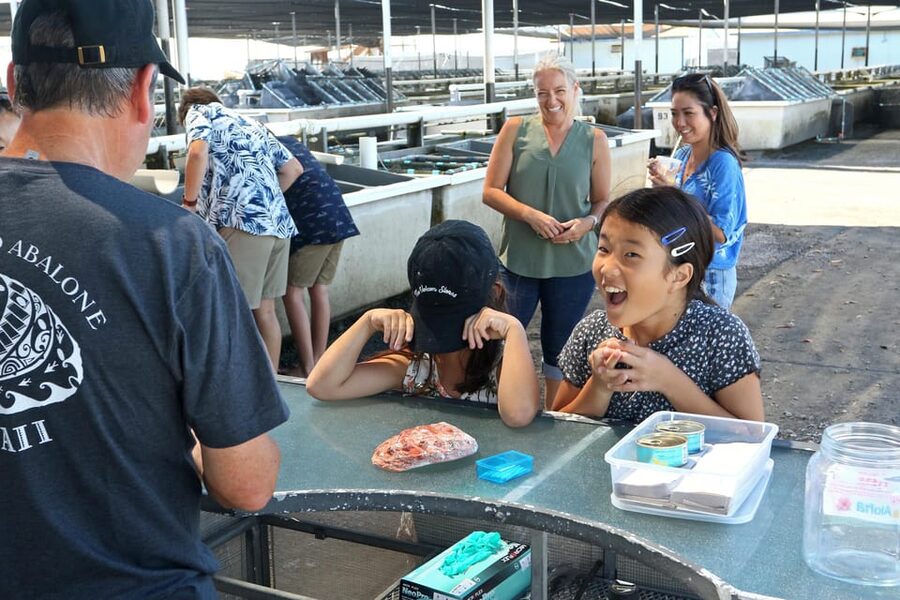
The surprising thing here is the scale and patience behind a single abalone. At Big Island Abalone, you tour the largest abalone farm in the United States, see how the shellfish are bred and raised, and learn why production can take up to 10 years. The tour ends with grilled abalone in its shell and a taste of the canned version.
I like the hands-on style, especially the chance to hold an abalone while your guide explains its growth. I also like that the tour includes the farm’s organic dulse seaweed tanks, since this adds a useful look at what the animals eat and gives you another local food to try. The main drawback is that the tour lasts only one hour, so the visit is focused rather than extensive, and the farm is not suitable for wheelchair users.
Key points to know before you go
- See a 10-year growth process: Your guide explains the different stages of abalone production, from breeding through maturity.
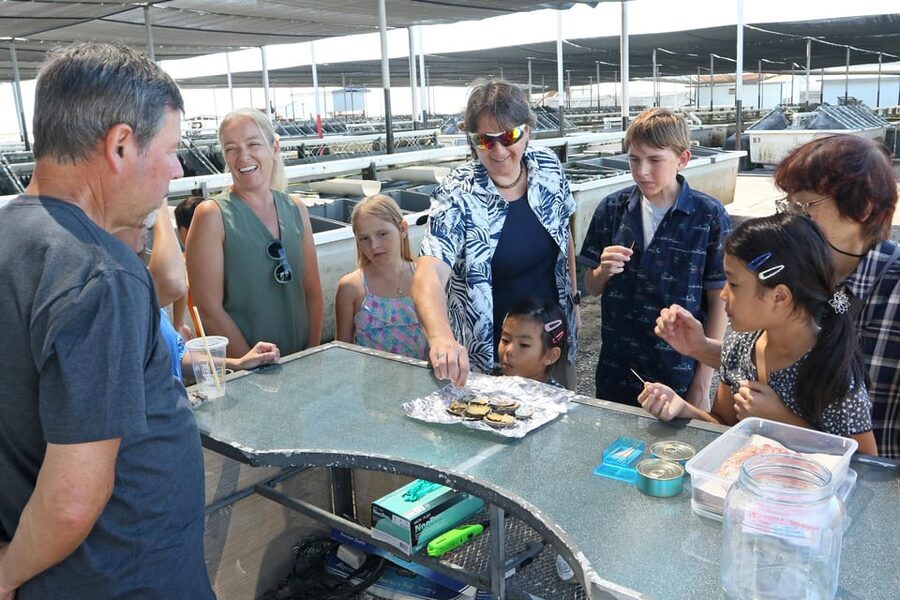
- Taste two versions: The tasting includes grilled abalone in its shell and canned abalone.
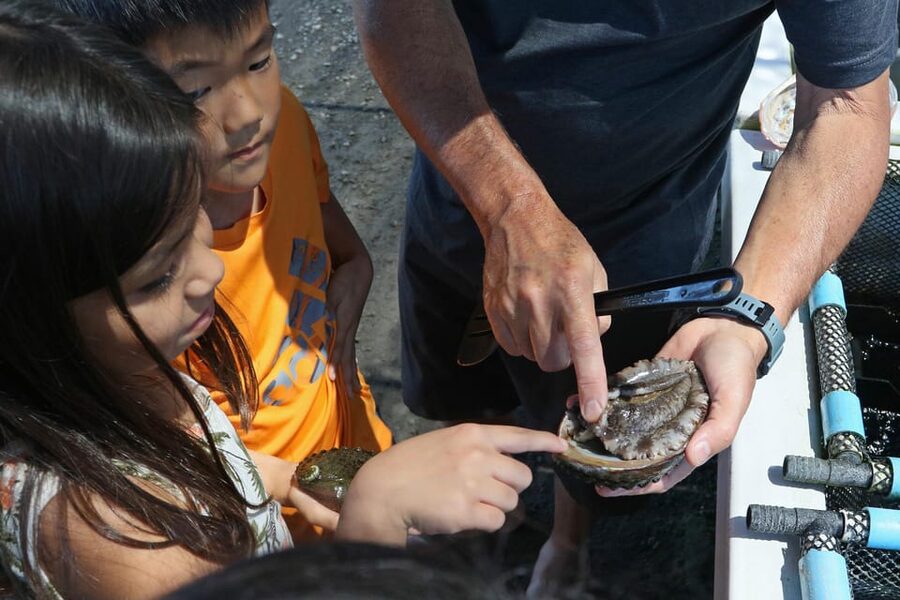
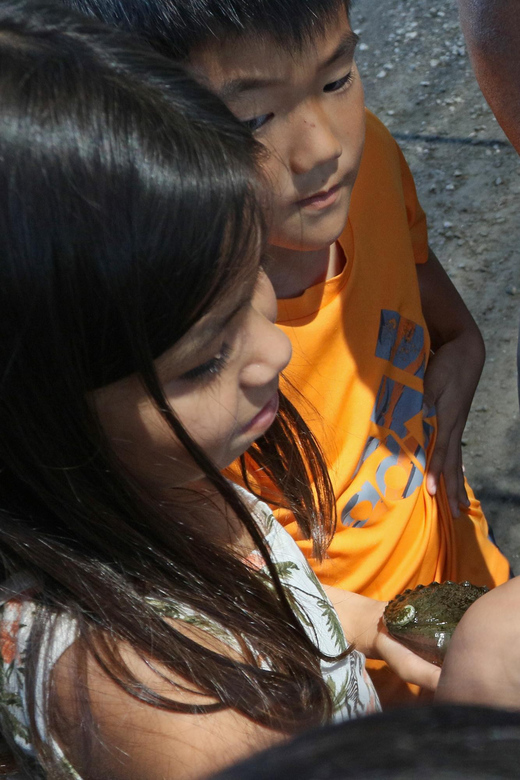
- Handle the shellfish: You may touch live abalone as the guide explains how they grow.
- Tour the dulse tanks: Organic seaweed is grown on site and used as food for the abalone.
- Ask for Kale: Kale has led tours here and is known for sharing entertaining facts about abalone.
- Budget-friendly food experience: The $31 price includes the tour, guide, tasting, and a 10% shopping discount.
Why a shellfish farm makes a worthwhile Big Island stop
The Big Island is full of scenic lookouts and familiar Hawaiian activities. This tour gives you something different: a close look at food production in a working farm setting. You are not simply looking at finished seafood on a plate. You see the tanks, the shellfish, the seaweed, and the long process that brings the meal to the table.
That makes the visit useful for curious eaters, families, and anyone who likes to understand how local food is produced. Abalone is not a quick crop. The farm explains how the animals are bred and raised over months and years, with some stages lasting as long as a decade. A short tasting becomes more meaningful once you understand the time behind it.
The tour also connects abalone with seaweed farming. Dulse, a red seaweed described here as both a superfood and a nutritious vegetable, grows in dedicated tanks. The abalone feed on it, and you may taste it yourself. That gives the visit a broader food story instead of focusing on shellfish alone.
More Food and Drink Trips in the USA:
- Lahaina: Maui Ku’ia Estate Guided Cacao Farm Tour and Tasting
★ 5.0 · 1,103 reviews - Kauai Chocolate Farm Tasting Tour
★ 5.0 · 666 reviews - Lahaina: Maui Ku’ia Estate Guided Cacao Farm Tour & Tasting
★ 4.8 · 137 reviews
Arriving at 73-357 Makako Bay Drive
The experience begins at 73-357 Makako Bay Drive. After entering the farm, go to the blue building right after the entrance and check in at the farm office. This is also where the tour ends, so you will not need to arrange a separate pickup point or find your way around after the tasting.
Starting times vary, so check availability before booking. The one-hour length makes this easy to fit around other Big Island plans, but you should still allow enough time to arrive, check in, and get settled before the tour starts.
The meeting point is practical rather than polished. You are arriving at a working farm, not a major visitor attraction with a large complex of facilities. That is part of the appeal, but it also means you should expect a straightforward, hands-on visit rather than a highly produced show.
The opening story: research, breeding, and farm life
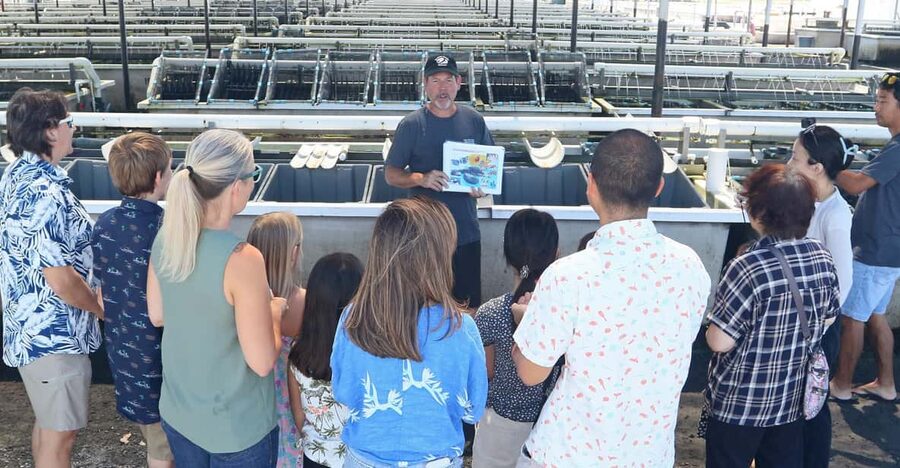
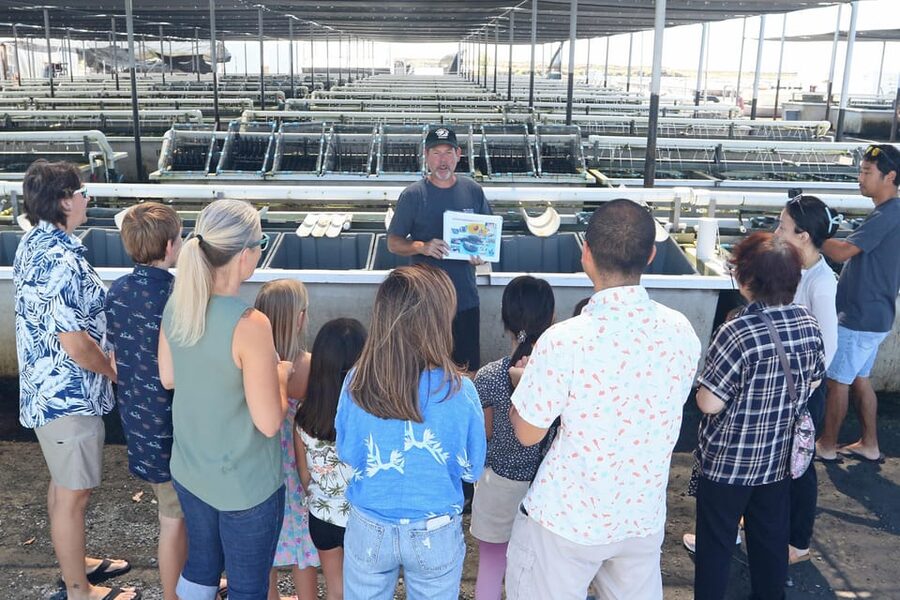
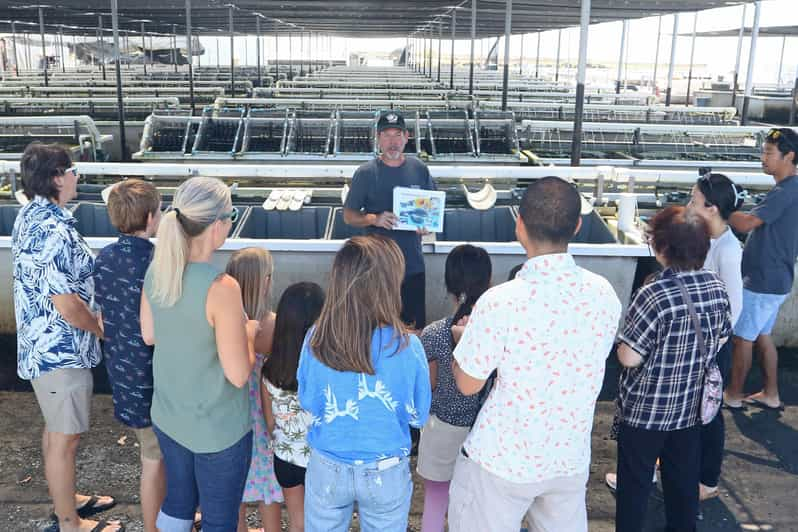
Your guide begins with a short history of the farm’s deep-water research and explains how the operation developed. This introduction helps put the tanks and equipment into context. You learn what types of abalone are used and how the farm supports their growth.
The guide-led format matters here. Abalone can look quiet and simple at first glance, but the farming process involves careful attention to breeding, feeding, and growth stages. A live guide can point out details that you might miss on your own and answer questions as you go.
Kale has led this tour and brings plenty of interesting facts into the explanation. If Kale is guiding your visit, expect a friendly presentation with practical information rather than a formal lecture. The tour is in English, and the information is delivered in person.
The farm describes its operation as 100 percent organic and sustainable. You will hear how that approach shapes production and how the seaweed tanks fit into the system. Since the visit is short, the guide has to keep the story moving, but the subject itself gives you plenty to think about.
Seeing abalone at different ages
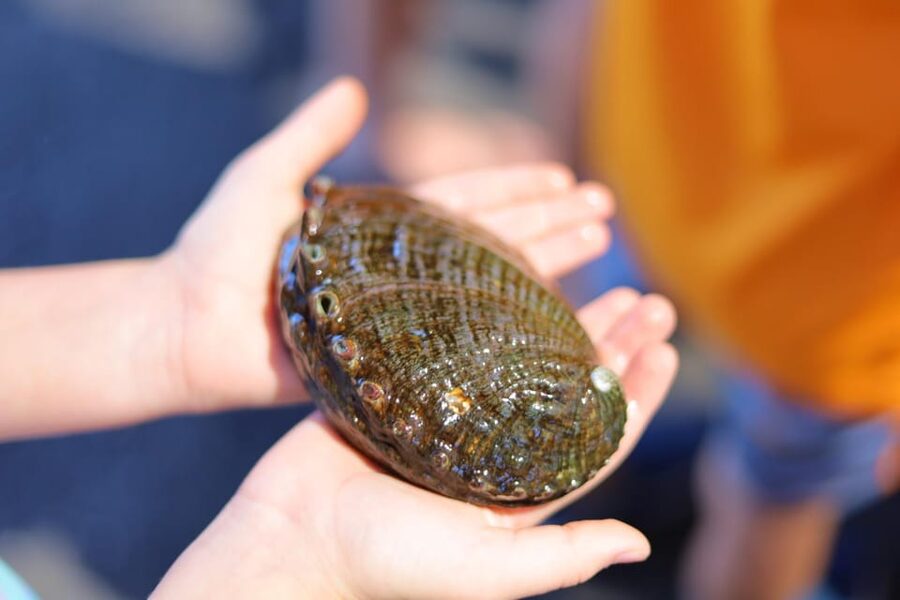
The most memorable part for many people will be seeing the animals up close. Your guide demonstrates different stages of abalone growth and explains how their size and development change over time. Some abalone can take up to 10 years to reach the later stages of production, which gives you a better sense of why this seafood can be a special-occasion food.
You may also hold an abalone if you want to. That small choice makes the visit more personal. You are not required to handle one, so you can simply watch if touching live shellfish is not for you.
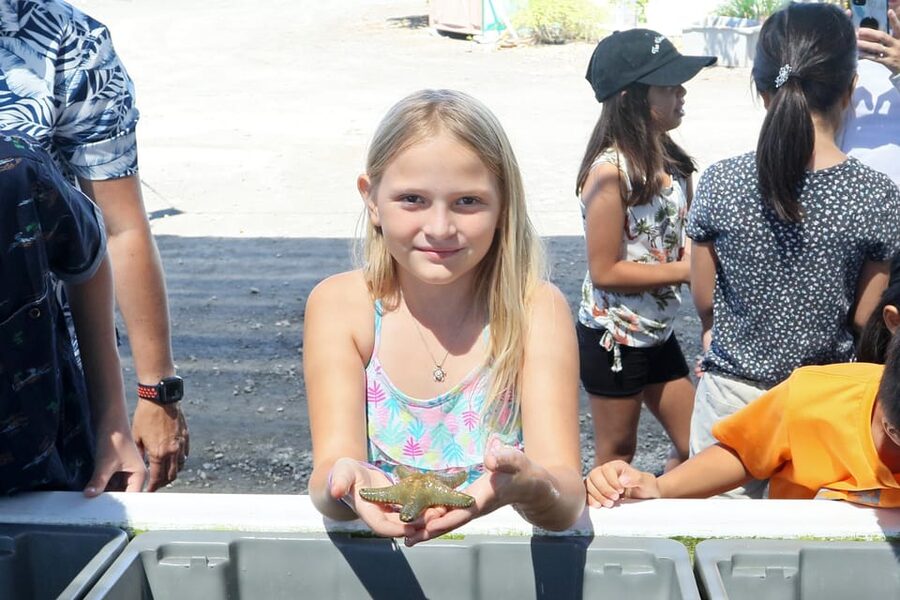
This is a good section of the tour for children, as long as they are comfortable listening and handling the animals gently. It also suits adults who want more than a tasting. The shellfish are not treated as a mystery ingredient. You see them as living animals with a long growth cycle.
I appreciate this part because it puts the food on your plate into perspective. The grilled sample at the end is not just a snack. You have seen the animal, heard about its care, and learned that production may take years.
More Guided Trips in the USA:
- Laura Creole Plantation Guided Tour
★ 5.0 · 1,279 reviews - Houmas House Estate and Gardens Guided Tour
★ 4.5 · 632 reviews - New Orleans: Laura Creole Plantation Guided Tour
★ 4.8 · 396 reviews - Kaneohe: Kualoa Ranch Guided UTV Tour
★ 4.8 · 335 reviews
The dulse seaweed tanks add another food lesson
The tour also visits the tanks where organic dulse seaweed is grown. Dulse serves as food for the abalone and is also edible for people. You get a chance to see this part of the farm’s system instead of hearing only about the shellfish.
This is one of the more unusual details of the visit. Many farm tours focus on one product. Here, the guide explains how a sea vegetable connects with abalone production, then invites you to consider dulse as food in its own right.
You should not expect a large seaweed tasting menu. The activity includes abalone tasting, while dulse is discussed as a nutritious vegetable and has been recommended as something worth trying. If you are interested in unusual local foods, ask about it during the visit.
The seaweed tanks also help explain the farm’s organic and sustainable approach. You can see how the food system is linked rather than treating each part as separate. That makes the stop more educational than a simple walk past tanks.
The tasting: grilled shellfish and canned abalone
The tasting closes the tour with two different preparations. First, you try abalone grilled in its shell. Then you taste a canned version. Having both side by side lets you notice how preparation changes the eating experience.
The grilled sample is the highlight for many people, particularly when served with garlic butter. That flavor pairing has been specifically praised, and it is a good choice if it is available during your visit. The shell presentation also connects the tasting to what you have just seen in the tanks.
The canned sample serves a different purpose. It shows how abalone can be preserved and sold beyond the farm’s immediate kitchen or tasting area. It may not have the same appeal as the fresh grilled sample, but it gives you a useful comparison and helps you understand the product as something people can take home.
The tasting is not meant to replace a full meal. Think of it as a final sample included with the farm visit. If you want more seafood afterward, the 10 percent shopping discount may help if you buy products at the farm.
One useful tip: the farm also offers a barbecue option on some days, but it was closed on Sunday for one reported visit. The barbecue is separate from the standard tour tasting, so do not assume it will be available at every time or on every day. If grilling your own abalone is important to you, check first.
What the $31 price really includes
At $31 per person, this is a reasonably priced one-hour food and farm experience. The fee includes the guided tour, the abalone tasting, and a 10 percent shopping discount. You are paying for access to a working production site, a guide’s explanation, live demonstrations, and two tasting samples.
The value is strongest if you enjoy learning how food is produced. If you only want a large seafood meal, this is not the right use of your money. The tasting is modest, and the main product is the tour itself.
The price also works well for visitors building a day around several smaller stops. At one hour, the activity does not take over your schedule. You can fit it into a morning or afternoon plan, provided you confirm the starting time and allow for check-in.
A reserve-now-and-pay-later option is available, and you can cancel up to 24 hours in advance for a full refund. That flexibility is useful when your Big Island schedule is still changing.
Who will enjoy this tour most
I would recommend this experience to:
- People interested in sustainable food production
- Families who want a short, hands-on activity
- Seafood lovers who have not tried abalone in more than one form
- Visitors curious about seaweed and unusual farm products
- Anyone looking for a break from beach and sightseeing stops
- Shoppers who may want to use the 10 percent farm discount
The tour is especially good for people who like asking questions. A working farm has more meaning when you can stop and ask how the animals are bred, what they eat, and why growth takes so long.
It may be less suitable if you need a wheelchair-accessible activity, since the farm is listed as not suitable for wheelchair users. It may also disappoint anyone expecting a long visit, a large meal, or a full-day attraction. The format is compact and focused.
Practical details that can shape your visit
The live tour is in English. The guide leads you through the farm and explains the production process, so this is not a self-guided stop. If you want the most from the hour, listen closely during the opening explanation because it gives context for the tanks and tasting.
Wear something comfortable for walking around a working farm. Specific clothing requirements are not provided, so I would keep things simple and practical. The tour includes handling live abalone if you choose, followed by food tasting, so you may prefer to have hand-cleaning available before eating.
The activity begins and ends at the farm office in the blue building after the entrance. That simple return point makes the visit easy to manage, especially if you are driving yourself.
Because starting times depend on availability, do not plan around a precise hour until your booking is confirmed. A one-hour tour can fit neatly into a busy day, but a missed start would be harder to work around than a flexible sightseeing stop.
How this compares with a normal seafood meal
A restaurant meal gives you a finished dish. This visit gives you the story behind it. You see abalone at different stages, learn about breeding, handle the shellfish, see the seaweed tanks, and then taste the result.
That sequence is the real reason to book. The meal portion alone would not justify the stop for everyone. The educational side makes the $31 fee more worthwhile, especially if you have never seen abalone being raised.
The comparison between grilled and canned abalone also adds value. You can think about texture, flavor, and preservation rather than accepting one preparation as the only way to eat it. If garlic butter is offered, it is a smart flavor choice for the grilled sample.
I also like that the tour does not pretend the production process is quick. The explanation of growth over months and years gives you a more honest view of farmed seafood. You leave with a better idea of the work involved before the food reaches a plate.
Should you book the Big Island Abalone Farm tour?
Book it if you want a short, unusual, and hands-on food experience with a clear educational side. The combination of live abalone, organic dulse tanks, a guide such as Kale, and two tasting preparations gives the hour plenty of purpose.
Skip it if you need wheelchair access, want a full meal, or prefer a major sightseeing attraction with dramatic scenery. This is a working farm visit, and its appeal comes from seeing an everyday production process up close.
For $31, I think it is a good choice for curious eaters and families. Go with the expectation of a focused one-hour tour, not an all-day outing. If you can schedule it when the barbecue option is operating, you may have an extra food experience to consider, but the standard tour already gives you a useful look at how abalone grows from farm tank to dinner table.
FAQ
Where does the abalone farm tour begin?
Check in at the farm office in the blue building located right after the entrance at 73-357 Makako Bay Drive.
How long does the tour last?
The guided activity lasts one hour. Starting times vary, so check availability when booking.
What food is included in the tasting?
You taste abalone grilled in its shell and a canned version of abalone.
Can I touch the abalone?
Yes. You may hold some of the abalone while the guide explains how they grow, though handling them is optional.
Is the tour offered in English?
Yes. The live guide conducts the tour in English.
Is the farm wheelchair accessible?
The activity is listed as not suitable for wheelchair users.
Can I cancel the booking?
You can cancel up to 24 hours in advance for a full refund. A reserve-now-and-pay-later option is also available.
Just added around the USA
- Connect with Rescue Animals on a Private Farm Tour in Catskills★ 5.0 · 27 reviews
- Cozy Farm Experience with Wagon Wheels and Acoustic Meal★ 5.0 · 2 reviews
- Farm Tour at Clover Brooke Llama/Alpaca/Goat Farm★ 4.5 · 6 reviews
- Gourmet Mushroom Farm Tour in Tennessee★ 5.0 · 5 reviews
- Farms, Flights: Finger Lakes Brewery Tour★ 4.5 · 25 reviews
- Horse Country Estate and Vineyard Wine Tasting Tour★ 5.0 · 2 reviews
- Scottsdale Horseback Riding and Horse Country Estate Tour★ 5.0 · 2 reviews
- Scenic Scottsdale E-Bike Tour – 2 Hours★ 5.0 · 47 reviews
USA Farm Tours, compared.
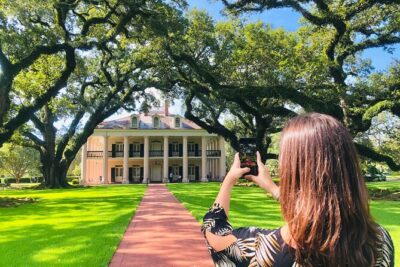
Swamp Boat Ride and Oak Alley Plantation Tour from New Orleans
Read our review →

Half-Day Thoroughbred Horse Farm Tour in Kentucky
Read our review →
Oak Alley Plantation Tour with Transportation from New Orleans
Read our review →
Boone Hall Plantation All-Access Admission Ticket
Read our review →
Whitney Plantation Tour with Transportation from New Orleans
Read our review →Browse the lists this tour appears in