
Review · DESSERT TOURS
Cocoa farm and Chocolate making!
The best part of this Guayaquil excursion is that you do not just hear about chocolate. You open a cacao pod, work with the beans, and help turn them into chocolate. The farm is a welcome change from city traffic, with trees, flowering plants, fruit, and a small river setting.
I like the private transportation and the personal pace. I also like the family connection: guides such as Mario, Allison, and Antonio explain Ecuadorian farming and daily life, while members of the farm family show you their work. The main consideration is time. The visit is listed at four to five hours, but some outings feel more like a relaxed half-day or full-day experience, especially when lunch and extra stops are included.
What makes this cacao farm visit special
- You start with the cacao tree: Walk through the grove, learn about different trees and pollination, and harvest a cacao pod.
- You make the chocolate yourself: The hands-on process runs from pod to finished chocolate, with opportunities to prepare hot chocolate and taste the results.
- The farm is family-run: Rody, Niffa, Jamil, and other family members may be involved in showing the farm and preparing food.
- Private transport keeps the day easy: Pickup and return transportation let you leave Guayaquil without arranging your own way into the countryside.
- It is more than a chocolate stop: Other fruits and plants, including guava, citrus, and bananas, help explain how the farm works.
- Lunch can be a highlight: Past visits have included a home-cooked three-course meal served near the cacao trees and river.
From Guayaquil traffic to a family cacao farm
This experience gives you a useful change of scene without asking you to plan a complicated rural trip. You meet at 10:00 a.m. and travel by private vehicle from Guayaquil toward the farm. The drive is part of the experience, since guides have used the route to explain Ecuadorian life, agriculture, and the countryside.
I like having a guide beside me for this part rather than simply being dropped at a plantation. Mario has led some outings, while other departures have featured Allison, Antonio or Tony, Alberto, and other local guides. The guide you receive may vary, but the best version of the experience is conversational and flexible. You can ask about cacao, family life, farming, or the places you pass.
Private transportation is especially useful if you are staying in Guayaquil and want to avoid figuring out rural taxis or local connections. It also makes this a practical choice for parents, older adults, and small groups. The maximum group size is 15, though the experience can feel much smaller when a booking is private or lightly booked.
The countryside is the point. You are not visiting a polished city attraction with a fixed display and a quick tasting. You are heading to a working family farm, so the setting may feel informal and lived-in. That is part of its appeal, though it also means you should expect a real farm visit rather than a highly staged museum-style tour.
A few more farm days around the world worth a look
- Amazing Yarra Valley Wine Tour + Chocolate, Farm Fresh, Gin
★ 5.0 · 1,566 reviews - Kauai Chocolate Farm Tasting Tour
★ 5.0 · 666 reviews - Award Winning Farm Tour: Coffee, Chocolate and Unique Gifts
★ 5.0 · 484 reviews
Walking among cacao trees and other useful plants
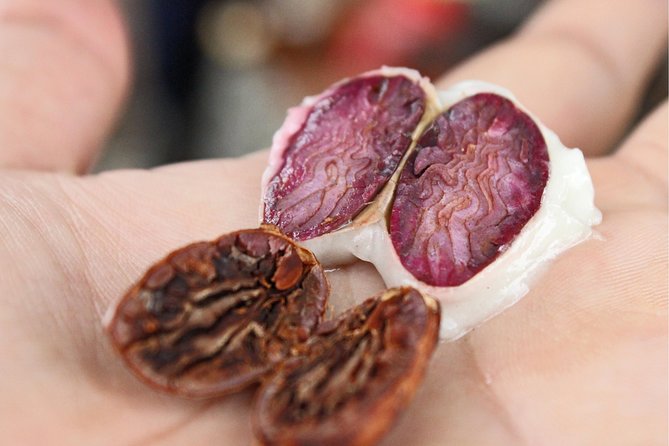
At the farm, you walk through the cacao grove and learn how the trees grow. The tour focuses on the stages that are easy to miss when you buy a chocolate bar: the pod growing on the tree, the beans inside, and the work needed before chocolate is ready to eat.
One especially interesting point is how nearby plants and pollination can affect flavor. This gives you a better sense of cacao as an agricultural product, not simply a sweet ingredient. You may also see or taste other farm products, including guava, citrus, bananas, and other fruit. In one hands-on outing, visitors knocked guava from a tree and picked citrus themselves.
The farm has also been described as a place where charcoal is made, adding another glimpse into rural work. You may see more than cacao during your walk, but the focus remains on the crop and the people who grow it.
The setting adds to the lesson. The property has flowering trees, a small river, and open outdoor areas. You get a break from Guayaquil’s noise and buildings, but the value is not just scenic. The quiet makes it easier to notice how much of Ecuador’s food culture begins with small farms and family labor.
Wear clothing you do not mind using outdoors. The available information does not give a formal footwear requirement, but this is a farm walk, not a paved city stroll. Conditions can be especially lively in the rainy season, so practical shoes and protection from sun or rain are sensible choices.
Turning one cacao pod into chocolate
The central activity is the step-by-step chocolate making. You begin with cacao from the farm and take part in the work rather than watching a demonstration from behind a counter.
The exact order can vary, but the experience covers the path from harvested pod to chocolate. You may help open the pod, handle the beans, and see how they are prepared for chocolate making. The process has included making hot chocolate and forming a chocolate bar for each participant.
This is where the tour earns its keep. A $155 price can look high for a four to five-hour outing, but you are paying for private transportation, a guide, a farm visit, instruction, and a hands-on activity. If lunch is part of your departure, the value improves further. You are getting a complete rural experience rather than a single tasting.
I particularly like that the activity works for different ages. Children can take part with an adult, and most people can participate. Younger children may enjoy the picking and tasting more than the longer explanations, while adults often appreciate the farming and production details.
The process also changes how you think about chocolate. A finished bar hides the labor involved in growing cacao, harvesting pods, preparing beans, and shaping the final product. You leave with a better idea of why Ecuadorian cacao is prized and why quality chocolate takes more skill than simply melting something sweet.
Meeting the people behind the farm
The farm is family-run, and that personal connection shapes the visit. Rody, described as the owner’s son and a chocolate entrepreneur, has led participants through the farm and production process. Niffa has also demonstrated chocolate making, while Jamil has helped explain the beans and prepare hot chocolate.
This is not just a guide reciting plant facts. You may hear family stories, learn how the farm operates, and see how food is prepared at home. That human side is one of the strongest reasons to choose this activity over a basic plantation stop.
Guides have also made the day feel tailored to the group. Mario has been praised for his knowledge of Ecuadorian cacao and his willingness to adjust the outing. On some days, guides have added a local fruit market, extra city sights, shopping help, or a visit to Guayaquil’s old cemetery when time and interests allowed.
Do not treat those extras as guaranteed inclusions. They depend on the guide, the schedule, and what you request. Still, you can tell the operator about your interests when booking and ask whether there is room for an added stop.
Same fields, a different sort of day out:
- Half-Day Thai Cooking Class at Organic Farm in Chiang Mai
★ 5.0 · 19,087 reviews - Ubud: Monkey Forest, Jungle Swing, Rice Terrace, and Water Temple
★ 5.0 · 7,160 reviews - Florence Pizza or Pasta Class with Gelato Making at a Tuscan Farm
★ 5.0 · 6,801 reviews - From Porto: 2 Wine Regions, Farm-to-Table Lunch & Boat
★ 4.9 · 5,724 reviews
A farm lunch under the trees
Several versions of the experience have included a three-course lunch prepared by the family and served at the farm. Meals have been enjoyed near the cacao trees, under a shelter, and close to the river. This is one of the most appealing parts of the outing because it turns the farm visit into time spent with the people who live and work there.
The food has been described as home cooking rather than restaurant cuisine. That distinction matters. You are not going for a formal dining room or a broad menu. You are sharing a meal connected to the farm and the family’s way of life.
Because the official tour details do not spell out every included meal, I would confirm lunch when booking. The repeated descriptions of a three-course meal suggest it is a regular part of the experience, but the exact arrangement may change.
If lunch is included, allow yourself time to enjoy it. The best days are not rushed from tree to chocolate and back to town. You sit, eat, talk, and take in the setting. That slower rhythm is a major part of the escape from Guayaquil.
How the $155 price measures up
At $155 per person, this is not the cheapest way to spend a morning near Guayaquil. The price makes the most sense for people who value privacy, transportation, personal guiding, and direct contact with a working farm.
For a private booking, the cost covers more than admission. You are paying for round-trip private transport, the guide, the farm visit, chocolate making, and possibly lunch and added stops. A shared commercial excursion might cost less, but it would likely give you less control over the pace and fewer chances to ask detailed questions.
The value is strongest for couples, families, and small groups who want one substantial half-day activity. It is also a good fit if you have already seen Guayaquil’s central sights and want a different side of the area.
The value is weaker if you only want a quick chocolate tasting or a polished factory tour. This is a rural visit with a longer drive, an informal family setting, and a process that takes time. You should choose it for the full experience, not just the final chocolate.
Timing, group size, and practical details
The scheduled start is 10:00 a.m., and the total experience is listed at about four to five hours. The farm portion itself has been described as roughly three hours, with transportation making up the remaining time.
The group maximum is 15 people. That keeps the activity manageable, but the feel can vary depending on the number booked that day. A small group allows more questions and a more relaxed pace. A larger group may mean waiting your turn during some of the chocolate-making steps.
Children must be accompanied by an adult. A child rate applies only when the child shares with two paying adults, so families should check the final booking terms carefully.
Service animals are allowed, and most people can participate. Still, this is an outdoor farm experience, so anyone with mobility concerns should ask the operator for current details before booking. The available information does not promise fully paved paths or a specific accessibility setup.
Confirmation is normally provided when you book. If you reserve within three days of the travel date, confirmation may take up to 48 hours and depends on availability. Free cancellation is available if you cancel at least 24 hours before the local start time. Changes or cancellations inside that 24-hour window are not accepted for a refund.
Who should book this Guayaquil chocolate tour
I would choose this experience if you want:
- A private or small-group day outside the city
- A hands-on activity for adults and children
- A closer look at Ecuadorian cacao farming
- Time with a local family rather than a standard attraction
- Private transportation from Guayaquil
- A meal and countryside setting alongside the chocolate lesson
I would think twice if you dislike outdoor settings, want a tightly timed tour, or only want to sample finished chocolate. The walk, explanations, and preparation steps are the reason to go.
The activity also suits travelers finishing a Galápagos trip or passing through Guayaquil with one free day. It gives you a taste of Ecuador’s agricultural side without requiring a long intercity journey.
Should you book it?
Yes, if you want chocolate with a story behind it. The strongest parts are the farm walk, the chance to make chocolate from local cacao, the family connection, and the easy private transport from Guayaquil.
Before paying, confirm the pickup details, the exact farm schedule, and whether the three-course lunch is included on your date. If those details fit your plans, $155 is a fair price for a personal countryside outing rather than a quick tasting stop. I would especially recommend it to families, couples, and anyone who wants Guayaquil to be more than a city stop.
FAQ
Where does the cacao farm and chocolate-making experience take place?
The experience is based in the Guayaquil area, with transportation from Guayaquil to a family-run cacao farm in the countryside.
What time does the tour start?
The scheduled start time is 10:00 a.m.
How long does the experience last?
The total duration is approximately four to five hours. The farm visit itself is listed at about three hours.
Is transportation included?
Yes. The experience includes round-trip private transportation.
Will I make chocolate myself?
Yes. You take part in the process of turning cacao from a harvested pod into chocolate. Activities have included preparing chocolate bars and hot chocolate.
Are children allowed?
Yes. Children must be accompanied by an adult. The child rate applies only when sharing with two paying adults.
What is the maximum group size?
The maximum is 15 participants. The experience is presented as a private tour, and group size may be smaller depending on the booking.
What is the cancellation policy?
You can cancel up to 24 hours before the local start time for a full refund. Cancellations or changes made less than 24 hours before the start are not accepted for a refund.
Just added around the world
- Ubud Rice terrace,Zip-line and waterfall★ 5.0 · 4 reviews
- Full Day Tour to Water Temples UNESCO Rice Terraces in Bali★ 5.0 · 4 reviews
- Explore Ubud Art Market, Monkey Forest and Rice Terraces★ 5.0 · 16 reviews
- Exploring Munduk Village (Waterfalls, rice terrace, Traditional local house)★ 4.5 · 2 reviews
- Ubud Monkey Forest Rice Terrace Temple Waterfall Private Tour★ 5.0 · 7 reviews
- Discover Hidden Waterfall, Unesco Rice Terraces and Mountain Temple★ 5.0 · 17 reviews
- Jatiluwih Spiritual Journey of Melukat with Rice Terrace View★ 5.0 · 9 reviews
- Private Tour to Sumampan Waterfall, Monkey forest, Rice terraces and Swing★ 5.0 · 30 reviews
Dessert Tours, compared.
Award Winning Farm Tour: Coffee, Chocolate and Unique Gifts
Read our review →
Finca 18 Puerto Vallarta Tequila Tour + Chocolate Pairing
Read our review →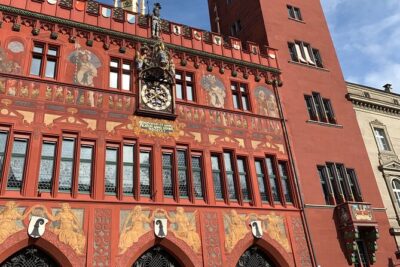
Basel Farmer’s Market, Cheese, Chocolate & Pastry Tour
Read our review →
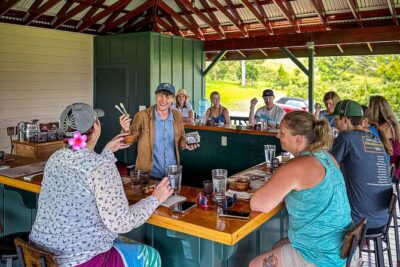
Craft Chocolate Tasting and Farm Experience on the Big Island
Read our review →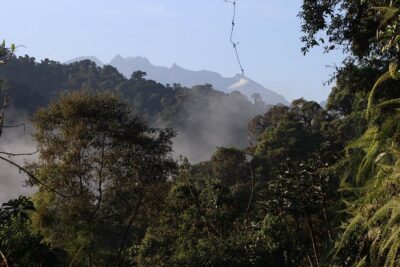
Private Full-Day Mindo Cloud Forest,Butterfly Farm, Chocolate Tour bird watching
Read our review →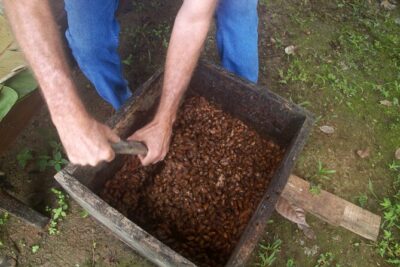
Browse the lists this tour appears in