
Review · GRAN CANARIA
Explore Gran Canaria’s Coffee at Finca Los Castaños
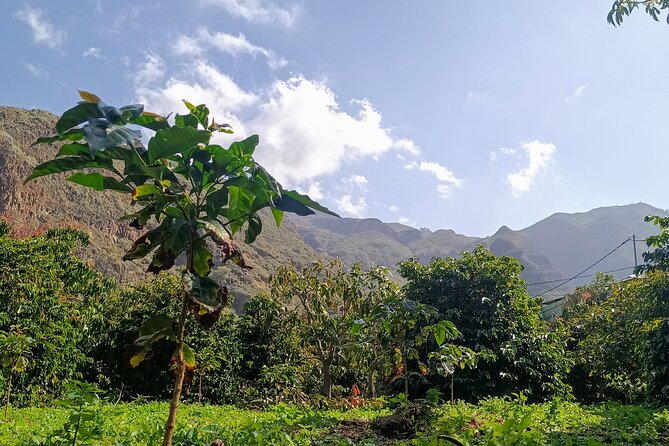
Gran Canaria’s coffee story begins in an unexpected place: the tropical Agaete Valley, where coffee plants grow among fruit trees and other crops. At Finca Los Castaños, you follow the bean from plant and harvest to drying and roasting, then taste the finished drink in a small farm setting.
I like two things here. First, the setting gives the visit real character, with mountain scenery and working crops rather than a staged display. Second, the tour connects coffee farming with climate change and local agriculture, which adds useful context to the tasting. The main caution is that the experience can feel slow or poorly paced in bad weather, and French may not be available.
Key points to know before booking
- Coffee in Europe: See how coffee is cultivated in the Agaete Valley, one of the more unusual coffee-growing areas you can visit in Spain.
- A small working finca: The visit focuses on a real farm with coffee plants, fruit trees, and handmade products rather than a large commercial attraction.
- Laura may lead the tour: Her guided visits have been described as warm, clear, and especially welcoming to families with young children.
- Tasting included: Expect freshly roasted coffee, with crackers and homemade jams or marmalades often served alongside it.
- Allow 40 minutes to one hour: The visit is short, but weather and the pace of the outdoor portion can affect how much you see.
- Good value with a caveat: The $23.66 price includes admission and coffee or tea, but lunch and purchases from the shop cost extra.
Why a coffee farm visit fits Gran Canaria
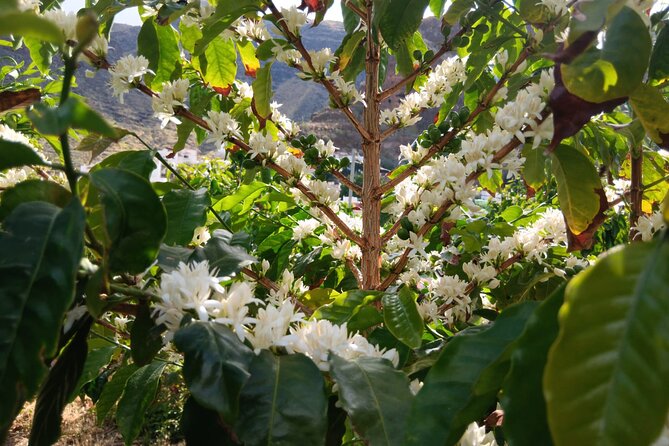
Many people come to Gran Canaria for beaches, resort towns, and volcanic scenery. The Agaete Valley offers a different side of the island, with a greener setting and crops that need a warmer climate. Coffee is not the first product most people associate with Spain, which makes this visit a pleasant change from the usual sightseeing circuit.
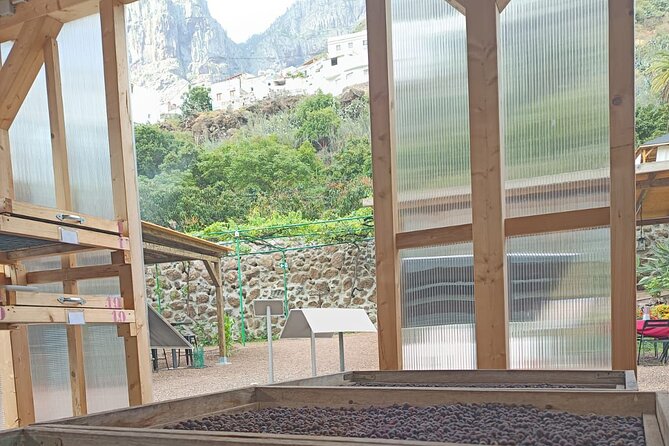
Finca Los Castaños lets you see coffee as an agricultural product, not just a drink on a café menu. You learn about the plant, the harvest, drying, and roasting. That sequence matters because it shows how much work sits behind a small cup of coffee.
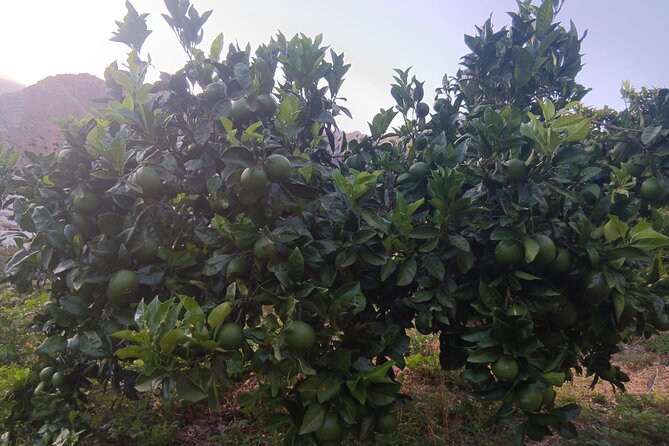
The farm also grows fruit and other tropical crops. Depending on the conditions during your visit, you may see a range of plants beyond the coffee trees. That mix gives the finca a more personal, lived-in feel than a single-purpose plantation.
I especially like that the experience includes discussion of climate change. Coffee crops depend on reliable growing conditions, and changing weather can affect harvests, drying, and the health of the plants. The subject gives the tour more weight without turning it into a lecture.
Other farm visits people book around Spain:
- Montserrat Lunch & Wine at Farmhouse Small Group from Barcelona
★ 5.0 · 2,368 reviews - Tenerife: Finca Las Margaritas Banana Plantation Experience
★ 4.7 · 1,442 reviews - Barcelona: Montserrat Visit & Lunch at Farmhouse Small Group
★ 4.7 · 1,313 reviews
Walking through Finca Los Castaños
The visit takes place at Finca Los Castaños in the Agaete Valley. The main activity is an educational guided walk through the farm, with the guide explaining how coffee is cultivated in this part of Europe.
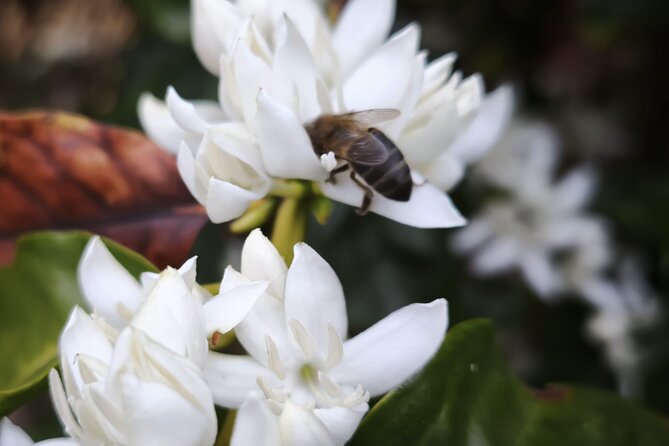
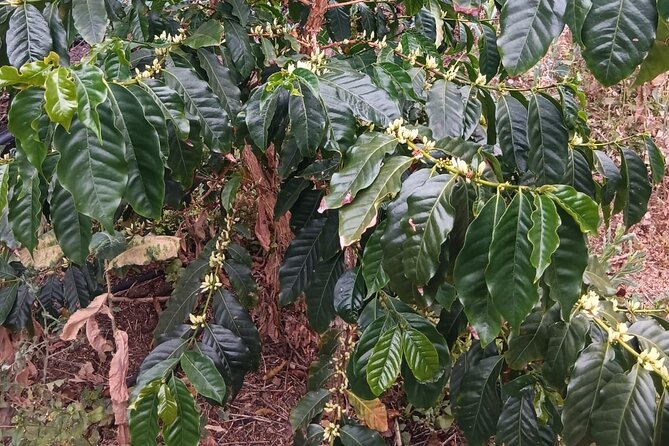
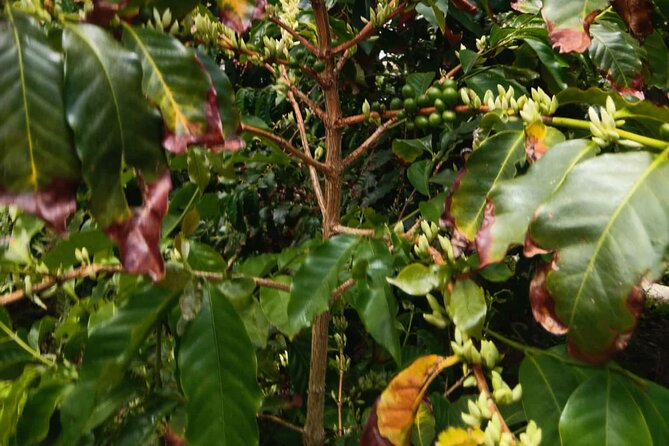
The outdoor portion is the heart of the experience. You see the coffee plants in their growing environment, then learn how the crop moves through harvesting, drying, and roasting. If you have only seen coffee as roasted beans or ground powder, this step-by-step approach makes the product easier to understand.
The setting is one of the strongest reasons to come. The finca is surrounded by tropical crops and mountain scenery, and the peaceful atmosphere helps keep the visit from feeling like a standard commercial attraction. You are not simply looking at displays. You are spending time on a working agricultural property.
The visit is not a long plantation expedition. At roughly 40 minutes to one hour, it works better as a focused stop than as a half-day activity. You get an introduction to the crop and a tasting, but you should not expect a large museum, a long hike, or a full meal.
Meeting the guide and understanding the coffee process
Laura is named as one of the guides at the finca. Her style appears to be personal and relaxed, with explanations designed to make the farm approachable. That can matter if you are traveling with children, since the visit has been described as patient and family-friendly.
The main lesson follows the coffee plant through several stages. You start with cultivation, then move toward harvesting, drying, and roasting. Each stage affects the final flavor, so seeing the process before tasting helps you pay attention to what is in the cup.
The tour is conducted in English in at least some sessions. French is not guaranteed, so French-speaking visitors should check before booking if language support is important. The available information confirms that one visit was delivered in English and that French was unavailable on another occasion.
The pace may depend heavily on the day. In good weather, the outdoor walk should be the clearest way to understand the farm. In rain, the visit may shift toward tasting or involve waiting before the group goes outside. This is worth keeping in mind if your schedule is tight.
The coffee tasting and homemade jams
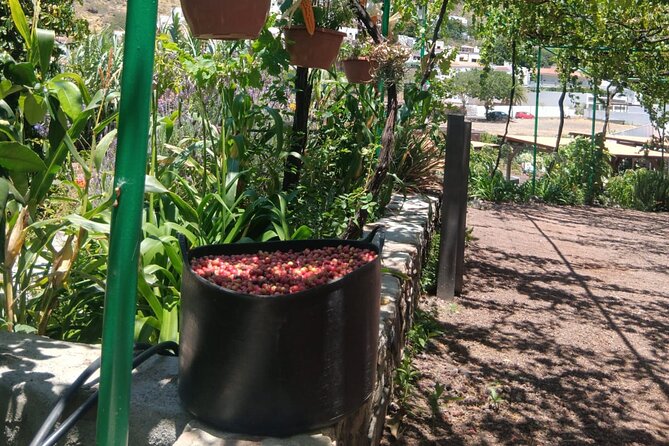
Coffee or tea is included in the price. The tasting is a simple part of the visit, but it gives the farming explanation a satisfying finish. You can connect the plant, processing, and roasting steps with the flavor in the cup.
The tasting may include one type of coffee, crackers, and homemade jam or marmalade. Some sessions have featured several jams. The exact selection can vary, so think of this as a farm tasting rather than a large food spread.
The homemade products are part of the finca’s appeal. Coffee is the main subject, but the jams and fruit grown on the property show how the farm uses more than one crop. You may also have the chance to taste fruit picked from the trees.
I would keep your expectations in proportion. This is not lunch, and lunch is not included. It is a modest tasting attached to a guided farm visit. For many people, that is enough, especially when the coffee is fresh and the setting is quiet.
Same fields, a different sort of day out:
- Montserrat Full Day Tour with Farmhouse Lunch and Winery Visit
★ 5.0 · 1,068 reviews - Montserrat & Winery Visit Tour with Traditional Farmhouse Lunch
★ 4.5 · 1,035 reviews - La Orotava: Eco Banana Plantation Tour with Banana Liquor
★ 4.7 · 863 reviews - Ría de Arousa: Boat Ride to Mussel Farm with Tasting
★ 4.7 · 845 reviews
The shop, farm products, and extra spending
After the tour, you have time to browse the local shop. Products may include coffee, fruit, jams, marmalades, and other artisanal items connected with the finca.
Buying something here is optional, and the shop gives you a chance to take home a direct reminder of the visit. It also supports the small-scale nature of the farm. If you are interested in coffee production, a bag of beans makes more sense than a generic souvenir.
Prices may feel high compared with supermarket products. One reported example was a 125-gram pack of coffee priced at $12.50, and an entry-level tasting or starter option was described as costing $15. These are useful figures to keep in mind before you shop.
The price of the tour itself is $23.66 per person. Since admission and coffee or tea are included, I consider that reasonable for a short, guided agricultural experience in a scenic part of Gran Canaria. The value is strongest if you care about local food, small farms, and the chance to learn how coffee is made.
It is less attractive if you are mainly looking for a substantial meal, a long activity, or a polished visitor center. You are paying for access to the farm, the explanation, the tasting, and the setting, not for an afternoon of entertainment.
Weather can change the experience
Rain is the biggest practical concern. The outdoor viewing is important because the farm itself is what makes this visit special. If heavy rain interrupts the walk, you may spend more time tasting and waiting for the weather to improve.
One poorly paced visit involved waiting during a rainy spell, then leaving when the rain became heavy again. That does not mean every wet-weather visit will go badly, but it shows why you should check the forecast and keep your schedule flexible.
The tasting can still provide some value in bad weather, especially if you enjoy coffee and homemade jams. Yet the farm walk is the part that explains the price and gives the visit its sense of place. I would avoid booking this as your only planned activity on a day when rain is likely.
Bring a practical attitude. The finca is a working agricultural site, not an indoor attraction designed to run unchanged in every condition. Good weather should make the experience feel more complete.
Families, transport, and access
Most people can take part, and service animals are allowed. The finca is near public transportation, which helps if you are not driving, although the available details do not specify routes, stop names, or travel times.
Families may find the visit easy to manage because it is short and includes a tasting. The relaxed approach described for children is another positive. Still, the outdoor portion may involve uneven farm surfaces, and the experience is not presented as a formal accessibility tour, so you should ask the operator about mobility needs before booking.
The mobile ticket is useful for keeping your booking details on your phone. Confirmation is provided when you book. Since the activity lasts less than an hour for many sessions, it can fit well alongside other plans in the Agaete Valley.
You should allow extra time if you want to browse the shop or if weather delays the outdoor portion. The advertised duration is approximate, not a guarantee that every group will follow exactly the same schedule.
What works best about this small-scale visit
The strongest feature is its personal scale. You are visiting a smaller finca rather than a mass-market attraction, and that makes the experience feel closer to local agriculture. The setting, the coffee plants, and the fruit trees do much of the work.
The second strength is the balance between information and tasting. You are not only shown a crop and then sent away. You learn how coffee is grown and processed, then try the result with local jams or marmalades.
The third is the setting. Even if coffee is not your passion, the Agaete Valley gives you a worthwhile change from the south of the island. The farm’s tropical crops and mountain surroundings create a calm stop during a busy holiday.
The weak point is organization under poor conditions. A delayed outdoor visit, limited communication, or an unannounced change in the group can make a short activity feel much longer. The experience depends on the guide, the weather, and the timing on the day.
Who should book Finca Los Castaños
I would recommend this tour if you enjoy local food, small farms, and seeing how a product is made. It also suits anyone looking for a quiet alternative to the larger attractions around Gran Canaria.
Families may like the short duration and friendly approach. Coffee enthusiasts will get the most from the step-by-step explanation, especially the link between growing conditions, roasting, and taste.
You should think twice if you need French guidance, dislike waiting, or want a full meal. You should also avoid treating the shop as a bargain stop. The coffee and handmade products may cost more than supermarket versions.
For the best chance of enjoying it, choose a dry day, keep your schedule flexible, and arrive ready for a simple farm visit rather than a polished show. Ask ahead about the language of your session if that matters to you.
Should you book this coffee farm visit?
Yes, if you want a short, genuine look at Gran Canaria’s agricultural side. At $23.66, the price is fair for a guided farm visit with coffee or tea included, especially when you value the setting and the chance to taste local products.
I would not book it solely for the tasting. The portions are modest, lunch is not included, and shop prices may surprise you. Book it for the combination of coffee production, tropical crops, mountain scenery, and a small-farm atmosphere.
Free cancellation is available when you cancel at least 24 hours before the start time. That policy is helpful if the forecast looks uncertain. For a dry day in the Agaete Valley, Finca Los Castaños offers a pleasant and unusual stop that adds more substance to a Gran Canaria holiday.
FAQ
How much does the Finca Los Castaños coffee tour cost?
The price is $23.66 per person.
How long does the experience last?
The visit lasts approximately 40 minutes to one hour.
What is included in the price?
Admission and coffee or tea are included.
Is lunch included?
No. Lunch is not included.
What will I learn during the tour?
You will learn how coffee is cultivated in the Agaete Valley, including harvesting, drying, and roasting.
Is a coffee tasting included?
Yes. Coffee is included, and the tasting may be served with crackers and homemade jams or marmalades.
Is the tour available in French?
French is not guaranteed. English has been available for at least some tours, so check the language before booking if this is important to you.
Can I cancel for a refund?
Yes. You can receive a full refund if you cancel at least 24 hours before the experience start time. Cancellations made less than 24 hours ahead are not refunded.
Just added around Spain
- Animal farm park with free hotel pickup★ 5.0 · 2 reviews
- From Seville: Pig Farm private day tour and old villages visit★ 4.5 · 4 reviews
- Bull Breeding Farm: Guided Half-Day Tour from Seville★ 4.5 · 24 reviews
- ” Basque Farm House & Cider house” tour + meal from San Sebastian★ 5.0 · 9 reviews
- Fuerteventura Villages Caves and Farm Tour with Lunch from North★ 3.0 · 9 reviews
- Menorca: Cheesemaking and Farm-Fresh Product Tasting★ 5.0 · 29 reviews
- Chefcooking Paella from our Andalusian Grandmother at a Family Farm★ 5.0 · 49 reviews
- Eastern Majorca Tour with Arta Caves and Aloe Plantation★ 4.5 · 2 reviews
Gran Canaria Farm Tours, compared.
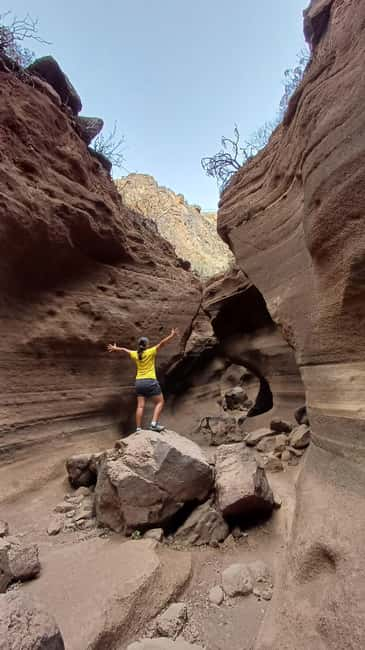
Maspalomas: Barranco de las Vacas, Caves, Farmhouse Tour
Read our review →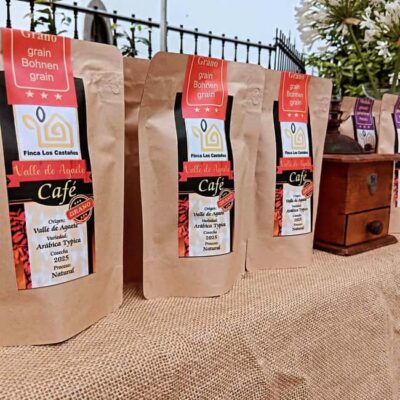
Finca Los Castaños: Agaete Valley Coffee Tour & Tasting
Read our review →
Full-Day Tour Exploring History, Nature and Aloe Vera Farm
Read our review →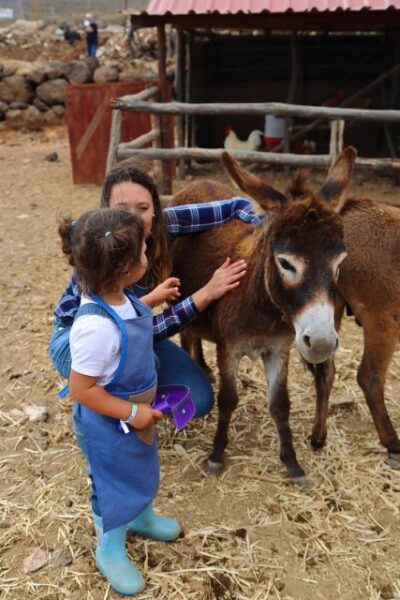
Agüimes : Be a farmer for the day at La Jaira de Ana
Read our review →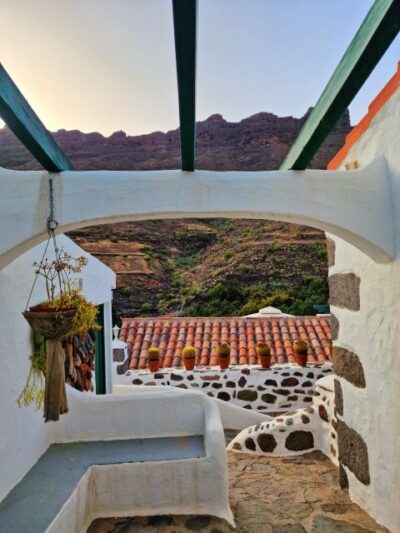
Gran Canaria historical house with mango plantation in Mogan
Read our review →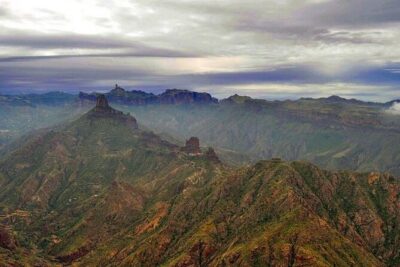
Tour to Arucas, Teror, Aloe Vera farm – Highlights
Read our review →
Canarian farmhouse in Mogan, mango farm and vermouth factory
Read our review →Browse the lists this tour appears in