
Review · TANZANIA
Microfinance family farm tour – all proceeds to charity
Mama Max’s small farm offers something a safari cannot: a close look at how one Tanzanian family built a more secure life through training, microfinance, and hard work. You may help cut feed, collect eggs, or milk a cow, then sit down for chai and locally grown coffee. The human story is the heart of the visit, not a staged cultural show.
I like that the $35 fee supports The Small Things, and I like the clear link between the nonprofit’s work and Mama Max’s farm businesses. Reuben and Andrew can also give you an introduction to the wider program at Happy Family Children’s Village. The main consideration is the ground: you need to manage uneven or hilly paths, and the visit is better suited to curious, active visitors than to anyone wanting a polished sightseeing stop.
Key points to know before you book
- Mama Max’s farm shows microfinance in practical form, from banana trees and coffee to chickens, goats, and cows.
- The $35 price supports charitable work, while tea and a snack are included.
- Reuben and Andrew may lead the visit, offering context about The Small Things and its family-focused approach.
- You can choose to walk or drive between the nonprofit site and Mama Max’s home.
- The tour is private, so only your own group participates.
- Expect two to three hours on uneven ground, with an optional $5 lunch available.
Why this Arusha visit feels different from a safari
Arusha is often treated as a launchpad for national parks. That is understandable, but it can leave little time for understanding the people and local programs connected to the area. This visit gives you a different kind of afternoon, one based on conversation, work, and daily family life.
The focus is Mama Max, a woman who moved out of severe poverty with help from business training and microfinance provided through The Small Things. Her story is not presented as a quick inspirational tale and then forgotten. You see the practical results in the enterprises she has built over time.
Those enterprises include banana trees, coffee, chickens, goats, and cows. That list matters because it shows a step-by-step approach to earning a living. A farm does not become secure through one dramatic change. It grows through several useful income sources, each helping support the next.
The visit also explains why family support matters. The Small Things works to help families keep children at home, rather than treating institutional care as the only answer to poverty or vulnerability. You will not have direct contact with children, for child protection reasons. That boundary is important, and the tour gives you a way to learn about the organization without turning children into part of a sightseeing experience.
A few more farm days around Tanzania worth a look
- Zanzibar: Prison Island, Stone Town, & Spice Farm Tour
★ 4.5 · 579 reviews - Full-Day Private Stone Town +Spice Farm and Prison Island Tour
★ 4.5 · 216 reviews - Zanzibar: Stone Town & Spice Farm Tour with Lunch
★ 4.5 · 97 reviews
Starting at The Small Things near Nkoaranga
The tour begins at Happy Family Children’s Village on an unnamed road in Nkoaranga. Allow about 30 minutes for an introduction to The Small Things and its work with children, families, and communities.
You can also see toward Lake Duluti from the visitor hut. That view gives the opening talk a pleasant setting, but the useful part is the explanation of the organization’s approach. The program grew from concern about what happened to vulnerable children after they left institutional care and returned to their villages. Its response has focused on stronger families and practical support.
This first stop is not a children’s attraction. You should not expect to enter children’s living spaces, take photographs with them, or join activities with them. The lack of direct contact may disappoint anyone looking for that kind of visit, but it reflects a responsible approach to child protection.
Instead, you get context before meeting Mama Max. That order improves the experience. You can understand how business training and microfinance fit into a broader effort to keep families together, rather than seeing the farm as an isolated success story.
Guides Reuben and Andrew have been involved in explaining the nonprofit and its social enterprise work. If they are leading your visit, ask them how the business program supports families and how former participants can later help others. Mama Max now mentors young women who were once in a position similar to her former situation, which adds another layer to the story.
Walking or driving to Mama Max’s house
From the first stop, you will walk or drive to Mama Max’s home. You can state your preference, which is helpful because the route includes uneven or hilly ground.
Walking gives you more contact with the local setting and makes the short journey part of the experience. It also requires sensible footwear and a reasonable level of comfort on rough ground. Driving is the practical choice if you want to conserve energy, have mobility concerns, or simply prefer to spend more time at the farm itself.
The exact distance is not provided, so do not plan this as a long countryside hike. Still, the activity requires more than stepping out of a vehicle and standing on a flat platform. Most people can take part, but the uneven terrain is the key physical point to keep in mind.
As you make your way to the house, your guide explains how business development helps families like Mama Max’s keep children at home. That conversation is central to the visit. The tour is not only about seeing a cow or drinking coffee. It is about understanding how modest assets and new skills can give a family more control over its future.
Meeting Mama Max over chai and coffee
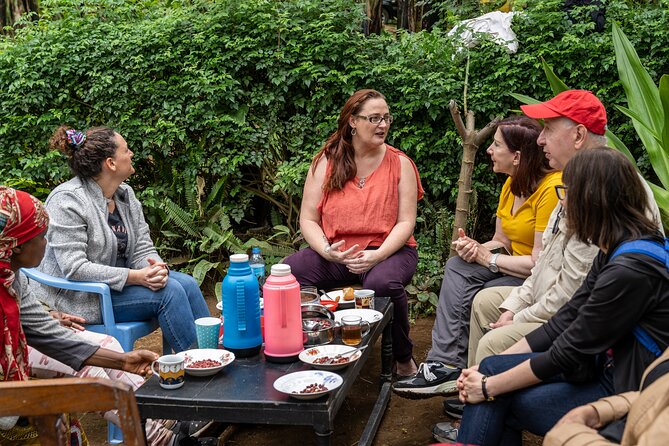
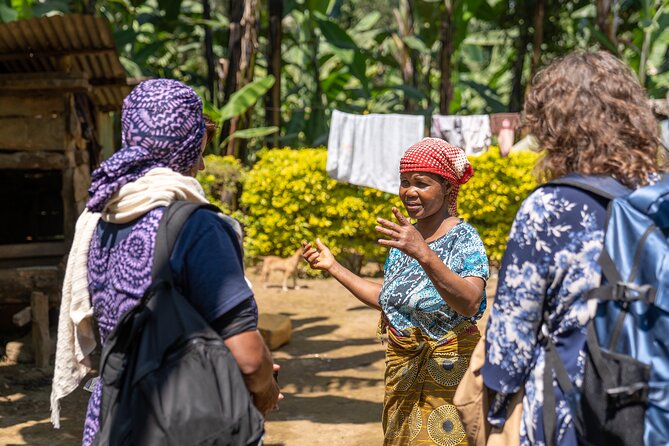
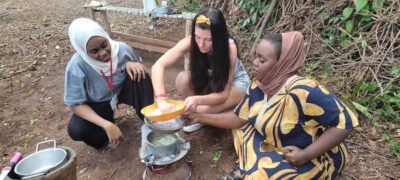
At her house, Mama Max welcomes you with traditional chai tea and locally grown coffee. Tea and a snack are included, so this is not an extra-cost tasting session. It is a simple chance to sit, talk, and connect the wider program to one person’s daily work.
Mama Max is happy to answer questions and show you how her businesses developed. You can ask about the farm, the animals, the crops, and the way one successful activity helped fund another. Since she built the operation herself, the setting gives the conversation a direct, practical quality.
Do not expect a formal museum-style presentation. The value comes from seeing ordinary work up close and hearing how it fits into family life. That can be more revealing than a lecture, but it also means the pace may depend on conversation and what is happening at the farm that day.
The coffee is another small but meaningful detail. It connects the visit to local production rather than offering a generic refreshment. The chai, meanwhile, creates a natural pause after the walk or drive. You can use that time to ask questions instead of rushing from one activity to another.
Same fields, a different sort of day out:
- Zanzibar:Stone Town & Spice Farm Private Tour Lunch Included
★ 4.2 · 94 reviews - Zanzibar full day Jozani forest + Spice farm and stone town
★ 4.7 · 90 reviews - Zanzibar: Spice Farm & Stone Town Tour with Lunch
★ 4.5 · 80 reviews - Arusha or Moshi : Hot Spring, Waterfall & Coffee Farm Tour
★ 4.8 · 80 reviews
Helping with farm work
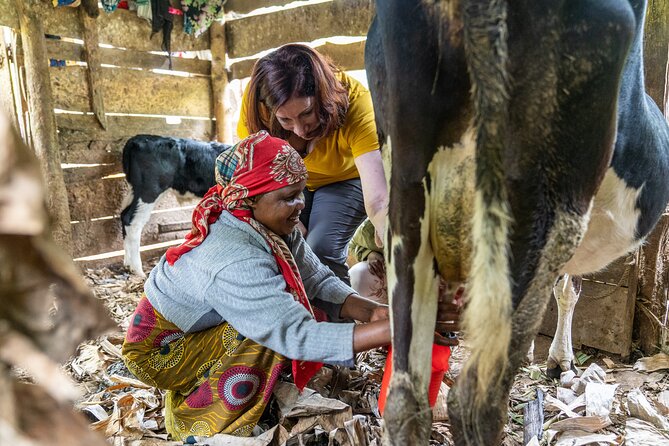
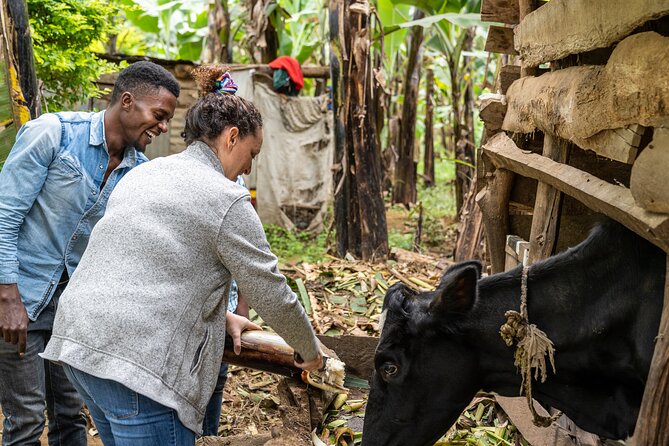
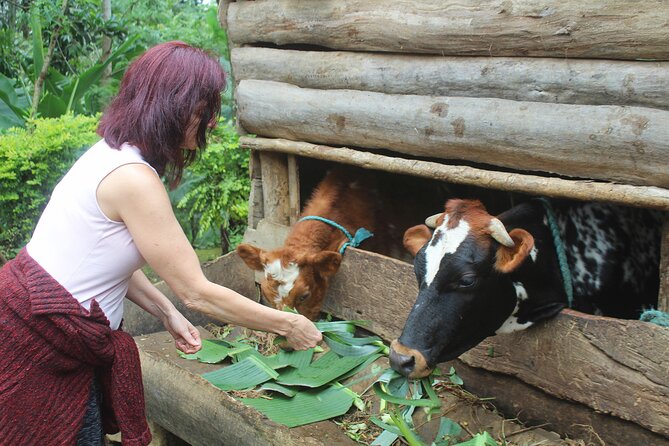
If you wish, you can cut vegetation for the animals, check the chickens’ nests for eggs, and milk the cow. These are optional hands-on tasks, not mandatory performances.
The activities are simple, which is their strength. They show the work behind the farm’s income in a way that a speech cannot. Collecting eggs or cutting feed takes only a few minutes, but it helps you see that the animals require daily care and that a productive farm depends on steady labor.
You should also keep your expectations sensible. This is a working family farm, not a large agricultural attraction with a long menu of demonstrations. The animal activities listed are the main options. If you prefer to watch, drink tea, and ask questions, you can still get the central message of the visit.
For families, the farm tasks may make the experience easier to understand. For adults interested in responsible tourism, the work provides a direct link between charitable support, business training, and household income. You are not simply donating money from a distance. You are seeing one example of what support can make possible, while still meeting the person who does the work.
What the microfinance story means in real life
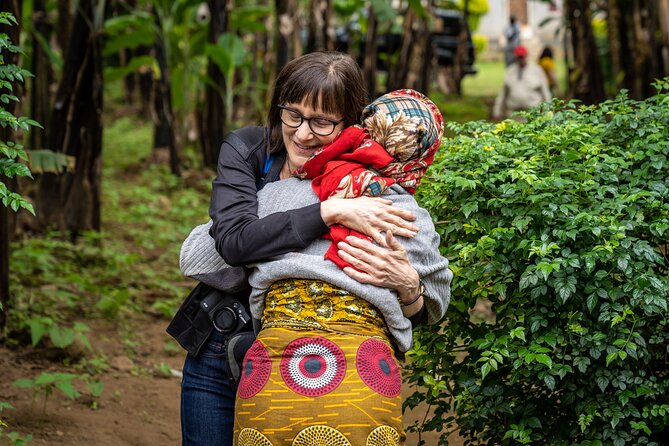
Microfinance can sound abstract when discussed only in terms of loans and development programs. Here, the idea becomes easier to grasp because you can see the assets that grew from it.
Mama Max’s farm includes several activities rather than one single crop or product. Banana trees, coffee, chickens, goats, and cows each bring different demands and possible benefits. That mix can help a family build resilience, though no small farm becomes free from financial risk.
The business training matters as much as the money. Capital alone does not teach someone how to plan, manage, or expand an enterprise. The program’s purpose is to help families develop their own income, not to create dependence on outside aid.
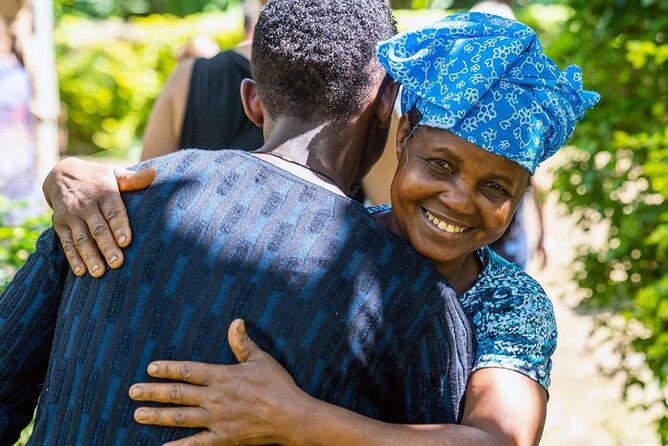
The story also reaches beyond Mama Max. She now mentors young women who once held her former position. That change gives the tour a useful second chapter. Support has helped her build a business, and her experience can now help another woman move forward.
You will not receive a full financial report during the two-hour farm visit, and the tour does not promise a detailed account of every loan. If you want a technical development seminar, this may feel too personal and informal. If you want to understand the idea through one clear example, it works well.
Price, charity, and what you receive
At $35 per person, this is not the cheapest short activity around Arusha. It is also not priced like a standard commercial farm visit. The proceeds go to charity through The Small Things, so the price carries a charitable purpose as well as the cost of guiding, hosting, and providing refreshments.
You receive a two to three-hour private experience, an introduction to the nonprofit, transport flexibility between the two stops, tea, coffee, a snack, and time at Mama Max’s home. Lunch is not included, but it can be provided for an extra $5.
The strongest value is the access and the connection between the two parts of the visit. You learn what the organization does, then see one family’s progress in practice. That makes the outing more meaningful than simply touring a farm or making an unstructured donation.
Group discounts are available, though the exact reduction is not specified. Since this is a private activity, your group participates on its own rather than sharing the visit with strangers. That can make questions easier and the pace more comfortable.
Who will enjoy this most
I would recommend this for you if you want time away from the safari circuit and are interested in how local families build income. It suits visitors who enjoy conversation, social enterprise, and simple hands-on activities more than polished entertainment.
It is also a good fit for people who want their tourism spending to support a nonprofit. The charity connection is clear, but you still receive a real local experience rather than only a donation receipt.
Families and small groups may appreciate the private format. Children who can handle a farm setting may find the animals and simple tasks engaging, though the tour data does not specify a minimum age. You should ask the provider if age is a concern.
I would think twice if you have trouble walking on uneven or hilly ground. I would also skip it if you want a major attraction, a long list of organized activities, or direct interaction with children at the nonprofit site. That is not what this visit offers.
Book at least a day ahead if your plans may change. Free cancellation is available up to 24 hours before the start time, while cancellations or changes made later are not accepted.
Should you book the Mama Max farm tour?
Book it if you want a personal, useful look at Tanzanian life outside the parks and you are comfortable with a modest farm visit rather than a polished show. The combination of chai, coffee, animals, conversation, and a clear charitable purpose gives the afternoon real substance.
The main reason to choose it is the link between one woman’s working farm and a wider family-support program. You can see how training and microfinance may lead to crops, livestock, mentoring, and greater independence.
Skip it if your schedule is too tight for two to three hours or if uneven ground will make the visit uncomfortable. For everyone else, especially visitors with an extra afternoon in Arusha, this is a thoughtful way to spend $35 and meet a strong local businesswoman on her own terms.
FAQ
Where does the tour begin?
It begins at Happy Family Children’s Village on an unnamed road in Nkoaranga, Tanzania.
Where does the tour end?
The activity ends back at the meeting point.
How long does the experience last?
The visit takes approximately two to three hours. The first introduction lasts about 30 minutes, followed by roughly two hours at Mama Max’s home and farm.
Is transportation provided?
Pickup is offered, and you can choose to walk or drive between The Small Things site and Mama Max’s house.
Is food included?
Tea and a snack are included on all tours. Lunch is optional and can be provided for an additional $5 USD.
Will I meet children at Happy Family Children’s Village?
No direct contact with children should be expected because of child protection rules. You will receive an overview of the organization’s work instead.
Can I cancel for a full refund?
Yes. You can cancel at least 24 hours before the experience start time for a full refund. Cancellations or changes made less than 24 hours before the start time are not accepted.
Just added around Tanzania
- Visit Sisal Plantations & Processing Factory – Full Day Tour★ 4.5 · 2 reviews
- Materuni Waterfall and Coffee Plantation Half Day Tour★ 5.0 · 30 reviews
- Materuni Waterfalls & Coffee Farm Tour★ 5.0 · 2 reviews
- Cycling through the TPC plantations★ 5.0 · 10 reviews
- STONE TOWN AND SPICE FARM TOUR★ 4.5 · 2 reviews
- Spice Farm Bike Tour: Pedal Through Aromatic Adventures★ 3.8 · 8 reviews
- Spice Farm – spice up your life in Zanzibar★ 4.6 · 18 reviews
- Spice farm,Stone town and Jozani forest tour with lunch★ 5.0 · 4 reviews
Tanzania Farm Tours, compared.
Full-Day Private Stone Town +Spice Farm and Prison Island Tour
Read our review →
Stone Town & Spice Farm Private Tour Lunch Included
Read our review →
Zanzibar full day Jozani forest + Spice farm and stone town
Read our review →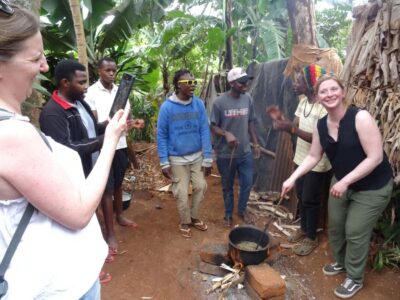
Arusha or Moshi : Hot Spring, Waterfall & Coffee Farm Tour
Read our review →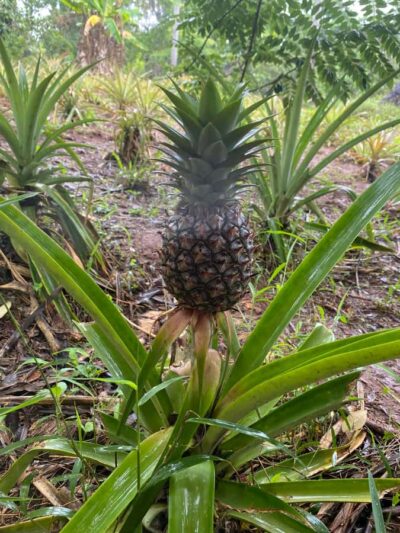
Browse the lists this tour appears in