
Review · COSTA RICA
Chocolate and Coffee Tour Farm Don Jorge
The best part of the Don Jorge farm tour is that you do not just watch chocolate and coffee being made. You handle the ingredients, roast and prepare coffee, shape your own chocolate, and taste produce grown on the property. Fabricio and Alexis are among the guides praised for clear explanations, warm humor, and easy conversation.
I like the small family-farm setting, where your group can ask questions and spend time with the people who run the place. I also like the mix of food, plants, birds, and a short walk to a waterfall, which gives the two-hour visit more variety than a simple tasting. The main consideration is weather and trail condition: the waterfall walk can be muddy or partly blocked after heavy rain, and swimming may not always be possible.
Key points to know before you go
- Make your own chocolate: You take part in preparing chocolate bars and hot cocoa, rather than only sampling finished products.
- A real family operation: Don Jorge is a small farm focused on personal attention, local crops, and hands-on learning instead of a large factory-style presentation.
- More than cacao and coffee: Tastings can include fresh pineapple, sugar cane juice, traditional hot chocolate, coffee, and a small amount of sugar cane liquor if you choose.
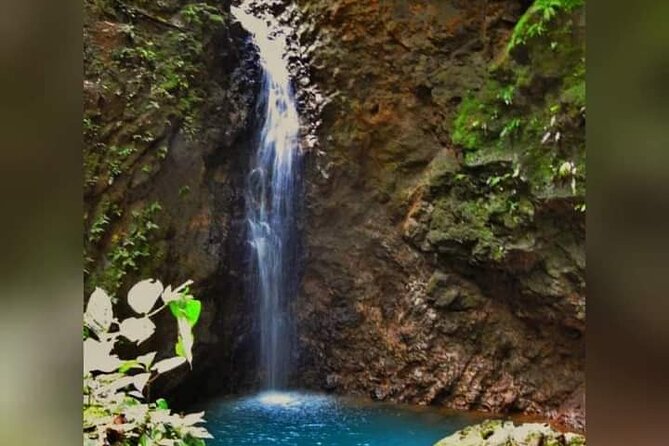
- A private waterfall on the farm: The walk adds a bit of rainforest scenery and may include swimming when conditions allow.
- Guides who work well with children: Fabricio, Alexis, and other family members have been especially good at keeping children involved.
- Plan for a wet-weather visit: The experience requires good weather, and a recent landslide or washed-out path has sometimes limited access to the waterfall.
What the Don Jorge farm experience is really like
This is a two-hour visit in Alajuela Province, beginning and ending at the meeting point near C9HP+39 in Burrito. The setting is a working small-scale farm, not a polished chocolate museum or industrial coffee plant.
That distinction matters. You see crops growing where the work begins, then follow some of the steps that turn cacao, coffee, and sugar cane into things you can eat and drink. The tour is built around participation, so it suits you best if you like asking questions, tasting several products, and getting your hands involved.
The farm visit also has a personal feel. Family members may help with the presentation, and guides such as Fabricio and Alexis have been praised for remembering names, including children, and making room for questions. The tone is informal and friendly rather than scripted.
You should allow about two hours, though the exact rhythm may depend on your group and the condition of the path to the waterfall. Since this is a private activity, only your group participates. That can make a big difference for families or small groups because you can move at your own pace and ask about the crops or preparation methods that interest you most.
More Coffee Farm Tours in the world:
- La Herradura Coffee Farm: tour in Europe’s only plantation
★ 4.8 · 430 reviews - Big Island: Volcanoes, Waterfalls, & Coffee Farm Day-Trip
★ 4.9 · 414 reviews - Small-Group Big Island Tour: Hawaii Volcanoes National Park and Kona Coffee Farm
★ 5.0 · 343 reviews
Starting with cacao, coffee, and tropical farm life
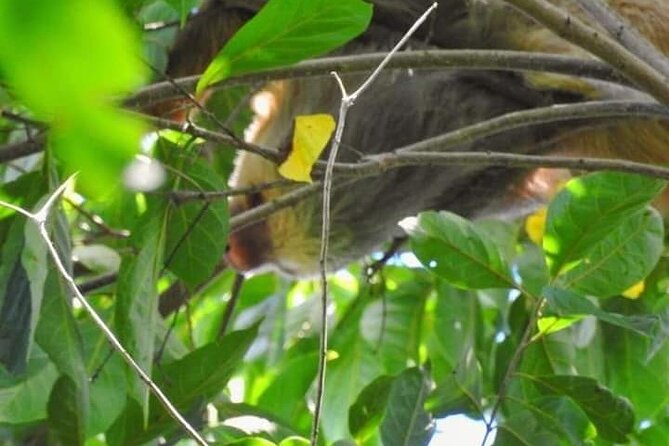
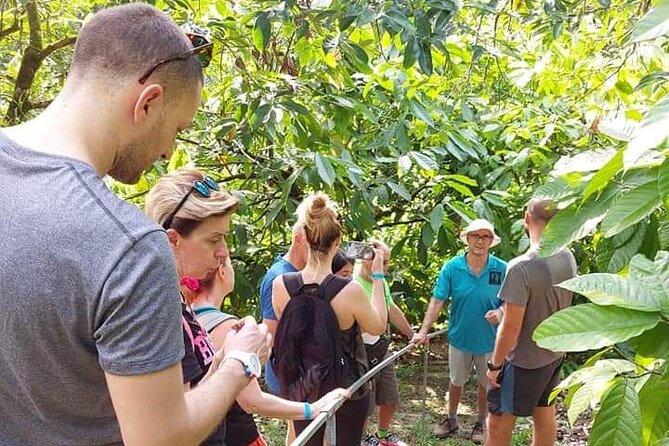
The visit begins by introducing you to the farm and its crops. Cacao and coffee are the main subjects, but the property also contains other plants and fruit trees. You may see tropical produce and birds along the way, with toucans appearing during some visits.
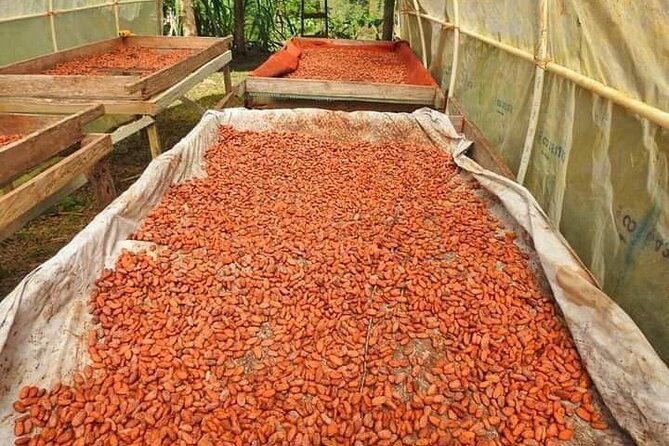
This opening walk gives useful context to the tasting that follows. Chocolate can seem like a finished product from a shop shelf, but here you see the cacao plant and learn that making chocolate starts with agricultural work. The same is true of coffee. You get a clearer sense of the connection between the plant, the harvest, and the drink in your cup.
The farm’s small scale is part of the appeal. You are not being moved through a large commercial operation with a fixed production line. Instead, the guide can pause to explain a plant, answer a question, or point out something interesting on the property.
I would pay close attention during this part if you are visiting with children. The farm walk gives them something to look at before the food preparation begins, and the guides have a good record of including younger participants rather than speaking only to adults.
The setting is also a good reminder that this is an outdoor activity. You are walking around a farm in a tropical part of Costa Rica, not sitting indoors for the entire visit. Comfortable shoes are sensible, and you should be ready for damp ground if the weather changes.
Making chocolate instead of only tasting it
The hands-on chocolate session is the heart of the tour. You help prepare chocolate bars and hot cocoa, then taste what you have made. For many people, this is more memorable than a standard demonstration because you are part of the process.
The guide explains the role of cacao and the work involved in turning it into chocolate. The presentation also covers cultural roots and traditional ways of preparing cocoa, including hot chocolate. You get both the food and the story behind it without needing a long formal lecture.
The activity works for mixed-age groups. Children can take part in shaping or preparing the chocolate, while adults can ask about farming, processing, and the difference between cacao and the sweet chocolate most people know. The guides are often described as patient and playful with children, which helps keep the session moving.
You may take home chocolate that you helped make. That is a useful extra because it gives the activity a physical souvenir rather than leaving you with only a quick taste at the farm.
Expect a casual setup, not a professional pastry class. The aim is to understand the ingredients and enjoy the process. If you want precise recipes, advanced chocolate techniques, or a long technical lesson, this is probably not the right choice. If you want a fun introduction with fresh samples and personal attention, it fits well.
Coffee preparation, sugar cane, and local drinks
Coffee gets equal billing with chocolate. You learn about the crop and take part in making coffee from the farm’s beans. A freshly prepared cup is served during the visit, and coffee lovers can ask questions as the guide explains how the beans are handled.
The coffee portion adds balance to the sweeter chocolate tasting. You can compare the flavor and preparation of the two crops rather than spending the entire tour on dessert. It also helps explain why coffee is such an important part of daily life and farming in Costa Rica.
Sugar cane adds another welcome change. You can taste fresh sugar cane juice and see how it is prepared. Some visits include the option of adding a little sugar cane moonshine to the drink. This is optional, so you can keep the tasting alcohol-free if you prefer.
Other tastings may include fresh pineapple, which gives you a direct taste of what grows on the property. There can also be a small sip of wine or another farm-made drink during the session, depending on how the activity is presented that day. The consistent focus is on sampling products connected to the farm.
The range of drinks makes the tour especially good for groups with different interests. One person can focus on coffee, another on chocolate, and children can enjoy hot cocoa and fruit. Since the tour is private, you have more freedom to ask about each item instead of moving on quickly.
A few more farm days around the world worth a look
- Amazing Yarra Valley Wine Tour + Chocolate, Farm Fresh, Gin
★ 5.0 · 1,566 reviews - Kauai Chocolate Farm Tasting Tour
★ 5.0 · 666 reviews - Award Winning Farm Tour: Coffee, Chocolate and Unique Gifts
★ 5.0 · 484 reviews - Basel Farmer’s Market, Cheese, Chocolate & Pastry Tour
★ 4.5 · 171 reviews
Walking to the waterfall on the property
After the food and drink portion, you may walk through a forested section of the property toward a private waterfall. The path adds a short nature outing to what could otherwise be a seated tasting.
The waterfall is a pleasant surprise because it changes the pace. You move from learning and sampling to a more active walk, with plants and wildlife along the route. If conditions are safe and the pool is accessible, you may be allowed to swim.
Bring a bathing suit and water shoes if you want to be ready for that possibility. This advice is practical rather than guaranteed. The path has been affected by rain and a landslide, and at times the route to the bottom has been washed out. You may still reach a scenic viewpoint even when swimming is not possible.
Weather matters here. The activity requires good weather, and a wet trail can make the walk harder. If rain leads to cancellation, you are offered another date or a full refund. If the waterfall is an important reason for booking, ask about trail conditions before setting out, since access can change.
Do not treat this as a major hike. It is an added walk on the farm, not a full-day rainforest trek. Still, you should be comfortable on an uneven outdoor path, especially if you plan to continue toward the swimming area.
Why the small group format adds value
At $50 per person, the tour is not the cheapest way to sample Costa Rican chocolate or coffee. The value comes from the combination of activities and the private format.
You are paying for more than a drink and a souvenir bar. The visit includes a farm walk, explanations of cacao and coffee, hands-on chocolate and coffee preparation, several tastings, and access to a waterfall on the property when conditions permit. The guide can also spend time answering your specific questions.
That value is strongest for families and small groups. A child who would lose interest during a long lecture gets several changes of pace: fruit, plants, birds, chocolate making, hot cocoa, coffee, and a waterfall walk. Adults get a closer look at farming and processing without giving up the fun side of the visit.
The price is harder to justify if you only want a quick chocolate sample or a formal coffee lesson. It also depends on how much of the waterfall walk is available that day. If the path is closed, the tasting and farm activities still remain, but one part of the advertised experience is reduced.
The private format helps soften that risk. You can ask the guide to spend more time on coffee, cacao, birds, or the farm’s family story. That flexibility is less common at large group attractions.
Guides and the tone of the visit
The people leading the tour are a major part of its appeal. Fabricio is repeatedly singled out for humor, strong English, plant knowledge, and an ability to involve both adults and children. Alexis is also praised for explaining coffee, cacao, and rum clearly while giving visitors chances to participate.
Other family members may help with the chocolate session and farm activities. That family involvement gives the tour a more direct connection to the property. You are meeting people connected with the operation rather than following a presentation built only for tourism.
The style is conversational. You can ask many questions, pause to look at plants, and enjoy a few laughs during the tasting. That works especially well if you prefer an informal guide who adapts to the group.
There is some variation in the experience because the guide and weather can shape the visit. The key point is that the tour depends on personal interaction. If you want a perfectly timed, highly standardized attraction, this may feel loose. If you like a guide who can respond to your interests, that is a strength.
Who should book this experience
I would recommend Don Jorge most strongly for:
- Families with children who enjoy making and tasting food
- Couples looking for a small local farm visit
- Coffee and chocolate fans who want to see both crops
- People who prefer private tours to large groups
- Visitors who enjoy a short nature walk along with cultural and food activities
- Small groups that want time for questions and personal attention
It also works well for a mixed-age family. Older relatives can enjoy the tasting and explanations, while children and teenagers have hands-on tasks and the option of a waterfall walk.
You should think twice if you have limited mobility or do not enjoy uneven outdoor paths. Most people can participate, and service animals are allowed, but the waterfall route can be rough or slippery. The activity is near public transportation, though the supplied details do not specify a particular bus route or transfer service.
The tour is also less suitable if you want a long coffee plantation visit or an advanced lesson in chocolate production. This is a compact introduction with several activities packed into about two hours.
Practical details for a smoother visit
The meeting point is in Burrito, Alajuela Province, at C9HP+39. The activity returns to that same point. Confirmation is provided when you book, and the tour is normally arranged for your group alone.
This is an outdoor farm experience, so I would bring comfortable footwear and clothing that can handle a little dirt or rain. Add a swimsuit and water shoes if you hope to use the waterfall pool. Keep in mind that swimming depends on trail and weather conditions.
Book at least several days ahead if your schedule is fixed. The average booking lead time is about 19 days, which suggests that you should not assume a last-minute place will be available.
Cancellation is free up to 24 hours before the start time. Inside that window, the payment is not refunded, and changes are not accepted. Since poor weather can affect the tour, the operator offers another date or a full refund if the experience itself is canceled for that reason.
Should you book the Don Jorge tour?
Book it if you want a personal, hands-on farm visit rather than a large commercial attraction. The strongest reasons are the family setting, the chocolate-making activity, the coffee and sugar cane tastings, and guides such as Fabricio and Alexis who make the visit easy for children and adults alike.
The waterfall adds real value, but treat it as weather-dependent rather than guaranteed swimming time. At $50, the tour makes sense when you plan to take part in several elements, not just sample chocolate.
For a family, couple, or small group based in the Alajuela area, I would choose Don Jorge when the goal is a friendly local experience with food, nature, and conversation in one short visit. If you want factory-scale production or a serious coffee seminar, spend your money elsewhere.
FAQ
Where is the Don Jorge Chocolate and Coffee Tour located?
The tour is in Alajuela Province, Costa Rica. The meeting point is listed at C9HP+39 in Burrito, and the activity ends back at that location.
How long does the tour last?
The experience lasts approximately two hours.
How much does the tour cost?
The listed price is $50 per person.
Is this a private tour?
Yes. Only your group participates in the activity.
What will I make during the tour?
You can take part in making chocolate bars, hot cocoa, and coffee. Sugar cane juice is also prepared and tasted during the experience.
What foods and drinks are included?
Tastings can include chocolate, hot cocoa, fresh coffee, sugar cane juice, fresh pineapple, and other farm products. Some visits also include a small amount of sugar cane liquor or wine.
Can I swim at the waterfall?
Swimming may be allowed at the waterfall on the property, but access depends on weather and trail conditions. A washed-out or damaged path can make swimming unavailable.
Should I bring a swimsuit?
Bring a swimsuit and water shoes if you would like the option to swim at the waterfall. Swimming is not guaranteed because conditions can change.
Is the tour suitable for children?
Yes. Most people can participate, and the hands-on activities are suitable for adults and children. The guides include children in the chocolate-making and tasting activities.
What happens if bad weather cancels the tour?
If the activity is canceled because of poor weather, you are offered a different date or a full refund. You can cancel for a full refund if you do so at least 24 hours before the scheduled start time.
Just added around the world
- Ubud Rice terrace,Zip-line and waterfall★ 5.0 · 4 reviews
- Full Day Tour to Water Temples UNESCO Rice Terraces in Bali★ 5.0 · 4 reviews
- Explore Ubud Art Market, Monkey Forest and Rice Terraces★ 5.0 · 16 reviews
- Exploring Munduk Village (Waterfalls, rice terrace, Traditional local house)★ 4.5 · 2 reviews
- Ubud Monkey Forest Rice Terrace Temple Waterfall Private Tour★ 5.0 · 7 reviews
- Jatiluwih Spiritual Journey of Melukat with Rice Terrace View★ 5.0 · 9 reviews
- Private Tour to Sumampan Waterfall, Monkey forest, Rice terraces and Swing★ 5.0 · 30 reviews
- Discover Hidden Waterfall, Unesco Rice Terraces and Mountain Temple★ 5.0 · 17 reviews
Costa Rica Farm Tours, compared.

Private Guided Walking Tour in Hacienda Baru TICKET NOT included
Read our review →
Pura Vida Cooking Class in La Fortuna (From farm to table)
Read our review →
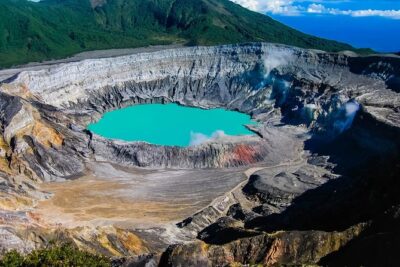
Poas Volcano + Coffee Plantations & La Paz Waterfall Gardens Trip from San Jose
Read our review →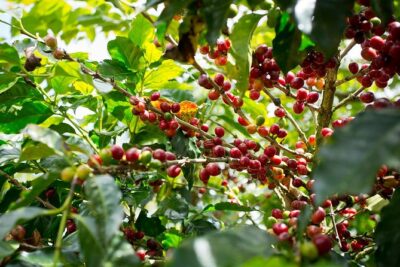
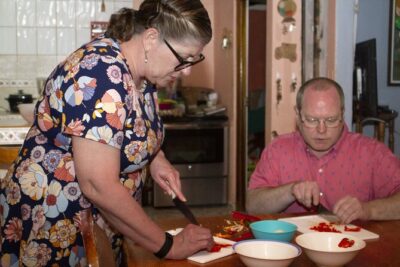
Private cooking class in organic farm at La Fortuna
Read our review →Browse the lists this tour appears in