
Review · INDONESIA
Nusa Penida: Ecotourism, Seaweed Farming & East Tour
East Nusa Penida becomes much more interesting when you look beyond its famous viewpoints. This six-hour outing takes you to working seaweed farms, introduces you to local conservation work, and then brings you to Atuh Beach, Diamond Beach, and the famous Treehouse. I like the real community contact and the chance to help with tying and planting seaweed. I also like the small group, which keeps the day personal.
The main consideration is pace. Six hours must cover farming, lunch, conservation, and several scenic stops, so you should expect a focused day rather than a slow, unhurried tour. The beaches also involve viewpoints and outdoor movement, and the tour is more rewarding if you want culture and conservation, not just photographs.
Key points at a glance
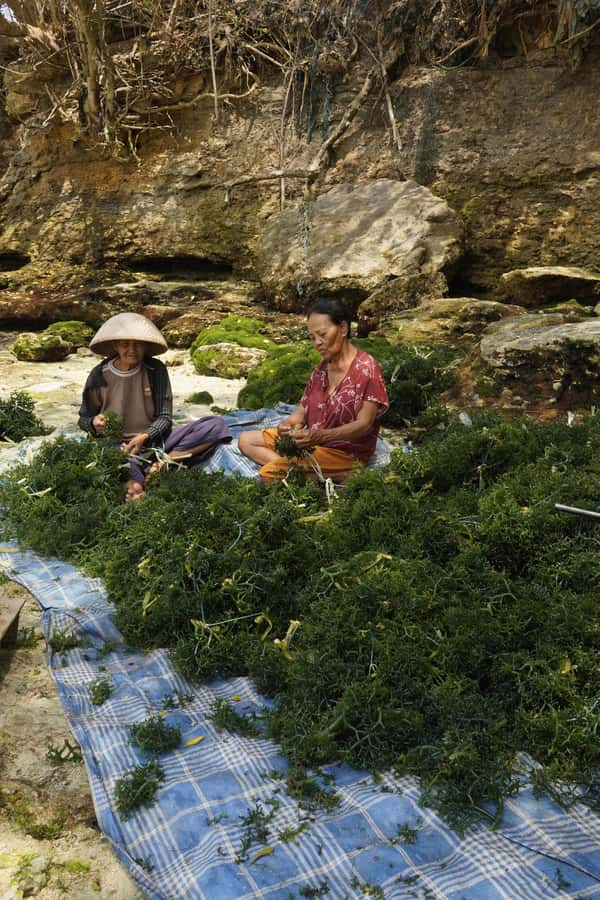
- Help with real seaweed farming: Tie and plant seaweed alongside local farmers, then learn how the crop is prepared and used.
- Meet conservation workers: Hear about a 10-year effort that includes coral recovery and care for coastal resources.
- Visit East Penida’s headline sights: Atuh Beach, Diamond Beach, and the famous Treehouse are built into the day.
- Keep the group small: With no more than eight participants, questions and conversation are easier.
- Eat as part of the experience: Lunch is included, and one farmer may welcome you to eat at his home.
- Choose from three guide languages: Tours are offered in English, Indonesian, or German.
Seaweed farming before the photo stops
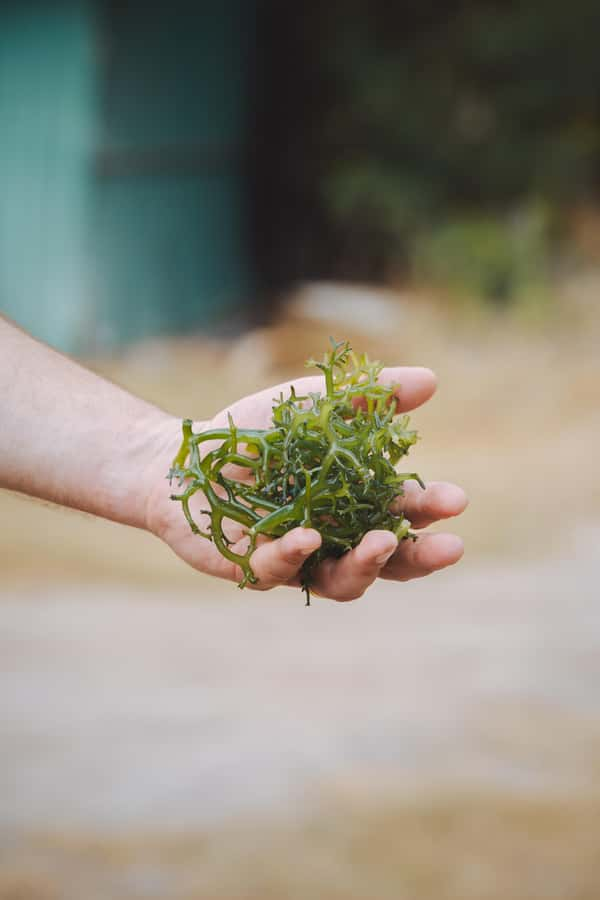
The heart of this experience is not a lookout. It is the seaweed farm.
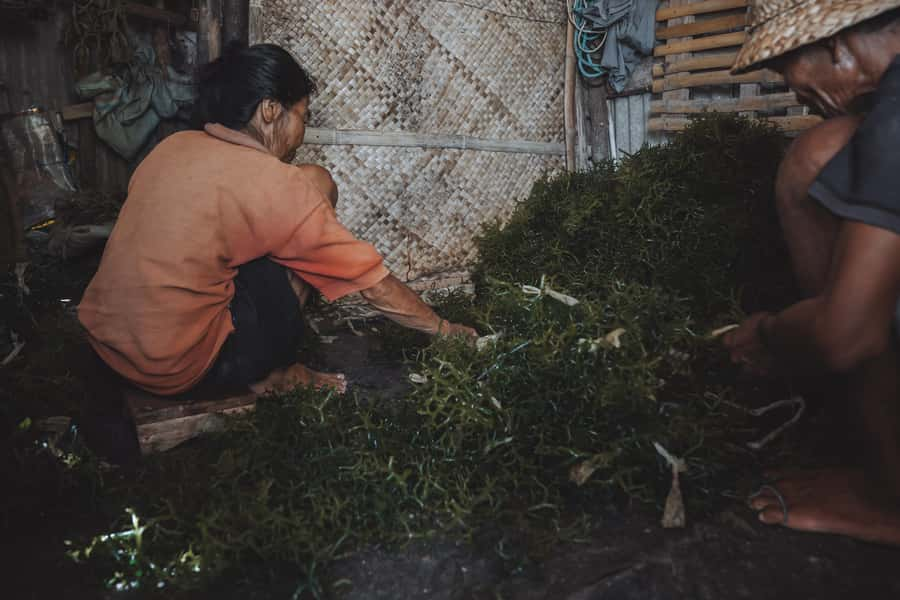
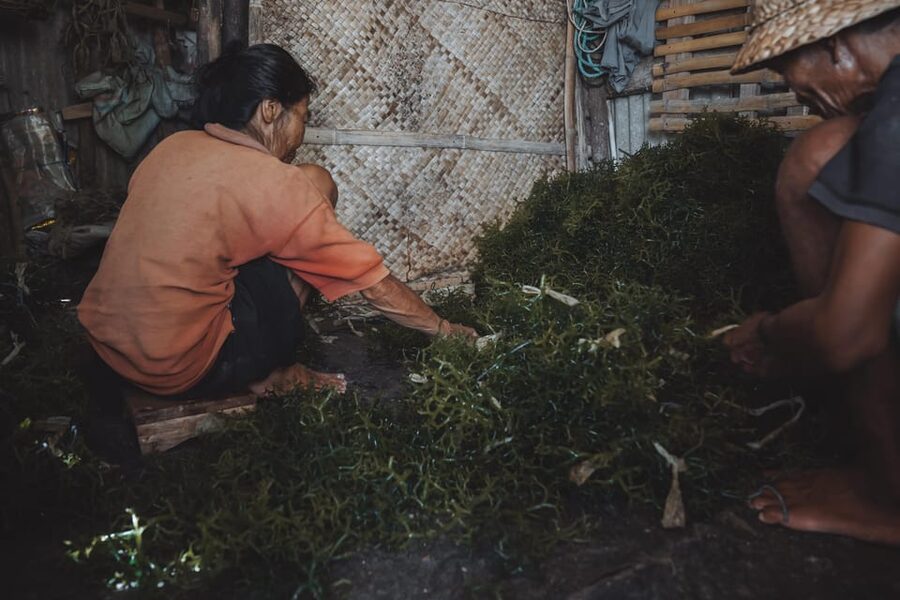
You travel to the coast by provided transportation and meet local farmers who grow and harvest seaweed. The guide explains how this ocean crop is handled, what it can be used for, and why it matters to island livelihoods. You are not simply watching from the side. The hands-on portion can include tying seaweed and planting it in the farm area.
That practical work gives the visit weight. Seaweed is often described as a sustainable ocean resource, but the phrase means more when you see the labor behind it. You get a better sense of how a coastal family earns a living and how farming can support the local economy without relying only on sightseeing.
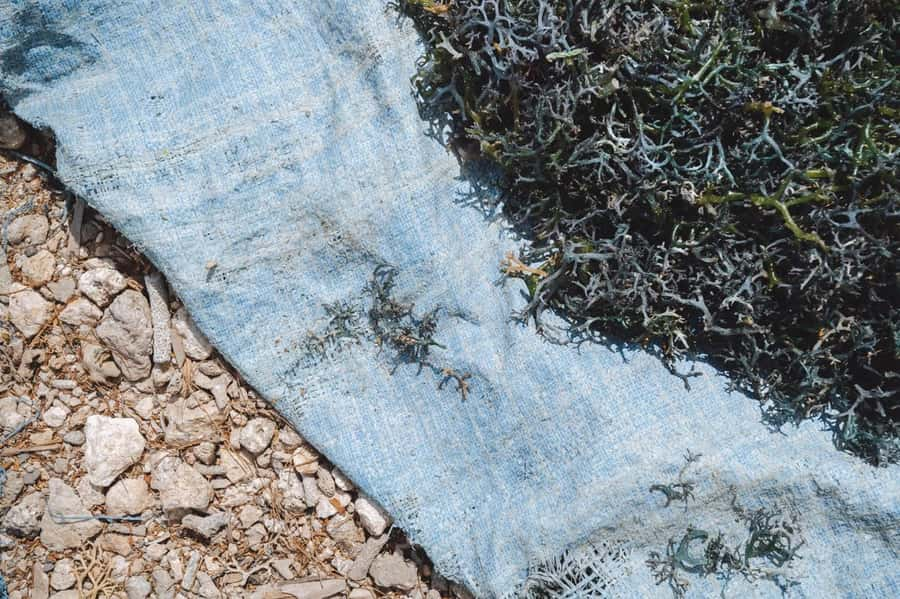
One useful detail is that the experience includes seaweed preparation. You may handle the crop and see how it is readied for use, rather than hearing only a short talk. Aina, who took part in the activity, especially valued the chance to perform algae preparation and see the group’s coral recovery work.
You should come ready to listen, ask questions, and get involved. This is not a polished demonstration designed only for a camera. The value comes from meeting the people who do the work and understanding the process through them.
A few more farm days around Indonesia worth a look
- Ubud: Monkey Forest, Jungle Swing, Rice Terrace, and Water Temple
★ 5.0 · 7,160 reviews - Ubud: Waterfalls, Water Temple & Rice Terraces Private Tour
★ 5.0 · 5,484 reviews - Ubud: Waterfall, Rice Terraces & Monkey Forest Private Tour
★ 4.9 · 4,894 reviews
A decade of conservation in East Penida
The tour also connects seaweed farming with a broader conservation effort. The local team has a 10-year legacy of conservation, including coral recovery work. That connection matters because it shows how the day links livelihoods, coastal care, and tourism.
You learn from local conservationists as well as farmers. The exact balance may depend on the day and the guide, but the focus is clear: spend money with the community, learn about useful ocean resources, and see how conservation work fits into island life.
I find this more useful than a generic environmental talk because the subject is tied to a place and to people you meet. You can ask how seaweed is grown, what it is used for, and how the work affects the coast. The activity makes sustainability concrete instead of leaving it as a slogan.
The coral recovery element is another strong point. Aina described the local guides’ work in coral recovery as astonishing, while the hands-on farming session gave the day a practical side. You should not expect a full marine science course, but you will come away with a clearer picture of how a small island community can work with its coastal environment.
Meeting local families over lunch
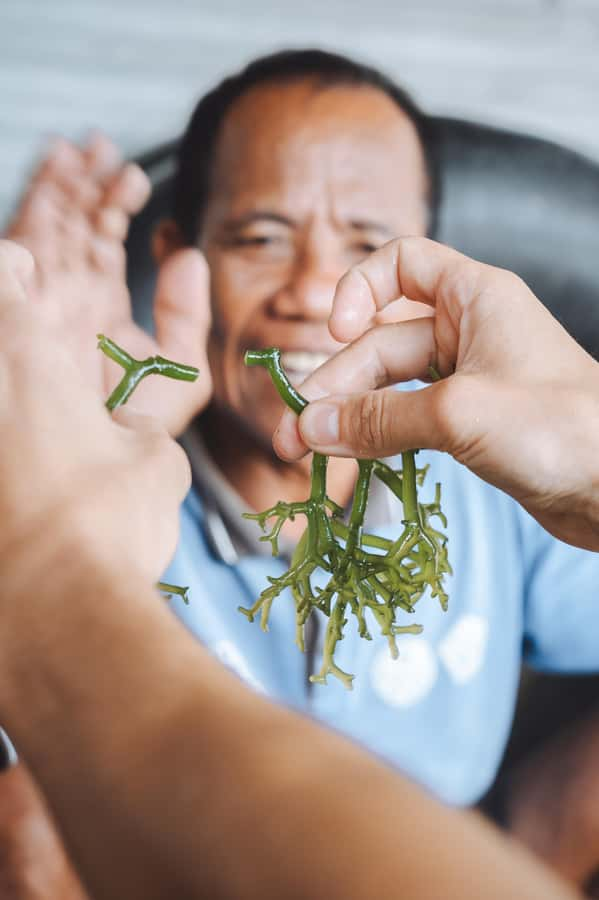
Lunch is included, along with snacks, coffee, and tea. The meal is more than a useful break between stops. It can also create one of the day’s most personal moments.
During one outing, the seaweed farmer invited the group to eat at his house. That kind of welcome cannot be promised on every departure, but it shows the sort of contact this activity can provide. You may find that the conversation around a meal tells you as much about daily life as the formal explanation at the farm.
The meal also adds value to the $73 price. You are paying for transport, a guide, conservation and farming activities, food, and entry-related taxes and fees. Compared with a simple sightseeing transfer, the cost covers much more than getting from one beach to another.
Still, it is best to judge the price by your interests. If you only want a quick tour of East Penida’s viewpoints, a basic sightseeing trip may be a better fit. If you want local contact and a guided activity with food included, the price is easier to justify.
Atuh Beach and Diamond Beach
After the farming and community portion, the day shifts to East Penida’s famous coastal scenery. Atuh Beach and Diamond Beach are both included among the main stops.
These beaches offer the visual reward people usually expect from Nusa Penida: high coastal views, dramatic shorelines, and memorable photo settings. The stops give the tour a useful balance. You spend part of the day learning how people live and work, then have time to appreciate the island’s natural beauty.
Do not expect the beaches to feel like a private coastal retreat. They are well-known sights, and the short tour format means your time at each place may be limited. The trade-off is efficiency: you can connect the quieter community visit with two of East Penida’s best-known views in one outing.
The names can also create some flexibility. Marley’s group visited Diamond Beach or Atuh Beach, and the guide fitted in Giri Putri Cave when the route allowed and the group requested it. That suggests the day can have some room for adjustment, but you should treat Giri Putri Cave as an extra possibility, not a guaranteed stop. Atuh Beach and Diamond Beach are the stated highlights.
Same fields, a different sort of day out:
- Ubud: Full-Day Rice Terrace, Monkey Forest & Waterfall
★ 5.0 · 2,634 reviews - Full-Day Tour to Water Temples and UNESCO Rice Terraces in Bali
★ 5.0 · 2,539 reviews - Ubud: Balinese Cooking Class at an Organic Farm
★ 5.0 · 1,786 reviews - Ubud: Monkey Forest, Ceking Rice Terraces and More– Full Day
★ 4.7 · 917 reviews
The Treehouse and East Penida’s big views
The famous Treehouse is another planned sight. It is a quick, memorable visual stop that fits naturally with the beach viewpoints.
For many people, this will be the most instantly recognizable part of the day. The Treehouse offers the kind of unusual setting that makes East Penida photographs easy to remember. It also helps break up the more educational parts of the tour.
The important point is that the Treehouse does not replace the local experience. You are not choosing between scenery and culture here. You get both, though neither side receives a full day on its own. The tour works best as a compact introduction to the east side of the island.
Bring patience for the road time and transitions. The provided transportation is useful because you do not need to arrange separate rides between farms, viewpoints, and beaches. At the same time, a six-hour schedule has to account for moving between places, so the day will feel active.
Why the small group matters
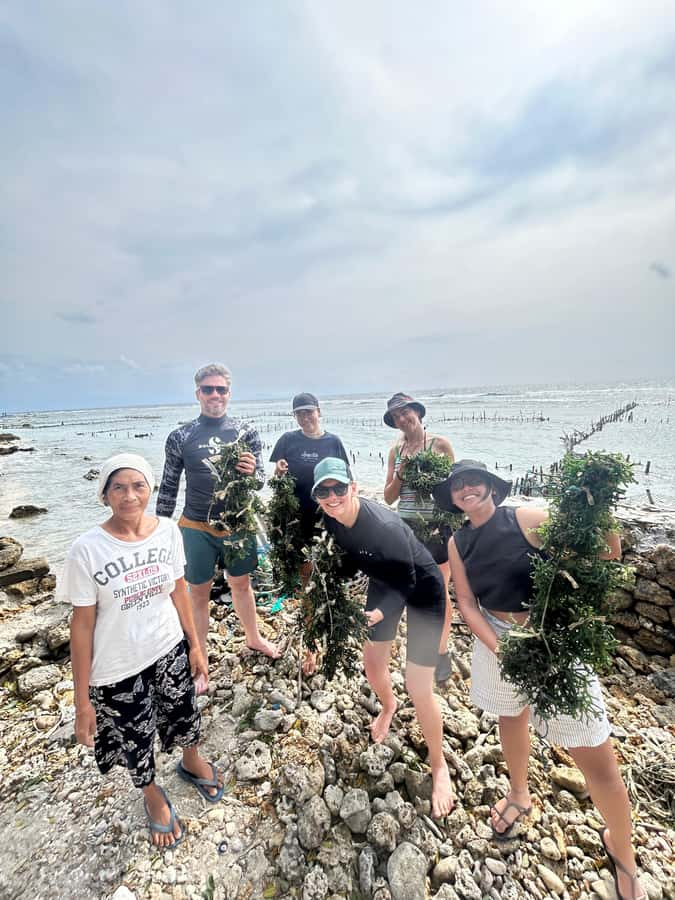
The group is limited to eight people. That number is large enough to keep the price from becoming a private-tour price, but small enough for direct conversation.
A small group matters most at the farm. You can ask questions without trying to speak over a crowd, and the farmer has a better chance to interact with people directly. It also helps during lunch and the conservation discussion, where a personal exchange is part of the point.
Festi is one guide associated with the experience, and the feedback from Tom and Marley gives particular credit to her clear answers and helpful approach. If Festi leads your day, you can expect a guide who is ready to handle questions about Indonesian culture, seaweed farming, and the route. Guide availability is not guaranteed, so check the departure details when booking.
The tour is offered in English, Indonesian, and German. That makes it a practical choice for mixed-language visitors, but confirm your preferred language before paying.
Who will get the most from this tour
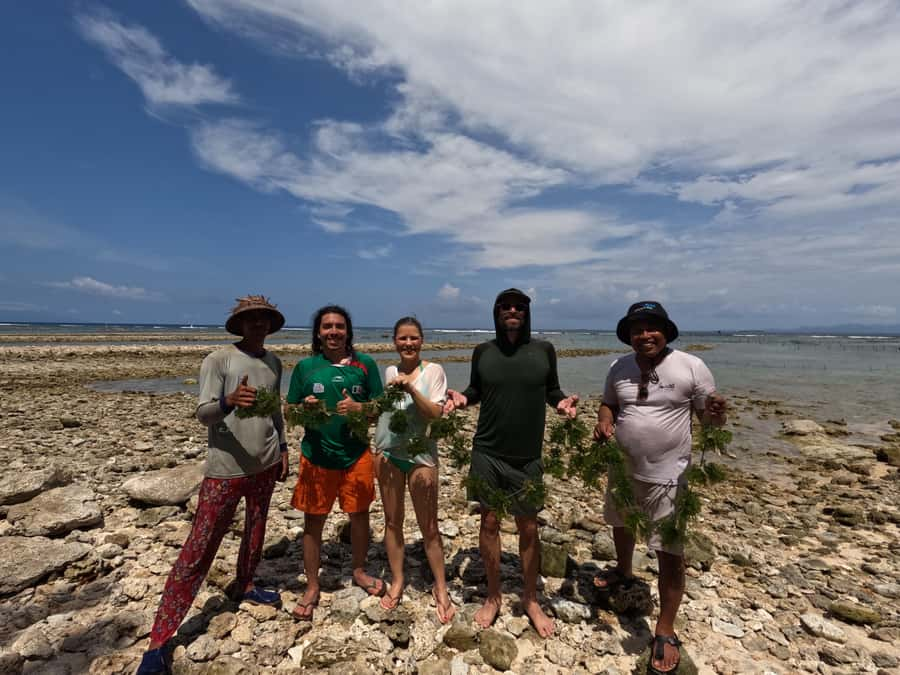
I would choose this experience if you want more than a checklist of viewpoints. It suits you if you like meeting local people, learning how a product is made, and seeing how conservation fits into a community’s daily work.
It is also a good match for visitors who want a manageable small-group outing. The included transport removes some of the hassle of organizing the east coast independently, while lunch and drinks keep the day simple.
Families and curious older children may enjoy the hands-on seaweed work, provided they are comfortable with an outdoor activity and a busy half-day schedule. The tour also suits solo visitors because the small group gives you a ready-made social setting without the feel of a large coach trip.
I would think twice if your only goal is long beach time. The tour includes beaches, but it is not a beach day. I would also reconsider if you dislike changing activities quickly or prefer a private schedule with no possibility of route adjustments.
What to know before booking
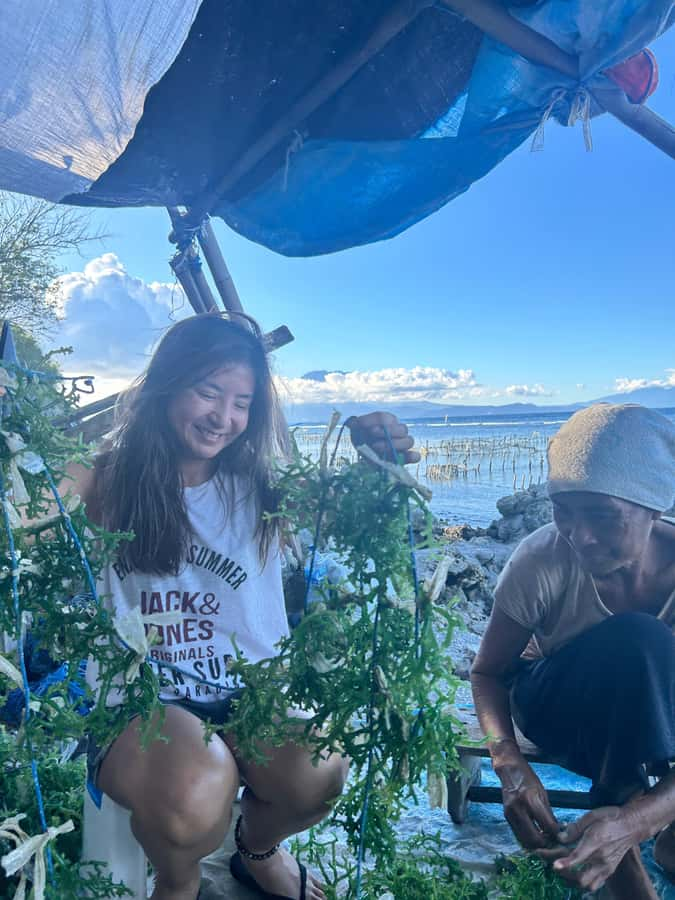
The cost is $73 per person, and the package includes transportation to the farms and sights, lunch, snacks, coffee, tea, taxes, and fees. That is fair value for a six-hour program that combines a working farm, conservation, several major sights, and a meal.
The experience currently has a 5 out of 5 rating from four verified bookings. The strongest praise centers on three things: the local guides, the seaweed work, and the chance to see ordinary island life rather than only the tourist side. Tom found Festi especially helpful with questions about Indonesian culture, while Marley valued being able to tie and plant the seaweed.
You can cancel up to 24 hours ahead for a full refund, and the reserve-now, pay-later option keeps your plans flexible. Starting times depend on availability, so check the schedule before committing to other plans that day.
Wear clothing suitable for an outdoor coastal activity. The supplied information does not specify footwear, walking distances, or facilities at each stop, so ask the provider if you need details for mobility, children, or particular physical requirements.
Should you book it?
Book this tour if you want East Nusa Penida with context. The beaches and Treehouse give you the scenery, but the seaweed farm, coral recovery work, local meal, and small group give the day its character.
Skip it if you want a slow beach visit or a private sightseeing schedule. For everyone else, the combination of real farm work, local guides, conservation, and famous east coast sights makes this a strong choice at $73, especially if you value experiences that put community life ahead of a simple photo stop.
FAQ
How long does the Nusa Penida ecotourism tour last?
The tour lasts six hours. Starting times depend on availability.
How much does the experience cost?
The listed price is $73 per person.
Which languages are available?
The live tour guide can provide the experience in English, Indonesian, or German.
How many people are in the group?
The group is limited to eight participants.
What is included in the price?
Transportation to the seaweed farms and sights, lunch, snacks, coffee, tea, and all taxes and fees are included.
Can I cancel or pay later?
You can cancel up to 24 hours in advance for a full refund. You can also reserve your place and pay later, so no payment is needed at the time of booking.
Just added around Indonesia
- Ubud Rice terrace,Zip-line and waterfall★ 5.0 · 4 reviews
- Full Day Tour to Water Temples UNESCO Rice Terraces in Bali★ 5.0 · 4 reviews
- Explore Ubud Art Market, Monkey Forest and Rice Terraces★ 5.0 · 16 reviews
- Exploring Munduk Village (Waterfalls, rice terrace, Traditional local house)★ 4.5 · 2 reviews
- Ubud Monkey Forest Rice Terrace Temple Waterfall Private Tour★ 5.0 · 7 reviews
- Private Tour to Sumampan Waterfall, Monkey forest, Rice terraces and Swing★ 5.0 · 30 reviews
- Discover Hidden Waterfall, Unesco Rice Terraces and Mountain Temple★ 5.0 · 17 reviews
- Jatiluwih Spiritual Journey of Melukat with Rice Terrace View★ 5.0 · 9 reviews
Indonesia Farm Tours, compared.
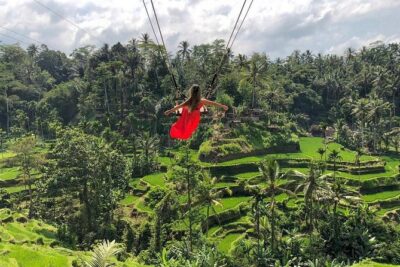
Monkey Forest, Jungle Swing, Rice Terrace, and Water Temple
Read our review →
Waterfalls, Water Temple & Rice Terraces Private Tour
Read our review →
Waterfall, Rice Terraces & Monkey Forest Private Tour
Read our review →
Full-Day Rice Terrace, Monkey Forest & Waterfall
Read our review →
Full-Day Tour to Water Temples and UNESCO Rice Terraces in Bali
Read our review →
Monkey Forest, Ceking Rice Terraces and More– Full Day
Read our review →
Browse the lists this tour appears in