
Review · OLIVE
The Olive Oil Experience @ Lefkada Micro Farm
Lefkada Micro Farm turns a bottle of olive oil into a lesson in farming, food, and Mediterranean health. The most interesting part is the tasting: you learn why good extra virgin olive oil can have a sharp, peppery finish, rather than the flat taste many supermarket oils offer. The farm also grows rare White Lefkadian olive trees, a local detail that gives the visit a real sense of place.
I like the practical shopping advice and the chance to taste several oils side by side. I also like the garden stop, where you can smell and sample some of the vegetables, fruit, or flowers growing on the property. The main drawback is that this is a tasting class, not a full meal or a long farm tour, and the food served may be quite modest.
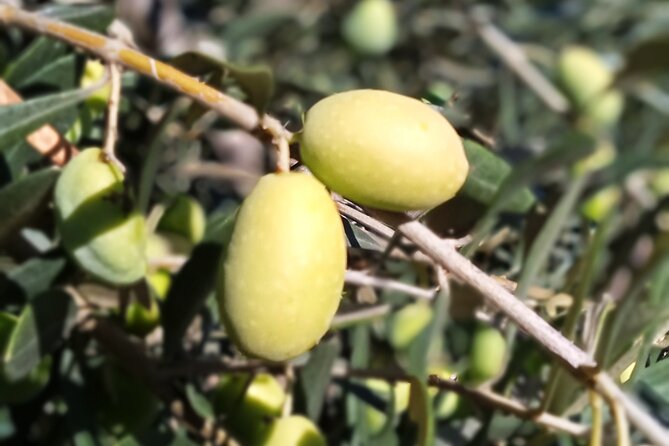
- White Lefkadian olive trees: See a rare local variety in an organic grove.
- Side-by-side oil tasting: Compare farm-made extra virgin oils and notice their different flavors.
- Peppery high-polyphenol finish: Learn why a strong throat kick can signal useful antioxidants.
- Garden sampling: Smell and try produce or flowers growing at the micro farm.
- Olive Oil ABC: Take home advice on buying, storing, and cooking with olive oil.
- Small-group setting: The maximum group size is 30 people, with the visit lasting about two hours.
A farm visit built around the real taste of olive oil
Many people use extra virgin olive oil every day but rarely taste it on its own. That is the gap this experience tries to fix.
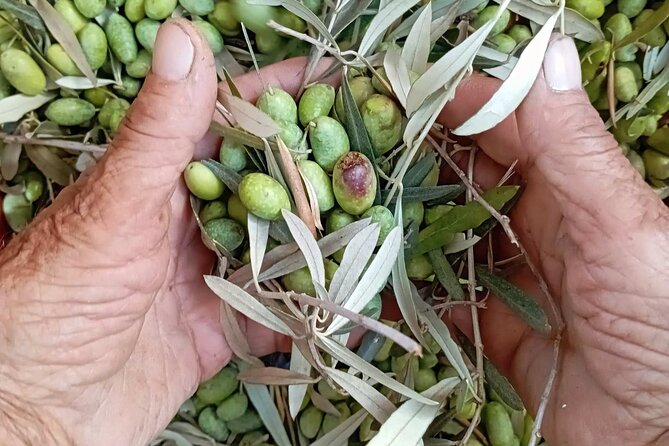
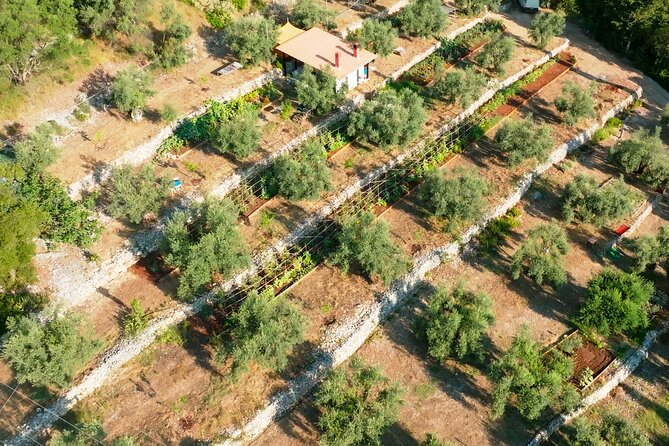
At Lefkada Micro Farm, you begin with the source: an organic olive grove and an open-air farm setting. The aim is not simply to show you trees and pour oil into a dish. You are taught how olives become oil, what separates genuine extra virgin oil from lower-quality supermarket products, and how to recognize the difference with your own nose and palate.
That makes this a useful stop for anyone who wants more than a pretty agricultural visit. You get a short lesson in production, a tasting session, and advice you can use long after your Greek holiday ends.
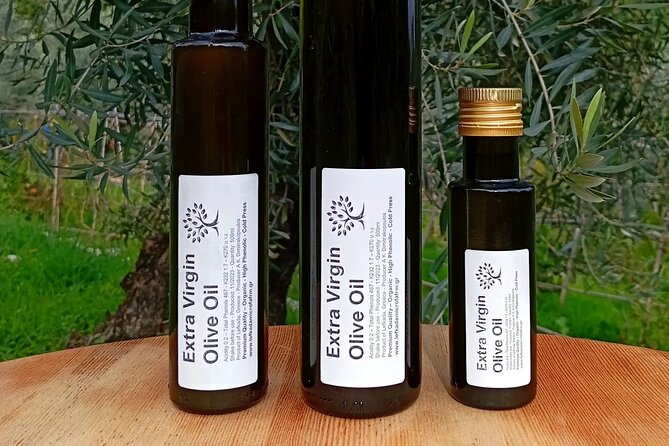
The farm says it reached its first harvest only five years ago and has since won back-to-back Silver Awards in New York for 2025 and 2026. Those awards do not guarantee that every bottle will suit your taste, but they give the tasting a clear focus. You are not sampling anonymous oil poured from a large commercial container. You are learning about a young producer with a strong interest in quality and local identity.
Meeting the White Lefkadian olive trees
The visit takes place at Lefkada Micro Farm, located on the road between Nidri and Vafkeri Rachi, with the listed address in Nidri, Lefkada 311 00. The activity begins and ends at this meeting point.
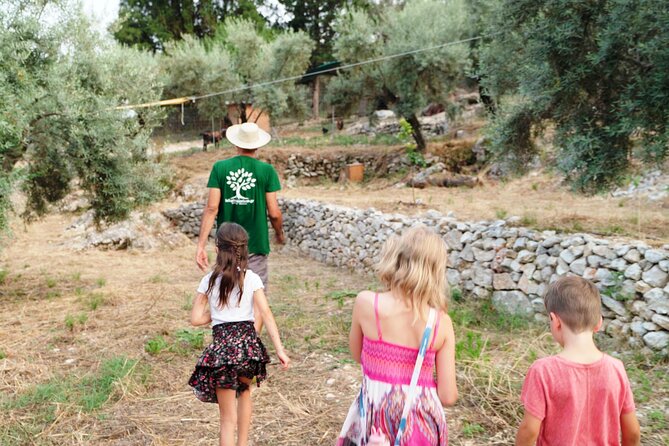
The first stop is described as an open-air museum. That phrase matters because the setting is part of the lesson. Instead of starting in a classroom, you see the grove and the farm grounds around you. The trees, soil, garden, and growing conditions help explain why olive oil is tied so closely to Mediterranean cooking and daily life.
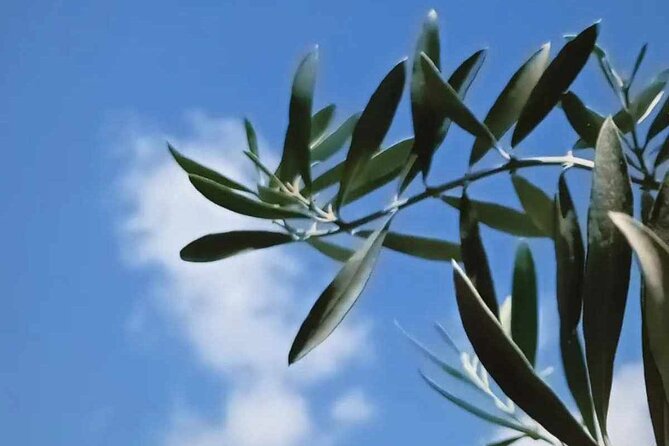
The farm’s White Lefkadian trees are a special feature. They offer a connection to Lefkada rather than a generic olive-oil demonstration that could happen anywhere. You will learn how the farm works with regenerative organic practices, although the supplied details do not spell out each farming method. Expect an explanation of the approach, not a technical field course in soil science.
This part should appeal to you if you like food experiences that begin with the producer. It is also a good choice if you want a quieter alternative to a crowded sightseeing stop. The group can reach 30 people, so the atmosphere may not always feel private. Still, the farm setting gives the visit more character than a tasting held in a standard shop.
More Olive Farm Tours in Greece
- Crete: Road-trip to Lasithi, Zeus Cave & Olive Mill Farm
★ 4.4 · 451 reviews - Heraklion: Olive Farm Tour with Tasting of Local Delicacies
★ 4.9 · 411 reviews - Lassithi, Zeus Cave, Olive Mill Farm & Knossos Combo Tour
★ 4.6 · 404 reviews
How olives become extra virgin olive oil
The central lesson explains the process of making olive oil. You will learn how olives move from grove to finished product and why handling and production affect the result in your bottle.
The distinction between ordinary supermarket oil and authentic extra virgin olive oil is a major theme. You are shown what to look for when buying, rather than being asked to accept a label at face value. That is useful because the words on an olive-oil bottle can be confusing, and many shoppers do not know how freshness, storage, and production affect flavor.
The experience is aimed at beginners as well as people who already cook with olive oil. You do not need a trained palate. The tasting is meant to show you the basic signs of quality through scent, flavor, and mouthfeel.
One lesson to expect is the peppery sensation at the back of the throat. The farm connects this quality to high polyphenol levels, the antioxidants associated with many of olive oil’s health benefits. A strong peppery finish may surprise you if your usual oil tastes mild. Here, that bite is presented as a useful clue rather than a flaw.
You should keep your expectations sensible. A tasting can explain the difference between oils, but it cannot turn you into a professional oil grader in two hours. Its value is practical: after the visit, you should have a better idea of what fresh, well-made oil can taste like and what questions to ask when shopping.
Tasting several oils without rushing the lesson
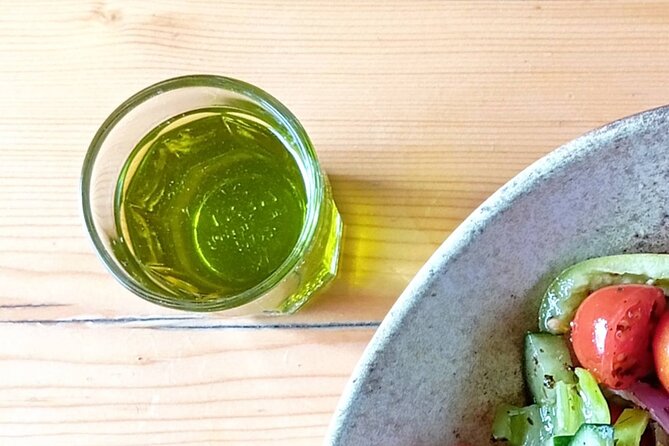
The tasting is the heart of the experience. You sample different varieties of extra virgin olive oil produced on the farm and compare their character.
I like this format because side-by-side tasting gives you a reference point. One oil may seem fruity, another more bitter, and another more peppery. Those differences help you understand that olive oil is not a single uniform ingredient.
The session is also useful for correcting a common assumption: gentle flavor does not always mean better quality. The farm places special attention on the peppery kick linked to polyphenols. You may prefer a softer oil for some dishes, but knowing why an oil tastes sharp gives you more control in the kitchen.
The tasting should not be confused with lunch. One particularly negative account described a very small amount of food, including four cherry tomatoes and one piece of pepper, along with lukewarm tap water. That may not represent every session, but it is a fair warning: do not arrive hungry and expect a farm-to-table meal.
The vegetables are there to help you taste the oil with simple foods, not to provide a substantial spread. If you see the visit as an olive-oil class with small samples, the format makes sense. If you are paying for a generous food tasting, the value may feel weak.
You should also tell the farm about allergies or food restrictions before the visit. That is especially important because the experience can include garden produce, fruit, vegetables, or flowers.
The garden adds a hands-on touch
The farm garden gives the visit a second food focus. You may smell and try vegetables, fruits, or flowers growing on the property.
This part is simple but effective. Olive oil is easier to understand when you taste it with plain ingredients rather than burying it under a complicated dish. A tomato, pepper, or other fresh item lets you notice how the oil changes the flavor and texture of food.
The garden also helps connect the lesson to everyday cooking. You are not learning about olive oil as a collectible product. You are learning how to use it on salads, vegetables, and other familiar foods.
The small amount of garden produce can be a drawback if you expect a broad farm tour. The information supplied does not promise a large harvest demonstration, cooking lesson, or full meal. Think of the garden as a sensory stop within the larger class.
There may also be animals around the property. A negative account mentioned petting stray cats, but cats are not listed as a formal feature of the experience. Do not book this as an animal encounter. Any contact with them would be incidental.
Same fields, a different sort of day out:
- Mykonos: Farm, Ano Mera Village, and Beaches Guided Tour
★ 4.4 · 1,283 reviews - Naxos Perivoli Farm Experience & Wood-fire Cooking Class
★ 5.0 · 339 reviews - Cretan Cooking Class and Olive Oil Tasting
★ 5.0 · 178 reviews - Melanes: Naxos Perivoli Farm & Cooking Class with Wood Fire
★ 5.0 · 177 reviews
The Olive Oil ABC you can use at home
The most useful promise of the visit is the take-home advice. The farm teaches an Olive Oil ABC covering three areas: buying, storing, and cooking.
When you shop, you will learn what kind of bottle to choose and what information to check. The goal is to help you select the correct product rather than simply pick the most attractive label or the cheapest bottle.
Storage is just as important. Olive oil loses freshness when handled poorly, so the class explains how to keep it in better condition. That advice can save you money because a high-quality bottle is wasted if it sits in a warm or bright spot for too long.
Cooking advice rounds out the lesson. You will learn how to use virgin olive oil in a way that keeps as much of its benefit as possible. This is valuable for home cooks because the best bottle in the shop does no good if you store or use it carelessly.
One attendee described taking the information home and using it to improve everyday salads. That is the kind of result this experience can deliver: not a dramatic sightseeing memory, but a small change you keep using at lunch.
Why the $62.48 price may or may not feel right
The listed price is $62.48 per person for about two hours. That is not a bargain if you judge the experience by the amount of food served. The tasting portions may be small, and this is not a meal replacement.
The price makes more sense if you value the instruction, the farm setting, the chance to compare several oils, and the local connection to Lefkada’s olive-growing culture. You are paying for a guided lesson as much as for the samples.
I would compare it with other food activities by asking what you want from the morning or afternoon. If you want a hearty lunch, choose a restaurant or a food tour with a clear meal included. If you want to understand a product you use every day, this visit offers more lasting value.
The farm’s award history also gives the tasting a clear purpose. The producer is presenting oils that received Silver Awards in New York in 2025 and 2026, so you can sample a product with recognized competition results. Awards are helpful context, but taste remains personal. You may prefer a mild oil to a strong, bitter one.
Timing, group size, and the meeting point
The experience lasts approximately two hours. That is long enough for a grove visit, a production explanation, garden sampling, and an oil tasting without taking up a full day.
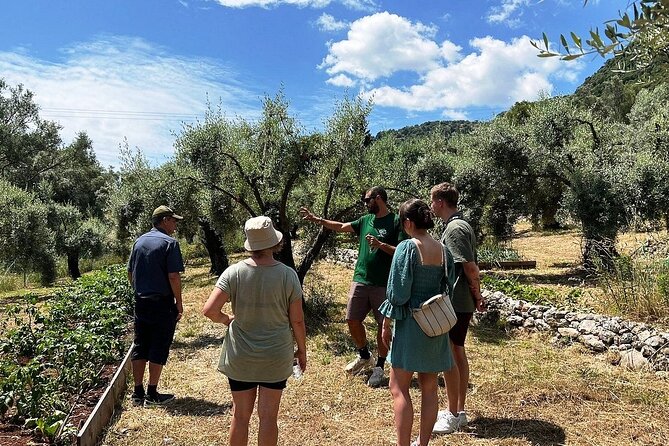
The maximum group size is 30 people. That is not a tiny private lesson, so the amount of personal attention can depend on the group and the guide. If you want to ask detailed questions, speak up during the tasting rather than waiting until the end.
The meeting point is Lefkada Micro Farm on the E.O. Nydriou Vafkeris Rachi road, Nidri 311 00, Greece. The activity finishes at the same place. Public transportation is nearby, and confirmation is normally issued at booking, subject to availability for bookings made within three hours of the start time.
Mobile tickets make the arrival process simple. Service animals are allowed, and most people can participate. Tell the provider about allergies or food restrictions before you arrive.
The experience is offered in English. No guide names are provided, so you should not book expecting a particular named host. The teaching format, rather than a celebrity guide, is the main reason to choose it.
Who will get the most from this farm experience
I would recommend this visit to you if you cook regularly, enjoy food education, or want a quieter activity away from Lefkada’s beaches. It is especially useful if you already buy extra virgin olive oil but are unsure how to judge freshness or quality.
It also suits couples, families, and small groups who like tasting activities with a practical lesson attached. Most people can participate, and the two-hour length is manageable for a mixed-age group.
You may want to skip it if you need a full meal, dislike tasting strong or bitter flavors, or expect a large working farm with many activities. The experience is focused and specific. Its subject is olive oil, with the grove and garden supporting that central lesson.
The modest portions are the clearest concern. Bring realistic expectations and plan another meal afterward.
Should you book the Olive Oil Experience?
Book it if you want to understand what good olive oil tastes like and learn how to buy, store, and use it at home. The White Lefkadian trees, farm-made oils, garden sampling, and polyphenol lesson give the visit a local identity that a shop tasting would lack.
Skip it if your priority is generous food, a long agricultural tour, or a low-cost activity. At $62.48, the value depends on how much you want the instruction. For the right visitor, the best souvenir is not just a bottle. It is the ability to taste that bottle with more confidence.
FAQ
Where does the Olive Oil Experience take place?
It takes place at Lefkada Micro Farm on E.O. Nydriou Vafkeris Rachi, Nidri 311 00, Greece.
How long does the experience last?
The experience lasts approximately two hours.
Where does the activity finish?
The activity ends back at Lefkada Micro Farm, the same place where it begins.
How much does the experience cost?
The listed price is $62.48 per person.
What language is the experience offered in?
The experience is offered in English.
What will I taste?
You will taste different varieties of extra virgin olive oil produced at the farm. You may also smell and try vegetables, fruits, or flowers growing in the garden.
Will I learn how olive oil is made?
Yes. The experience explains the process of making olive oil and the differences between authentic extra virgin olive oil and supermarket oil.
Will I learn how to choose and store olive oil?
Yes. The Olive Oil ABC covers how to choose the correct bottle, store the oil properly, and cook with it while preserving its benefits.
Are service animals allowed?
Yes, service animals are allowed.
Can I cancel for a full refund?
Yes, you can cancel for a full refund if you cancel at least 24 hours before the experience start time. Cancellations or changes made less than 24 hours before the start time are not accepted for a refund.
Just added around Greece
- Visit a Farm and Horseback Riding in Nature★ 5.0 · 10 reviews
- Insightful Pistachio Orchard and Factory Tour★ 4.5 · 27 reviews
- Santorinian Agriculture, Food, Wine, Beer, and Spirits★ 5.0 · 6 reviews
- Private Olive Oil tasting & Liqueur experience★ 5.0 · 17 reviews
- Santorini 5 Hour Private Oia Tour & Lunch/Dinner at a Local Farm★ 5.0 · 40 reviews
- Flavors of Santorini: Farm-to-Table Meal Wine & Authentic Village★ 5.0 · 12 reviews
- Honey production &Tasting experience ” Areti Honey “★ 5.0 · 4 reviews
- Cooking Class Sunset Dinner and Tour in Paros Farm★ 5.0 · 5 reviews
Olive Farm Tours, compared.
Sorrento Farm and Food Experience including Olive Oil, Limoncello, Wine tasting
Read our review →
Road-trip to Lasithi, Zeus Cave & Olive Mill Farm
Read our review →
Olive Farm Tour with Tasting of Local Delicacies
Read our review →
Lassithi, Zeus Cave, Olive Mill Farm & Knossos Combo Tour
Read our review →
Alghero: Wine and Olive Oil Tasting at a Local Farm
Read our review →
Moires: Cooking Class and Olive Oil Tasting at a Family Farm
Read our review →
Road-trip to Lasithi, Zeus Cave, Vidiani, Krasi & Olive Mill Farm
Read our review →Browse the lists this tour appears in