
Review · GREECE
Honey production &Tasting experience ” Areti Honey “
Rhodes has plenty of grand sights, but this small family apiculture center in Archipoli offers a closer look at one of the island’s everyday treasures: honey. Areti, an agronomist and third-generation beekeeper, explains the work from hive to jar while her family’s connection to bees gives the visit a personal touch.
I like the chance to taste several floral types side by side, including thyme, pine, forest, flower, and heather honey. I also like the direct, hands-on feel: you see the workshop, sample honey from the comb, and share tea or coffee with honey-based treats. The main point to check is timing. The tour is listed at about 90 minutes, while some descriptions of the family visit refer to a longer half-day outing that includes the beehives.
Key points to know before booking
- Meet Areti, an agronomist and third-generation beekeeper: She explains the process from bee care through final packaging.
- Taste honey from across Rhodes: Available varieties can include thyme, pine, forest, flower, heather, and seasonal types.
- See the workshop in action: The visit covers honey production and filling jars, not just a tasting counter.
- Try fresh honey from the comb: This is one of the most appealing parts for anyone who enjoys food experiences.
- Visit privately with your own group: Only your party participates, which allows for a more relaxed visit and direct questions.
- Plan for Archipoli at 1:00 pm: The meeting point is Archipoli 851 06, and the activity ends there.
Why this Rhodes honey visit feels personal
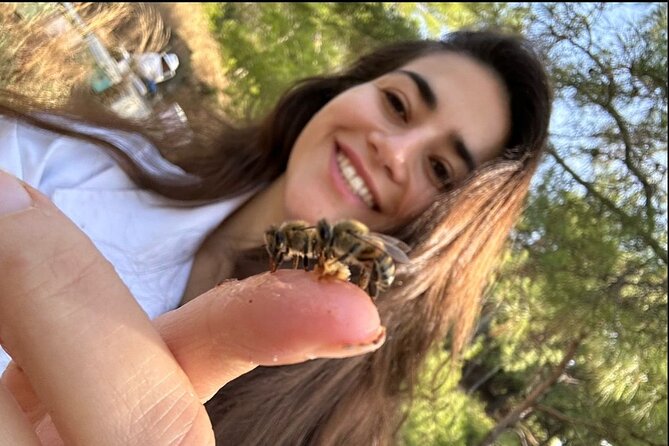
The family story gives this activity more substance than a simple shop stop. Areti continues the beekeeping work started by her parents and grandparents, and her mother and brother may also take part in the visit. That family connection matters because you are not just hearing a general talk about bees. You are being introduced to a working family business shaped by several generations.
Areti is described as both producer and agronomist. That combination should appeal to you if you want more than a basic explanation of honey flavors. The visit connects the bees to the island’s plants, seasonal changes, and the work needed to turn honey from the hive into a finished product.
The tone is intended to be friendly and informal. You can ask questions as you move through the apiculture center, then sit down for tea or coffee and honey delicacies. The setting is not presented as a large commercial attraction, so do not expect a polished museum with a long series of displays. Its appeal is the direct contact with the people who produce the honey.
More Beekeeping and Honey Farms in Greece:
- Olympia Shore Ex: Olympic site, Honey Farm & Olive Oil Tasting
★ 4.5 · 57 reviews - Katakolon 7hour tour : Olympia-Honey Farm-Winery-Beach
★ 5.0 · 53 reviews - Beekeeping and Honey Stories in Itea
★ 5.0 · 10 reviews
Starting in Archipoli at 1:00 pm
The meeting point is in Archipoli, with a scheduled start at 1:00 pm. The activity begins and ends at the same place, so you should plan your own transport to and from the center unless your booking details provide another arrangement. No pickup service is listed.
Archipoli is useful as a break from the busy resort areas of Rhodes, but the information provided does not give a travel time from Rhodes Town or the island’s hotels. Check your route before booking, especially if you are fitting this into a day of sightseeing. A private activity is less forgiving of late arrivals than a large group excursion.
The mobile ticket is convenient, and confirmation is sent at booking. English is the offered language. Since the visit is private, you will not be sharing the session with a larger public group. That can make the conversation easier and may help if you have specific questions about bees, honey production, or the family business.
Inside the apiculture center
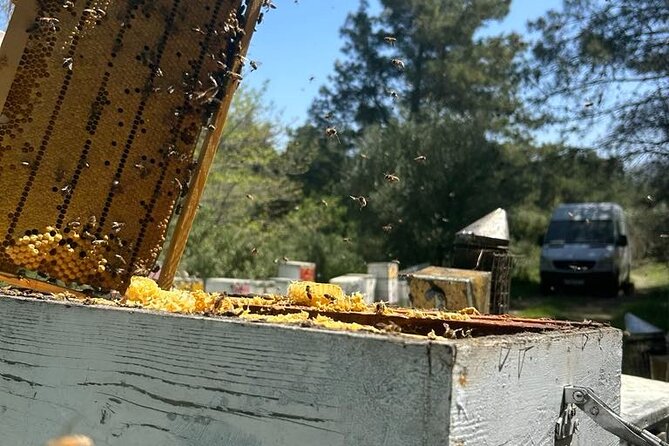
The workshop visit is the practical core of the experience. Areti explains the production process from the first stages of beekeeping through extraction and final packaging in jars. You get to see how a natural product becomes something ready for the kitchen shelf.
The value here is in understanding the work behind a familiar food. A jar of honey can look simple, but the visit shows the steps and care involved before it reaches the table. You also get a closer look at beekeeping on Rhodes, including the relationship between bees, flowering plants, and the island’s agricultural life.
The precise equipment and demonstrations are not listed, so you should not assume that every stage includes a hands-on task. The clearly stated elements are the workshop tour, an explanation of production, and a look at packaging. That is enough for a useful introduction, but anyone seeking a full working-hive session should confirm whether outdoor hive visits are included on the date you choose.
Some accounts of the family experience include a trip to the beehives. The standard details for this booking focus on the apiculture center and workshop, so treat the hive visit as something to verify rather than a guaranteed part of the 90-minute program. This is especially important if seeing live colonies is your main reason for booking.
Learning how Rhodes honey changes by flower
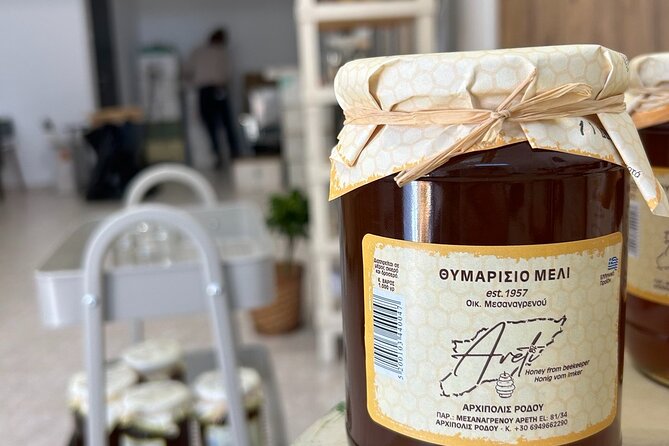
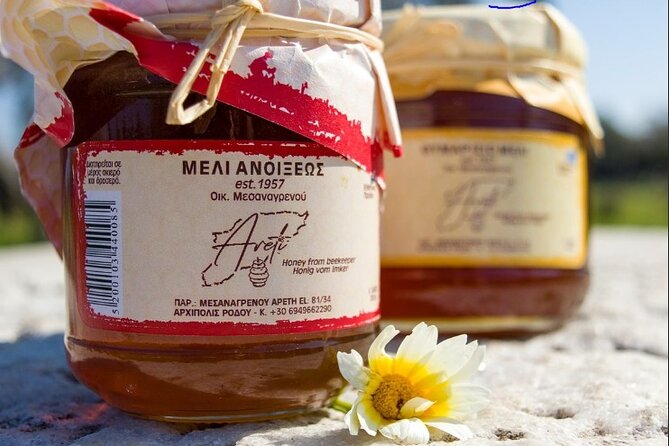
The tasting is more interesting because it compares several types of honey rather than offering only one sample. The menu can include thyme honey, forest honey, flower honey, pine honey, and heather honey. Agave honey has also been tasted during a family visit, although it is not included in the stated seasonal menu.
You may notice clear differences between the samples. The plants visited by the bees influence the aroma, color, and flavor, giving you a simple way to understand how local plants shape the final product. The exact selection changes with the season, so do not expect every listed variety on every visit.
Thyme honey is a natural choice for an island tasting, while pine, forest, flower, and heather varieties show a wider range of Rhodes production. The point is not to crown one flavor the winner. It is to pay attention to how different sources change the character of the honey.
A useful approach is to taste slowly and compare the samples in the order Areti suggests. If you already buy honey at home, this is a good chance to identify the style you prefer before purchasing a jar. The tasting can also help you avoid buying blindly based only on an attractive label.
More Food and Drink Trips in Greece:
- Heraklion: Olive Farm Tour with Tasting of Local Delicacies
★ 4.9 · 411 reviews - Cretan Cooking Class and Olive Oil Tasting
★ 5.0 · 178 reviews - Wine Tasting Tour at a traditional farm in Mykonos
★ 4.5 · 114 reviews - Crete: Farm Visit with Cheese Tasting and Milking Experience
★ 4.9 · 109 reviews
Fresh honey straight from the comb
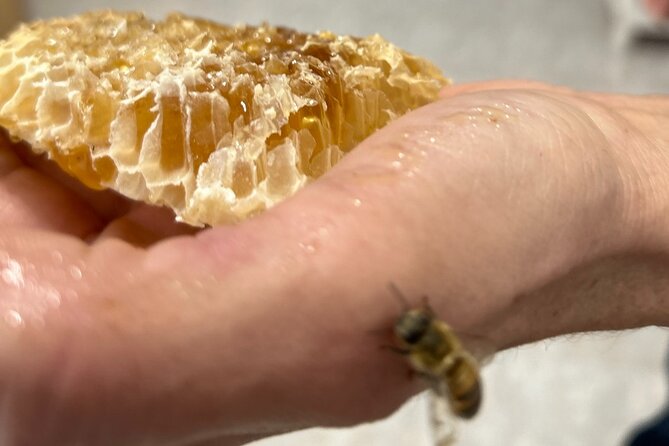
Honey from the comb gives the tasting its most memorable detail. It is less processed in appearance and lets you connect the finished food with the work of the bees. You are not just sampling honey poured from a jar. You are trying it in a form that shows where it came from.
This part will suit food-minded visitors, families, and anyone curious about traditional beekeeping. It also gives the visit a small sense of occasion without turning it into a formal meal. The stated food offering includes organic honey and honey delicacies served with tea or coffee.
The information does not specify a full lunch or a large spread, so plan to eat elsewhere if you need a substantial meal. Think of the refreshments as part of the tasting and conversation, not a replacement for lunch.
Tea, coffee, and a family conversation
After the workshop and tasting, the visit includes tea or coffee with honey delicacies. This slower part of the session is valuable because it gives you time to ask about Rhodes beekeeping, family traditions, and the different products made from the hive.
The family produces more than jars of honey. Products mentioned include beeswax and honey combined with other ingredients. The exact range can change, but the visit gives you a chance to see what is available and decide if you want to take something home.
I like this kind of ending because it keeps the visit from feeling rushed. You can move from facts to conversation, and the family’s hospitality is part of the experience. At the same time, the listed duration is only about 90 minutes, so the schedule may be fairly compact. If you want a long talk, a hive visit, and an extended tasting, ask how much time is planned for your booking.
What the $68.64 price includes
At $68.64 per person, this is not the cheapest way to buy a jar of Rhodes honey. You are paying for a private visit, guided explanation, workshop access, tasting, refreshments, and the chance to speak directly with the producer. The value depends on how much you enjoy food production and personal contact with local makers.
For someone who only wants honey as a souvenir, buying from the producer may be enough. For you if you want to understand how the product is made and compare several varieties, the price has a stronger case. The private format also matters. You avoid a large group and receive a more direct introduction to the family’s work.
Because the experience is short on paper, price-sensitive visitors should check exactly what is included before paying. Ask if an outdoor hive visit forms part of your time, or if the booking covers only the center and tasting. That one detail could change how you judge the value.
The family’s long connection to beekeeping adds meaning, but it does not turn this into a full-day agricultural tour. I would see it as a focused food activity, best paired with other plans in the Archipoli area rather than treated as the main event of an entire day.
Who will enjoy this activity most
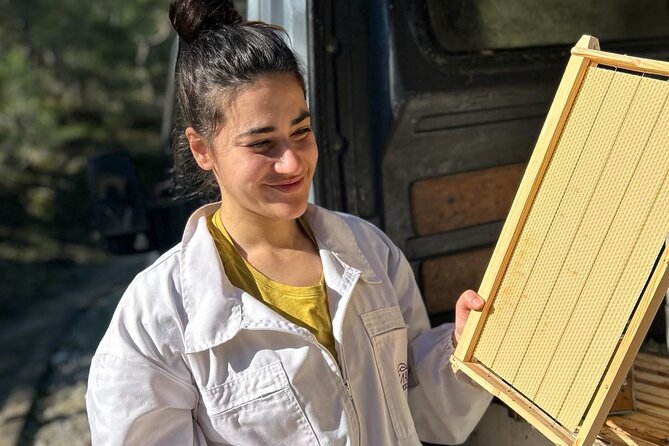
This visit suits you if you enjoy local food, small producers, and activities that explain how something is made. It is also a good choice for anyone who wants a quieter alternative to crowded sightseeing stops.
Families can find plenty to discuss here, especially children who are curious about bees and pollination. The private format may make it easier to keep young visitors involved, though the activity is still an educational workshop rather than a dedicated children’s attraction.
Couples and small groups who enjoy tasting experiences should also find the format appealing. The mix of explanation, sampling, and conversation gives you a pleasant change of pace from ruins, beaches, and resort restaurants.
You may want to skip it if you have a serious bee allergy. Bee allergies are specifically noted in the booking information, so contact the operator before committing. You should also check the arrangements if you want close contact with live hives, since that part is not clearly guaranteed in the standard 90-minute description.
Service animals are allowed, and the location is near public transportation. No further accessibility details are provided, so ask ahead if you have mobility needs or require a specific setup inside the workshop.
Practical planning for Archipoli
Set aside about 90 minutes based on the stated duration, then allow extra time for getting to Archipoli and for browsing or buying products afterward. The start time is 1:00 pm, and the activity returns to the meeting point.
Bring a mobile ticket and arrive with enough time to find the center. Since only your group participates, the visit is more personal, but that also means the operator may be working to a fixed appointment time.
If you hope to buy thyme honey, beeswax, or another product, bring room in your luggage. The family’s products make practical souvenirs, particularly for anyone who prefers food or handmade goods over mass-produced gifts. Seasonal availability means you should view the product selection as part of the visit rather than expect one fixed shopping list.
Free cancellation is available if you cancel at least 24 hours before the local start time. Cancellations or changes made less than 24 hours before the experience are not refunded or accepted, so check your plans before the deadline.
Should you book Areti Honey?
Book this if you want a personal Rhodes food experience led by a family that has kept bees for three generations. The strongest reasons are the direct introduction from Areti, the workshop tour, the range of honey samples, fresh honey from the comb, and the relaxed time with her mother and brother.
The main caution is the difference between the advertised 90-minute format and descriptions of longer visits that include the beehives. Confirm the exact program before booking if live hives are essential to you. Also consider the price carefully if you only want to purchase honey.
For most food-loving visitors, this makes a good short stop in Archipoli. It offers a clear look at island beekeeping, gives you something distinctive to taste, and supports a family producer rather than a generic souvenir shop.
FAQ
Where does the Areti Honey experience start?
It starts at Archipoli 851 06, Greece.
What time does the activity begin?
The scheduled start time is 1:00 pm.
How long does the experience last?
The listed duration is approximately 1 hour and 30 minutes.
Does the activity end at the same place?
Yes. The activity ends back at the meeting point in Archipoli.
What language is offered?
The experience is offered in English.
Is the activity private?
Yes. Only your group participates in this private activity.
What types of honey can I taste?
The seasonal menu can include thyme, forest, flower, pine, and heather honey. The selection varies by season.
Can I taste honey directly from the comb?
Yes. Fresh honey from the honeycombs is included in the experience description.
Are service animals allowed?
Yes. Service animals are allowed.
What is the cancellation policy?
You can cancel for a full refund up to 24 hours before the local start time. Cancellations or changes made less than 24 hours before the start are not accepted for a refund.
Just added around Greece
- Visit a Farm and Horseback Riding in Nature★ 5.0 · 10 reviews
- Insightful Pistachio Orchard and Factory Tour★ 4.5 · 27 reviews
- Santorinian Agriculture, Food, Wine, Beer, and Spirits★ 5.0 · 6 reviews
- Private Olive Oil tasting & Liqueur experience★ 5.0 · 17 reviews
- Santorini 5 Hour Private Oia Tour & Lunch/Dinner at a Local Farm★ 5.0 · 40 reviews
- Flavors of Santorini: Farm-to-Table Meal Wine & Authentic Village★ 5.0 · 12 reviews
- Cooking Class Sunset Dinner and Tour in Paros Farm★ 5.0 · 5 reviews
- Katakolon 7hour tour : Olympia-Honey Farm-Winery-Beach★ 5.0 · 53 reviews
Greece Farm Tours, compared.

Farm, Ano Mera Village, and Beaches Guided Tour
Read our review →
Road-trip to Lasithi, Zeus Cave & Olive Mill Farm
Read our review →
Olive Farm Tour with Tasting of Local Delicacies
Read our review →
Lassithi, Zeus Cave, Olive Mill Farm & Knossos Combo Tour
Read our review →
Naxos Perivoli Farm Experience & Wood-fire Cooking Class
Read our review →
Melanes: Naxos Perivoli Farm & Cooking Class with Wood Fire
Read our review →
Wine Tasting Tour at a traditional farm in Mykonos
Read our review →Browse the lists this tour appears in