
Review · SRI LANKA
Tea Plantation Tour in Ella, Sri Lanka
Tea picking is the heart of this Ella experience. You begin near Uva Halpewatte Tea Factory, offer a customary prayer to Lord Ganesh at a small kovil, then carry a basket into the fields and try the careful work of a tea picker. The session gives you a better feel for the stamina the job demands than a factory explanation alone.
I like the hands-on picking and the chance to meet a skilled picker such as Maria. I also like the four-tea tasting, which introduces grades such as OP, BOP, and FBOP in a simple way. The main caution is that the visit may focus more on the outdoor field and tasting than on the actual machinery inside the factory.
Key points about the Ella tea plantation visit
- Pick tea beside an experienced worker: Maria and other skilled pickers can show you how to select the right leaves.
- Begin with a local ritual: The visit includes worship of Lord Ganesh at a small kovil near the plantation.
- Try traditional picking clothes: You may wear a wraparound saree or sarong for the activity.
- Taste four Ceylon tea grades: The session explains labels such as OP, BOP, and FBOP.
- Enjoy high views at the Sky Café: The café sits about 300 metres above ground and 1,300 metres above sea level.
- Keep the visit short and manageable: The full activity takes about 40 minutes to one hour, with groups capped at 10 people.
What the $25 experience actually gives you
At $25, this is a fairly priced short activity rather than a full-day plantation visit. You are paying for a guided introduction to tea growing, a practical picking session, and tea tasting at one of Ella’s major tea producers.
The value is strongest if you want to do something rather than simply look at tea fields from a roadside viewpoint. Holding the basket, reaching for the correct leaves, and trying to keep pace with a practiced picker makes the work feel real. You quickly see why tea picking requires skill, speed, and stamina.
The price is less convincing if your main goal is a detailed factory tour. The experience is connected with Uva Halpewatte Tea Factory, but the actual amount of time spent inside the manufacturing area can vary. Some visitors have found the outdoor portion much stronger than the factory explanation, and full factory access may require an additional payment.
For a short stop between Ella sights, the cost makes sense. For a serious tea enthusiast who wants to study machinery and production in detail, I would check exactly what access is included before booking.
More Tea Plantation Tours in Sri Lanka:
- Ella’s Ceylon Tea Plantation and Factory Tour
★ 5.0 · 15 reviews - Galle Day Tour with River Safari, Tea Plantation & Sea Turtle
★ 5.0 · 11 reviews - Lipton’s Seat and Tea Factory,Trail Amidst Tea Plantation Day Tour
★ 4.5 · 11 reviews
Starting at Uva Halpewatte Tea Factory
The meeting point is Uva Halpewatte Tea Factory on Badulla Road in Hela Halpe, Ella. The activity operates daily from 8:00 a.m. to 4:30 p.m., and the visit ends back at the same point.
There is no single fixed start time shown for the activity. One account describes tours running about every 30 minutes, while the official timing gives a general operating window. That makes the visit fairly easy to fit into an Ella day, but I would allow a little spare time rather than arriving with a tight connection to a train, taxi, or another booked activity.
The group limit is 10 people. That is a useful size for a field lesson because you can hear the guide and watch the picking demonstration without being swallowed by a large crowd. Still, the exact feel depends on how many people are assigned to your departure.
You receive confirmation when booking, and a mobile ticket is accepted. The site is near public transportation, although the information provided does not specify the particular buses or fares.
The Ganesh prayer and the start of the tea lesson
Before picking begins, the group visits a small kovil near the plantation for the customary worship of Lord Ganesh. This is a brief cultural detail, but it gives the activity a local setting rather than treating the tea estate as a simple photo stop.
The guide then explains where tea came from, how it reached Sri Lanka, and how the country developed its Ceylon tea trade. The basic lesson covers the plant, harvesting, drying, storage, and the differences between black, green, and white tea.
You also learn the meaning of common grades. OP, BOP, and FBOP can look like a wall of factory shorthand when you first encounter them, so this part is useful for putting those names into context before tasting the finished tea.
Guide quality matters here. Sallay is praised for keeping the talk lively and clear, while Nari is noted for explaining the subject in a way that helped visitors understand the work. The experience is at its best when the guide links the technical details to the people working in the fields.
Picking tea with a basket in hand
The most memorable section is the move from explanation to work. You receive a basket and a small mottu, then enter the tea fields to pick leaves yourself.
The wording of the activity makes participation in tea picking part of the tour, not an optional extra. You should expect to take part rather than simply photograph someone else doing it. A wraparound saree or sarong may be available if you want to try the customary tea-plucker attire.
The clothing adds a playful touch, but the real value comes from the physical task. Picking tea is not simply pulling random leaves from a bush. You need to learn which growth to take and how to gather it efficiently. Even a short session can make the work feel more demanding than it appears from a distance.
This is where meeting a skilled picker can change the visit. Maria is described as an older, highly practiced tea plucker who adds useful human detail to the activity. You can watch her movements and compare them with your own slower attempts. That contrast helps you understand the difference between a photo opportunity and a job performed all day.
The session may last around half an hour within the wider tour. For some people, that is just enough time to enjoy the novelty. Others may find the picking portion long compared with the explanation of production. If you have limited mobility, note that the activity requires a moderate level of physical fitness.
More Plantation Tours in Sri Lanka:
- NuwaraEliya Tea Factory,Plantation & Water Falls Hike Tour by Car
★ 5.0 · 12 reviews - Shore Excursion From Colombo port to Ingiriya Tea Plantation & back for 2 People
★ 4.5 · 11 reviews - Bentota Village Tour with River Safari & Tea Plantation/Factory – All Inclusive
★ 5.0 · 9 reviews - Kandy privet day tour with pinnawala and Tea plantation
★ 4.4 · 4 reviews
How much of the factory will you see?
The Uva Halpewatte facility is presented as a tea manufacturer surrounded by fields, with a process that runs from harvested leaf to finished cup. In theory, that makes it a natural place to connect farming, processing, grading, and tasting.
In practice, you should clarify the factory component. Several accounts describe the tour as mainly outside, with the field visit and tea picking receiving more attention than the manufacturing floor. Another account treats the factory visit as a separate paid option.
That does not make the experience poor, but it affects what you should expect from the price. If you picture yourself watching the tea being rolled, dried, sorted, and packed, you may be disappointed if your session stays mostly in the field and tasting area.
I would treat the factory connection as useful context, not a guarantee of a long machinery tour. Ask at the ticket desk what your $25 ticket includes, especially if seeing the production rooms is important to you.
Four cups and a lesson in Ceylon tea
The tasting is meant to show why Ceylon tea comes in different grades and flavors. You taste four varieties, with the guide identifying styles such as OP, BOP, and FBOP.
This is a good chance to slow down and compare the cups rather than ordering tea by name alone. The activity also covers black, green, and white tea, giving you a basic framework for understanding how different processing methods affect the final drink.
The tasting quality may depend on how it is presented. Some sessions include a useful explanation, while others have four cups prepared in advance with little detail about the differences. Tea that has been sitting out can also lose some of its appeal.
I would ask questions as you go. What makes one grade stronger? Is the difference based on leaf size, processing, or both? Which tea is commonly served with milk? The more actively you ask, the more useful this section becomes.
The tea shop is another practical part of the stop. You may buy Ceylon tea at the end, and the range can be tempting. Take a moment to compare prices and grades before buying. A shop attached to a tourist attraction is convenient, but convenience does not automatically mean the best bargain.
The Sky Café and the view above Ella
The Sky Café sits on a mountain top about 300 metres above ground level and 1,300 metres above sea level. It is intended as a place to pause among wide views of tea estates and the surrounding countryside.
The setting adds something beyond the picking lesson. You can connect the tea in your cup with the slopes where it was grown, rather than treating the tasting as an indoor demonstration with no sense of place.
The information supplied does not confirm how much café time is included in every departure, so I would not book this solely as a café visit. Think of the views as an added part of the tea experience, not a separate sightseeing tour.
Also note that Ella Rock, Nine Arch Bridge, and Ravana Falls are not part of this activity. They may appear in general Ella descriptions, but this visit takes you to the tea field outside the factory and returns you to the meeting point.
Weather, timing, and what to wear
The tour needs good weather. Rain can stop the activity halfway through, which is a real concern in Ella. If poor weather forces cancellation, you can receive a different date or a full refund.
Wear clothes that can handle outdoor work and possible rain. If you choose the traditional picking outfit, remember that the activity still requires movement through the tea field. Comfortable footwear and a moderate level of fitness are sensible, though the supplied information does not give a specific footwear rule.
Morning may be a pleasant time to go because operations begin at 8:00 a.m., but the ticket allows visits during the wider 8:00 a.m. to 4:30 p.m. period. The best choice depends on your other plans and the day’s weather.
You can cancel for a full refund up to 24 hours before the start time. Within 24 hours, cancellation and changes are not accepted for a refund. The cut-off uses local Sri Lankan time.
Who will enjoy this tea tour?
I would choose this activity if you want a short, practical introduction to Sri Lankan tea and prefer a hands-on stop to a formal museum visit. It suits tea drinkers, families with older children, couples, and anyone curious about the human work behind a familiar cup.
It is also a good fit for visitors with only a few hours in Ella. The visit takes about 40 minutes to one hour, returns to its starting point, and can fit around other plans.
I would be more cautious if you want a long plantation walk, a detailed study of industrial machinery, or a quiet, private tasting. The group can include up to 10 people, the tea explanation may vary by guide, and the factory portion may be limited.
The experience also works well for people who want cultural contact without committing to a full agricultural tour. The Ganesh prayer, traditional clothing, and time with a tea picker give the visit more human texture than a simple shop stop.
My verdict on Uva Halpewatte
I like this tour most for the tea picking. The activity changes your view of the tea fields from pretty scenery into a workplace that demands speed and care. Meeting a skilled picker such as Maria, with guidance from people such as Sallay or Nari, gives the visit its strongest human element.
The tasting is worthwhile, though you may need to ask questions to get the most from it. The factory element is the main point to clarify before paying, since a short field-and-tasting experience is different from a full production tour.
Book it if you want a concise, active introduction to Ceylon tea for $25. Skip it, or confirm the inclusions first, if your priority is a thorough factory visit. For most visitors with a free hour in Ella, the basket, the leaves, and the chance to see tea work up close make this a fair-value stop.
FAQ
How long does the tea plantation tour take?
The activity usually takes about 40 minutes to one hour. The listed itinerary gives one hour, while the general description allows a visit during the operating day.
Where does the tour begin and end?
It begins at Uva Halpewatte Tea Factory on Badulla Road in Hela Halpe, Ella, Sri Lanka. The activity ends back at the meeting point.
What are the operating hours?
The tour operates Monday through Sunday from 8:00 a.m. to 4:30 p.m.
Do I have to pick tea?
Yes. Participation in the tea-picking session is part of the plantation tour. You receive a basket and a small mottu for the activity.
Can I wear traditional tea-picker clothing?
You may wear the customary tea-picker attire of a wraparound saree or sarong if you decide to take part in the picking activity.
How many people can join the tour?
The maximum group size is 10 people.
What happens if it rains?
The experience requires good weather. If poor weather causes cancellation, you can be offered another date or a full refund. You can also cancel at least 24 hours before the start time for a full refund.
Just added around Sri Lanka
- Sri Lanka All Inclusive Day Tour: Hiking & Activities Farmers Village Kandy★ 5.0 · 2 reviews
- Private day tour kandy to nuwara eliya tea plantation★ 5.0 · 2 reviews
- Galle Day Tour with River Safari, Tea Plantation & Sea Turtle★ 5.0 · 11 reviews
- Day out to Galle[Stilt Fishing. Turtle watching.Cinnamon Farm]★ 4.5 · 9 reviews
- Lipton’s Seat and Tea Factory,Trail Amidst Tea Plantation Day Tour★ 4.5 · 11 reviews
- Shore Excursion From Colombo port to Ingiriya Tea Plantation & back for 2 People★ 4.5 · 11 reviews
- Bentota Village Tour with River Safari & Tea Plantation/Factory – All Inclusive★ 5.0 · 9 reviews
- From Sigiriya:Polonnaruwa Day Tour with Farmers lunch★ 5.0 · 4 reviews
Sri Lanka Farm Tours, compared.
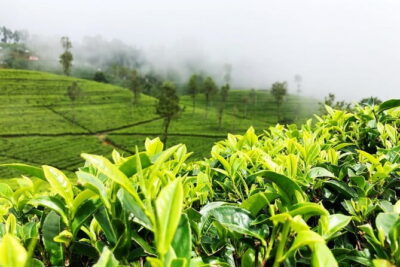
Tea Experience Tour in Haputale with Lunch at a Village house
Read our review →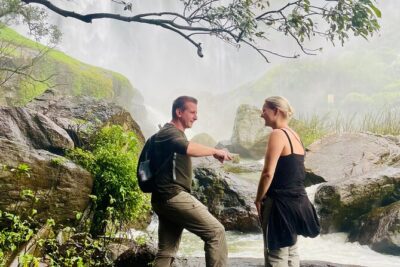
NuwaraEliya Tea Factory,Plantation & Water Falls Hike Tour by Car
Read our review →
Shore Excursion From Colombo port to Ingiriya Tea Plantation & back for 2 People
Read our review →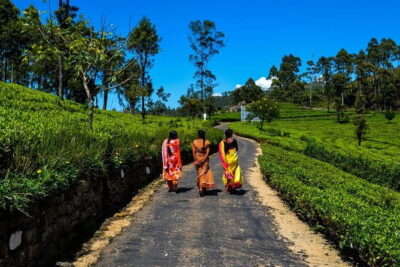
Lipton’s Seat and Tea Factory,Trail Amidst Tea Plantation Day Tour
Read our review →
Galle Day Tour with River Safari, Tea Plantation & Sea Turtle
Read our review →
Bentota Village Tour with River Safari & Tea Plantation/Factory – All Inclusive
Read our review →![Day out to Galle[Stilt Fishing. Turtle watching.Cinnamon Farm]](https://6.farmingtraveler.com/wp-content/uploads/day-out-to-galle-stilt-fishing-turtle-watching-cinnamon-farm-400x267.jpg)
Day out to Galle[Stilt Fishing. Turtle watching.Cinnamon Farm]
Read our review →Browse the lists this tour appears in